



Paramètres
- 181pages
- 7 heures de lecture
En savoir plus sur le livre
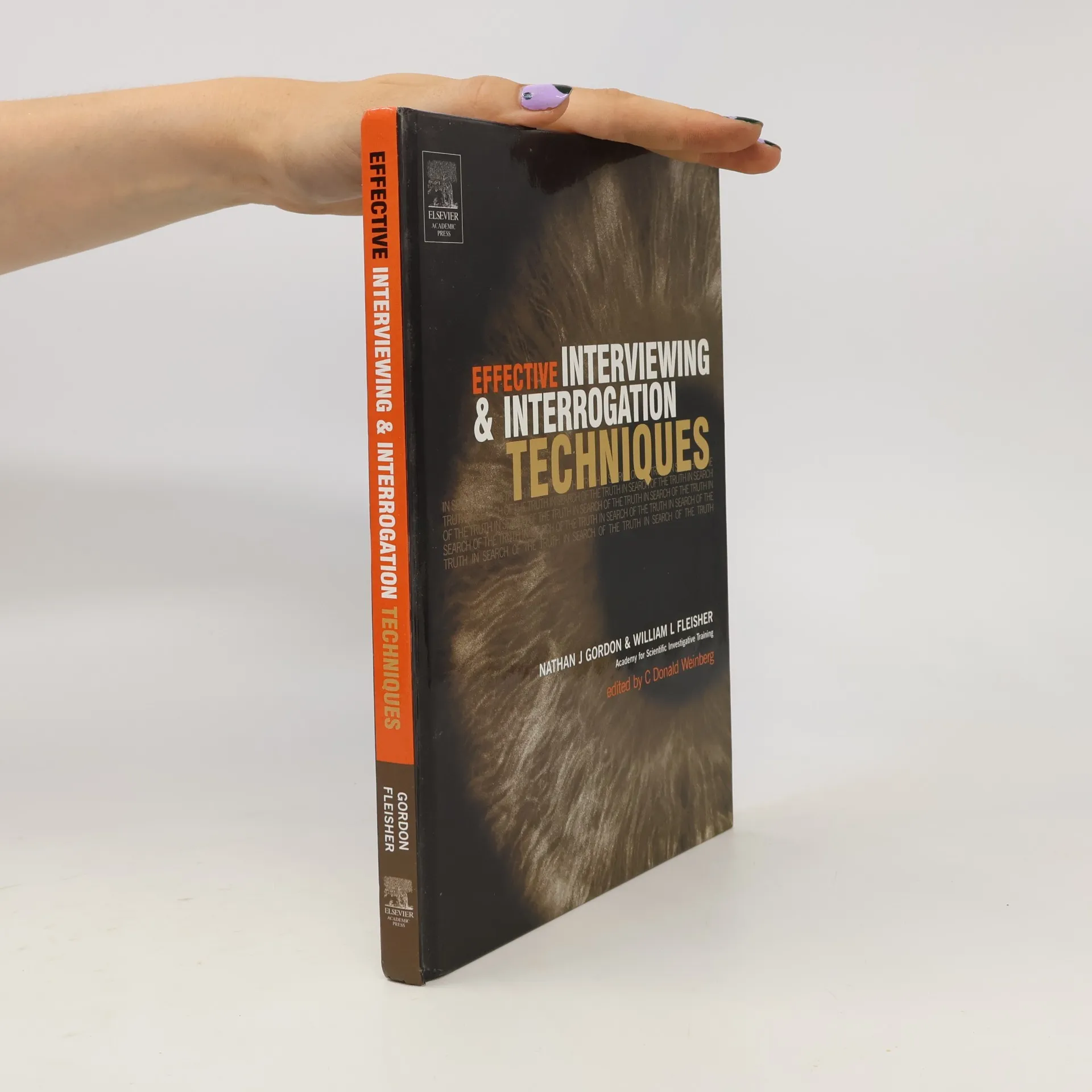
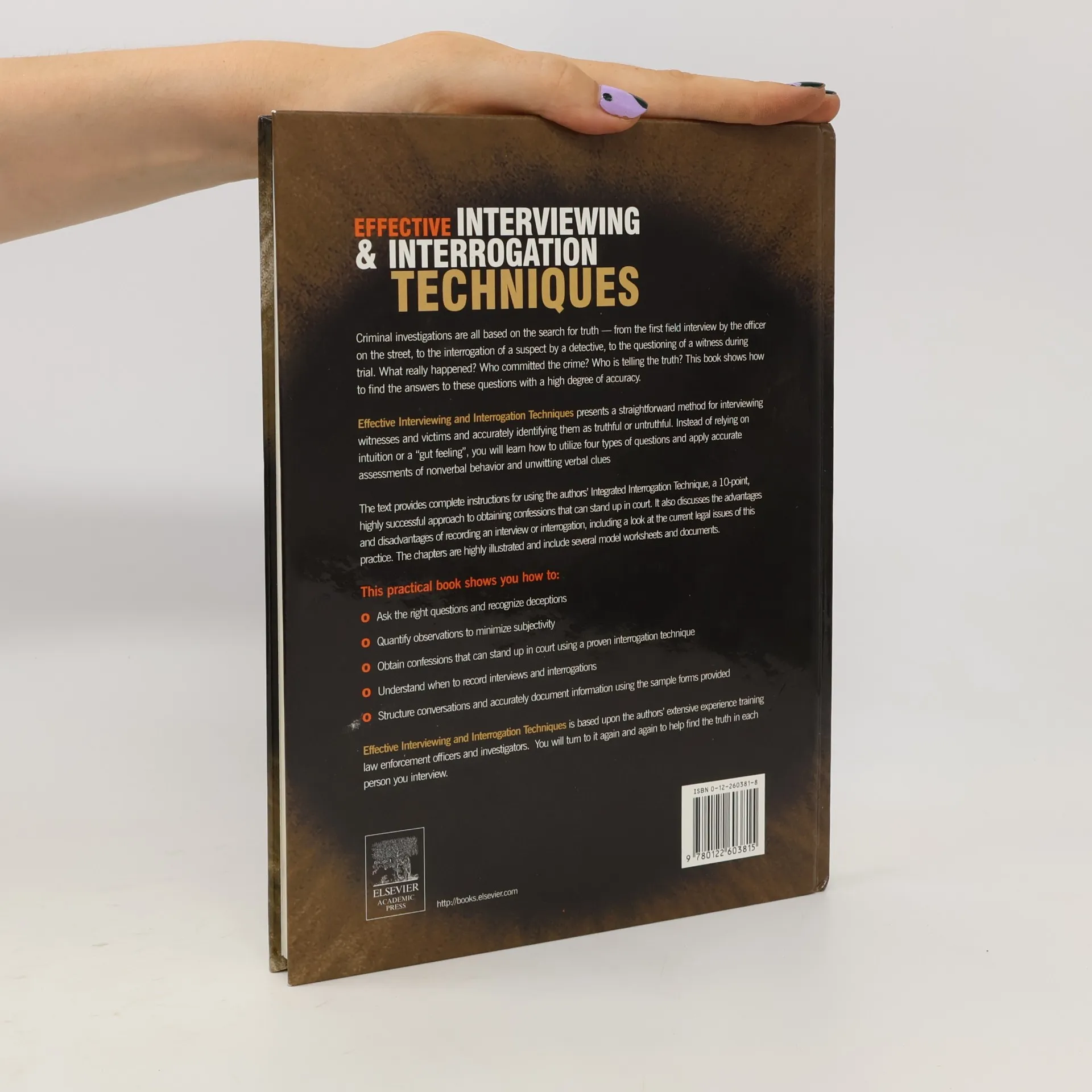
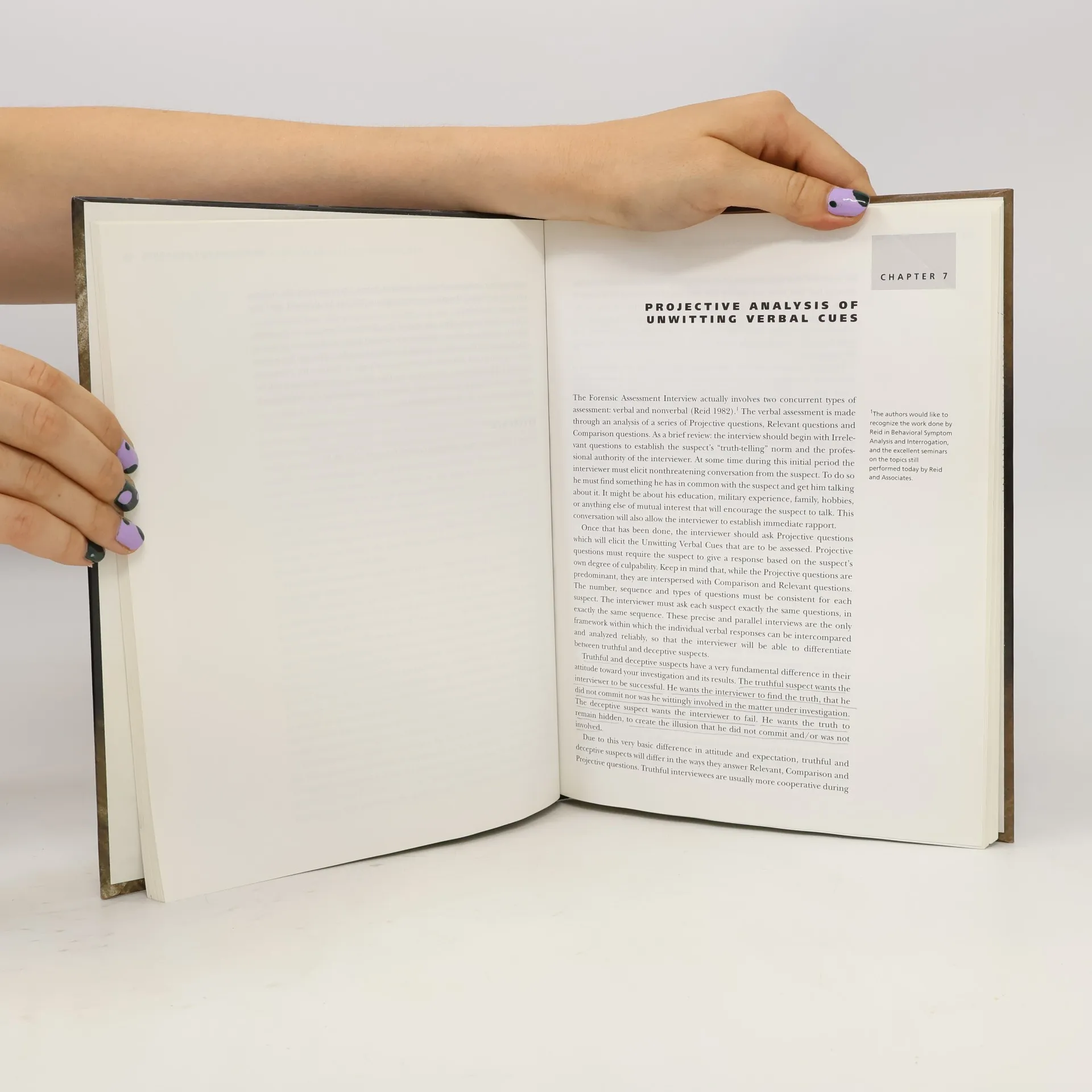
Effective Interviewing and Interrogation Techniques offers a practical approach for interviewing witnesses and victims, as well as interrogating suspects, with a focus on accurately identifying truthfulness. Rather than relying on intuition, interviewers will learn to employ four types of questions and assess nonverbal behavior and verbal cues. The book emphasizes quantifying observations to minimize subjectivity in evaluating suspects' truthfulness. Readers will also be introduced to the authors' Integrated Interrogation Technique, a 10-point method that has proven successful in obtaining court-upheld confessions. The text discusses the pros and cons of recording interviews and interrogations, along with relevant legal considerations. To enhance understanding, the book includes numerous illustrations and model worksheets, such as Consent Forms, Forensic Assessment Interview Technique Form, Numerical Evaluation Form, Sample Confession, and a Pre-employment Security Booklet. Investigators will find this resource invaluable for uncovering the truth in their interviews, making it a go-to reference for professionals in the field.


Achat du livre
Effective Interviewing and Interrogation Techniques, Nathan J. Gordon, William L Fleisher, C. Donald Weinberg
- Langue

- Année de publication
- 2004
- product-detail.submit-box.info.binding
- (rigide),
- État du livre
- Abîmé
- Prix
- 4,74 €
Modes de paiement
Il manque plus que ton avis ici.
- Langue
- Anglais
- Éditeur
- Academic Press
- Publié
- 2004
- Format
- rigide
- Pages
- 181
- ISBN10
- 0122603818
- ISBN13
- 9780122603815
- Séries
- Mots clés
- Nonfiction, Sciences sociales, Sciences politiques & Politique, Thèmes psychologiques, Thématique juridique, États-Unis, Théories politiques, Criminalistique, Criminologie
- Évaluation
- 3,9 sur 5
- Description
- Effective Interviewing and Interrogation Techniques offers a practical approach for interviewing witnesses and victims, as well as interrogating suspects, with a focus on accurately identifying truthfulness. Rather than relying on intuition, interviewers will learn to employ four types of questions and assess nonverbal behavior and verbal cues. The book emphasizes quantifying observations to minimize subjectivity in evaluating suspects' truthfulness. Readers will also be introduced to the authors' Integrated Interrogation Technique, a 10-point method that has proven successful in obtaining court-upheld confessions. The text discusses the pros and cons of recording interviews and interrogations, along with relevant legal considerations. To enhance understanding, the book includes numerous illustrations and model worksheets, such as Consent Forms, Forensic Assessment Interview Technique Form, Numerical Evaluation Form, Sample Confession, and a Pre-employment Security Booklet. Investigators will find this resource invaluable for uncovering the truth in their interviews, making it a go-to reference for professionals in the field.