


Paramètres
- 128pages
- 5 heures de lecture
En savoir plus sur le livre
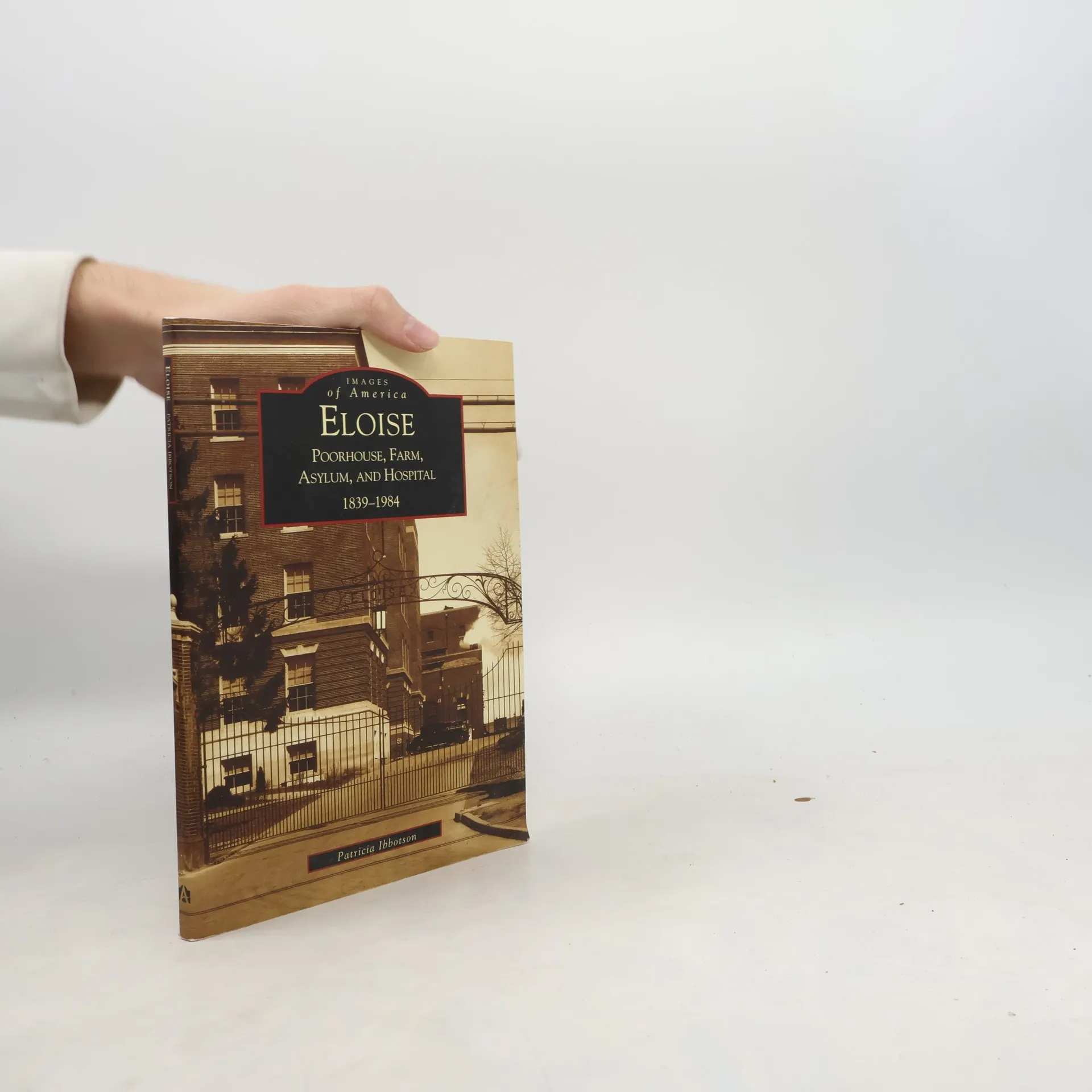
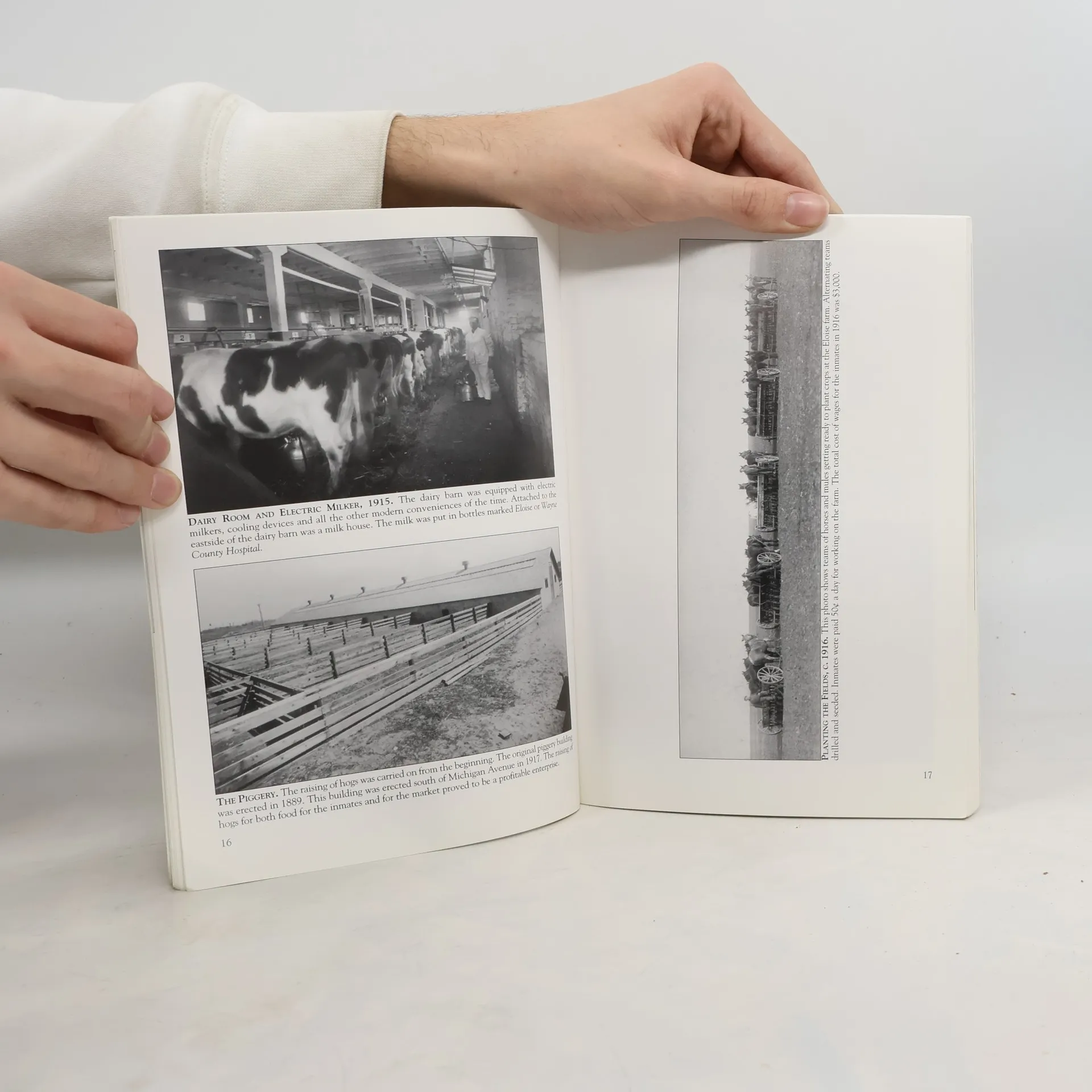
Eloise, which started out as a poorhouse, later became known as Wayne County General Hospital. Today, all that remains are five buildings and a smokestack.From only 35 residents on 280 acres in 1839, the complex grew dramatically after the Civil War until the total land involved was 902 acres and the total number of patients was about 10,000. Only one of them, the Kay Beard Building, is currently used.In Poorhouse, Farm, Asylum, and Hospital, 1839-1984, this institution and medical center that cared for thousands of people over the years, is brought back to life. The book, in over 220 historic photographs, follows the facility's roots, from its beginnings as a poorhouse, to the founding of its psychiatric division and general hospital. The reader will also be able to trace the changing face of psychiatric care over the years. The book effectively captures what it was like to live, work, and play on Eloise's expansive grounds.
Achat du livre
Images of America: Eloise, Patricia Ibbotson
- Langue

- Année de publication
- 2002
- Reliure
- (souple)
Modes de paiement
Il manque plus que ton avis ici.
- Titre
- Images of America: Eloise
- Sous-titre
- Poorhouse, Farm, Asylum and Hospital 1839-1984
- Langue
- Anglais
- Auteurs
- Patricia Ibbotson
- Éditeur
- Arcadia Publishing (SC)
- Publié
- 2002
- Format
- souple
- Pages
- 128
- ISBN10
- 0738519545
- ISBN13
- 9780738519548
- Mots clés
- Thème historique, États-Unis, Histoire locale, Santé mentale, Hôpitaux, Hôpitaux psychiatriques
- Évaluation
- 3,9 sur 5
- Description
- Eloise, which started out as a poorhouse, later became known as Wayne County General Hospital. Today, all that remains are five buildings and a smokestack.From only 35 residents on 280 acres in 1839, the complex grew dramatically after the Civil War until the total land involved was 902 acres and the total number of patients was about 10,000. Only one of them, the Kay Beard Building, is currently used.In Poorhouse, Farm, Asylum, and Hospital, 1839-1984, this institution and medical center that cared for thousands of people over the years, is brought back to life. The book, in over 220 historic photographs, follows the facility's roots, from its beginnings as a poorhouse, to the founding of its psychiatric division and general hospital. The reader will also be able to trace the changing face of psychiatric care over the years. The book effectively captures what it was like to live, work, and play on Eloise's expansive grounds.