



En savoir plus sur le livre
Gypsies have always intrigued and fascinated - partly because of their mysterious origins, and partly because of the romance of nomadism. But because they resist assimilation, having survived as a distinct people for over a thousand years, they have also been the victims of other people's nationalism and xenophobia. In this fascinating and timely study, Fonseca focuses particularly on the gypsies in Eastern Europe (an estimated 6 million), and their future as a distinct race within a nationalist Europe. While researching the book, Fonseca learned Romany and stayed with the gypsies, becoming deeply involved with their lives, and befriending several gypsy kings. The result is a clolourful and frank book, filled with enthusiasm and curiosity, without lapsing into piety or romanticism.


Achat du livre
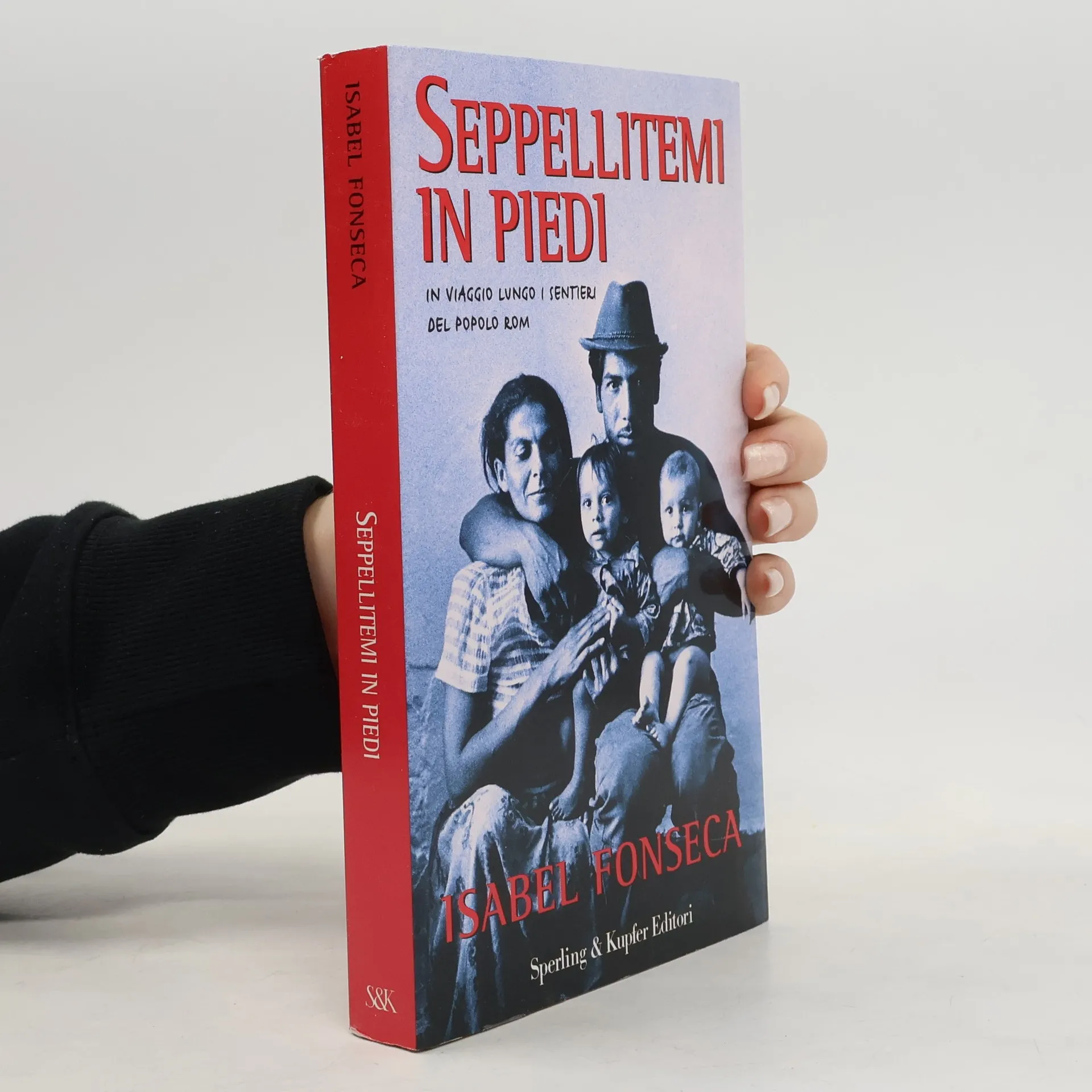
Seppellitemi in piedi, Isabel Fonseca
- Langue

- Année de publication
- 1999
- Reliure
- (souple)
Modes de paiement
Il manque plus que ton avis ici.
- Titre
- Seppellitemi in piedi
- Sous-titre
- In viaggio lungo i sentieri del popolo Rom
- Langue
- Italien
- Auteurs
- Isabel Fonseca
- Éditeur
- Sperling & Kupfer
- Publié
- 1999
- Format
- souple
- Pages
- 336
- ISBN10
- 8820027070
- ISBN13
- 9788820027070
- Séries
- Mots clés
- Thème historique, Voyage, Société, Culture et Société, Holocauste, Roms, Ethnologie, Europe de l'Est, Roumanie
- Première publication
- 1995
- Titre original
- Bury me standing
- Évaluation
- 3,95 sur 5
- Description
- Gypsies have always intrigued and fascinated - partly because of their mysterious origins, and partly because of the romance of nomadism. But because they resist assimilation, having survived as a distinct people for over a thousand years, they have also been the victims of other people's nationalism and xenophobia. In this fascinating and timely study, Fonseca focuses particularly on the gypsies in Eastern Europe (an estimated 6 million), and their future as a distinct race within a nationalist Europe. While researching the book, Fonseca learned Romany and stayed with the gypsies, becoming deeply involved with their lives, and befriending several gypsy kings. The result is a clolourful and frank book, filled with enthusiasm and curiosity, without lapsing into piety or romanticism.