

En savoir plus sur le livre
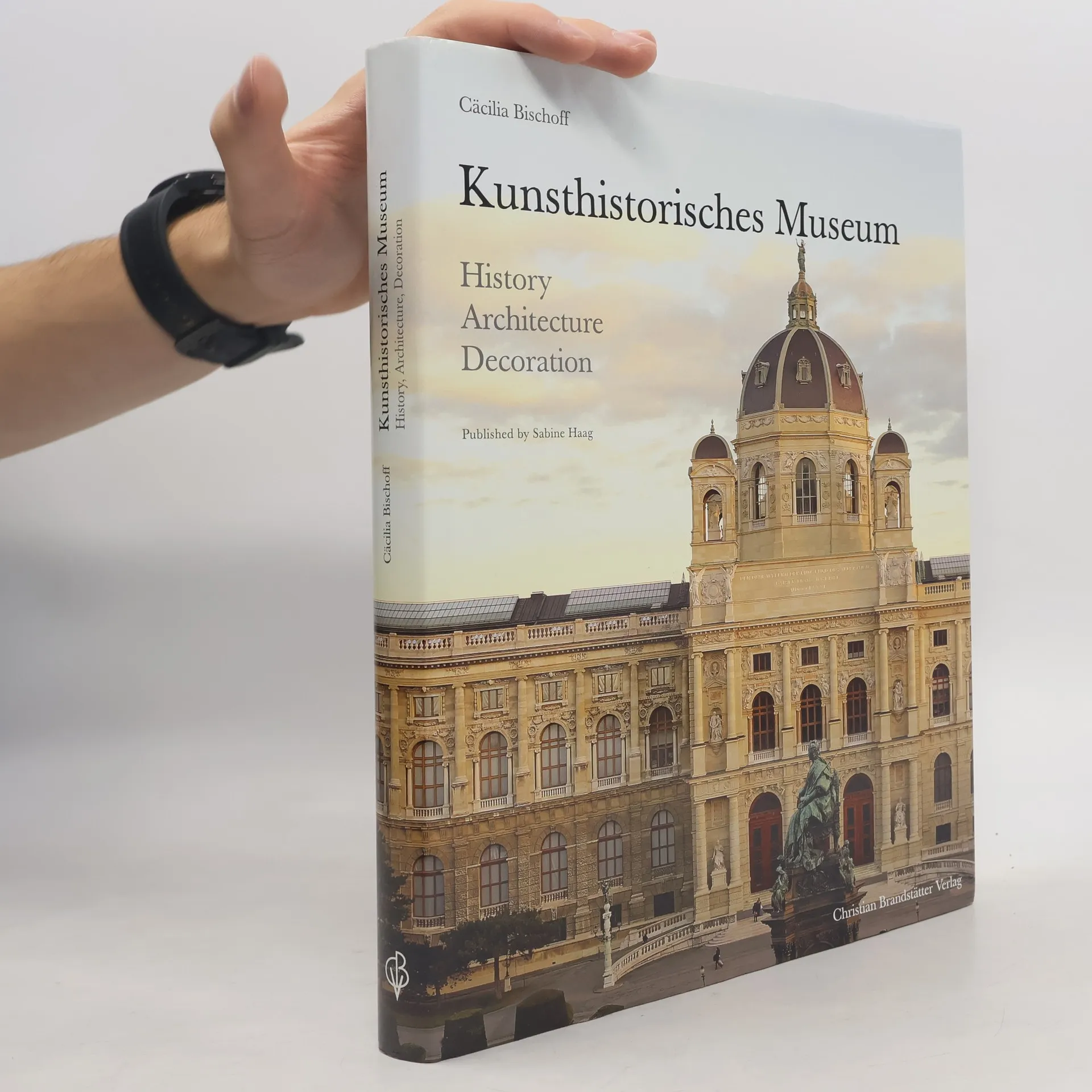
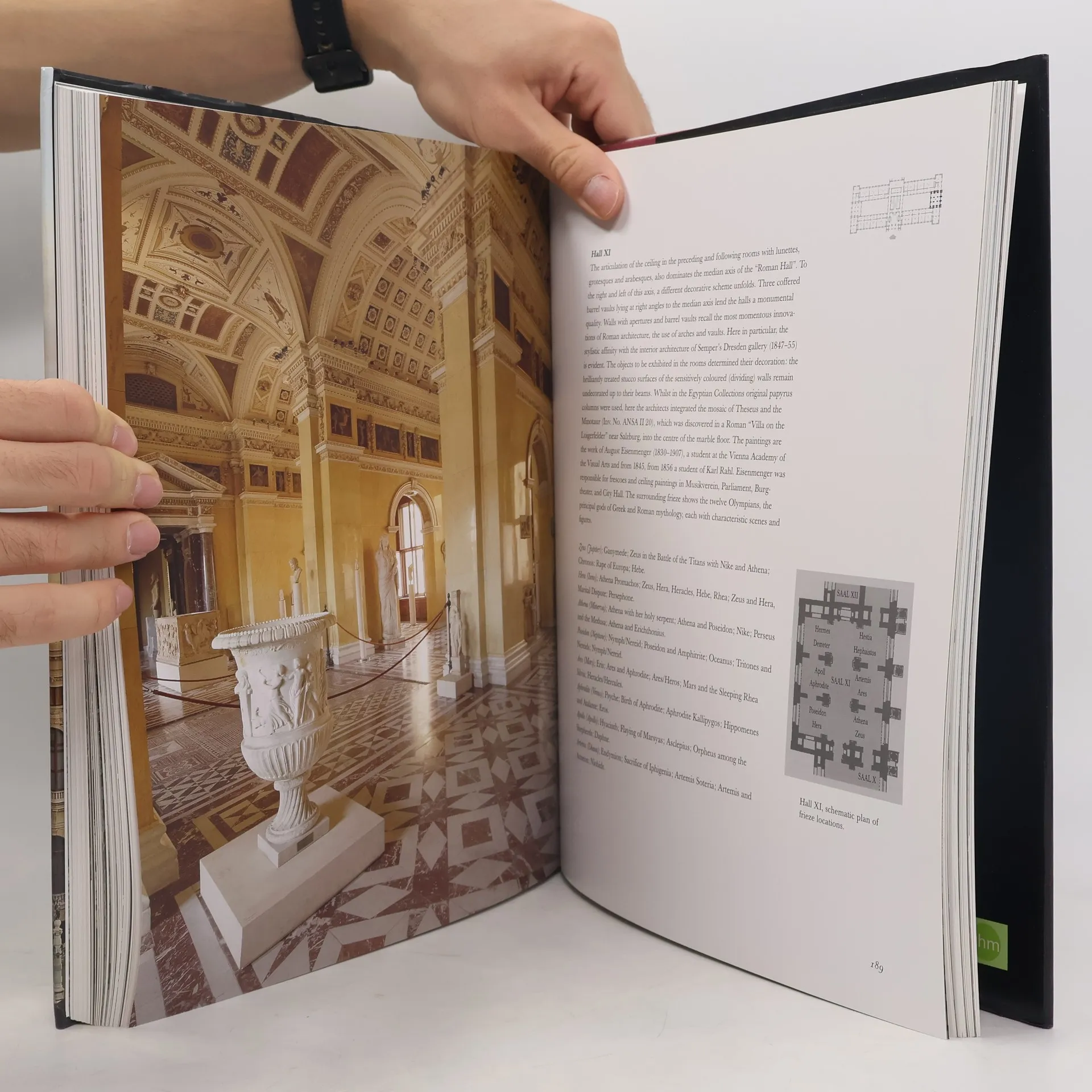
The magnificent building on Viennas Ringstrasse which was opened in 1891 is at once one of the most important examples of museum architecture in Europe and an outstanding document of the Habsburg dynastys imperial self-representation. This new monograph on the history, architecture and decoration of Kunsthistorisches Museum presents the buildings wealth of painted, sculptural and architectonic decoration vividly and with methodic attention to detail. The work includes a brief review of the historical development of museums, construction of the Ringstrasse from 1857, and plans for the Kaiserforum or Imperial Forum. It is also recounts the story of the stormy relationship between the architects Gottfried Semper and Carl von Hasenauer in their quest for a common artistic statement. Extraordinary and, in large part, new photographic material makes the book an excellent practical guide and equally allows the armchair visitor to experience the museum in all its splendour.
Achat du livre
Kunsthistorisches Museum, Ccilia Bischoff
- Langue

- Année de publication
- 2011
- Reliure
- (rigide)
Modes de paiement
Il manque plus que ton avis ici.
- Titre
- Kunsthistorisches Museum
- Sous-titre
- History, Architecture, Decoration
- Langue
- Anglais
- Auteurs
- Ccilia Bischoff
- Éditeur
- Christian Brandstätter
- Publié
- 2011
- Format
- rigide
- Pages
- 264
- ISBN10
- 3854971877
- ISBN13
- 9783854971870
- Séries
- Catégories
- Mots clés
- Évaluation
- 4 sur 5
- Description
- The magnificent building on Viennas Ringstrasse which was opened in 1891 is at once one of the most important examples of museum architecture in Europe and an outstanding document of the Habsburg dynastys imperial self-representation. This new monograph on the history, architecture and decoration of Kunsthistorisches Museum presents the buildings wealth of painted, sculptural and architectonic decoration vividly and with methodic attention to detail. The work includes a brief review of the historical development of museums, construction of the Ringstrasse from 1857, and plans for the Kaiserforum or Imperial Forum. It is also recounts the story of the stormy relationship between the architects Gottfried Semper and Carl von Hasenauer in their quest for a common artistic statement. Extraordinary and, in large part, new photographic material makes the book an excellent practical guide and equally allows the armchair visitor to experience the museum in all its splendour.