



En savoir plus sur le livre
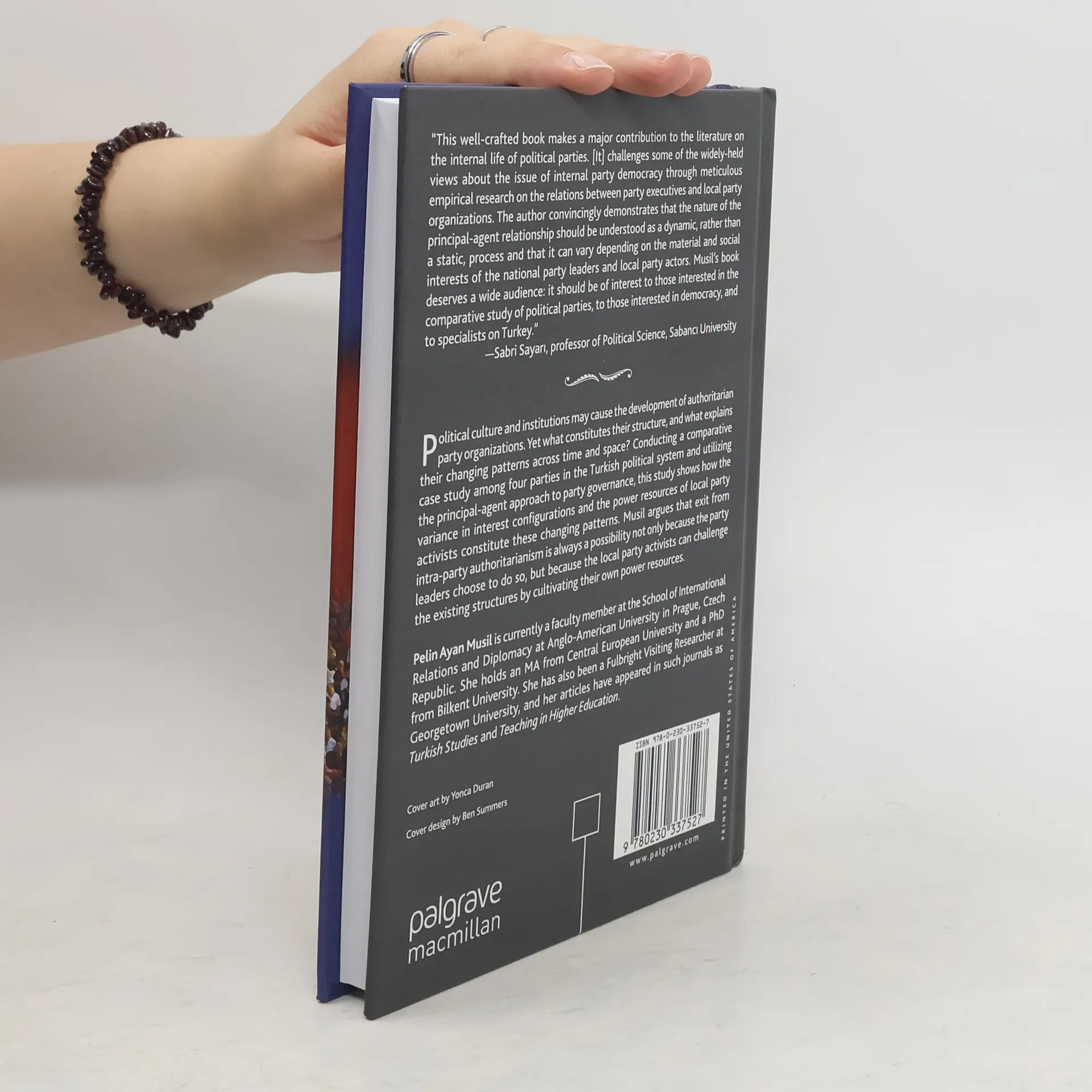
Political culture and institutions may cause the development of authoritarian party organizations. Yet what constitutes their structure and what explains their changing patterns across time and space? Conducting a comparative case study among four parties in the Turkish political system and utilizing the principal-agent approach to party governance, this study shows how the variance in interest configurations and the power resources of local party activists constitute these changing patterns. Musil argues that exit from intra-party authoritarianism is always a possibility, not only because the party leaders choose to do so, but because the local party activists can challenge the existing structures by cultivating their own power resources.
Achat du livre
Authoritarian Party Structures and Democratic Political Setting in Turkey, Pelin Ayan Musil
- Langue

- Année de publication
- 2011
- Reliure
- (rigide)
Modes de paiement
Personne n'a encore évalué .
- Titre
- Authoritarian Party Structures and Democratic Political Setting in Turkey
- Langue
- Anglais
- Auteurs
- Pelin Ayan Musil
- Éditeur
- Palgrave Macmillan
- Publié
- 2011
- Format
- rigide
- Pages
- 245
- ISBN10
- 023033752X
- ISBN13
- 9780230337527
- Séries
- Mots clés
- Description
- Political culture and institutions may cause the development of authoritarian party organizations. Yet what constitutes their structure and what explains their changing patterns across time and space? Conducting a comparative case study among four parties in the Turkish political system and utilizing the principal-agent approach to party governance, this study shows how the variance in interest configurations and the power resources of local party activists constitute these changing patterns. Musil argues that exit from intra-party authoritarianism is always a possibility, not only because the party leaders choose to do so, but because the local party activists can challenge the existing structures by cultivating their own power resources.