

Paramètres
- 77pages
- 3 heures de lecture
En savoir plus sur le livre
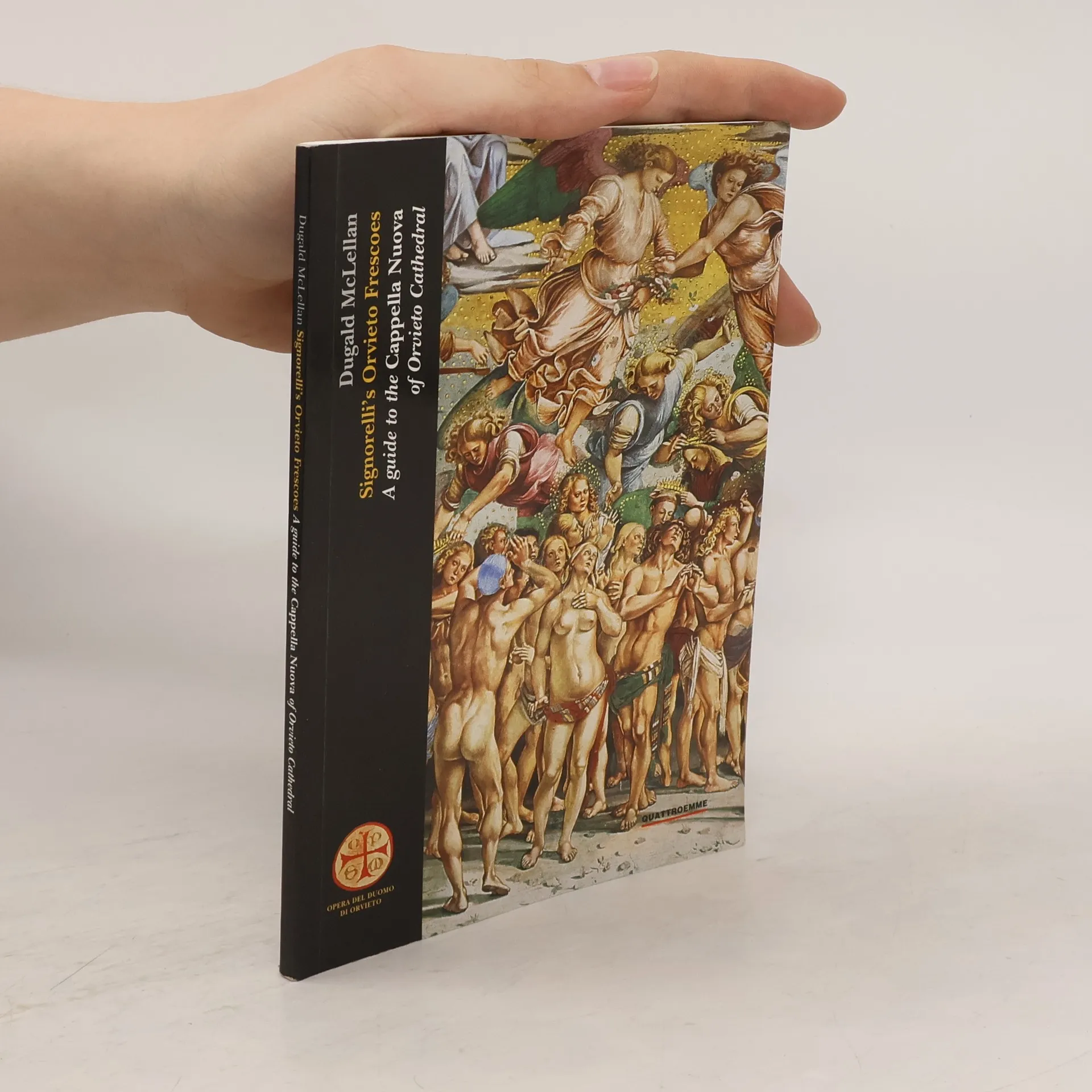
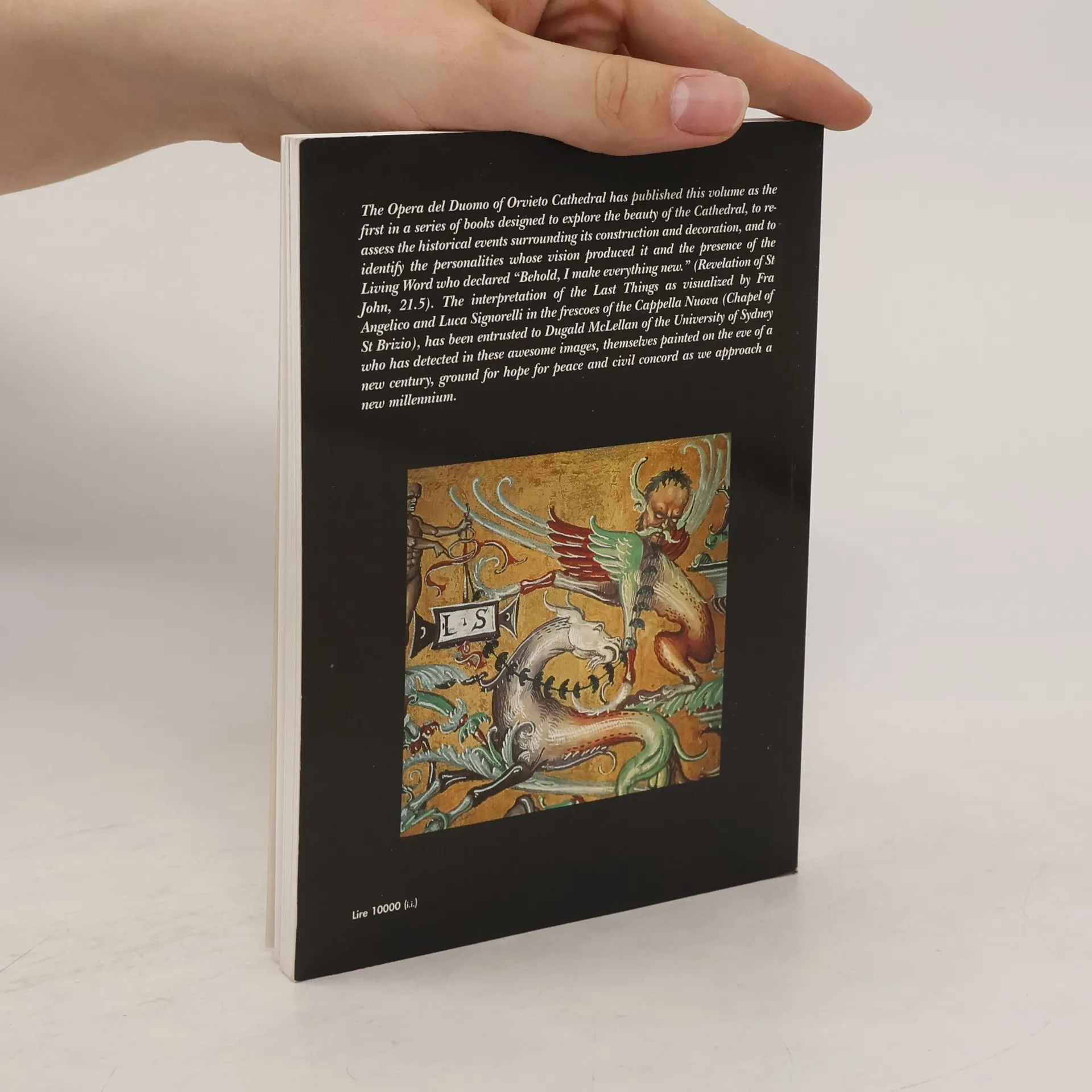
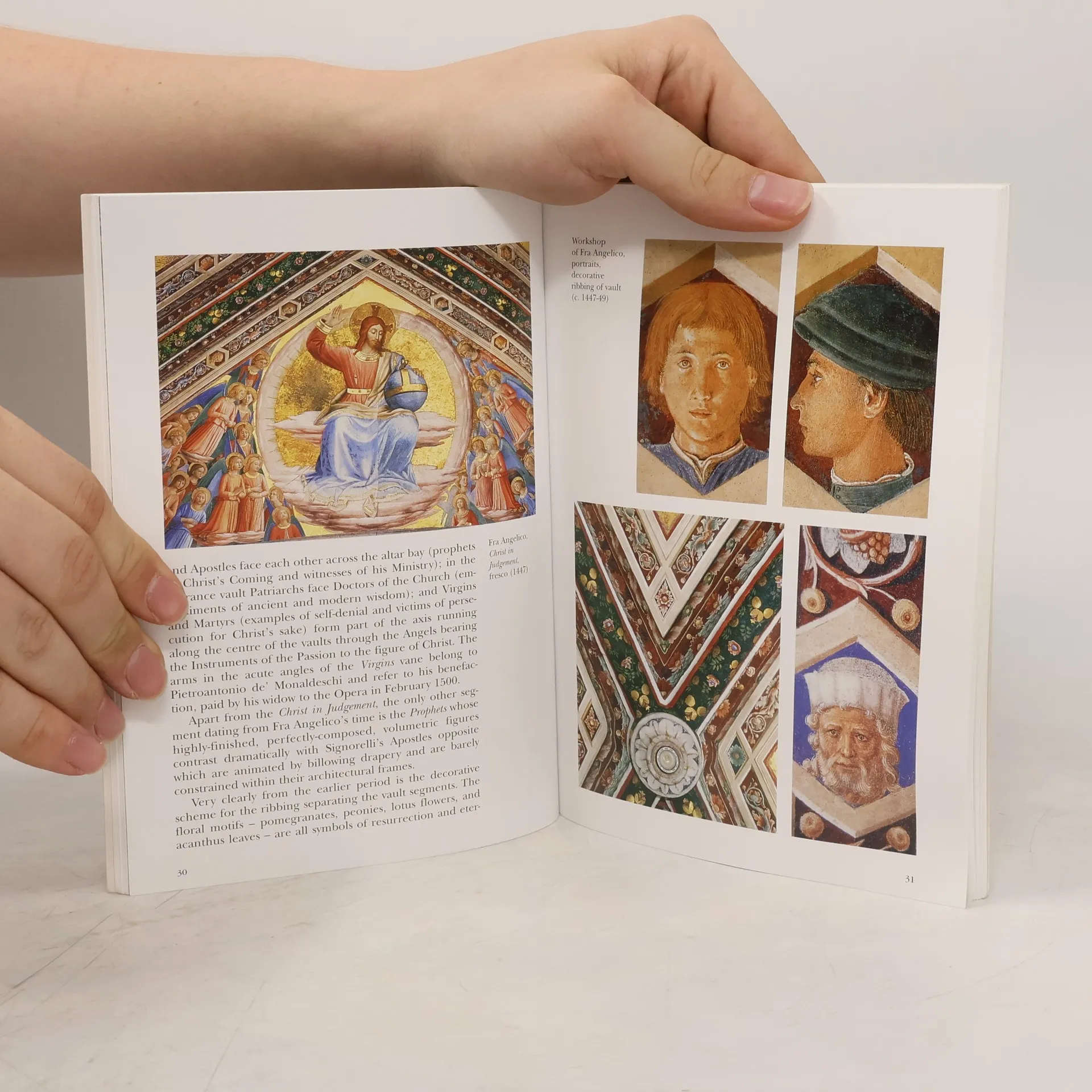
The Orvieto Cathedral is famous for the frescoes of the Last Judgment by Luca Signorelli. They were initiated by Fra Angelico with the help of Benozzo Bozzoli. Unlike in the rest of Europe, Italian Gothic builders left large flat walls inside cathedrals that were painted by contemporary artists, contended between the municipalities and the great abbeys. This allows artists to develop a personal conception of the pictorial work: new is the depiction of interiors as inhabited spaces, the presentation of the landscape as a living nature, the observation of the individual, and the extreme elegance of forms and colors. The New Chapel, with its "figurative opulence," constitutes one of the most representative testimonies of Italian Renaissance painting. Built between 1406 and 1425 using the 14th-century supporting structures of the transept, the Chapel opens onto the southern end of the transverse nave, replacing the old sacristy and one of the semi-cylindrical chapels of the side aisle (belonging to the Monaldeschi), creating a pendant with the Chapel of the Holy Corporal. Fra Angelico and Luca Signorelli are the artists who created the pictorial cycle.
Achat du livre
Signorelli's Orvieto Frescos, Dugald McLellan
- Langue

- Année de publication
- 1998
- Reliure
- (souple)
Modes de paiement
Personne n'a encore évalué .
- Titre
- Signorelli's Orvieto Frescos
- Sous-titre
- A Guide to the Cappella Nuova of Orvieto Cathedral
- Langue
- Anglais
- Auteurs
- Dugald McLellan
- Éditeur
- Quattroemme
- Publié
- 1998
- Format
- souple
- Pages
- 77
- ISBN10
- 8885962300
- ISBN13
- 9788885962309
- Séries
- Mots clés
- Architecture, Monuments architecturaux
- Description
- The Orvieto Cathedral is famous for the frescoes of the Last Judgment by Luca Signorelli. They were initiated by Fra Angelico with the help of Benozzo Bozzoli. Unlike in the rest of Europe, Italian Gothic builders left large flat walls inside cathedrals that were painted by contemporary artists, contended between the municipalities and the great abbeys. This allows artists to develop a personal conception of the pictorial work: new is the depiction of interiors as inhabited spaces, the presentation of the landscape as a living nature, the observation of the individual, and the extreme elegance of forms and colors. The New Chapel, with its "figurative opulence," constitutes one of the most representative testimonies of Italian Renaissance painting. Built between 1406 and 1425 using the 14th-century supporting structures of the transept, the Chapel opens onto the southern end of the transverse nave, replacing the old sacristy and one of the semi-cylindrical chapels of the side aisle (belonging to the Monaldeschi), creating a pendant with the Chapel of the Holy Corporal. Fra Angelico and Luca Signorelli are the artists who created the pictorial cycle.