

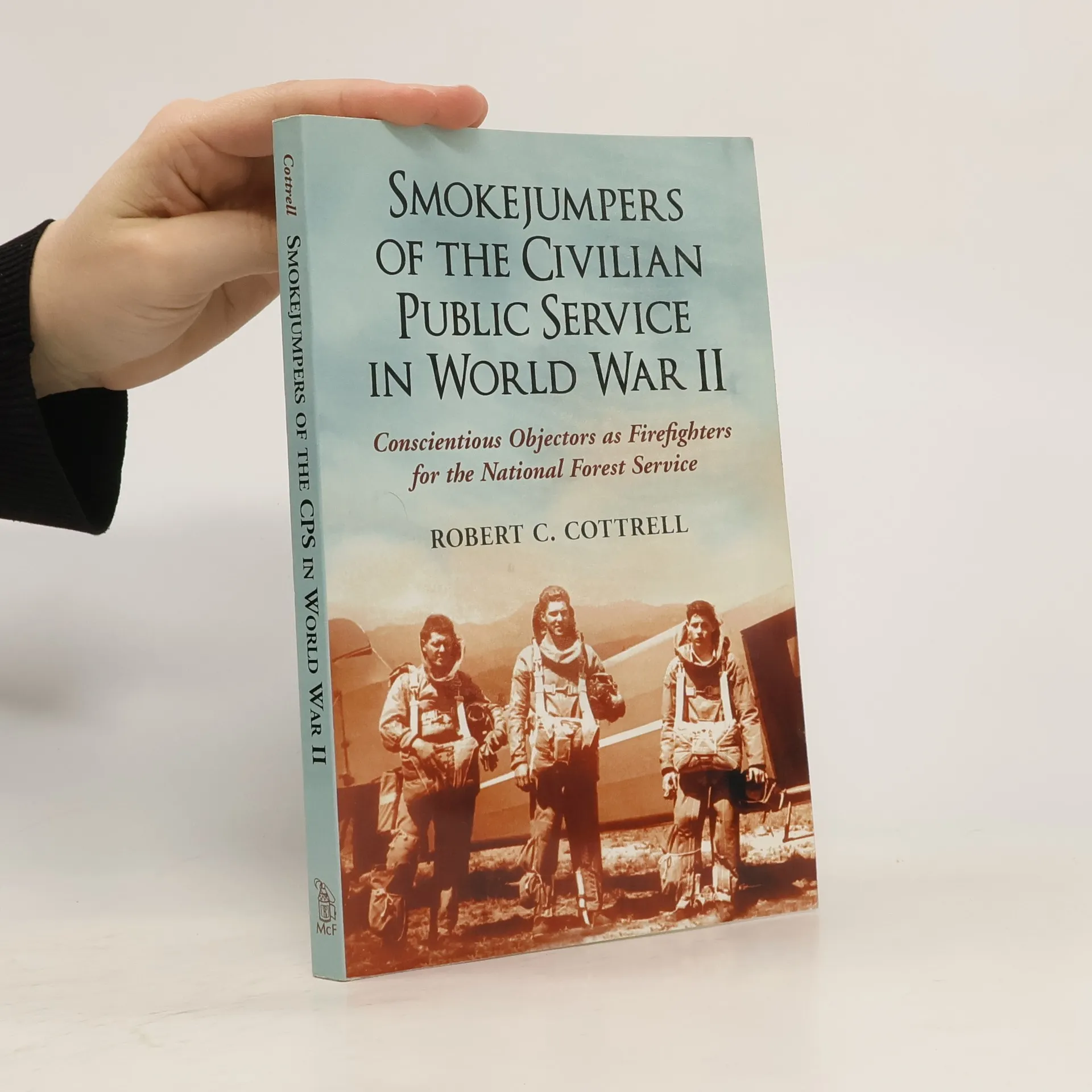


Smokejumpers of the Civilian Public Service in World War II
Conscientious Objectors as Firefighters for the National Forest Service
Auteurs
Évaluation du livre
En savoir plus sur le livre
This is the story of Civilian Public Service smokejumpers, who battled against dangerous winds, searing heat, and devastating fires from 1943 until 1945. Fewer than 300 World War II conscientious objectors served their country in this fashion, operating out of CPS bases in Montana, Idaho, and Oregon. But that small band of men helped to keep alive Forest Service operations in the Pacific Northwest and thus sustained a program to fight potentially crippling fires. When the war ended, CPS smokejumpers, like millions of World War II combat soldiers, were "ushered out" of wartime service. Some, like many returning GIs, encountered difficulties in adjusting to civilian life. Nevertheless, the one-time smokejumpers often went on to make other remarkable contributions to their communities, their nation, and the world.
Achat du livre
Smokejumpers of the Civilian Public Service in World War II, Robert C. Cottrell
- Langue

- Année de publication
- 2006
- Reliure
- (souple)
Modes de paiement
Il manque plus que ton avis ici.
- Titre
- Smokejumpers of the Civilian Public Service in World War II
- Sous-titre
- Conscientious Objectors as Firefighters for the National Forest Service
- Langue
- Anglais
- Auteurs
- Robert C. Cottrell
- Éditeur
- McFarland
- Publié
- 2006
- Format
- souple
- Pages
- 231
- ISBN10
- 0786425334
- ISBN13
- 9780786425334
- Séries
- Catégories
- Mots clés
- Prose de guerre
- Évaluation
- 4 sur 5
- Description
- This is the story of Civilian Public Service smokejumpers, who battled against dangerous winds, searing heat, and devastating fires from 1943 until 1945. Fewer than 300 World War II conscientious objectors served their country in this fashion, operating out of CPS bases in Montana, Idaho, and Oregon. But that small band of men helped to keep alive Forest Service operations in the Pacific Northwest and thus sustained a program to fight potentially crippling fires. When the war ended, CPS smokejumpers, like millions of World War II combat soldiers, were "ushered out" of wartime service. Some, like many returning GIs, encountered difficulties in adjusting to civilian life. Nevertheless, the one-time smokejumpers often went on to make other remarkable contributions to their communities, their nation, and the world.