

En savoir plus sur le livre
Ben Bradlee, legendary editor of the Washington Post, forged a relationship with John F. Kennedy in the late fifties when they were neighbors in Washington. At that time Bradlee was covering the capital for Newsweek. They remained intimate friends and off-the-record confidants until the president's assassination. Bradlee kept extensive notes of their conversations, with President Kennedy's permission. They convey all the conflicting elements that created the JFK personality. We see him as a public figure during the most critical moments of his presidency and as a private man, wrestling with the legacy of his powerful father and encompassing family, yet abounding in energy and appreciation for a man who harbored few illusions, but maintained his idealism nonetheless. The synergy between two such remarkable figures adds up to an unforgettable reading experience. Perhaps only Ben Bradlee could provide so riveting a portrait of John Fitzgerald Kennedy, the president and the man.


Achat du livre
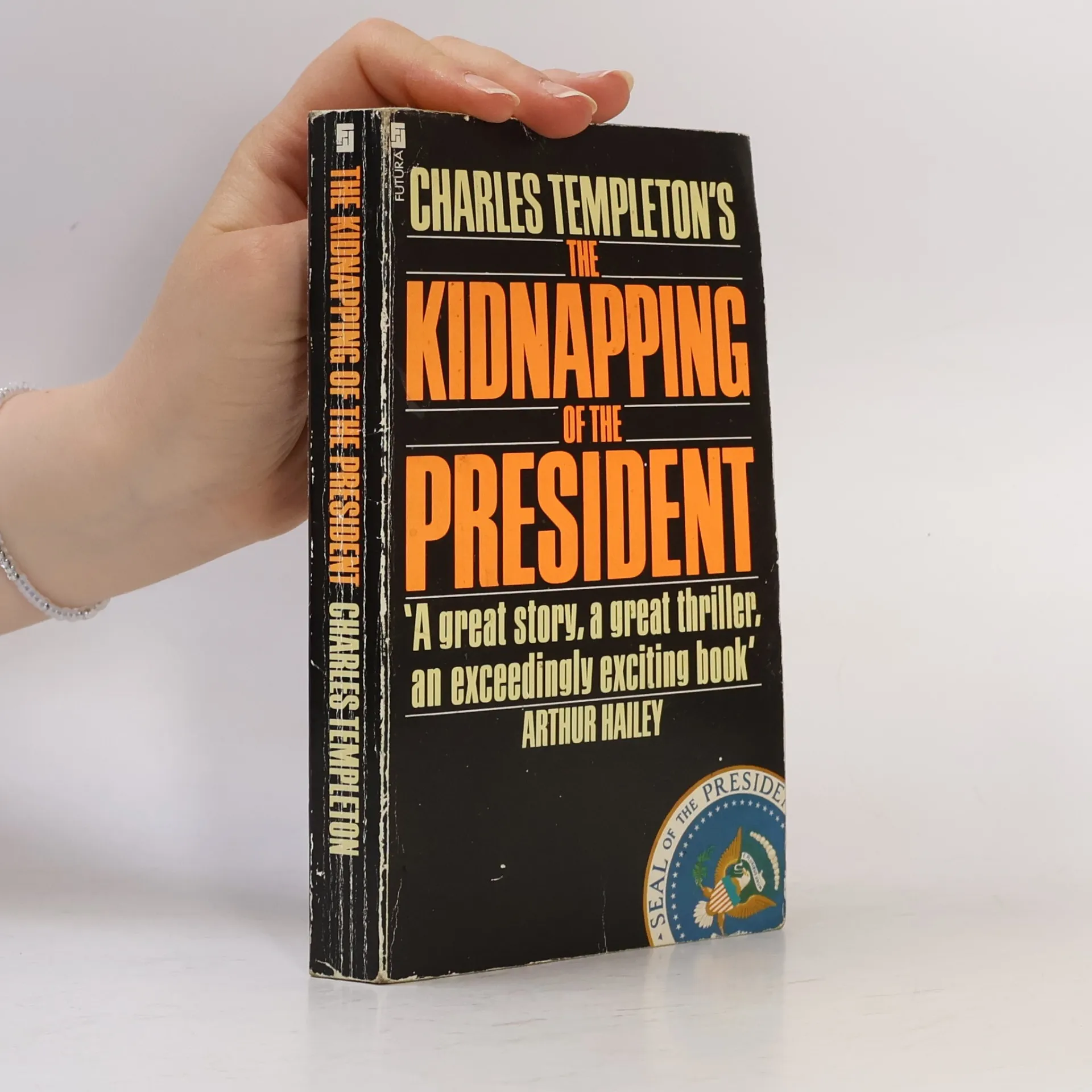
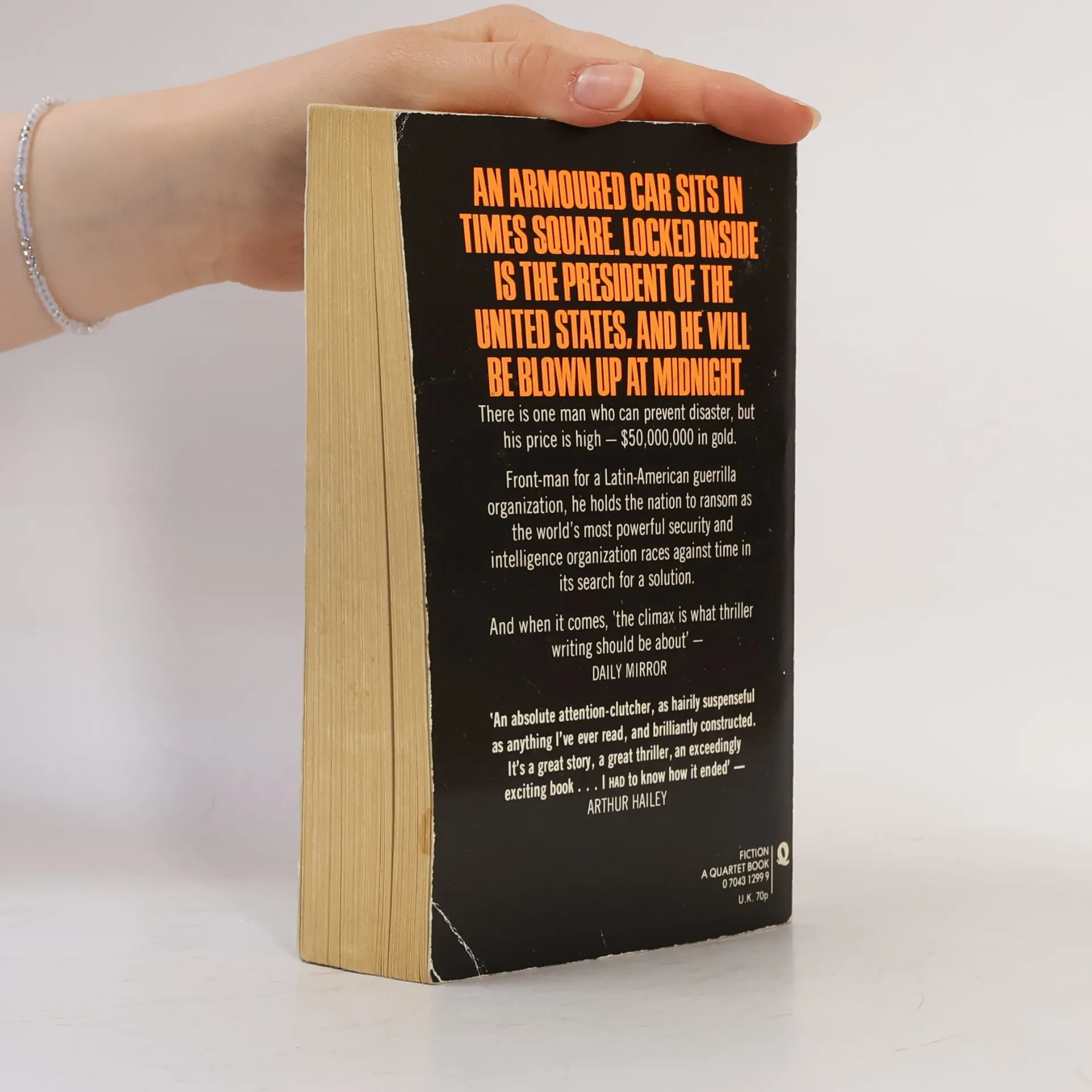
The Kidnapping of the President, Charles Templeton
- Langue

- Année de publication
- 1977
- Reliure
- (souple),
- État du livre
- Bon
- Prix
- 2,49 €
Modes de paiement
Il manque plus que ton avis ici.
- Langue
- Anglais
- Auteurs
- Charles Templeton
- Éditeur
- Quartet Books
- Publié
- 1977
- Format
- souple
- Pages
- 276
- ISBN10
- 0704312999
- ISBN13
- 9780704312999
- Séries
- Mots clés
- Fiction, Polars & Thrillers, Aventure, Romans d'aventures, Mystèrieux
- Évaluation
- 3,35 sur 5
- Description
- Ben Bradlee, legendary editor of the Washington Post, forged a relationship with John F. Kennedy in the late fifties when they were neighbors in Washington. At that time Bradlee was covering the capital for Newsweek. They remained intimate friends and off-the-record confidants until the president's assassination. Bradlee kept extensive notes of their conversations, with President Kennedy's permission. They convey all the conflicting elements that created the JFK personality. We see him as a public figure during the most critical moments of his presidency and as a private man, wrestling with the legacy of his powerful father and encompassing family, yet abounding in energy and appreciation for a man who harbored few illusions, but maintained his idealism nonetheless. The synergy between two such remarkable figures adds up to an unforgettable reading experience. Perhaps only Ben Bradlee could provide so riveting a portrait of John Fitzgerald Kennedy, the president and the man.