

Paramètres
- 855pages
- 30 heures de lecture
En savoir plus sur le livre
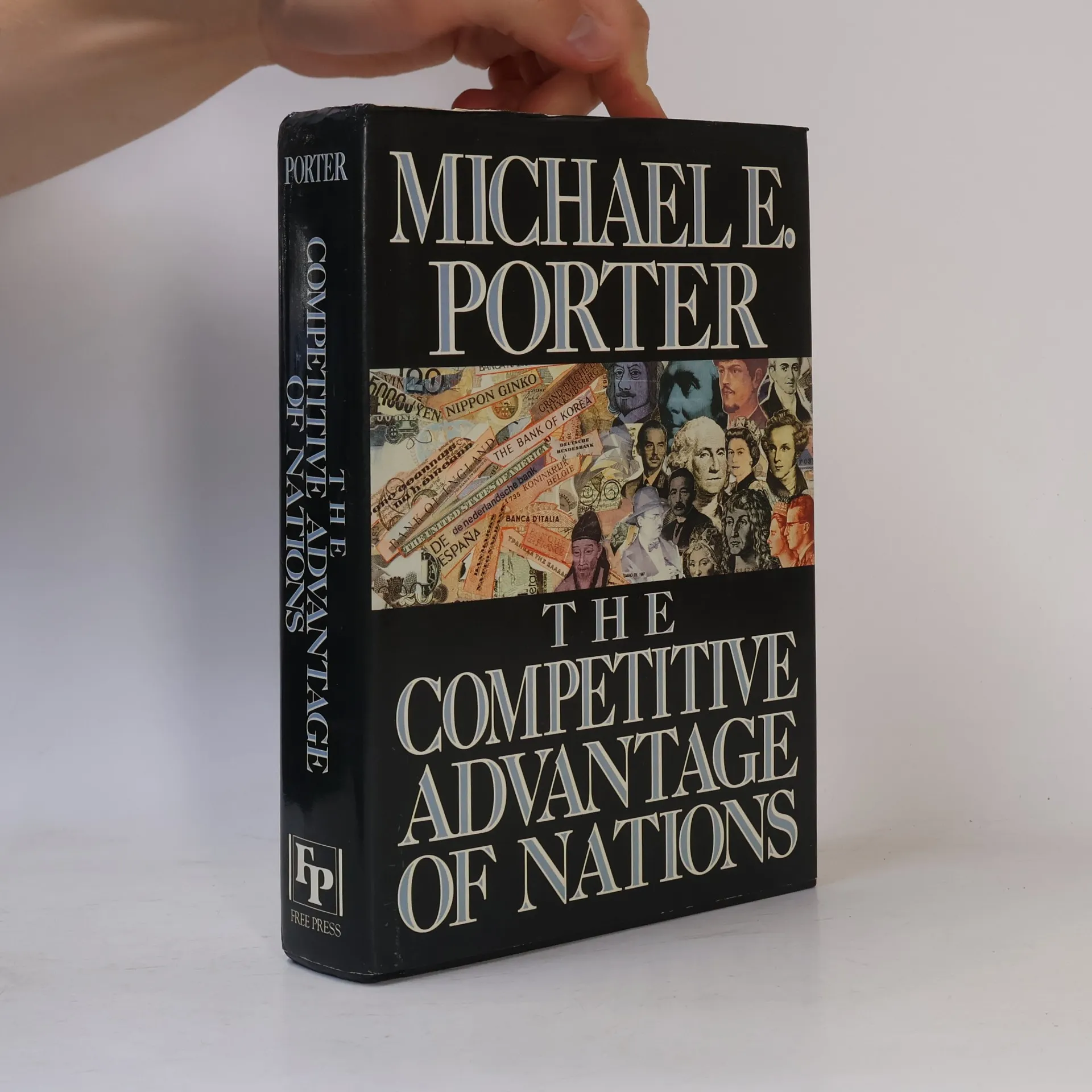
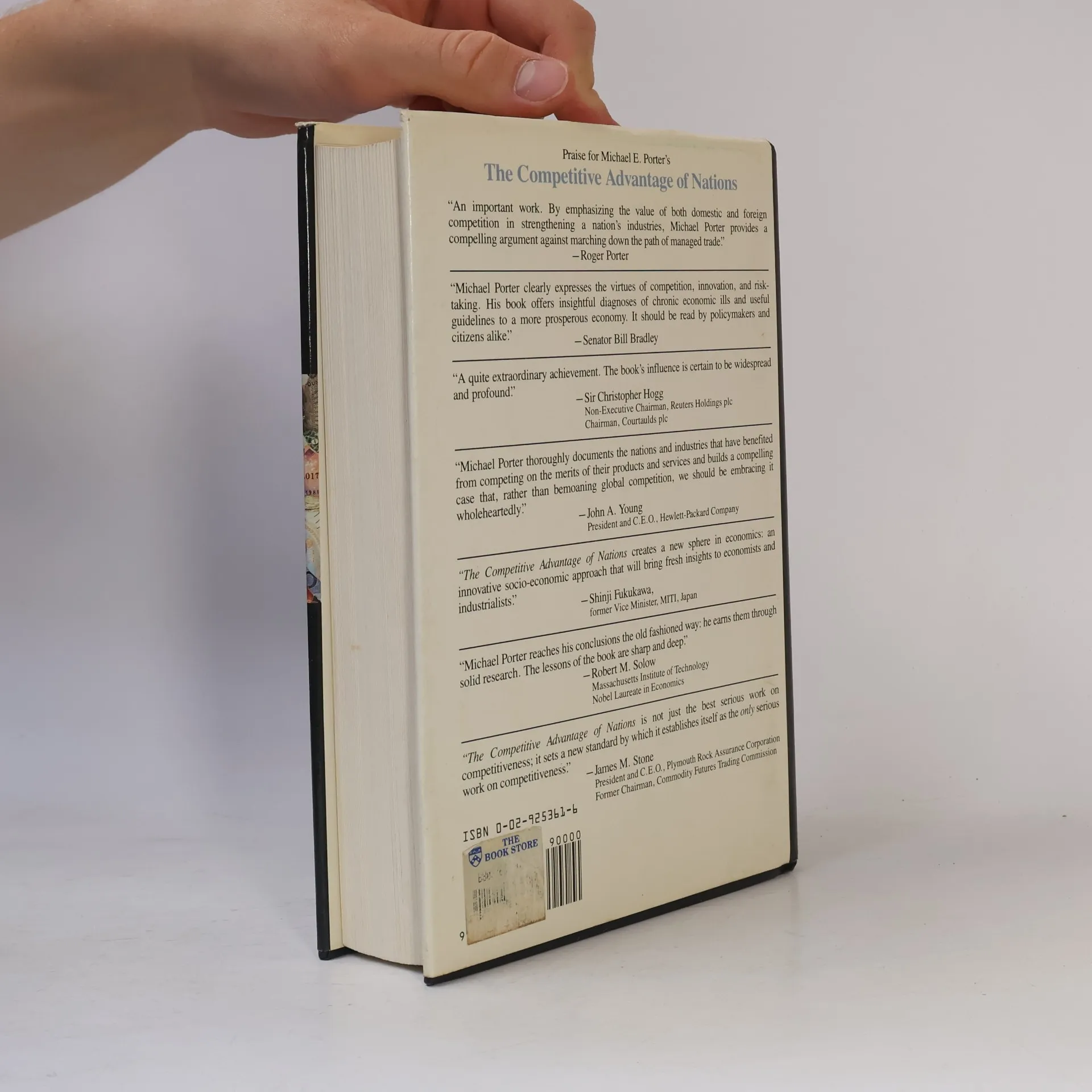
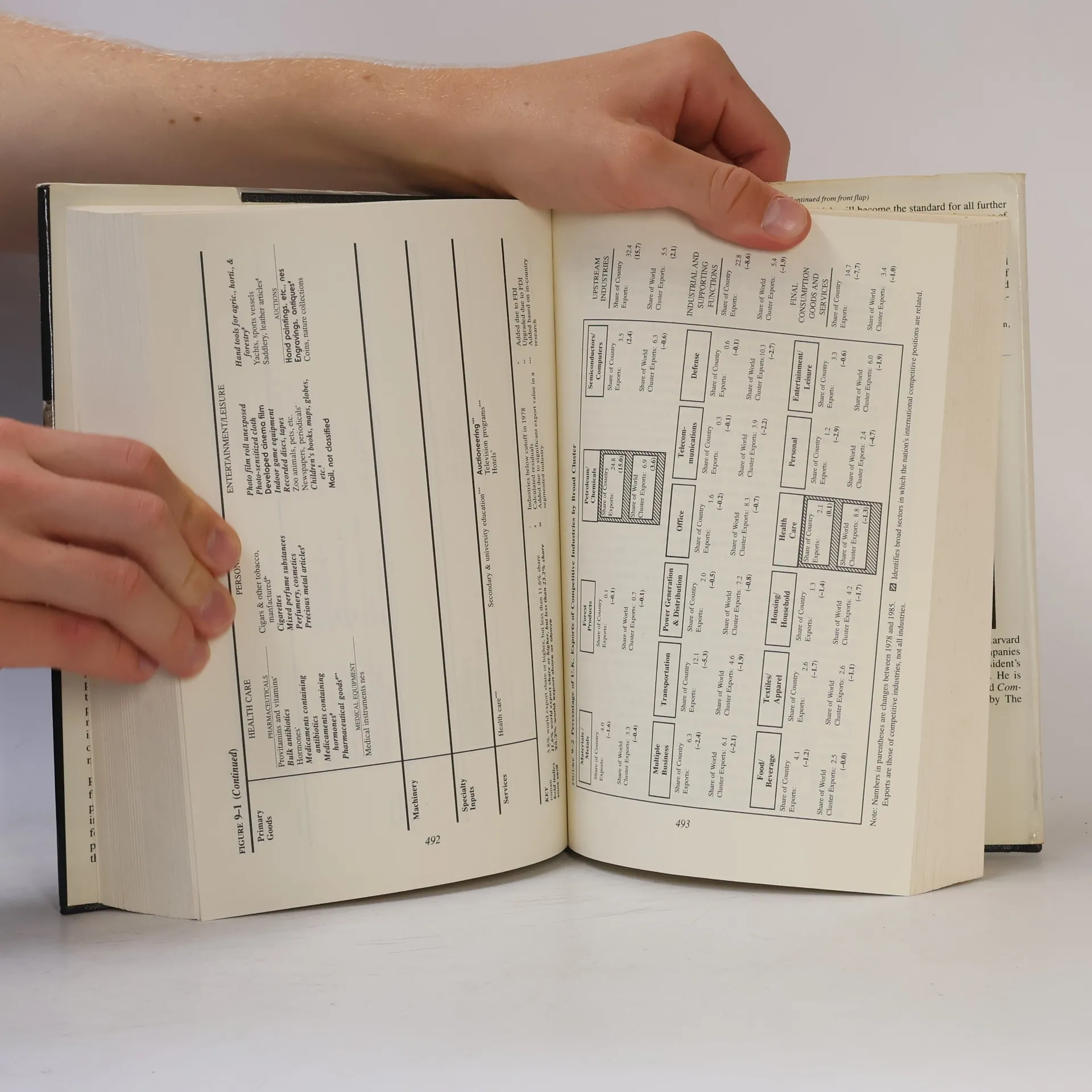
With the publication of his best-selling books, Michael E. Porter established himself as the leading authority on competitive advantage. Now, he explores what makes a nation's firms and industries competitive in global markets and drives national economies. He presents a new paradigm that may supplant the 200-year-old concept of "comparative advantage" in analyzing international competitiveness. To develop this work, Porter and his associates conducted in-depth research in ten leading nations, examining industry success patterns, company strategies, and national policies. The nations studied include Britain, Denmark, Germany, Italy, Japan, Korea, Singapore, Sweden, Switzerland, and the United States, representing a diverse range of sizes, government policies, social philosophies, and geographies. Porter's research identifies the fundamental determinants of national competitive advantage and how they function as a system. He highlights the phenomenon of "clustering," where related groups of successful firms and industries emerge to dominate global markets. Among the over 100 industries analyzed are Germany's chemical and printing sectors, Switzerland's textile equipment and pharmaceuticals, and America's computer software and movies. Building on his theory, Porter outlines the stages of competitive development that national economies experience. His findings offer valuable insights for firms and governments, providing strateg



Achat du livre
Competitive Advantage of Nations, Michael E Porter
- Langue

- Année de publication
- 1990
- product-detail.submit-box.info.binding
- (rigide),
- État du livre
- Bon
- Prix
- 4,39 €
Modes de paiement
Il manque plus que ton avis ici.
- Langue
- Anglais
- Auteurs
- Michael E Porter
- Éditeur
- Free Press
- Publié
- 1990
- Format
- rigide
- Pages
- 855
- ISBN10
- 0029253616
- ISBN13
- 9780029253618
- Séries
- Mots clés
- Nonfiction, Sciences sociales, Thème historique, Histoire, Commerce, Affaires & Gestion, Sciences politiques & Politique, Politique, Gestion & Ressources humaines, Finance
- Titre original
- The competitive advantage of nations
- Évaluation
- 4,15 sur 5
- Description
- With the publication of his best-selling books, Michael E. Porter established himself as the leading authority on competitive advantage. Now, he explores what makes a nation's firms and industries competitive in global markets and drives national economies. He presents a new paradigm that may supplant the 200-year-old concept of "comparative advantage" in analyzing international competitiveness. To develop this work, Porter and his associates conducted in-depth research in ten leading nations, examining industry success patterns, company strategies, and national policies. The nations studied include Britain, Denmark, Germany, Italy, Japan, Korea, Singapore, Sweden, Switzerland, and the United States, representing a diverse range of sizes, government policies, social philosophies, and geographies. Porter's research identifies the fundamental determinants of national competitive advantage and how they function as a system. He highlights the phenomenon of "clustering," where related groups of successful firms and industries emerge to dominate global markets. Among the over 100 industries analyzed are Germany's chemical and printing sectors, Switzerland's textile equipment and pharmaceuticals, and America's computer software and movies. Building on his theory, Porter outlines the stages of competitive development that national economies experience. His findings offer valuable insights for firms and governments, providing strateg