


En savoir plus sur le livre
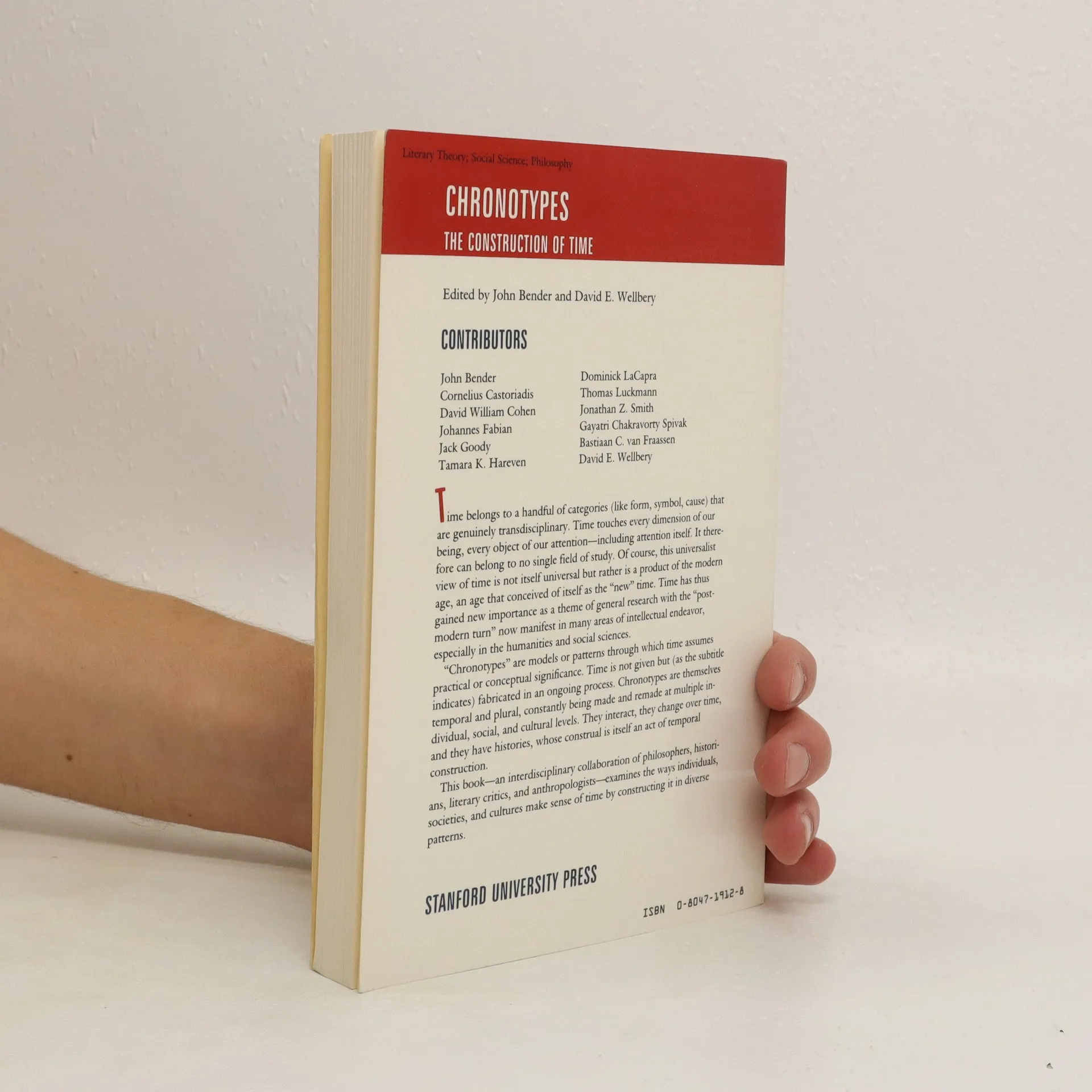
Time belongs to a handful of categories (like form, symbol, cause) that are genuinely transdisciplinary. Time touches every dimension of our being, every object of our attention -- including attention itself. It therefore can belong to no single field of study. Of course, this universalist view of time is not itself universal but rather is a product of the modern age, an age that conceived of itself as the "new" time. Time has thus gained new importance as a theme of general research with the "post-modern turn" now manifest in many areas of intellectual endeavor, especially in the humanities and social sciences. "Chronotypes" are models or patterns through which time assumes practical or conceptual significance. Time is not given but (as the subtitle indicates) fabricated in an ongoing process. Chronotypes are themselves temporal and plural, constantly being made and remade at multiple individual, social, and cultural levels. They interact, they change over time, and they have histories, whose construal is itself an act of temporal construction. This book -- an interdisciplinary collaboration of philosophers, historians, literary critics, and anthropologists -- examines the ways individuals, societies, and cultures make sense of time by constructing it in diverse patterns.
Achat du livre
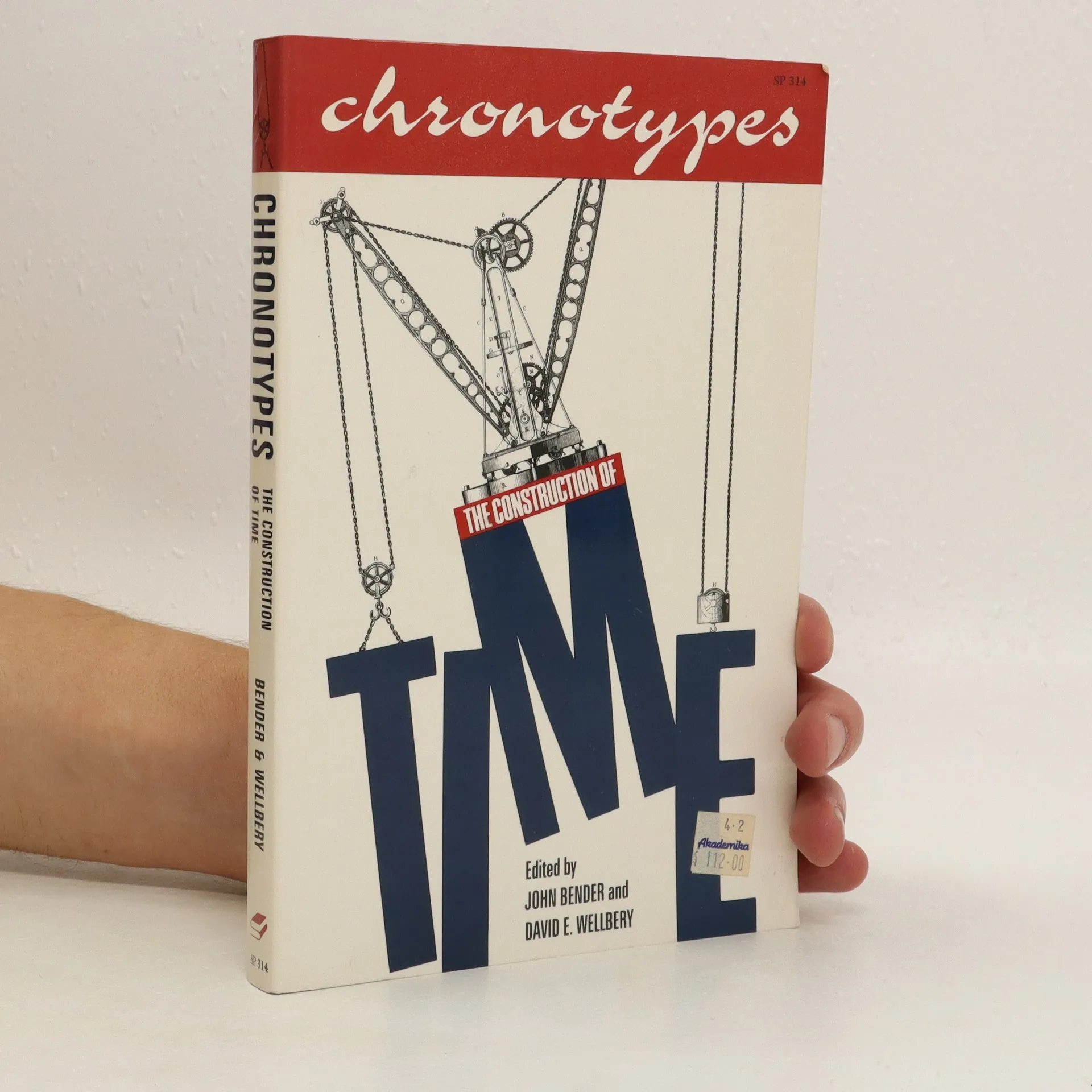
Chronotypes: the construction of time, David E. Wellbery, John Bender
- Langue

- Année de publication
- 1991
- Reliure
- (souple)
Modes de paiement
Il manque plus que ton avis ici.
- Titre
- Chronotypes: the construction of time
- Langue
- Anglais
- Auteurs
- David E. Wellbery, John Bender
- Éditeur
- Stanford University Press
- Publié
- 1991
- Format
- souple
- Pages
- 252
- ISBN10
- 0804719128
- ISBN13
- 9780804719124
- Séries
- Mots clés
- Évaluation
- 2,5 sur 5
- Description
- Time belongs to a handful of categories (like form, symbol, cause) that are genuinely transdisciplinary. Time touches every dimension of our being, every object of our attention -- including attention itself. It therefore can belong to no single field of study. Of course, this universalist view of time is not itself universal but rather is a product of the modern age, an age that conceived of itself as the "new" time. Time has thus gained new importance as a theme of general research with the "post-modern turn" now manifest in many areas of intellectual endeavor, especially in the humanities and social sciences. "Chronotypes" are models or patterns through which time assumes practical or conceptual significance. Time is not given but (as the subtitle indicates) fabricated in an ongoing process. Chronotypes are themselves temporal and plural, constantly being made and remade at multiple individual, social, and cultural levels. They interact, they change over time, and they have histories, whose construal is itself an act of temporal construction. This book -- an interdisciplinary collaboration of philosophers, historians, literary critics, and anthropologists -- examines the ways individuals, societies, and cultures make sense of time by constructing it in diverse patterns.