





En savoir plus sur le livre
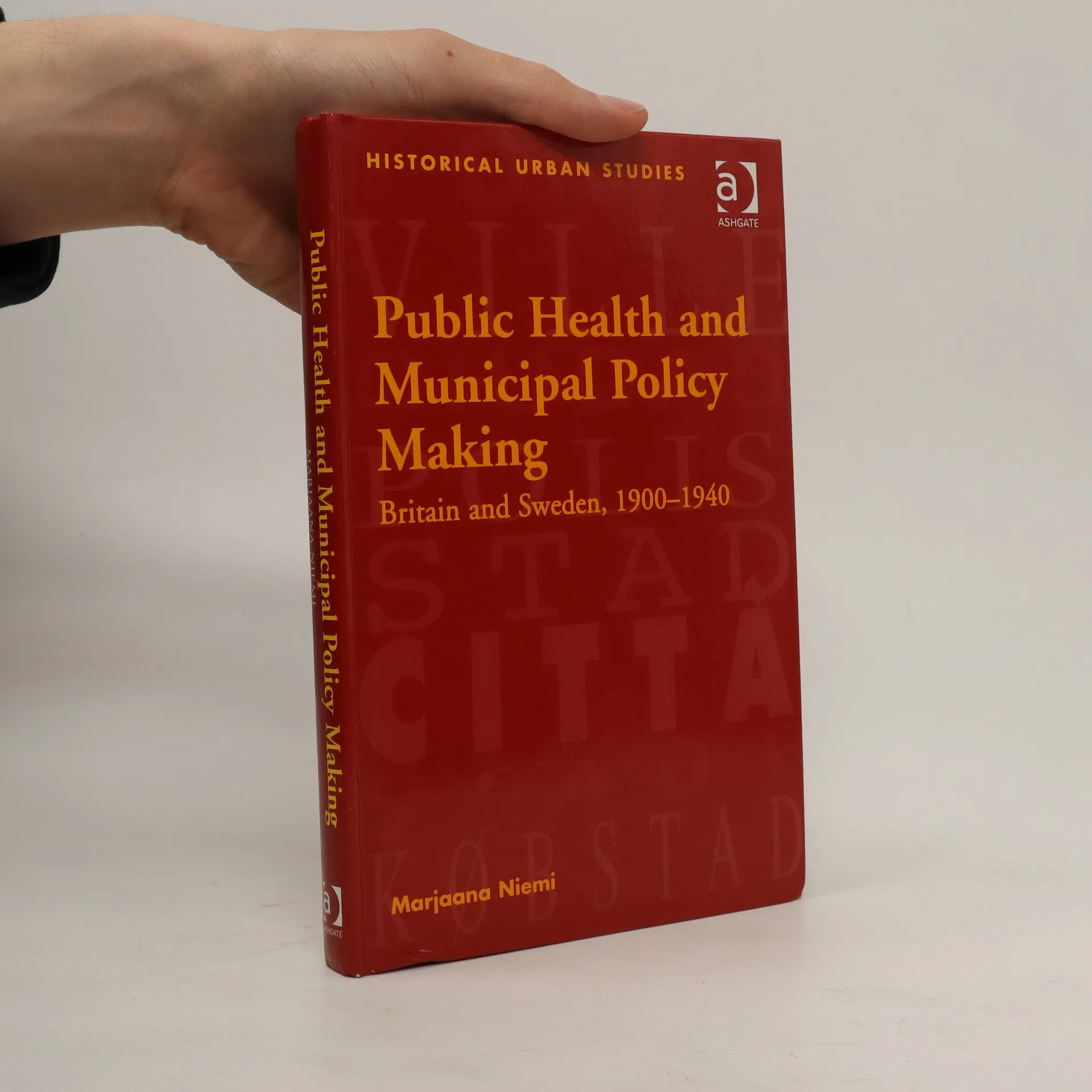
Public health policies significantly influenced urban life in the late nineteenth and early twentieth centuries, yet few engaged in their development. Marjaana Niemi explores how various political aims and pressures shaped 'scientific' health policies, focusing on public health programs in Birmingham and Gothenburg. By analyzing early twentieth-century campaigns addressing infant welfare and tuberculosis prevention, the work sheds light on the interplay between public health and urban regulation. It delves into how political objectives became integrated into seemingly 'apolitical' health initiatives and emphasizes their role in urban governance. The book contrasts health policies in Britain and Sweden, where officials formed a cohesive public health community, sharing conferences and journals. While they faced similar challenges and claimed scientific legitimacy for their programs, the policies adopted often differed markedly. By examining these distinct national approaches, the book reveals the complexities of the policy-making process and highlights the diverse factors influencing municipal policies.
Achat du livre
Public Health and Municipal Policy Making, Professor Marjaana Niemi
- Langue

- Année de publication
- 2007
- Reliure
- (rigide)
Modes de paiement
Personne n'a encore évalué .
- Titre
- Public Health and Municipal Policy Making
- Langue
- Anglais
- Auteurs
- Professor Marjaana Niemi
- Éditeur
- Ashgate Publishing, Ltd.
- Publié
- 2007
- Format
- rigide
- Pages
- 250
- ISBN10
- 0754603342
- ISBN13
- 9780754603344
- Séries
- Mots clés
- Thème historique, Autre histoire
- Description
- Public health policies significantly influenced urban life in the late nineteenth and early twentieth centuries, yet few engaged in their development. Marjaana Niemi explores how various political aims and pressures shaped 'scientific' health policies, focusing on public health programs in Birmingham and Gothenburg. By analyzing early twentieth-century campaigns addressing infant welfare and tuberculosis prevention, the work sheds light on the interplay between public health and urban regulation. It delves into how political objectives became integrated into seemingly 'apolitical' health initiatives and emphasizes their role in urban governance. The book contrasts health policies in Britain and Sweden, where officials formed a cohesive public health community, sharing conferences and journals. While they faced similar challenges and claimed scientific legitimacy for their programs, the policies adopted often differed markedly. By examining these distinct national approaches, the book reveals the complexities of the policy-making process and highlights the diverse factors influencing municipal policies.