

Paramètres
En savoir plus sur le livre
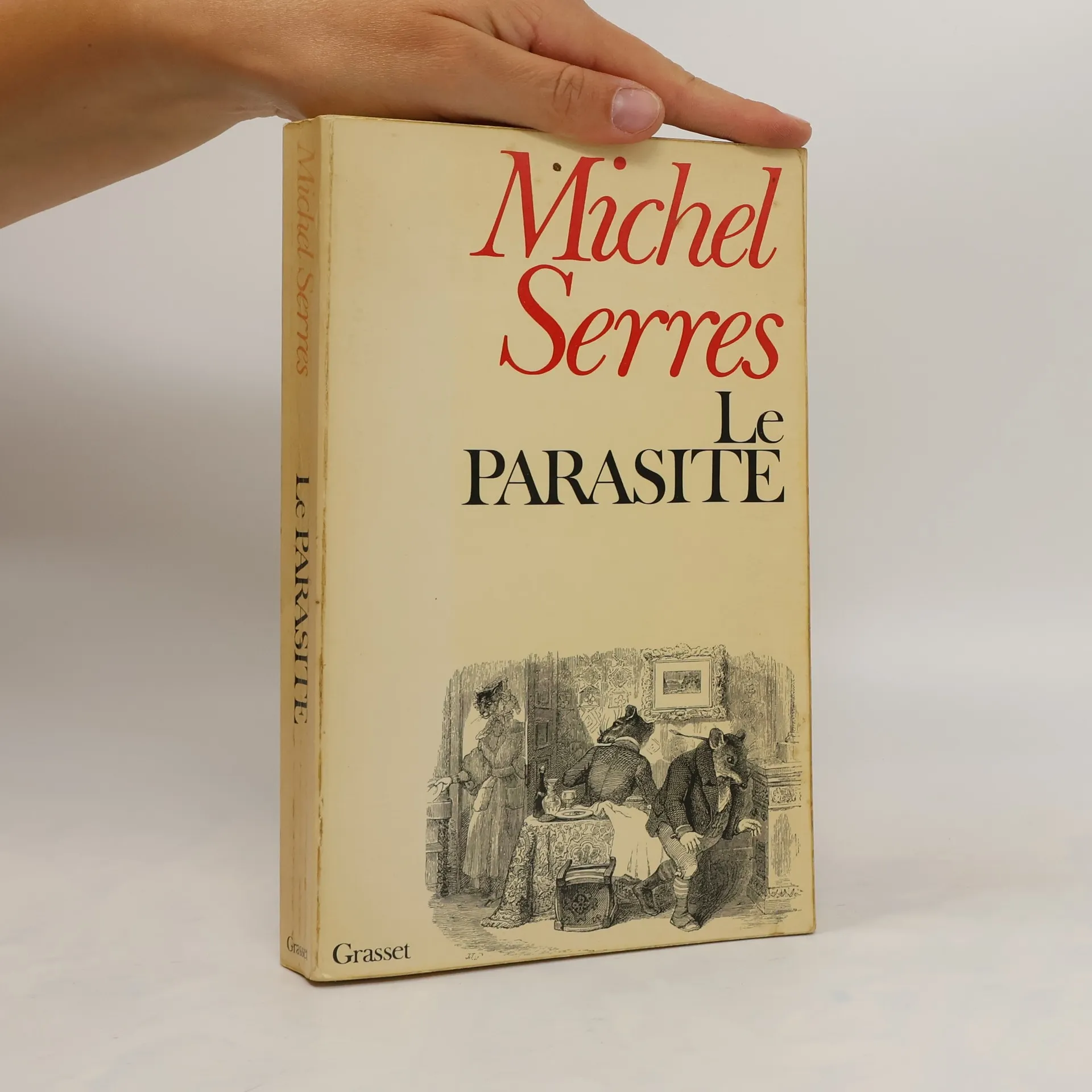
A table, the gourmand and sometimes eloquent speaker, is labeled a parasite. The small creature that lives off its host, risking its life, is also termed a parasite. The noise that constantly interrupts our conversations or intercepts our messages is yet another form of the parasite. Why use the same word for a person, an animal, and a wave? This book offers a visual response to that question, presenting a gallery of portraits. Readers must decipher who hides beneath the feathers, fur, and fabulous attire. Various animals, large and small, feast together, only to have their meals interrupted. By whom? For what reason? As the animals depart, the feasting continues. We dine with figures like Jean-Jacques, Tartuffe, Socrates, and Joseph's brothers. The parasite takes without giving anything in return: just words, sounds, and wind. The host gives but receives nothing. This simple, irreversible arrow of interaction flies between us, representing the essence of relationships and the angle of change. There is abuse before use and theft before exchange. From this, we can either construct or at least rethink techniques, economics, and society. Michel Serres, a member of the Académie française, is a professor emeritus at Stanford University and has published works including "Petite Poucette."



Achat du livre
Le parasite, Michel Serres
- Langue

- Année de publication
- 1980
- Reliure
- (souple)
Modes de paiement
Personne n'a encore évalué .
- Titre
- Le parasite
- Langue
- Français
- Auteurs
- Michel Serres
- Éditeur
- Bernard Grasset
- Publié
- 1980
- Format
- souple
- ISBN10
- 2246008778
- ISBN13
- 9782246008774
- Séries
- Mots clés
- Nonfiction, Sciences sociales, Sciences politiques & Politique, Thématique philosophique, Philosophie, Politique, France, Sociologie, Anthropologie, Théories scientifiques
- Description
- A table, the gourmand and sometimes eloquent speaker, is labeled a parasite. The small creature that lives off its host, risking its life, is also termed a parasite. The noise that constantly interrupts our conversations or intercepts our messages is yet another form of the parasite. Why use the same word for a person, an animal, and a wave? This book offers a visual response to that question, presenting a gallery of portraits. Readers must decipher who hides beneath the feathers, fur, and fabulous attire. Various animals, large and small, feast together, only to have their meals interrupted. By whom? For what reason? As the animals depart, the feasting continues. We dine with figures like Jean-Jacques, Tartuffe, Socrates, and Joseph's brothers. The parasite takes without giving anything in return: just words, sounds, and wind. The host gives but receives nothing. This simple, irreversible arrow of interaction flies between us, representing the essence of relationships and the angle of change. There is abuse before use and theft before exchange. From this, we can either construct or at least rethink techniques, economics, and society. Michel Serres, a member of the Académie française, is a professor emeritus at Stanford University and has published works including "Petite Poucette."