

Paramètres
- 350pages
- 13 heures de lecture
En savoir plus sur le livre
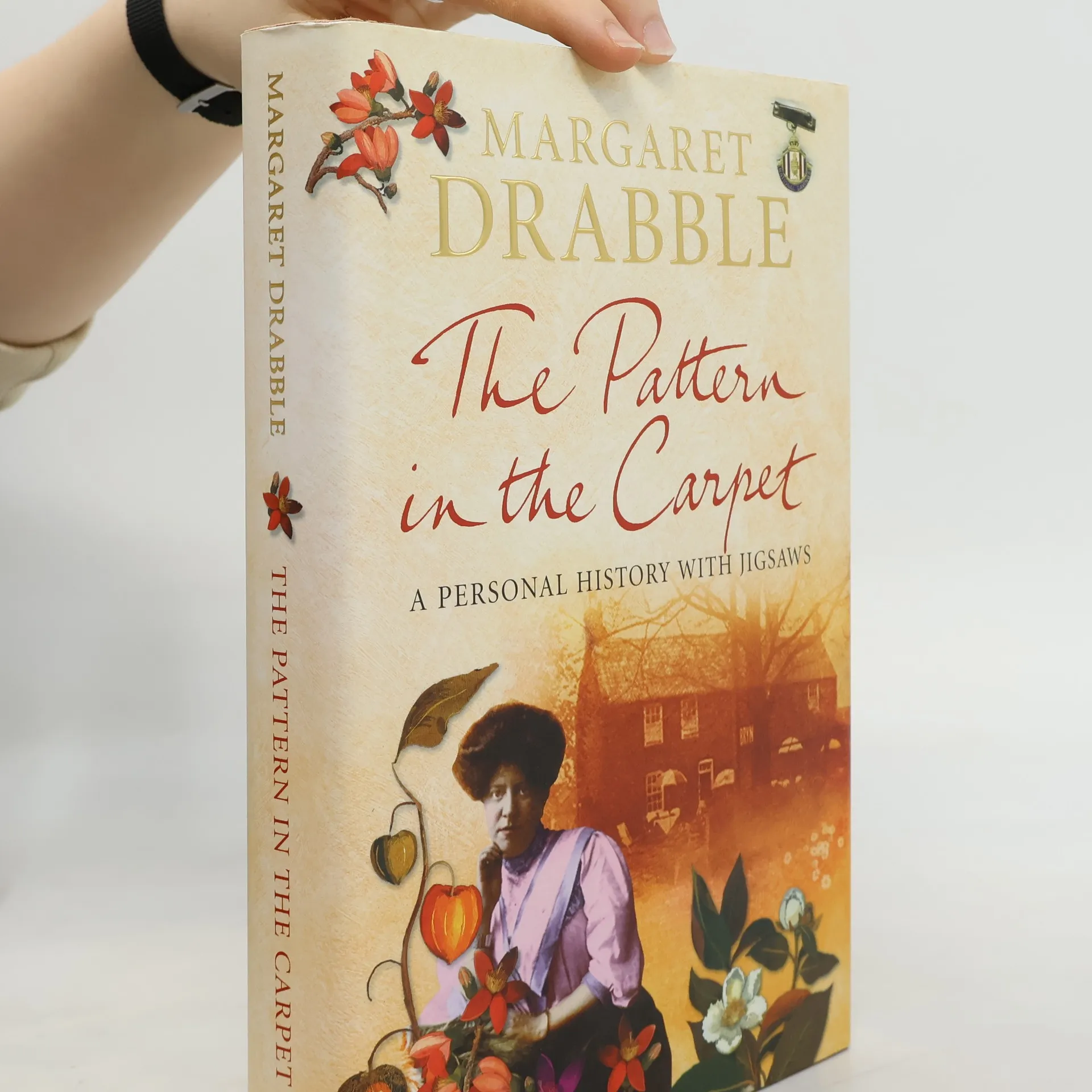
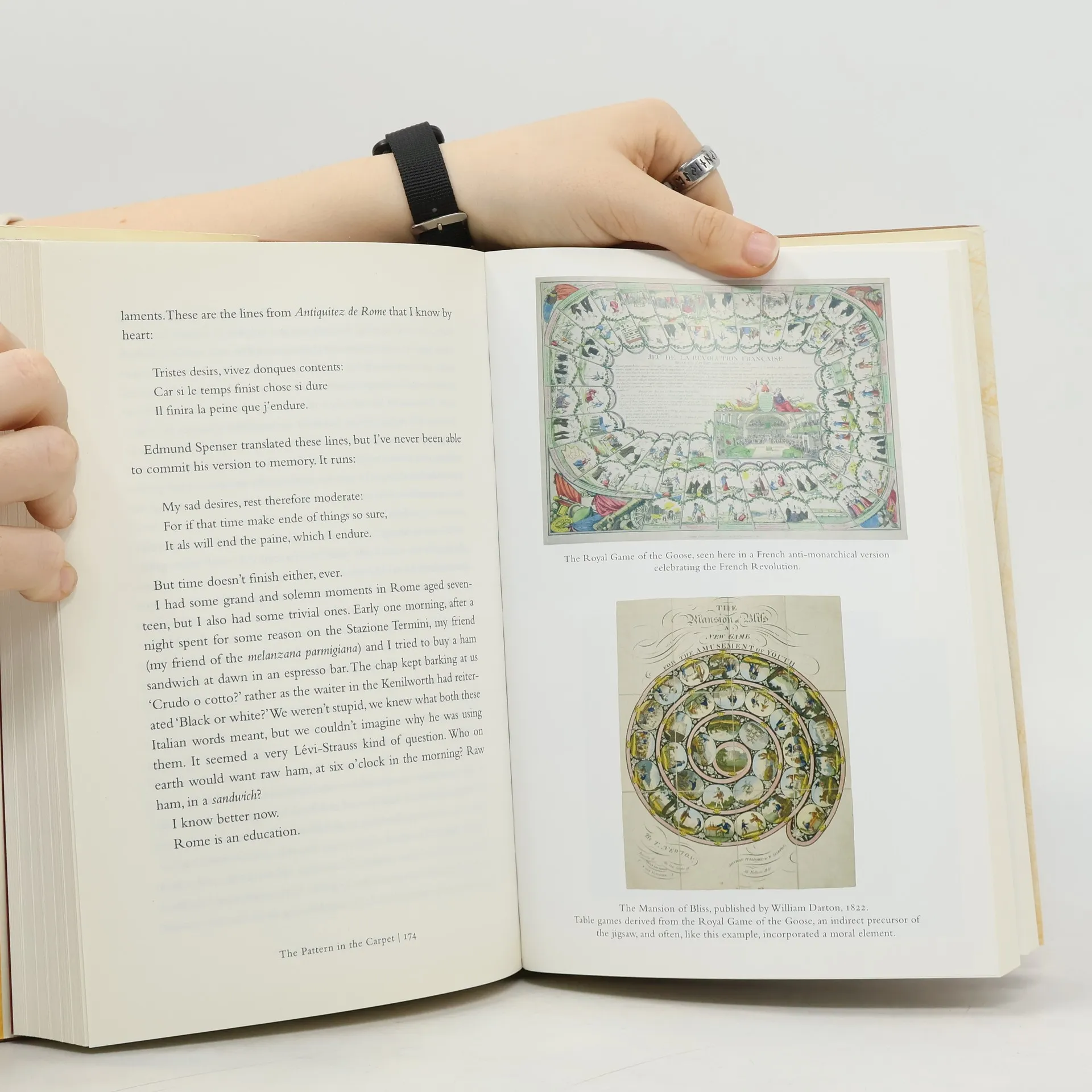
An original and brilliant work. Margaret Drabble weaves her own story into a history of games, in particular jigsaws, which have offered her and many others relief from melancholy and depression.The Pattern in the Carpet: A Personal History with Jigsaws is an original and brilliant work. Margaret Drabble weaves her own story into a history of games, in particular jigsaws, which have offered her and many others relief from melancholy and depression. Alongside curious facts and discoveries about jigsaw puzzles — did you know that the 1929 stock market crash was followed by a boom in puzzle sales? — Drabble introduces us to her beloved Auntie Phyl, and describes childhood visits to the house in Long Bennington on the Great North Road, their first trip to London together, the books they read, the jigsaws they completed. She offers penetrating sketches of her parents, her siblings, and her children; she shares her thoughts on the importance of childhood play, on art and writing, on aging and memory. And she does so with her customary intelligence, energy, and wit. This is a memoir like no other.


Achat du livre
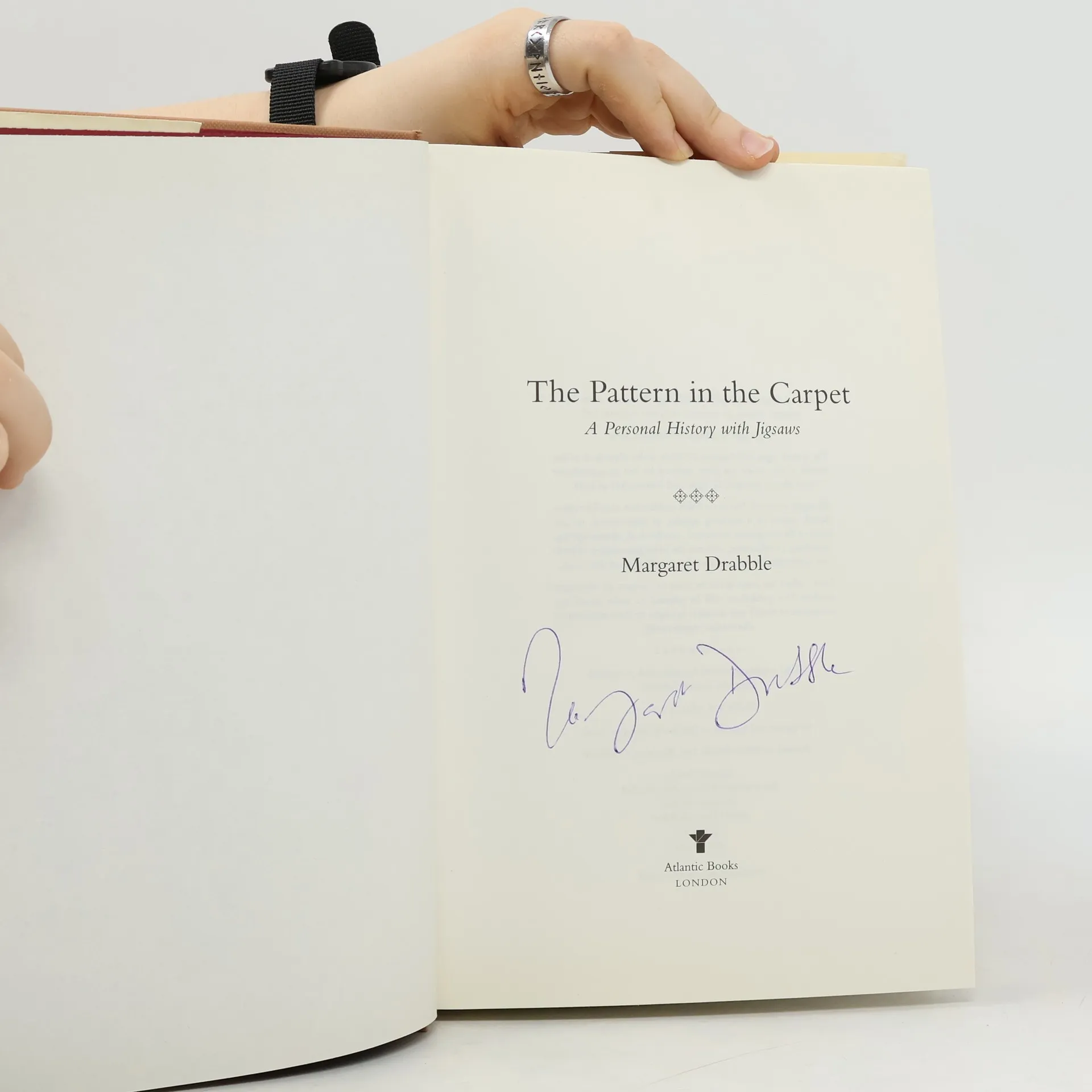
The Pattern in the Carpet, Margaret Drabble
- Langue

- Année de publication
- 2009
- Reliure
- (rigide)
Modes de paiement
Il manque plus que ton avis ici.
- Titre
- The Pattern in the Carpet
- Sous-titre
- A Personal History with Jigsaws
- Langue
- Anglais
- Auteurs
- Margaret Drabble
- Éditeur
- Atlantic Books
- Publié
- 2009
- Format
- rigide
- Pages
- 350
- ISBN10
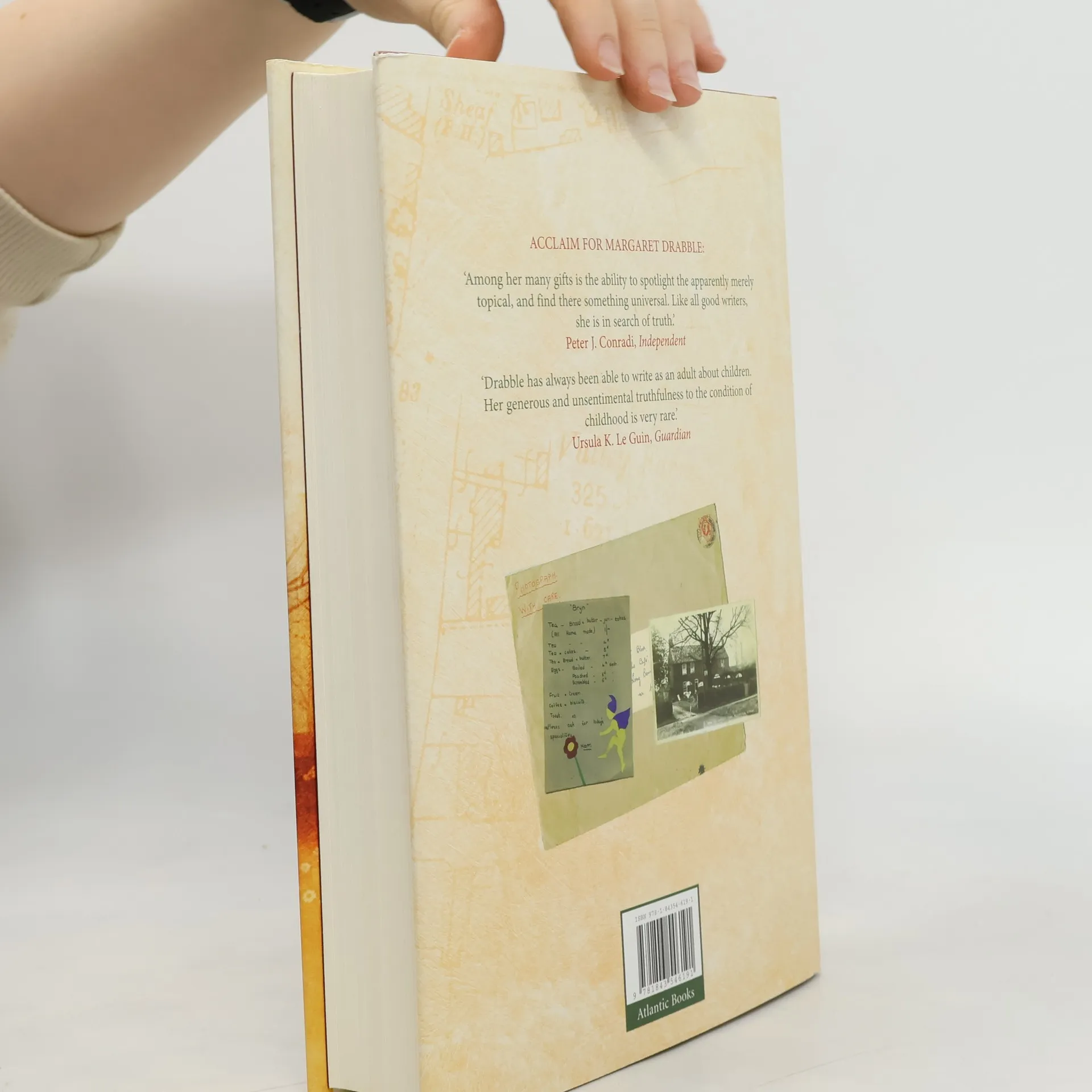
- 1843546191
- ISBN13
- 9781843546191
- Séries
- Catégories
- Mots clés
- Thème historique, Art, Littérature britannique
- Évaluation
- 3,15 sur 5
- Description
- An original and brilliant work. Margaret Drabble weaves her own story into a history of games, in particular jigsaws, which have offered her and many others relief from melancholy and depression.The Pattern in the Carpet: A Personal History with Jigsaws is an original and brilliant work. Margaret Drabble weaves her own story into a history of games, in particular jigsaws, which have offered her and many others relief from melancholy and depression. Alongside curious facts and discoveries about jigsaw puzzles — did you know that the 1929 stock market crash was followed by a boom in puzzle sales? — Drabble introduces us to her beloved Auntie Phyl, and describes childhood visits to the house in Long Bennington on the Great North Road, their first trip to London together, the books they read, the jigsaws they completed. She offers penetrating sketches of her parents, her siblings, and her children; she shares her thoughts on the importance of childhood play, on art and writing, on aging and memory. And she does so with her customary intelligence, energy, and wit. This is a memoir like no other.