

Paramètres
- 151pages
- 6 heures de lecture
En savoir plus sur le livre
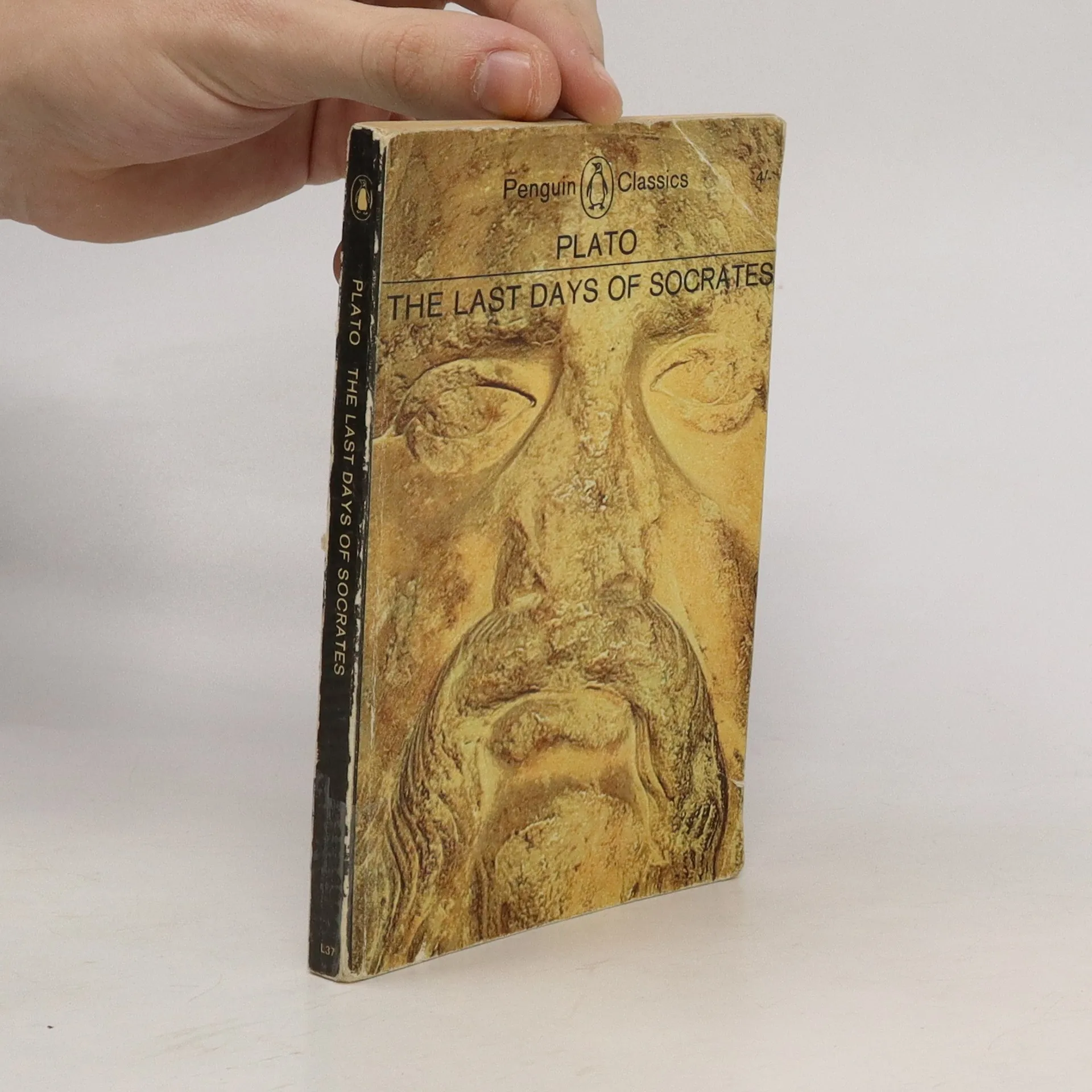
Euthyphro/Apology/Crito/Phaedo 'Nothing can harm a good man either in life or after death' The trial and condemnation of Socrates on charges of heresy and corrupting young minds is a defining moment in the history of classical Athens. In tracing these events through four dialogues, Plato also developed his own philosophy of a life guided by self-responsibility. Euthyphro finds Socrates outside the court-house, debating the nature of piety, while the Apology is his robust rebuttal of the charges against him. In the Crito, awaiting execution in prison, Socrates counters the arguments of friends urging him to escape. Finally, in the Phaedo, he is shown calmly confident in the face of death. Translated by HUGH TREDENNICK and HAROLD TARRANT with an Introduction and notes by HAROLD TARRANT





Achat du livre
The Last Days of Socrates, Platón
- Langue

- Année de publication
- 2010
- product-detail.submit-box.info.binding
- (souple)
Modes de paiement
Il manque plus que ton avis ici.
- Langue
- Anglais
- Auteurs
- Platón
- Éditeur
- Penguin UK
- Publié
- 2010
- Format
- souple
- Pages
- 151
- ISBN10
- 0141965886
- ISBN13
- 9780141965888
- Séries
- Mots clés
- Nonfiction, Sciences sociales, Histoires vraies, Biographies, Sciences politiques & Politique, Thématique philosophique, Politique, Autobiographies et mémoires, France, L'école, Cadeaux pour papy, Biographies de politiciens, Étude, Grèce, Éthique, Lectures obligatoires, Tribunaux, procès judiciaires, Peine de mort, Socrate, Défense
- Titre original
- Apologia
- Évaluation
- 4,15 sur 5
- Description
- Euthyphro/Apology/Crito/Phaedo 'Nothing can harm a good man either in life or after death' The trial and condemnation of Socrates on charges of heresy and corrupting young minds is a defining moment in the history of classical Athens. In tracing these events through four dialogues, Plato also developed his own philosophy of a life guided by self-responsibility. Euthyphro finds Socrates outside the court-house, debating the nature of piety, while the Apology is his robust rebuttal of the charges against him. In the Crito, awaiting execution in prison, Socrates counters the arguments of friends urging him to escape. Finally, in the Phaedo, he is shown calmly confident in the face of death. Translated by HUGH TREDENNICK and HAROLD TARRANT with an Introduction and notes by HAROLD TARRANT