


En savoir plus sur le livre
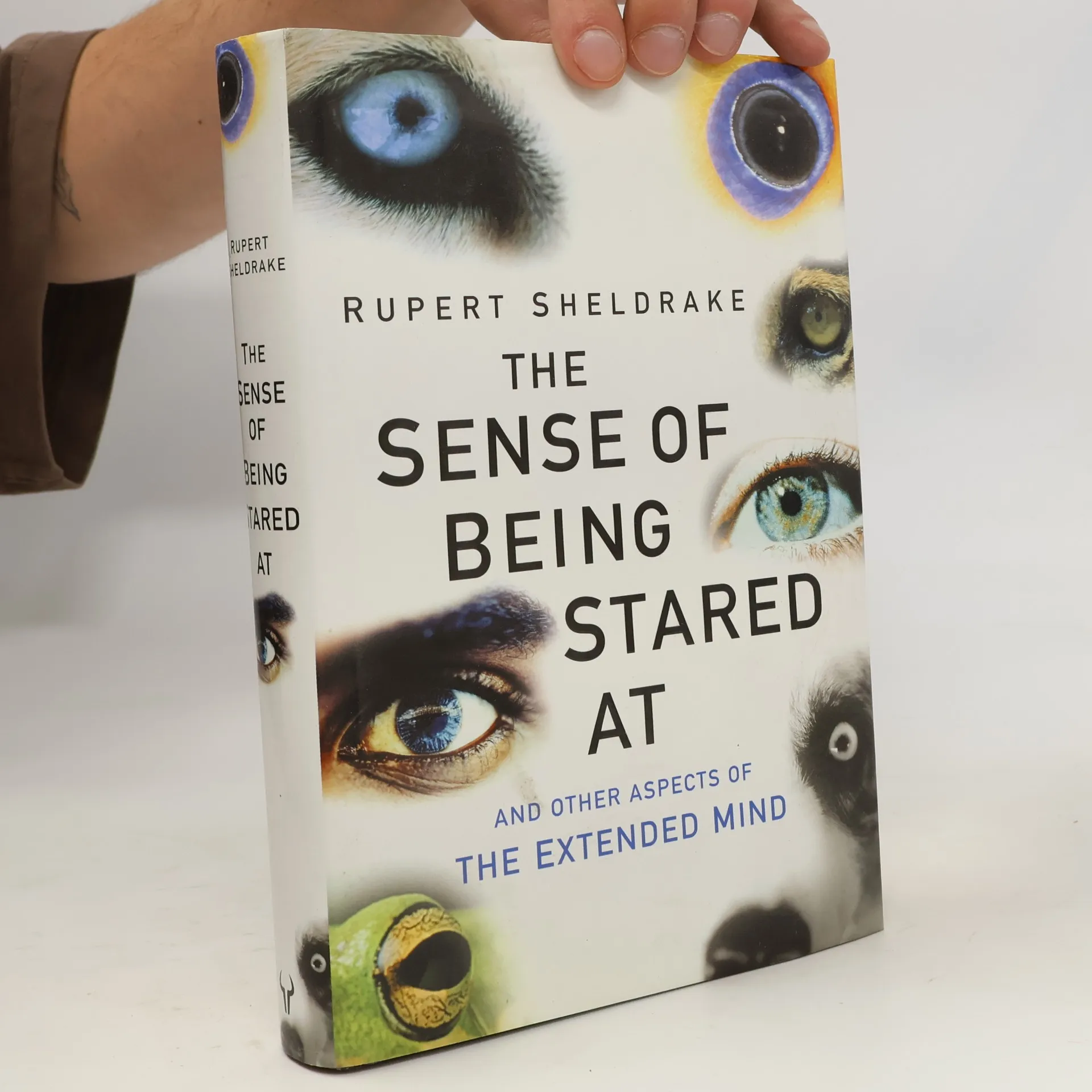
Have you ever had the feeling of being watched? Over 80 percent of the population have experienced the sense of being stared at. Conversely, most people have found they can make others uneasy by looking at them, even from behind. Recent experiments have provided hugely significant evidence for the reality of this sense. Somehow our intentions, and our attention, reach out to touch what we are looking at. Our minds are not confined to our brains. Once the influence of the mind is admitted to extend beyond the head, other well-known but seemingly mysterious phenomena begin to make sense, such as telepathy, phantom limbs and mind over matter effects. Sheldrake shows that telepathy depends on social bonds. He traces its evolution from the connections between members of animal groups such as flocks, schools and packs. In the modern world telepathy occurs most commonly just before telephone calls. He summarizes startling new experimental evidence for the reality of telephone telepathy, and shows how readers can do tests for themselves. Drawing on his own experiments and extensive research, Sheldrake puts the overwhelming evidence for these unexplained abilities in the context of what he




Achat du livre
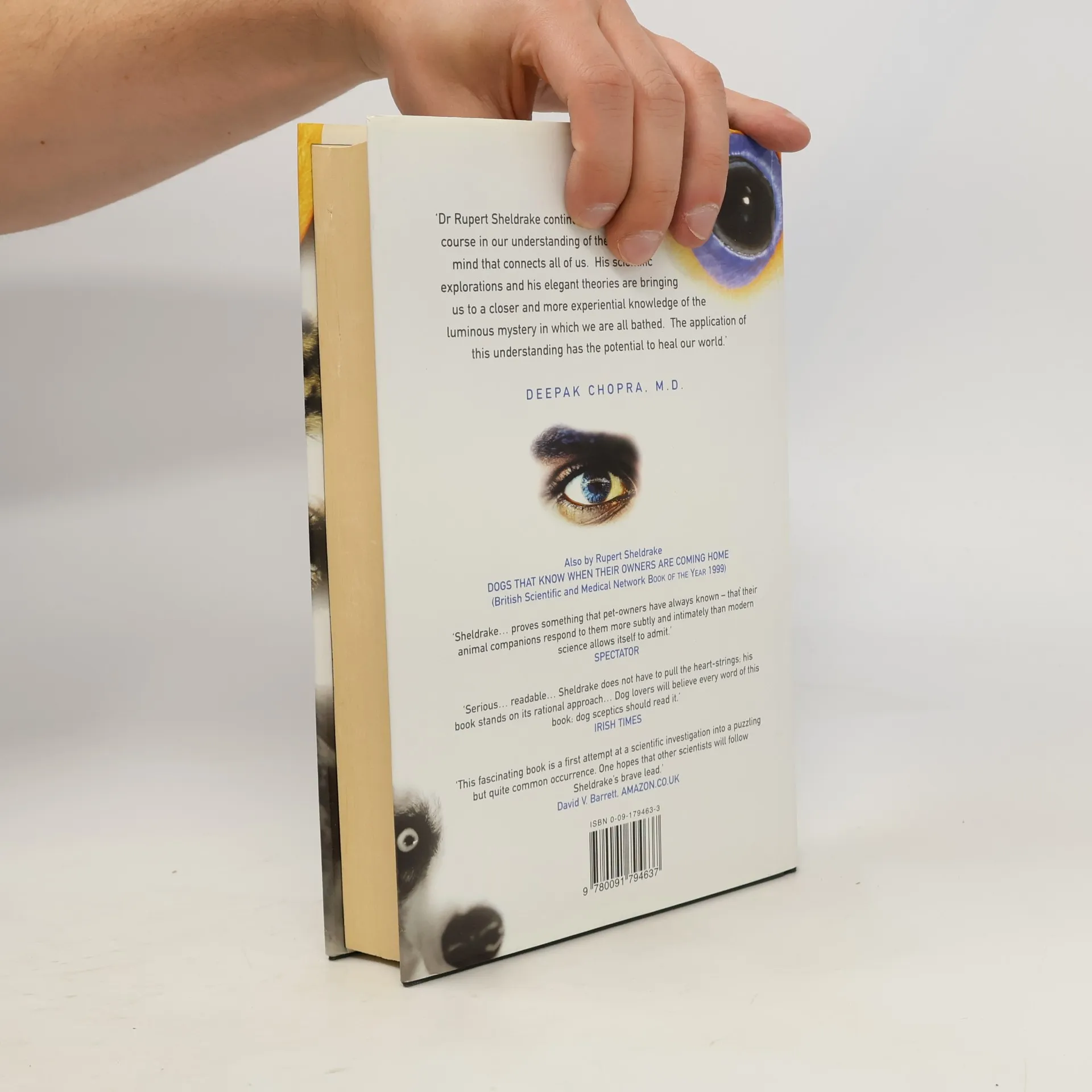
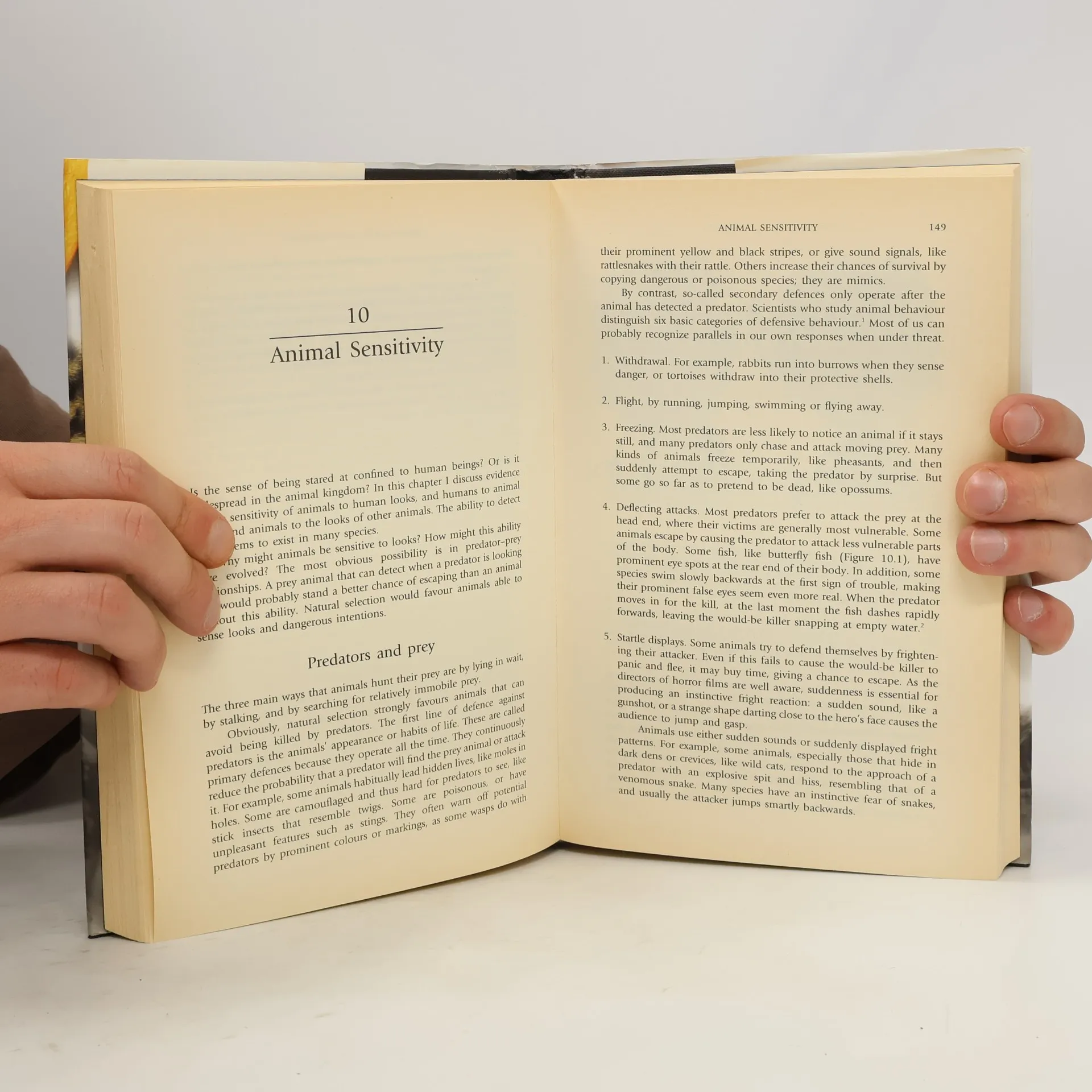
The Sense of Being Stared At and Other Aspects of the Extended Mind, Rupert Sheldrake
- Langue

- Année de publication
- 2003
- Reliure
- (rigide),
- État du livre
- Abîmé
- Prix
- 4,23 €
Modes de paiement
Il manque plus que ton avis ici.
- Langue
- Anglais
- Auteurs
- Rupert Sheldrake
- Éditeur
- Crown Publishers
- Publié
- 2003
- Format
- rigide
- Pages
- 372
- ISBN10
- 0091794633
- ISBN13
- 9780091794637
- Séries
- Évaluation
- 3,6 sur 5
- Description
- Have you ever had the feeling of being watched? Over 80 percent of the population have experienced the sense of being stared at. Conversely, most people have found they can make others uneasy by looking at them, even from behind. Recent experiments have provided hugely significant evidence for the reality of this sense. Somehow our intentions, and our attention, reach out to touch what we are looking at. Our minds are not confined to our brains. Once the influence of the mind is admitted to extend beyond the head, other well-known but seemingly mysterious phenomena begin to make sense, such as telepathy, phantom limbs and mind over matter effects. Sheldrake shows that telepathy depends on social bonds. He traces its evolution from the connections between members of animal groups such as flocks, schools and packs. In the modern world telepathy occurs most commonly just before telephone calls. He summarizes startling new experimental evidence for the reality of telephone telepathy, and shows how readers can do tests for themselves. Drawing on his own experiments and extensive research, Sheldrake puts the overwhelming evidence for these unexplained abilities in the context of what he