


Évaluation du livre
Paramètres
- 432pages
- 16 heures de lecture
En savoir plus sur le livre
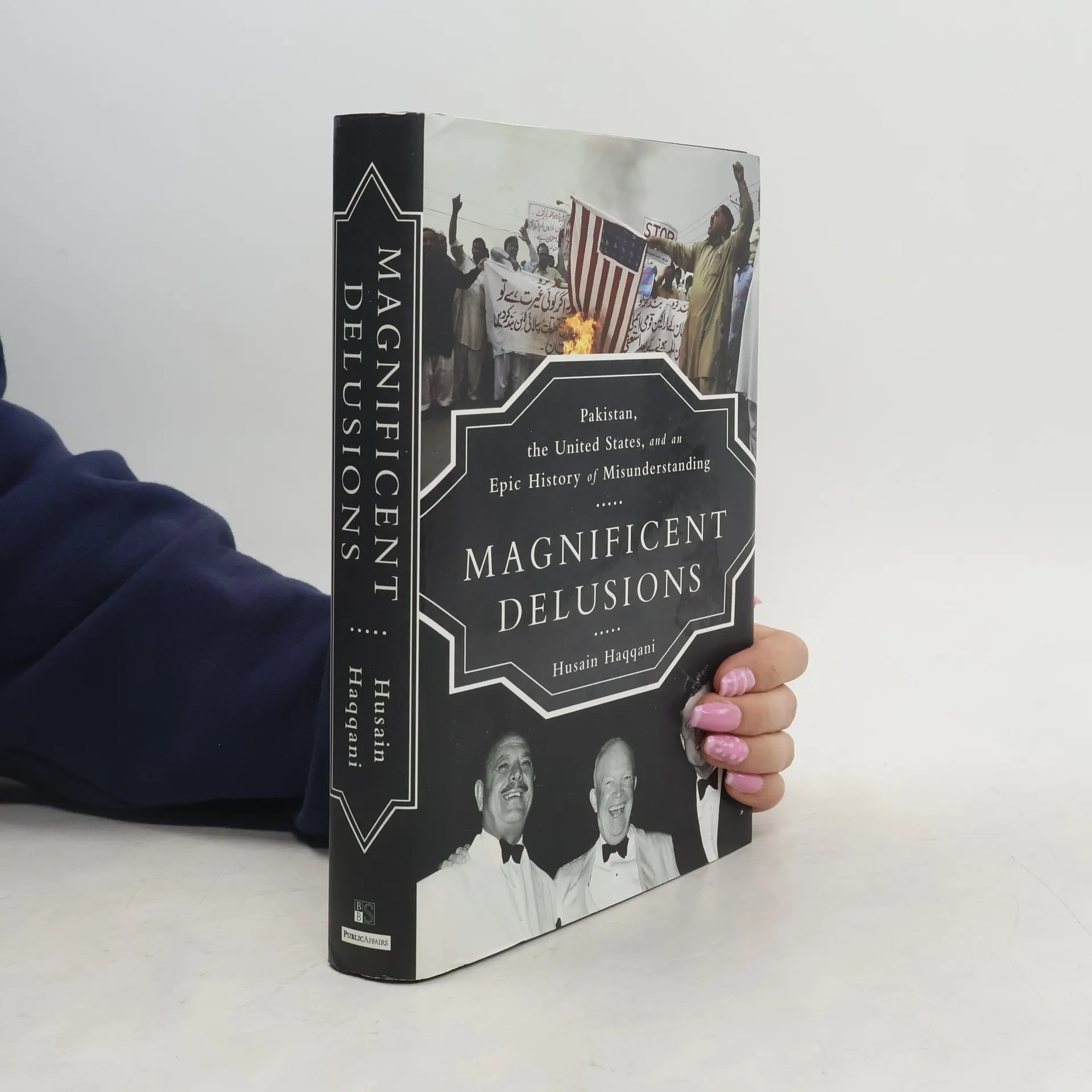
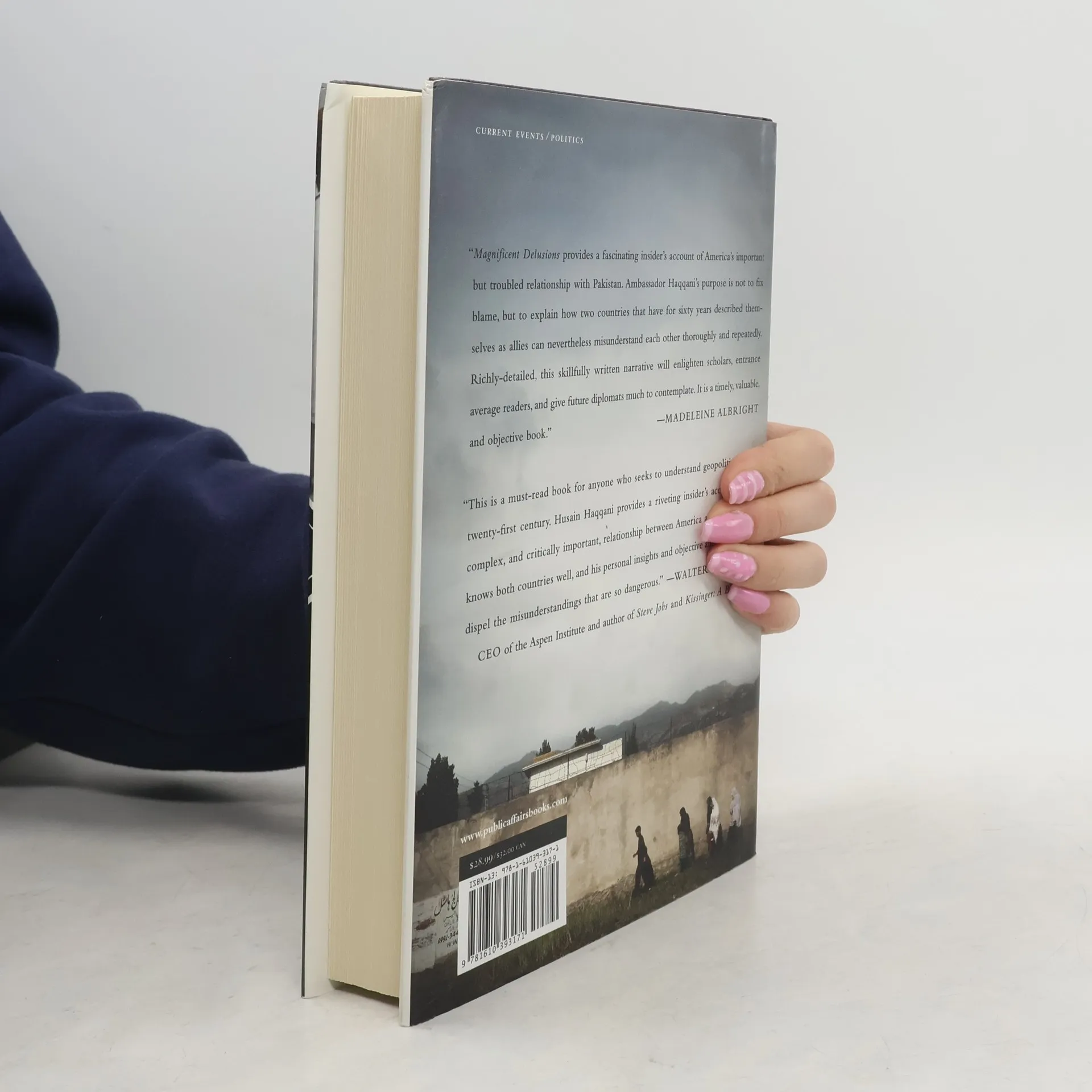
The relationship between America and Pakistan has always been characterized by mutual incomprehension. To Americans, Pakistan has shifted from a quirky irrelevance to a stabilizing friend, then an essential military ally, and finally a source of terror. Conversely, Pakistan views America as a guarantor of security, a distant critic, a military enabler, and now a threat to its national security and dignity. This dynamic leads both nations to believe they can manipulate each other, often with absurd or tragic outcomes. The conventional narrative surrounding the Afghan war focuses on the Soviet invasion of 1979, but the U.S. involvement began earlier, with President Jimmy Carter authorizing support for the Pakistani-backed mujahedeen six months prior. This was not merely a liberation effort, but part of General Zia-ul-Haq's brutal regional ambitions. Husain Haqqani offers a unique perspective on both Pakistan and America, having served as ambassador and now as a professor at Boston University. His experiences have placed him at the center of this complex relationship, allowing him to reveal the intricacies of a misbegotten diplomatic love affair in a compelling narrative.
Édition

Achat du livre
Magnificent Delusions, Husain Haqqani
- Langue

- Année de publication
- 2013
- Reliure
- (rigide)
Modes de paiement
Il manque plus que ton avis ici.
- Titre
- Magnificent Delusions
- Sous-titre
- Pakistan, The United States, And An Epic History Of Misunderstanding
- Langue
- Anglais
- Auteurs
- Husain Haqqani
- Éditeur
- PublicAffairs
- Publié
- 2013
- Format
- rigide
- Pages
- 432
- ISBN10
- 1610393171
- ISBN13
- 9781610393171
- Séries
- Catégories
- Mots clés
- Thème historique, Politique, Inde, Relations internationales, Pakistan
- Évaluation
- 4 sur 5
- Description
- The relationship between America and Pakistan has always been characterized by mutual incomprehension. To Americans, Pakistan has shifted from a quirky irrelevance to a stabilizing friend, then an essential military ally, and finally a source of terror. Conversely, Pakistan views America as a guarantor of security, a distant critic, a military enabler, and now a threat to its national security and dignity. This dynamic leads both nations to believe they can manipulate each other, often with absurd or tragic outcomes. The conventional narrative surrounding the Afghan war focuses on the Soviet invasion of 1979, but the U.S. involvement began earlier, with President Jimmy Carter authorizing support for the Pakistani-backed mujahedeen six months prior. This was not merely a liberation effort, but part of General Zia-ul-Haq's brutal regional ambitions. Husain Haqqani offers a unique perspective on both Pakistan and America, having served as ambassador and now as a professor at Boston University. His experiences have placed him at the center of this complex relationship, allowing him to reveal the intricacies of a misbegotten diplomatic love affair in a compelling narrative.