

Paramètres
- 288pages
- 11 heures de lecture
En savoir plus sur le livre
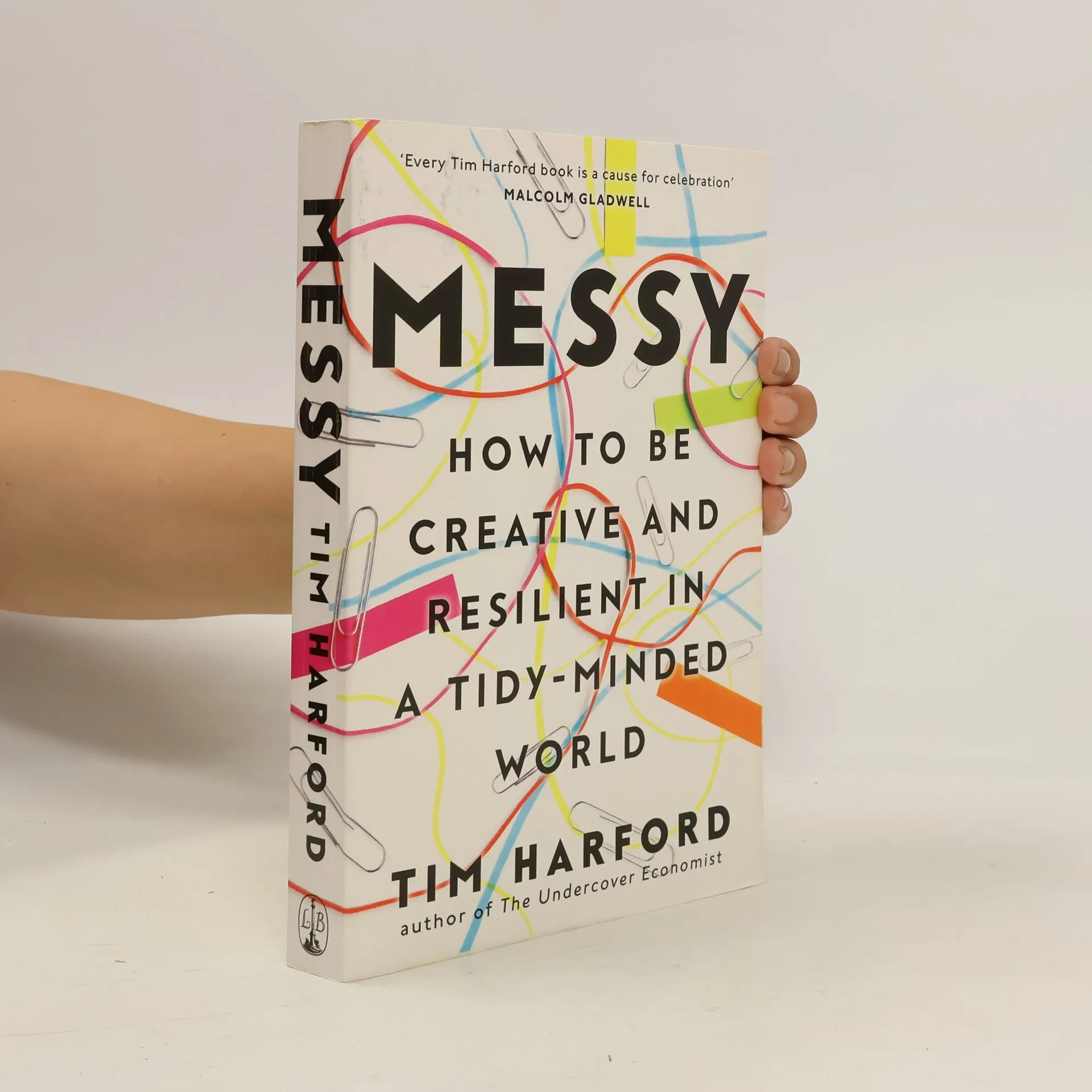
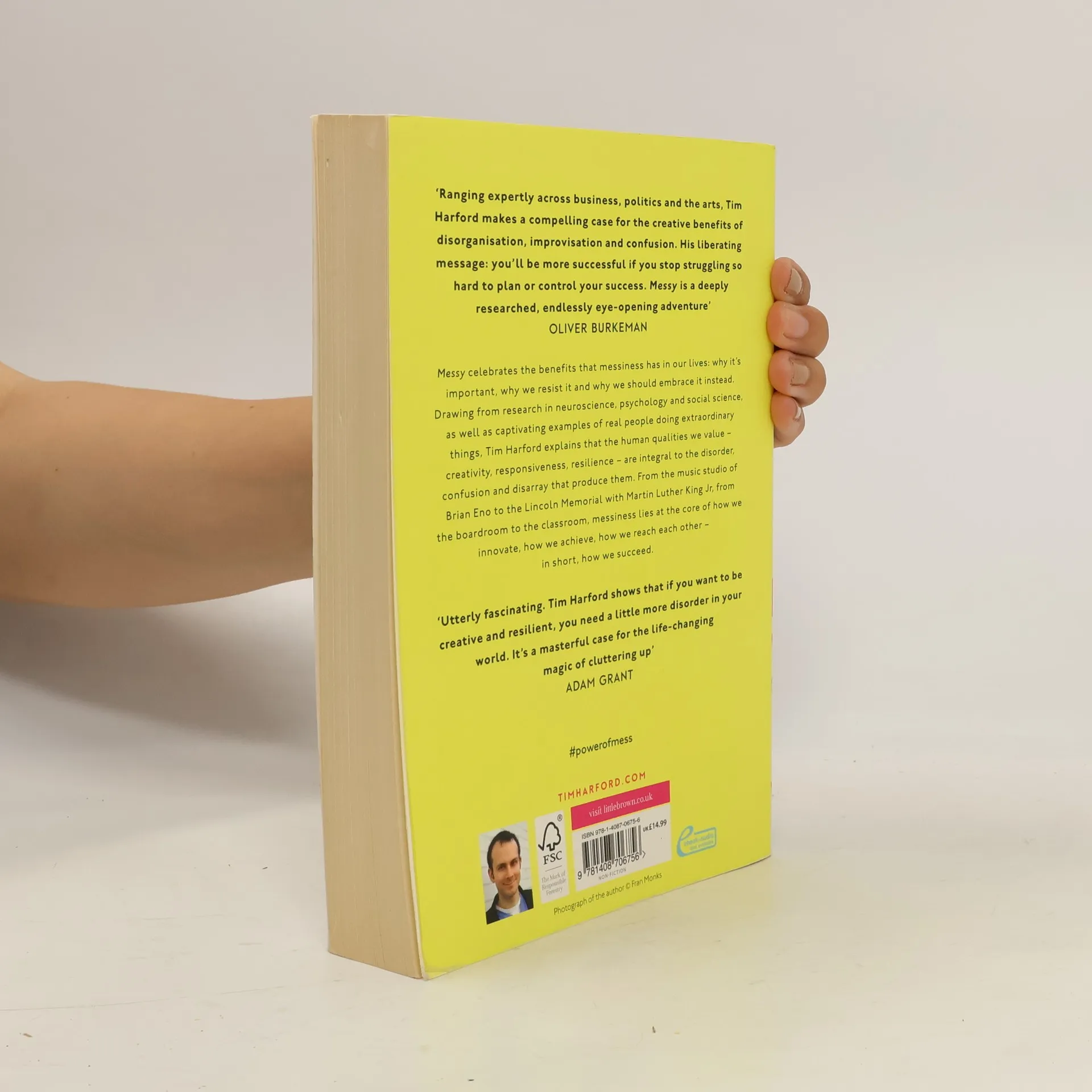
The urge for tidiness is deeply ingrained in human nature, with many feeling threatened by chaos or ambiguity. We find comfort in systems, scripts, and categorization, which can be beneficial to a point—think of libraries, global trade, and scientific collaboration. However, the push for order has gone too far, driven by corporate and bureaucratic pressures that demand everything be labeled and neatly organized. This tidy mindset, now aided by technology, is encroaching on our personal lives, from structuring children's play to relying on algorithms for romance. Excessive tidiness can lead to rigidity and sterility, stifling creativity and responsiveness. In this exploration, Tim Harford illustrates how qualities we cherish—like resilience and innovation—thrive in messiness. He advocates for embracing disorder in various aspects of life: at home, in the workplace with cluttered desks, in creative environments, and in our approaches to business and politics. By allowing for some chaos and ambiguity, we can foster a more dynamic and productive existence. It's time to appreciate the advantages of a little mess.




Achat du livre
Messy: How to be creative and resilient in a tidy-minded world, Tim Harford
- Langue

- Année de publication
- 2016
- product-detail.submit-box.info.binding
- (rigide),
- État du livre
- Bon
- Prix
- 6,99 €
Modes de paiement
Il manque plus que ton avis ici.
- Langue
- Anglais
- Auteurs
- Tim Harford
- Éditeur
- Little, Brown
- Publié
- 2016
- Format
- rigide
- Pages
- 288
- ISBN10
- 140870675x
- ISBN13
- 9781408706756
- Séries
- Mots clés
- Nonfiction, Sciences sociales, Commerce, Affaires & Gestion, Motivation & Bien-être, Thèmes psychologiques, Développement personnel, Sociologie
- Évaluation
- 3,9 sur 5
- Description
- The urge for tidiness is deeply ingrained in human nature, with many feeling threatened by chaos or ambiguity. We find comfort in systems, scripts, and categorization, which can be beneficial to a point—think of libraries, global trade, and scientific collaboration. However, the push for order has gone too far, driven by corporate and bureaucratic pressures that demand everything be labeled and neatly organized. This tidy mindset, now aided by technology, is encroaching on our personal lives, from structuring children's play to relying on algorithms for romance. Excessive tidiness can lead to rigidity and sterility, stifling creativity and responsiveness. In this exploration, Tim Harford illustrates how qualities we cherish—like resilience and innovation—thrive in messiness. He advocates for embracing disorder in various aspects of life: at home, in the workplace with cluttered desks, in creative environments, and in our approaches to business and politics. By allowing for some chaos and ambiguity, we can foster a more dynamic and productive existence. It's time to appreciate the advantages of a little mess.