

Paramètres
- 224pages
- 8 heures de lecture
En savoir plus sur le livre
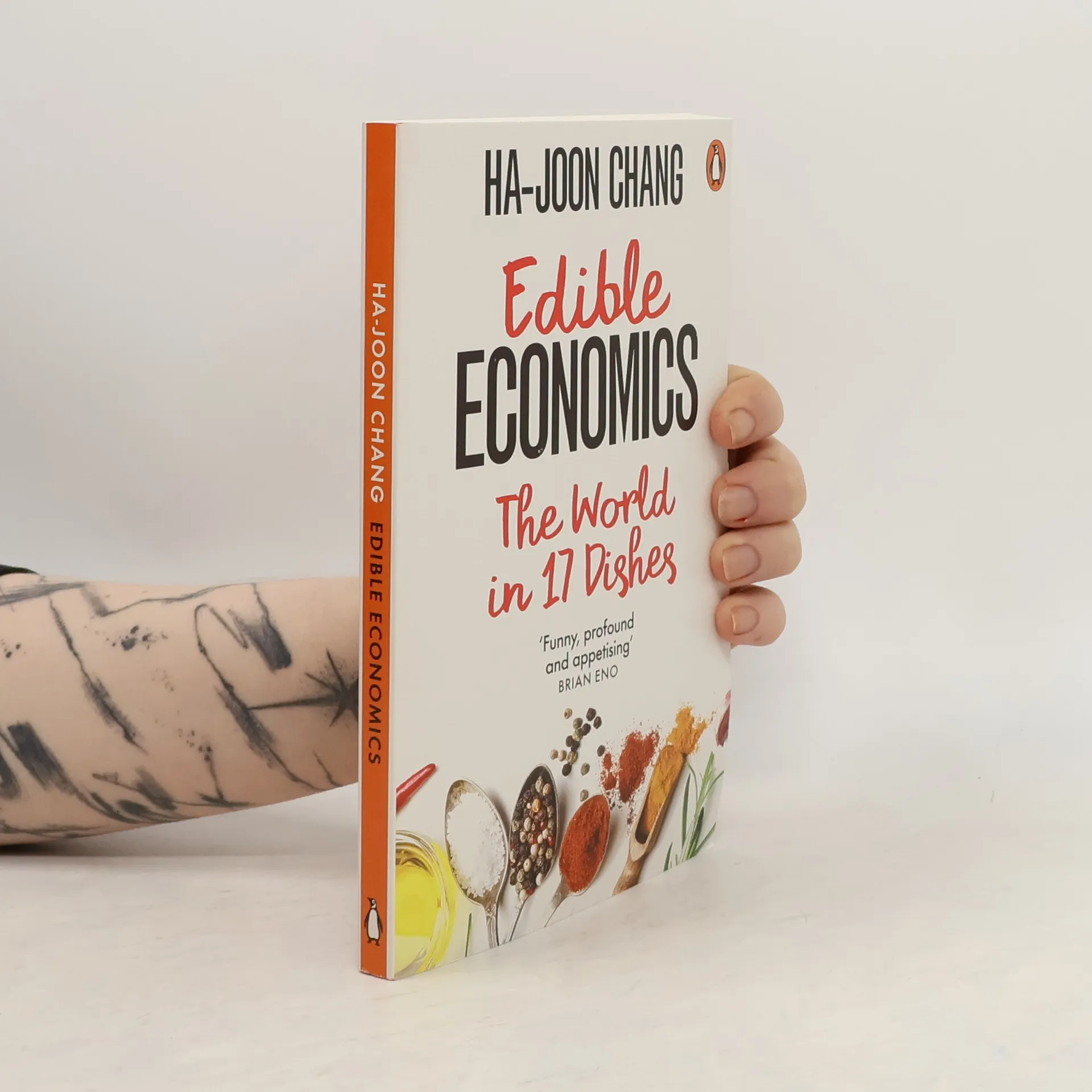
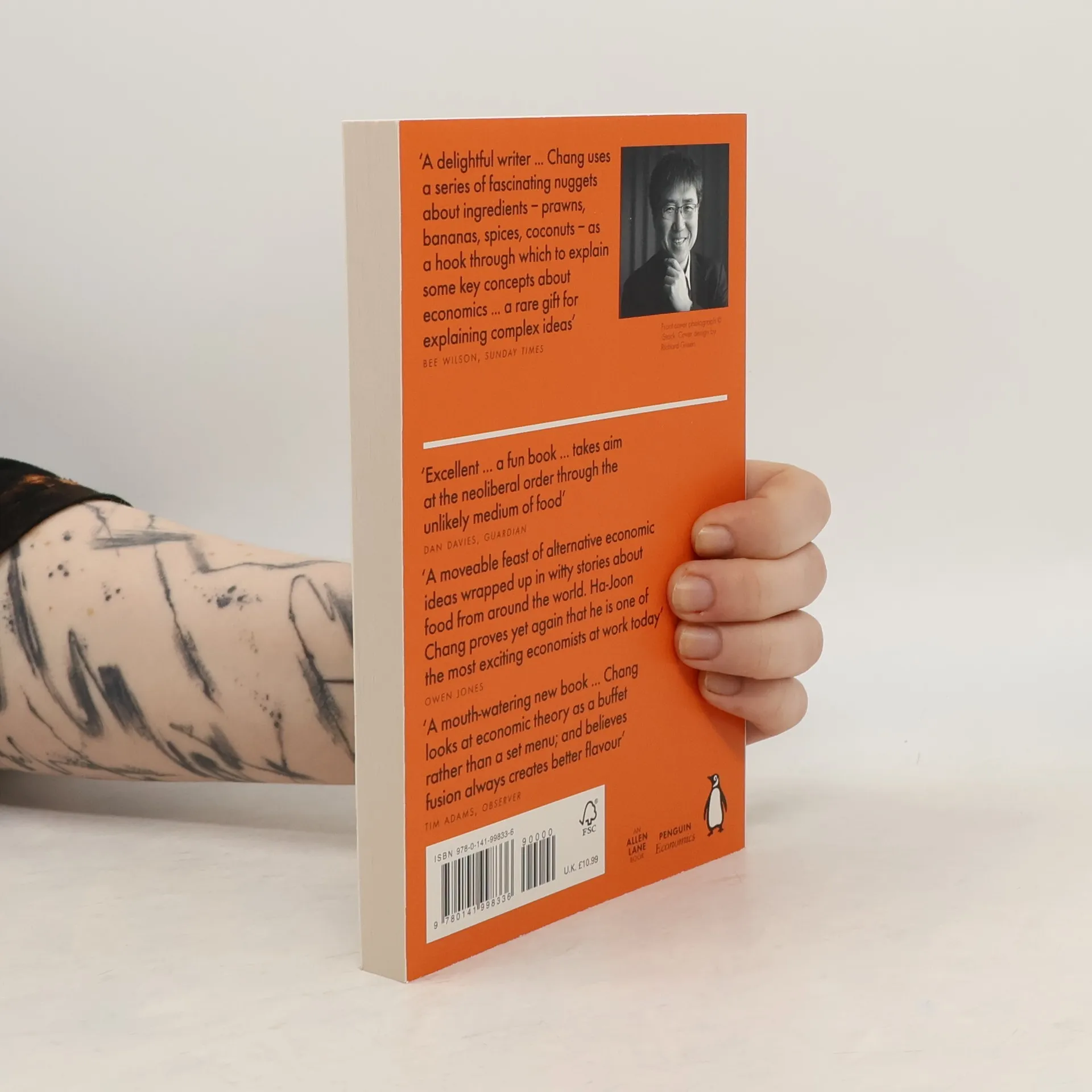
Economic thinking on globalization, climate change, immigration, austerity, and automation is often dominated by a single free market philosophy, which can be bland and limiting. In this work, Ha-Joon Chang argues for a more diverse economic perspective, akin to enjoying a variety of cuisines for a balanced diet. He presents complex economic ideas in an accessible way by intertwining them with stories about food from around the world. By exploring the histories of familiar food items—how they are sourced, prepared, and culturally significant—Chang sheds light on economic theories. For instance, he reflects on chocolate as a lens into post-industrial economies, while okra illustrates capitalism's complex ties to freedom. He discusses topics like the hidden costs of care work and the deceptive language of the free market, all while preparing dishes such as anchovy and egg toast, Gambas al Ajillo, and Korean dotori mook. With a blend of humor and insightful commentary, Chang demonstrates that understanding the economy is akin to mastering a recipe; with comprehension, we can effect change in both economic systems and the world at large.


Achat du livre
Edible Economics, Ha Joon Chang
- Langue

- Année de publication
- 2023
- Reliure
- (souple)
Modes de paiement
Il manque plus que ton avis ici.
- Titre
- Edible Economics
- Langue
- Anglais
- Auteurs
- Ha Joon Chang
- Éditeur
- Penguin Books Ltd (UK)
- Publié
- 2023
- Format
- souple
- Pages
- 224
- ISBN10
- 0141998334
- ISBN13
- 9780141998336
- Séries
- Catégories
- Mots clés
- Thème historique, Commerce, Politique, Nourriture, Cadeaux pour papy, Finance
- Évaluation
- 3,8 sur 5
- Description
- Economic thinking on globalization, climate change, immigration, austerity, and automation is often dominated by a single free market philosophy, which can be bland and limiting. In this work, Ha-Joon Chang argues for a more diverse economic perspective, akin to enjoying a variety of cuisines for a balanced diet. He presents complex economic ideas in an accessible way by intertwining them with stories about food from around the world. By exploring the histories of familiar food items—how they are sourced, prepared, and culturally significant—Chang sheds light on economic theories. For instance, he reflects on chocolate as a lens into post-industrial economies, while okra illustrates capitalism's complex ties to freedom. He discusses topics like the hidden costs of care work and the deceptive language of the free market, all while preparing dishes such as anchovy and egg toast, Gambas al Ajillo, and Korean dotori mook. With a blend of humor and insightful commentary, Chang demonstrates that understanding the economy is akin to mastering a recipe; with comprehension, we can effect change in both economic systems and the world at large.