

Paramètres
- 240pages
- 9 heures de lecture
En savoir plus sur le livre
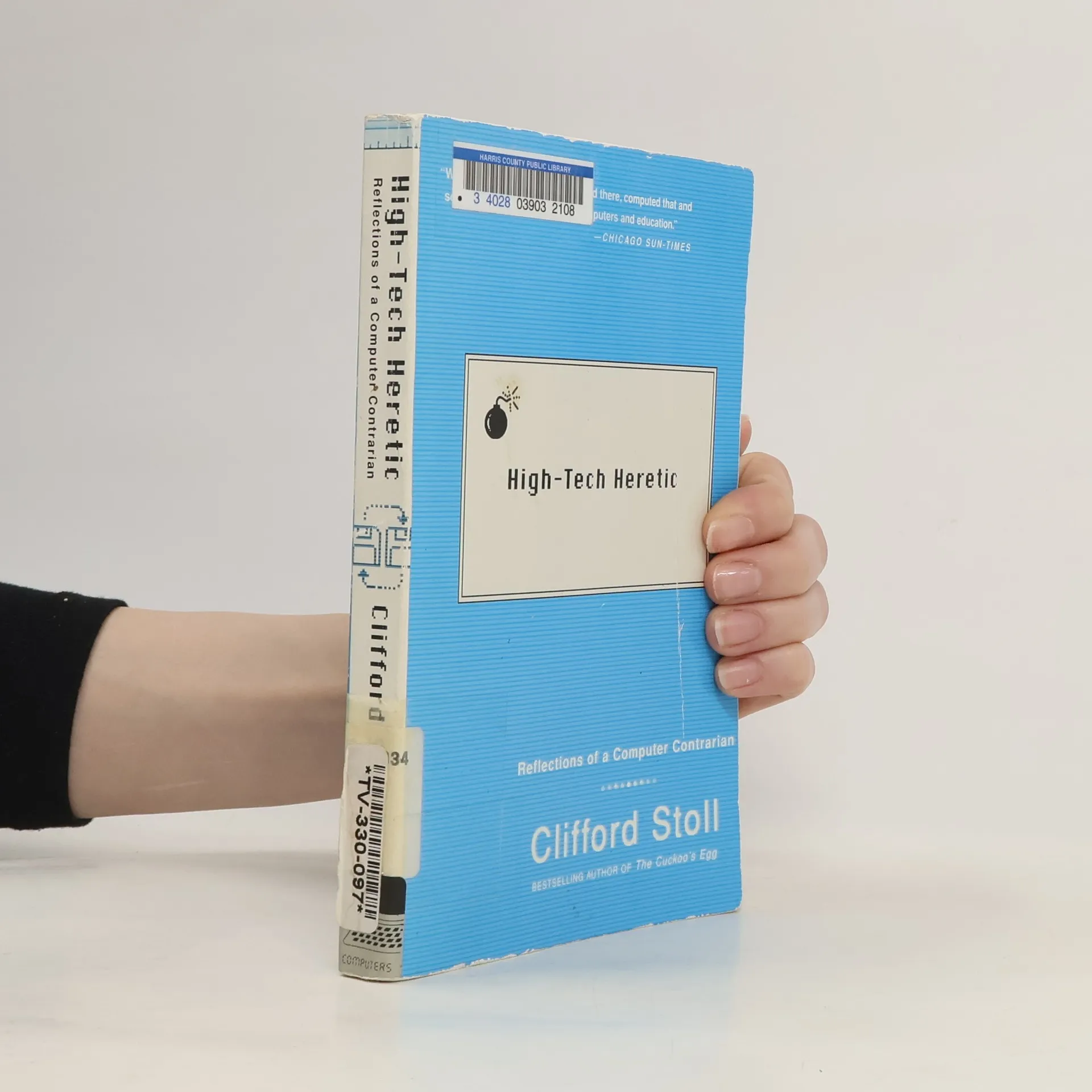
The cry for and against computers in the classroom is a topic of concern to parents, educators, and communities everywhere. Now, from a Silicon Valley hero and bestselling technology writer comes a pointed critique of the hype surrounding computers and their real benefits, especially in education. In High-Tech Heretic, Clifford Stoll questions the relentless drumbeat for "computer literacy" by educators and the computer industry, particularly since most people just use computers for word processing and games--and computers become outmoded or obsolete much sooner than new textbooks or a good teacher. As one who loves computers as much as he disdains the inflated promises made on their behalf, Stoll offers a commonsense look at how we can make a technological world better suited for people, instead of making people better suited to using machines.

Achat du livre
High-Tech Heretic, Clifford Stoll
- Langue

- Année de publication
- 2000
- Reliure
- (souple)
Modes de paiement
Il manque plus que ton avis ici.
- Titre
- High-Tech Heretic
- Langue
- Anglais
- Auteurs
- Clifford Stoll
- Éditeur
- Anchor
- Publié
- 2000
- Format
- souple
- Pages
- 240
- ISBN10
- 0385489765
- ISBN13
- 9780385489768
- Séries
- Catégories
- Mots clés
- Enfants, Technologie, Éducation, système scolaire, Société, Internet
- Titre original
- High-tech heretic
- Évaluation
- 3,45 sur 5
- Description
- The cry for and against computers in the classroom is a topic of concern to parents, educators, and communities everywhere. Now, from a Silicon Valley hero and bestselling technology writer comes a pointed critique of the hype surrounding computers and their real benefits, especially in education. In High-Tech Heretic, Clifford Stoll questions the relentless drumbeat for "computer literacy" by educators and the computer industry, particularly since most people just use computers for word processing and games--and computers become outmoded or obsolete much sooner than new textbooks or a good teacher. As one who loves computers as much as he disdains the inflated promises made on their behalf, Stoll offers a commonsense look at how we can make a technological world better suited for people, instead of making people better suited to using machines.