

En savoir plus sur le livre
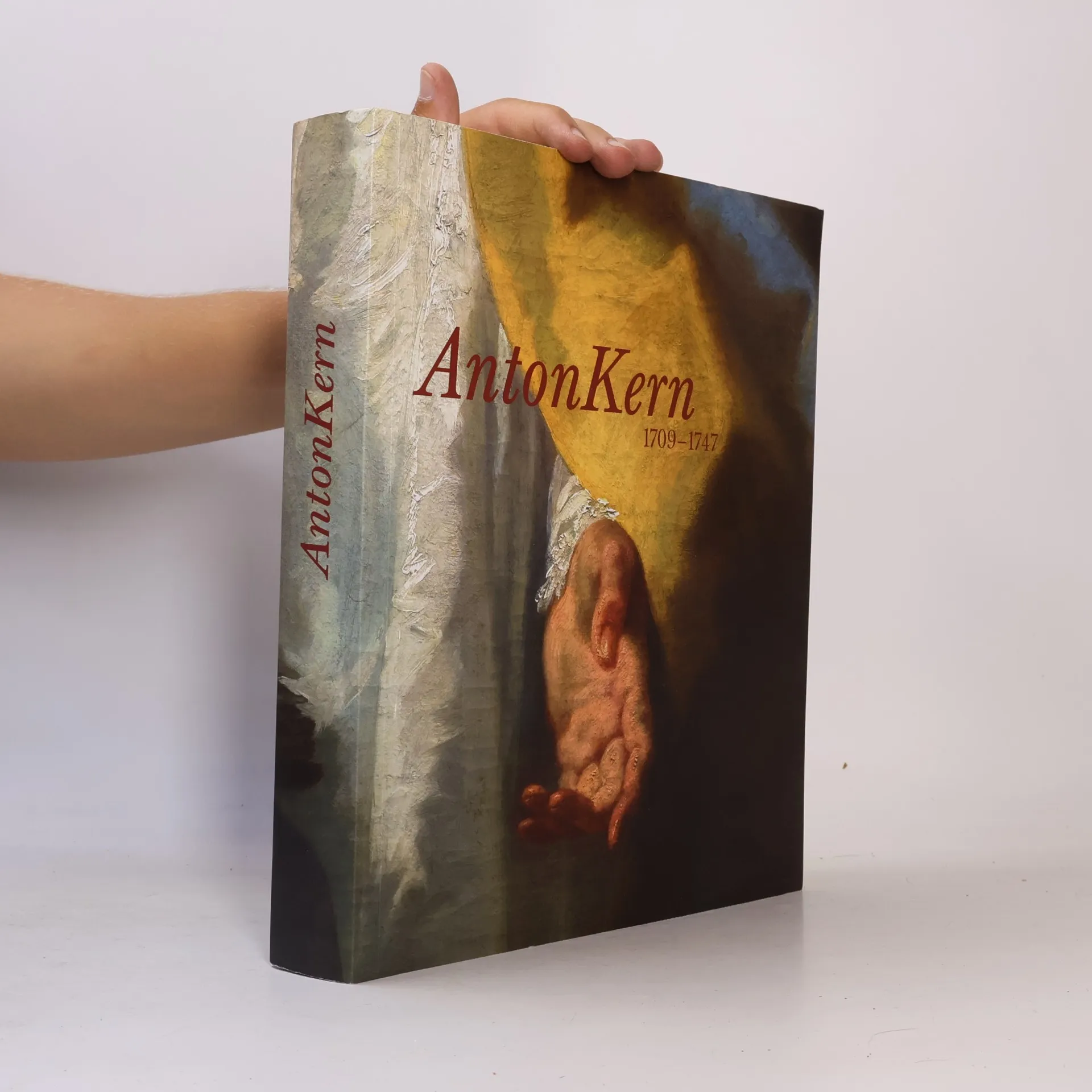
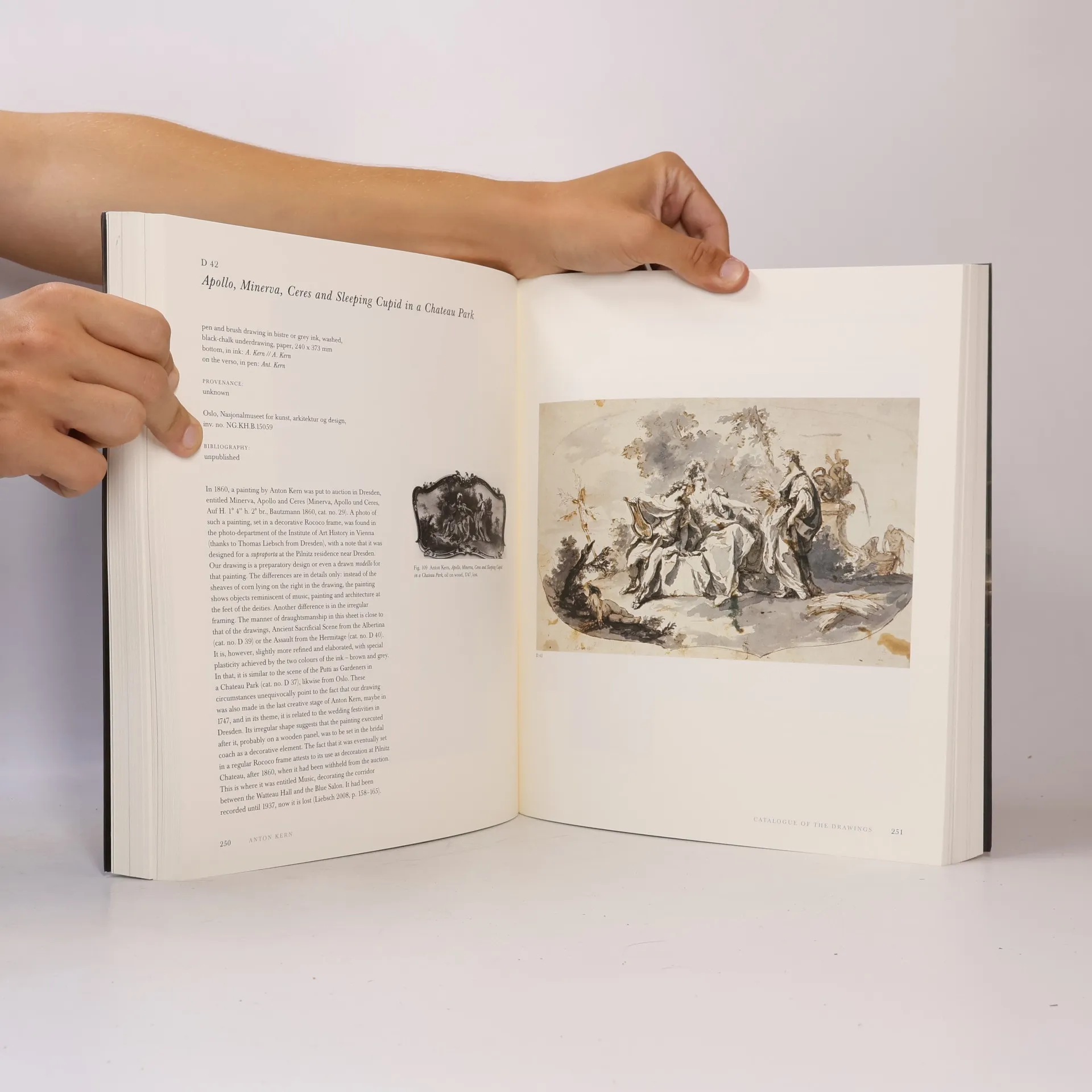
A catalog for the exhibition (1709-1747). Anton Kern was born in 1709 in Děčín and entered a Jesuit school in Bohosudov at the age of ten, where he was discovered by the court painter Lorenzo Rossi, who facilitated his artistic education in Dresden and Venice. After his training, Anton Kern worked in Saxony, where he achieved significant status, as well as in northern Bohemia and Prague. This talented painter, known as the "Venetian master of Saxon and Czech Rococo," died at the young age of 38 in 1747. The book is a comprehensive work by docent Zlatohlávek that explores both the life of Anton Kern and his artistic development, including his paintings, drawings, inspiration from G. B. Pittoni, and subsequent misattributions.



Nous avons un total de du titre Anton Kern: 1709-1747 (2009).
Achat du livre
Anton Kern: 1709-1747, Martin Zlatohlávek, Anton Kern
- Langue

- Année de publication
- 2009
- Reliure
- (rigide),
- État du livre
- Très bon
- Prix
- 13,49 €
Modes de paiement
Il manque plus que ton avis ici.
- Langue
- Anglais
- Auteurs
- Martin Zlatohlávek, Anton Kern
- Éditeur
- National Gallery
- Publié
- 2009
- Format
- rigide
- Pages
- 446
- ISBN10
- 8070354054
- ISBN13
- 9788070354056
- Séries
- Mots clés
- Nonfiction, Art / Culture, Thème historique, Histoire, Histoires vraies, Biographies, Beaux-arts, Peinture & Sculpture, Illustrations, Publications photographiques, Autre histoire
- Évaluation
- 2 sur 5
- Description
- A catalog for the exhibition (1709-1747). Anton Kern was born in 1709 in Děčín and entered a Jesuit school in Bohosudov at the age of ten, where he was discovered by the court painter Lorenzo Rossi, who facilitated his artistic education in Dresden and Venice. After his training, Anton Kern worked in Saxony, where he achieved significant status, as well as in northern Bohemia and Prague. This talented painter, known as the "Venetian master of Saxon and Czech Rococo," died at the young age of 38 in 1747. The book is a comprehensive work by docent Zlatohlávek that explores both the life of Anton Kern and his artistic development, including his paintings, drawings, inspiration from G. B. Pittoni, and subsequent misattributions.