

Paramètres
- 517pages
- 19 heures de lecture
En savoir plus sur le livre
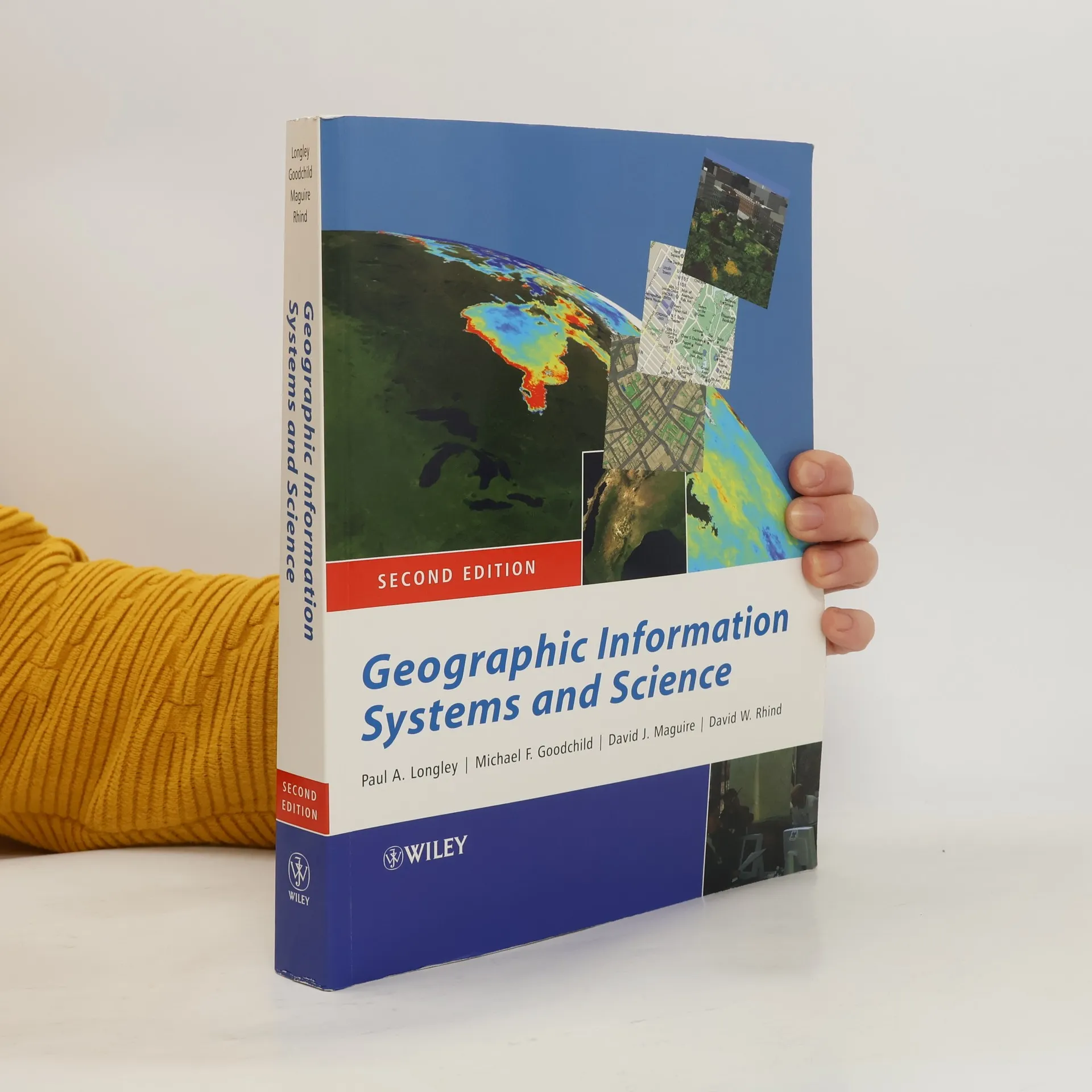
Geographic Information Systems and Science is a leading textbook for students and practitioners, offering a unique and accessible approach to the field. The fully revised second edition emphasizes GIS as a key tool for science and problem-solving, outlining the scientific principles behind its use and the influence of human factors on its development and success. This edition features a new five-part structure: Foundations, Principles, Techniques, Analysis, and Management and Policy. It includes updated personality boxes highlighting current GIS practitioners and showcases real-world applications. Key topics covered are location-based services, distributed computing, virtual and augmented realities, homeland security, business GIS, geodemographics, geoportals, and the grand challenges of GIScience. Additionally, a suite of instructor and student resources is available. This edition is essential for undergraduates in various disciplines, including Geography, Environmental Science, Business Administration, Computer Science, Urban Studies, Planning, Information Science, Civil Engineering, and Archaeology. It also serves as a vital resource for foundation GIS courses in MSc programs and is invaluable for professionals in governmental and private sectors seeking relevant applications.


Achat du livre
Geographic Information Systems and Science, Paul Longley, Michael F Goodchild, David J. Maguire, David Rhind
- Langue

- Année de publication
- 2005
- product-detail.submit-box.info.binding
- (souple)
Modes de paiement
Il manque plus que ton avis ici.
- Sous-titre
- Second Edition
- Langue
- Anglais
- Éditeur
- Wiley
- Publié
- 2005
- Format
- souple
- Pages
- 517
- ISBN10
- 047087001X
- ISBN13
- 9780470870013
- Séries
- Mots clés
- Nonfiction, Manuels, Cartes et voyages, Technologie & Ingénierie, Géographie & Topographie, Science, Technologie, L'école
- Évaluation
- 3,7 sur 5
- Description
- Geographic Information Systems and Science is a leading textbook for students and practitioners, offering a unique and accessible approach to the field. The fully revised second edition emphasizes GIS as a key tool for science and problem-solving, outlining the scientific principles behind its use and the influence of human factors on its development and success. This edition features a new five-part structure: Foundations, Principles, Techniques, Analysis, and Management and Policy. It includes updated personality boxes highlighting current GIS practitioners and showcases real-world applications. Key topics covered are location-based services, distributed computing, virtual and augmented realities, homeland security, business GIS, geodemographics, geoportals, and the grand challenges of GIScience. Additionally, a suite of instructor and student resources is available. This edition is essential for undergraduates in various disciplines, including Geography, Environmental Science, Business Administration, Computer Science, Urban Studies, Planning, Information Science, Civil Engineering, and Archaeology. It also serves as a vital resource for foundation GIS courses in MSc programs and is invaluable for professionals in governmental and private sectors seeking relevant applications.