

En savoir plus sur le livre
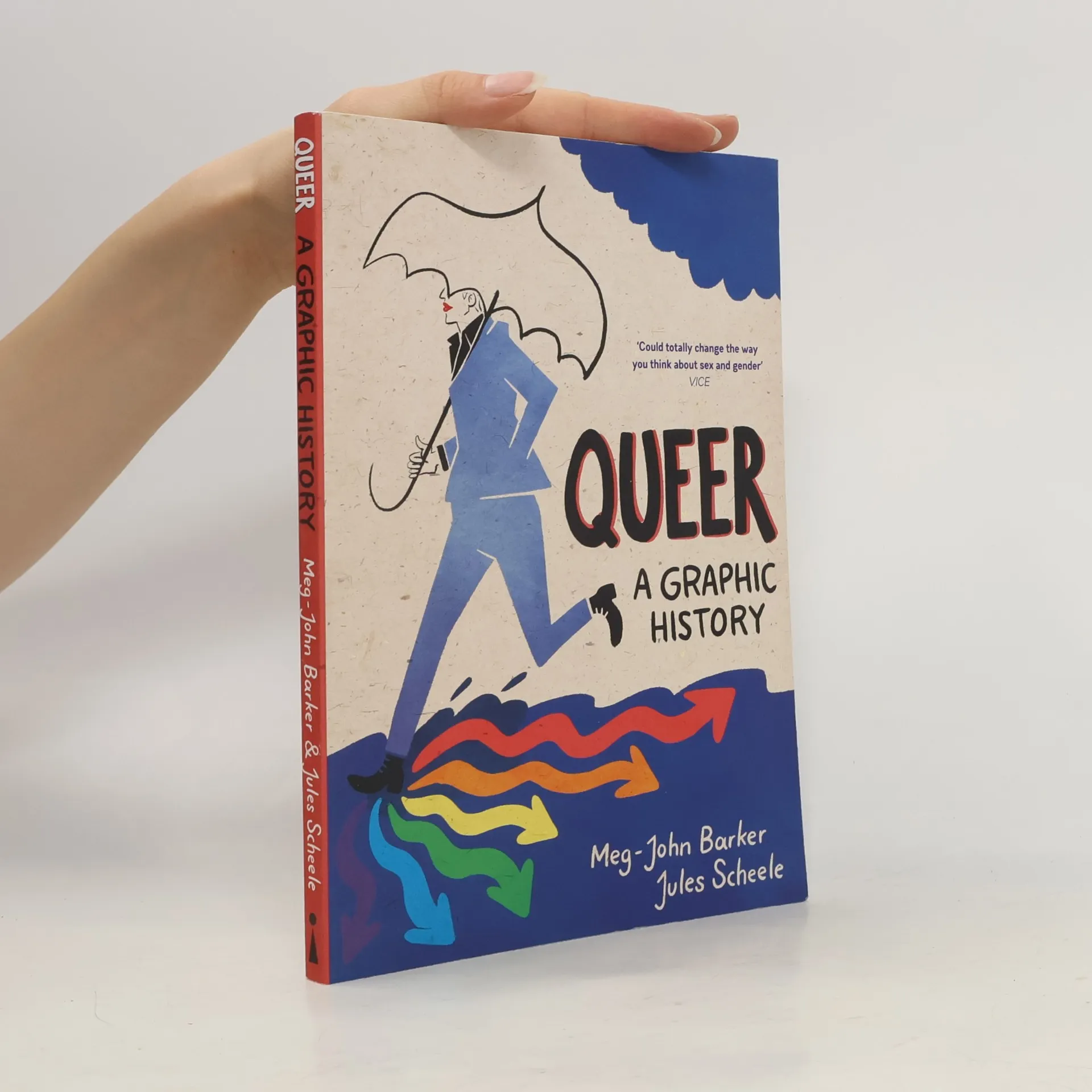
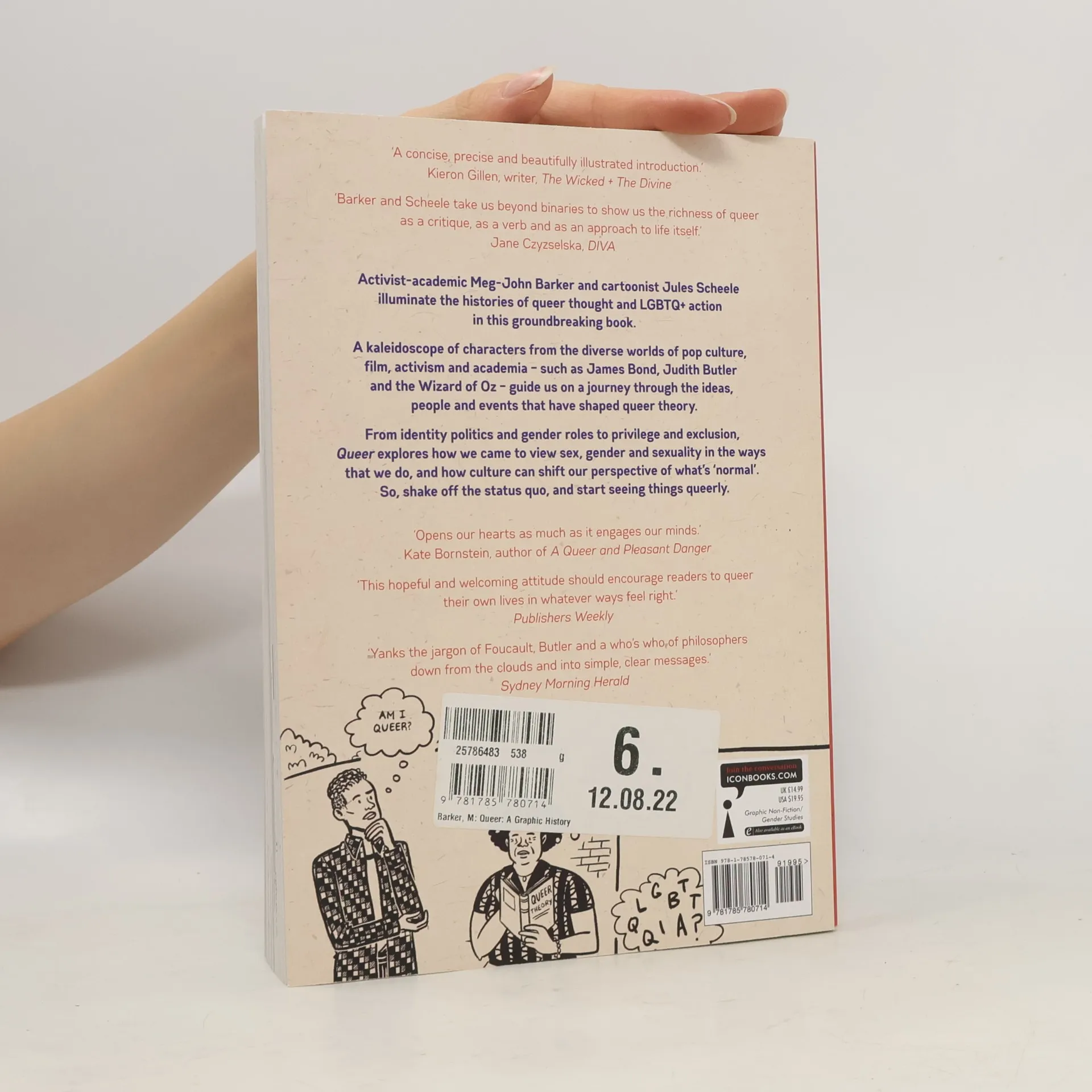
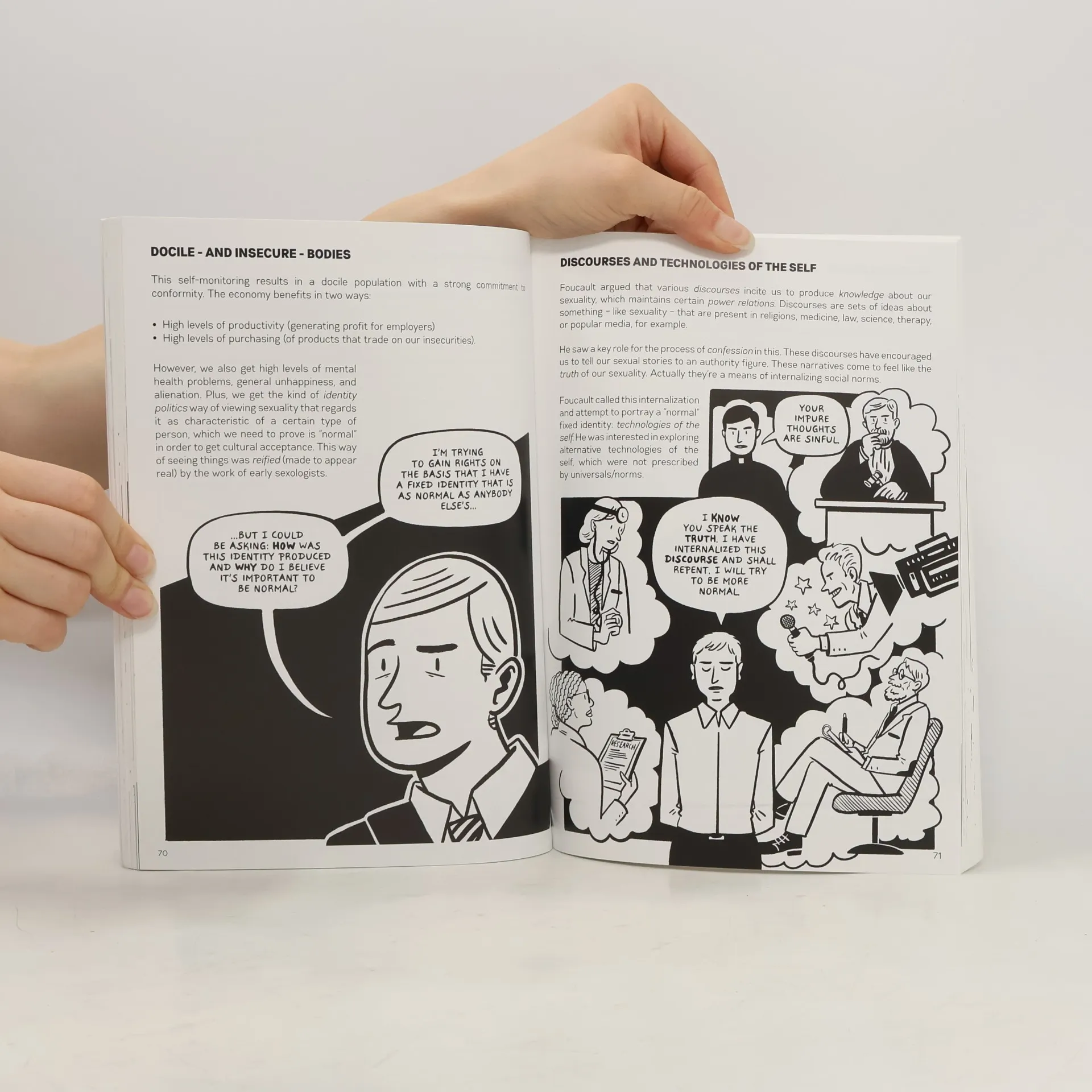
"Activist-academic Meg-John Barker and cartoonist Julia Scheele illuminate the histories of queer thought and LGBTQ+ action in this groundbreaking non-fiction graphic novel. From identity politics and gender roles to privilege and exclusion, Queer explores how we came to view sex, gender and sexuality in the ways that we do; how these ideas get tangled up with our culture and our understanding of biology, psychology and sexology; and how these views have been disputed and challenged. Along the way we look at key landmarks which shift our perspective of what's 'normal'--Alfred Kinsey's view of sexuality as a spectrum, Judith Butler's view of gendered behaviour as a performance, the play Wicked, or moments in Casino Royale when we're invited to view James Bond with the kind of desiring gaze usually directed at female bodies in mainstream media"--Publisher description
Achat du livre
Queer: A Graphic History, Meg John Barker, Jules Scheele
- Langue

- Année de publication
- 2016
- Reliure
- (souple)
Modes de paiement
Il manque plus que ton avis ici.
- Titre
- Queer: A Graphic History
- Langue
- Anglais
- Auteurs
- Meg John Barker, Jules Scheele
- Éditeur
- Icon Books Ltd
- Publié
- 2016
- Format
- souple
- Pages
- 175
- ISBN10
- 1785780719
- ISBN13
- 9781785780714
- Séries
- Mots clés
- Thème historique, LGBTQ+, Féminisme
- Évaluation
- 3,95 sur 5
- Description
- "Activist-academic Meg-John Barker and cartoonist Julia Scheele illuminate the histories of queer thought and LGBTQ+ action in this groundbreaking non-fiction graphic novel. From identity politics and gender roles to privilege and exclusion, Queer explores how we came to view sex, gender and sexuality in the ways that we do; how these ideas get tangled up with our culture and our understanding of biology, psychology and sexology; and how these views have been disputed and challenged. Along the way we look at key landmarks which shift our perspective of what's 'normal'--Alfred Kinsey's view of sexuality as a spectrum, Judith Butler's view of gendered behaviour as a performance, the play Wicked, or moments in Casino Royale when we're invited to view James Bond with the kind of desiring gaze usually directed at female bodies in mainstream media"--Publisher description