


Paramètres
- 108pages
- 4 heures de lecture
En savoir plus sur le livre
When Charles Marlow accepts the captaincy of a steamship in the Congo, he witnesses the brutality with which the colonialists treat the African people. Setting off with a crew of cannibals, Marlow is tasked with transporting ivory downriver and rescuing a renowned ivory trader. On his journey Marlow encounters the darkness of the Congo wilderness, the darkness of the Europeans' cruel treatment of the natives, and the darkness within every human being for committing heinous acts of evil. The Heart of Darkness was based on Joseph Conrad's experiences as a steamship captain in the Congo. Conrad interwove his observations of the darkness in mankind, man's potential for duplicity, and the struggle between good and evil in everyones soul. Widely regarded as a significant work of British literature, it was adapted by Orson Welles for the Mercury Theatre, and used as the basis for Francis Ford Coppola's Apocalypse Now.


Édition




- 2024


- 2024
- 2024
- 2024
- 2024
- 2023
- 2023
- 2023
- 2023
- 2023
- 2023
- 2023
- 2023
- 2023
- 2023
- 2023
- 2023
- 2022
- 2022
- 2022
- 2022
- 2022
- 2021
- 2021
- 2021
- 2020
- 2020
- 2020
- 2020
- 2020
- 2020
- 2020
- 2020
- 2020
- 2020
- 2020
- 2020
- 2020
- 2020
- 2020
- 2020
- 2020
- 2020
- 2020
- 2020
- 2020
- 2020


- 2019
- 2019
- 2019
- 2019
- 2019
- 2019
- 2019
- 2019
- 2019
- 2019
- 2019
- 2018
- 2018
- 2018
- 2018
- 2018
- 2018
- 2018
- 2018
- 2018
- 2017
- 2017
- 2017
- 2017

- 2016
- 2016

- 2016
- 2016
- 2016
- 2015
- 2015
- 2015




- 2014
- 2013
- 2013
- 2013
- 2013
- 2013
- 2013



- 2012
- 2012
- 2012
- 2011
- 2011
- 2011
- 2011



- 2010
- 2010
- 2010
- 2010
- 2010
- 2010





- 2007
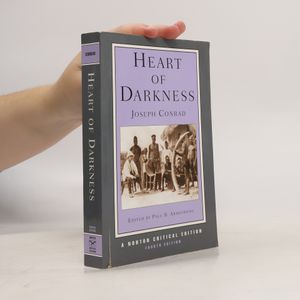

- 2004

- 2002

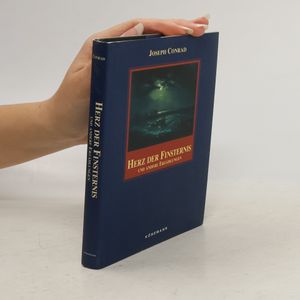


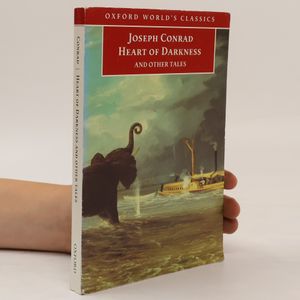






- 1993
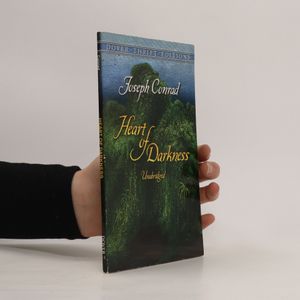



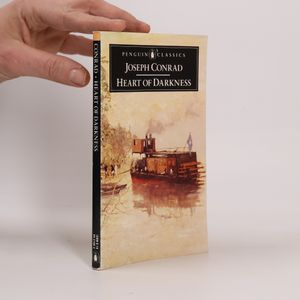

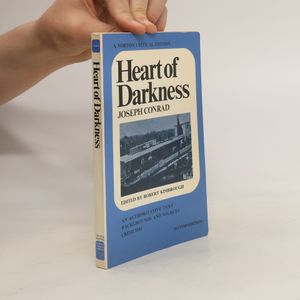



Achat du livre
Heart of Darkness (AD Classic Library Edition), Joseph Conrad
- Langue

- Année de publication
- 2012
- product-detail.submit-box.info.binding
- (rigide)
Modes de paiement
Il manque plus que ton avis ici.
- Langue
- Anglais
- Auteurs
- Joseph Conrad
- Éditeur
- Ad Classic
- Publié
- 2012
- Format
- rigide
- Pages
- 108
- ISBN13
- 9781926606866
- Séries
- Mots clés
- Fiction, Thème historique, Aventure, Thèmes psychologiques, Roman social, Critique sociale, Colonialisme
- Première publication
- 1899
- Titre original
- Heart of Darkness
- Évaluation
- 3,6 sur 5
- Description
- When Charles Marlow accepts the captaincy of a steamship in the Congo, he witnesses the brutality with which the colonialists treat the African people. Setting off with a crew of cannibals, Marlow is tasked with transporting ivory downriver and rescuing a renowned ivory trader. On his journey Marlow encounters the darkness of the Congo wilderness, the darkness of the Europeans' cruel treatment of the natives, and the darkness within every human being for committing heinous acts of evil. The Heart of Darkness was based on Joseph Conrad's experiences as a steamship captain in the Congo. Conrad interwove his observations of the darkness in mankind, man's potential for duplicity, and the struggle between good and evil in everyones soul. Widely regarded as a significant work of British literature, it was adapted by Orson Welles for the Mercury Theatre, and used as the basis for Francis Ford Coppola's Apocalypse Now.