

En savoir plus sur le livre
Whenever the skin's integrity is compromised through trauma or surgical incision, wounds and the healing process naturally follow. Physicians should be keenly interested in the biological mechanisms of wound healing, as they typically do not intervene in these natural processes, trusting that the body can heal itself (natura sanat). However, when the healing process is disrupted, it becomes evident how limited our understanding is in this field, a fact that remains largely unknown to many physicians. Recent advancements in cell and molecular biology have significantly enhanced our knowledge of wound healing, revealing that tissue repair occurs in three distinct phases, regulated by specific cells that release mediators to control surrounding cell functions. Paracelsus's assertion that "certain rules apply to the healing of wounds and injured tissue" remains relevant today. Ongoing research aims to explore these principles and incorporate them into new therapeutic strategies. This book aims to disseminate current knowledge on fundamental healing processes, research advancements, and effective wound management to a broader audience of physicians. Given the critical nature of wound healing and the successful integration of basic science with clinical practice, I hope this book will be widely embraced.
Achat du livre
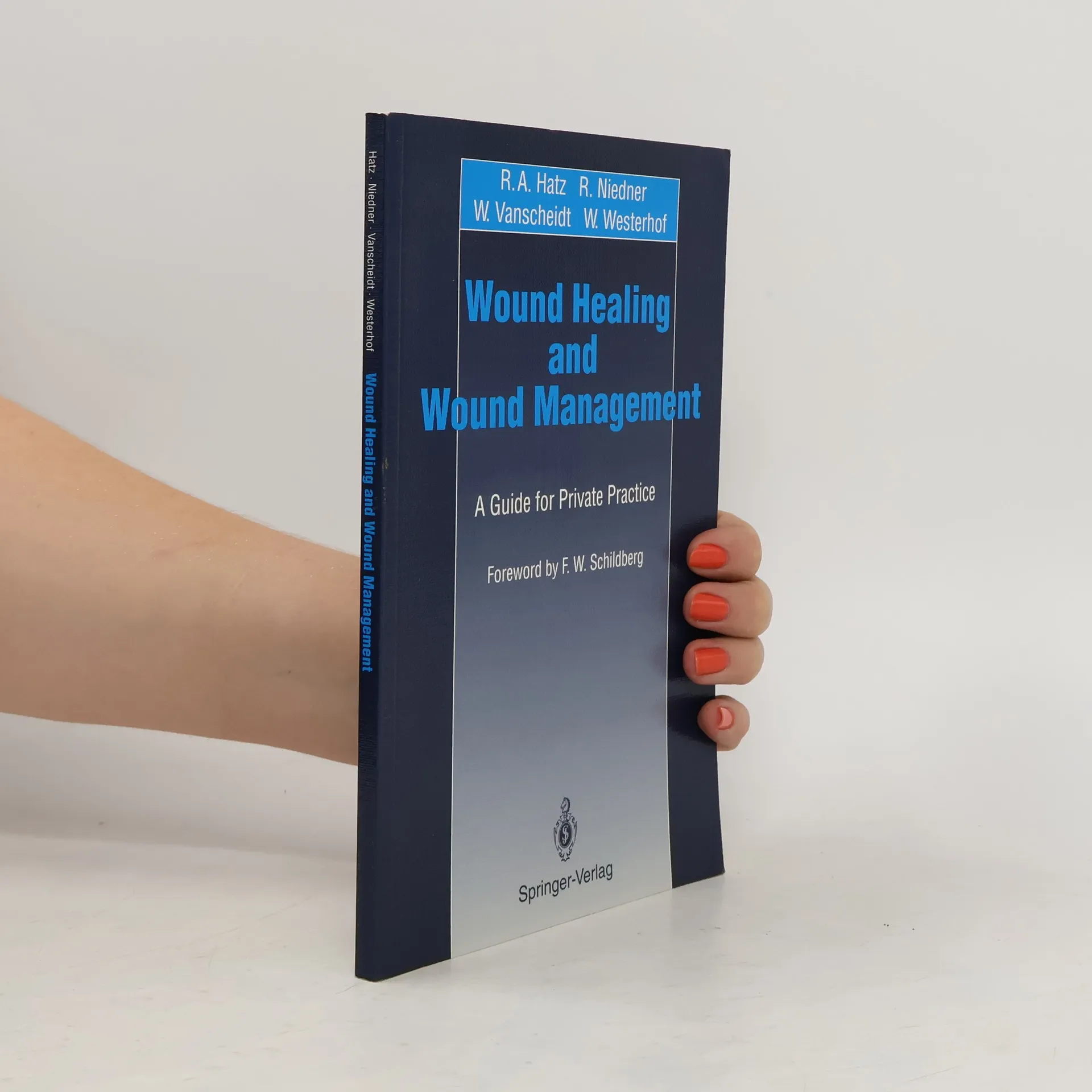
Wound Healing and Wound Management, R.A. Hatz
- Langue

- Année de publication
- 1994
- Reliure
- (souple)
Modes de paiement
Personne n'a encore évalué .
- Titre
- Wound Healing and Wound Management
- Sous-titre
- A Guide for Private Practice
- Langue
- Anglais
- Auteurs
- R.A. Hatz
- Éditeur
- Springer, Berlin
- Publié
- 1994
- Format
- souple
- Pages
- 167
- ISBN10
- 3540583211
- ISBN13
- 9783540583219
- Séries
- Catégories
- Mots clés
- Santé & Médecine
- Description
- Whenever the skin's integrity is compromised through trauma or surgical incision, wounds and the healing process naturally follow. Physicians should be keenly interested in the biological mechanisms of wound healing, as they typically do not intervene in these natural processes, trusting that the body can heal itself (natura sanat). However, when the healing process is disrupted, it becomes evident how limited our understanding is in this field, a fact that remains largely unknown to many physicians. Recent advancements in cell and molecular biology have significantly enhanced our knowledge of wound healing, revealing that tissue repair occurs in three distinct phases, regulated by specific cells that release mediators to control surrounding cell functions. Paracelsus's assertion that "certain rules apply to the healing of wounds and injured tissue" remains relevant today. Ongoing research aims to explore these principles and incorporate them into new therapeutic strategies. This book aims to disseminate current knowledge on fundamental healing processes, research advancements, and effective wound management to a broader audience of physicians. Given the critical nature of wound healing and the successful integration of basic science with clinical practice, I hope this book will be widely embraced.