

Le livre est actuellement en rupture de stock
Paramètres
- 128pages
- 5 heures de lecture
En savoir plus sur le livre
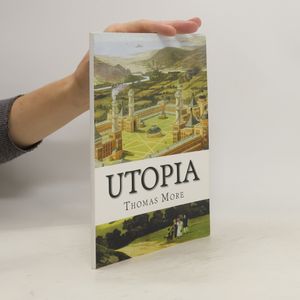
In Utopia, Thomas More gives us a traveller's account of a newly-discovered island where the inhabitants enjoy a social order based on natural reason and justice, and human fulfilment is open to all. As the traveller describes the island, a bitter contrast is drawn between this rational society and the practices of Europe. How can the philosopher reform his society? In his discussion, More takes up a question first raised by Plato and which is still a challenge in the contemporary world. In the


Édition
- 2024

- 2024
- 2023
- 2023
- 2022
- 2022
- 2022
- 2022
- 2022
- 2022
- 2021
- 2021
- 2021
- 2021
- 2021
- 2021

- 2020
- 2020
- 2020
- 2020
- 2019
- 2019
- 2019
- 2018
- 2018
- 2018
- 2018
- 2018
- 2018
- 2018
- 2018
- 2018

- 2017
- 2017
- 2017

- 2016
- 2015
- 2014
- 2014
- 2013

- 2012
- 2012
- 2011
- 2011
- 2011
- 2011
- 2011


- 2010
- 2010
- 2010
- 2010

- 2009
- 2009
- 2008
- 2008

- 2006
- 2005
- 2005
- 2004

- 2001
- 1999









Achat du livre
Utopia, Thomas Morus
- Langue

- Année de publication
- 2022
- product-detail.submit-box.info.binding
- (souple)
Nous vous informerons par e-mail dès que nous l’aurons retrouvé.
Modes de paiement
Il manque plus que ton avis ici.
- Titre
- Utopia
- Langue
- Anglais
- Auteurs
- Thomas Morus
- Éditeur
- Adhyaya Books
- Publié
- 2022
- Format
- souple
- Pages
- 128
- ISBN10
- 9394178317
- ISBN13
- 9789394178311
- Séries
- Mots clés
- Fiction, Thèmes religieux, Thématique philosophique, Science-fiction, Classiques, Politique, Suspense, Société, Angleterre, Futur, Îles, Socialisme, Utopie, Humanisme, État, Expériences de pensée
- Première publication
- 1516
- Titre original
- Utopia
- Évaluation
- 3,45 sur 5
- Description
- In Utopia, Thomas More gives us a traveller's account of a newly-discovered island where the inhabitants enjoy a social order based on natural reason and justice, and human fulfilment is open to all. As the traveller describes the island, a bitter contrast is drawn between this rational society and the practices of Europe. How can the philosopher reform his society? In his discussion, More takes up a question first raised by Plato and which is still a challenge in the contemporary world. In the