



En savoir plus sur le livre
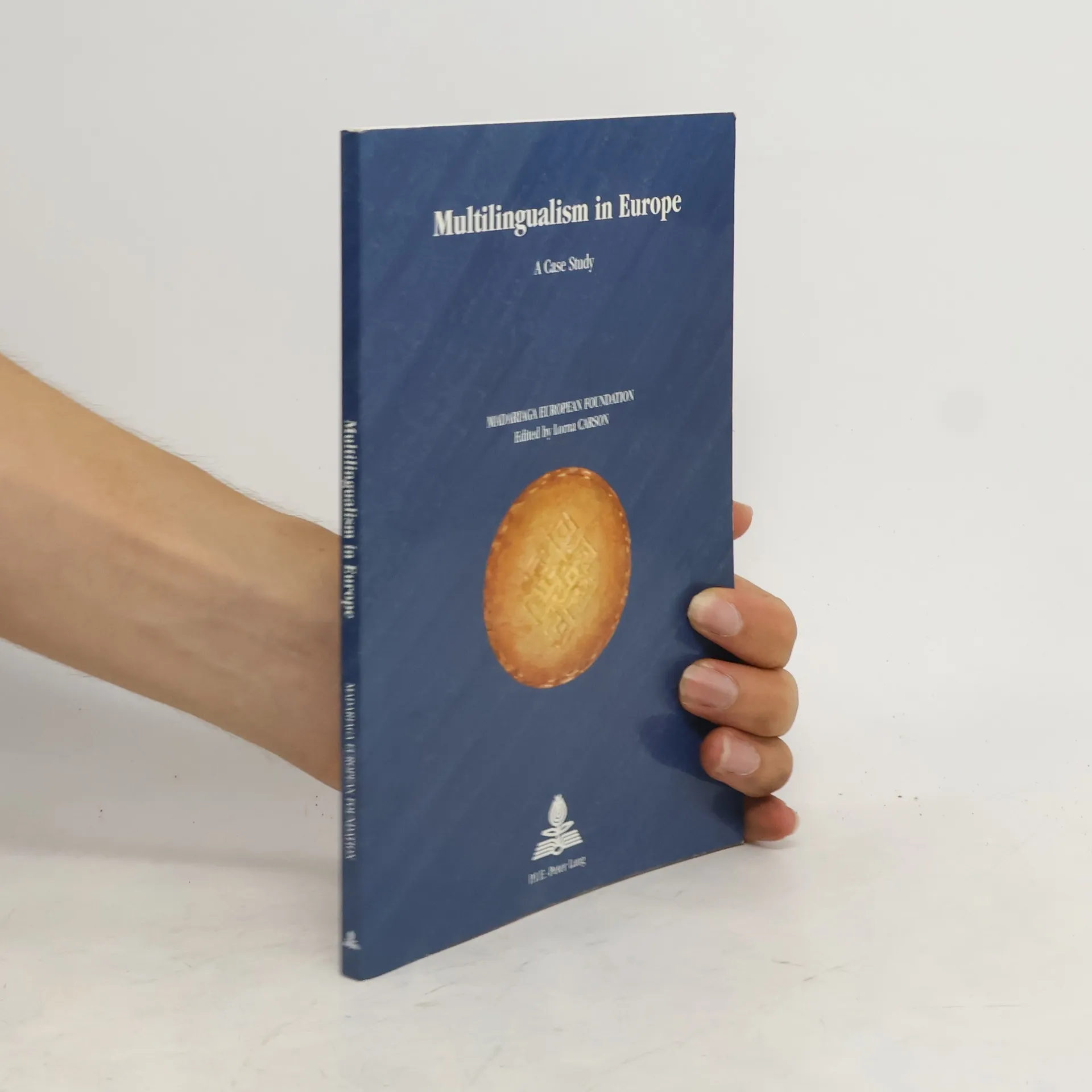
The important question of how to bring the European Union closer to its citizens is bound up with the issue of how individuals, groups and nation states express and assert identity, with one of the fundamental challenges how to approach and deal with multilingual communication.This study assesses language use in a multilingual trans-European speech community. It examines language learning at school, university and elsewhere, languages spoken at home and in the workplace, and speakers' attitudes towards language learning and future linguistic solutions in Europe. The speech community selected for the case study are graduates of the College of Europe, a postgraduate institution of European Studies. Amongst other questions, this publication asks why these particular speakers are multilingual, and whether a two-tier Europe is developing in terms of foreign language skills. Using the case study as a point of departure for further discussion, the author explores how a balance may be achieved between managing effective communication between speakers, whilst maintaining the right of the individuals to use their own mother tongue.
Achat du livre
Multilingualism in Europe, Lorna Carson
- Langue

- Année de publication
- 2003
- Reliure
- (souple)
Modes de paiement
Personne n'a encore évalué .
- Titre
- Multilingualism in Europe
- Langue
- Anglais
- Auteurs
- Lorna Carson
- Éditeur
- PIE Lang
- Publié
- 2003
- Format
- souple
- Pages
- 118
- ISBN10
- 9052019959
- ISBN13
- 9789052019956
- Séries
- Mots clés
- Description
- The important question of how to bring the European Union closer to its citizens is bound up with the issue of how individuals, groups and nation states express and assert identity, with one of the fundamental challenges how to approach and deal with multilingual communication.This study assesses language use in a multilingual trans-European speech community. It examines language learning at school, university and elsewhere, languages spoken at home and in the workplace, and speakers' attitudes towards language learning and future linguistic solutions in Europe. The speech community selected for the case study are graduates of the College of Europe, a postgraduate institution of European Studies. Amongst other questions, this publication asks why these particular speakers are multilingual, and whether a two-tier Europe is developing in terms of foreign language skills. Using the case study as a point of departure for further discussion, the author explores how a balance may be achieved between managing effective communication between speakers, whilst maintaining the right of the individuals to use their own mother tongue.