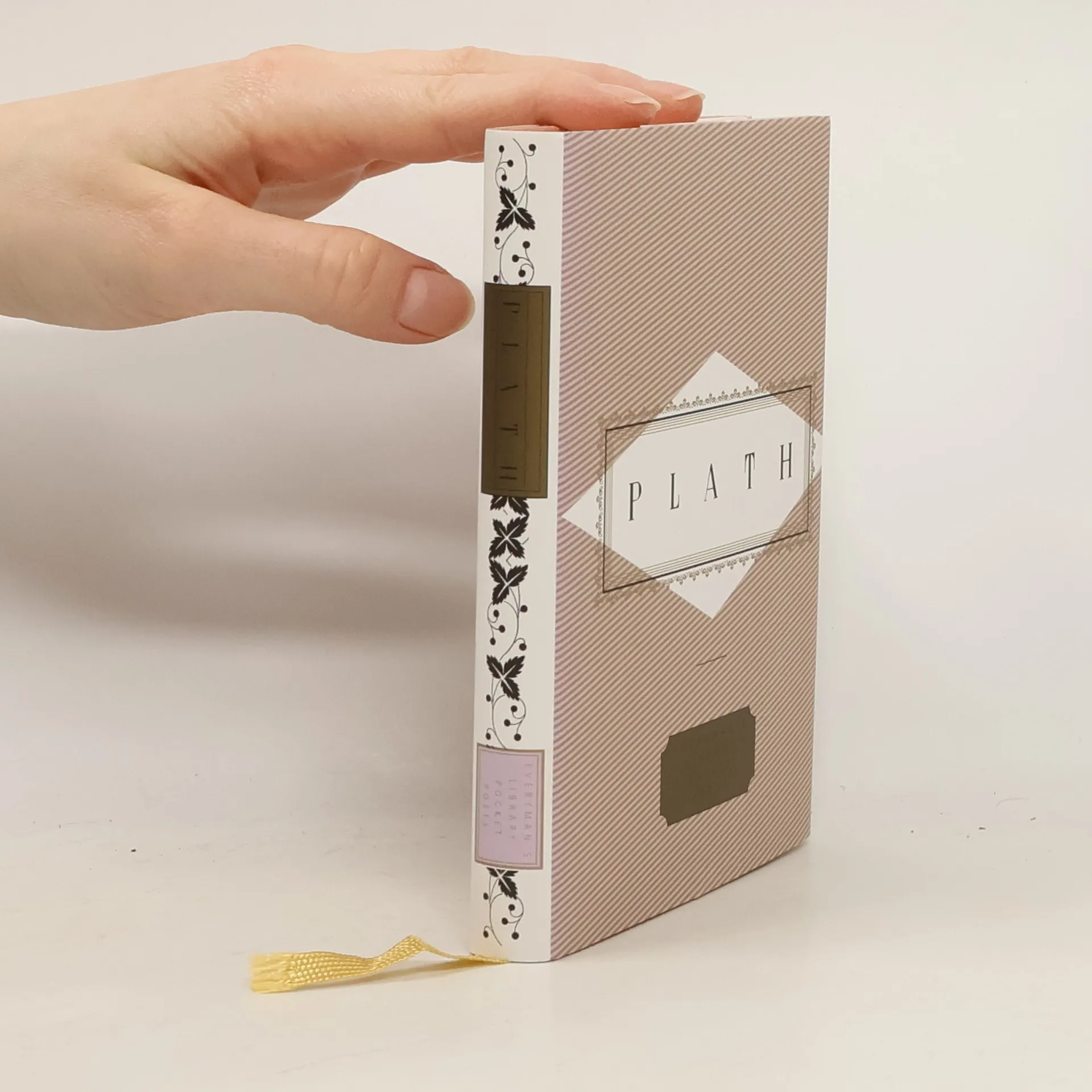
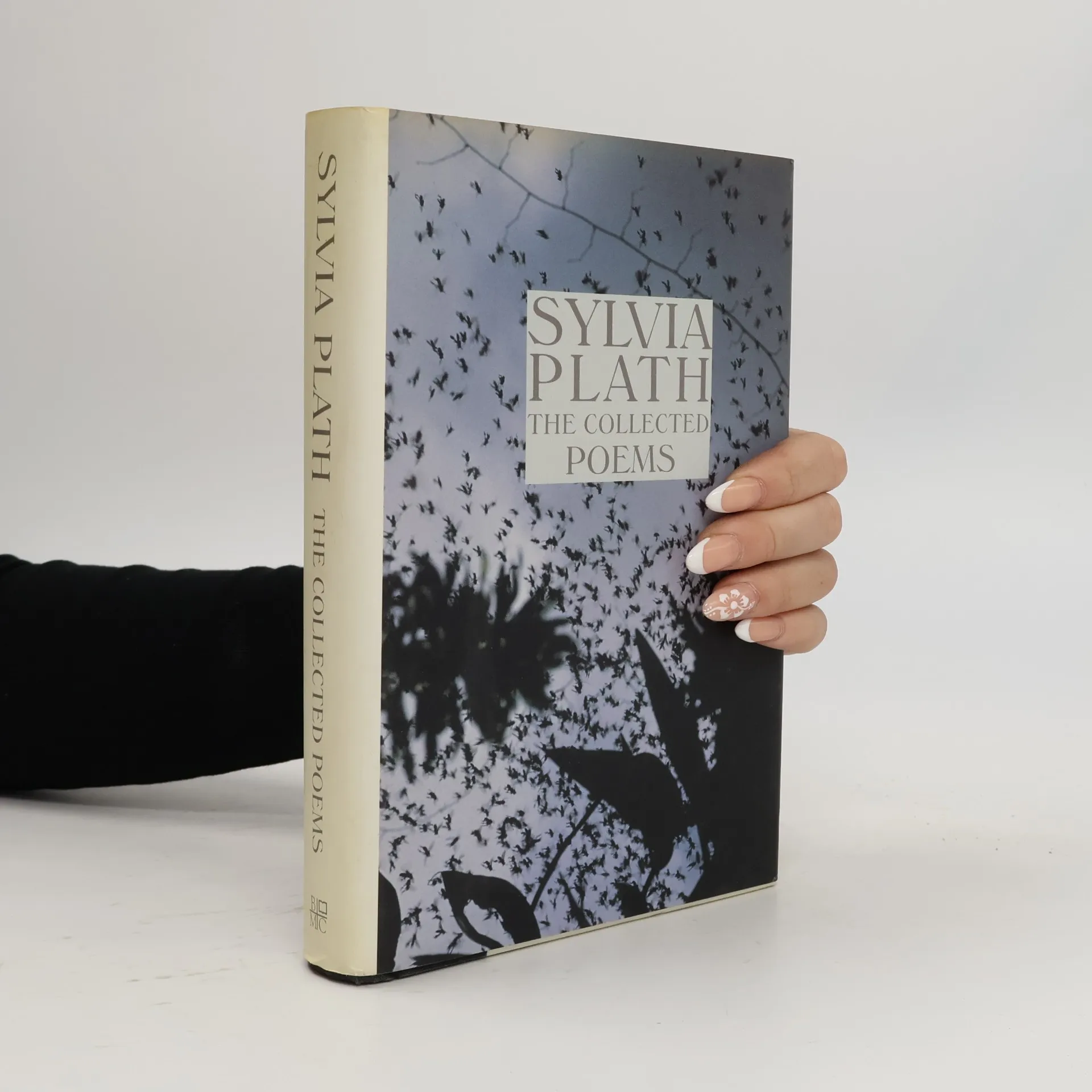
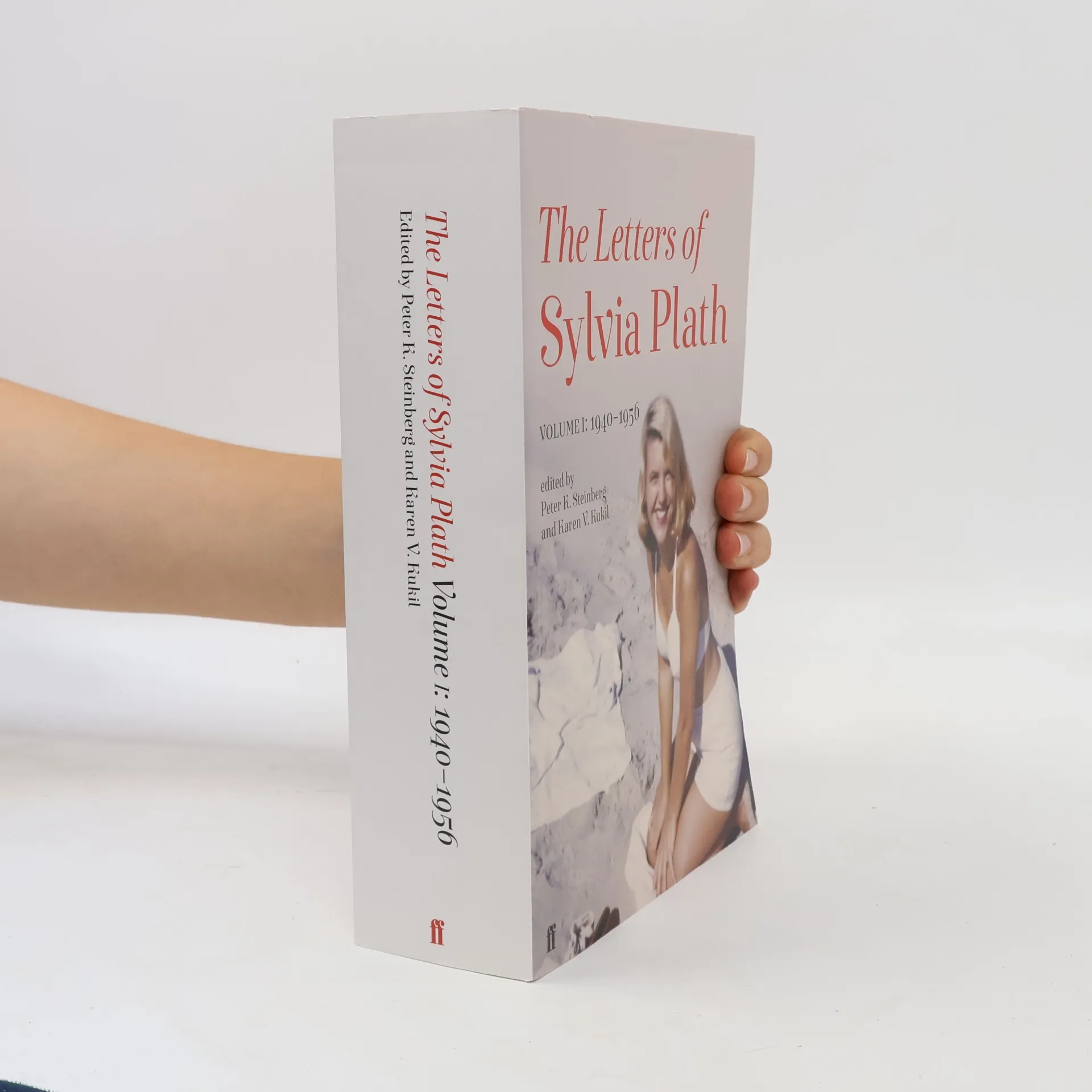
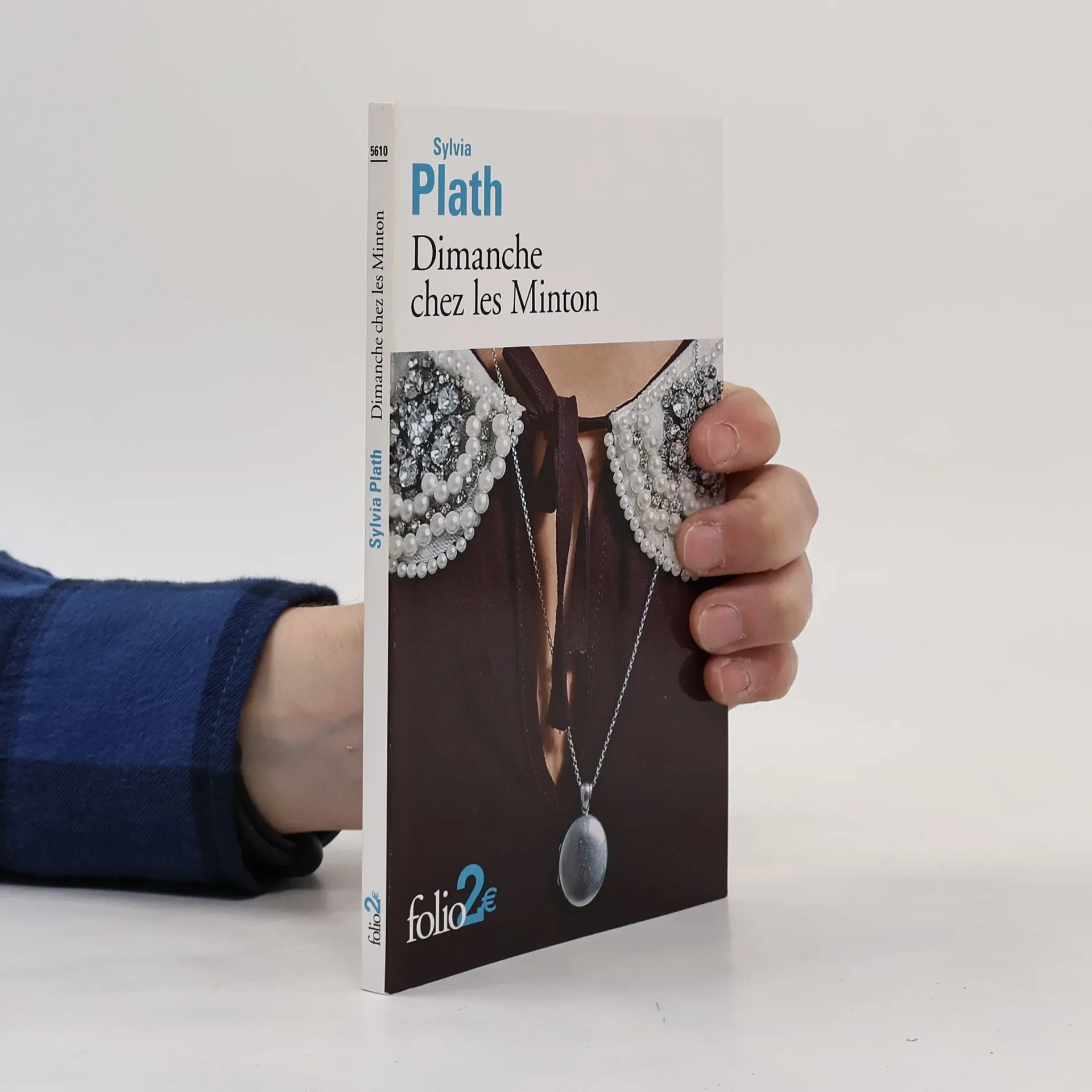
Sylvia Plath était une poétesse, romancière et nouvelliste américaine, principalement célèbre pour sa poésie. Son œuvre plonge souvent dans des états intérieurs complexes et des drames psychologiques. Plath a exploré les thèmes de l'identité, du traumatisme et de l'expérience féminine avec une honnêteté saisissante. Son style se caractérise par des images intenses et une puissante résonance émotionnelle, entraînant les lecteurs dans les profondeurs de la psyché humaine.
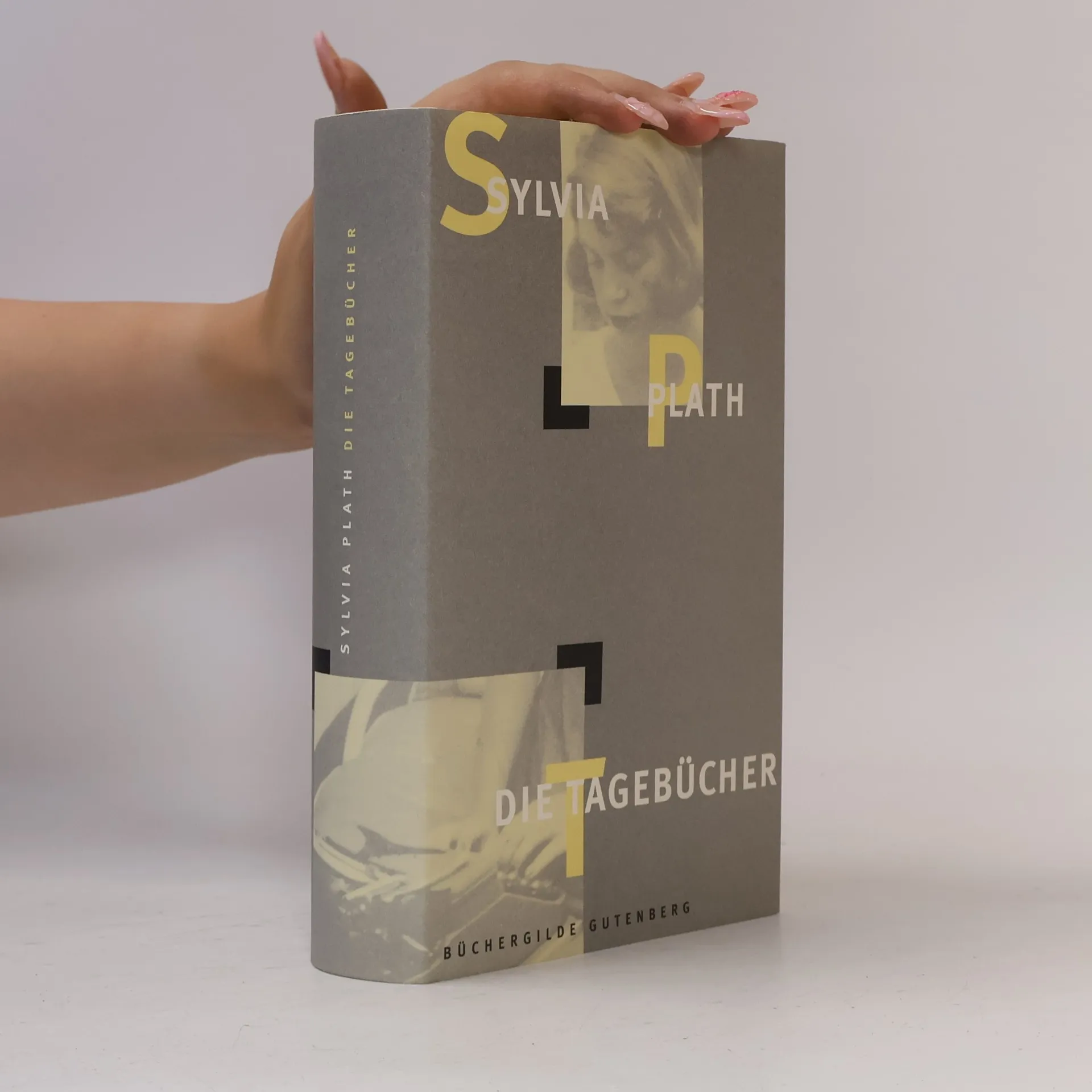
An exact and complete transcription of the journals kept by Sylvia Plath over the last twelve years of her life. Sylvia Plath kept a record of her life from the age of eleven until her death at thirty. The journals are characterized by the vigorous immediacy with which she records her inner thoughts and feelings and the intricacies of her daily life. Apart from being a key source for her early writing, they give us an intimate portrait of the writer who was to produce in the last seven months of her life the extraordinary poems which have secured her reputation as one of the greatest of twentieth century poets.
Elizabeth Minton et son frère Henry, tous deux retraités, vivent une existence faite de rites et de répétition, dans la grande demeure familiale, au bord de l'océan. Henry est pragmatique et égoïste, tandis qu'Elizabeth, irrationnelle et rêveuse, métamorphose son quotidien par la force de son imagination. Cela suffira-t-il à lui procurer le vivifiant sentiment de libération auquel elle aspire?
Sylvia Plath (1932-1963) was a defining figure in twentieth-century poetry, and her vivid, complex work continues to resonate with new generations. In this collection of her letters, much of which is previously unpublished, Plath's unaltered voice shines through, offering candid insights into her personal life. Her correspondence is playful and engaging, addressing family, friends, and professional contacts with her characteristic wit. The letters trace Plath's remarkable literary journey, revealing the origins of her poems, fiction, and journalism. Despite mixed receptions to her work, she remained committed to her creative vision, navigating both acceptance and rejection. A well-read and curious observer, Plath provides intriguing commentary on contemporary culture. Editors Peter K. Steinberg and Karen V. Kukil, renowned Plath scholars, include comprehensive footnotes and an extensive index based on thorough research. Accompanied by photographs and Plath's own drawings, they expertly contextualize the correspondence. This selection highlights pivotal moments in Plath's adolescence, her turbulent undergraduate years at Smith College, her move to England and Cambridge University, and her relationship with Ted Hughes, including a wealth of unseen letters that illuminate their extraordinary creative partnership.
The collection showcases the powerful and poignant verse of a Pulitzer Prize-winning poet, known for her intense emotional depth and artistic brilliance. Through brutally honest self-exploration, the poems—such as "Lady Lazarus" and "Daddy"—reflect personal tragedy while resonating with universal themes. Plath's work continues to shape contemporary poetry, leaving a lasting impact with its raw intensity and vivid imagery.
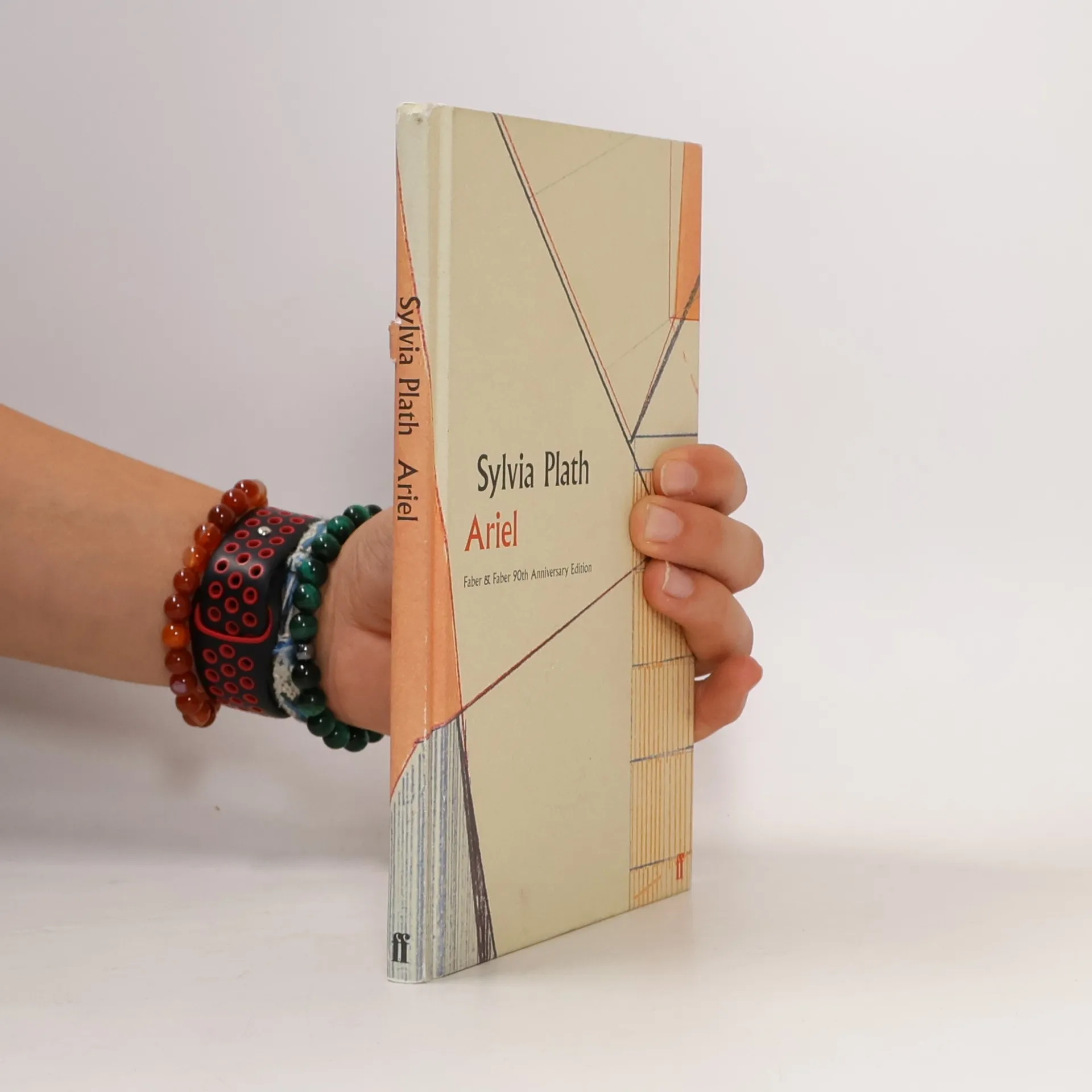
Upon the publication of her posthumous volume of poetry Ariel in 1965, Sylvia
Plath became a household name. Readers may be surprised to learn that the
draft of Ariel left behind by Plath when she died in 1963 is different from
the volume of poetry eventually published to worldwide acclaim. This is a
facsimile edition of her original draft.
Ein Gedicht für drei Stimmen / Three Women - Zweisprachige Ausgabe
110pages
4 heures de lecture
Sylvia Plath siempre apunta al corazón. Tres mujeres es un emocionante poema a tres voces que tiene como tema central la maternidad. Cada voz representa una forma de la mujer que centra su realización en ser madre, la que sufre por no poder serlo y la que lo es a su pesar. Sylvia concibió este poema, feminista y antibelicista, para ser leído en voz alta, y en 1962, un año antes de su muerte, lo leyó en la BBC. La experiencia supuso un cambio de dirección en su forma de afrontar la escritura. Desde entonces concebiría los poemas «en voz alta», cambiando de forma definitiva su técnica poética. «Es el poema más poderoso de su obra. Es exquisito y tiene la capacidad de llegar al corazón. [...] Plath ha puesto voz a nuestras más íntimas pesadillas» Joyce Carol Oates
Letters Home represents Sylvia Plath's correspondence from her time at Smith College in the early fifties, through her meeting with, and subsequent marriage to, the poet Ted Hughes, up to her death in February 1963. The letters are addressed mainly to her mother, with whom she had an extremely close and confiding relationship, but there are also some to her brother Warren and her benefactress Mrs Prouty. Plath's energy, enthusiasm and her passionate tackling of life burst onto these pages, providing us with a vivid and intimate portrait of a woman who has come to be regarded as one of the greatest of twentieth-century poets. In addition to her capacity for domestic and writerly happiness, however, these letters also hint at Plath's potential for deep despair, which reached its crisis when she holed up in a London flat for the terrible winter of 1963.
Highlighting the work of a pivotal figure in 20th-century literature, this collection showcases Sylvia Plath's powerful and evocative poetry. It captures her unique voice and explores themes of identity, mental health, and the complexities of human experience, making it essential for both poetry enthusiasts and those new to her work.
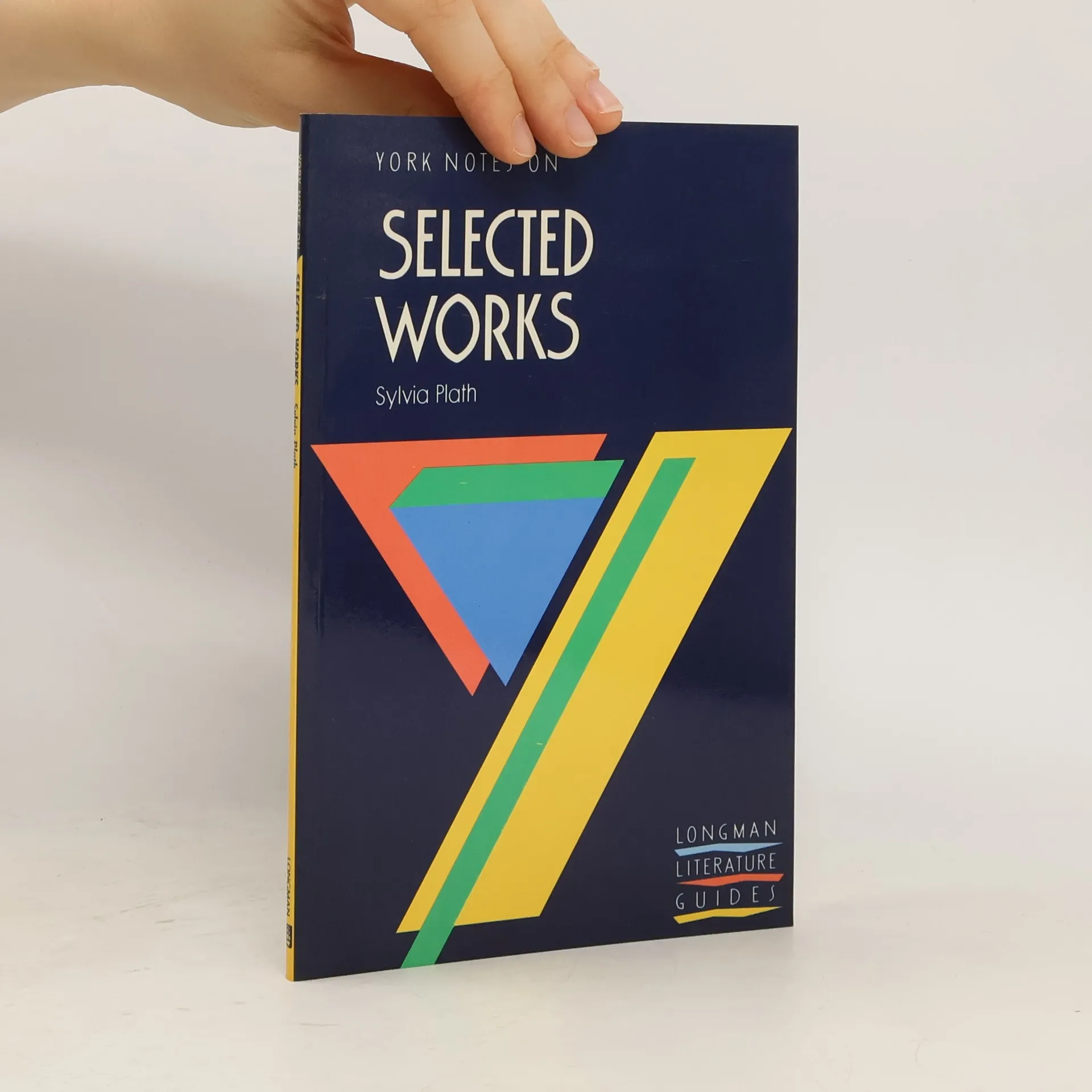
York Notes are guides to literature in English, covering major British, American, Commonwealth and Third World works as well as English translations of some important writings in other languages.
The poems in Sylvia Plath's Ariel, including many of her best-known such as Lady Lazarus, Daddy, Edge and Paralytic, were all written between the publication in 1960 of Plath's first book, The Colossus, and her death in 1963. "If the poems are despairing, vengeful and destructive, they are at the same time tender, open to things, and also unusually clever, sardonic, hardminded . . . They are works of great artistic purity and, despite all the nihilism, great generosity . . . the book is a major literary event." A. Alvarez in the Observer This beautifully designed edition forms part of a series of ten titles celebrating Faber's publishing over the decades.
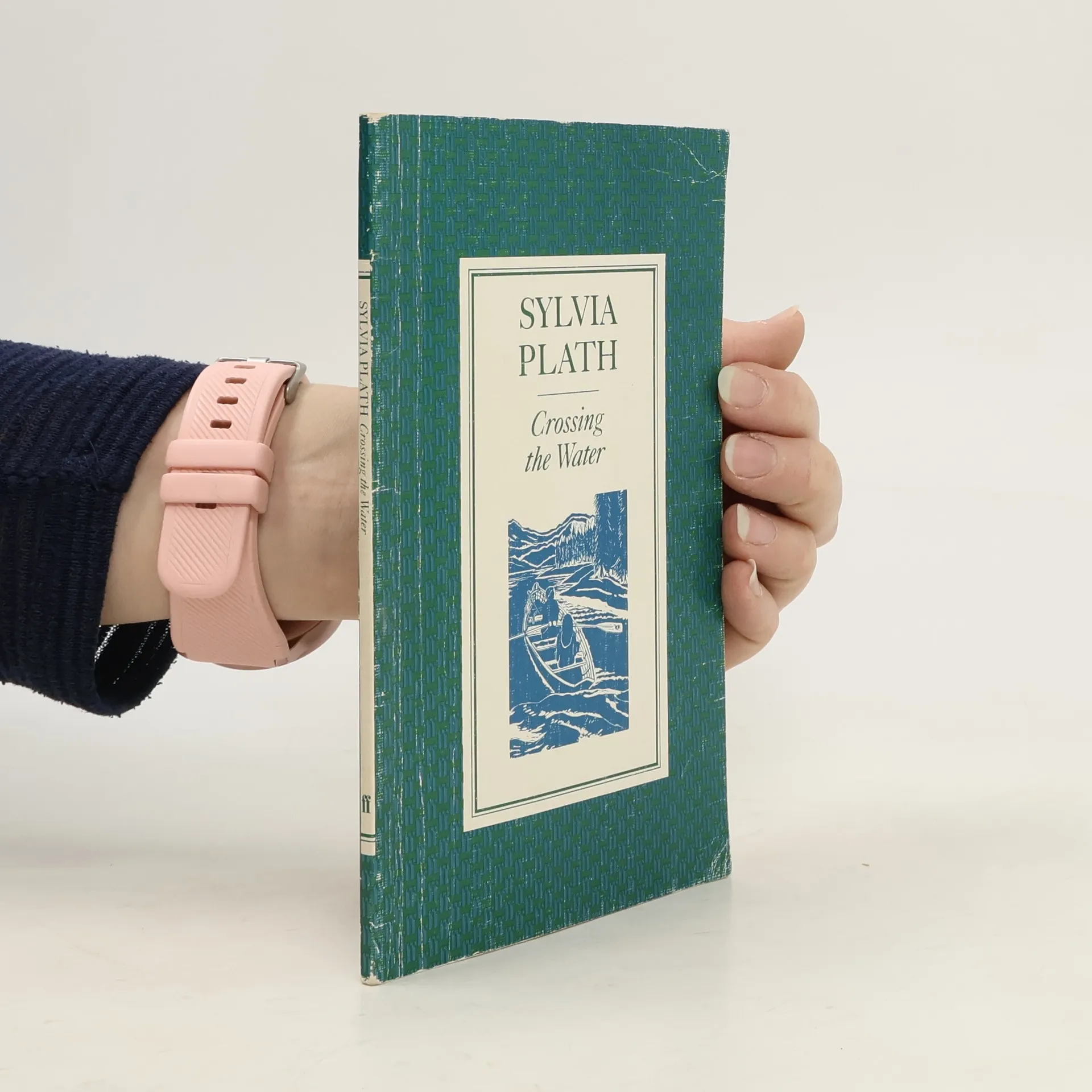
In this volume Ted Hughes has collected a number of poems written by Sylvia Plath in the transitional period between the publication of The Colussus (1960) and before the composition of Ariel.
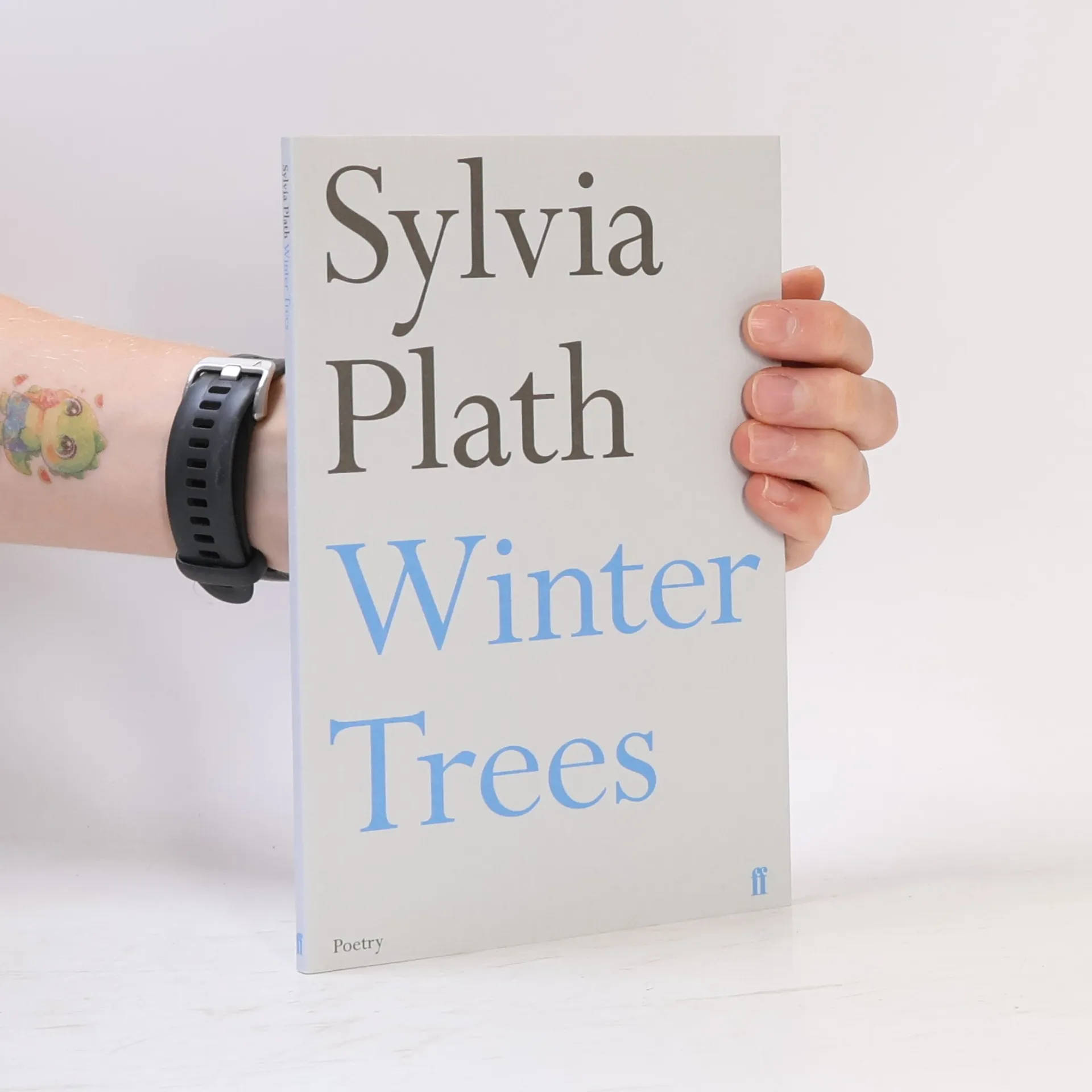
The poems in Winter Trees were written in the last nine months of Sylvia
Plath's life, and form part of the group from which the Ariel poems were
chosen.
In this series, a contemporary poet advocates a poet of the past or present whom they have particularly admired. By their selection of verses and by the personal and critical reactions they express, the selectors offer intriguing insight into their own work.
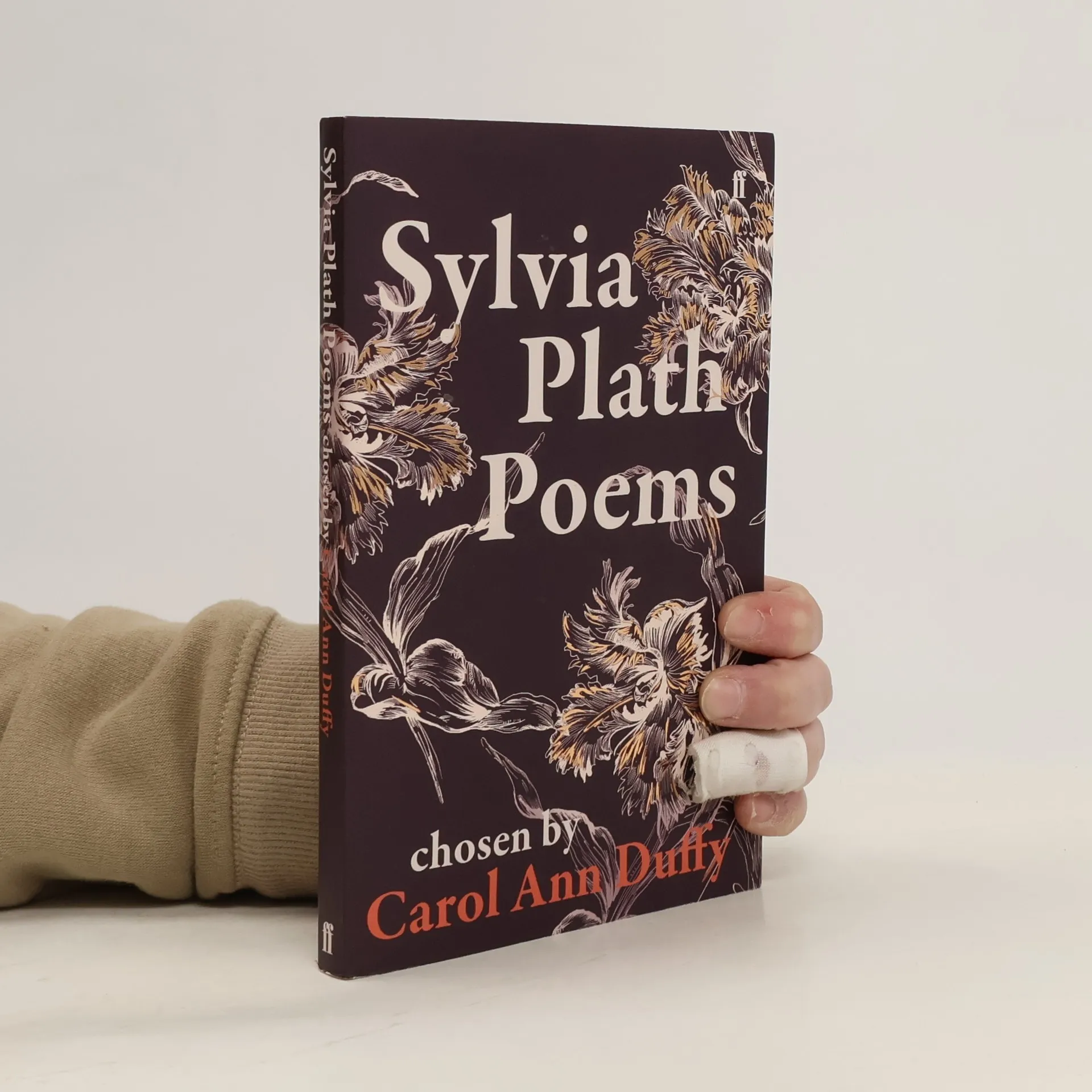
Sylvia Plath was one of the defining voices of the twentieth century, and one of the most appealing: few other poets have introduced as many new readers to poetry. The poems in this fresh and inviting edition were chosen by Poet Laureate Carol Ann Duffy. In my selection, which is roughly chronological to shadow her progress, I have tried to walk through the landscape of Sylvia Plath's poetry as though for the first time, fifty years older than I was when she died. In doing so I have experienced afresh the almost physical excitement I felt when I first read this bold, brilliant, brave poet who changed the world of poetry for us all. - Carol Ann Duffy
Through deep analysis of six significant poems, Sarah Ruden offers a fresh perspective on Sylvia Plath's work, emphasizing her role as a master mythmaker akin to ancient Greek poets. Ruden contends that Plath's poetry transcends personal narrative, serving to explore and define the essence of human experience. This reexamination challenges prevailing narratives shaped by Plath's tumultuous life and the polarized views surrounding her legacy, illuminating her towering ambition and the depth of her genius as a poet.
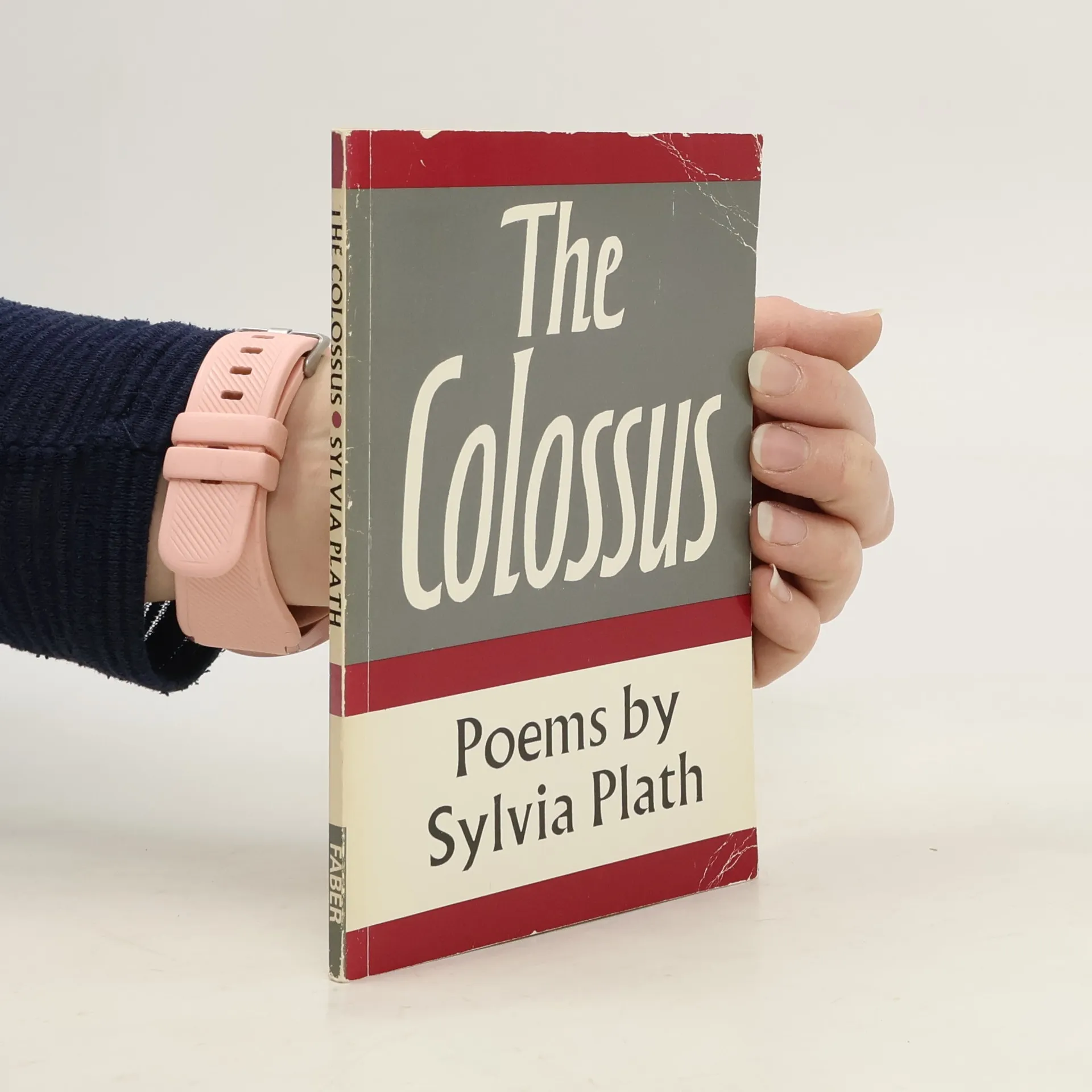
The Colossus was Sylvia Plath's first published volume of poetry. 'She steers clear of feminine charm, deliciousness, gentility, supersensitivity and the act of being poetess. She simply writes good poetry. And she does so with a seriousness that demands only that she be judged equally seriously . . . There is an admirable no-nonsense air about this; the language is bare but vivid and precise, with a concentration that implies a good deal of disturbance with proportionately little fuss.' A. Alvarez in the Observer
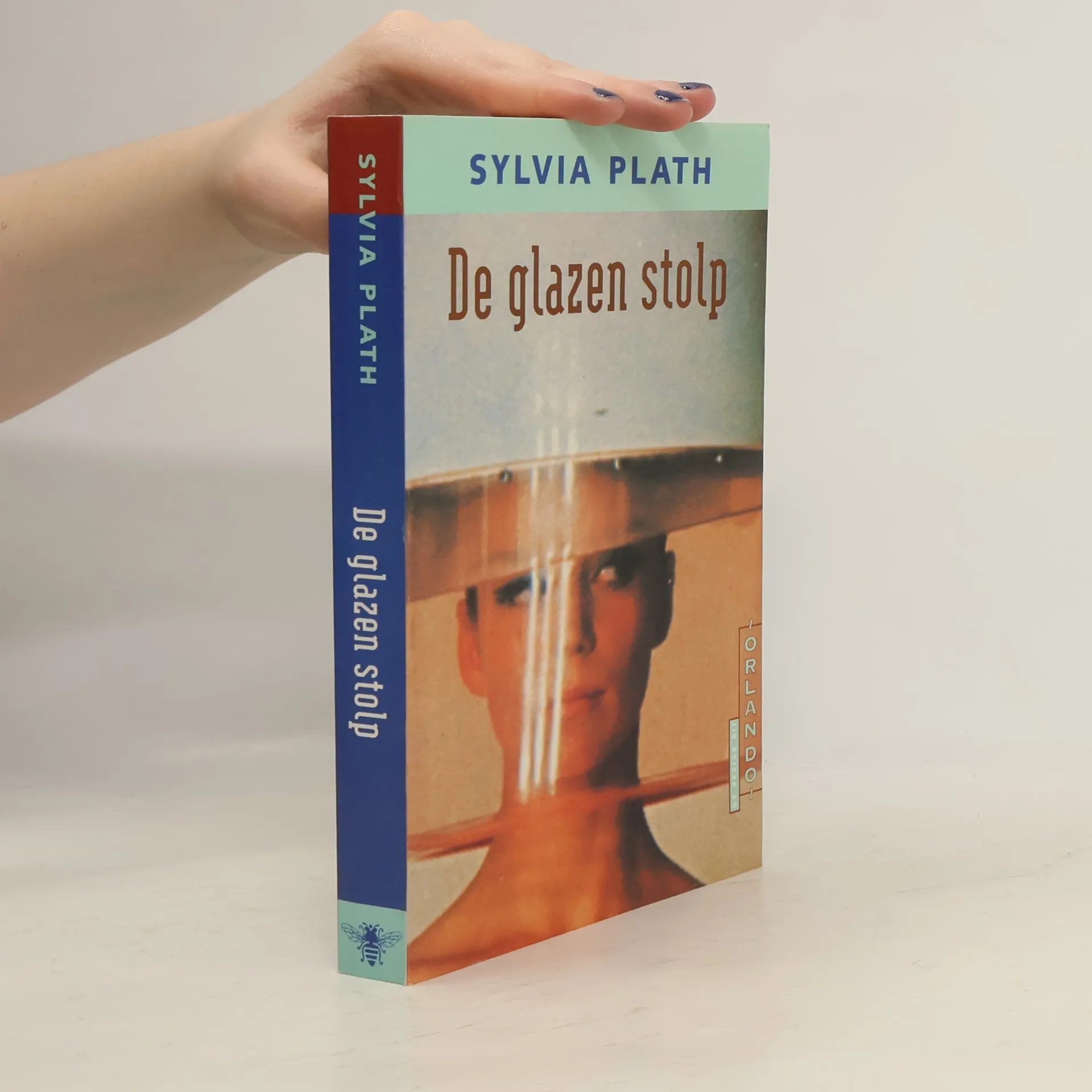
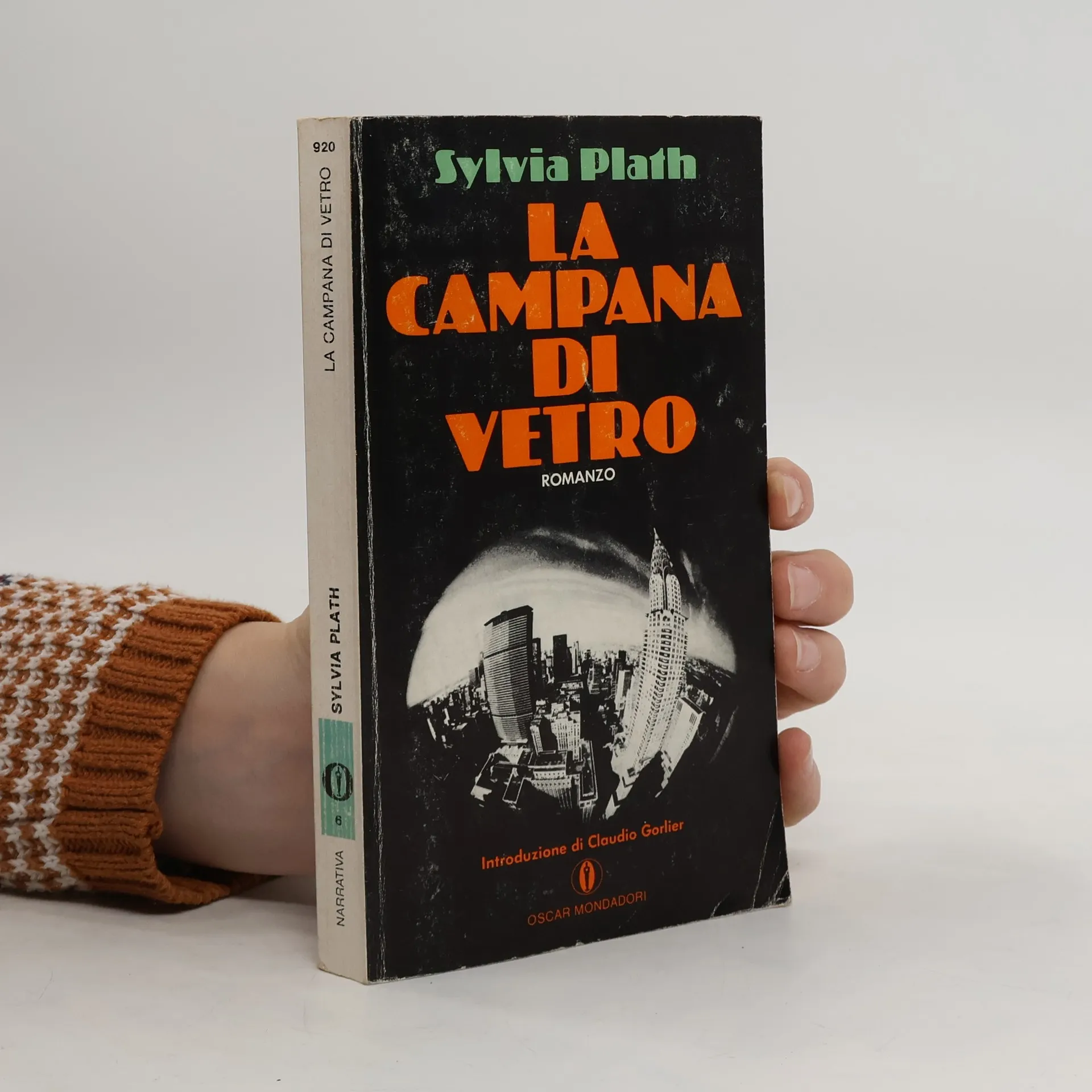
I was supposed to be having the time of my life. When Esther Greenwood wins an internship on a New York fashion magazine in 1953, she is elated, believing she will finally realise her dream to become a writer. But in between the cocktail parties and piles of manuscripts, Esther's life begins to slide out of control. She finds herself spiralling into depression and eventually a suicide attempt, as she grapples with difficult relationships and a society which refuses to take women's aspirations seriously. The Bell Jar, Sylvia Plath's only novel, was originally published in 1963 under the pseudonym Victoria Lucas. The novel is partially based on Plath's own life and descent into mental illness, and has become a modern classic. The Bell Jar has been celebrated for its darkly funny and razor sharp portrait of 1950s society and has sold millions of copies worldwide.
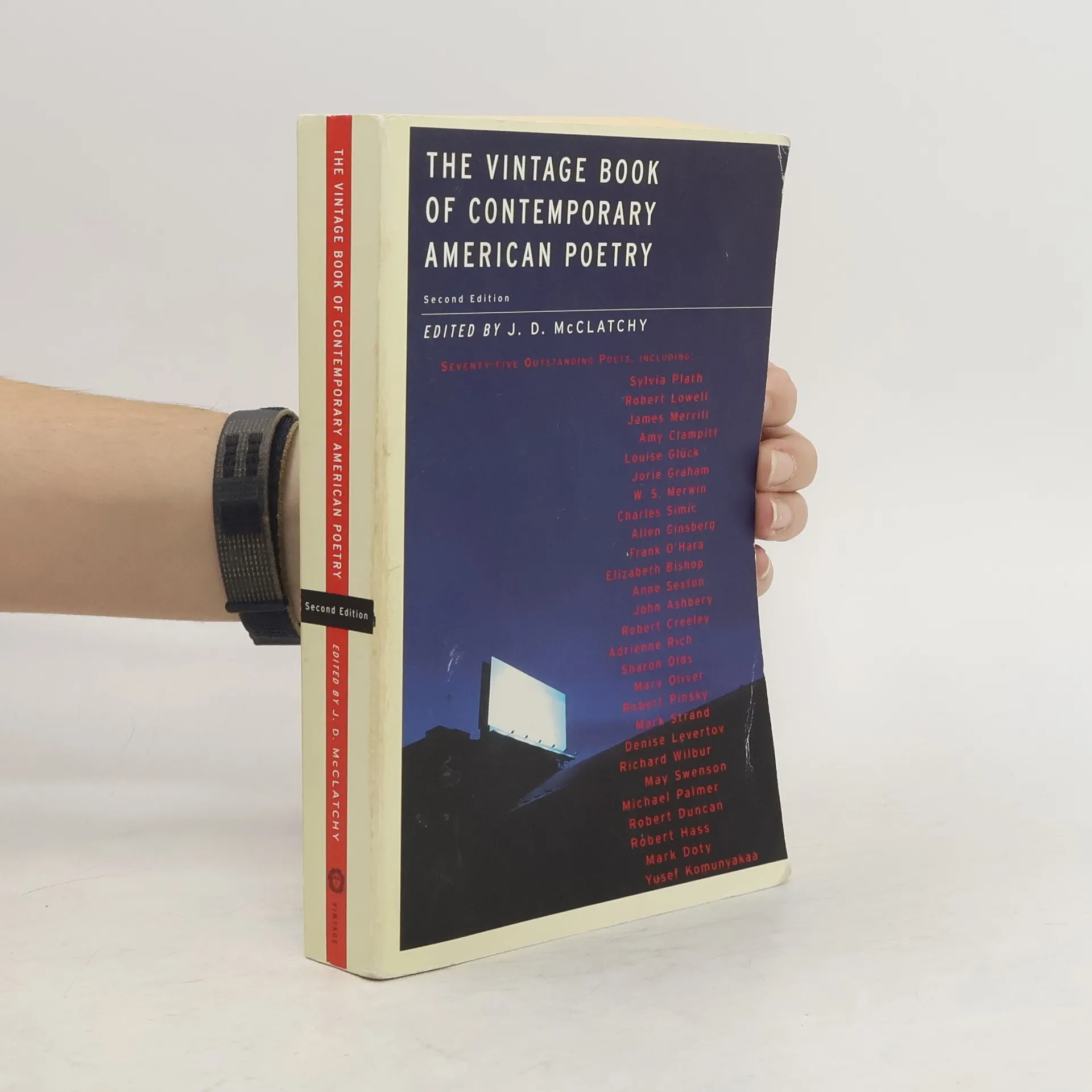
Dazzling in its range, exhilarating in its immediacy and grace, a collection that gathers together, from every region of the country and from the past forty years, the poems that continue to shape our imaginations.From Robert Lowell and Elizabeth Bishop, John Ashbery and Adrienne Rich, to Robert Haas and Louise Glück, this anthology takes the full measure of our poetry's daring energies and its tender understandings.Other poets Sylvia PlathJames MerrillAmy clampittJorie GrahamW. S. MerwinCharles SimicAllen GinsbergFrank O'HaraAnne SextonRobert CreeleySharon OldsMary OliverRobert PinskyMark StrandDenise LevertovRichard WilburMay SwensonMichael PalmerMark DotyYusef Komunyakaa
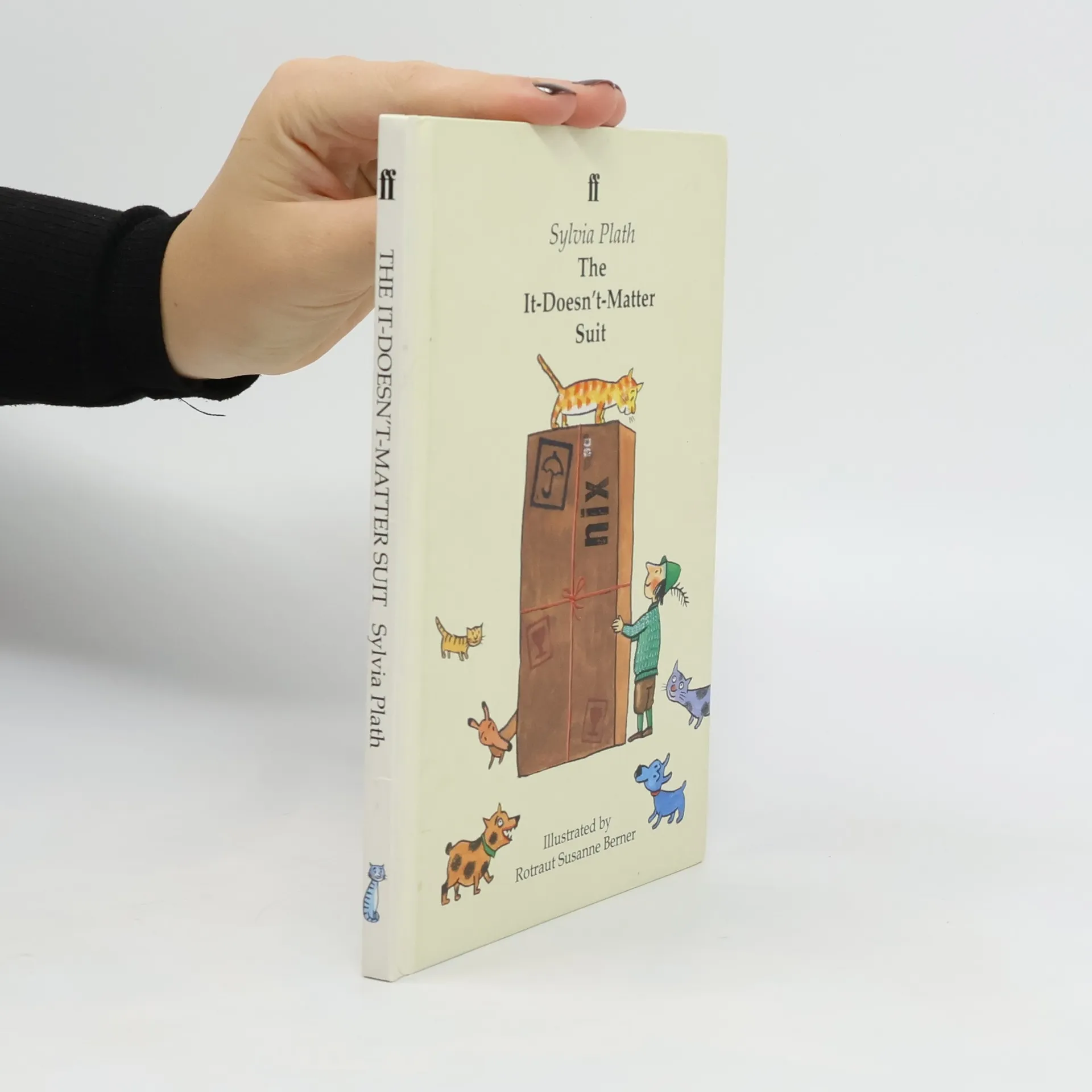
A children's story by Sylvia Plath which was found in manuscript form after her death. Max Nix lives with his mama and papa and six brothers in a small village called Winkelburg. Max longs for a suit - not just a workaday suit, but one for doing everything. One day, a mysterious parcel arrives.
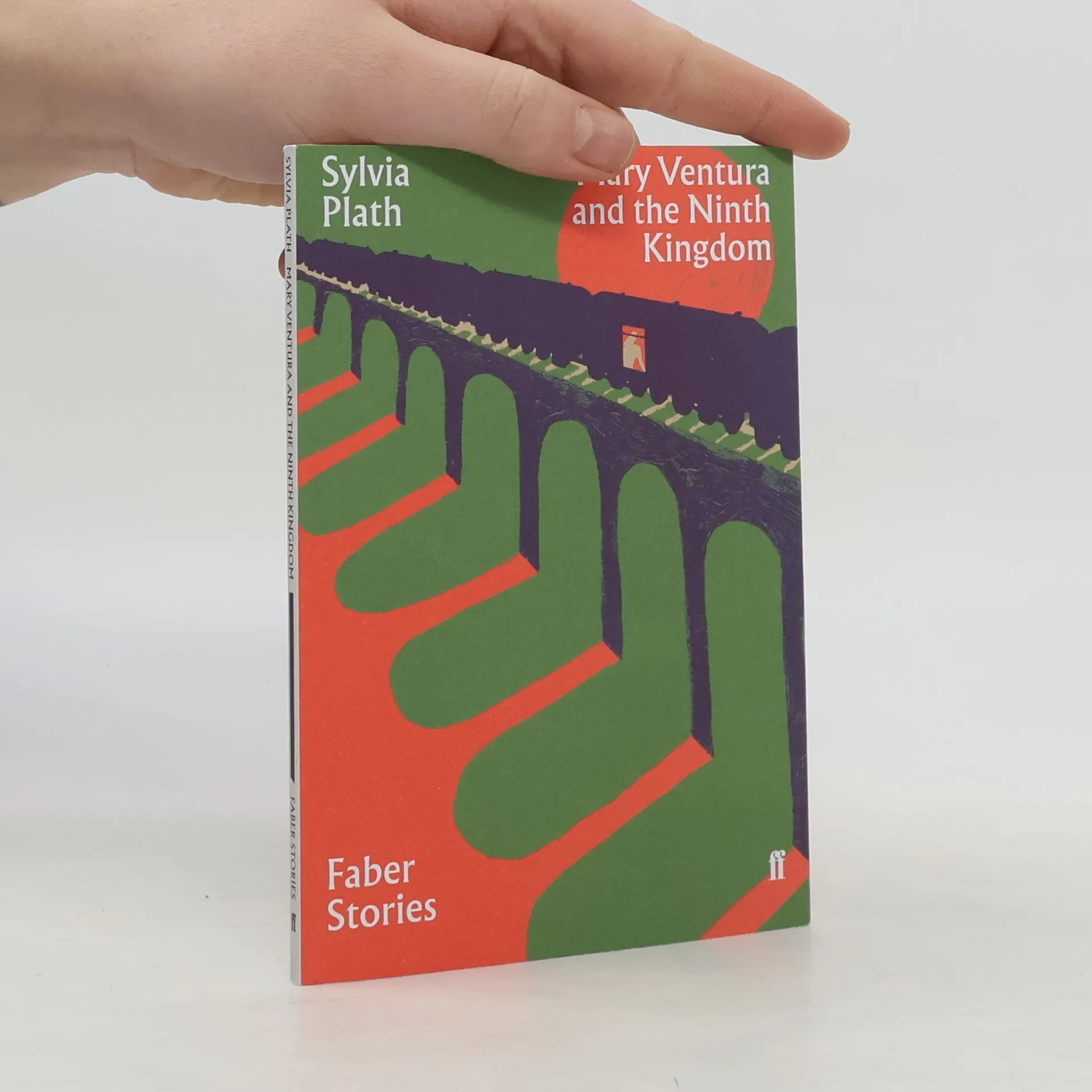
Faber Stories showcases a collection of individual volumes featuring renowned short story writers, each offering unique narratives across various genres and styles. This series highlights the mastery of the short story form, celebrating diverse voices and innovative storytelling techniques.
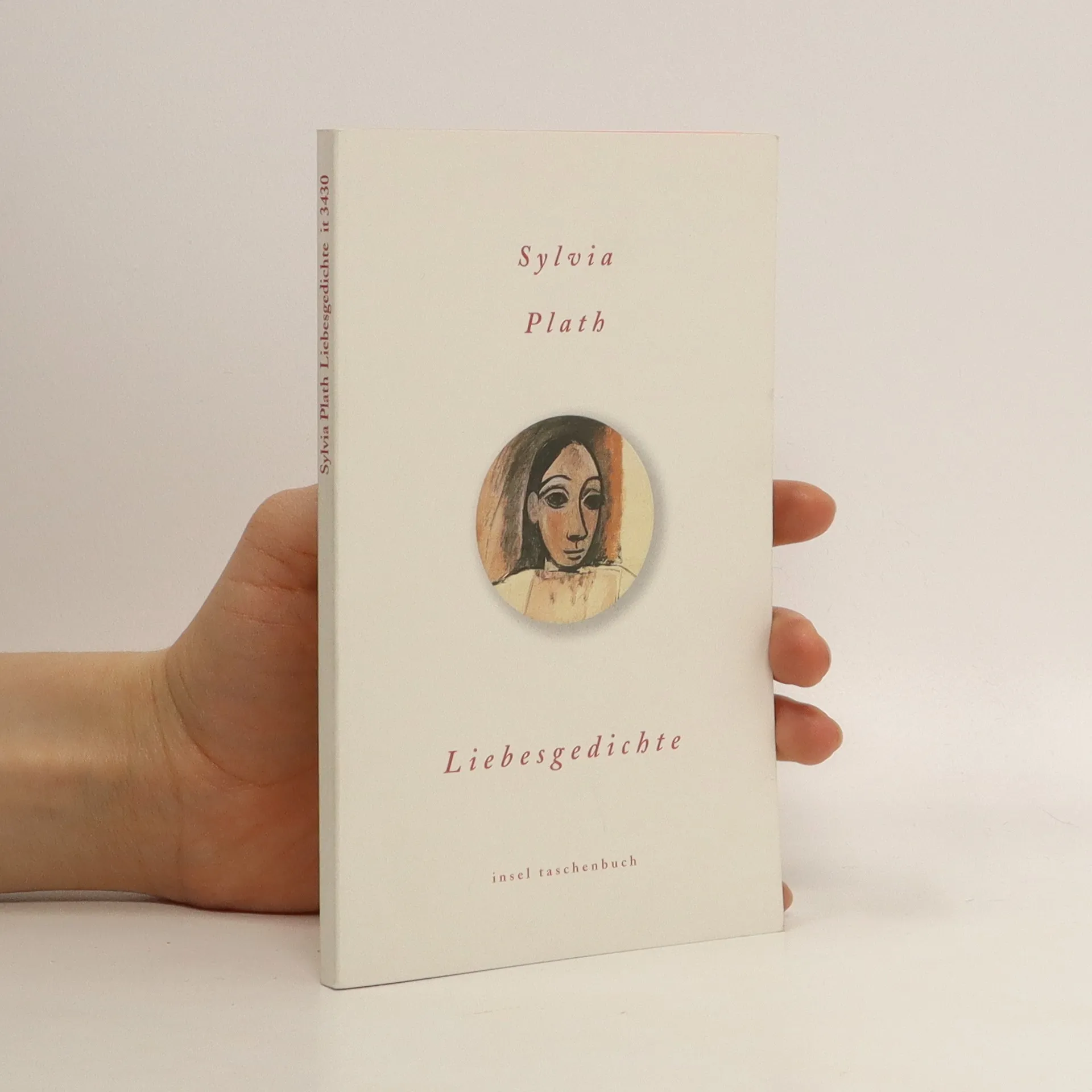
Nachdem sie ihrem Leben ein Ende gesetzt hatte, wurde Sylvia Plath fast ausschließlich als Leidende wahrgenommen, als unglücklich Liebende, als verlassene junge Mutter. Doch schon lange bevor ihre Ehe scheiterte und sie ihren berühmten Gedichtzyklus Ariel schrieb, hat sie in ihrem Werk mit dem Thema Liebe experimentiert: bald humorvoll, bald traurig, übermütig-kapriziös, sprachspielerisch und witzig so gut wie kühl-analytisch. Ihre Vorstellungskraft ließ sie in Rollen schlüpfen, Situationen durchspielen und Geschichten erzählen. Ihre schönsten Liebesgedichte sind in dieser zweisprachigen Ausgabe versammelt und werden zum Großteil erstmals in deutscher Übersetzung präsentiert.
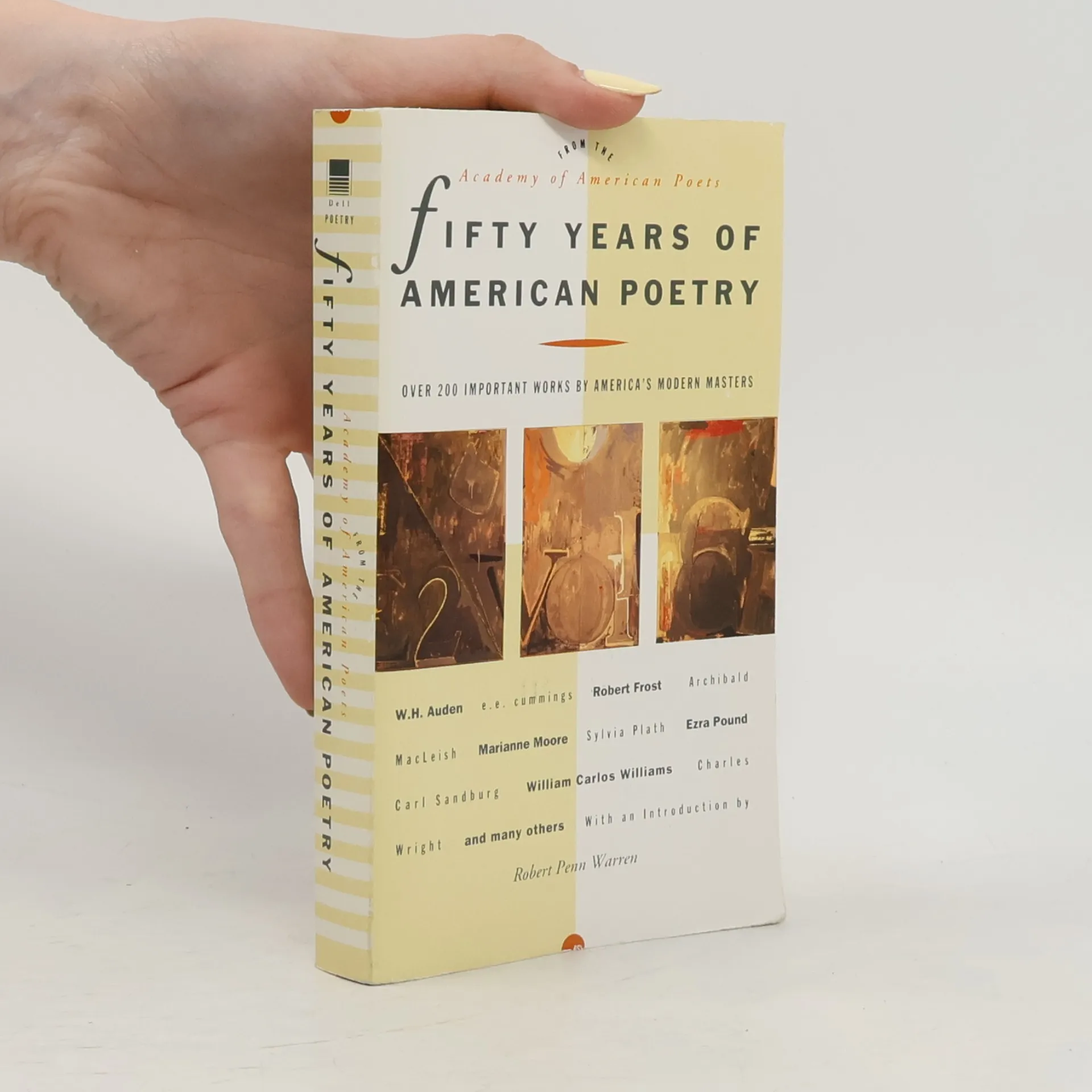
Over 200 Important Works by America's Modern Masters
320pages
12 heures de lecture
Seer, critic, lover, madwoman—the poet's sensibility allows us to experience diverse perspectives in this rich collection of contemporary American poetry. Featuring a poem from each chancellor, fellow, and award winner of the Academy of American Poets since 1934, this anthology showcases a unique array of literary styles and themes that have shaped the last five decades. Readers will encounter both familiar and new voices, as well as the great American poems that resonate deeply with our minds and hearts.
The Academy's mission is to encourage and foster the production of American poetry, embracing poets of all schools and methods. This anthology serves as a representative cross-section of American poetry over the past 50 years, reflecting the institution's commitment to change and growth. It emphasizes that poetry is not solely for poets but for everyone. Compiled with this ethos, the collection aims to educate and inspire, offering insight into the dynamic evolution of American poetry. The Academy of American Poets stands as the only institution capable of assembling such a distinctive anthology, having consistently supported poets and promoted poetry as an accessible and vital part of the American literary landscape.
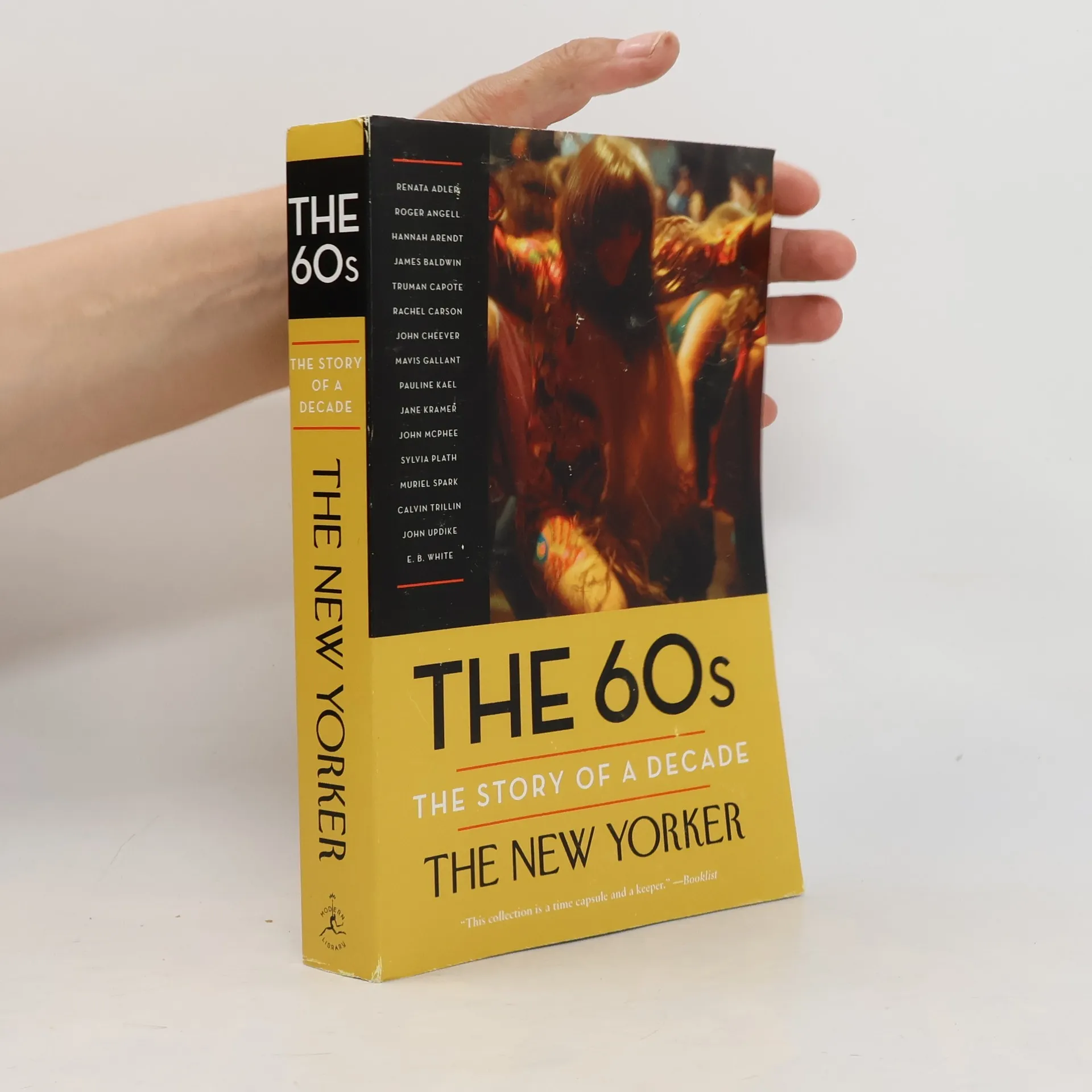
The anthology features significant New Yorker articles from the tumultuous 20th century, showcasing works by renowned authors like James Baldwin, Sylvia Plath, and Pauline Kael. It also includes contemporary evaluations of the 1960s by today's leading writers, providing a rich exploration of the era's cultural and social dynamics. This collection highlights both historical perspectives and modern interpretations, making it a compelling read for those interested in literary history and the evolution of thought during a pivotal decade.
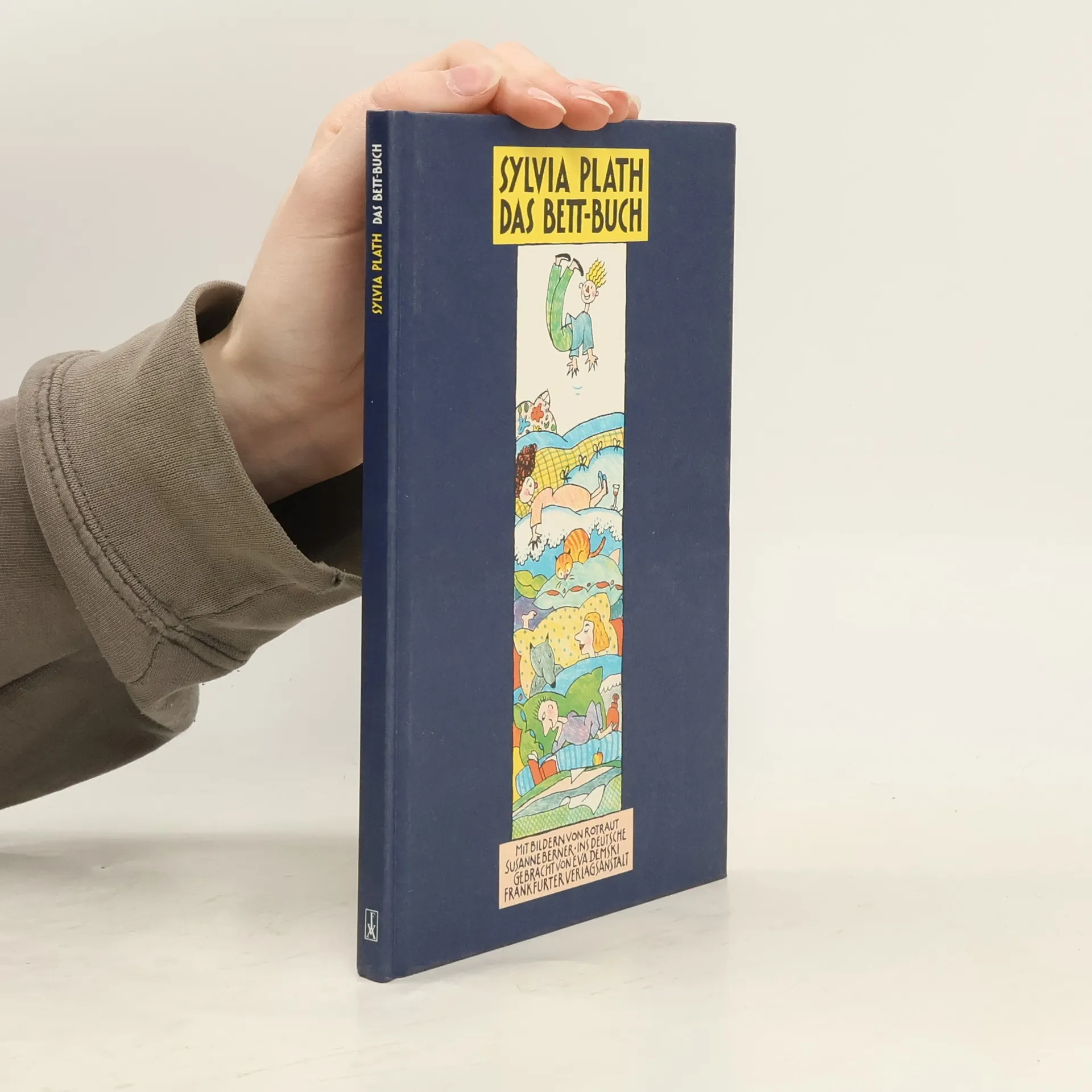
Ein Bett-Buch: eines für Kinder und für Erwachsene. Ein Buch also für die, die nie hinein, und für die anderen, die nicht herauswollen. Eines, das Lust macht aufs Ins-Bett-Gehen und eines, das den Phantasiemangel der üblichen Schlafstätten kurzerhand für alle Bett-Probleme verantwortlich macht – denn es gibt keinen richtigen Schlaf im falschen Bett. Und wie die richtigen Betten aussehen müßten, die Betten für alle Gemüts- und Lebenslagen, das erfährt man in diesem heiteren „Aufklärungsgedicht“.
Výber básní a úryvkov z denníkových záznamov z kníh The Collected Poems (1981) a The Journals of Sylvia Plath (1982). Kniha tiež obsahuje stručné kalendárium a niekoľko fotografií z autorkinho života. Vybrala, preložila a doslov napísala Mila Haugová.
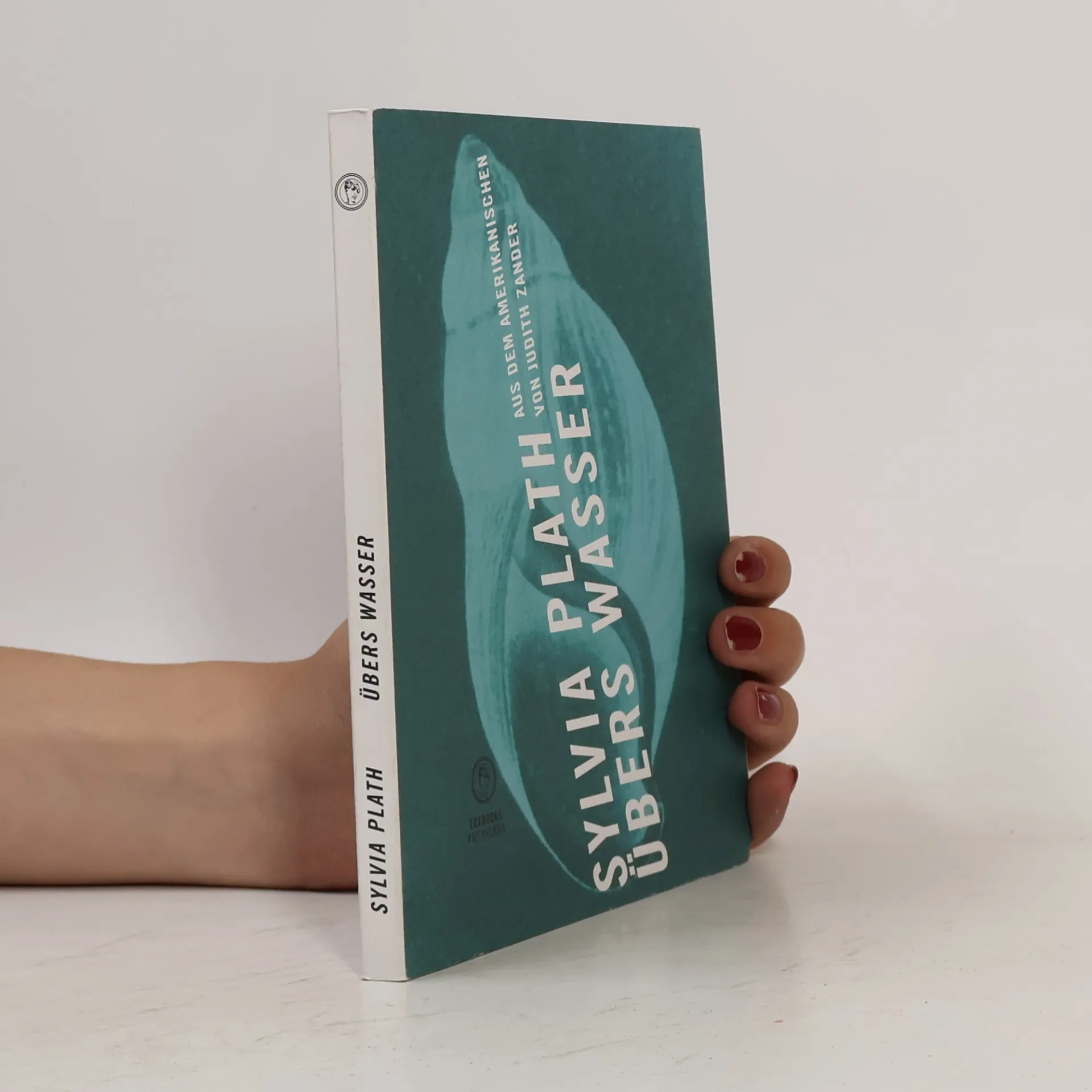
Späte Gedichte 1960-1963Zweisprachige Ausgabe. Herausgegeben, aus dem Englischen übersetzt und mit einem Nachwort versehen von Judith Zander1960 ist ein Jahr des Aufbruchs, Sylvia Plath zieht nach England und ihr einzig zu Lebzeiten veröffentlichter Gedichtband erscheint: Der Koloss. Kurz vor ihrem Tod, 1963, folgt ihr einziger Roman: Die Glasglocke. In den drei Jahren dazwischen schreibt Plath unerschöpflich und wird zweimal Mutter. »Es ist, als setzte mein Herz ein Gesicht auf und ginge hinaus in die Welt.« Größte Verletzlichkeit prallt in diesen späten Gedichten auf zuckersüße Tage, »eingeweckt wie Obst«. Zwischen Leben schenken und Todesnähe entfaltet sich eine ergreifende, einmalige Kraft.Zum 90. Geburtstag versammelt Das Herz steht nicht still Sylvia Plaths monumentales lyrisches Spätwerk erstmals auf Deutsch. In der brillanten Übersetzung von Judith Zander wird erfahrbar, wie die Ikone feministischen Schreibens ihr Werk zur Vollendung brachte.
Sylvia Plath war nicht nur für ihre Poesie bekannt, sondern auch eine brillante Prosaautorin. Diese Sammlung von Kurzgeschichten, Essays und Tagebuchauszügen hebt ihre intensive Konzentration auf das Handwerk, die Vitalität ihrer Intelligenz und die Sehnsüchte ihrer Vorstellungskraft hervor. Diese Texte spiegeln Themen und Bilder wider, die sie in ihrer Poesie vollständig verwirklichen würde.
Sylvia Plath war nicht nur für ihre Poesie bekannt, sondern auch eine brillante Prosaautorin. Diese Sammlung von Kurzgeschichten, Essays und Tagebuchauszügen hebt ihre intensive Konzentration auf das Handwerk, die Vitalität ihres Intellekts und die Sehnsüchte ihrer Vorstellungskraft hervor. Diese Texte spiegeln Themen und Bilder wider, die sie in ihrer Poesie vollständig verwirklichen würde.
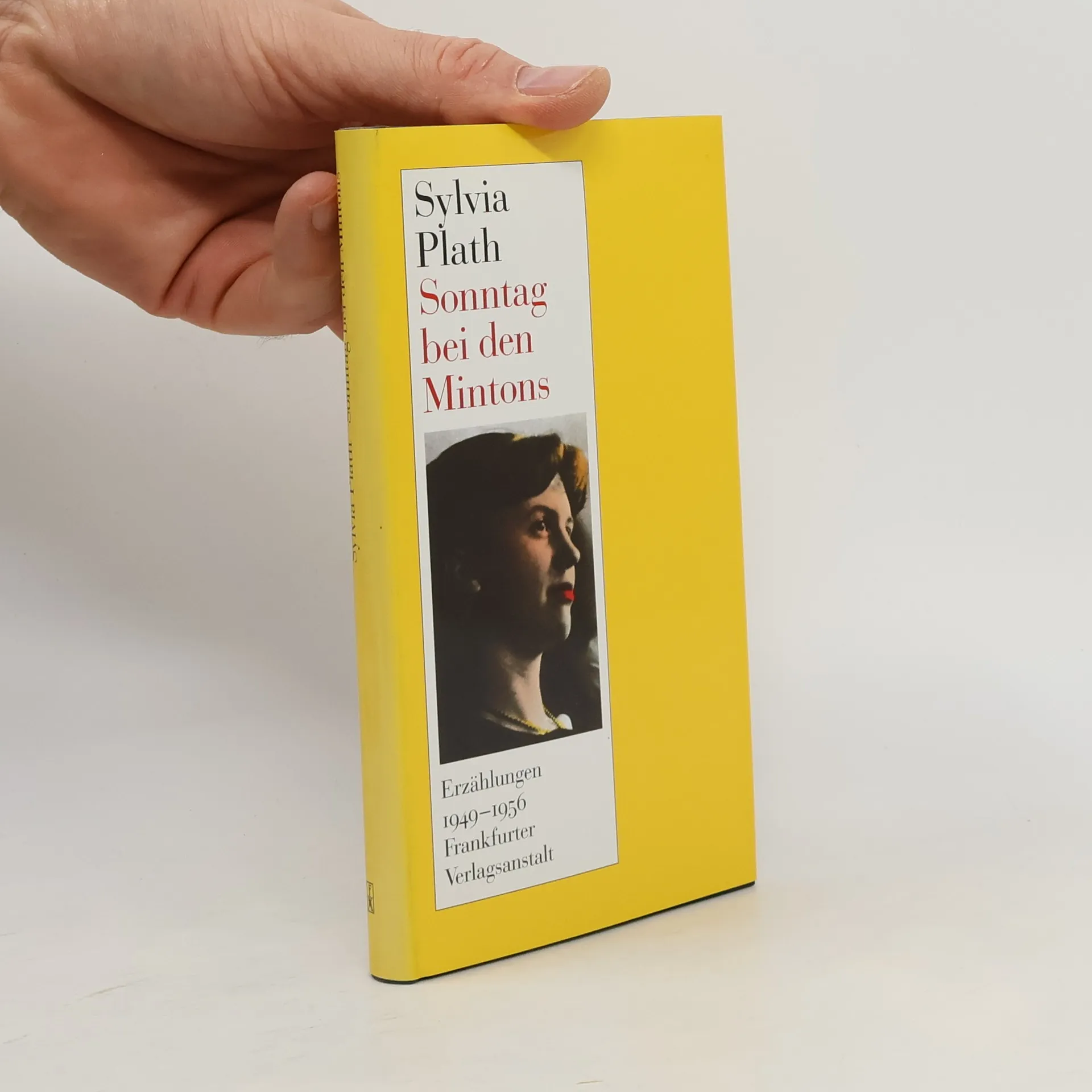
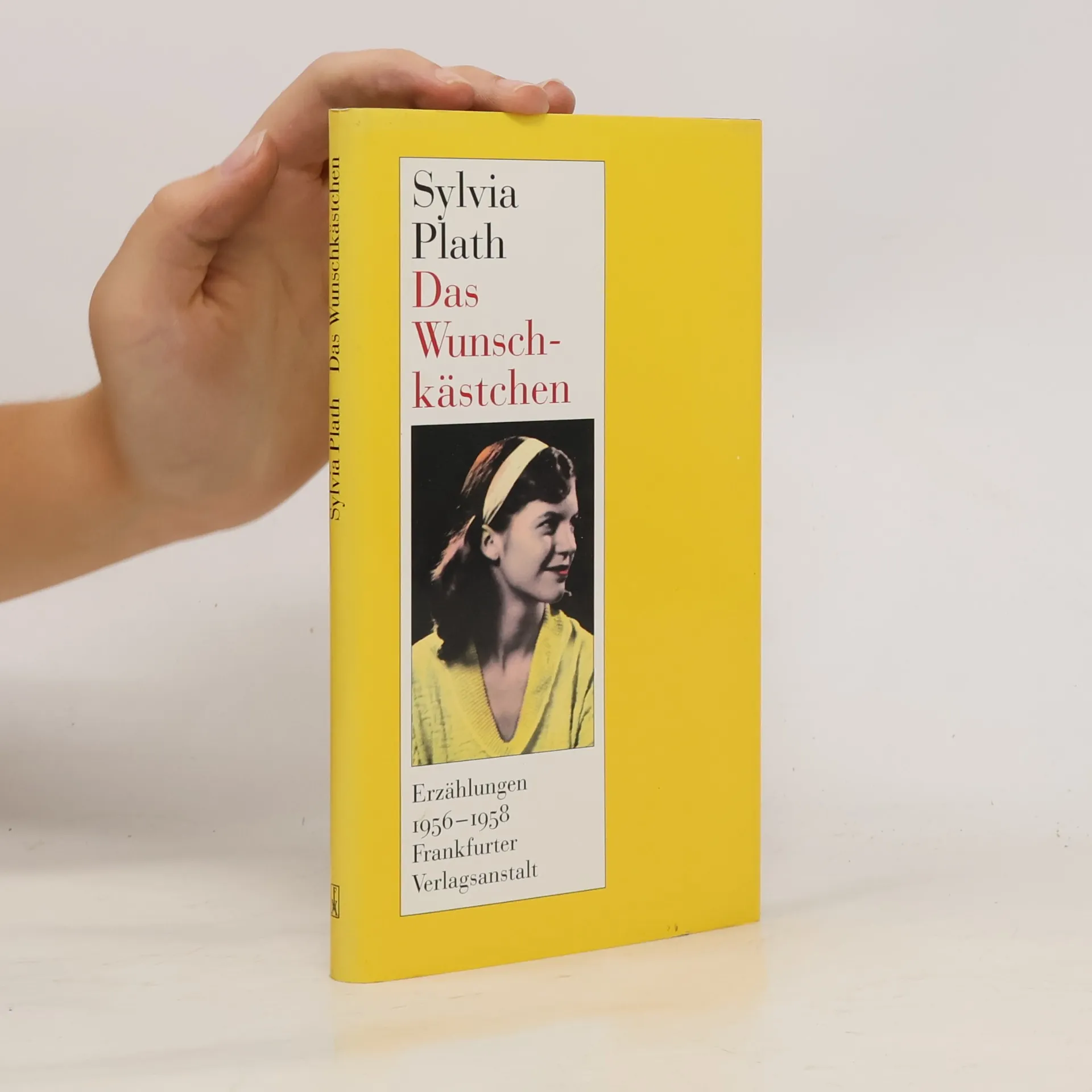
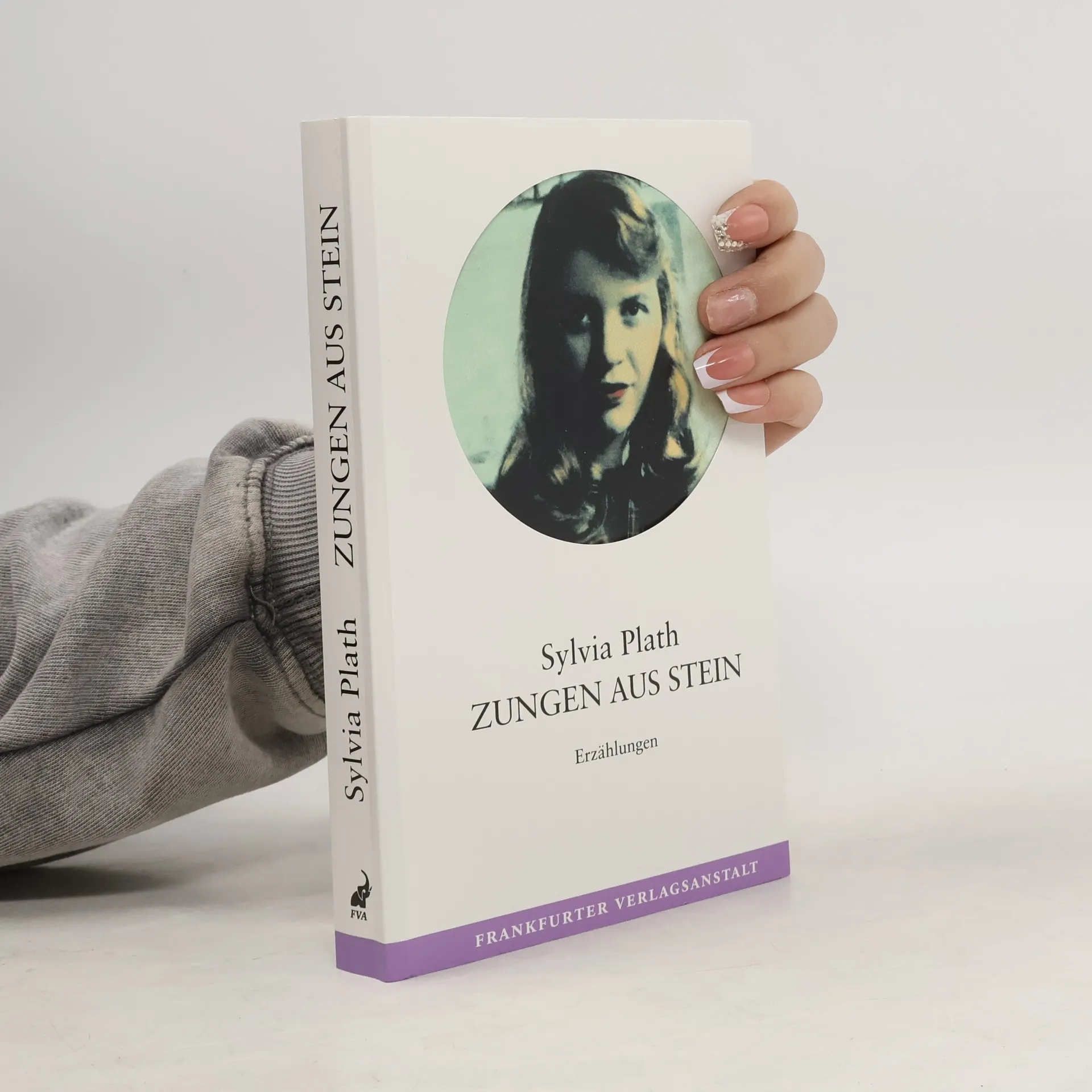
In den Erzählungen von Sylvia Plath, die zwischen 1949 und 1962 entstanden, reflektiert sie ihr Leben im Amerika der vierziger Jahre. Die Geschichten handeln von Frauen, die zwischen Lebensfreude und Melancholie schwanken, ihre Träume verfolgen und mit der Realität konfrontiert werden, wobei sie eindrucksvoll ihre Kindheit, erste Flirts und traumatische Erlebnisse schildert.
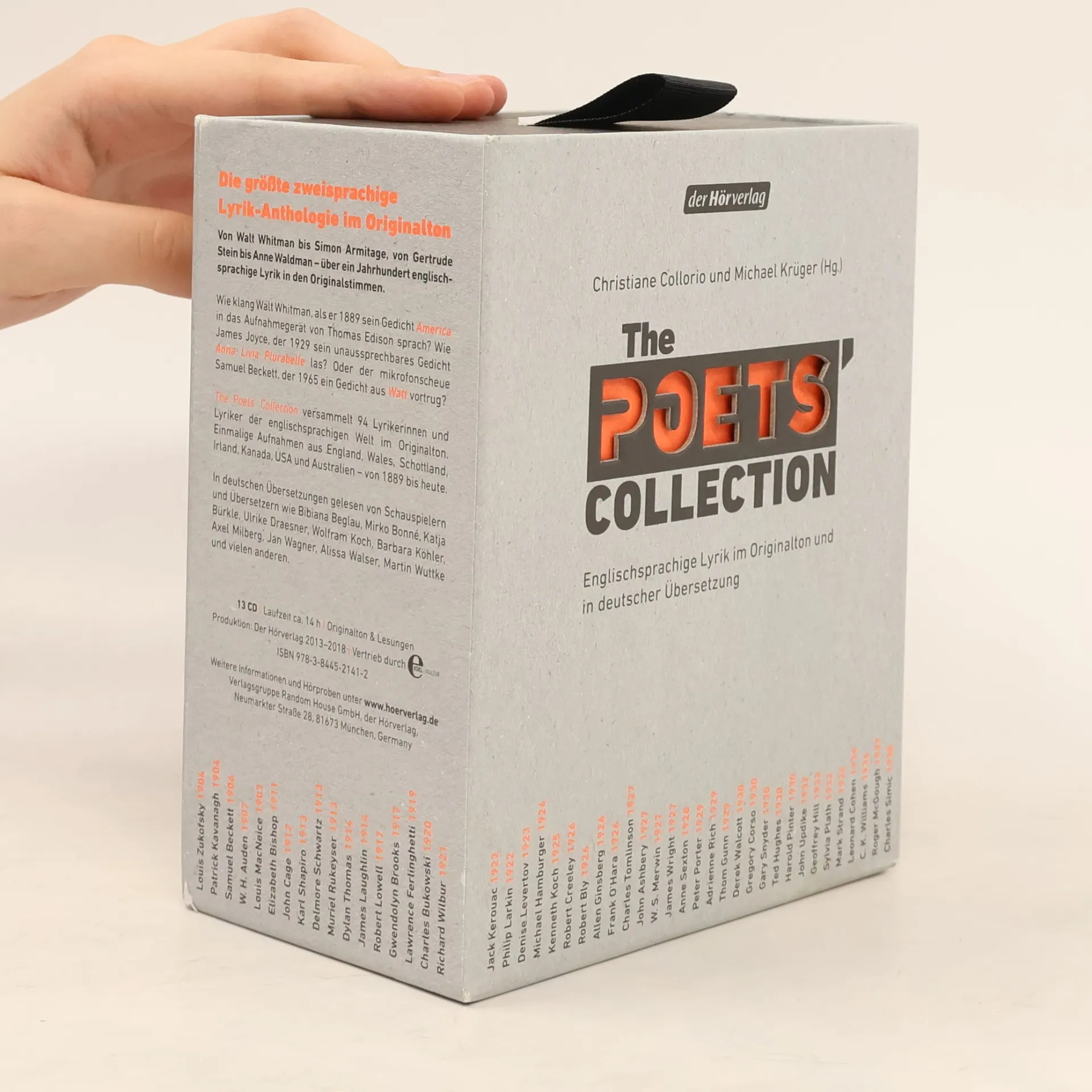
Englischsprachige Lyrik im Originalton und in deutscher Übersetzung
Die größte zweisprachige Lyrik-Anthologie im Originalton versammelt 94 englischsprachige Lyrikerinnen und Lyriker und bietet seltene Sprachaufnahmen, die in mehrjähriger Recherche zusammengetragen wurden. Die Anthologie nimmt die Hörer mit auf eine zeitliche und geographische Reise durch das letzte Jahrhundert der englischsprachigen Welt. Die Übersetzungen werden von erstklassigen Schauspielern gelesen und stammen von angesehenen Lyrikern und Übersetzern. Zu den vertretenen Dichtern gehören Alfred Lord Tennyson, Robert Browning, Walt Whitman, William Butler Yeats, Rudyard Kipling, Edgar Lee Masters, James Weldon Johnson, Walter de la Mare, Gertrude Stein, Robert Frost, Carl Sandburg, Wallace Stevens, James Joyce, William Carlos Williams, Ezra Pound, H.D. (Hilda Doolittle), Robinson Jeffers, Edith Sitwell, Marianne Moore, T. S. Eliot, Conrad Aiken, Edna St. Vincent Millay, Archibald Macleish, Dorothy Parker, E. E. Cummings, Robert Ranke Graves, Louise Bogan, Ernest Hemingway, Langston Hughes, Ogden Nash, Louis Zukofsky, Patrick Kavanagh, Samuel Beckett, W. H. Auden, Louis MacNeice, Elizabeth Bishop, John Cage, Karl Shapiro, Delmore Schwartz, Muriel Rukeyser, Dylan Thomas, James Laughlin, Robert Lowell, Gwendolyn Brooks, Lawrence Ferlinghetti, Charles Bukowski, Richard Wilbur, Jack Kerouac, Philip Larkin, Denise Levertov, Michael Hamburger, Kenneth Koch, Robert Creeley, Robert Bly, Allen Ginsberg, Frank O'Hara, Charles Tomlinson
Terugblik van een jonge vrouw op een crisisperiode die zij op 19-jarige leeftijd doormaakte en waarin zij ingrijpende psychiatrische behandelingen moest ondergaan.