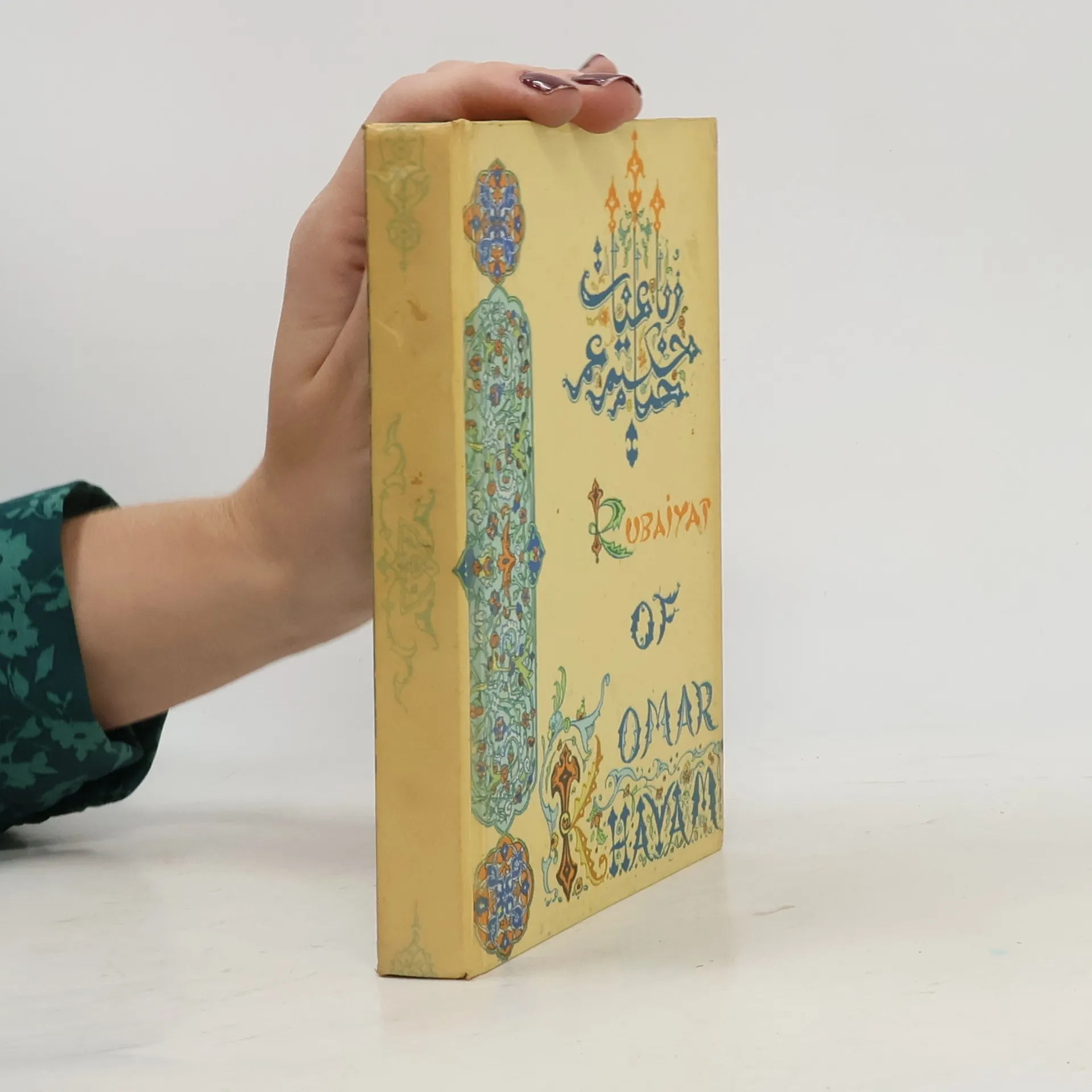
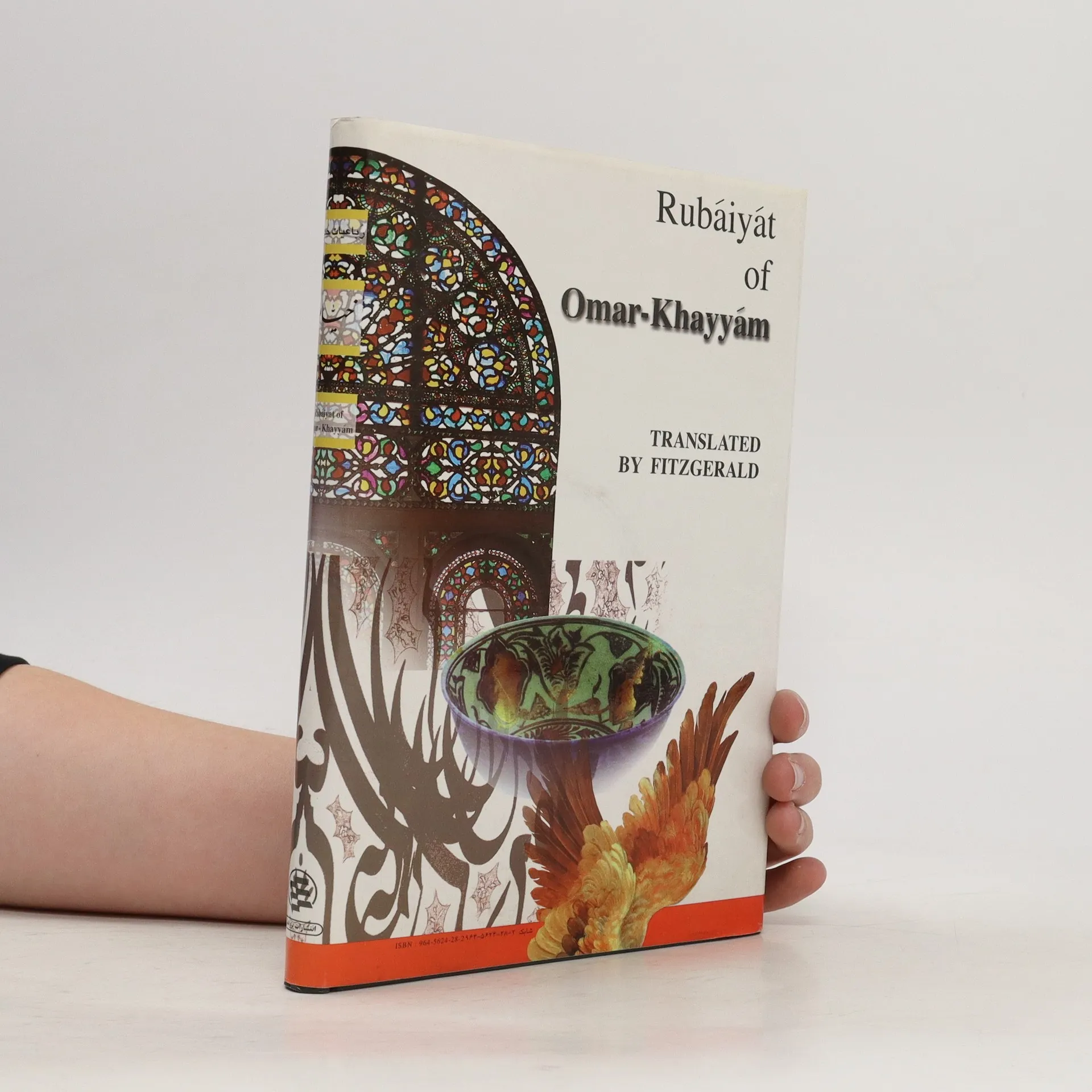
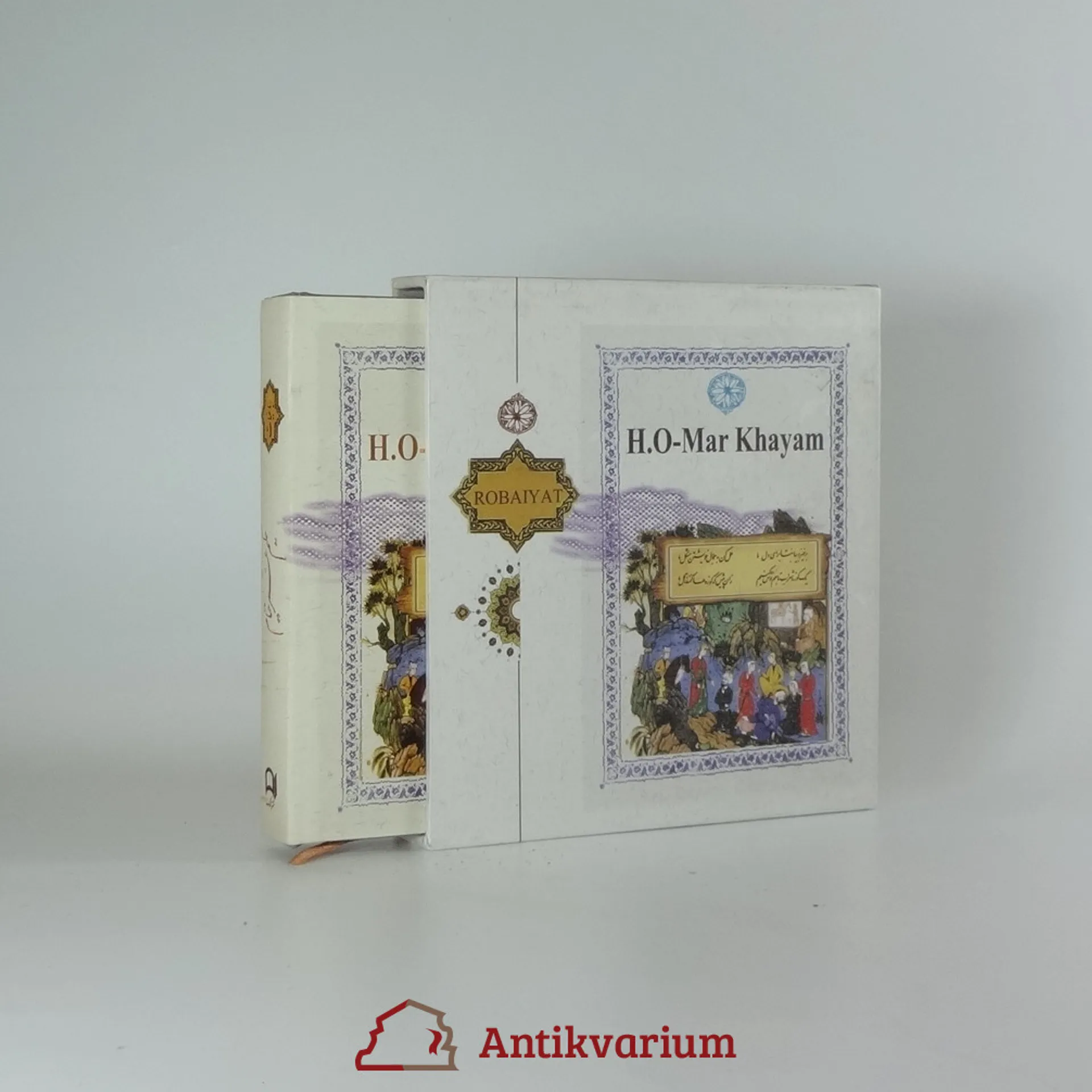
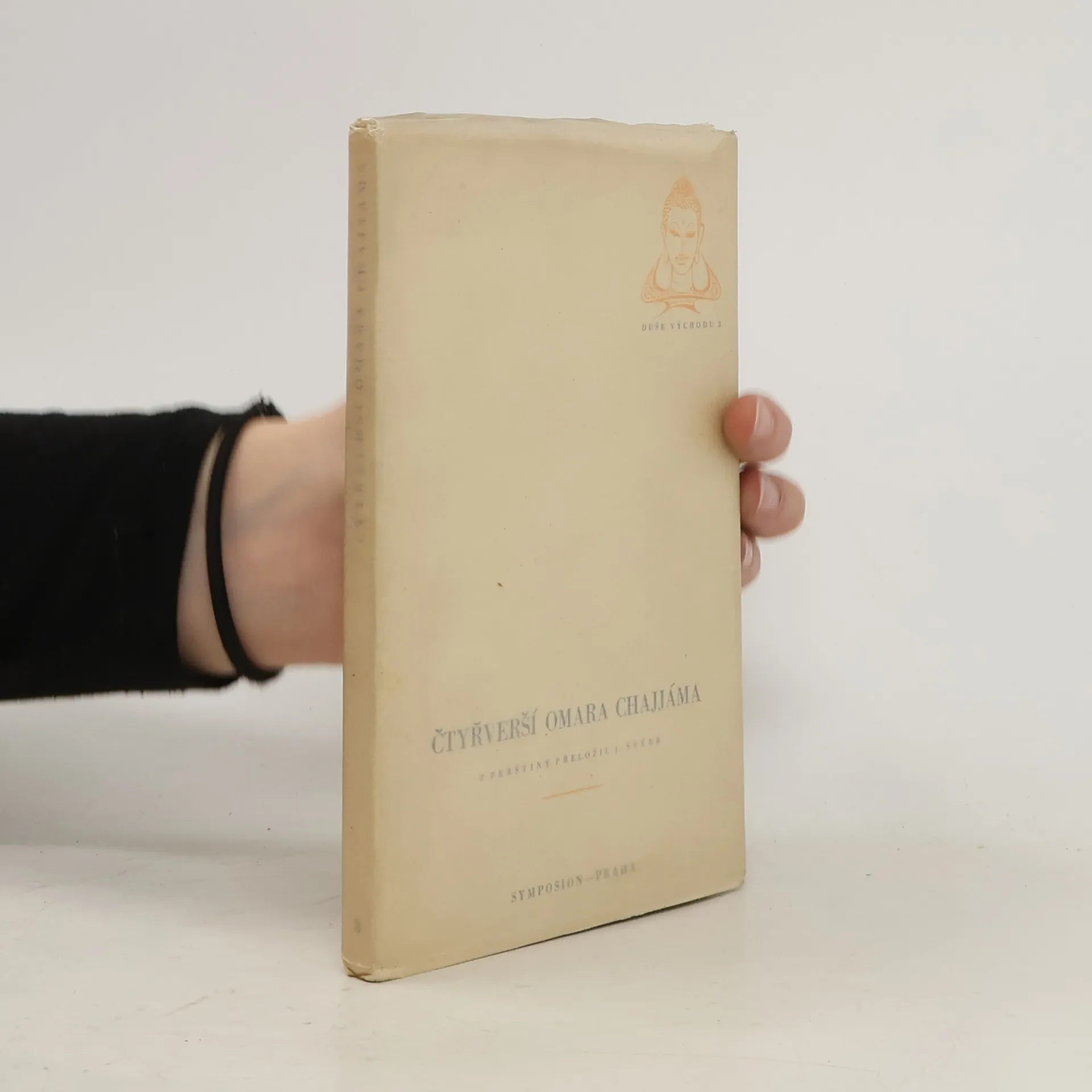
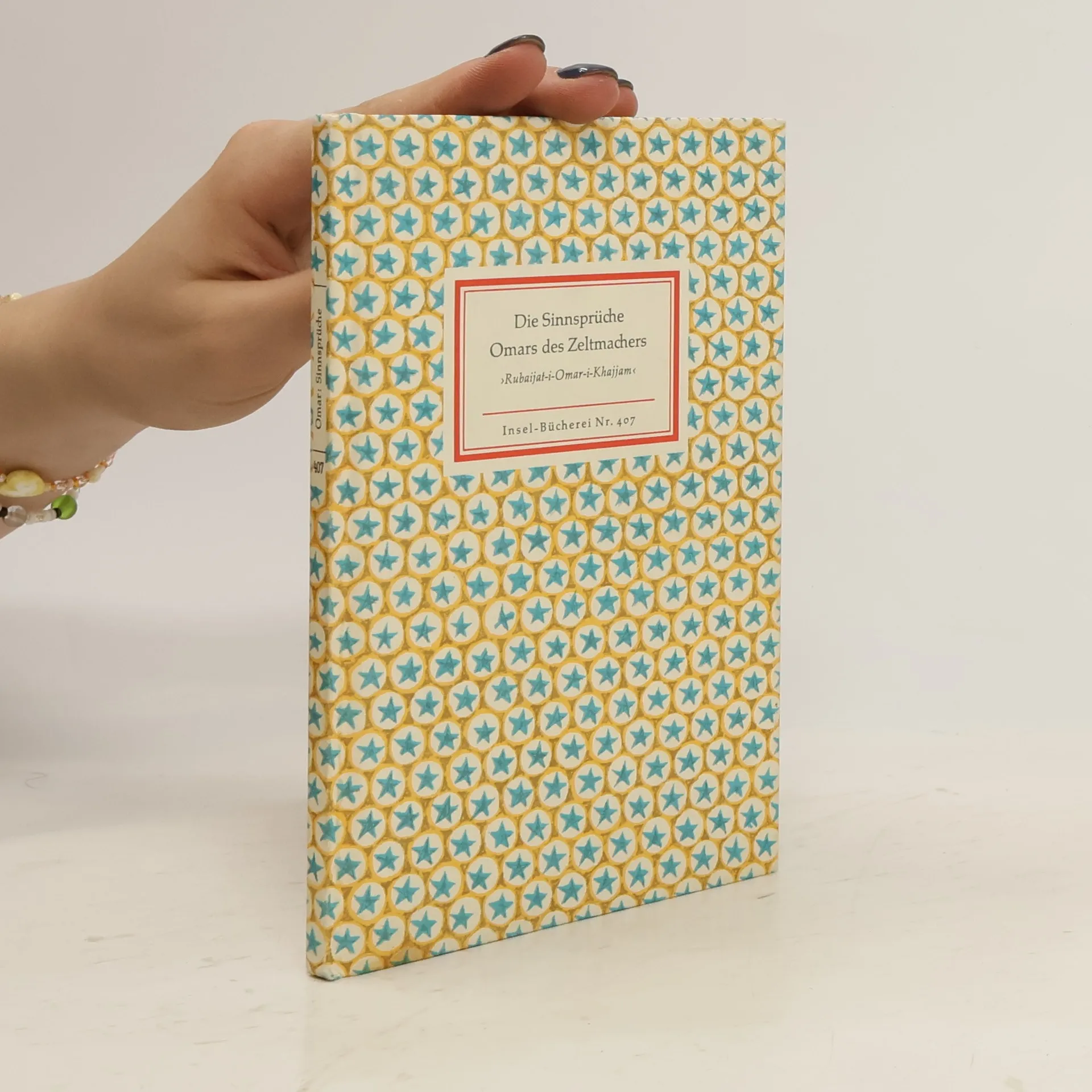
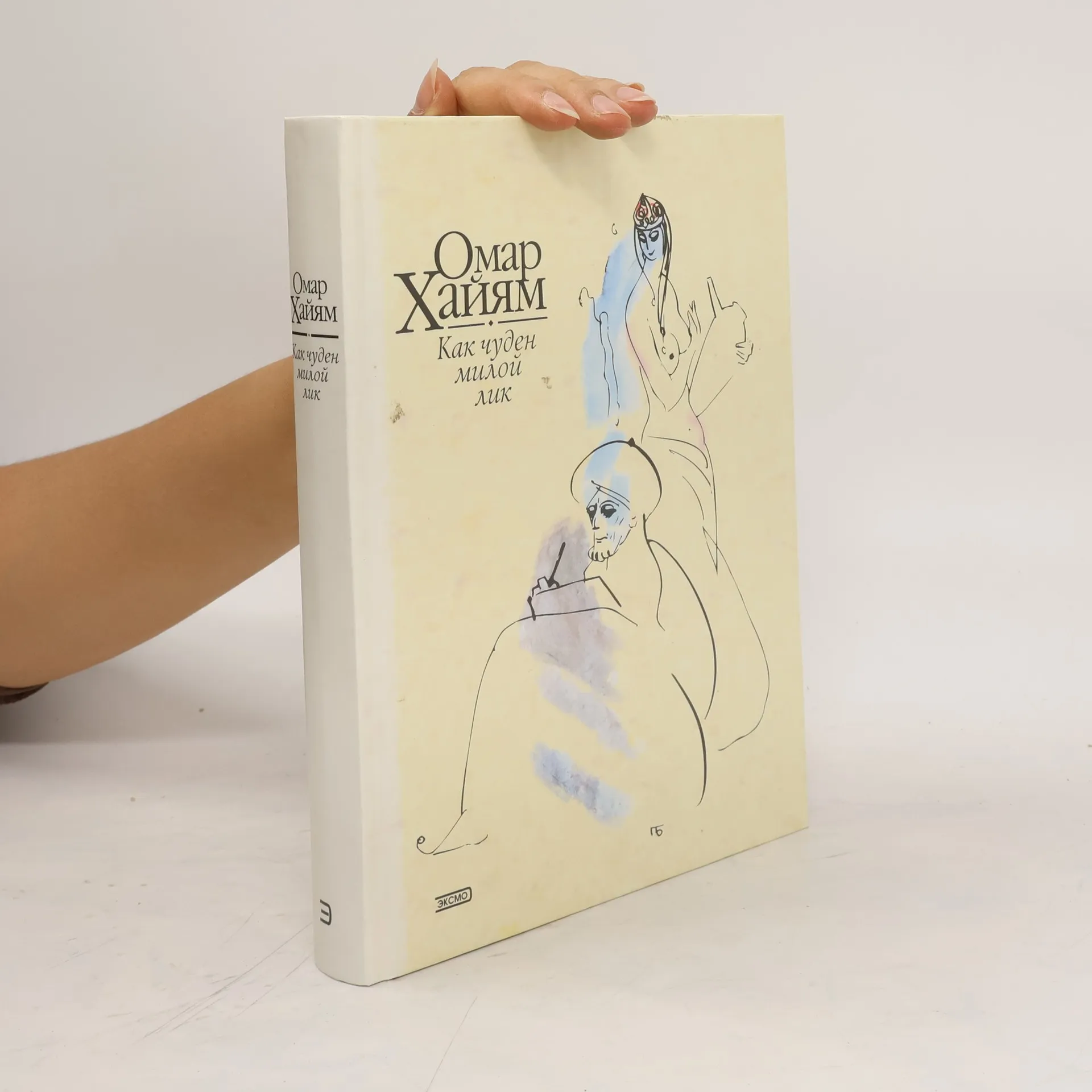
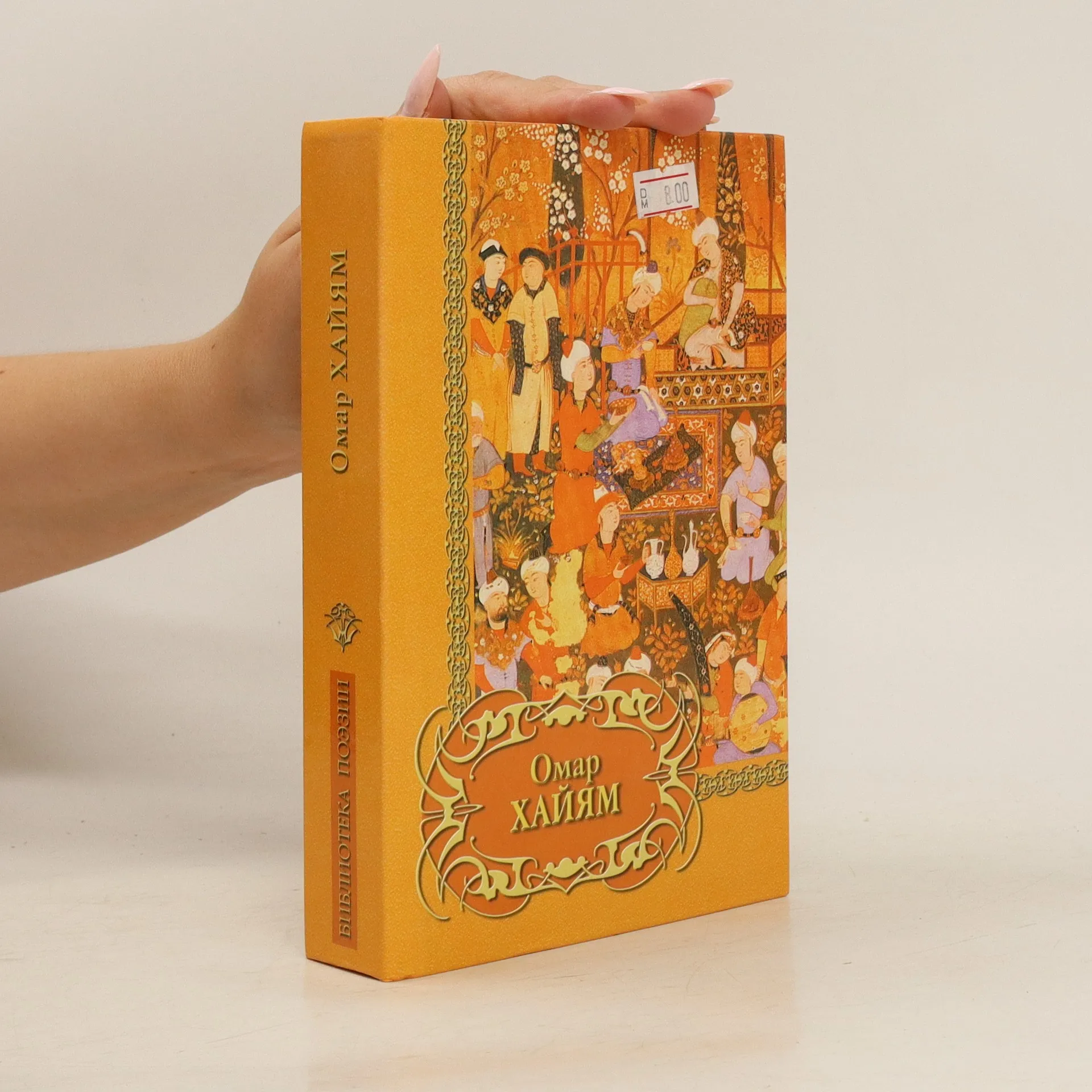
Quatrains
- 215pages
- 8 heures de lecture


Omar Khayyám était un polymathe persan dont les contributions philosophiques et scientifiques, y compris des traités sur la mécanique, la géographie et la musique, ont été largement éclipsées par sa production poétique. Révéré comme "le philosophe du monde", son héritage durable réside dans la profonde sagesse et les vers contemplatifs qui ont captivé les lecteurs à travers les cultures. Grâce à des traductions influentes, notamment par Edward FitzGerald, ses idées philosophiques et ses quatrains poétiques ont acquis une renommée considérable, consolidant son statut de voix célébrée de l'Orient en Occident.
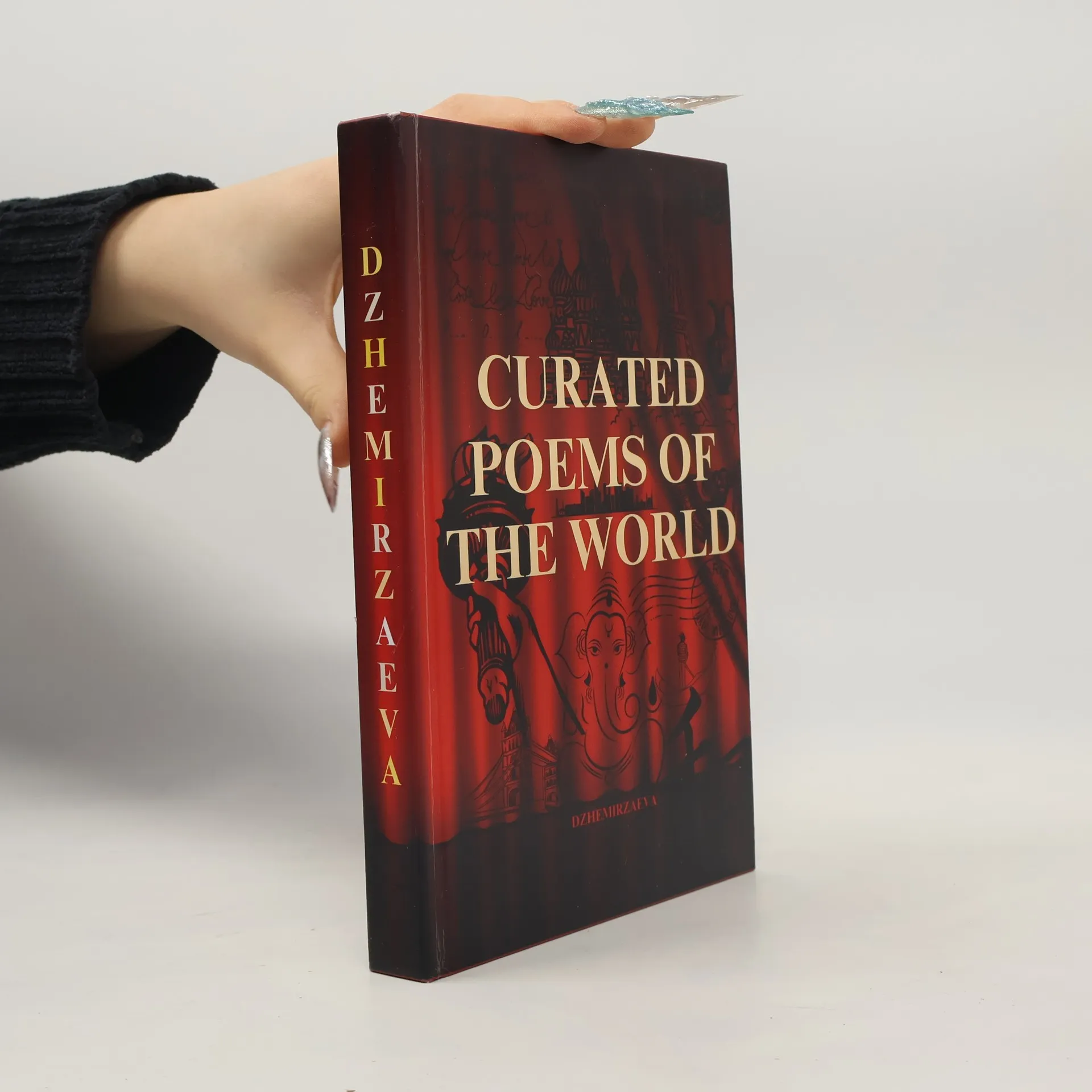
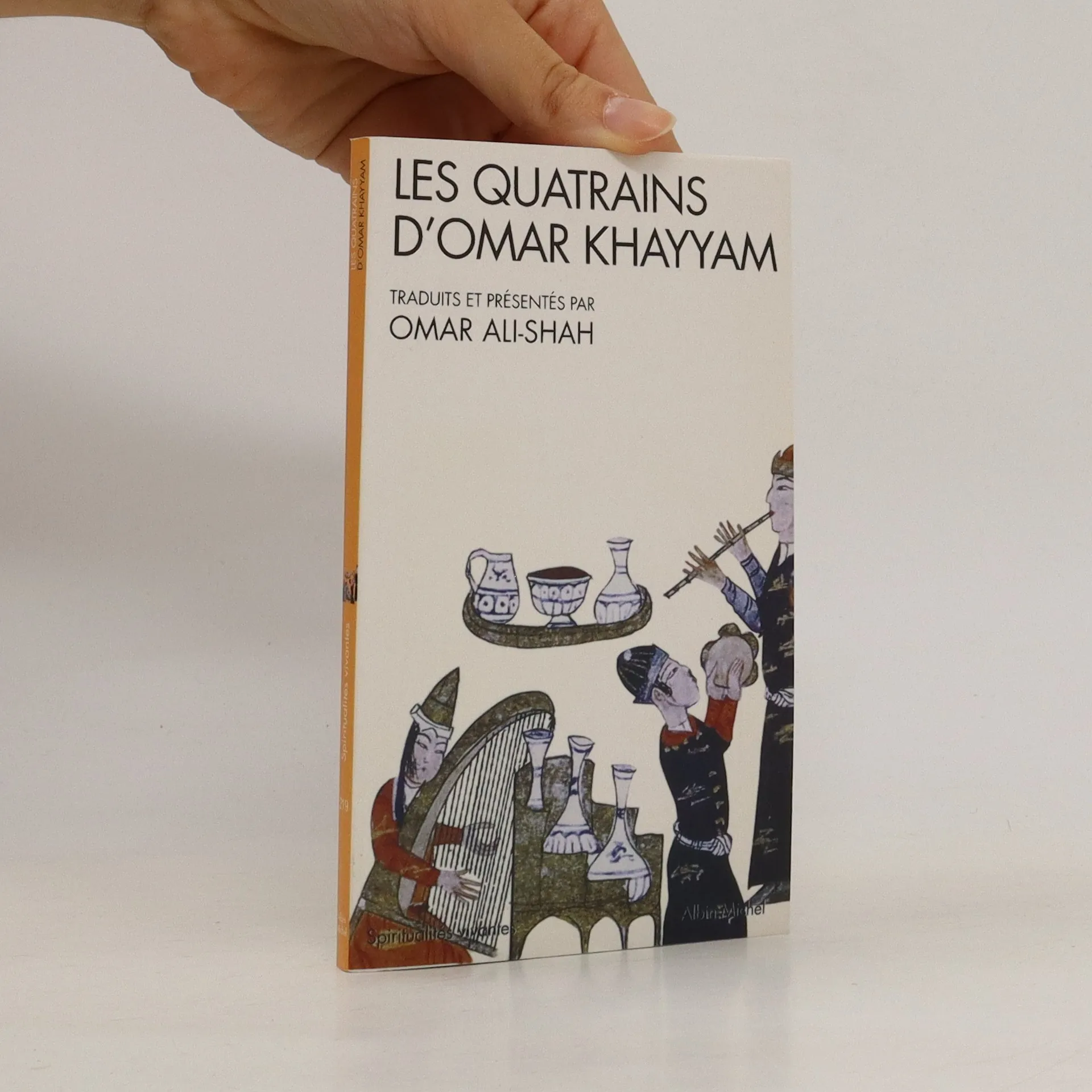
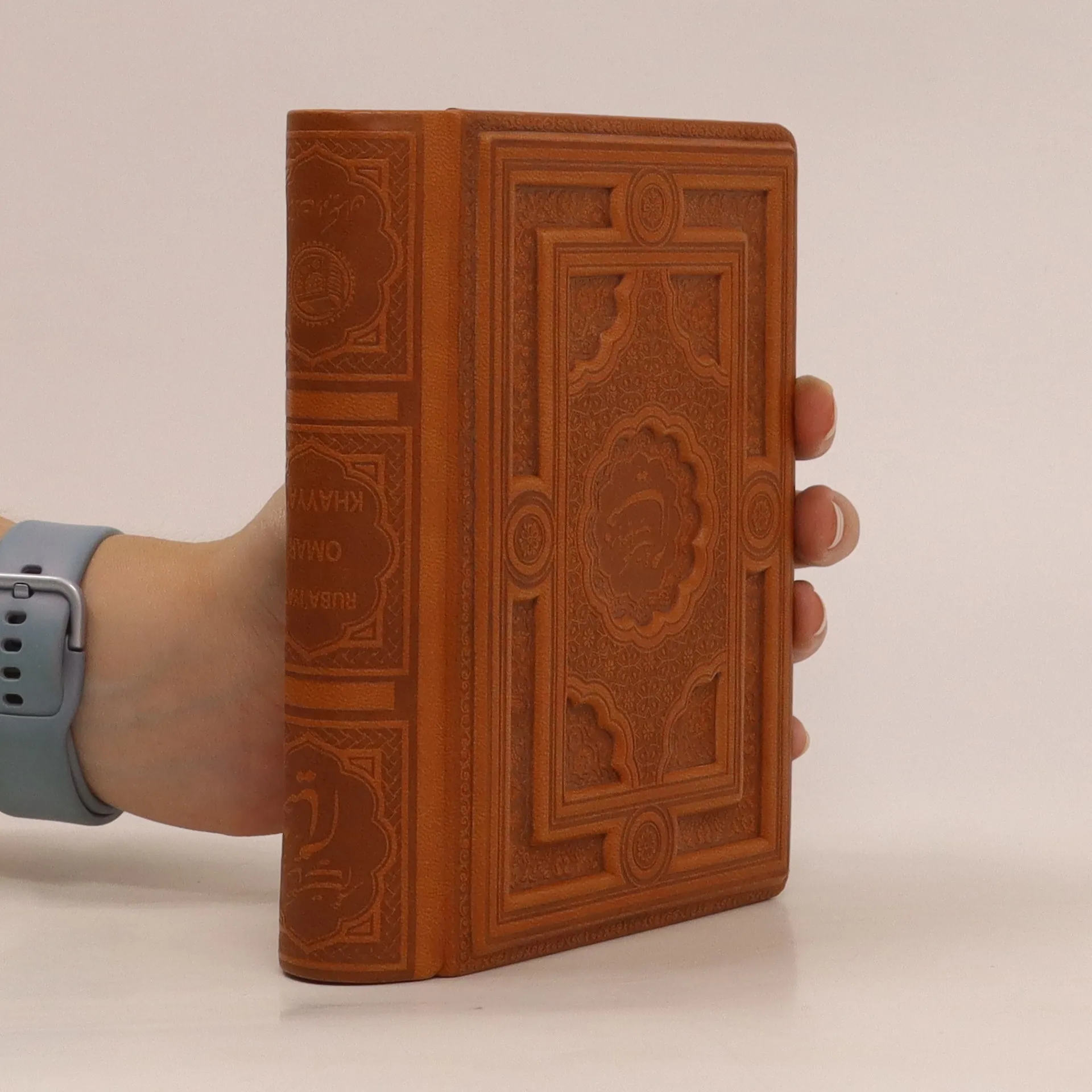

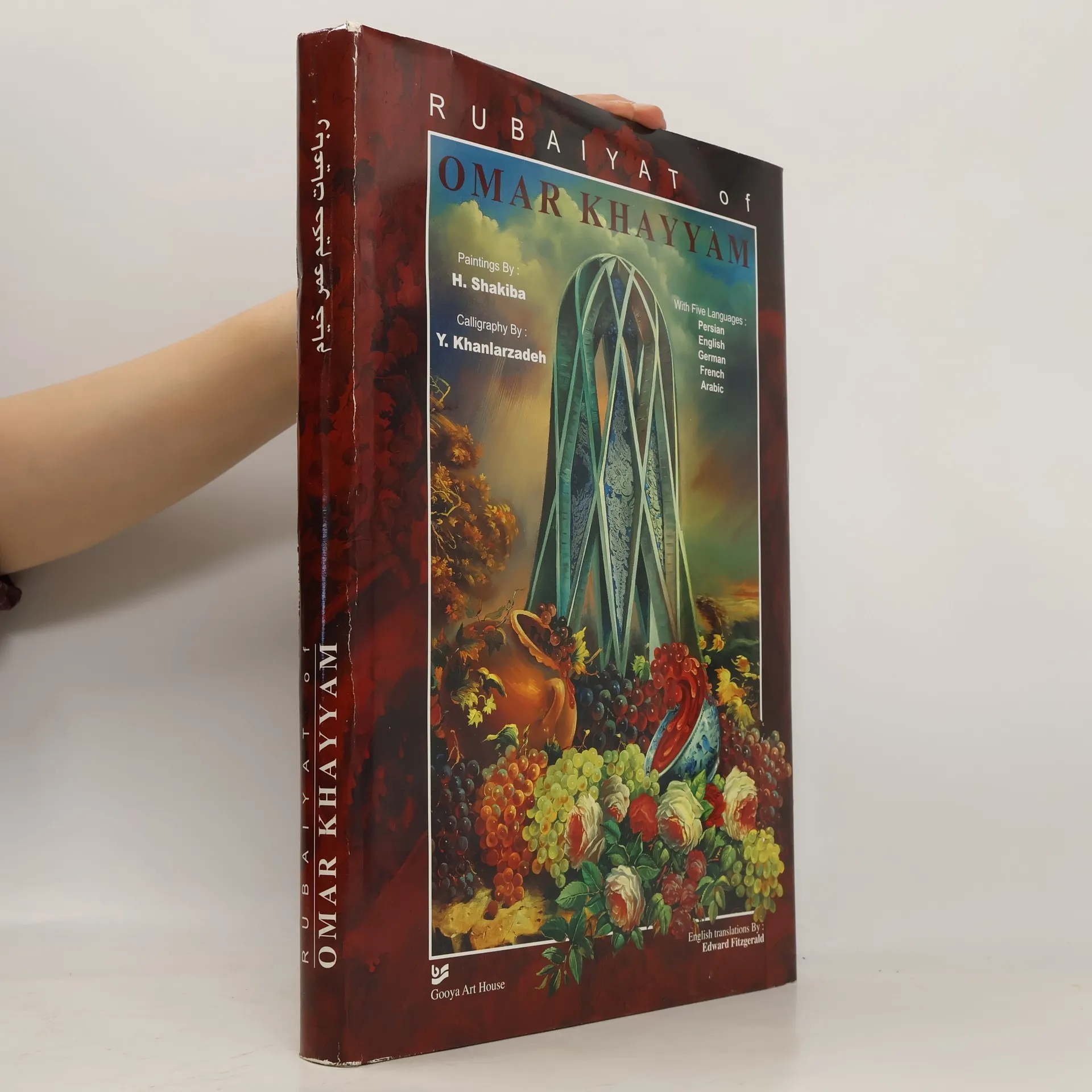
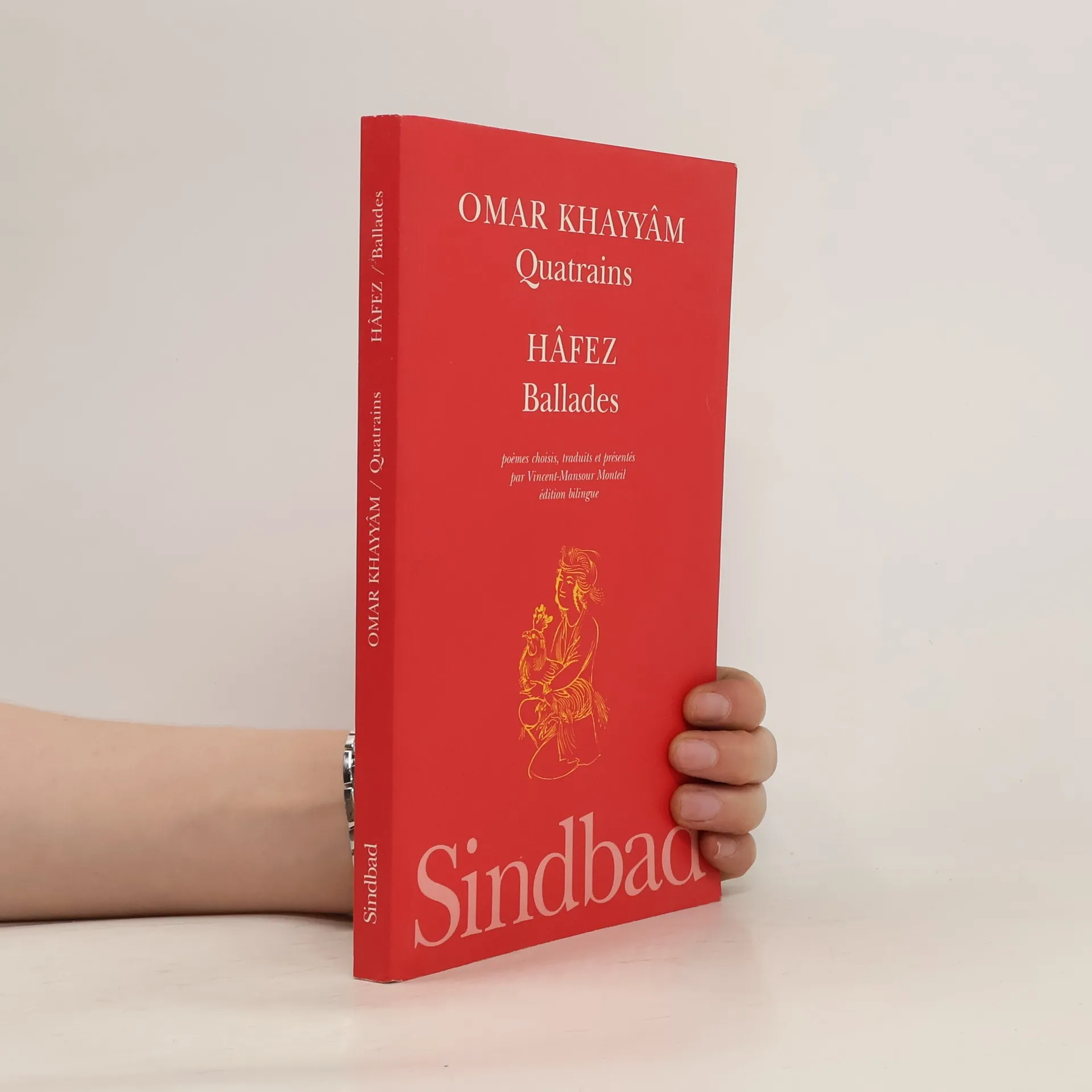
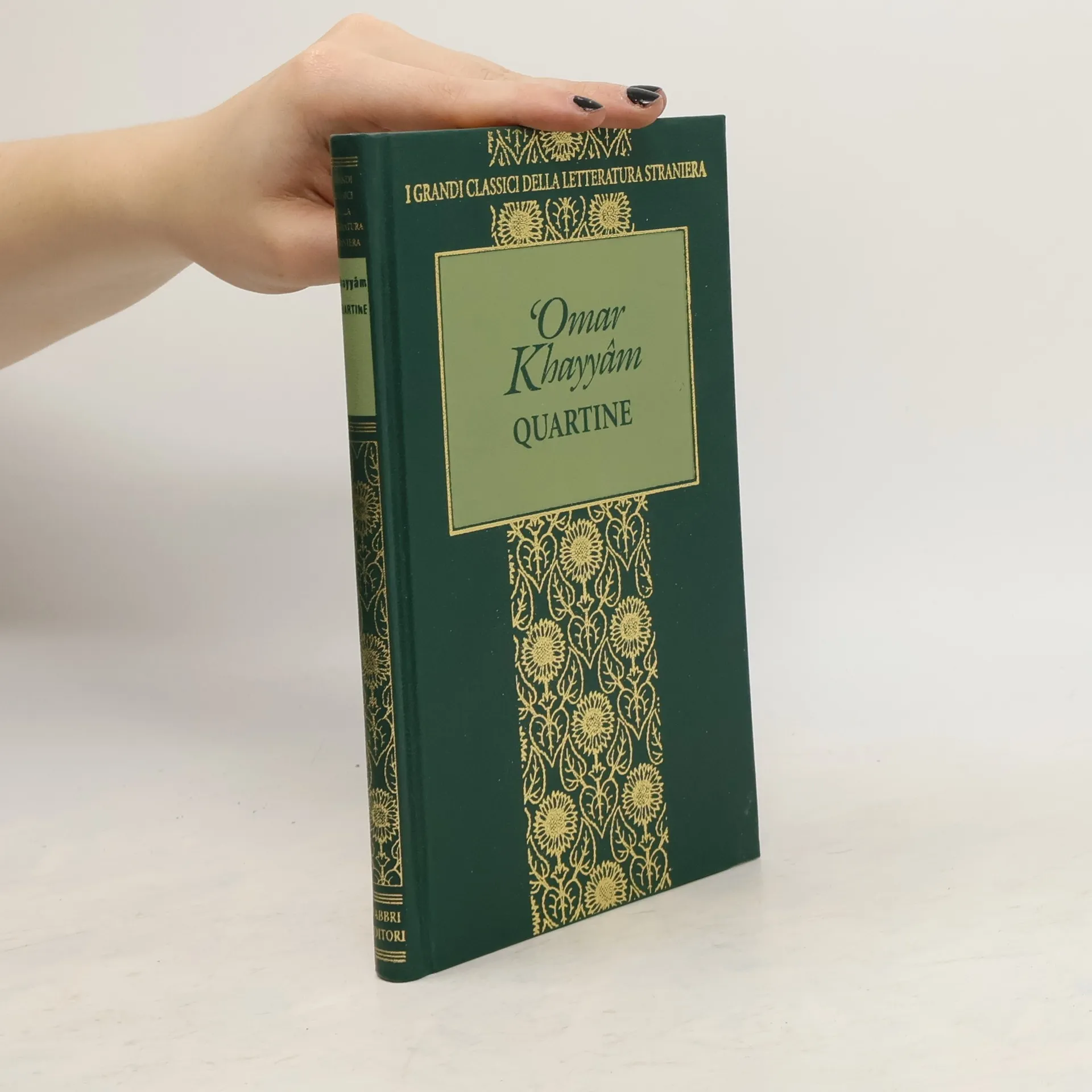
A repository of subversive, melancholic, and existentialist themes, the rubaiyat (quatrains) attributed to the 12th-century Persian astronomer Omar Khayyam have enchanted readers for centuries. These poems explore universal questions such as the meaning of life, fate, and how to live a good life in the face of human mortality. This collection reveals why these singular poems have resonated with a diverse audience, from the wine houses of medieval Iran to the poets of Western twentieth-century modernism.
Préférant les jouissances de l'éphémère aux vérités érigées en dogmes, Omar Khayyam était un homme qui regardait le ciel en face. Au lieu de gémir sur le sort de l'humanité, il ne voulut lui souhaiter que l'ivresse et l'amour. Haïssant l'esclavage de la pensée, ce poète, vivant il y a plus de mille ans en Perse, nous a légué ces Quatrains qui, aujourd'hui encore, résonnent comme un chant magnifique qui s'élève contre l'imposture religieuse et politique.
This work presents the timeless verses of Omar Khayyam, celebrated for their philosophical depth and exploration of life, love, and the passage of time. The collection features a series of quatrains that reflect on existential themes, blending mysticism with keen observation of the human experience. Khayyam's eloquent poetry invites readers to ponder the nature of existence and the fleeting moments of joy, making this a profound meditation on life’s transience and beauty.
Omar Khayyam (1048-1122) est l'un des représentants les plus marquants de la poésie musulmane. Né en Iran, ce mathématicien et philosophe est surtout connu pour ses Quatrains, vers sensuels et mystiques qui ont inspiré plusieurs générations de poètes. Au fil des siècles, le nombre de quatrains attribués à Omar Khayyam n'a cessé de croître, brouillant l'identité de l'œuvre originale et donnant de son auteur l'image d'un poète libertin et irrévérencieux. Omar Ali-Shah, maître soufi installé en Angleterre, propose ici une édition critique des 111 quatrains originaux, d'après un manuscrit familial datant de 1153. De langue maternelle persane, il offre une nouvelle lecture d'Omar Khayyam, débarrassé de sa gangue orientaliste. Le poète apparaît alors comme un sage soufi, usant d'une symbolique transgressive mais précise pour appeler les hommes à connaître l'ivresse de Dieu au-delà de la religion instituée.
Exploring the philosophical themes of existence, the poems attributed to Omar Khayyam emphasize that life, though fleeting and uncertain, is a significant journey. They encourage free-thinking and highlight the elusive nature of absolute truth, suggesting that the universe holds a reality largely beyond human comprehension. This wisdom inspires readers to reflect on their thoughts and actions in the face of life's mysteries.
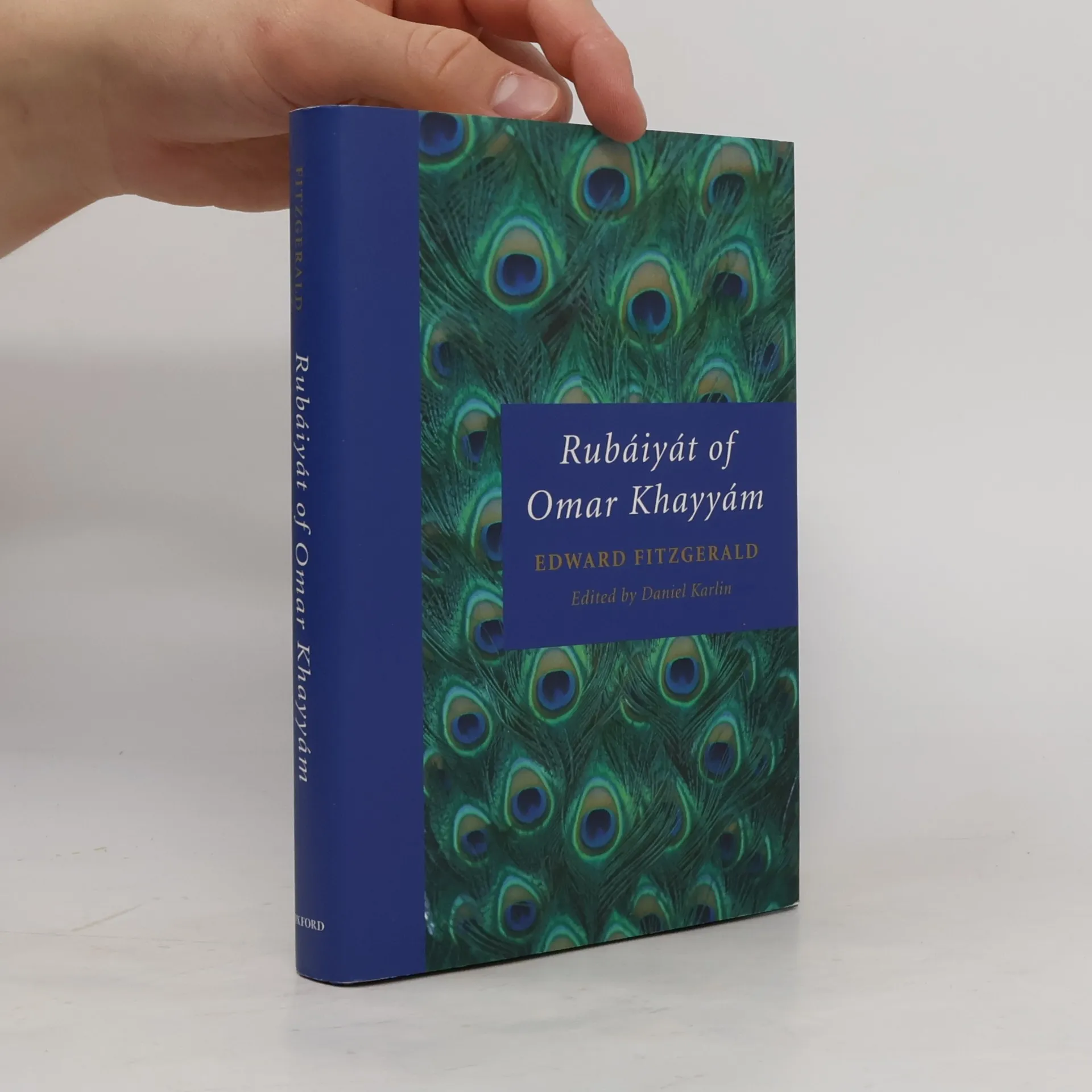
'The Moving Finger writes; and, having writ, Moves on: nor all thy Piety nor Wit Shall lure it back to cancel half a Line, Nor all thy Tears wash out a Word of it.' In the 'rub--aacute--;iy--aacute--;t' (short epigrammatic poems) of the medieval Persian poet, mathematician, and philosopher Omar Khayy--aacute--;m, Edward FitzGerald saw an unflinching challenge to the illusions and consolations of mankind in every age. His version of Omar is neither a translation nor an independent poem; sceptical of divine providence and insistent on the pleasure of the passing moment, its 'Orientalism' offers FitzGerald a powerful and distinctive voice, in whose accents a whole Victorian generation comes to life. Although the poem's vision is bleak, it is conveyed in some of the most beautiful and haunting images in English poetry - and some of the sharpest-edged. The poem sold no copies at all on its appearance in 1859, yet when it was 'discovered' two years later its first readers and admirers included Dante Gabriel Rossetti, Swinburne, and Ruskin. By the end of the century it was one of the best-known poems in the English language. Daniel Karlin's richly annotated edition does justice to the scope and complexity of FitzGerald's lyrical meditation on 'human death and fate'.
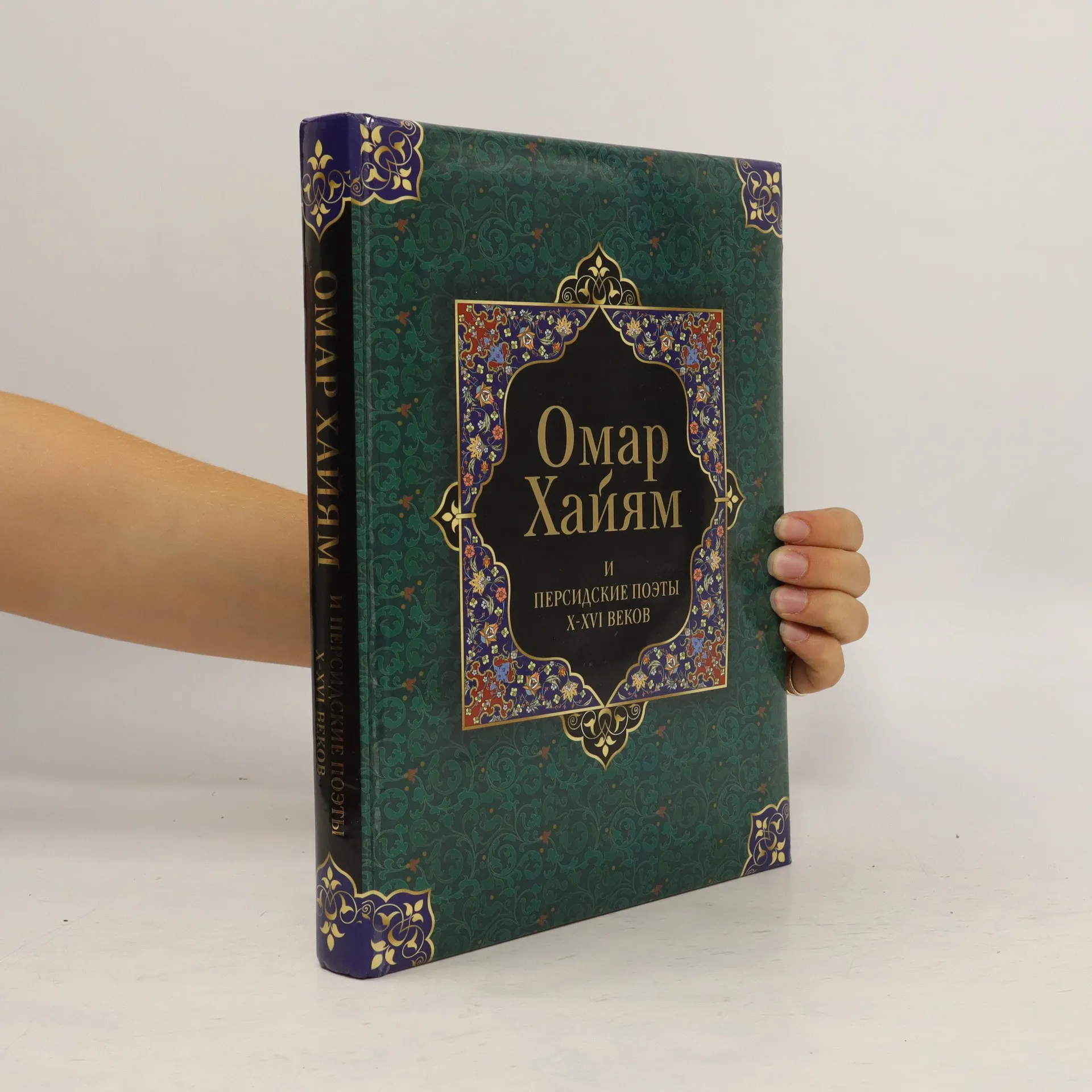
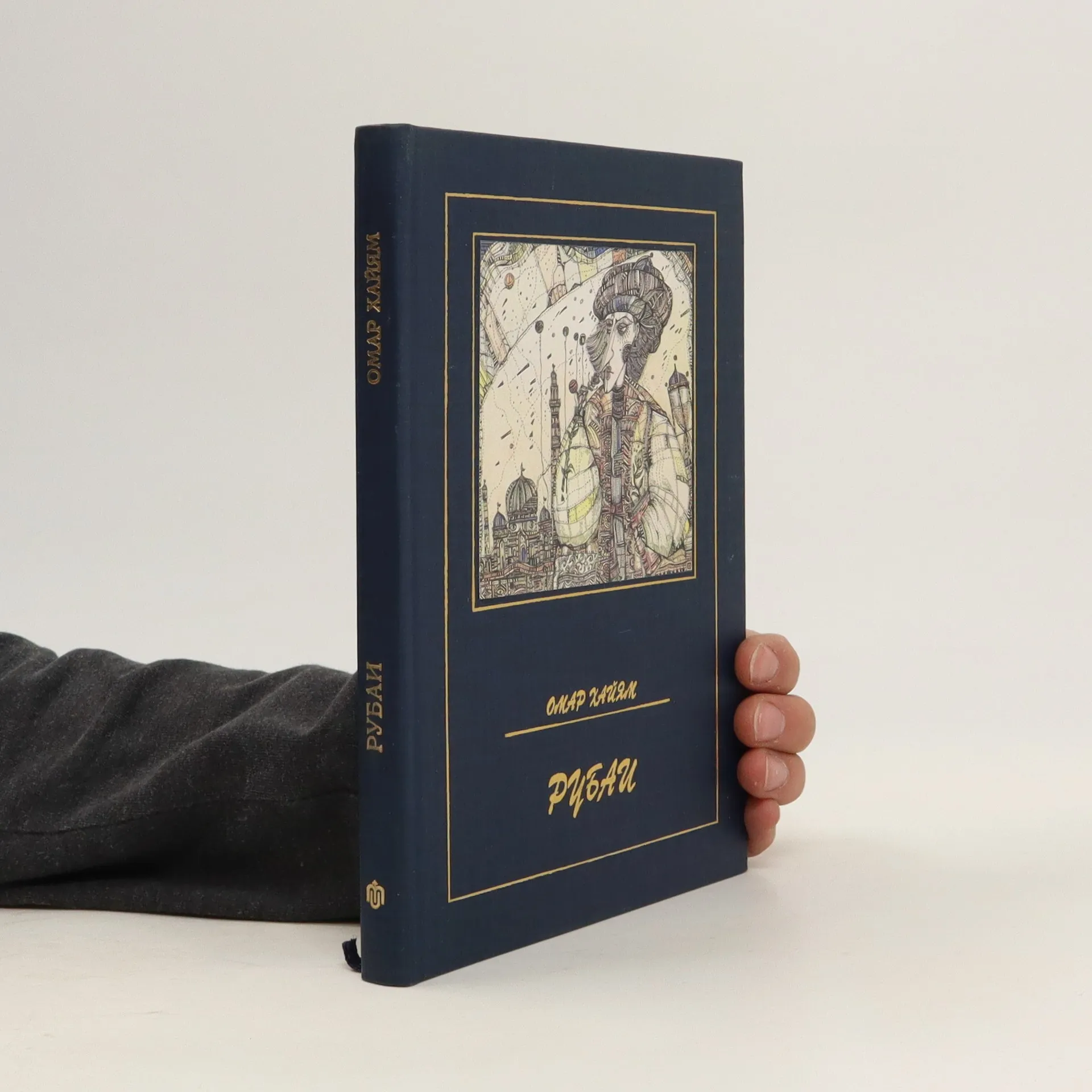
Рубайят Омара Хайяма в переводах И. И. Тхоржевского и других русских переводчиков конца XIX — гначала XX века. Стихи знаменитых персидских поэтов X–XVI веков в переводах академика Ф. Е. Корша и русских поэтов XIX–XX веков.
Liebe, Wein, Lieder, Vergänglichkeit. Vierzeiler der Lebensfreude
Bilder, Geschichten, Meditationen zur Weihnacht.
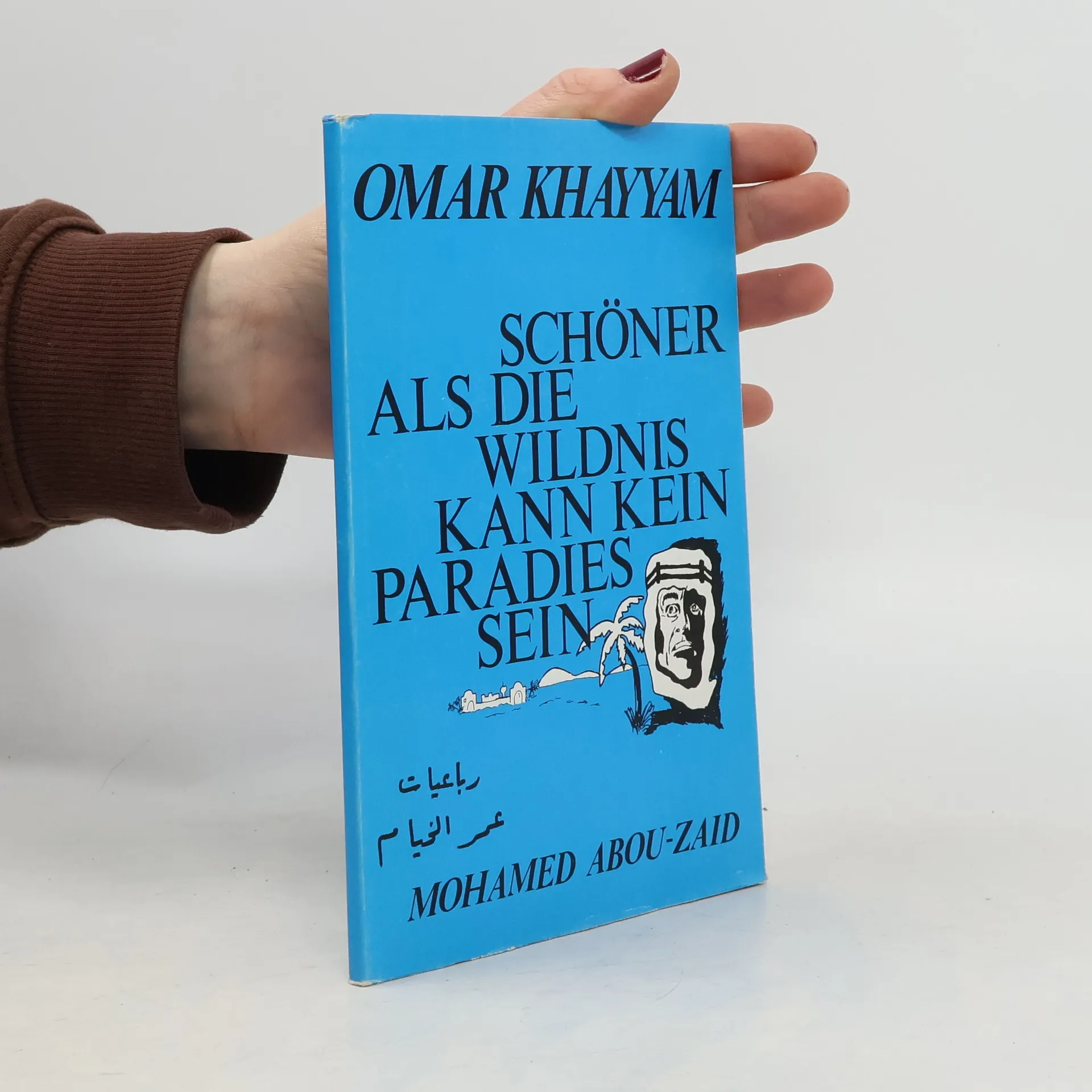
Omar Khayyam: Rubaiyat ; Sinnsprüche persischer Poesie