

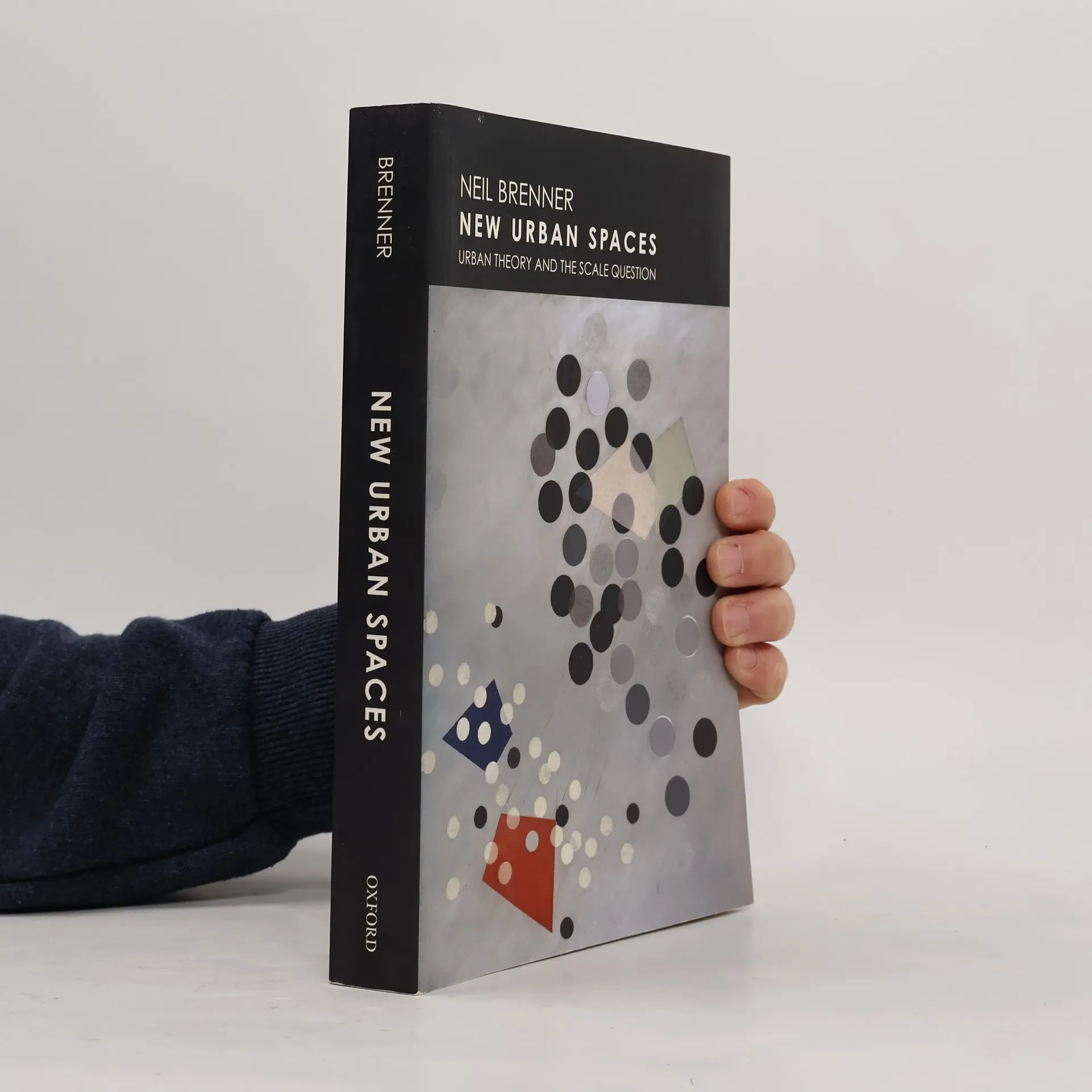
The urban condition is today being radically transformed. Urban restructuring is accelerating, new urban spaces are being consolidated, and new forms of urbanization are crystallizing. In New Urban Spaces, Neil Brenner argues that understanding these mutations of urban life requires not only concrete research, but new theories of urbanization. To this end, Brenner proposes an approach that breaks with inherited conceptions of the urban as a bounded settlement unit-the city or the metropolis-and explores the multiscalar constitution and periodic rescaling of the capitalist urban fabric. Drawing on critical geopolitical economy and spatialized approaches to state theory, Brenner offers a paradigmatic account of how rescaling processes are transforming inherited formations of urban space and their variegated consequences for emergent patterns and pathways of urbanization. The book also advances an understanding of critical urban theory as radically revisable: key urban concepts must be continually reinvented in relation to the relentlessly mutating worlds of urbanization they aspire to illuminate.
Neil Brenner Livres
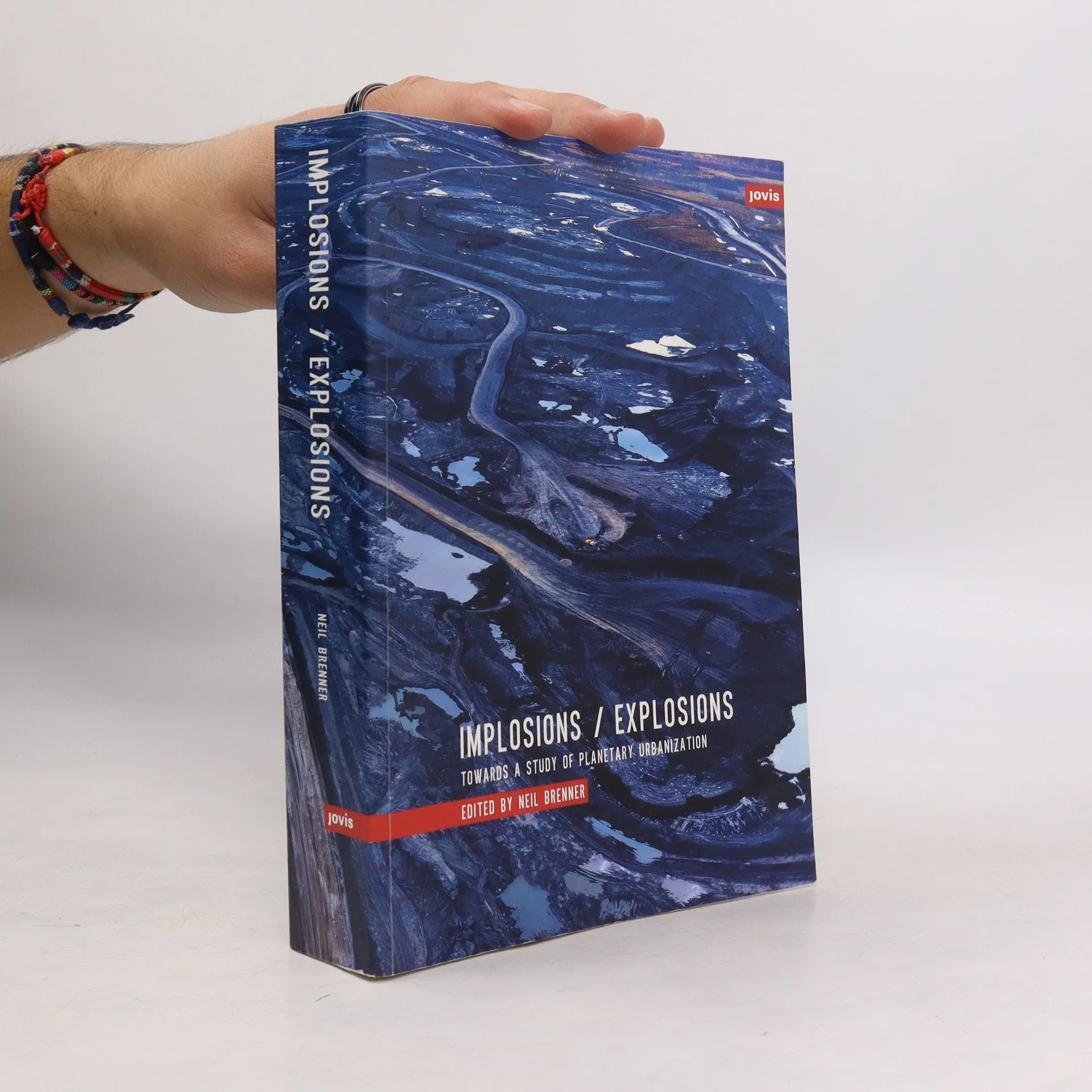
Drawing together classic and contemporary texts on the 'urbanisation question', this book explores various theoretical, epistemological, methodological and political implications of Lefebvre's hypothesis.
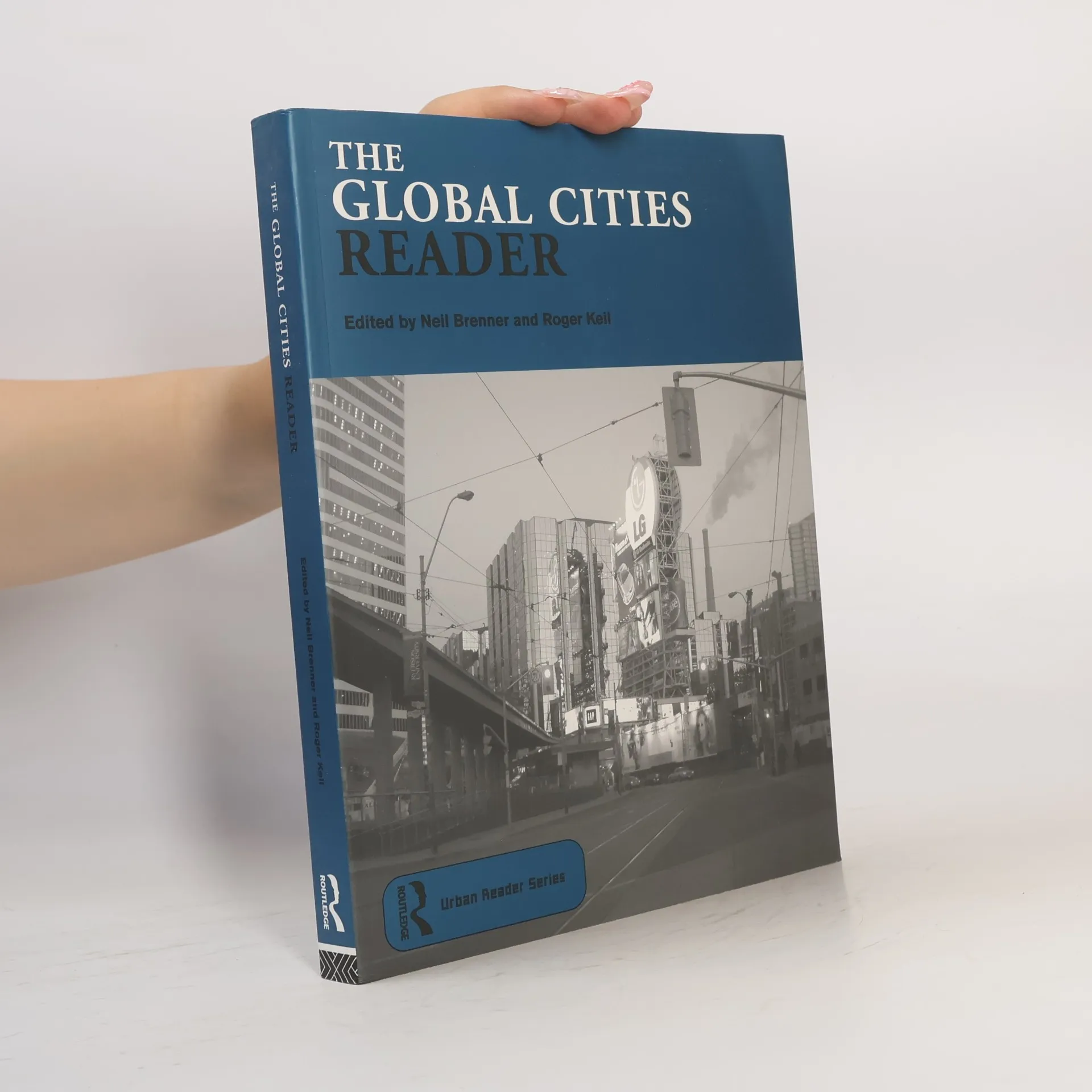
Routledge Urban Reader Series: The Global Cities Reader
- 456pages
- 16 heures de lecture
Providing the first comprehensive survey of new interdisciplinary scholarship on globalized urbanization, this important volume contains fifty selections from classic writings by authors such as John Friedmann, Michael Peter Smith, Saskia Sassen, Peter Taylor, Manuel Castells and Anthony King, as well as major contributions by other international scholars of global city formation. Classic and contemporary case studies of globalizing cities serve to illuminate global city theory within Europe, North America and East Asia, whilst contributing authors explore key topics Containing wide-ranging discussions on major theories, methods, themes and debates, and a combination of theoretical and methodological contributions, comparative analyses and detailed case studies, this key textbook will appeal to a broad interdisciplinary readership at undergraduate and graduate levels in urban, globalization, development, cultural, and environmental studies.
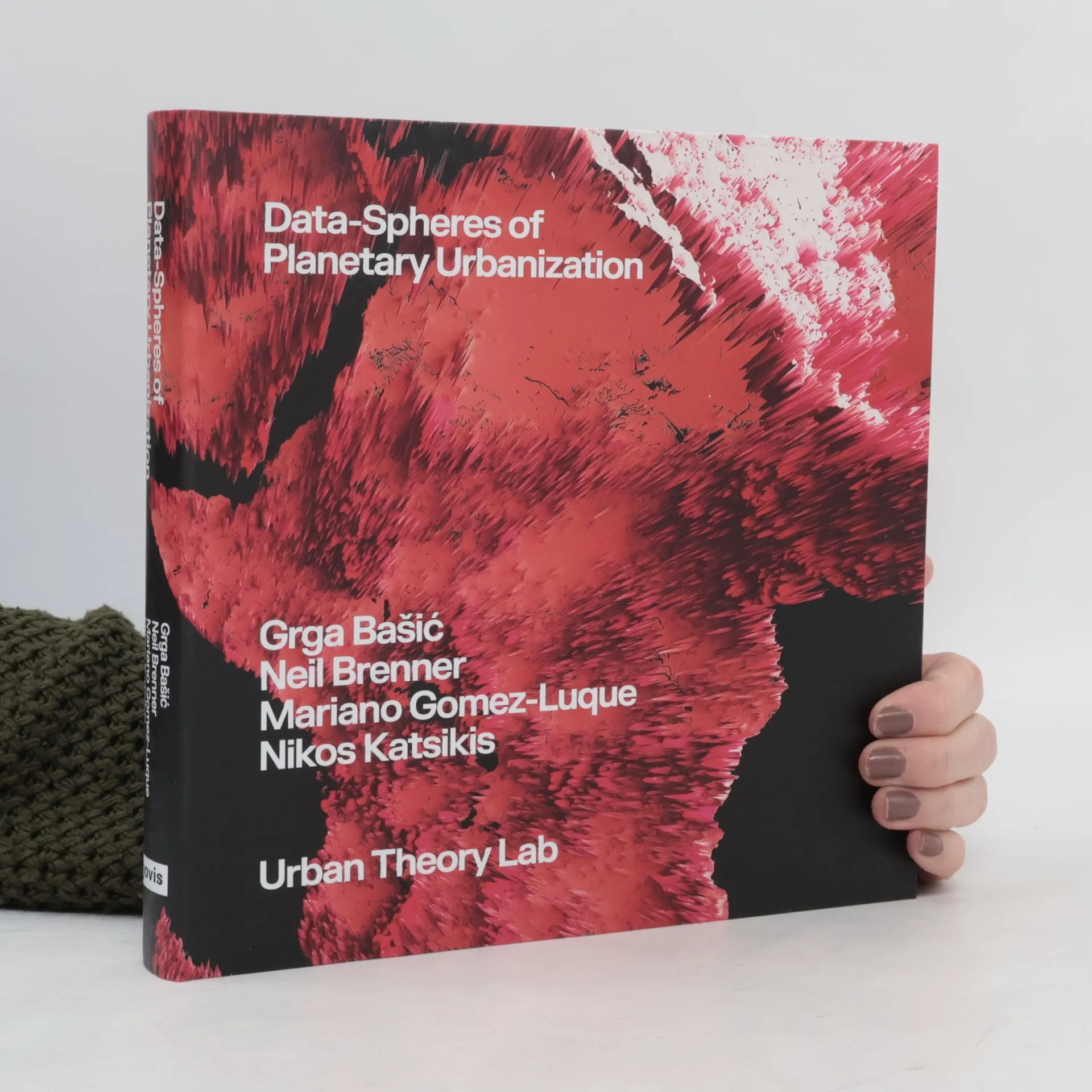
Data-Spheres of Planetary Urbanization
- 304pages
- 11 heures de lecture
How can we map the urbanization of the planet in an era of climate breakdown? The Urban Theory Lab's Data-Spheres of Planetary Urbanization confronts this question by assembling a series of experimental visualizations of the worldwide urban fabric. This book reverses the mainstream, city-centric perspective on urbanization, showing, instead, that the world of contemporary urbanization encompasses much of the planet, including apparently remote areas, wildlands, and oceans. Cities are not only producers of value, but entropic black holes that consume surpluses produced elsewhere and project waste back into the planetary biosphere. Non-city spaces are, correspondingly, the metabolic bases of planetary urbanization. With a foreword by Jason W. Moore, an afterword by Alexander Arroyo, and contributions by Martín Arboleda, Danika Cooper, Kian Goh, Julie Michelle Klinger, Roi Salgueiro Barrio, and Hashim Sarkis Shows the impact of planetary urbanization in 500 beautiful and revealing spatial data visualizations Highlights the importance of operational landscapes beyond the city Assembles theoretical and methodological texts by the Urban Theory Lab as well as critical commentaries