

Bookbot

Charles Babbage

    26 décembre 1791 – 18 octobre 1871

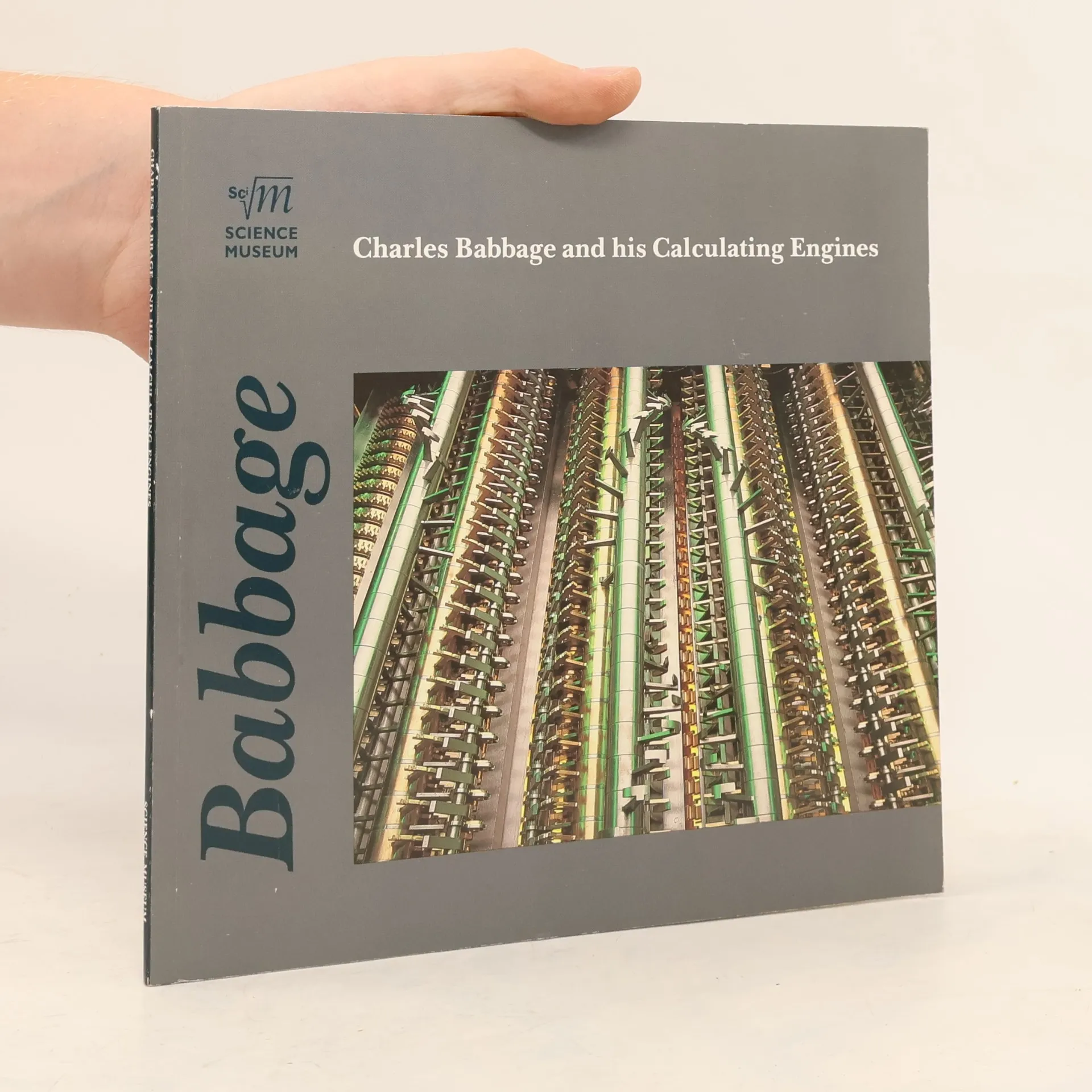
    Charles Babbage était un polymathe anglais, mathématicien, philosophe, inventeur et ingénieur mécanicien. Il est crédité de l'invention du concept d'ordinateur numérique programmable et est considéré par certains comme un "père de l'informatique". Ses inventions ont conduit à des conceptions électroniques plus complexes, toutes les idées essentielles des ordinateurs modernes se retrouvant dans sa machine analytique. Son travail varié dans différents domaines lui a valu d'être décrit comme "prééminent" parmi les nombreux polymathes de son siècle. Ses mécanismes incomplets sont exposés au Science Museum de Londres, et une machine différentielle fonctionnelle a été construite à partir de ses plans originaux.

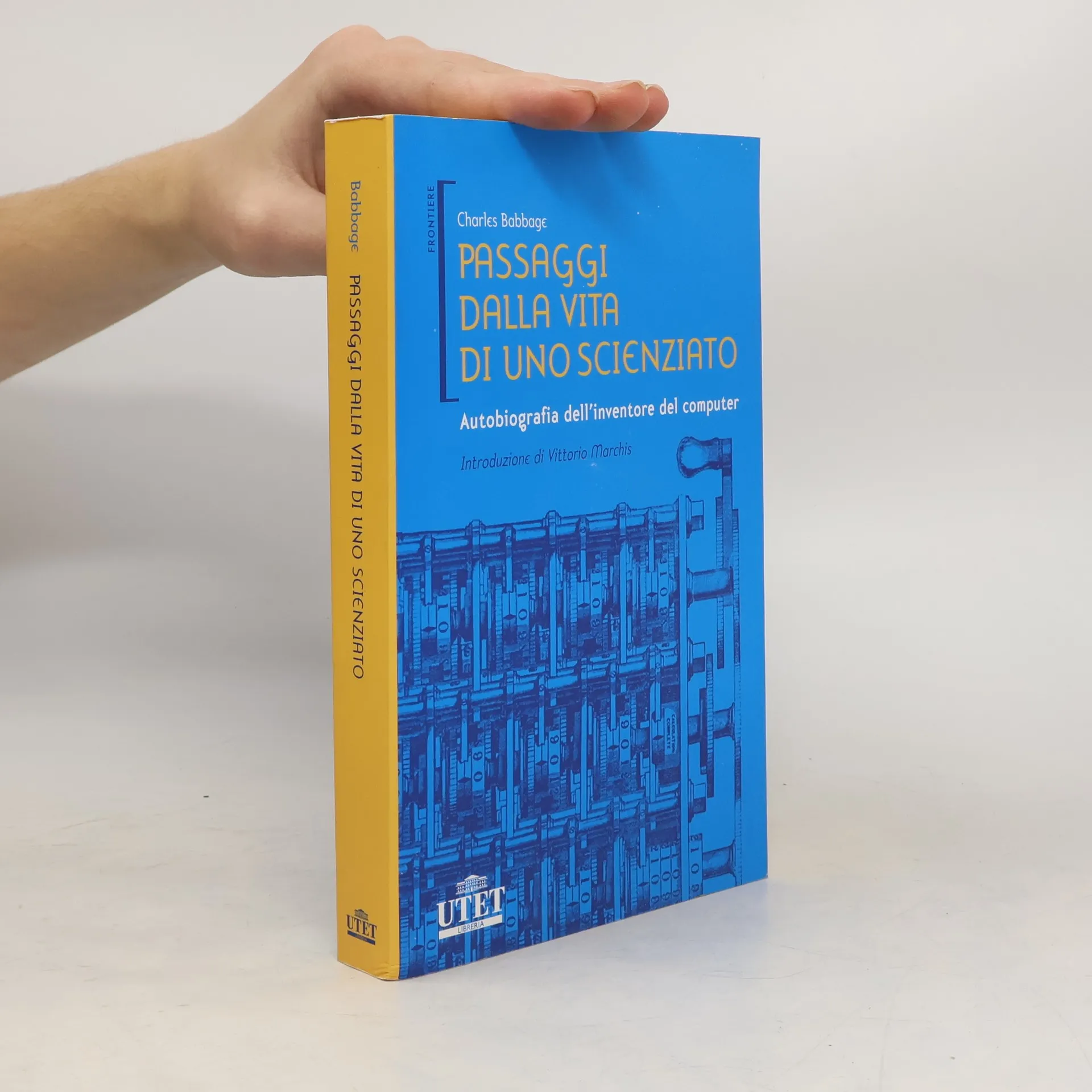
    Passaggi dalla vita di uno scienziato. Autobiografia dell'inventore del computer
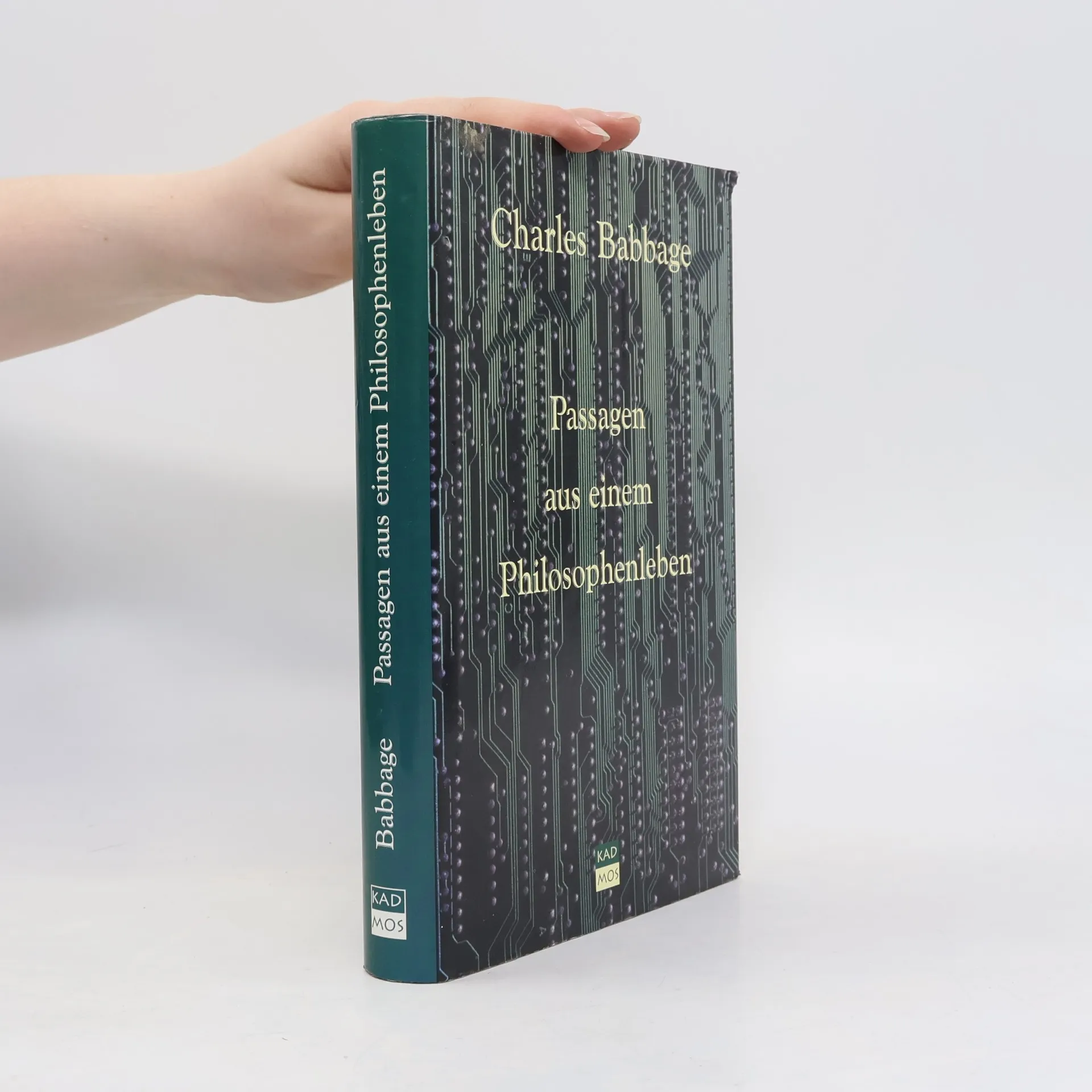
    Passagen aus einem Philosophenleben: Vorw. v. Bernhard J. Dotzler
    Reflections On The Decline Of Science In England, And On Some Of Its Causes
    • Concerns about the state of scientific research in 19th-century England are central to this work by Charles Babbage. He critiques the lack of funding, support, and educational opportunities for scientists, arguing that these deficiencies hinder national prosperity and technological progress. Babbage emphasizes the need for a robust scientific culture and infrastructure to foster innovation. He also reflects on the broader societal impacts of this decline, warning of the dangers of England losing its competitive edge in the global scientific arena.

      Reflections On The Decline Of Science In England, And On Some Of Its Causes
      3,0
    • Man wird die „Passagen aus einem Philosophenleben“ als ein Schlüsselwerk lesen können - als Lebensbeschreibung eines aufmerksamen, exzentrischen und überaus geistvollen Zeitgenossen, als Reise durch die Gedankenwelt der frühen Moderne - und zugleich: als die vergessene Initiale unserer Gegenwart, in der wir zwar den „Personal Computer“ vor uns haben, aber keine Person mehr damit assoziieren. „Welches von unseren heutigen Büchern wird wohl im Jahre 2130 noch vergleichbar frisch sein?“ (Frankfurter Allgemeine Zeitung) „Ein verrücktes Buch (und endlich übersetzt).“ (DIE ZEIT)

      Passagen aus einem Philosophenleben: Vorw. v. Bernhard J. Dotzler