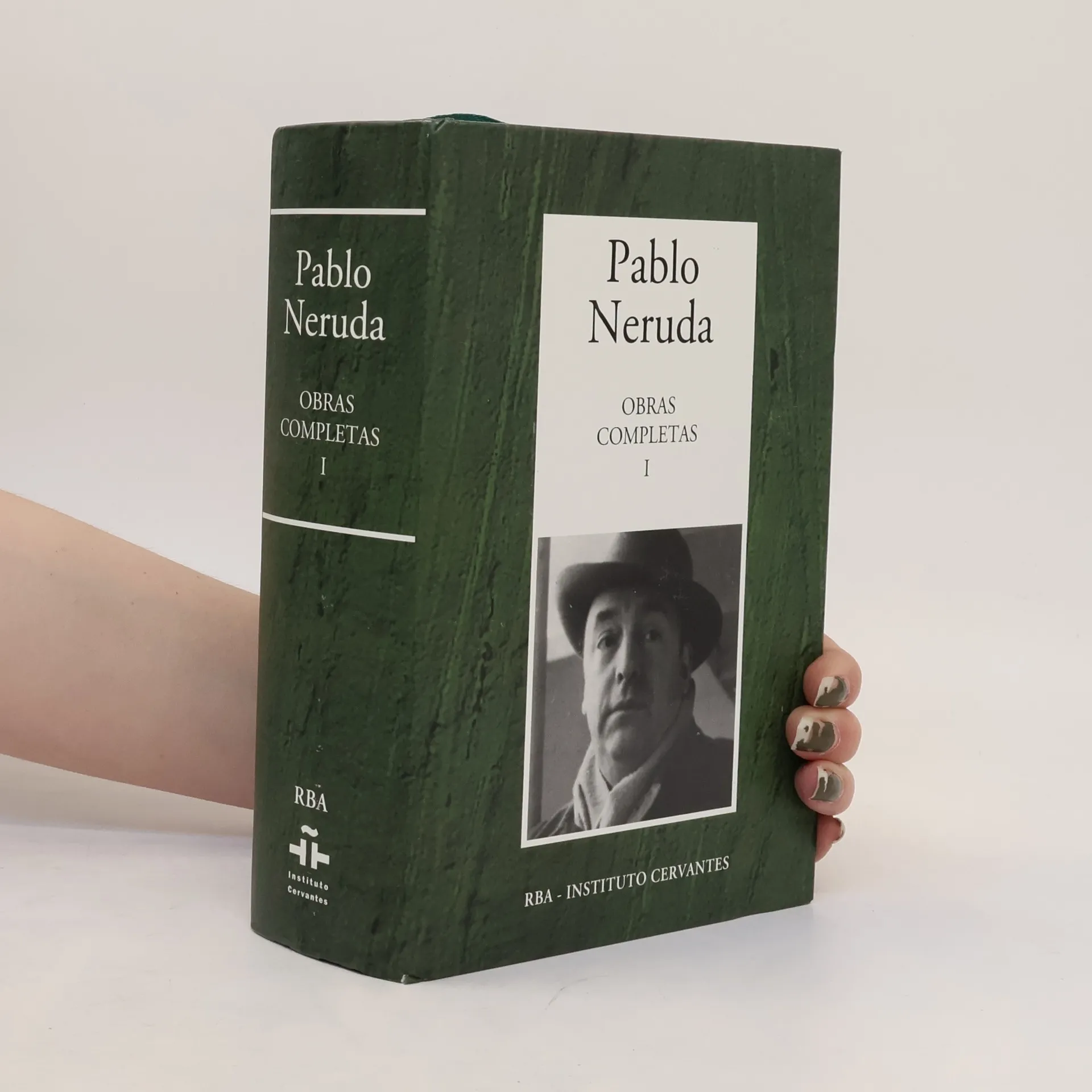
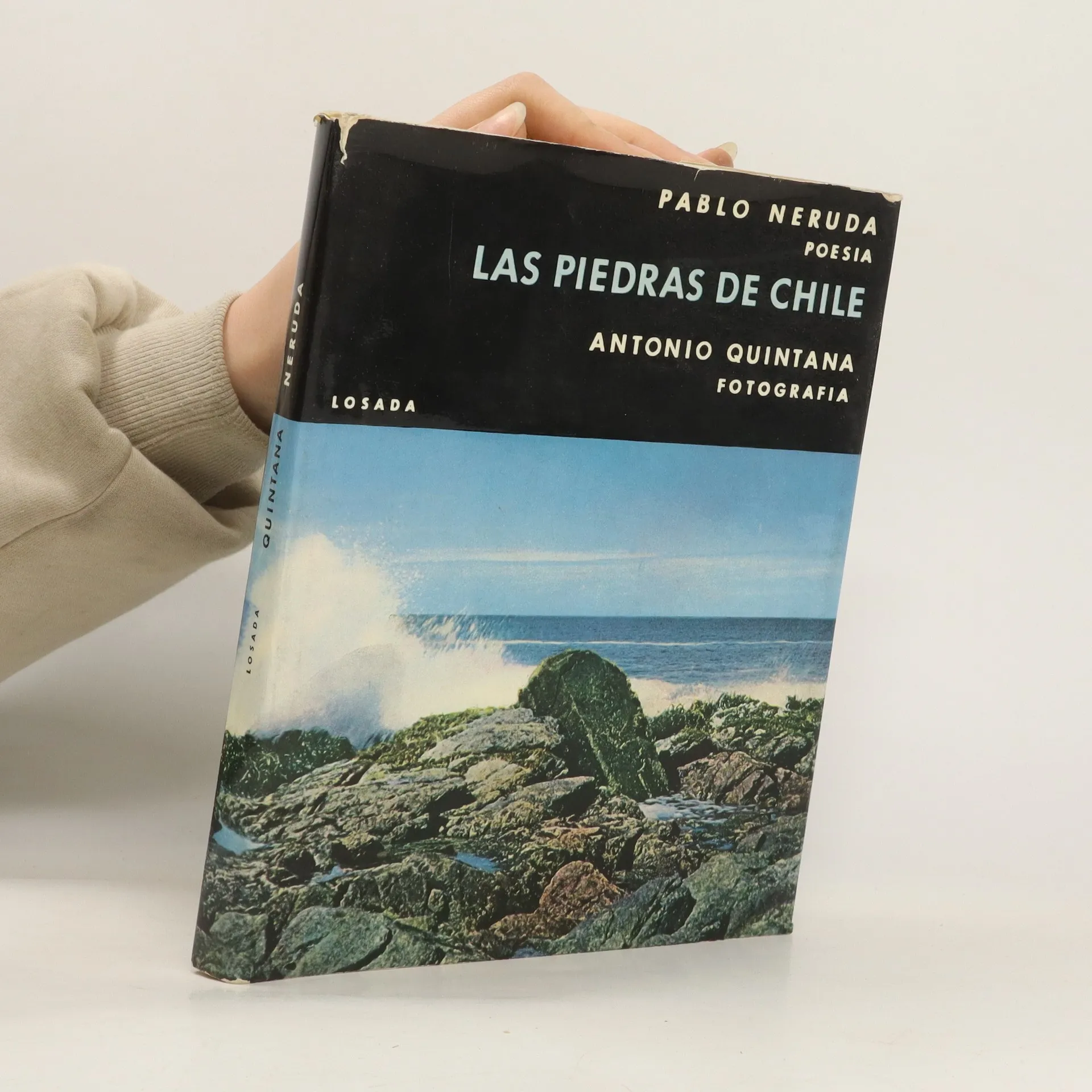
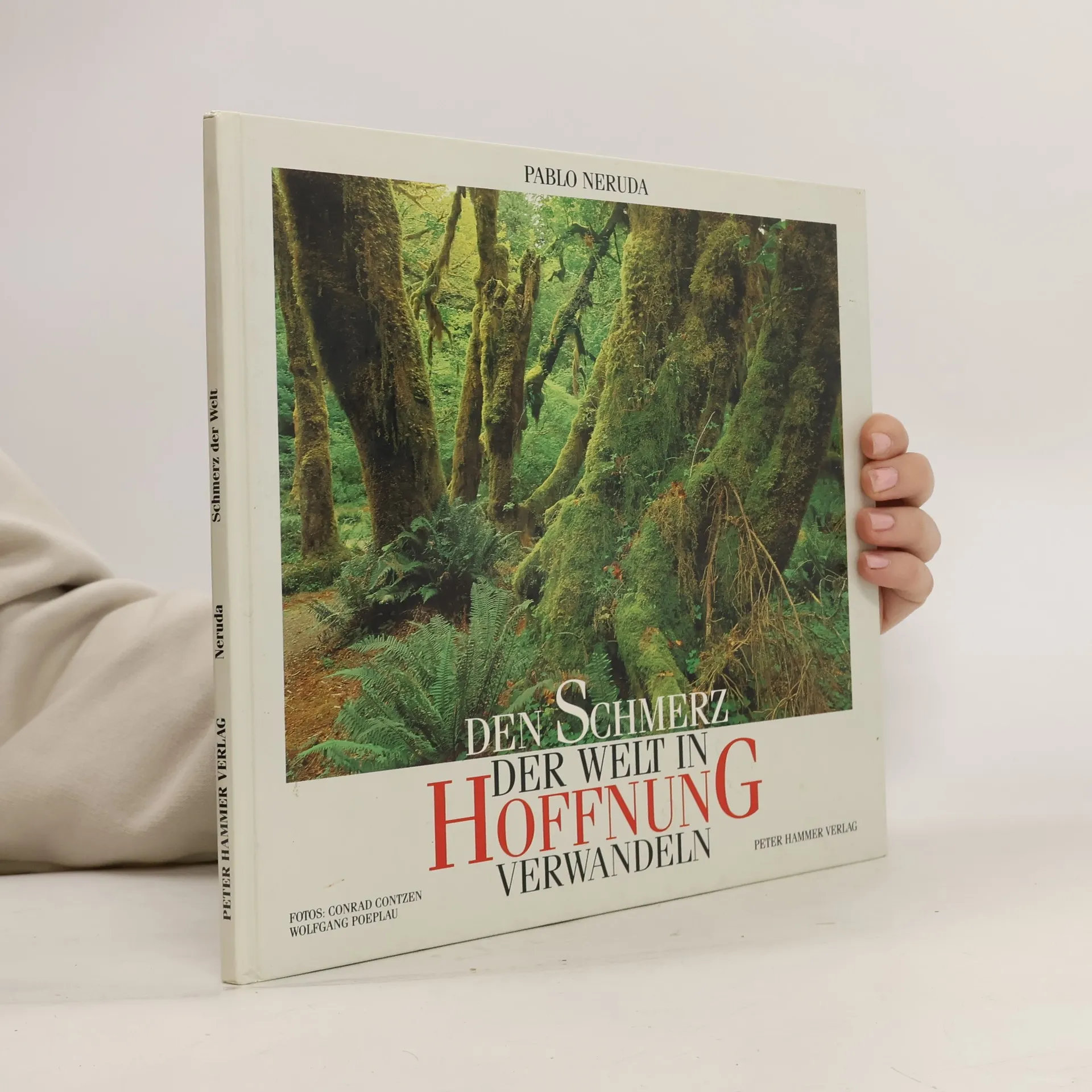
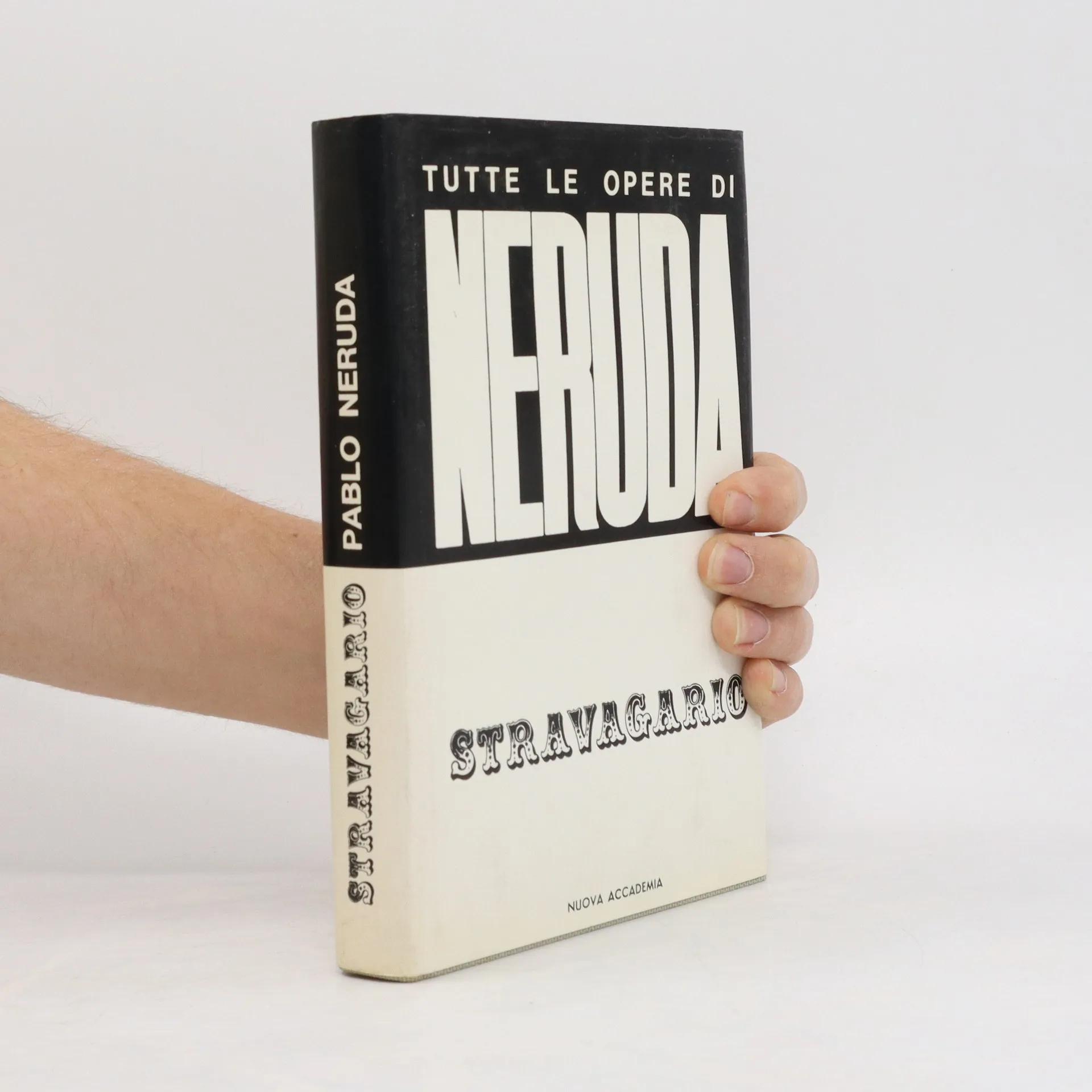
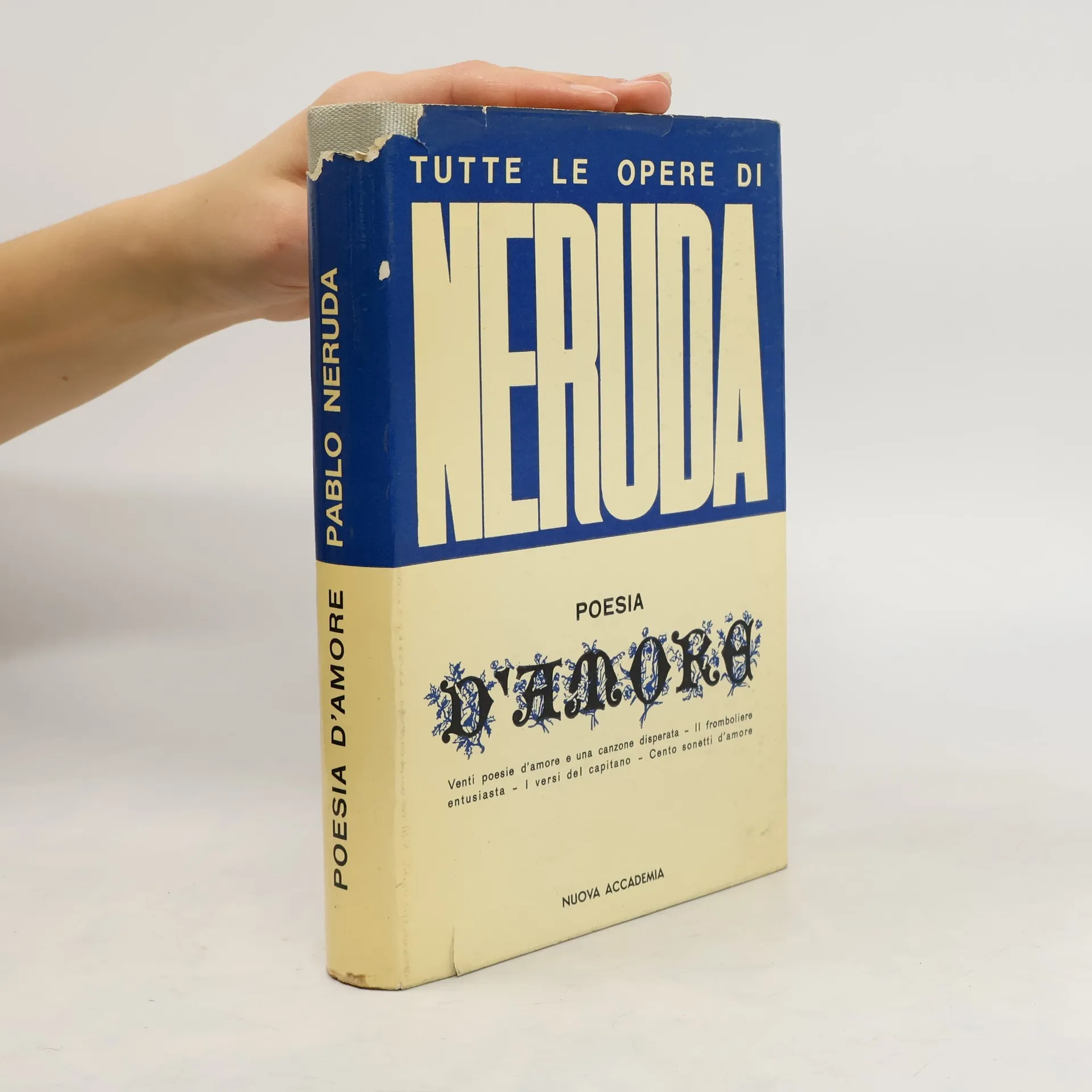
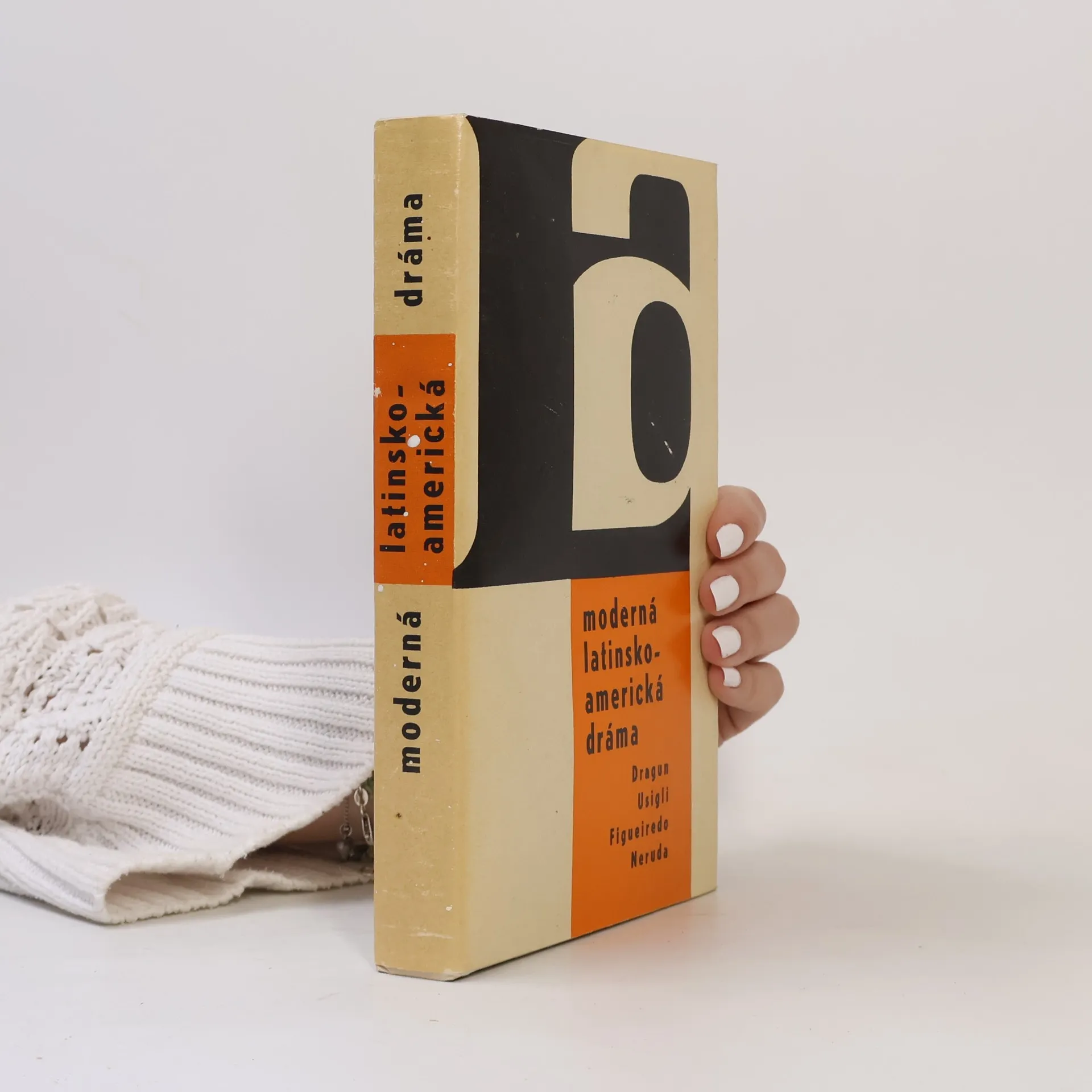
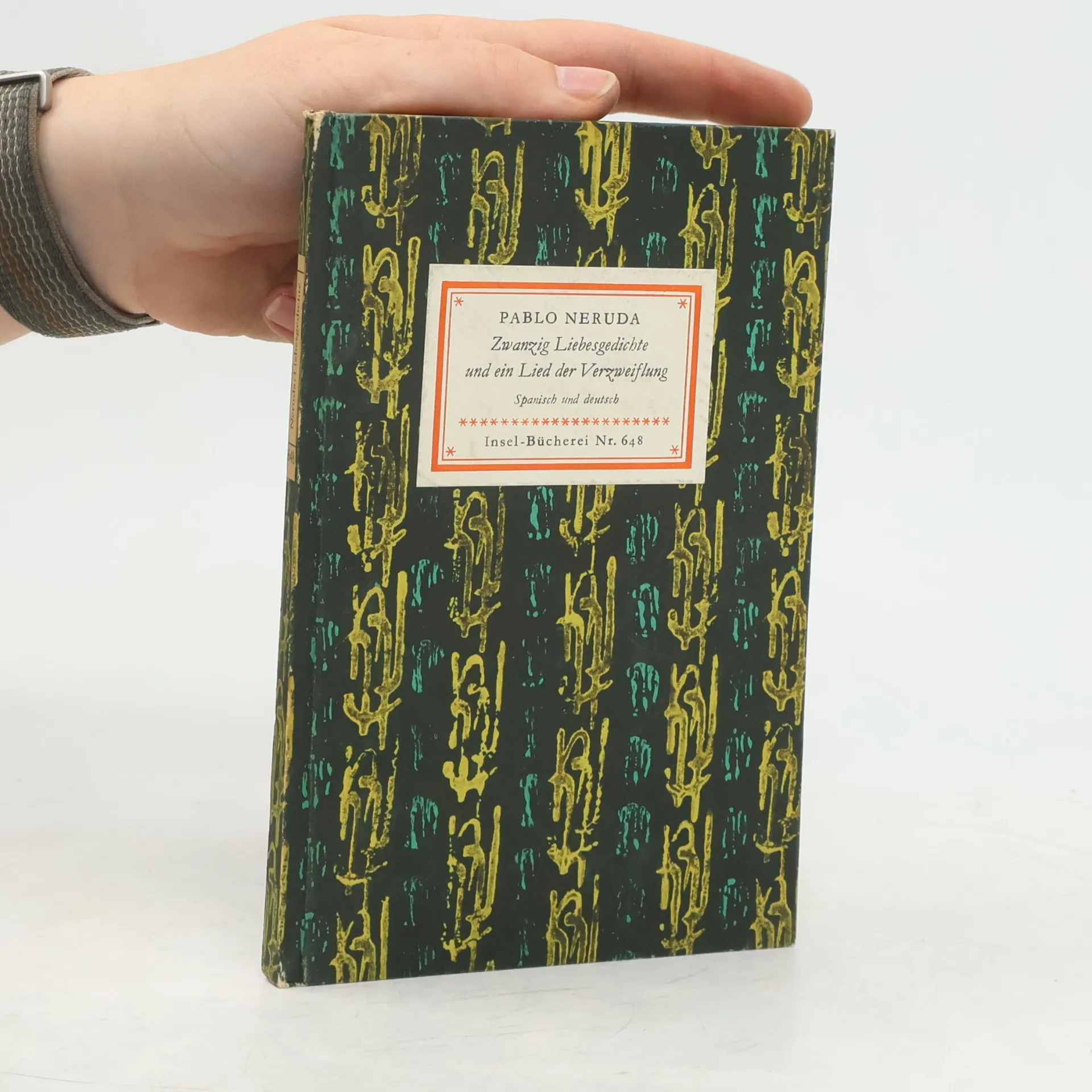
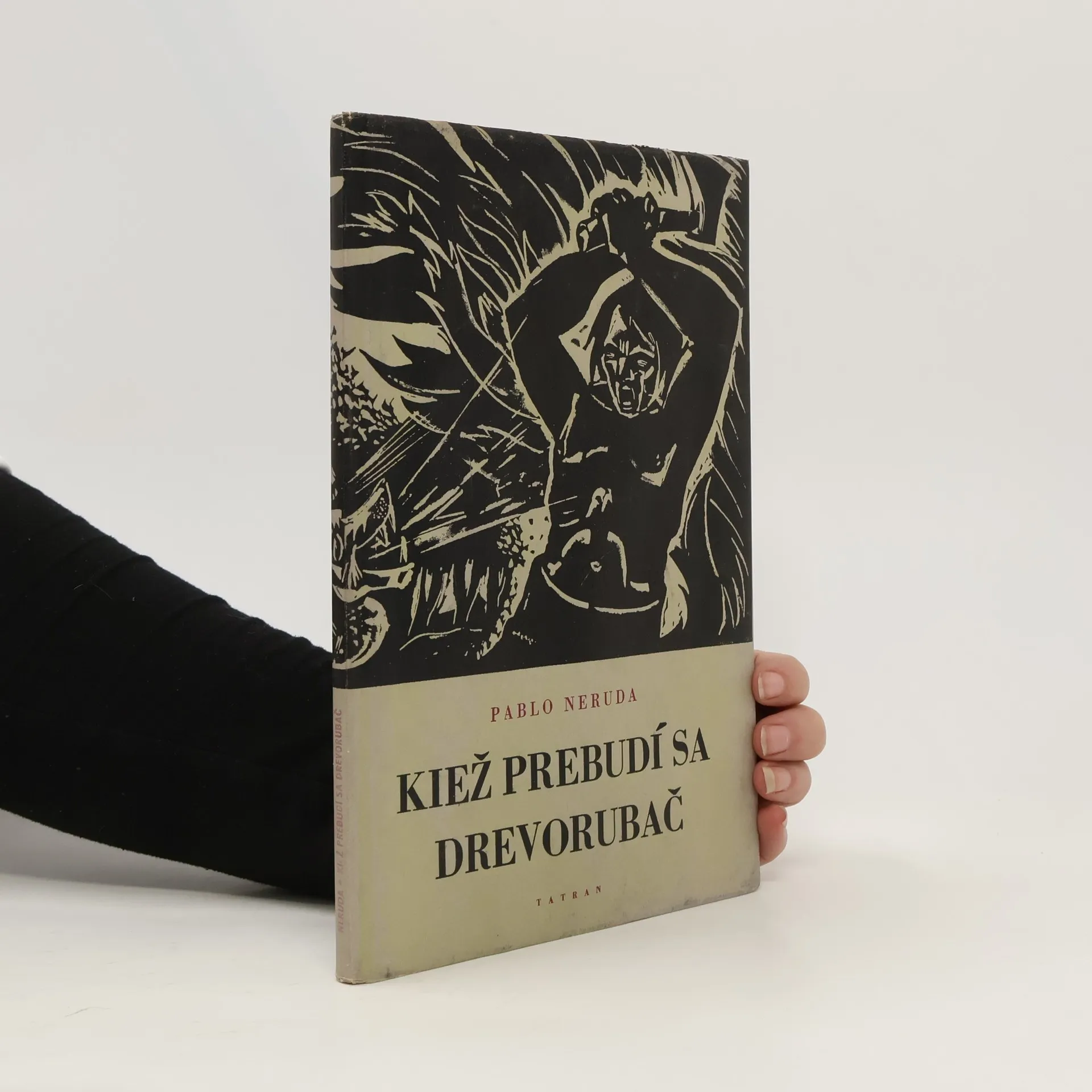
La collection la plus complète des œuvres de Pablo Neruda, l'un des écrivains les plus vénérés d'Amérique latine, est une célébration de la poésie qui a marqué le XXe siècle. Neruda, souvent appelé "le poète du peuple", a écrit plus de trente-cinq livres de poésie, et son œuvre réveille la conscience d'un continent. Cette sélection présente près de six cents poèmes, dont beaucoup sont offerts dans de nouvelles traductions, parfois accompagnées de l'original. La poésie de Neruda explore des thèmes universels tels que l'amour, la nature, l'engagement politique et l'identité, tout en reflétant son attachement à son pays natal et à ses racines. Son héritage vibrant continue d'inspirer des générations de lecteurs et d'écrivains, témoignant de la puissance intemporelle de sa voix poétique.
Pablo Neruda Livres
Pablo Neruda, né Neftalí Ricardo Reyes Basoalto, était un écrivain et homme politique chilien dont la production littéraire a couvert une remarquable gamme de styles. Sa poésie s'étendait de vers d'amour intensément passionnés et d'explorations surréalistes à de grandes épopées historiques et des déclarations politiques puissantes. Largement considéré comme l'un des poètes les plus importants et influents du XXe siècle, son impact résonne mondialement à travers des œuvres traduites dans de nombreuses langues. L'écriture de Neruda explore souvent des thèmes profonds tels que l'amour, la conviction politique et la condition humaine.



Dans les plus de cent poèmes contenus dans Isla Negra , Pablo Neruda a façonné une sorte d'autobiographie poétique dans laquelle il s'est efforcé d'explorer et de rassembler les diverses "vies" ou "soi" qu'il avait laissées derrière lui dans l'immense étendue de son existence d'écrivain. Écrit durant sa période "automnale", du point de vue d'Isla Negra, le petit village sur la côte pacifique du Chili qu'il en est venu à considérer comme le centre de son monde, le livre se lit comme une série de notes où le présent et le passé interagissent, et est peut-être la plus introspective de toutes ses collections.
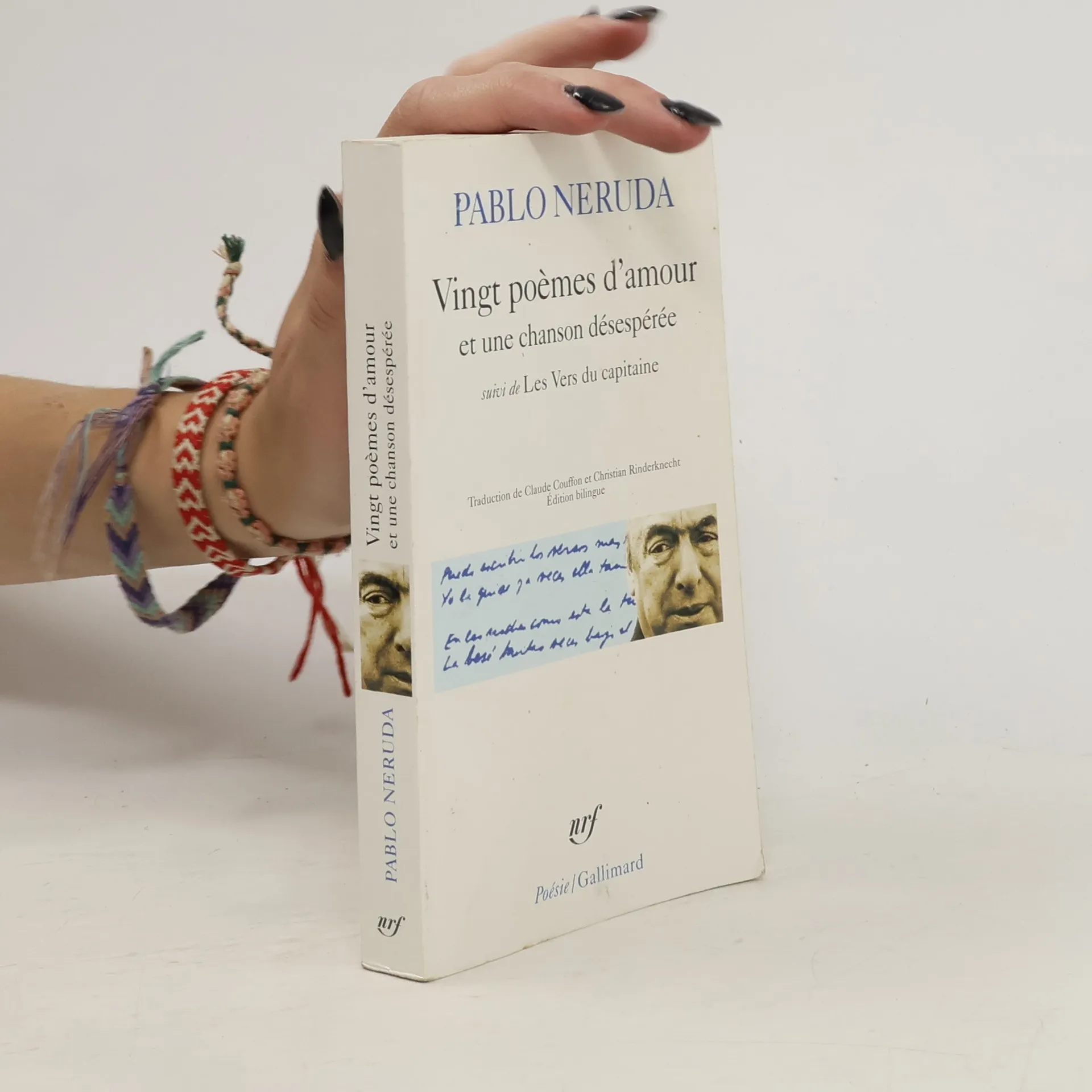
Vingt poèmes d'amour et une chanson désespérée
(suivi de) Les Vers du capitaine
- 332pages
- 12 heures de lecture
Vingt poèmes d'amour et une chanson désespérée suivi par Les vers du capitaine forme le livre d'une célébration nouvelle : l'amour y est toujours surprise, risque, désir, submersion, insurrection perpétuelle. L'homme y est autre, la femme y est autre, l'un et l'autre non pas meilleurs, mais en alerte, sur le qui-vive et, par là, plus vivants. Les Vingt poèmes d'amour ont connu, dans tout l'univers hispanique, une extraordinaire fortune, plus d'un million d'exemplaires diffusés. Les vers du capitaine, qui semblent l'œuvre d'un forban inspiré, ont d'abord été publiés anonymement - pour préserver le secret de la relation amoureuse, dira Neruda - avant, eux aussi, de chanter dans toutes les mémoires du Chili, d'Amérique et d'Espagne. Généreuse, sensuelle, éblouie, passionnée est la poésie de Pablo Neruda. Militante également, si l'on accorde à ce terme son poids de révolte, de fraternité, d'utopies partagées. La parole de Neruda, c'est d'abord un élan, une houle de mots qui font sens et font chant. Cela touche au cœur et au corps avant de monter à la tête. L'écriture ici, même quand elle se nourrit des tourments du monde, est une fête, un plaisir, une jouissance.
Édition bilingue (français/espagnol) de la première partie de l'autobiographie de l'auteur, de sa naissance à son arrivée à Rangoon, en Birmanie (à l'âge de 24 ans - en 1928). L'auteur a vécu encore 45 ans, qui sont décrits, je suppose, dans le reste de la biographie non inclus ici.
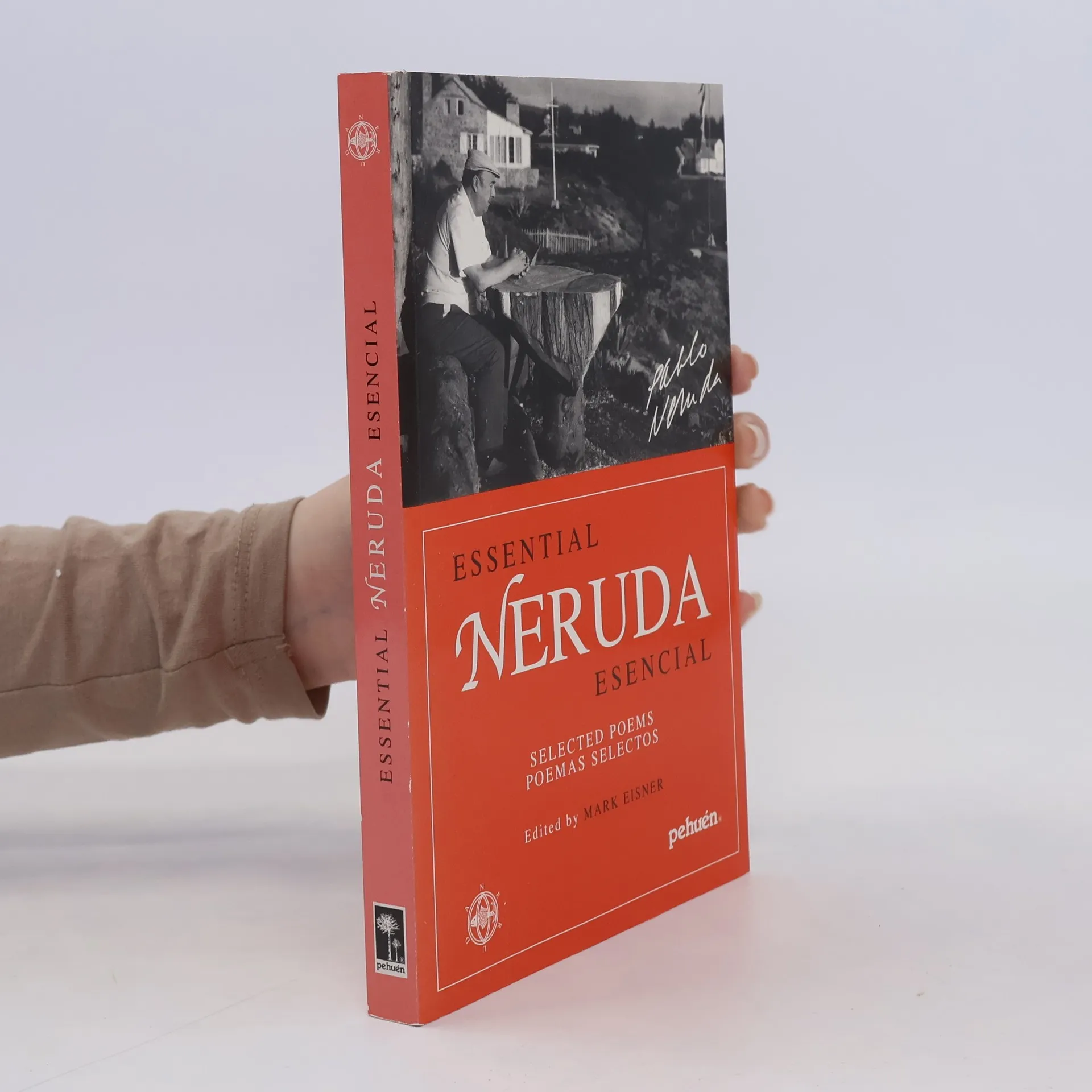
Neruda esencial. Essential Neruda
- 195pages
- 7 heures de lecture
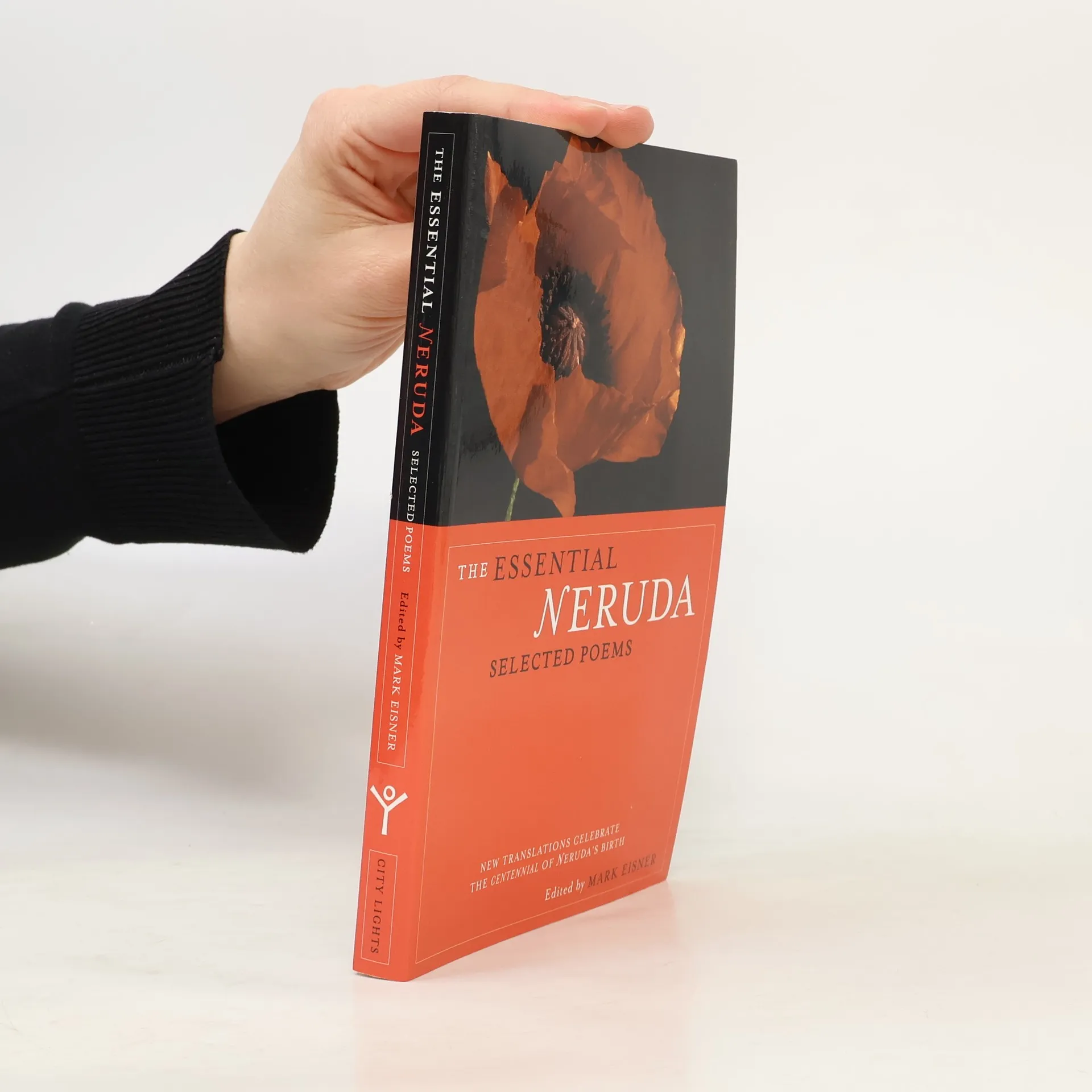
This collection presents fifty of the most essential poems by one of history's greatest poets in dynamic new translations, the result of an unprecedented collaboration among a team of poets, translators, and the world's leading Neruda scholars. A definitive selection that draws from the entire breadth of Neruda's various styles, themes, and periods, The Essential Neruda breathes new life and understanding into the work of one of Latin America's -- and the world's -- treasures. This collection of Neruda's most essential poems will prove indispensable. Selected by a team of poets and prominent Neruda scholars in both Chile and the U.S., this is a definitive selection that draws from the entire breadth and width of Neruda's various styles and themes. An impressive group of translators that includes Alistair Reid, Stephen Mitchell, Robert Haas, Stephen Kessler and Jack Hirschman, have come together to revisit or completely retranslate the poems; and a handful of previously untranslated works are included as well. This selection sets the standard for a general, high--quality introduction to Neruda's complete oeuvre. Pablo Neruda was born in Chile in 1904. He received the Nobel Prize for Literature in 1971.
This collection of Neruda’s most essential poems will prove indispensable. Selected by a team of poets and prominent Neruda scholars in both Chile and the United States, this is a definitive selection that draws from the entire breadth and width of Neruda’s various styles and themes. An impressive group of translators that includes Alaistair Reid, Stephen Mitchell, Robert Hass, Stephen Kessler and Jack Hirschman have come together to revisit or completely retranslate the poems. A bilingual edition, with English on one side of the page, the original Spanish on the other. This selection sets the standard for a general, high--quality introduction to Neruda’s complete oeuvre. Pablo Neruda was born in Chile in 1904. He received the Nobel Prize for Literature in 1971.
Fully Empowered
- 144pages
- 6 heures de lecture
An important collection that includes some of the Nobel Prize winner's own favorite poems. "The Sea" A single entity, but no blood. A single caress, death or a rose. The sea comes in and puts our lives together and attacks alone and spreads itself and sing sin nights and days and men and living creatures. Its essence-fire and cold; movement, movement. Pablo Neruda himself regarded Fully Empowered -- which first appeared in Spanish in 1962 under the title Plenos Poderes -- as a particular favorite, in part because it came out of a most fruitful period in his life. These thirty-six poems vary from short, intense lyrics to characteristic Neruda odes to magnificent meditations on the office of poet, including poems that would undoubtedly claim a place in any selection of Neruda's greatest work. "The People" ("El Pueblo"), about the state of the working man in Chile's past and present, and the most celebrated of Neruda's later poems, completes this reflective, graceful collection.
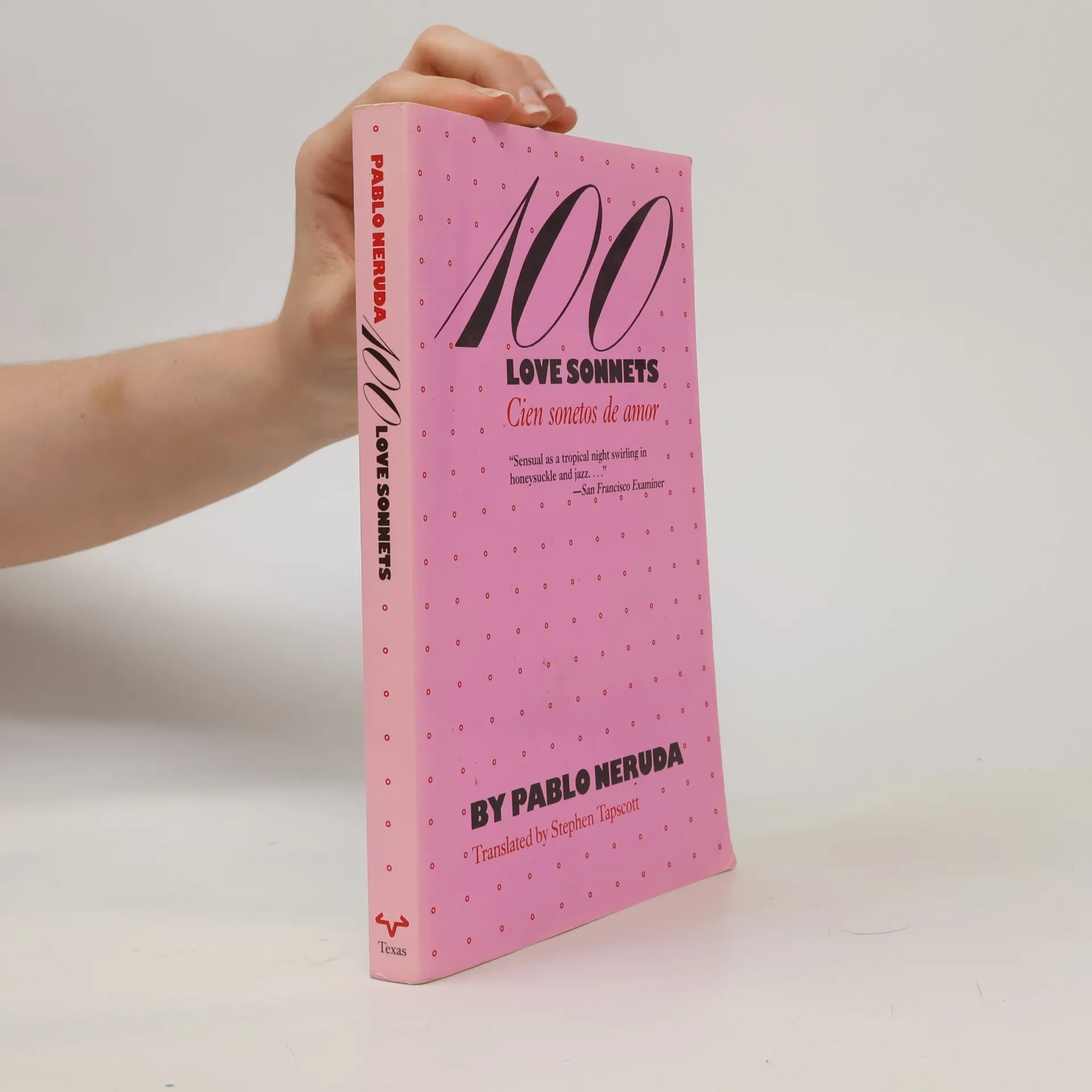
Against the backdrop of Isla Negra — the sea and wind, the white sand with its scattering of delicate wild flowers, the hot sun and salty smells of the Pacific — Nobel laureate Pablo Neruda sets these joyfully sensual poems in celebration of his love. The subject of that love: Matilde Urrutia de Neruda, the poet's "beloved wife." As popular in the Hispanic world as the poet's renowned Twenty Love Poems and a Song of Despair,One Hundred Love Sonnets has never before been published in its entirety in English translation. The reason for this astonishing neglect may lie in the historical circumstances that surrounded Neruda's "discovery " by English-speaking readers. In the United States he came to popularity during the turmoil of the sixties, when Americans needed a politically committed poet, and much of Neruda's canon answered that need. But, in his native Chile and throughout Latin America, Neruda has always been cherished as dearly for the earthly sensuality and eroticism of his love poetry as for his statements of political belief. To know this work, then is to understand the poet's art more thoroughly.
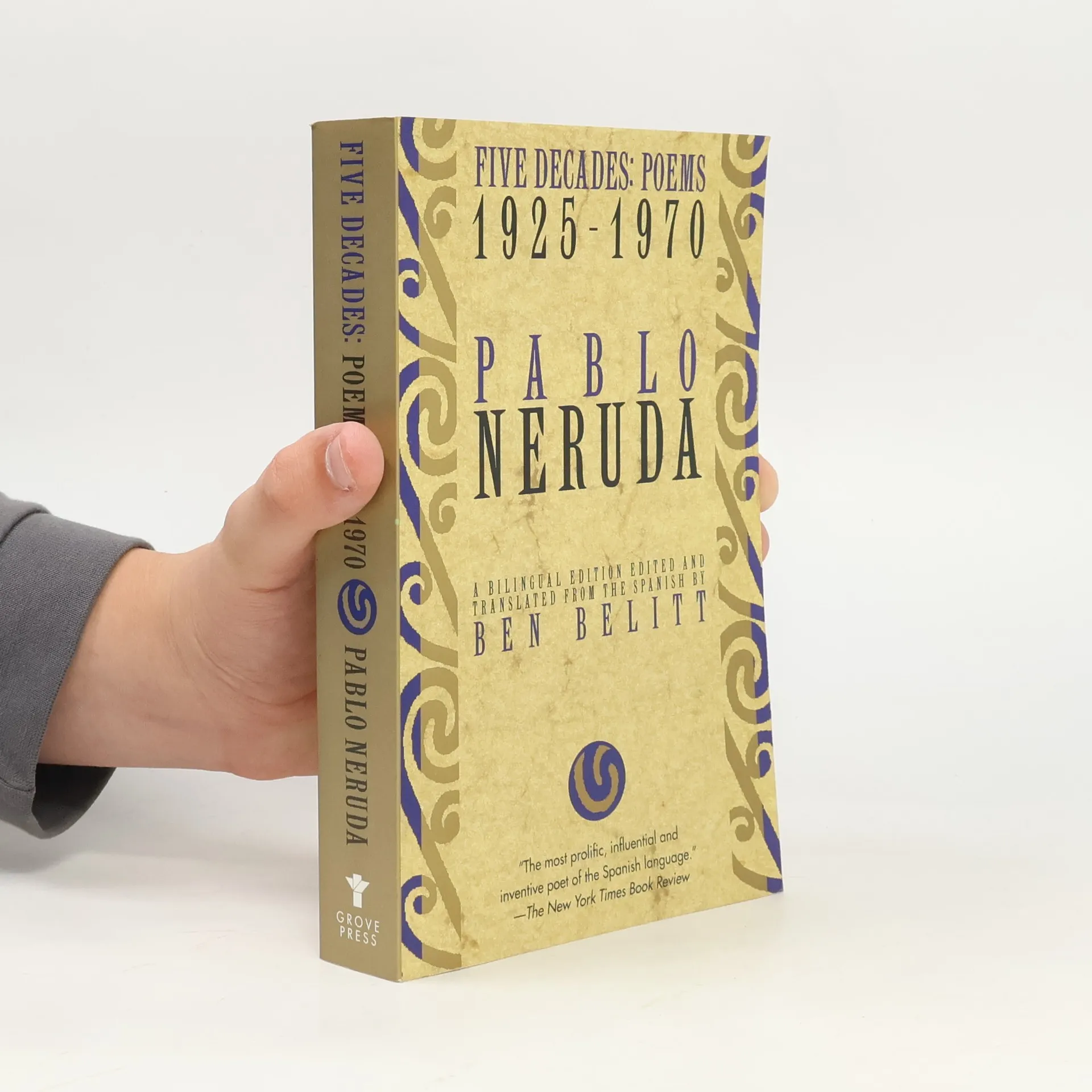
Five Decades: Poems 1925-1970 - A Bilingual Edition
- 464pages
- 17 heures de lecture
This bilingual collection features the definitive poetry of Pablo Neruda, the 1971 Nobel Prize winner. It includes 138 selections from his major works, showcasing his earthy love poems and incisive political verses, reflecting his profound influence as a poet in the twentieth century.
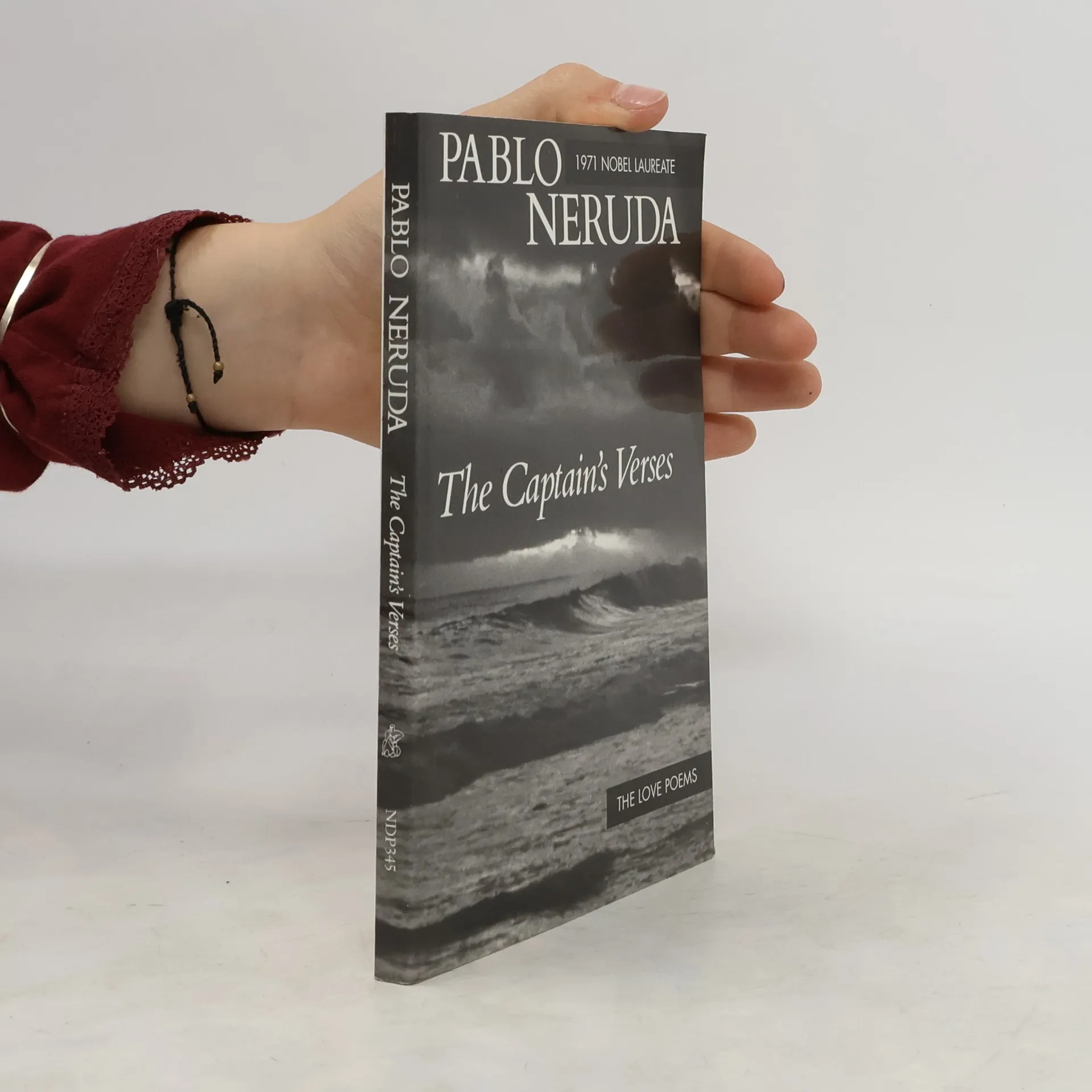
The Captain's Verses
- 151pages
- 6 heures de lecture
Long before he received the 1971 Nobel Prize, Pablo Neruda had attained worldwide recognition as one of the most important figures in contemporary poetry. A fiery poet of leftist politics, he was also a fiery poet of love. This translation of The Captain’s Verses is a major achievement in the genre of love poetry. Neruda originally published the book anonymously, some years before he married Matilde Urrutia, to whom he had addressed these poems of passionate devotion as well as love’s quarrels. The first “acknowledged” edition appeared in 1963. In this collection, the Chilean poet’s brilliant images are expressed with remarkable directness and simplicity. And Donald D. Walsh’s translations, with the Spanish en face, succeed in giving a sense of that simple, lucid strength.
Neruda's Spanish text is presented with in face translations in this comprehensive collection of his works.
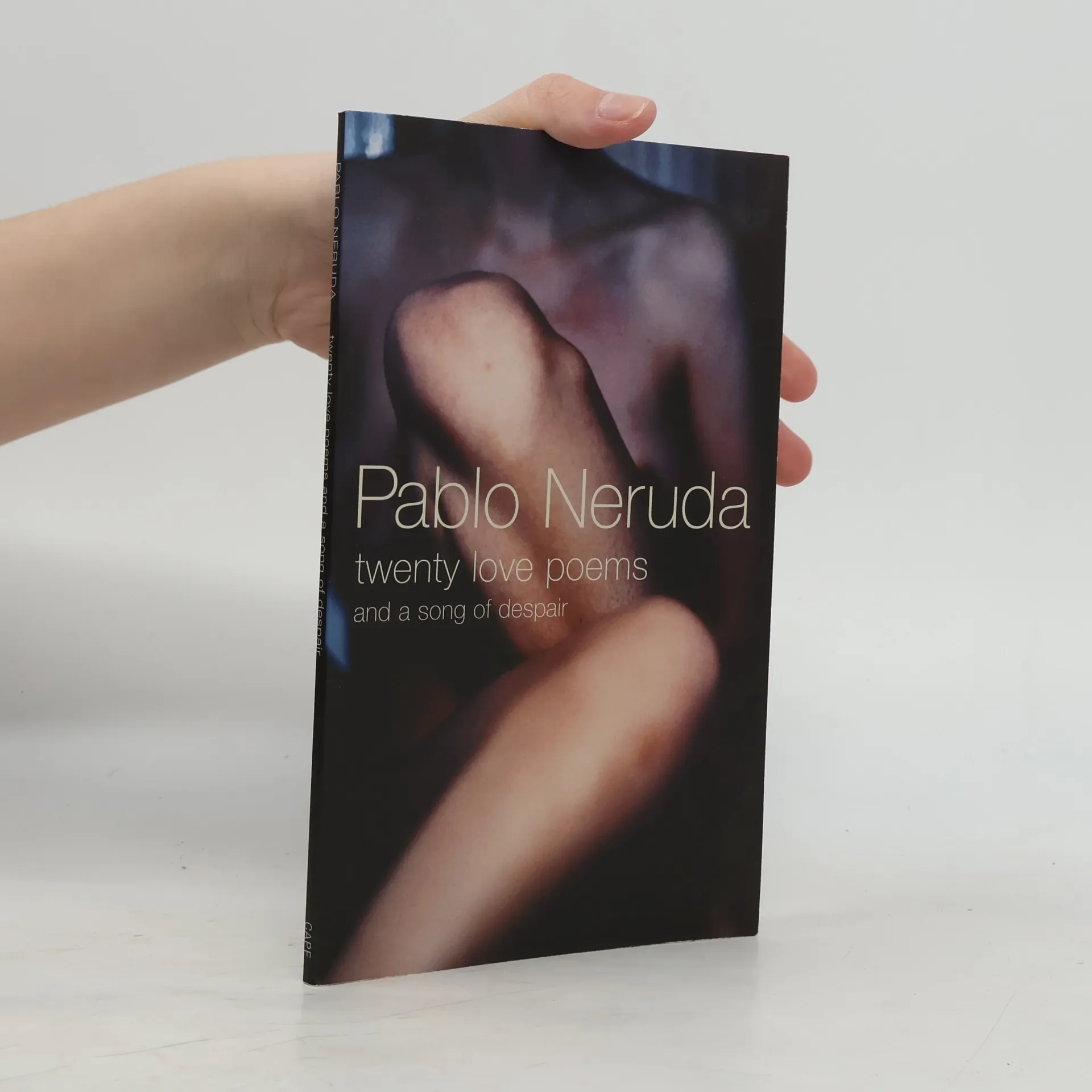
Twenty Love Poems and a Song of Despair
- 65pages
- 3 heures de lecture
The Chilean Pablo Neruda (1904-1973) was probably the greatest and certainly the most prolific of twentieth-century Latin American poets. He brought out his first collection at the age of seventeen, and quickly developed an assured and distinctive poetic voice. His third book, Veinte Poemas de Amor y una Cancion Desesperada - Twenty Love Poems and a Song of Despair - was published in 1924 and attracted international acclaim. It remains one of the most celebrated and admired books of erotic poetry published in the last hundred years, with over a million copies sold worldwide. Neruda was awarded the Nobel Prize in 1971.
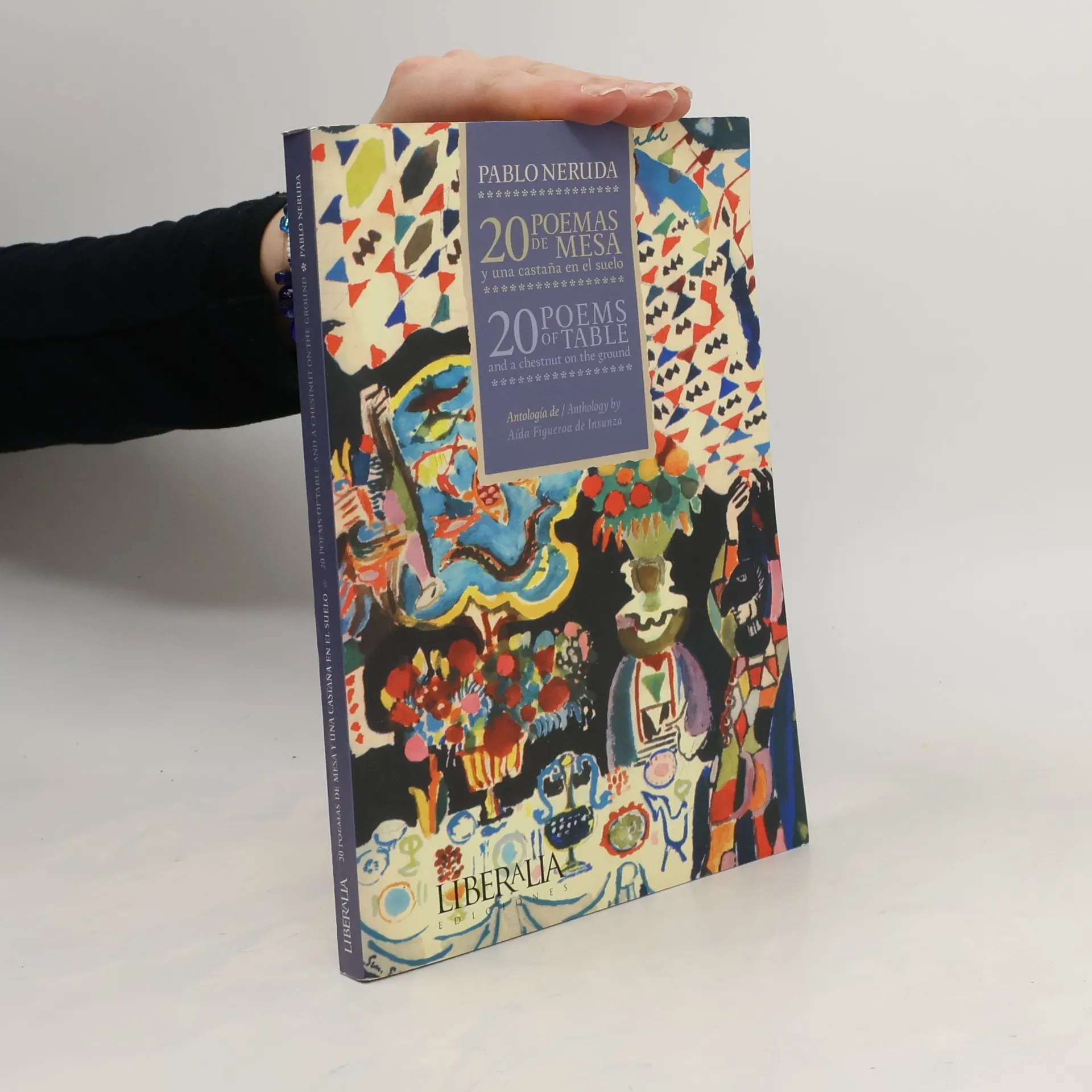
20 Poemas de Mesa y una castaña en el suelo. 20 Poems of Table and a chestnut on the ground
- 175pages
- 7 heures de lecture
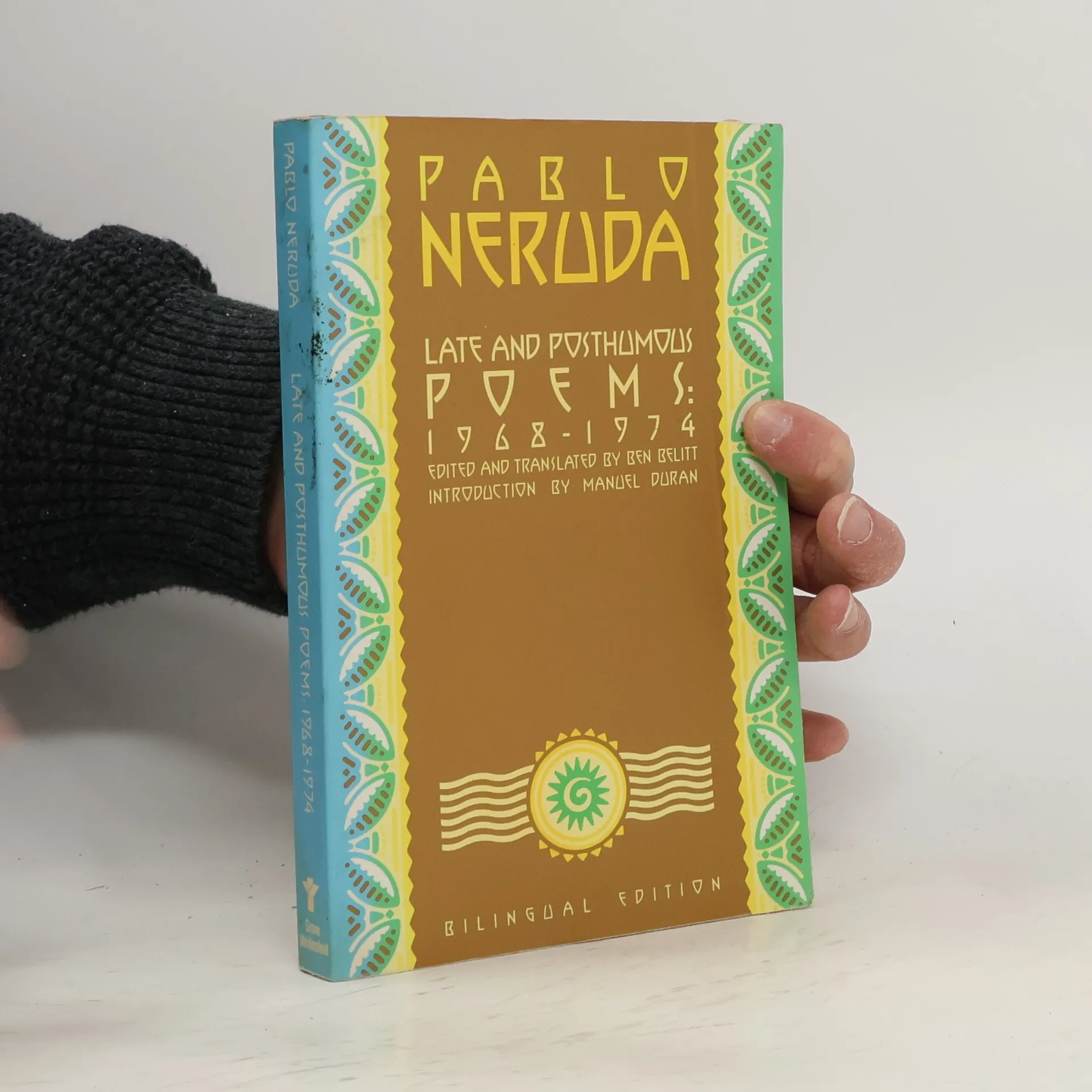
Late and Posthumous Poems, 1968-1974
- 288pages
- 11 heures de lecture
This bilingual anthology showcases the posthumous legacy of Pablo Neruda, the renowned Chilean poet and Nobel laureate. Translated by esteemed poet Ben Belitt, it presents Neruda's unpublished works, capturing his vibrant and interconnected life's work.
Poems from the Film Il Postino The poems collected in this book are at the heart of the film Il Postino, a cinematic fantasy spun from an apocryphal incident in the life of the Chilean poet and Nobel laureate, Pablo Neruda. Together they show why many consider Neruda to be the finest love poet of the century. Few writers of any age have described the pleasures and torments of erotic love with such unsentimental directness and sensual precision. Here we find Neruda at his most accessible, the language of his odes and lyrics refined to the point at which it achieves, in critic Jean Franco's words, "the naturalness of song". This short selection draws on work from throughout his writing life, from the famous early collection Twenty Love Songs and a Song of Despair (1924) to the key works of his maturity, Residence on Earth (1935), Elemental Odes (1954) and the autobiographical Memorial de Isla Negra (1964). It offers an enticing glimpse of one of modern poetry's greatest masters.
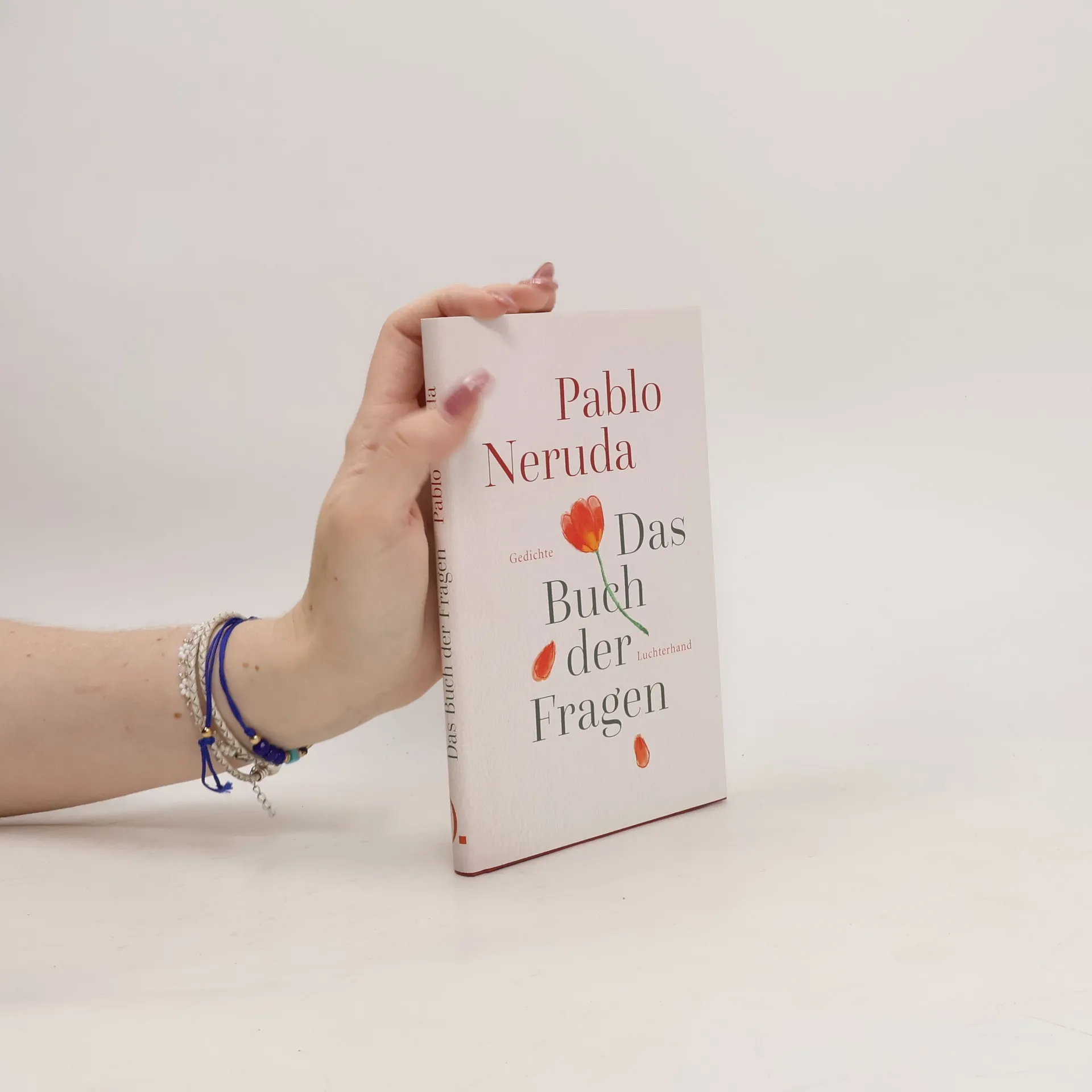
"This Spanish-English bilingual edition is the first fully illustrated selection of Book of Questions: comprising 70 questions of the original 320, these poems, carefully woven together by theme and accompanying full-page illustrations, invite us to wonder at the natural world and the myriad mysteries it contains. "Book of Questions," written by beloved Chilean poet and Nobel Prize winner Neruda, was completed just months before his death in 1973, and is his last great work of poetry. By turns lyrical and cosmic, dreamlike and nonsensical, paradoxical and playful, each of these unanswerable questions asks us to set aside certainty and constraint and to enter into the vastness of the unknown. With riddles like "Where is the center of the sea? / Why don't waves break there?" and "What do you call a flower / that flits from bird to bird?", Neruda inspires us to unravel our assumptions and re-envision our relationship to nature. The only answer that is sure to arise from these questions is a closer observation of and reflection on the world in which we live, and a renewed sense of curiosity and wonder at our shared universe"--
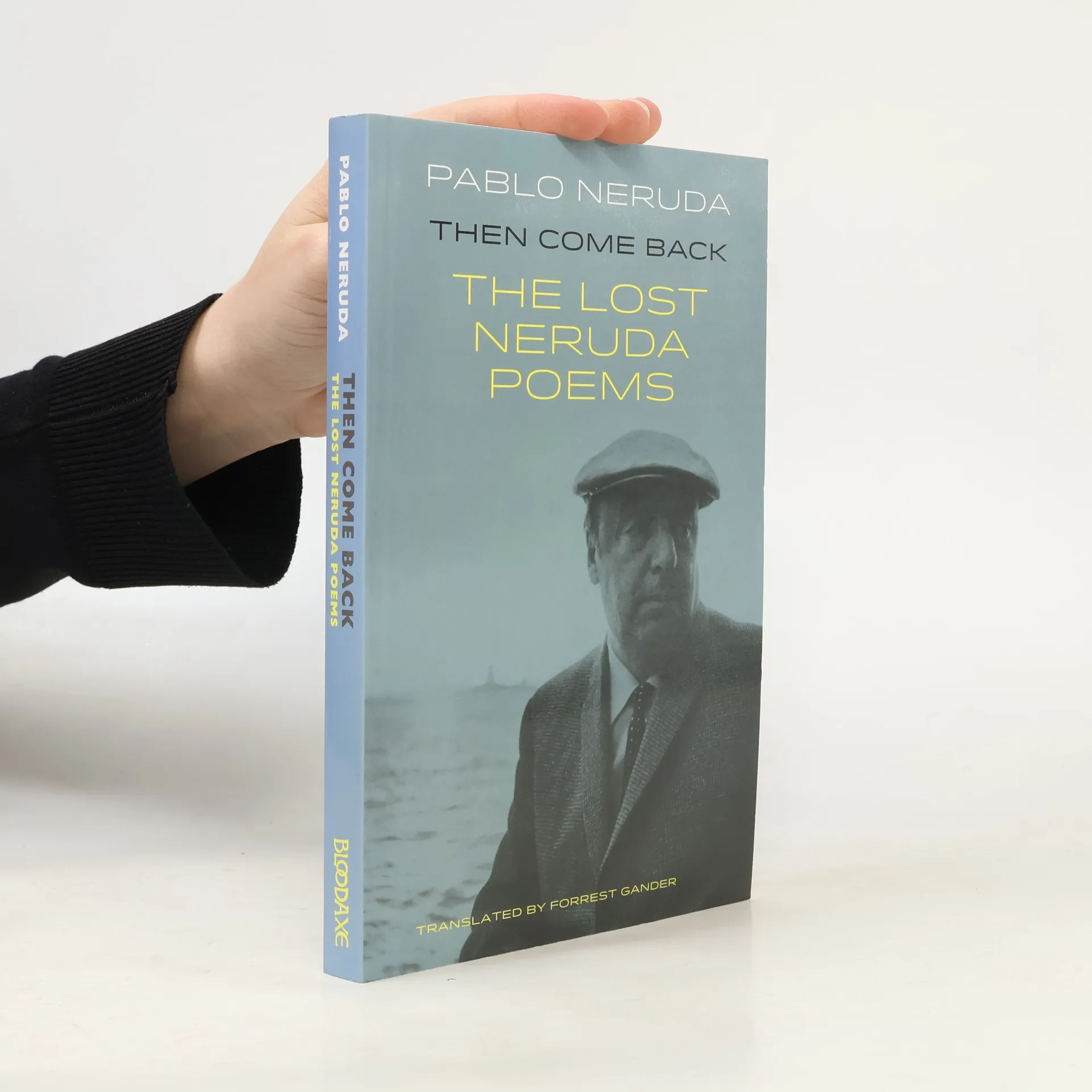
Then Come Back
- 192pages
- 7 heures de lecture
This stunning collection gathers never-before-seen poems, found by archivists in boxes kept at the Pablo Neruda Foundation in Chile in 2014 presented here in Engllish and Spanish alongside full-colour reproductions of the poems in their original composition on napkins, playbills, receipts, and in notebooks.
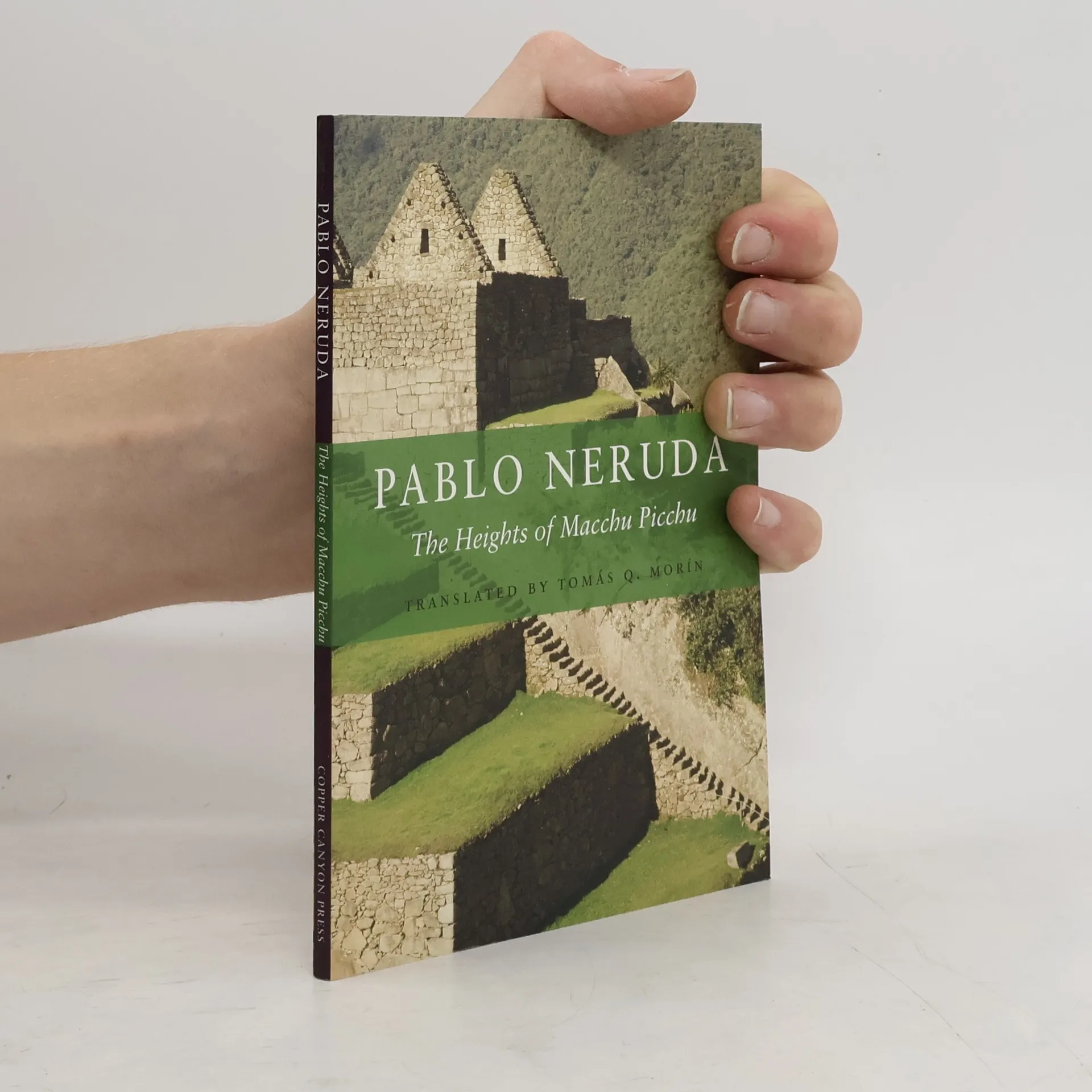
The Heights of Macchu Picchu
- 64pages
- 3 heures de lecture
""The most important poet of the twentieth century-in any language."-Gabriel Garcia Marquez. 'The Heights of Macchu Picchu' is a poem of ascension. In its final passages, Neruda's poetry jumps from a personal hope to a global one; from a poetry dealing with the poet's heart to a poetry centered on humanity's struggles."-BBC "The Heights of Machu Picchu" has been called Pablo Neruda's greatest contribution to poetry-a search for the "indestructible, imperishable life" in all things. Inspired by his journey to the ancient ruins, Neruda calls the lost Incan civilization to "rise up and be born," and also empowers the people of his time. This new translation by poet Tomás Q. Morín includes an introduction by Morín and Neruda's Spanish original.I stare at the clothes and hands, the carvings of water in a sonorous hollow, the wall rubbed smooth by the touch of a face that with my eyes gazed at the earthly lights, that with my hands oiled the vanished planks: because everything, clothes, skin, dishes, words, wine, breads, went away, fell to the earth. Pablo Neruda (1904-73), one of the world's most beloved poets, was also a diplomat and member of the Chilean Senate. In 1970 he was appointed as Chile's ambassador to France; in 1971 he was awarded the Nobel Prize in Literature. Tomás Q. Morín is a poet and translator and teaches at Texas State University."--
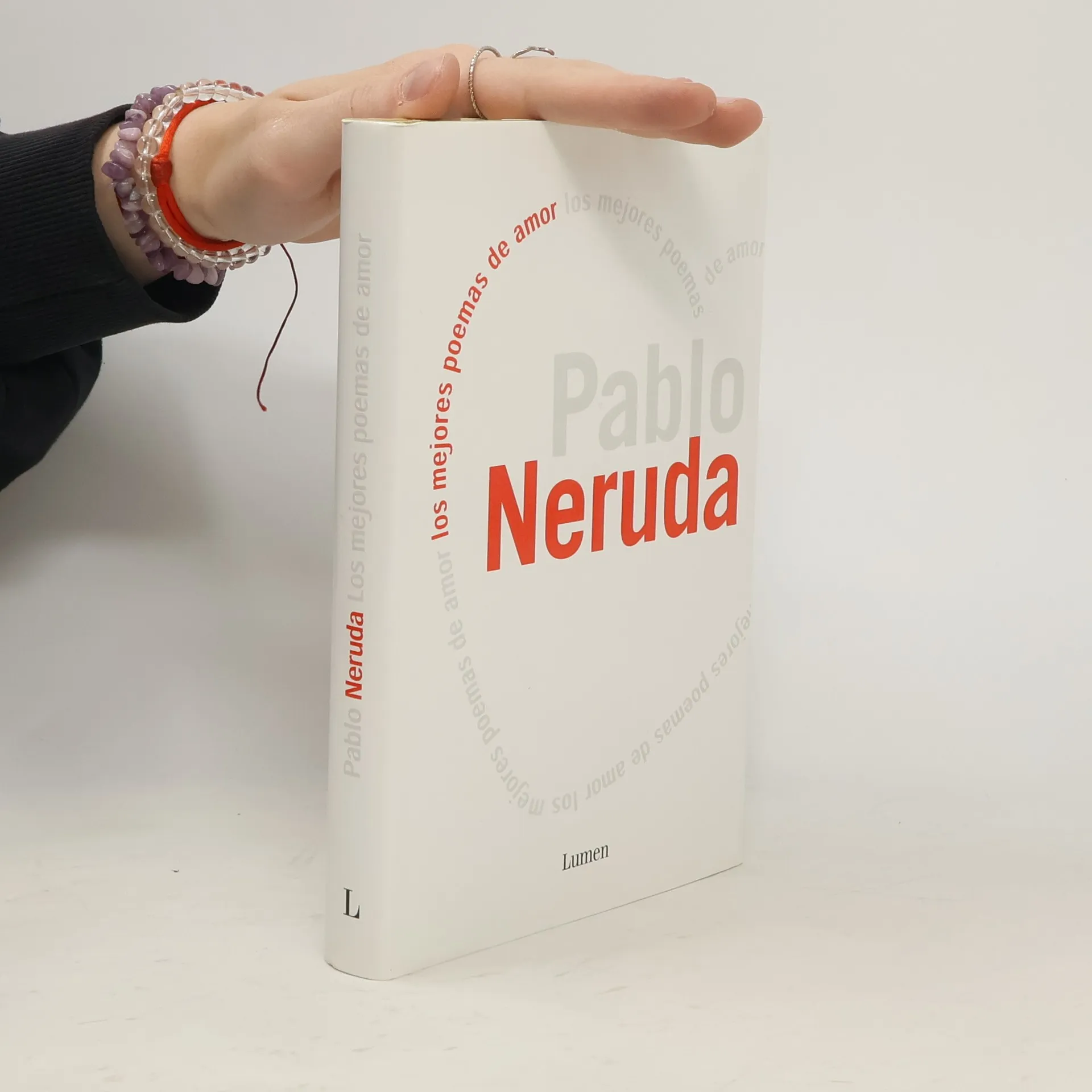
Los mejores poemas de amor
- 200pages
- 7 heures de lecture
Pablo Neruda es sin duda uno de los grandes poetas del siglo XX. Controvertido, volcánico, pasional, premio Nobel de Literatura, Neruda creó una obra vasta y variada que va del romanticismo al surrealismo. En este libro proponemos una antología exhaustiva de su poesía amorosa, género en el que destacó con especial brillantez y popularidad, como demuestran los poemarios Veinte poemas de amor o Cien sonetos de amor. Pero, más allá de estos títulos tan conocidos, Neruda cultivó la poesía amorosa en todos sus géneros, reinventando siempre una tradición milenaria que encontró en su voz una de las formas más bellas y duraderas del siglo XX.
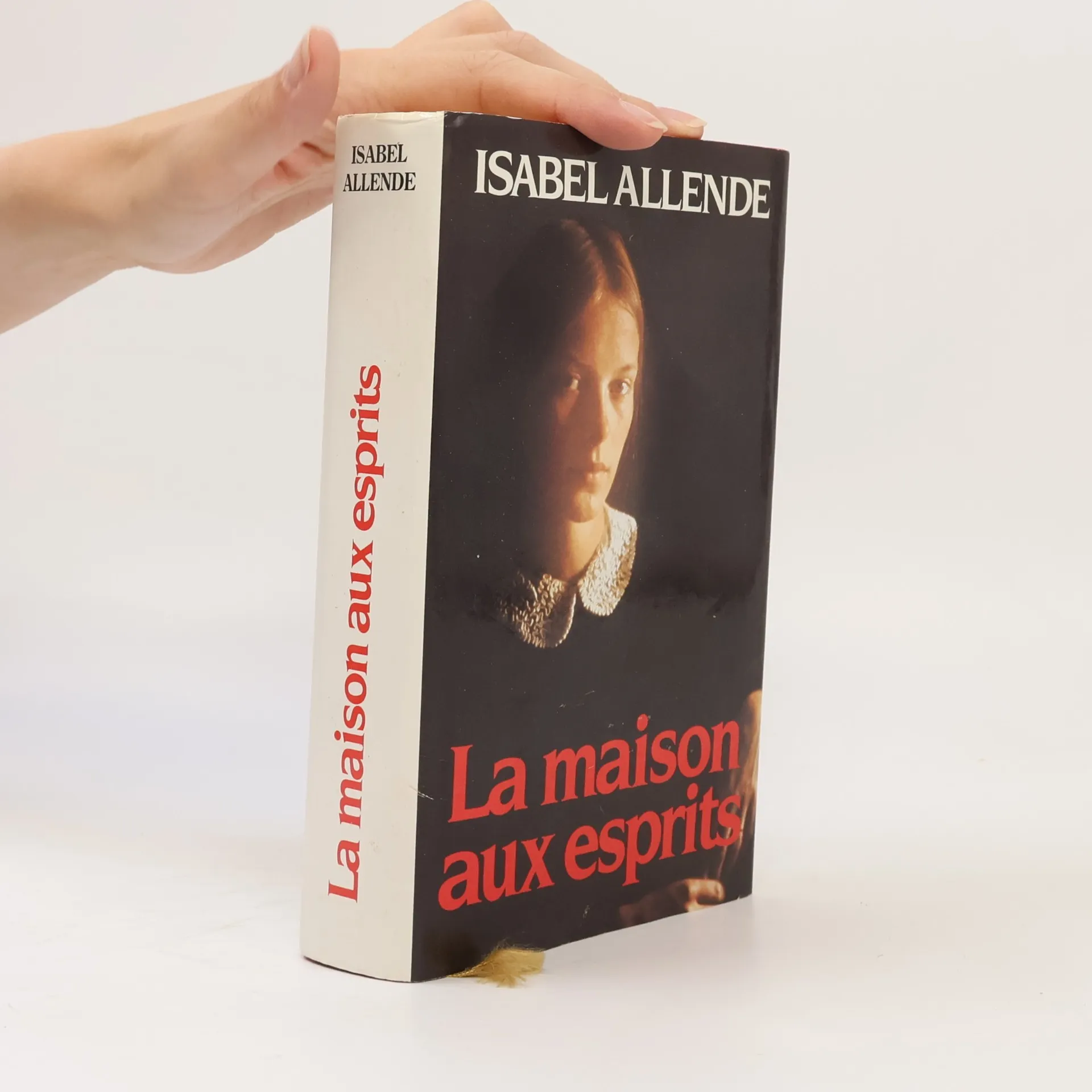
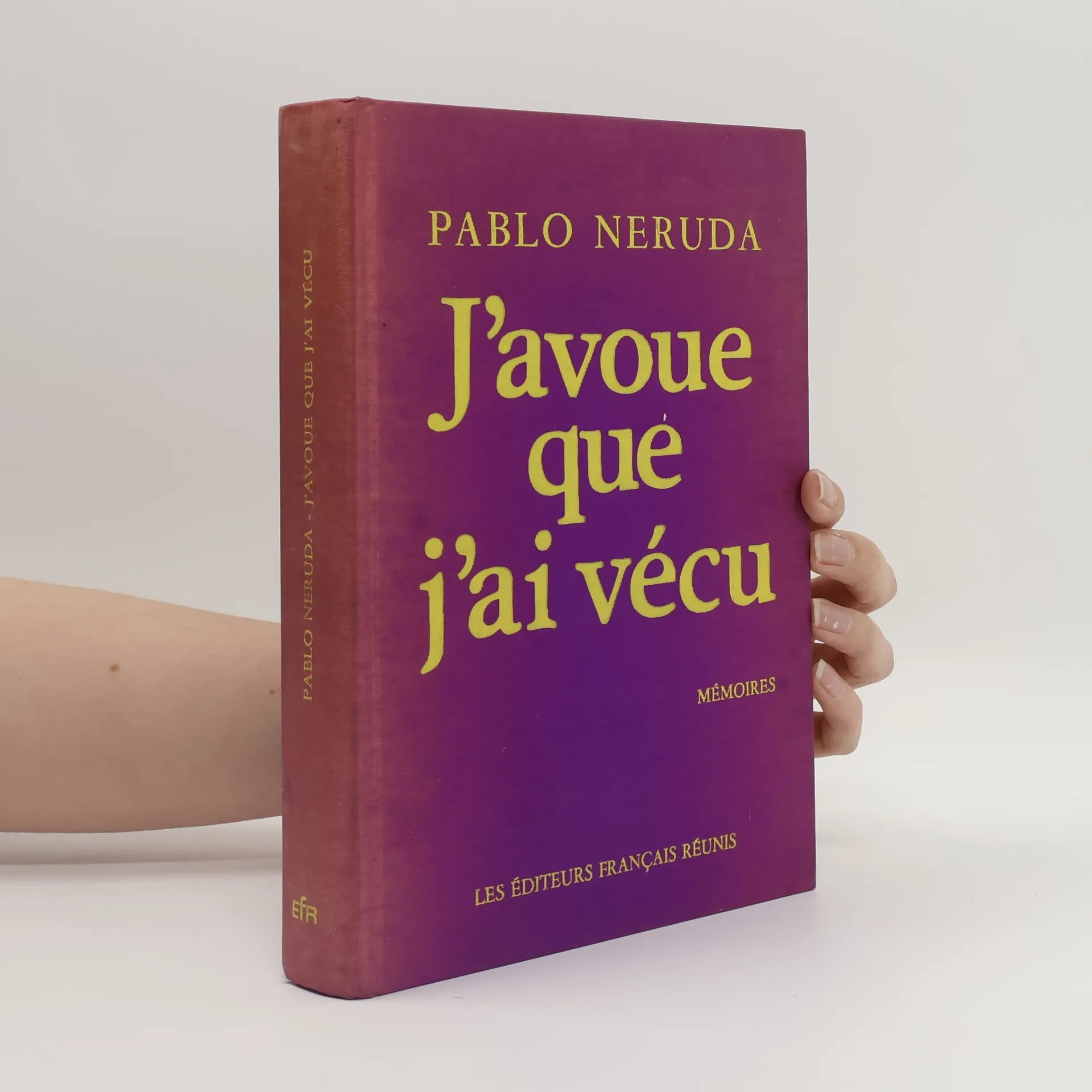
La maison aux esprits
- 539pages
- 19 heures de lecture
Une grande saga familiale dans une contrée qui ressemble à s'y méprendre au Chili. Entre les différentes générations, entre la branche des maîtres et celle des bâtards, entre le patriarche, les femmes de la maison, les domestiques, les paysans du domaine, se nouent et se dénouent des relations marquées par l'absolu de l'amour, la familiarité de la mort, la folie douce ou bestiale des uns et des autres, qui reflètent et résument les vicissitudes d'un pays passé en quelques décennies des rythmes et traditions rurales aux affrontements fratricides et à la férocité des tyrannies modernes. Isabel Allende a quitté le Chili après le coup d'Etat militaire. La Maison aux esprits, son premier roman, tantôt enchanteur, tantôt mordant, est à inscrire parmi les révélations de la littérature latino-américaine d'aujourd'hui. Il est traduit dans une dizaine de pays et a obtenu le prix du Grand Roman d'Evasion 1984.
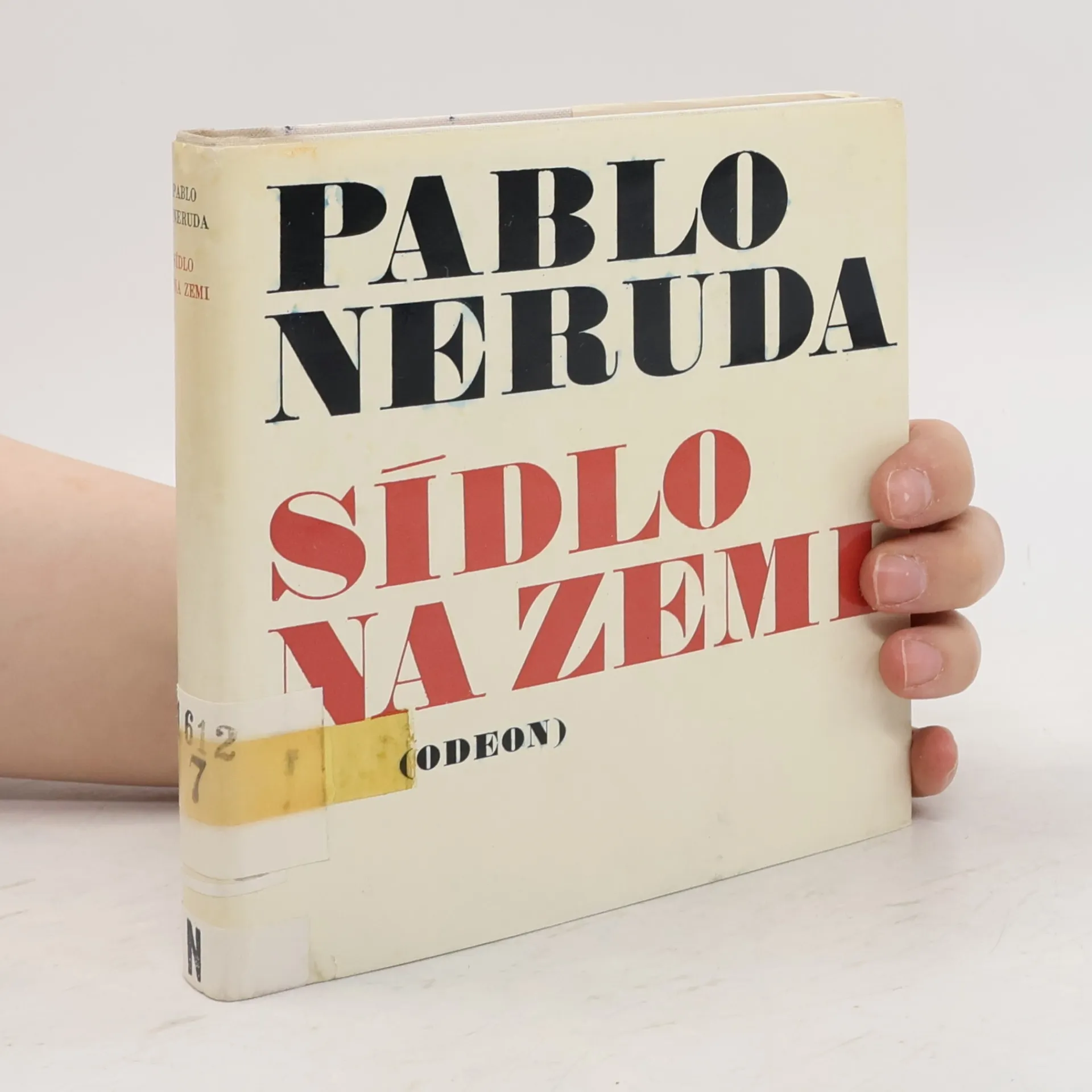
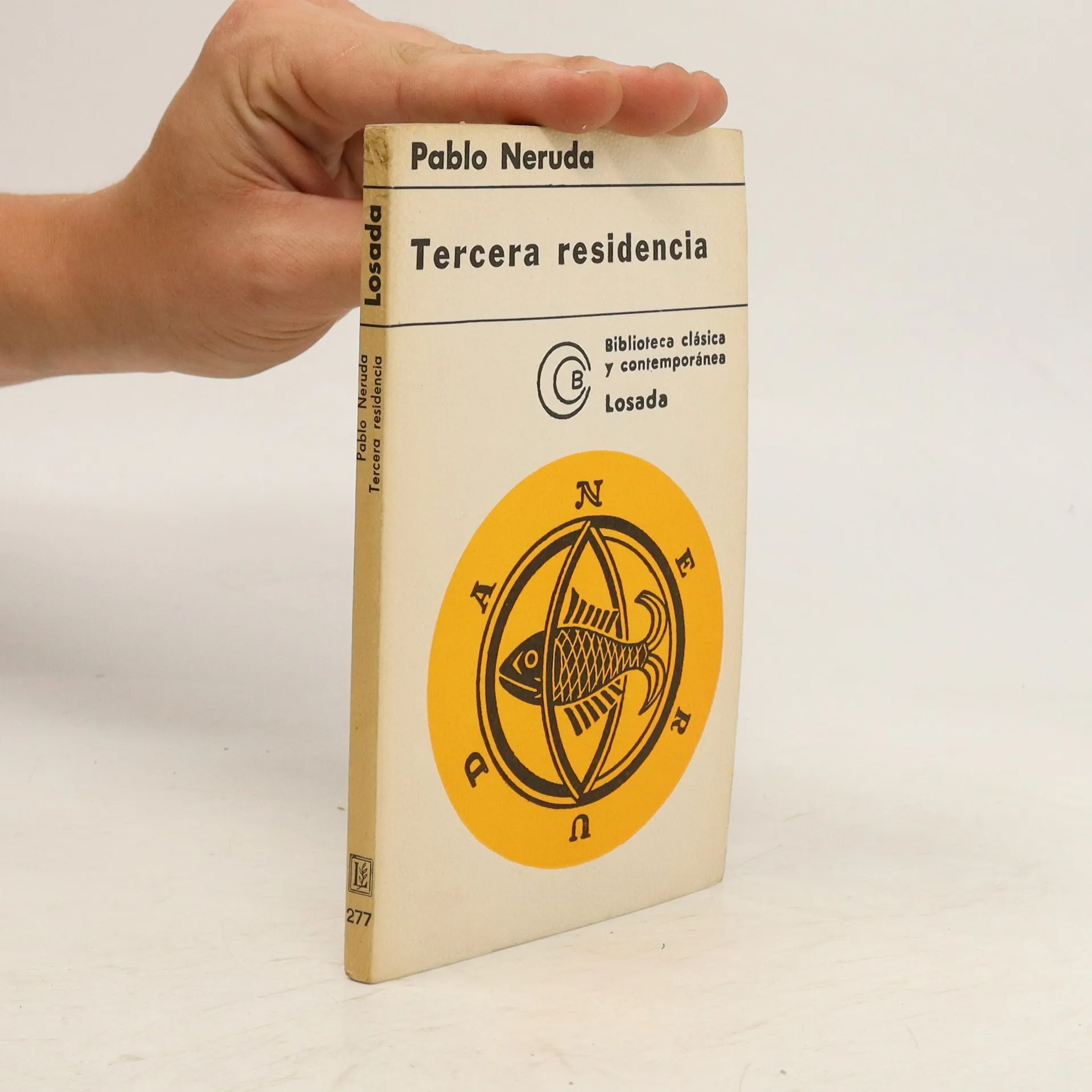
Souborné vydání umělecky a myšlenkově spjatých básnických sbírek Sídlo na zemi (1935) a Třetí sídlo (1947), které mají pro pochopení Nerudova díla v jeho celistvosti, v jeho proměnách a vývoji klíčový význam. Sídlo na zemi představuje vrcholnou sbírku básní prvního Nerudova období; pod chaotičností rozbitého světa objevuje osamělý jedinec tušení jednoty vesmíru, básník sestupuje do nitra hmoty, do temných hlubin země a času, kdy vše bylo bez tvaru a beze jména, odkud povstává poezie opakující zrození světa, básně intimní a lyrické, silně eroticky nabité, také básně inspirované autorovým pobytem v jihovýchodní Asii a ve Španělsku.
La Antología general de Pablo Neruda se inscribe dentro de la colección de ediciones populares conmemorativas que impulsan la RAE y la Asociación de Academias de la Lengua Española y que se publica en España y Latinoamérica bajo el sello editorial Alfaguara. La compilación de la obra esencial de Neruda ha corrido a cargo del académico chileno Hernán Loyola, quien ha logrado perfilar una excelente guía para poder seguir, en doce capítulos, la aventura creadora del gran poeta. Se trata de un itinerario cronológico por los escritos de Neruda, que entrelaza la prosa con la poesía, las cartas con los artículos periodísticos, y estos con las crónicas de viajes, hasta conformar una biografía vital y literaria del poeta a través de su obra. La edición se completa con estudios de académicos de diversos países y de especialistas en la obra del poeta, una bibliografía esencial, un glosario y un índice onomástico. Esta antología incluye un texto inédito de Neruda: Crónica de San Pancho, un curioso escrito con el que Neruda quiso agradecer la protección que en 1948 le brindó una familia cuando era perseguido por sus ideas políticas.
Erklärung einiger Dinge
- 158pages
- 6 heures de lecture
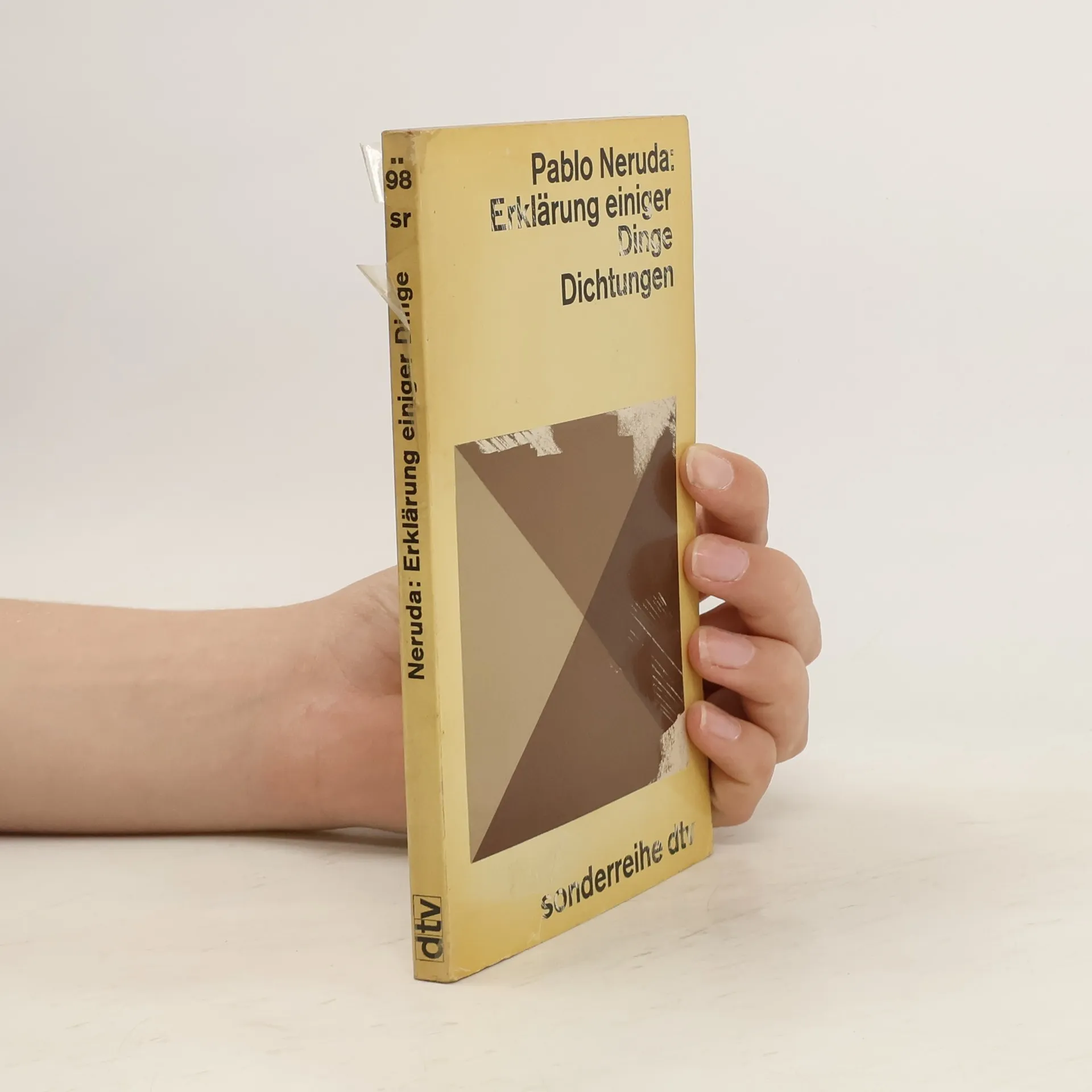
Der Nobelpreisträger Pablo Neruda ist der bedeutendste Lyriker Lateinamerikas und weltweit einer der populärsten. In diesem Band wird ein Querschnitt aus seinem Werk in neun Kapiteln präsentiert. Besonders hervorzuheben ist, dass den Gedichten Ausschnitte aus Nerudas Autobiographie 'Ich bekenne, ich habe gelebt' zur Seite gestellt sind. Diese Verbindung verdeutlicht die Verflechtung von Dichtung und Leben, die Entwicklung und die Einzigartigkeit Nerudas.
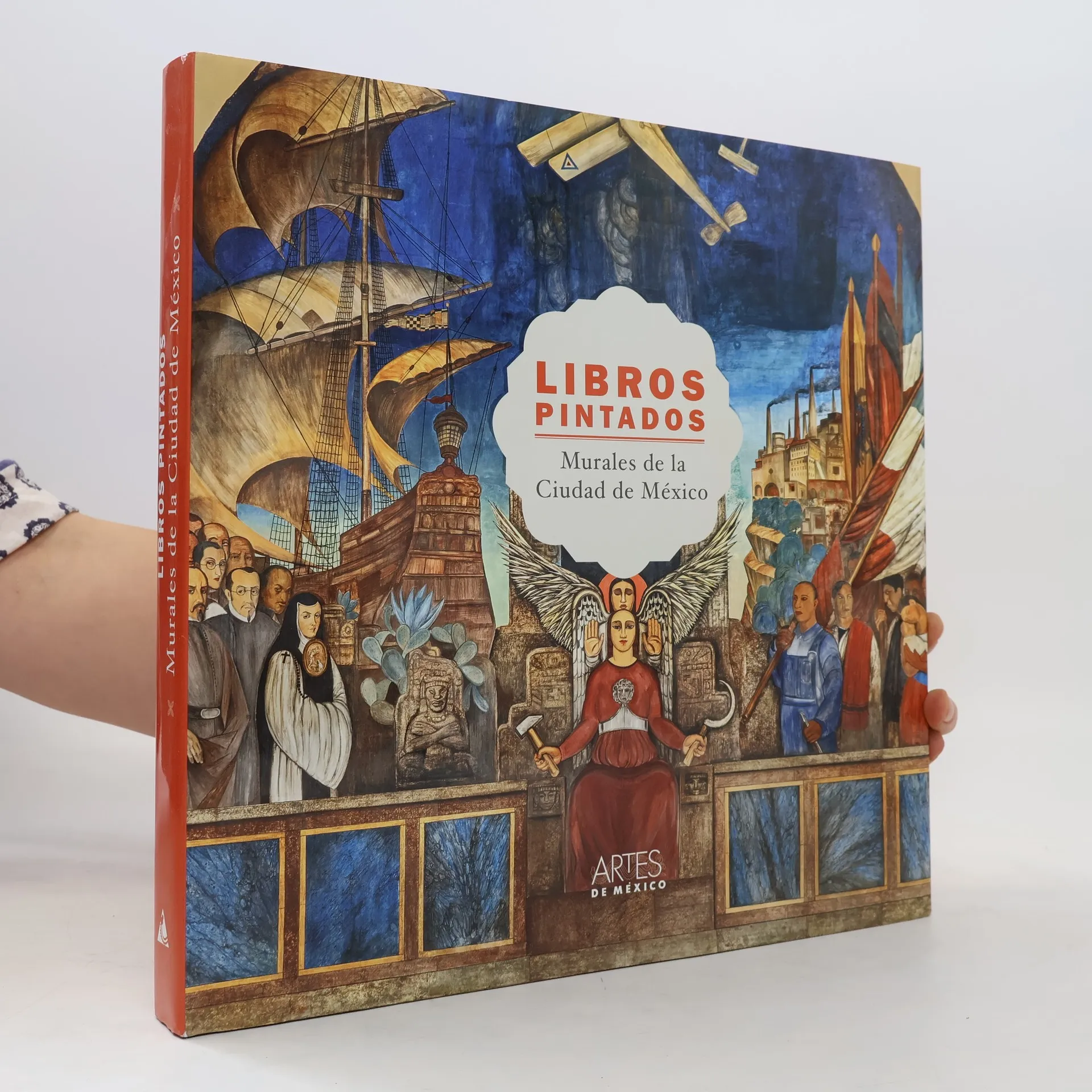
Libros Pintados
Murales de la Cudad de México
Księga pytań
- 180pages
- 7 heures de lecture
W Księdze pytań spotykają się dwie wielkie osobowości artystyczne: Pablo Neruda, chilijski poeta i laureat Nagrody Nobla, oraz Isidro Ferrer, hiszpański artysta wizualny i projektant graficzny. Neruda przez całe życie zapisywał poetyckie pytania bez odpowiedzi, które zostały zebrane i opublikowane po raz pierwszy w 1974 roku w Argentynie. W tych 74 tekstach, składających się z 2-6 pytań, porusza tematy takie jak zwierzęta, przedmioty, postacie historyczne, rośliny, minerały, słońce, ziemię i siebie. Jego pytania, skierowane do świata, są wyrazem nadziei na znalezienie odpowiedzi, mimo że świat nie jest w stanie ich rozstrzygnąć. Prostota niektórych pytań przypomina dziecięce rozważania, które prowokują do filozoficznego myślenia. Isidro Ferrer nie tylko ilustruje teksty, ale tworzy poetycko-plastyczny spektakl, przekształcając książkę w teatr, który łączy elementy wędrownego teatru z cyrkiem ruchomych rzeźb. Jego prace podkreślają ciekawość świata i umiejętność dziwienia się, łącząc niewinny ton pytań z głębokim źródłem ludzkiej świadomości. Polska edycja Księgi pytań, w przekładzie Filipa Łobodzińskiego, oddaje rytmikę i melodię wierszy.
Pablo Neruda
- 32pages
- 2 heures de lecture
Kuruntular Kitabi
- 164pages
- 6 heures de lecture
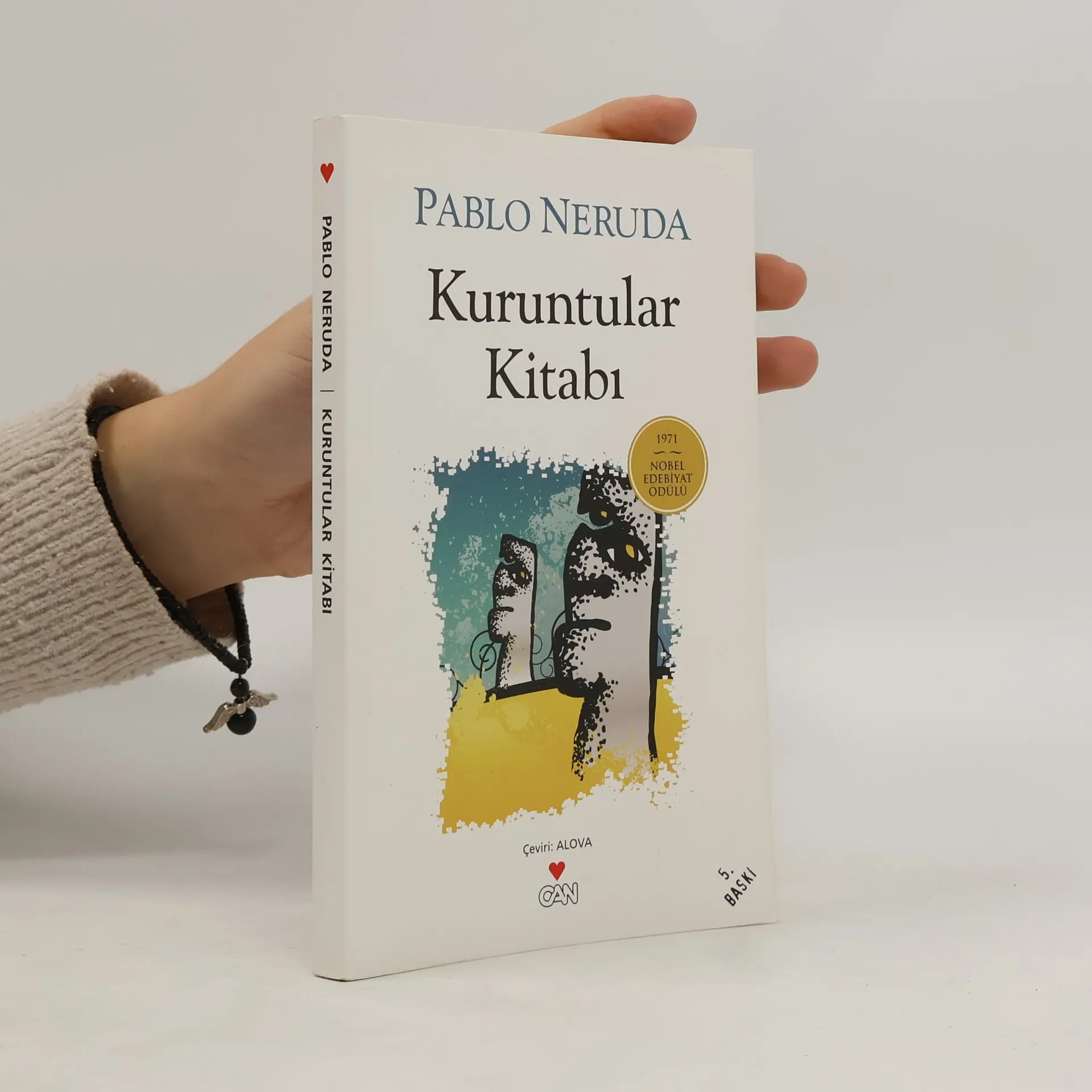
Bir demiryolu işçisinin oğlu olan Pablo Neruda, 20. yüzyılı "büyük yaşamış" şairlerden. Şiir, diplomatlık ve toplumsal savaşım, onun yaşamının üç büyük uğraşı. Hem sürgünler yaşamış, hem de ülkesi Şili'nin Paris büyükelçiliğine kadar yükselmiş bir ozan. Yirmi Aşk Şiiri, Umutsuz Bir Şarkı, Yeryüzünde Konaklama, Yürekteki İspanya, Evrensel Şarkı ve Macchu Picchu Dorukları gibi yapıtlarıyla 1971 Nobel Edebiyat Ödülü'ne değer görülen Neruda, çağımızın en saygın ozanlarından biri. 1958'de yayınlanan Kuruntular Kitabı ise, bir anlamda, Neruda'nın "güz dönemi"nin başyapıtı. Şairin melankolik-ironik ruh yapısının aynası; "şiirle düşünme"nin olağanüstü bir örneği. Onca sürgünün, onca yurt özleminin ardından ülkesine dönen Neruda'nın, yurdunu, yurdunun denizini, toprağını, halkını yeniden keşfedişinin lirik bir öyküsü. Kuruntular Kitabı, Neruda'nın belki de en kişisel yapıtı. (Tanıtım Yazısından)
Die Gedichtsammlung bietet tiefgründige Reflexionen über die Rätsel der Natur sowie die kleinen und großen Mysterien des Lebens. Pablo Neruda, einer der größten Dichter der Welt, lädt die Leser ein, sich mit seinen inspirierenden Fragen auseinanderzusetzen und die Schönheit und Komplexität der menschlichen Erfahrung zu erkunden. Seine poetischen Werke sind sowohl nachdenklich als auch bewegend und offenbaren die universellen Themen, die das Leben prägen.
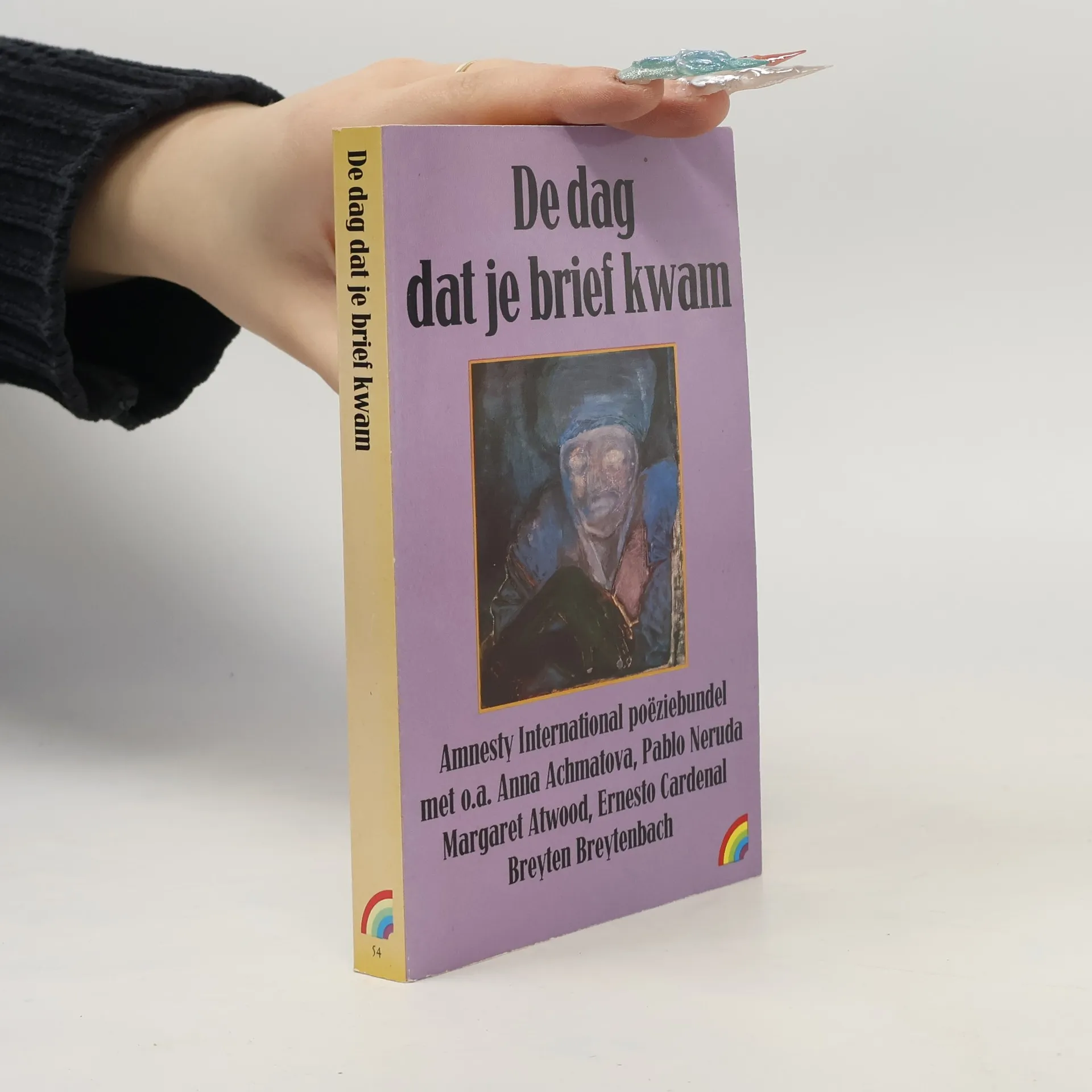
Amnesty International - S4: De dag dat je brief kwam
Amnesty International poëziebundel
- 248pages
- 9 heures de lecture
Bloemlezing van gedichten over of van politiek vervolgden.
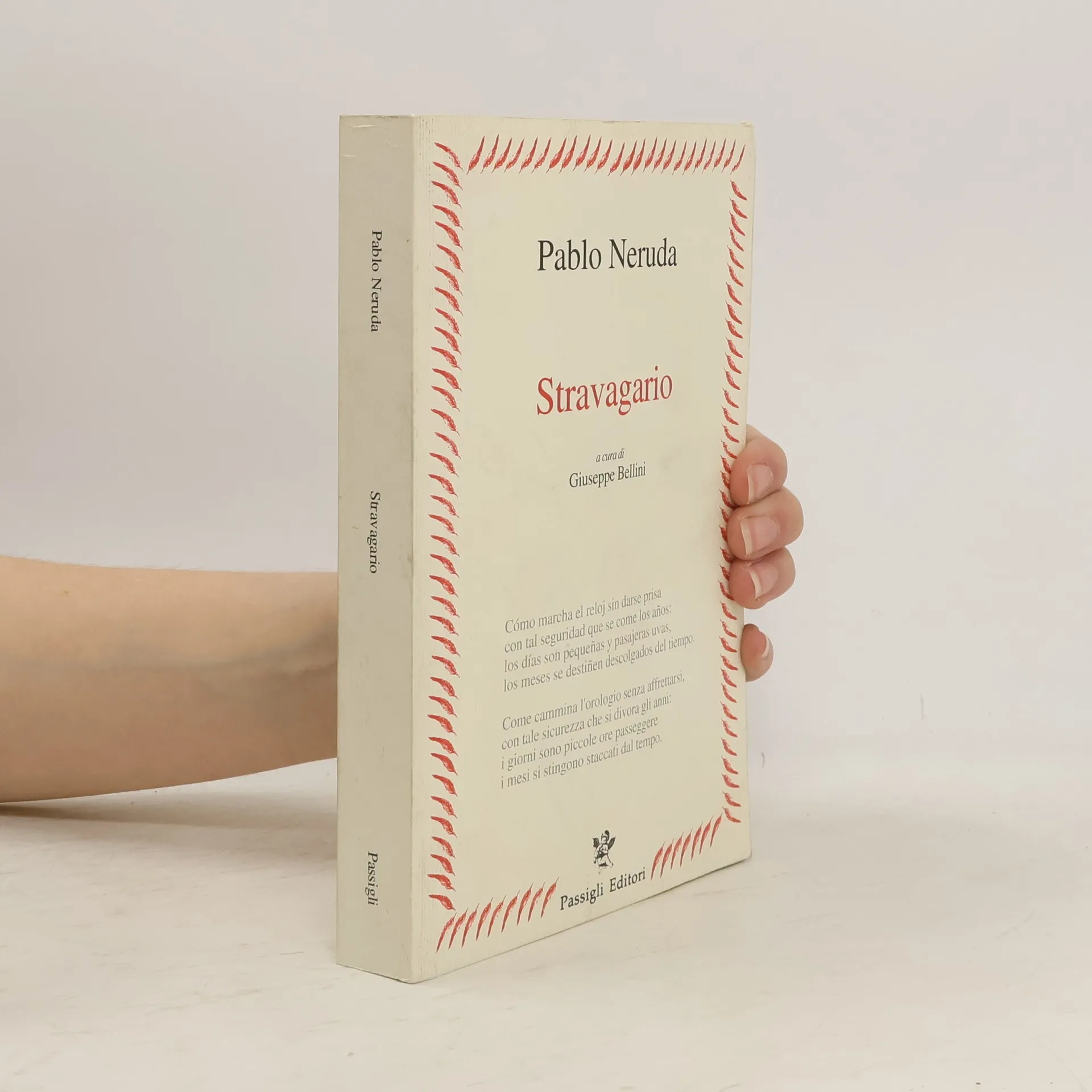
Stravagario. Testo spagnolo a fronte
- 331pages
- 12 heures de lecture
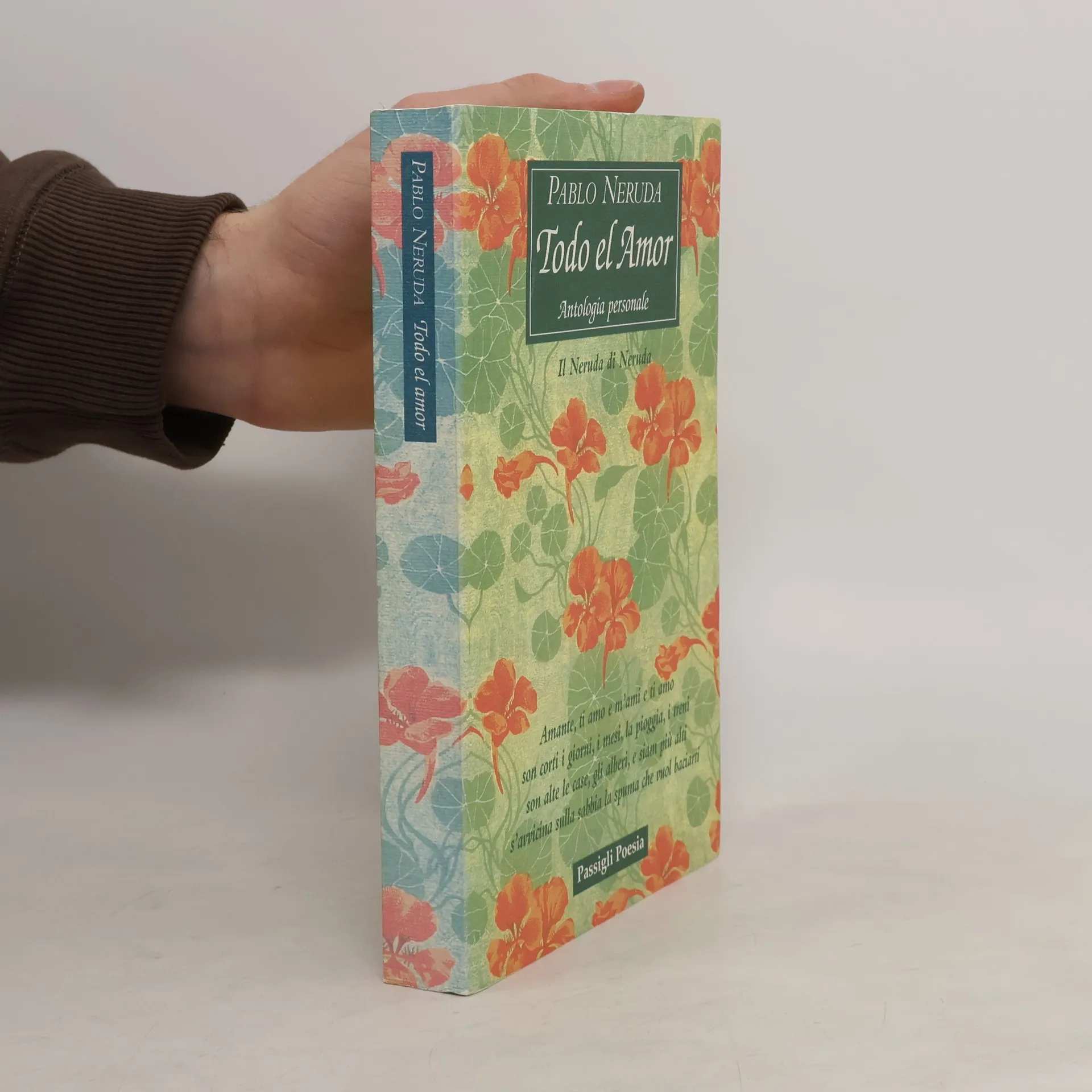
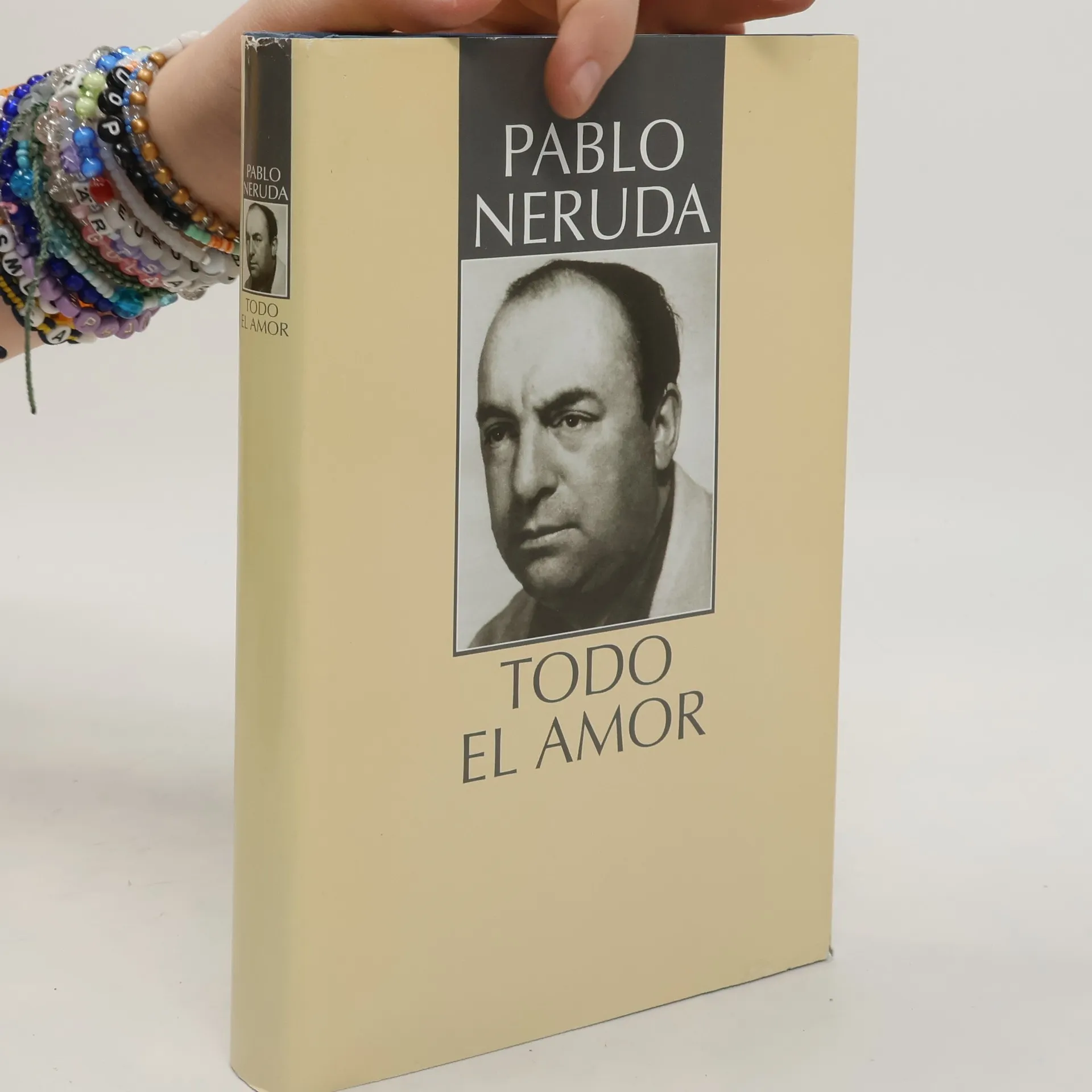
Todo el amor. Antologia personale. Testo spagnolo a fronte
- 312pages
- 11 heures de lecture
Pablo Neruda (1940-1973), autore dei più intensi libri d'amore del nostro tempo, ha selezionato in questo volume tutto ciò che la sua poesia ha offerto alla donna, idealizzandola ma senza privarla della sua presenza carnale.
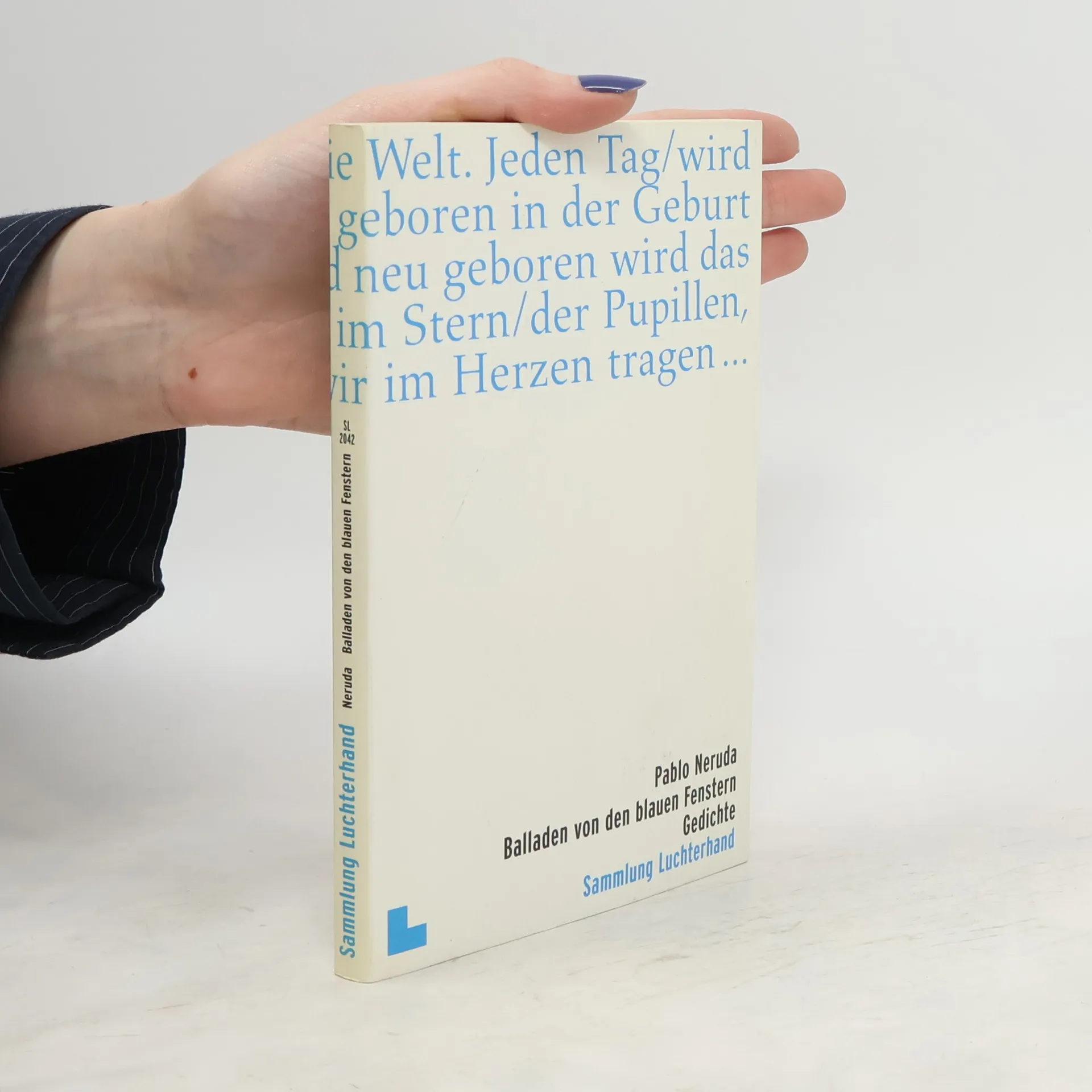
Balladen von den blauen Fenstern. Gedichte
- 144pages
- 6 heures de lecture
1980 wurden im Auktionshaus Sotheby’s Gedichte von Pablo Neruda versteigert, die als verloren galten. Viktor Farías hat diese frühen Werke entdeckt, entschlüsselt und editiert. Zum ersten Mal können Leser nachverfolgen, wie Neruda, einer der größten Dichter des 20. Jahrhunderts, das Schreiben begann.
Die einhundert schönsten und bedeutendsten Gedichte Pablo Nerudas, ausgewählt von Fritz Rudolf Fries, einem Kenner und Übersetzer seines Werks, bieten eine exquisite Sammlung für Liebhaber der Poesie und der Liebe. Am 12. Juli 2004 hätte Neruda seinen einhundertsten Geburtstag gefeiert. Bereits im Alter von 14 Jahren begann er mit dem Schreiben und Veröffentlichen seiner ersten Gedichte. Sein erster Gedichtband, voll von Liebesgedichten, eroberte die Herzen der Leser in seinem Heimatland. Nach seiner politischen Engagement im spanischen Bürgerkrieg, wo er sich gegen die Faschisten stellte, erweiterte er sein Schaffen um bedeutende politische Gedichte und wurde zu einer weltbekannten Stimme Lateinamerikas. Fritz Rudolf Fries präsentiert Neruda durch seine bedeutendsten Werke, die den Leser in ein poetisches Universum eintauchen lassen. Hier finden sich große Liebeslieder sowie Oden, die alltägliche Dinge wie Zwiebeln und Katzen auf einzigartige Weise besingen. Auch einfache politische Gedichte, die Neruda für die »Bauern und Gelehrten« seines Landes verfasste, sind enthalten. Diese Sammlung bietet einen Einblick in ein Werk, das sowohl Geschichte als auch Literaturgeschichte geprägt hat. „Ich jedoch fahre fort, über Träume zu schreiben.“
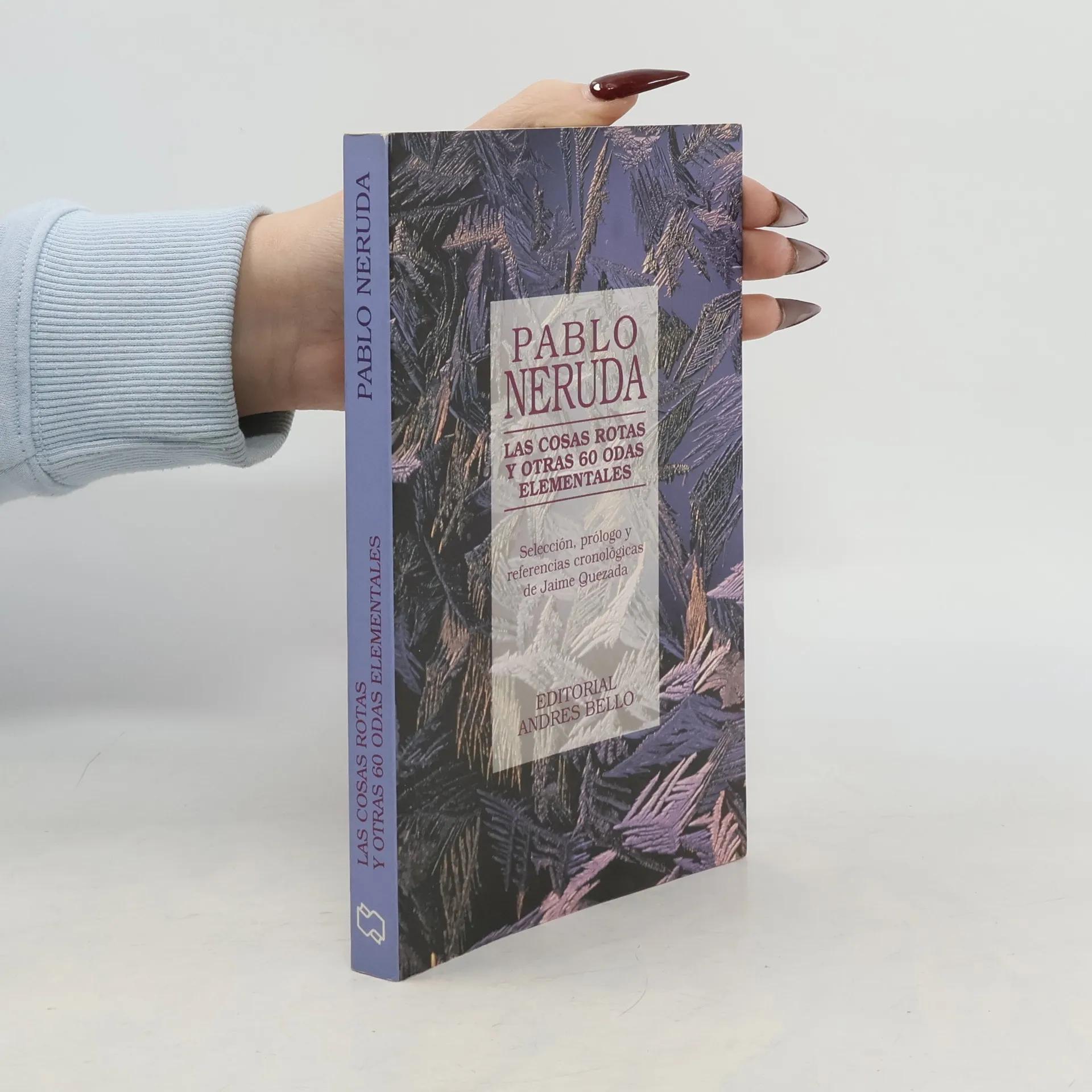
Las cosas rotas y otras 60 odas elementales
- 263pages
- 10 heures de lecture
Barcelona. 22 cm. 259 p. Encuadernación en tapa blanda de editorial ilustrada. Neruda, Pablo 1904-1973. Poesía. Selección, prólogo y referencias cronológicas de Jaime Quezada. Quezada, Jaime. 1942- .. Este libro es de segunda mano y tiene o puede tener marcas y señales de su anterior propietario. 8495407817
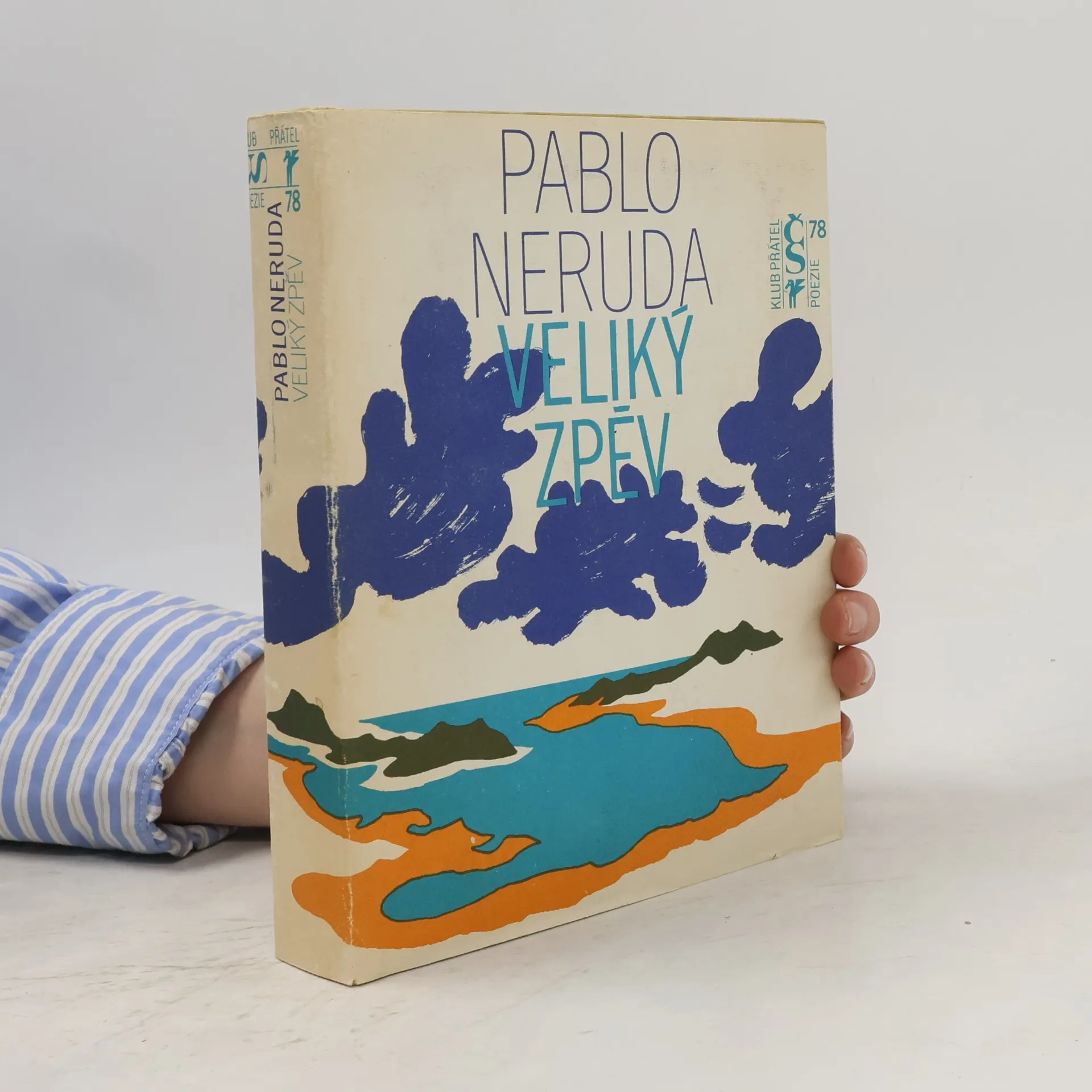
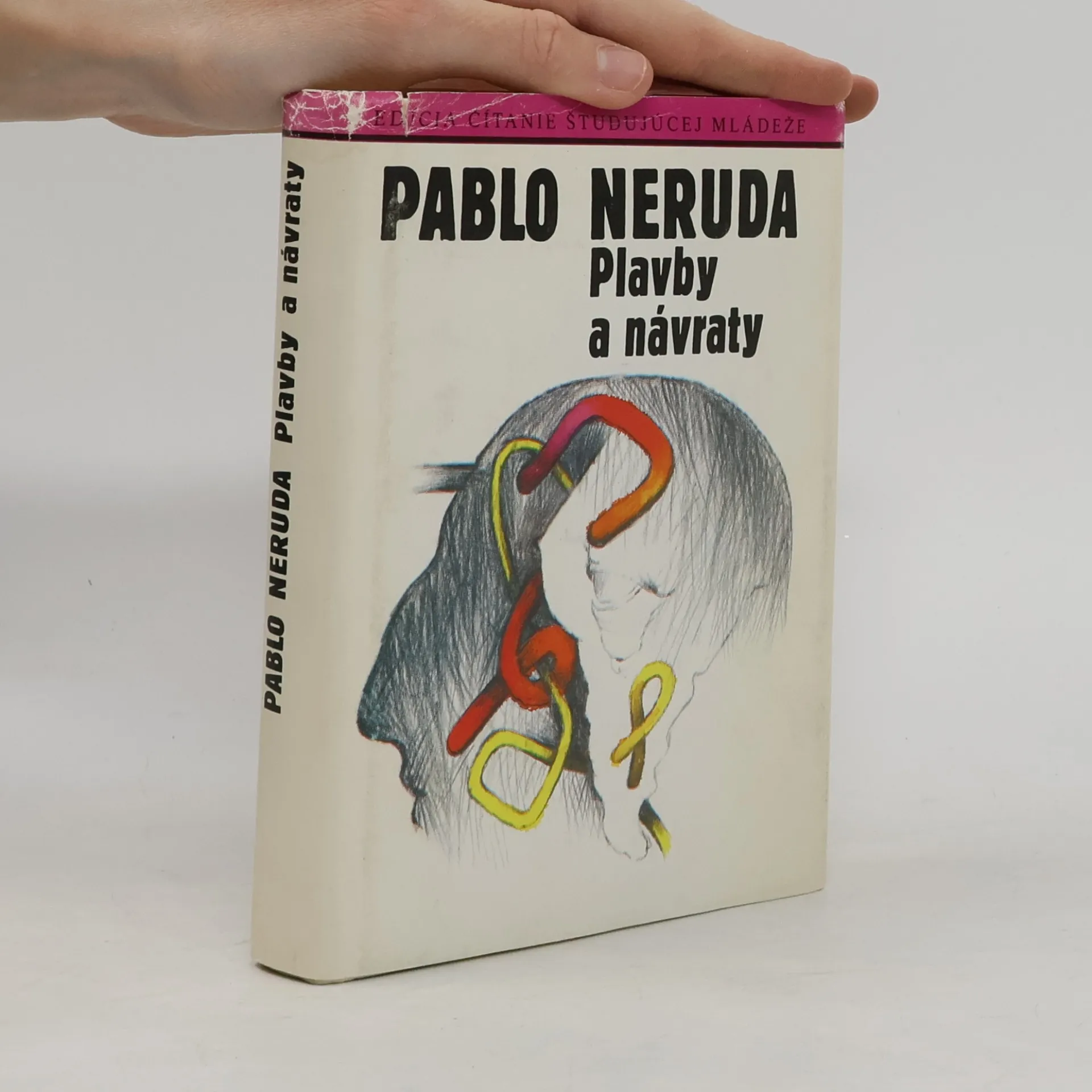
Lyricko-epická skladba o patnácti oddílech, básnická epopej Latinské Ameriky, od jejího zrodu, přes inckou minulost, období kolonialismu a osvobozeneckých bojů, diktátorských režimů až k oslavě rodné země a jednotlivých oblastí jihoamerického kontinentu. Básní vzdává dík všem, kdo se zasloužili o rozvoj země, součástí je i vyjádření lidské solidarity a litanická výzva na obranu míru. Toto dílo je chápáno jako Nerudův odklon od hermetické poezie úzkosti a samoty lidského individua k poezii jako zbrani v revolučním boji. Oslavuje ale také krásu světa v celé jeho složitosti a rozpornosti, historické i přírodní provázanosti.
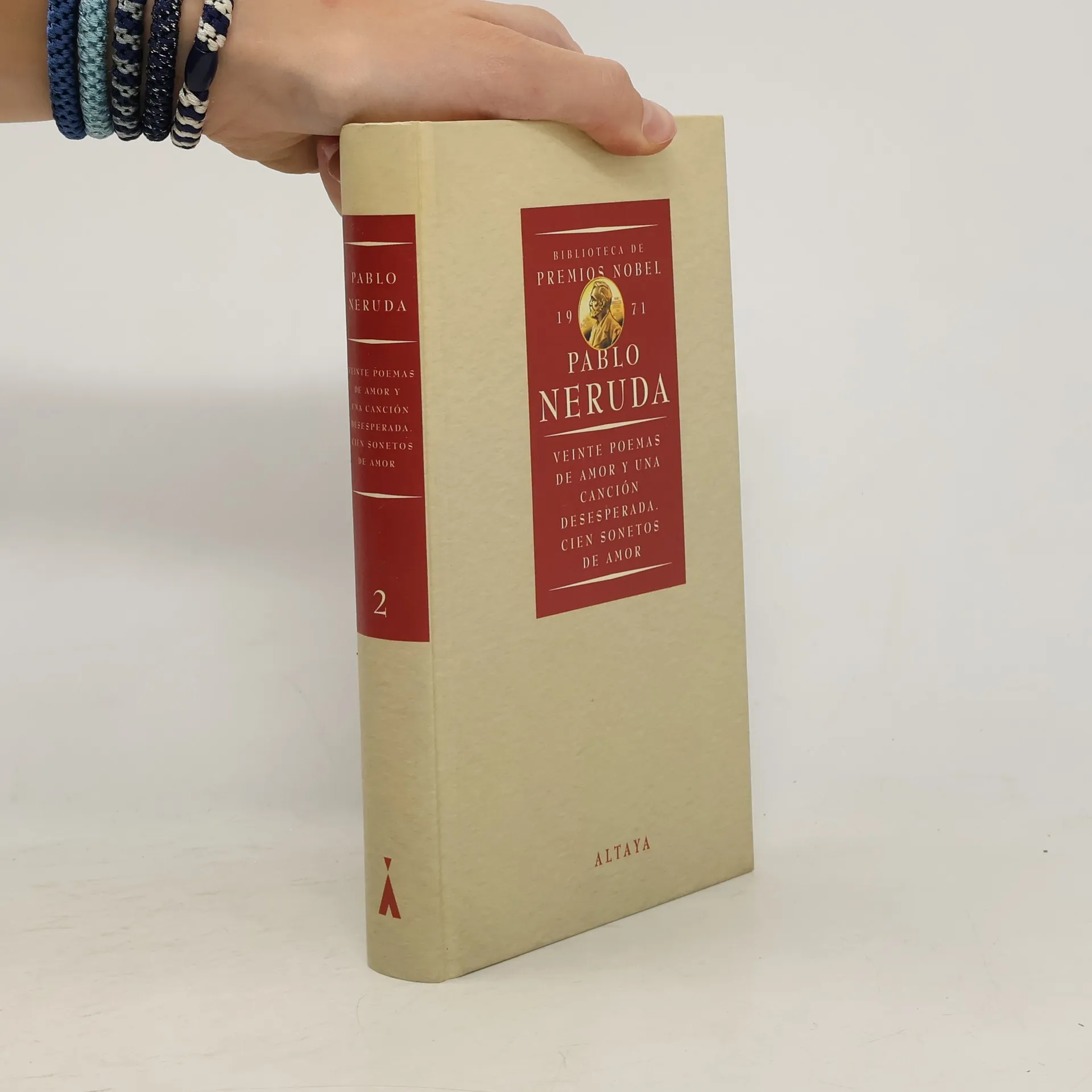
Veinte poemas de amor y una cancion desesperada ; cien sonetos de amor
- 222pages
- 8 heures de lecture
Premio Nobel de Literatura “El más grande poeta del siglo xx en cualquier idioma”. —Gabriel García Márquez Un gran éxito desde el mismo momento de su publicación en 1924 cuando el autor contaba con tan solo diecinueve años, Veinte poemas de amor y una canción desesperada causó un fuerte revuelo en la conservadora sociedad chilena debido a su franco retrato de la relación del autor con dos mujeres. Se convirtió inmediatamente en una de las colecciones de poesía más leídas, estableciendo a Neruda como una de las más singulares voces de la poesía en español del siglo XX. Incluso leído hoy, sigue sorprendiendo por su sincera descripción del amor y el sexo. Tan pasional y hermosa como Veinte poemas de amor y una canción desesperada, Cien sonetos de amor incluye algunos de los más sensuales e intensos poemas de Pablo Neruda. Aunque publicada treinta y cinco años más tarde, retiene la ingenuidad y la intensa pasión del joven Neruda, mezclada con la sagaz mirada de un hombre que lo ha visto todo.
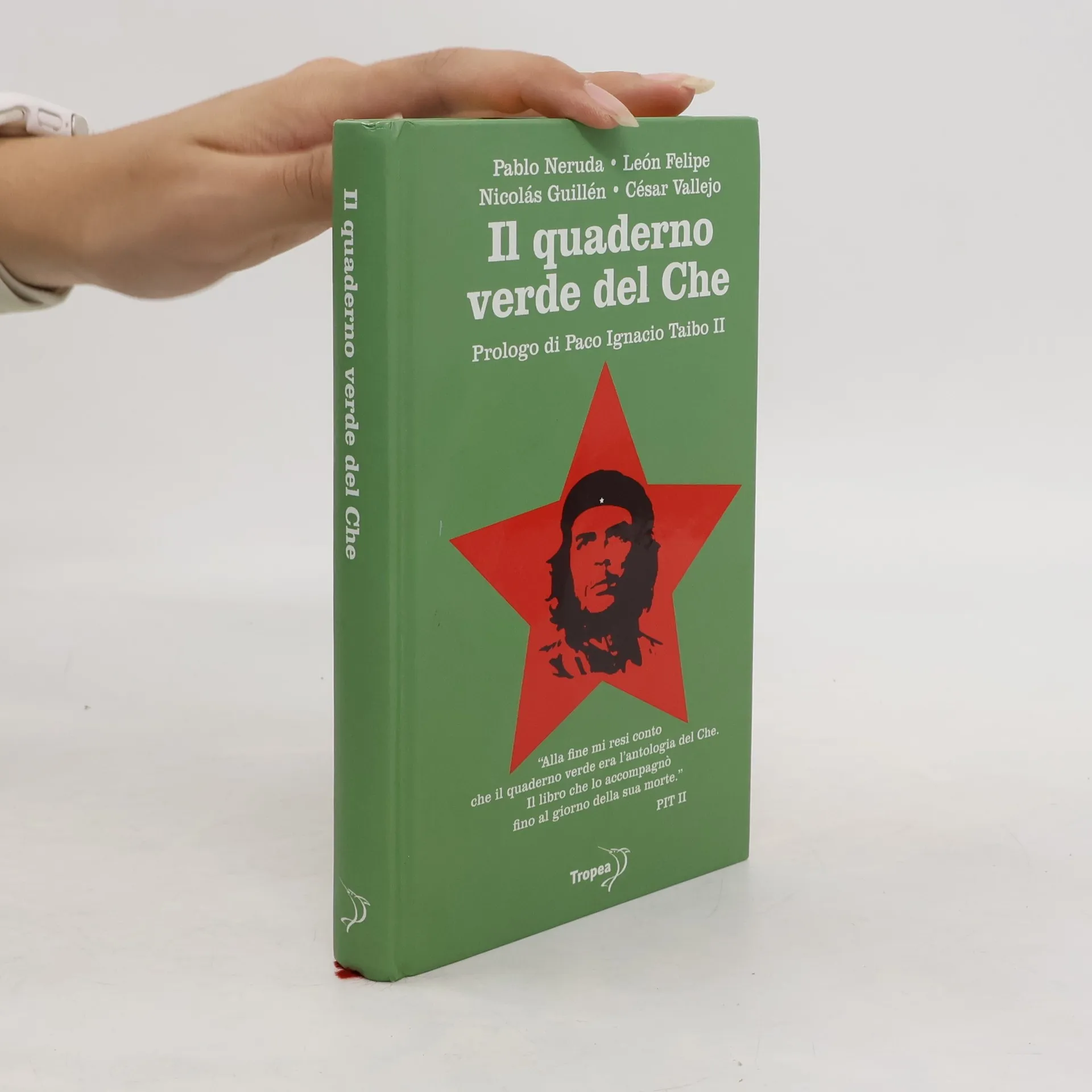
I tre ufficiali in uniforme e l'agente della CIA esaminarono minuziosamente lo zaino. Alla fine riuscirono a estrarre solo 12 rullini di pellicola, una ventina di mappe corrette con matite colorate, una radio portatile che non funzionava da tempo, un paio di agende e un quaderno verde. Il quaderno verde, dove si possono leggere alcuni versi che sembrano una serie di poesie, non sembra suscitare grande interesse. Poche ore dopo, il proprietario dello zaino, il comandante Ernesto Guevara, sarà assassinato nella scuelita di La Higuera e i suoi brevi resti terreni verranno dispersi. Nel corso degli anni, il percorso del quaderno dalle copertine verdi con lettere arabe sulla copertina, il quaderno di poesia, rimase un mistero. Conteneva poesie che il Che aveva scritto durante la campagna boliviana? Erano poesie che il Che aveva copiato negli ultimi due anni? Era una miscela di entrambi? Le poesie erano una sorta di chiave? La sfida per me era affascinante. Partii dall'identificare la quindicina di poesie che conoscevo o mi suonavano familiari. C'erano cose relativamente facili, frasi vallejiane e sonetti; il quaderno conteneva una selezione di poesie di Neruda, Vallejo, Guillén e León Felipe. Alla fine mi resi conto che si trattava di un'antologia. Un'antologia fatta dal Che. La sua antologia personale.
Oda a una estrella
- 24pages
- 1 heure de lecture
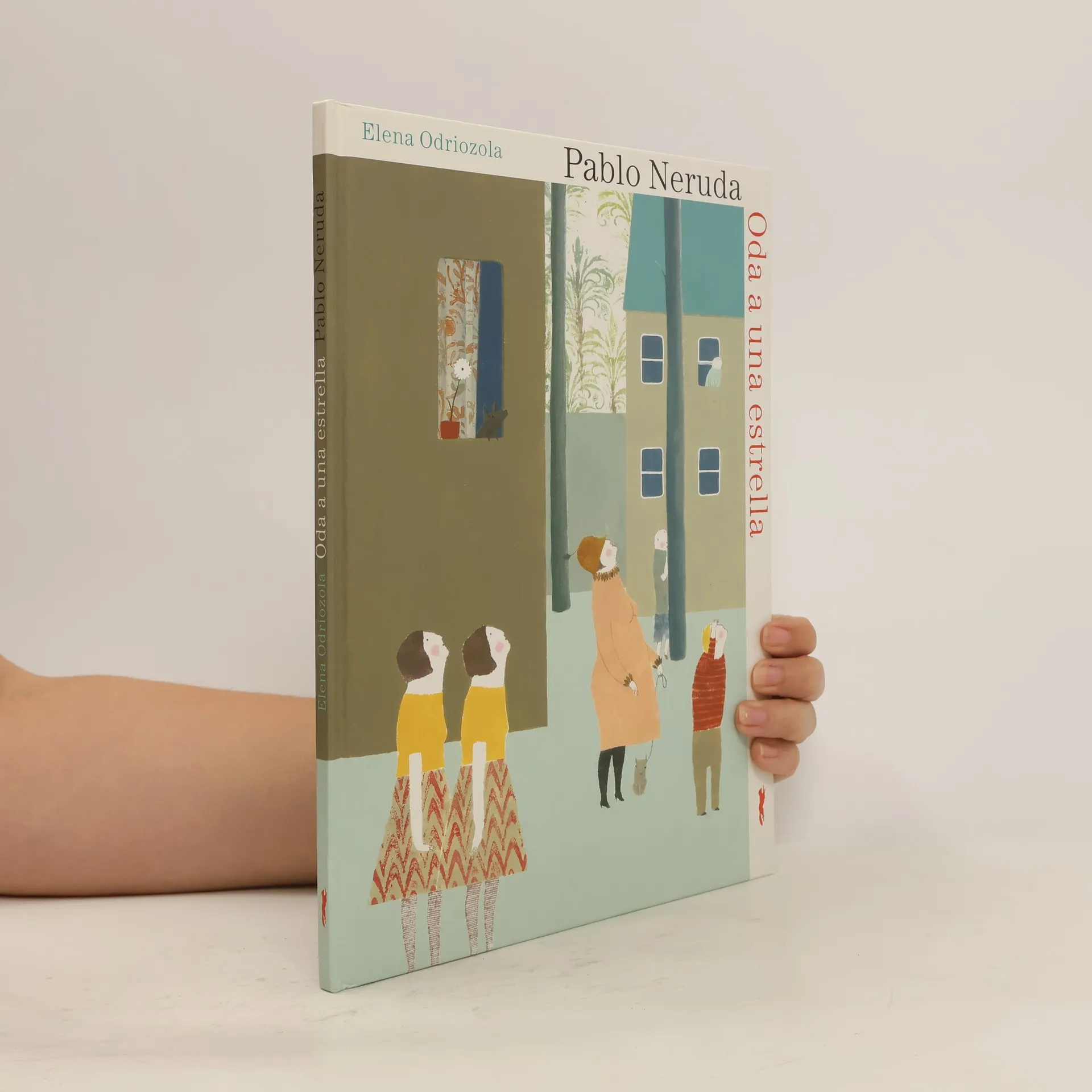
«Negra estaba la noche y yo me deslizaba por la calle con la estrella robada en el bolsillo». En lo alto de un rascacielos, en la inmensidad de la noche, alguien se adueña de una estrella; al momento de guardarla en su bolsillo, comienza su odisea. Un extraordinario texto de Pablo Neruda que brilla en las imágenes de Elena Odriozola.
Výbor z básnického diela čílskeho básnika a nositeľa Nobelovej ceny za literatúru.
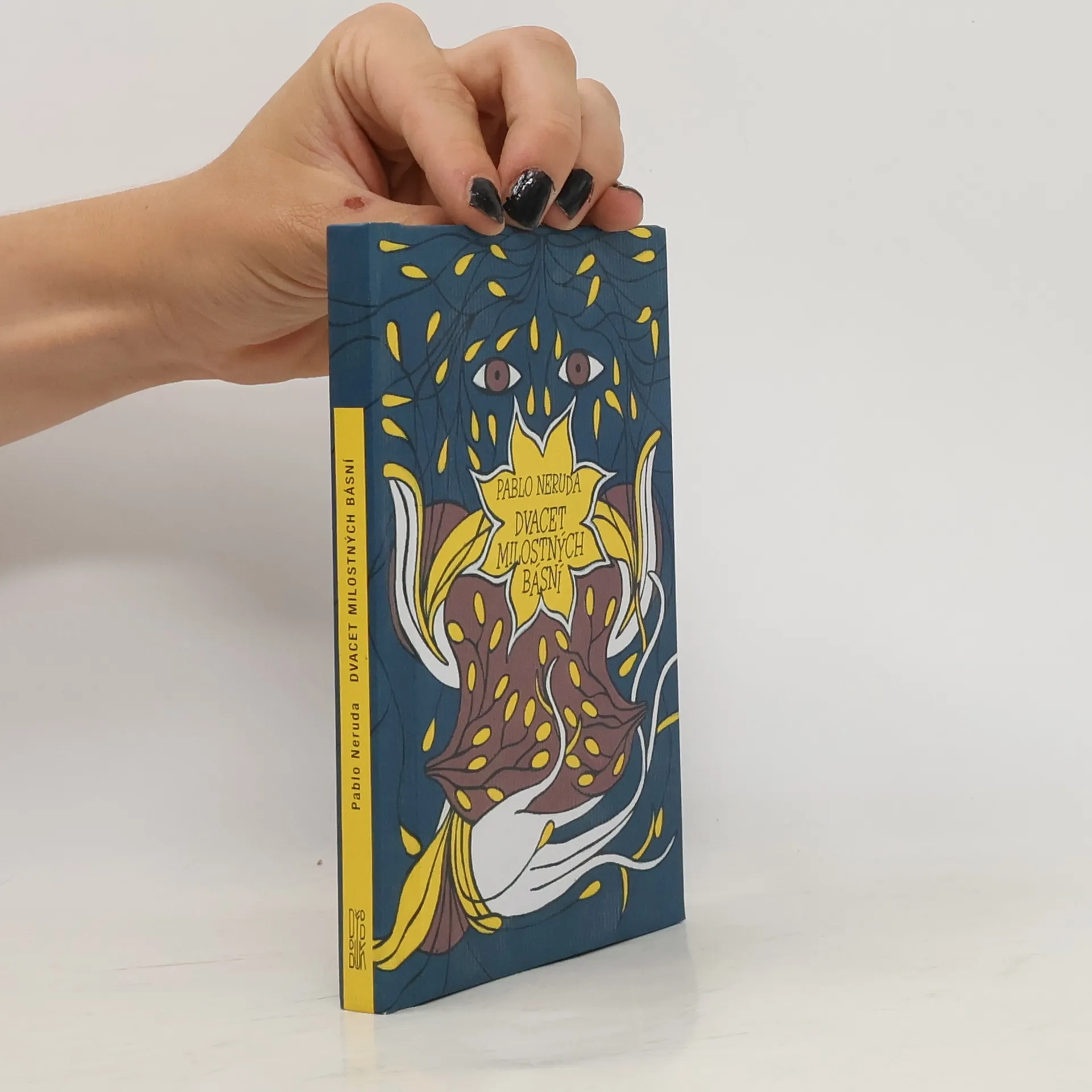
Dvacet milostných básní
- 112pages
- 4 heures de lecture
Je jen málo latinskoamerických básníků, jejichž jméno je Čechům tak známé jako jméno chilského básníka Pabla Nerudy. Přes množství překladů došlo ke značnému zkreslení jeho obrazu a nepochopení jeho skutečného básnického záměru, což mohlo být způsobeno tendenčním výběrem knih a instrumentalizací jeho díla během poválečného uspořádání světa. Přitom je jeho poezie neuvěřitelně hluboká a pestrá, jak píše: „Začnete pomalu umírat, pokud se stanete otrokem svých zvyků, kráčejíce každý den po stejné cestě… Pokud nezměníte svůj stereotyp, pokud nenosíte jiné barvy nebo nemluvíte s těmi, které neznáte. Začnete pomalu umírat, pokud se budete vyhýbat vášni a jejím turbulentním emocím, těm, které způsobí, že se vaše oči budou lesknout a vaše srdce bít rychleji. Začnete pomalu umírat pokud nezměníte svůj život, když nejste spokojeni se svou prací, svou láskou nebo vaším okolím. Pokud neriskujete co je jisté pro nejistotu, pokud nejdete za svým snem, pokud si alespoň jednou za život nedovolíte utéct od rozumné rady.“
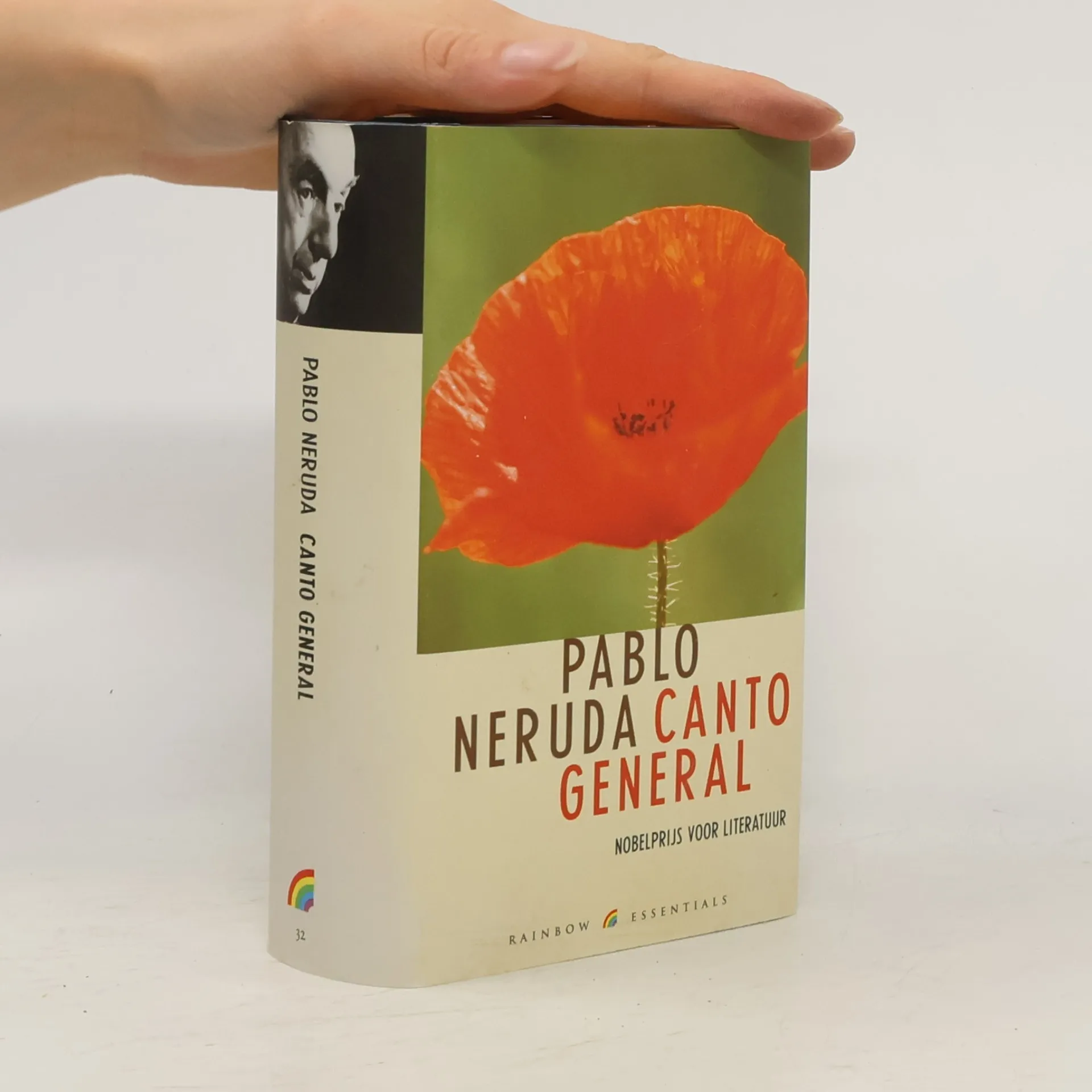
Rainbow Essentials - 32: Canto General
- 768pages
- 27 heures de lecture
Neruda was a kind of King Midas. Everything he touched turned to poetry, says Gabriel García Márquez, who also considers the Chilean Nobel laureate "the greatest poet of the twentieth century, in any language." [The Fragrance of Guava, 1983]. The Canto General, thought by many of Neruda's most prominent critics to be the poet's masterpiece, is the stunning epic of an entire continent and its people. The Canto speaks of the destiny of Latin American peoples and the life of the poet himself. Without question, this is one of the most important and powerful long poems written in the modern period.
Las poesías de Neruda son modulaciones líricas de la vida, en las que el amor, el erotismo, el sueño, el paisaje, la historia y la política crean variaciones inesperadas y devuelven una realidad caleidoscópica y perturbadora. "Accedió en esa edad... La poesía vino a buscarme, estaba allí sin rostro y me tocaba".
Barcelona. 19 cm. 179 p. Encuadernación en tapa dura de editorial. Neruda, Pablo 1904-1973. Poesía. Grandes poetas .. Este libro es de segunda mano y tiene o puede tener marcas y señales de su anterior propietario. 8440221754
Dich suchte ich
Nachgelassene Gedichte
Pablo Neruda gilt als einer der bedeutendsten Dichter der Weltliteratur. Mit „20 Liebesgedichte und ein Lied der Verzweiflung“ eroberte er die Herzen der Leser weit über die Grenzen Südamerikas hinaus. Vierzig Jahre nach Nerudas Tod wurden nun 21 Gedichte im Nachlass des Nobelpreisträgers entdeckt - darunter auch sechs neue Liebesgedichte. In »Dich suchte ich« besingt Neruda die Liebe und den Schmerz der Trennung, er erzählt von Chile, von der Natur seines Heimatlandes, vom Reisen. Verse, spontan zu Papier gebracht auf Zetteln, Menükarten, Konzertprogrammen, wie die diesem Band beigefügten Faksimiles zeigen. In diesen erst vor wenigen Jahren entdeckten Gedichten begegnen wir einem der wichtigsten lateinamerikanischen Autoren des 20. Jahrhunderts auf dem Höhepunkt seines Schaffens.
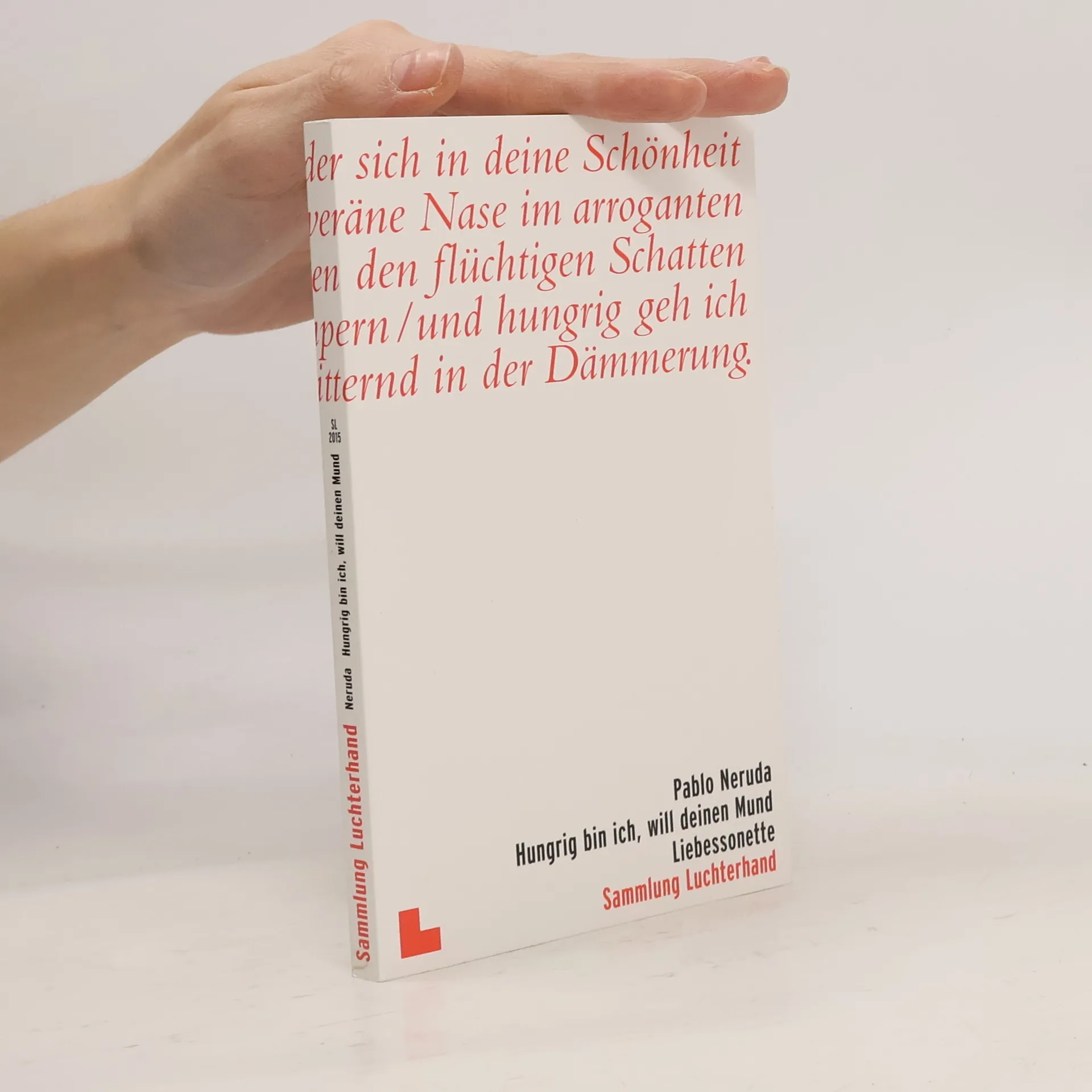
Hungrig bin ich, will deinen Mund
- 106pages
- 4 heures de lecture
Nerudas Liebessonette sind 1959 erschienen und seiner Geliebten Matilde Urrutia gewidmet. Für Pablo Neruda ist jedes seiner Liebessonette das Geschenk eines hingebungsvoll Liebenden an seine Geliebte. In der Poesie, im Gedicht, möchte er ihr so nahe sein, daß »ich in meinem Schlaf deine Augen schließe«. Fritz Rudolf Fries hat Nerudas Liebessonette ausgewählt, kongenial ins Deutsche übertragen und mit einem Nachwort versehen.
Zusammengest., eingel. u. Anmerkungen v. Larrain, Sergio Fernandez Zahlr. Abb. 335 S. N.-A.
RBA Coleccionables. Barcelona. 2001. 20 cm. Encuadernación en tapa dura de editorial. Colección 'Grandes poetas' .. Este libro es de segunda mano y tiene o puede tener marcas y señales de su anterior propietario.
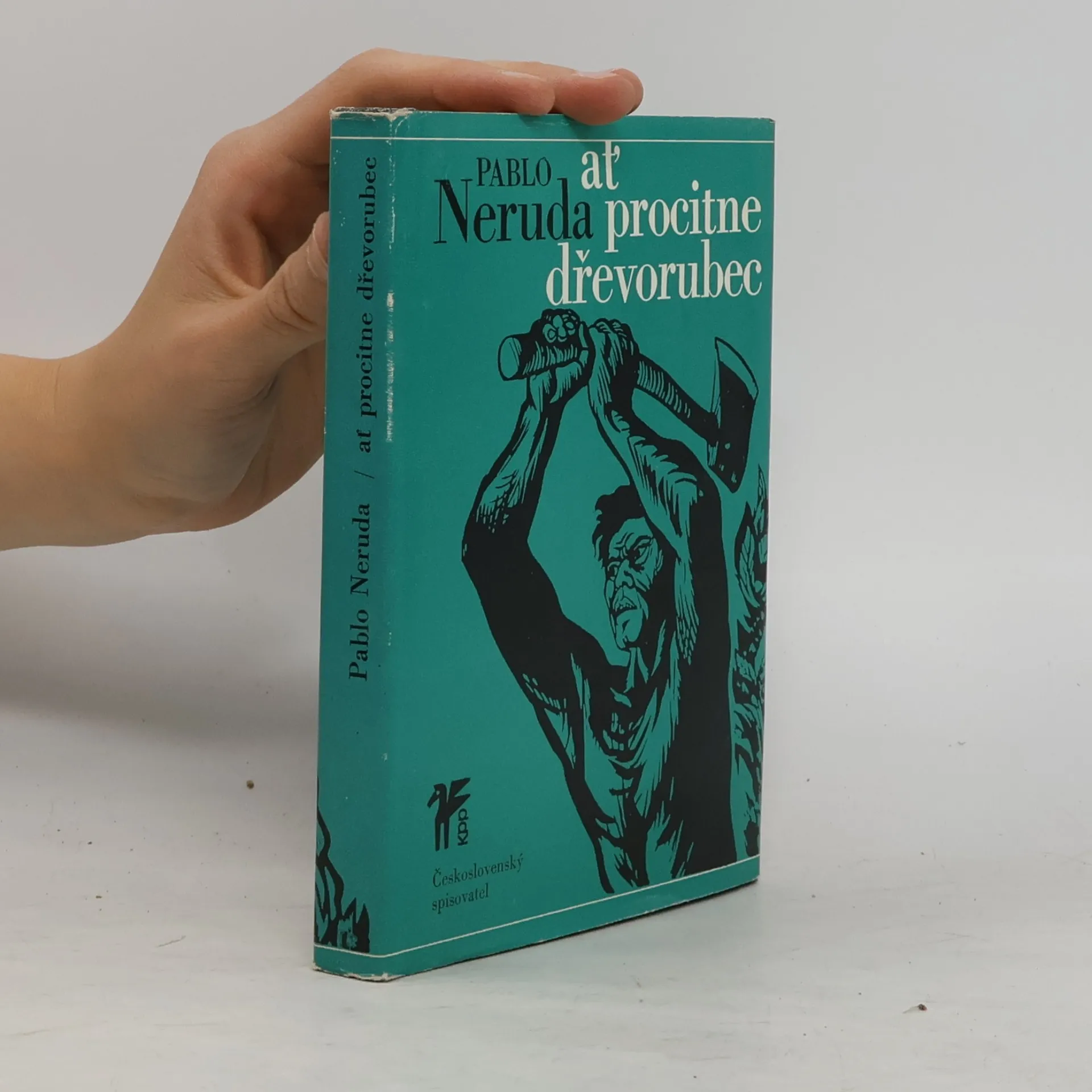
Výbor z díla známého chilského básníka, laureáta Nobelovy ceny. Verše autora velebásně Canto general-Všeobsáhlý zpěv, opěvující dějiny Latinské Ameriky; básně poutníka a štvance, který se vyznává z lásky k míru a životu obyčejných lidí a hněvivě odsuzuje utlačovatele svobody. Poezie vybraná ze sbírek Elementární ódy (o elementárních věcech života), Plamenný meč (epopej o posledních obyvatelích této planety) a zejména pak z poémy Ať procitne dřevorubec. V textu a na obálce byly použity dřevoryty mexických grafiků Leopolda Méndeze, Andrei Gómezové, Pabla O'Higginse a Alberta Beltrána. Doslov Adolf Kroupa.
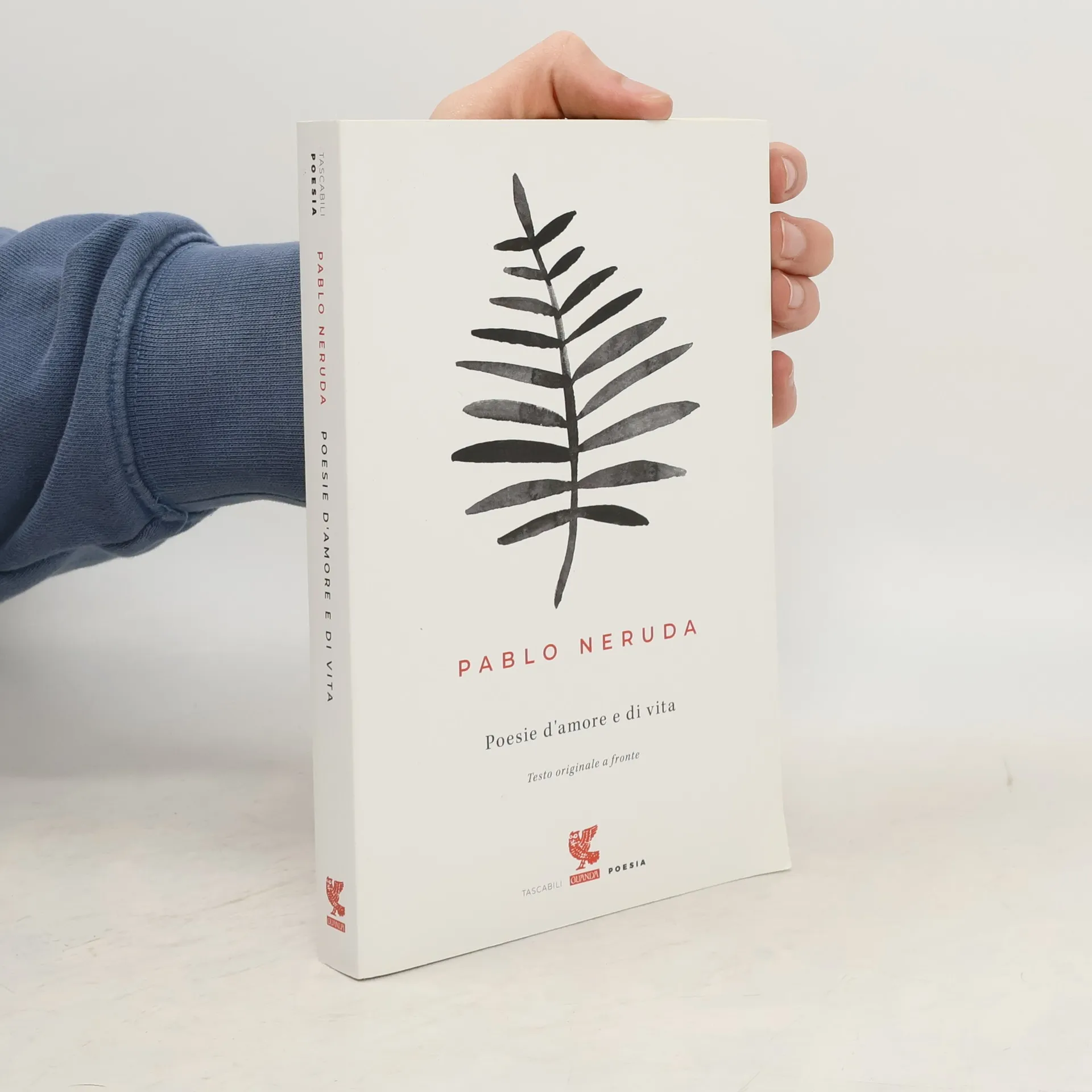
Tascabili Guanda. Poesia: Poesie d'amore e di vita. Testo spagnolo a fronte
- 256pages
- 9 heures de lecture
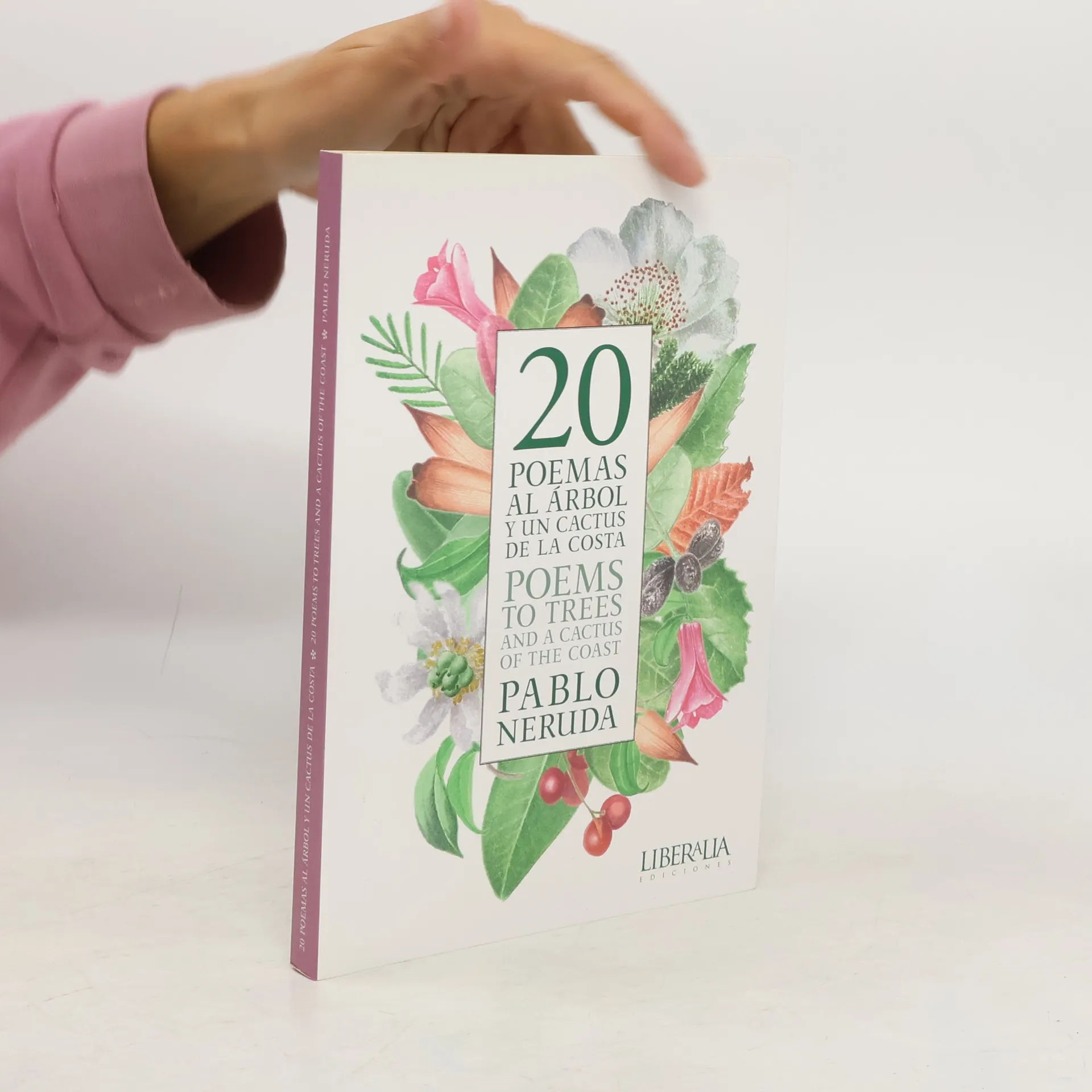
20 poemas al árbol y cactus de la costa
- 177pages
- 7 heures de lecture
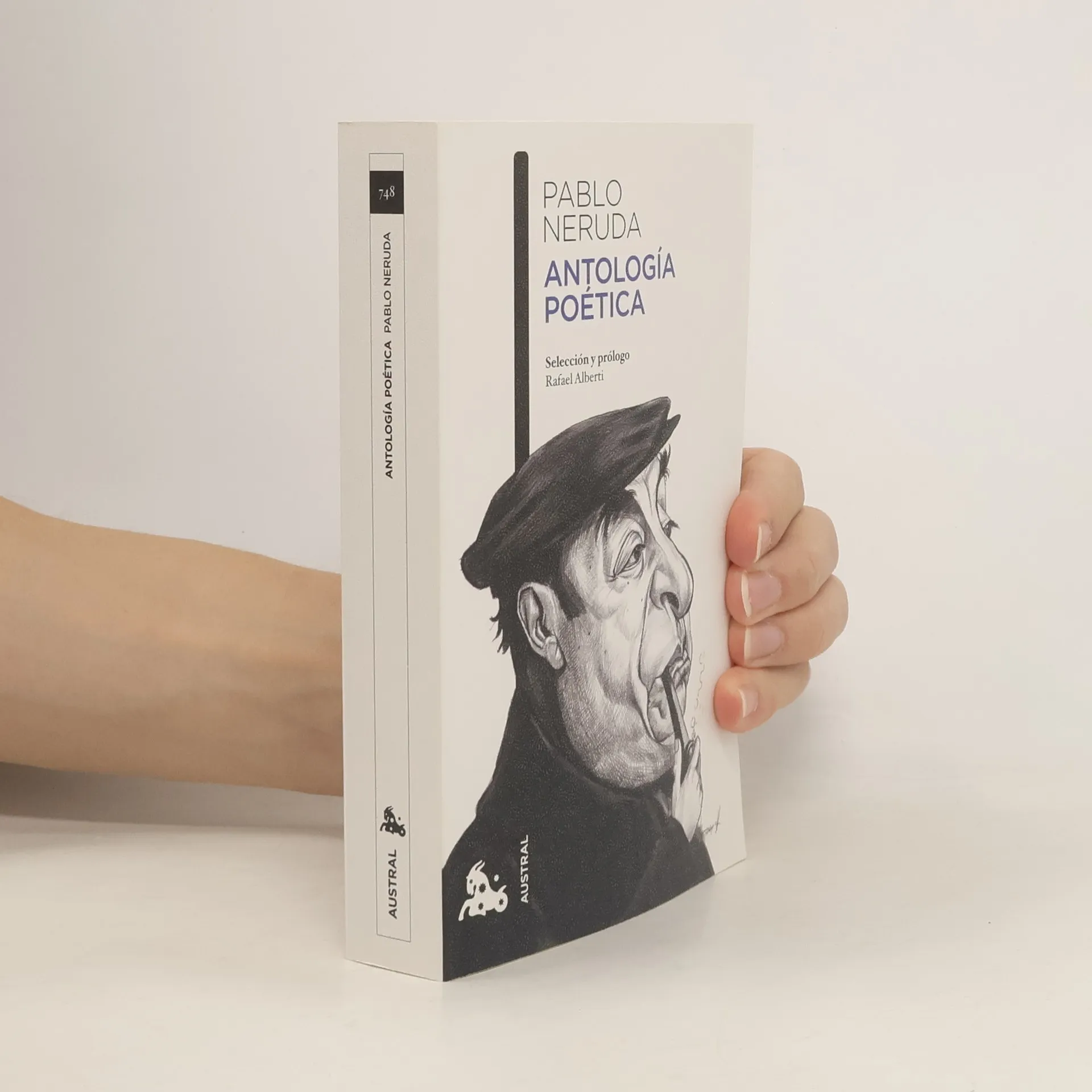
Antologia Poetica
- 560pages
- 20 heures de lecture
Pablo Neruda, uno de los mayores poetas contemporáneos en lengua castellana, ejerció una decisiva influencia en poetas como García Lorca, o Rafael Alberti, con quienes mantuvo una estrecha amistad. Precisamente fue Alberti quien se encargó de hacer esta selección (acompanada por un prólogo), en la que se hace un detallado recorrido por las principales obras del poeta chileno.
Poesía de amor. De tus caderas a tus pies quiero hacer un largo viaje
- 69pages
- 3 heures de lecture
El volumen Poesía de amor. De tus caderas a tus pies quiero hacer un largo viaje de la colección «Poesía portátil» reúne los mejores poemas de amor de Pablo Neruda. El Premio Nobel de Literatura Pablo Neruda es uno de los poetas en lengua española más leídos por todos los públicos, un autor que consiguió grabar en la memoria de jóvenes y adultos unos versos que se transmiten de generación a generación. Reunimos en este título algunos de los poemas de amor más emblemáticos de Neruda, desde sus primeros textos en Crepusculario o Veinte poemas de amor y una canción desesperada a sus Cien sonetos de amor. «Desnuda eres tan simple como una de tus manos, lisa, terrestre, mínima, redonda, transparente.» ENGLISH DESCRIPTION The volume Love Poetry: From Your Hips to your Feet, I Want to Make a Long Journey, from the collection "Portable Poetry," gathers Pablo Neruda’s best love poems. Nobel Prize winner Pablo Neruda is one of the most read Spanish-language poets in all crowds; an author who has managed to engrave verses in the minds of young and old alike, which are passed down from generation to generation. In this book, we have collected some of Neruda’s most emblematic love poems, from his first texts in Crepusculario and Twenty Love Poems and a Song of Despair to his One Hundred Love Sonnets.
Para nacer he nacido
- 465pages
- 17 heures de lecture
La prosa de Pablo Neruda recogida en este volumen revela aspectos desconocidos de la rica y compleja personalidad del poeta. Estos textos describen el Extremo Oriente de sus años juveniles, hablan de personajes y sucesos chilenos y de las más inesperadas latitudes, describen el paisaje marino de Isla Negra, narran misterios as ceremonias celebradas por extravagantes amigos en alguna casona perdida en un barrio de Santiago de Chile o describen dos casos de chilenos ejemplares, los de Mariano Latorre y Pedro Prado, la eterna lucha entre América y Europa, entre naturaleza y cultura, realidad criolla e invención cosmopolita.
Der unsichtbare Fluß
- 270pages
- 10 heures de lecture
Neruda verfasste politische Gedichte, Oden und Liebesgedichte, geprägt von seinem Herkommen und der Geschichte seines Landes. Victor Farías hat eine Auswahl seiner Werke zusammengestellt, die eine einzigartige Gelegenheit bietet, diesen großen Dichter kennenzulernen.
Poems written by the prolific Chilean poet between the 1920's and 1940's illuminate his views on alienation and political oppression.
Veinte poemas de amor y una canción desesperada ; Los versos del capitán
- 160pages
- 6 heures de lecture
Sommer-Festival
- 719pages
- 26 heures de lecture
Denn, geboren zu werden...
Prosa. Publizistik. Reden
Den Schmerz der Welt in Hoffnung verwandeln
- 58pages
- 3 heures de lecture
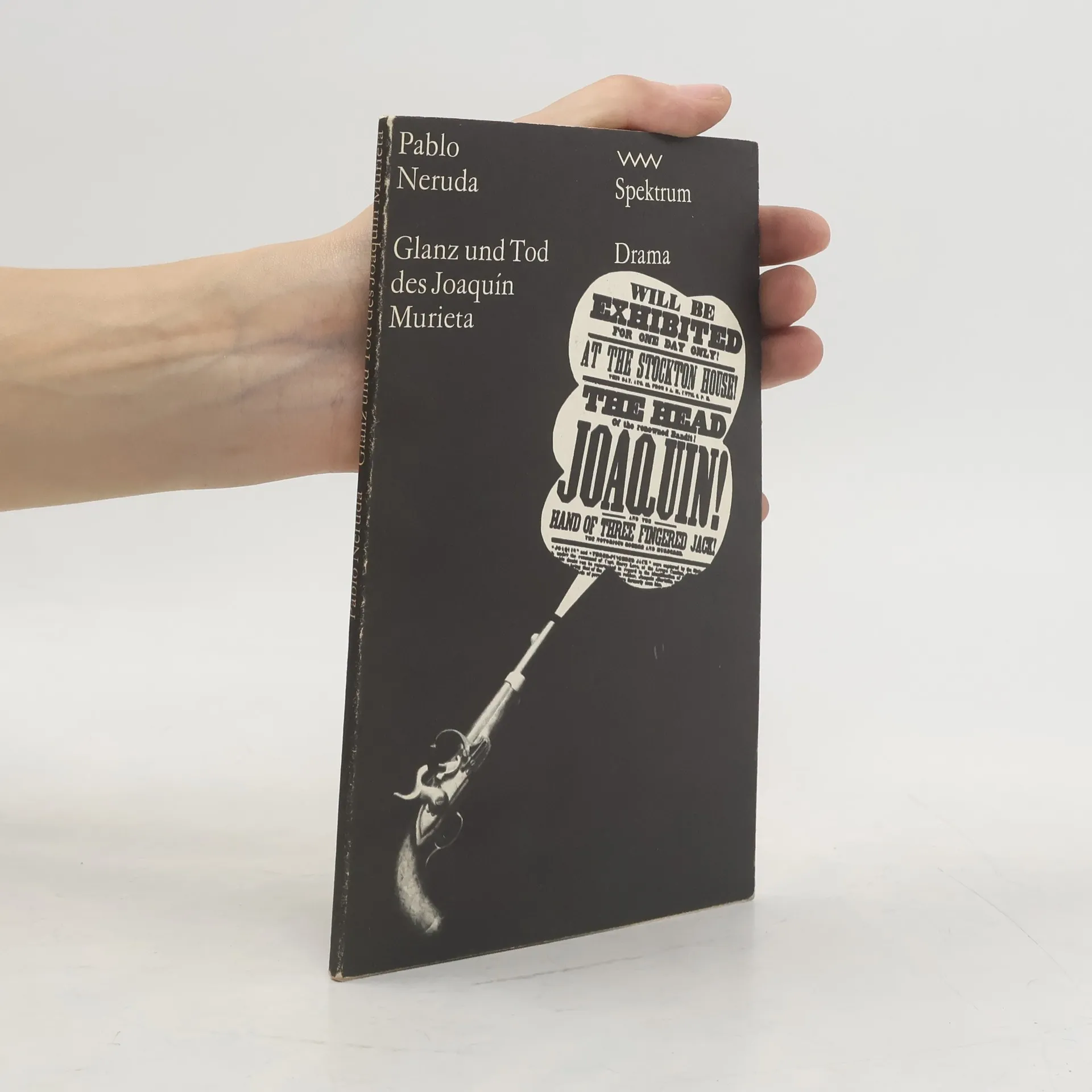
Hrdinka z Buenos Aires; Muž veľkých gest; Líška a hrozno; Sláva a smrť Joachima Murietu
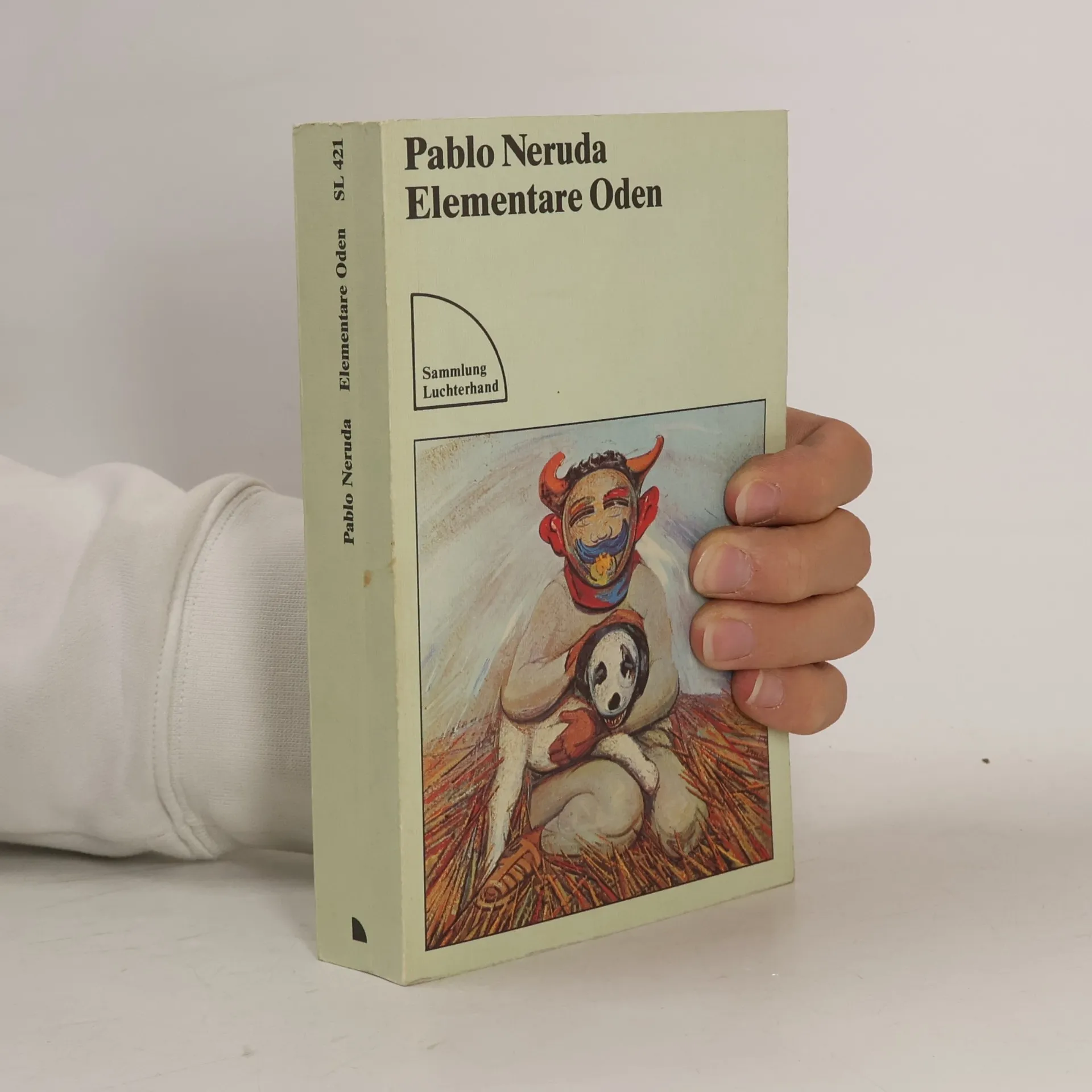
Elementare Oden
- 643pages
- 23 heures de lecture
Odas elementales
- 284pages
- 10 heures de lecture
En este libro, los vastos temas y el caudaloso ritmo que caracterizaban su obra anterior cede paso al metro breve y fragmentado, a la vision microscopica, al protagonismo de aquello que verdaderamente es elemental: el encuentro con los anonimos y desconocidos que transitan las calles, con los ojos de hombres y mujeres, con el corazon de las cosas cotidianas. Asi las odas cantan a lo ya dicho y redicho, redescubriendo el valor oculto e invisible de aquello que nos rodea y acompana desde su condicion silenciosa de testigo permanente de nuestra vida.