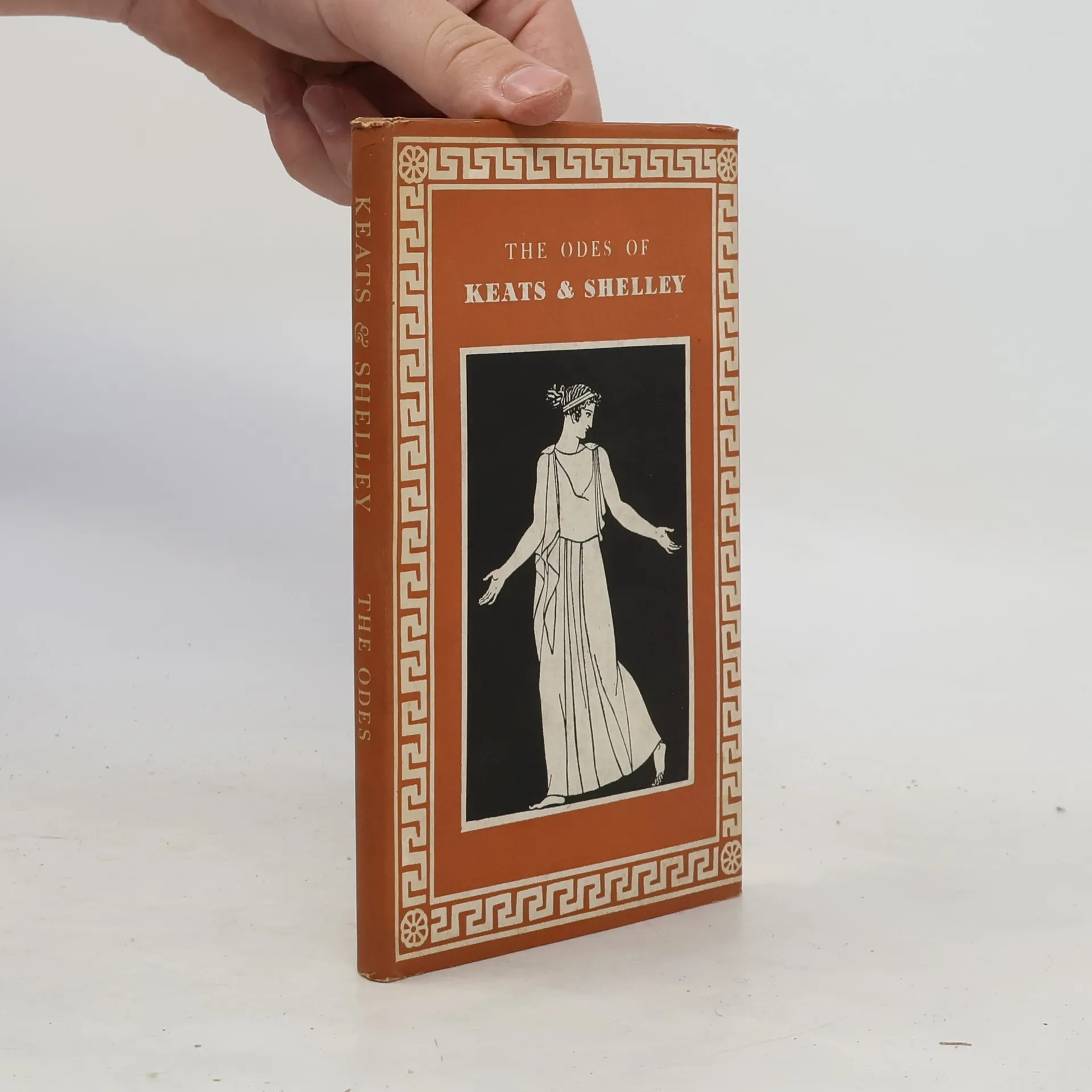
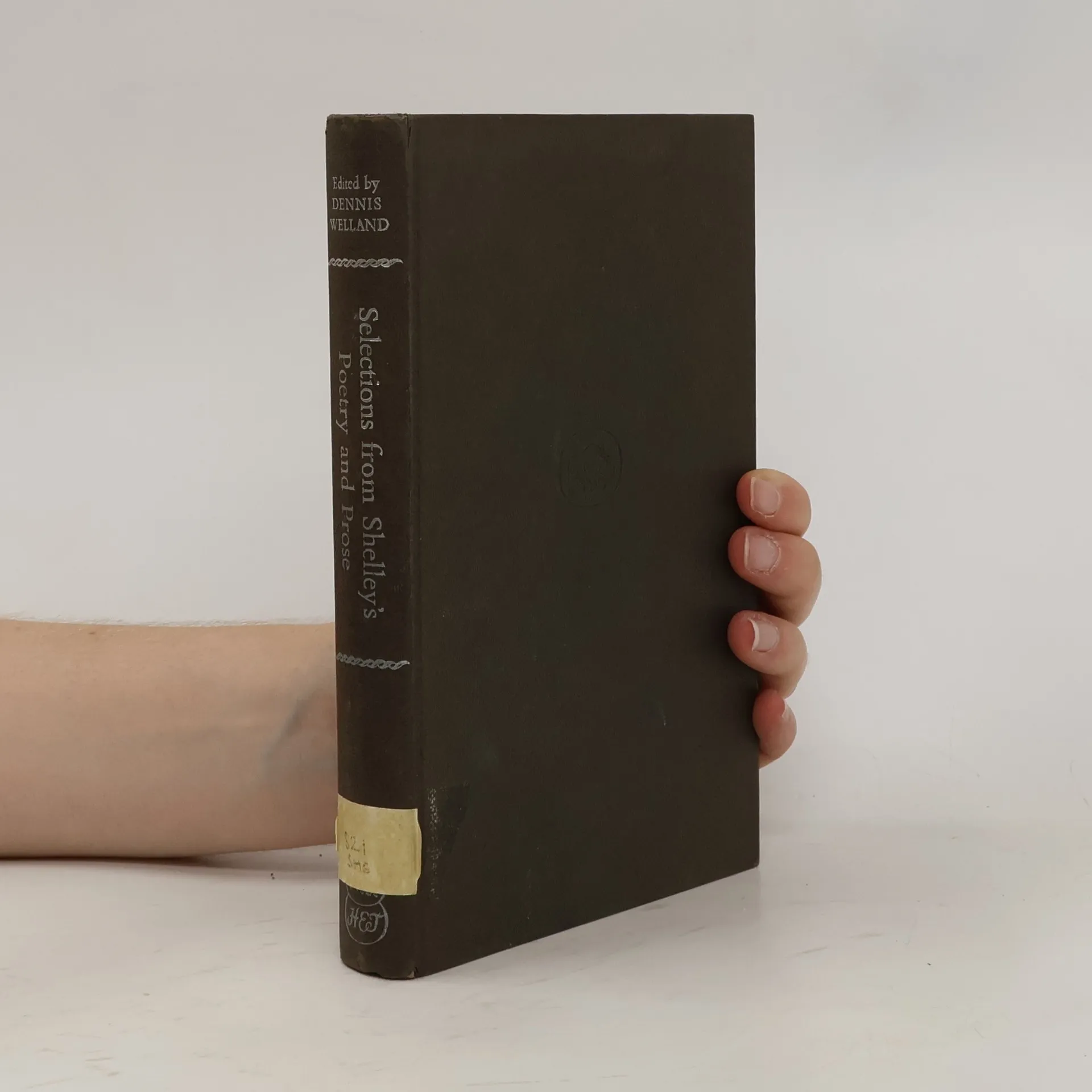
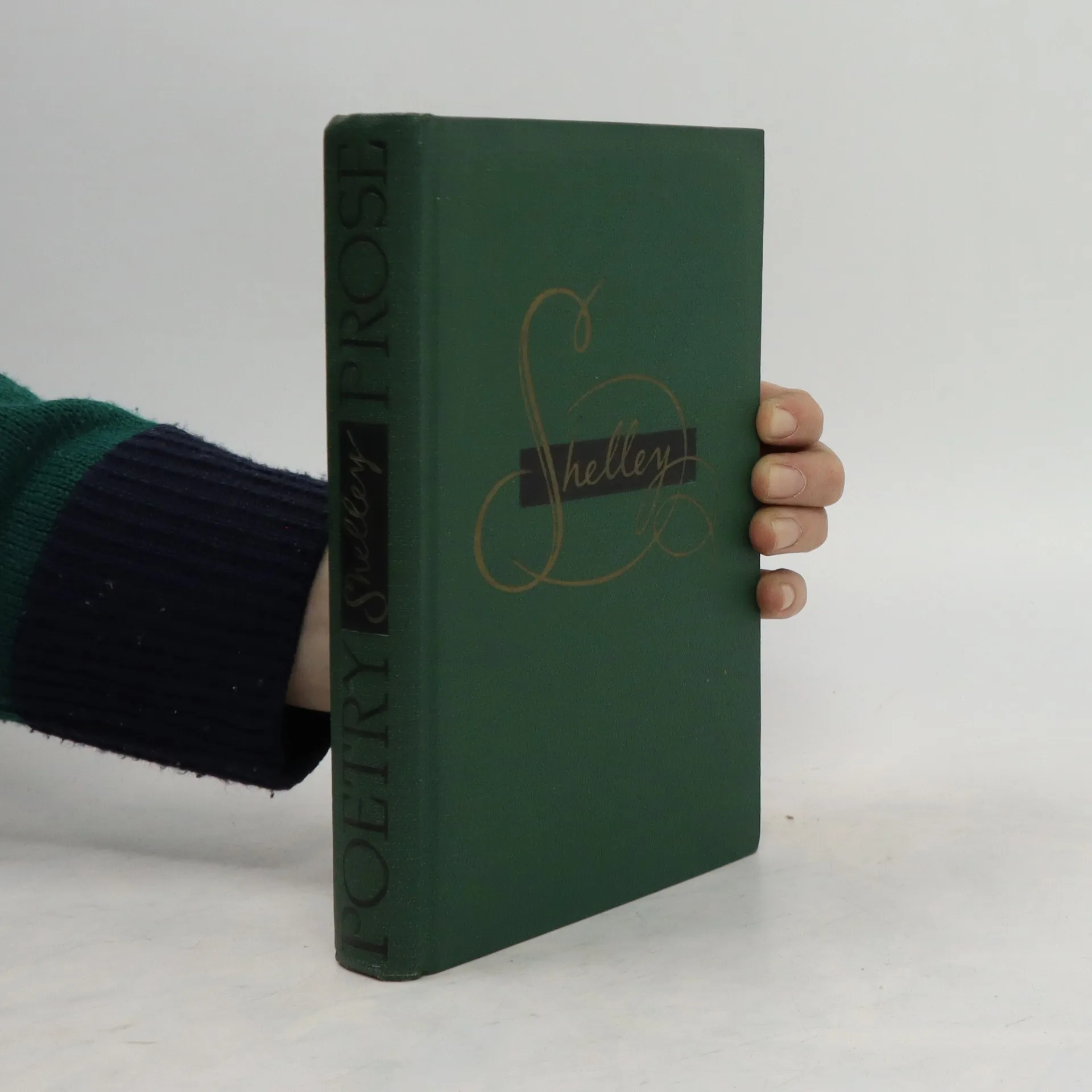
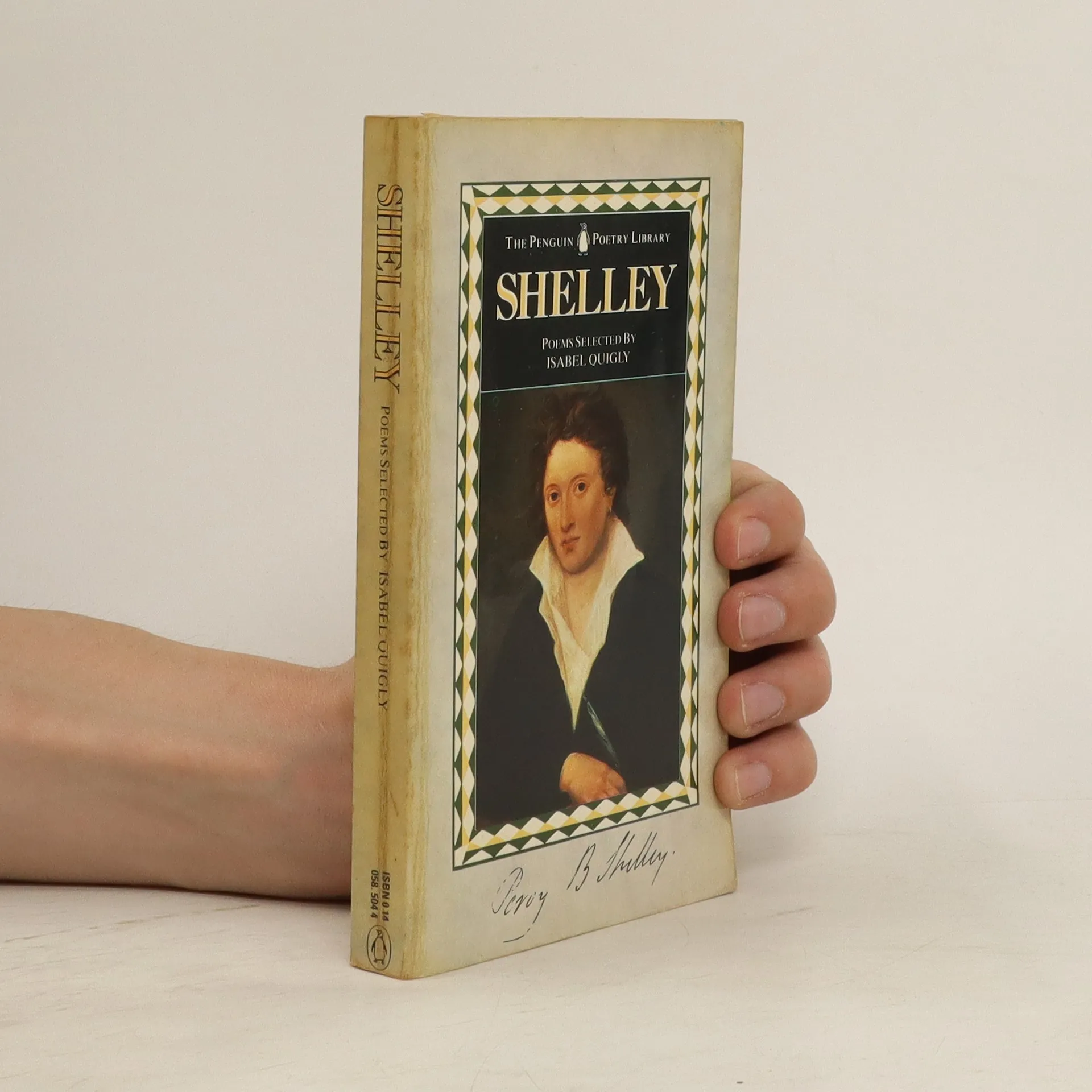
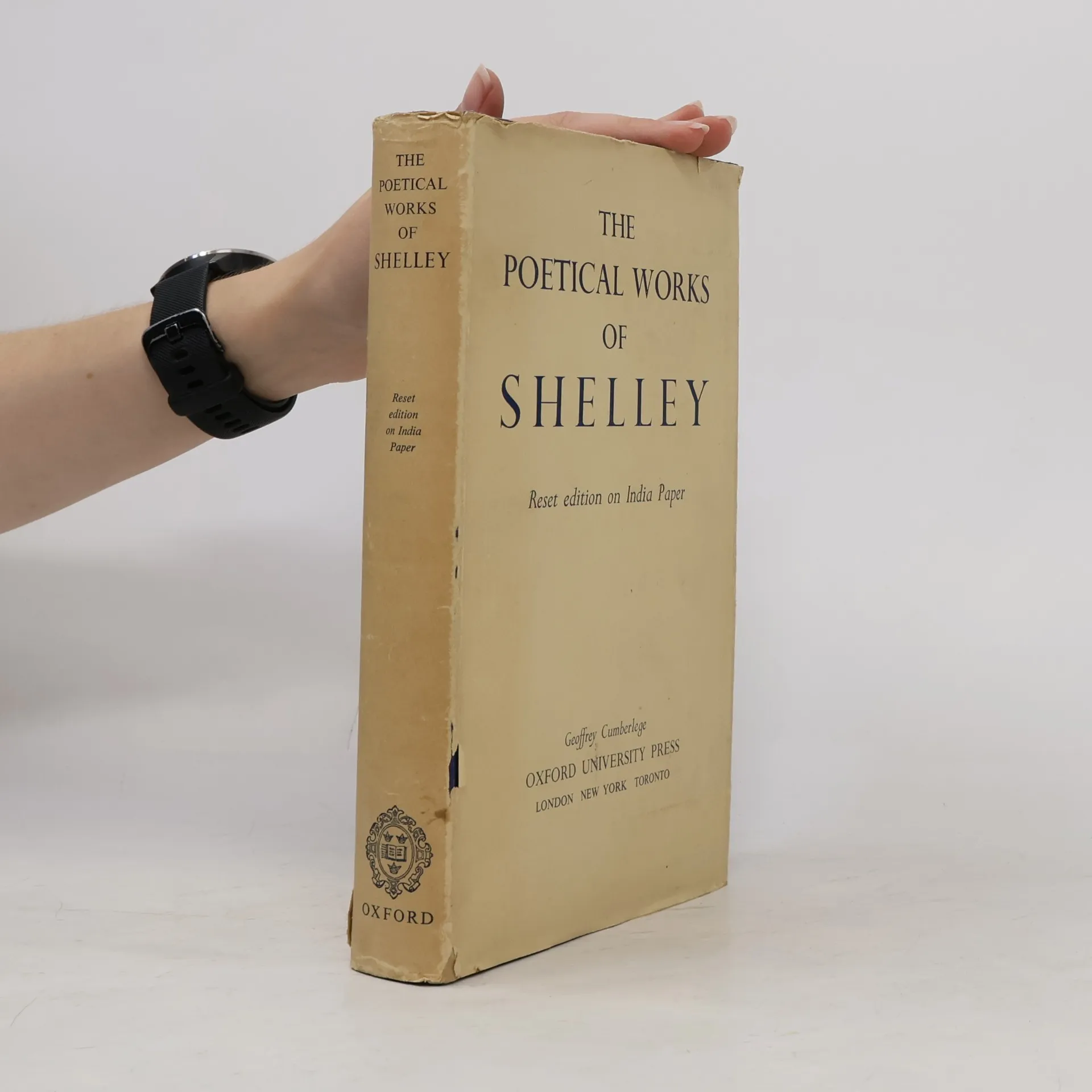
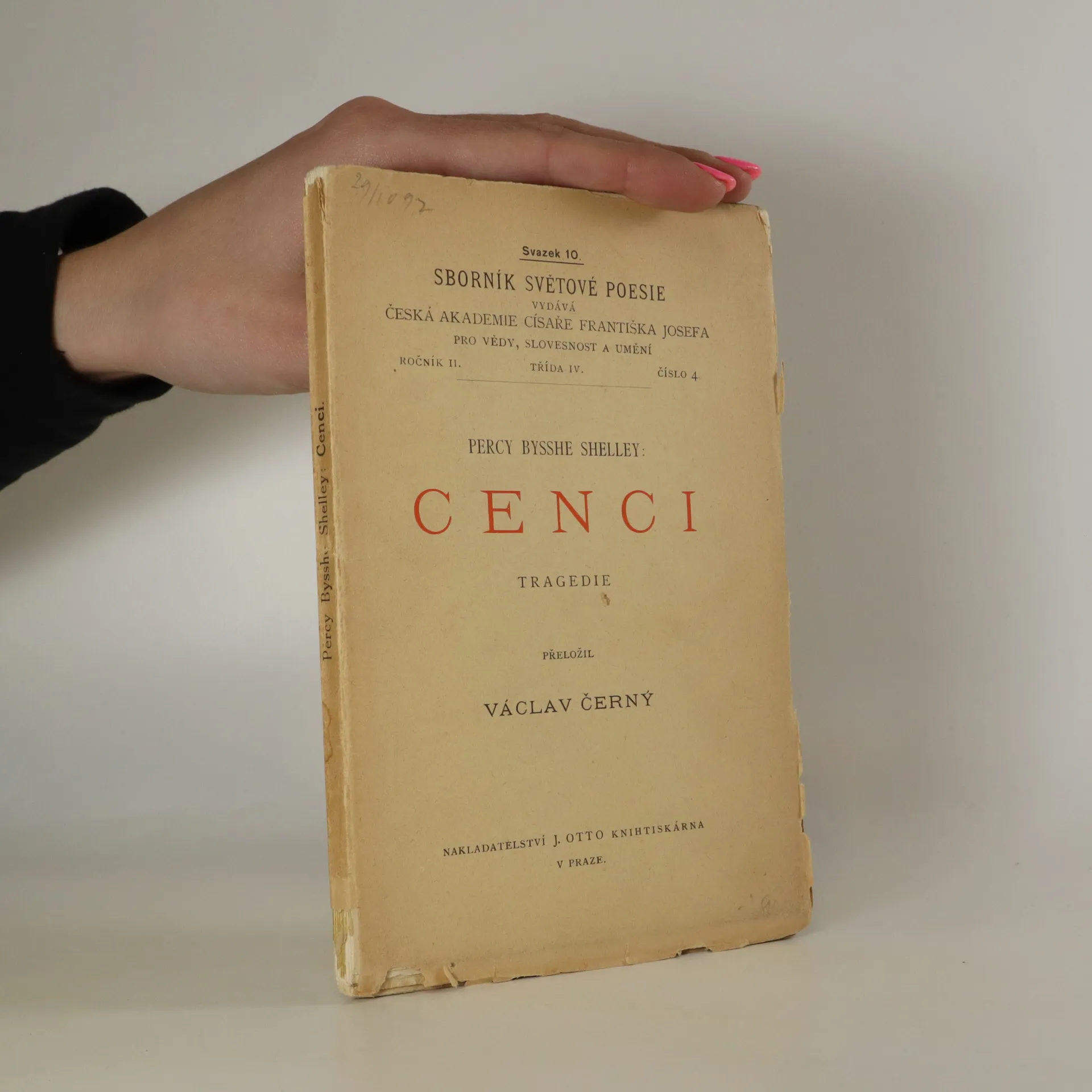
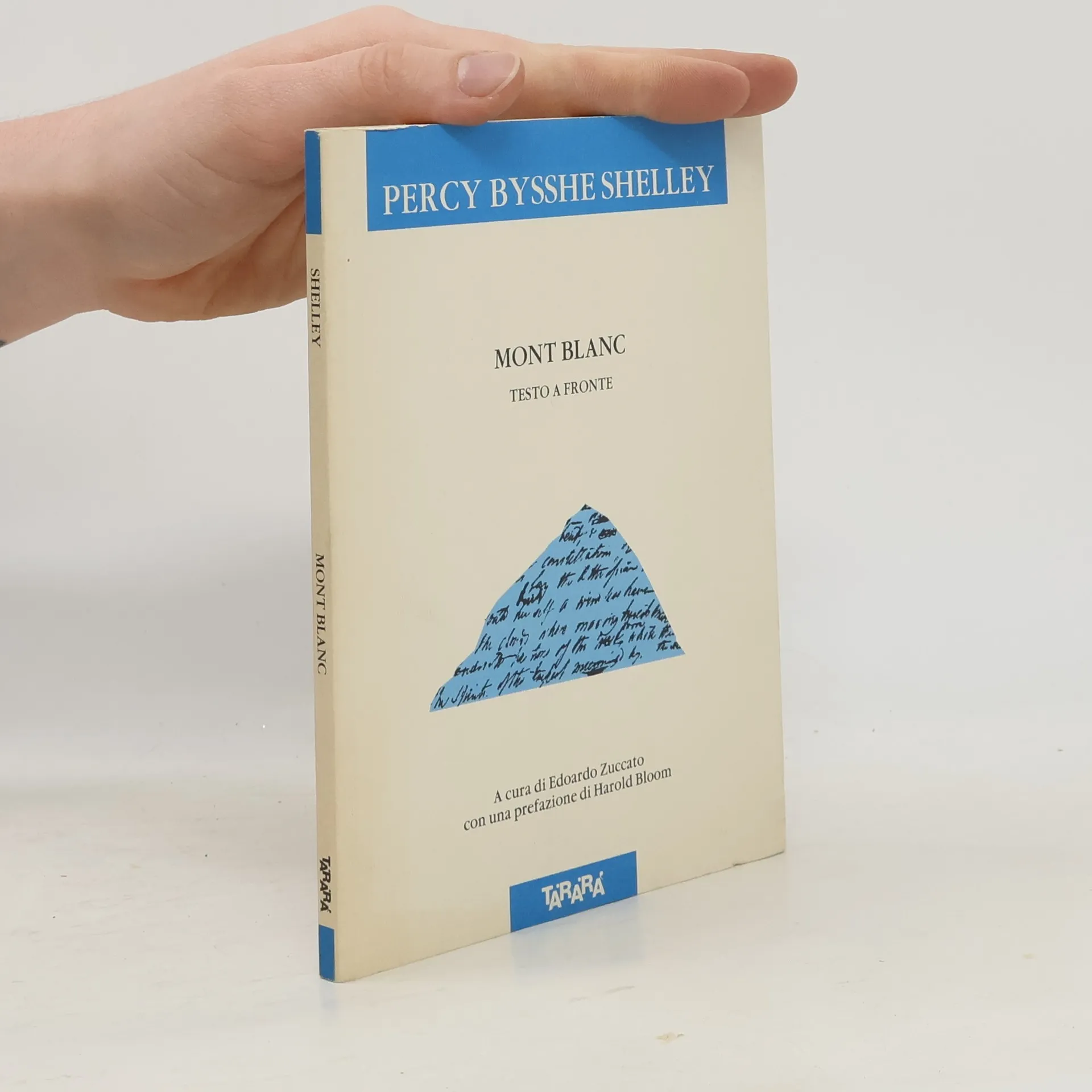
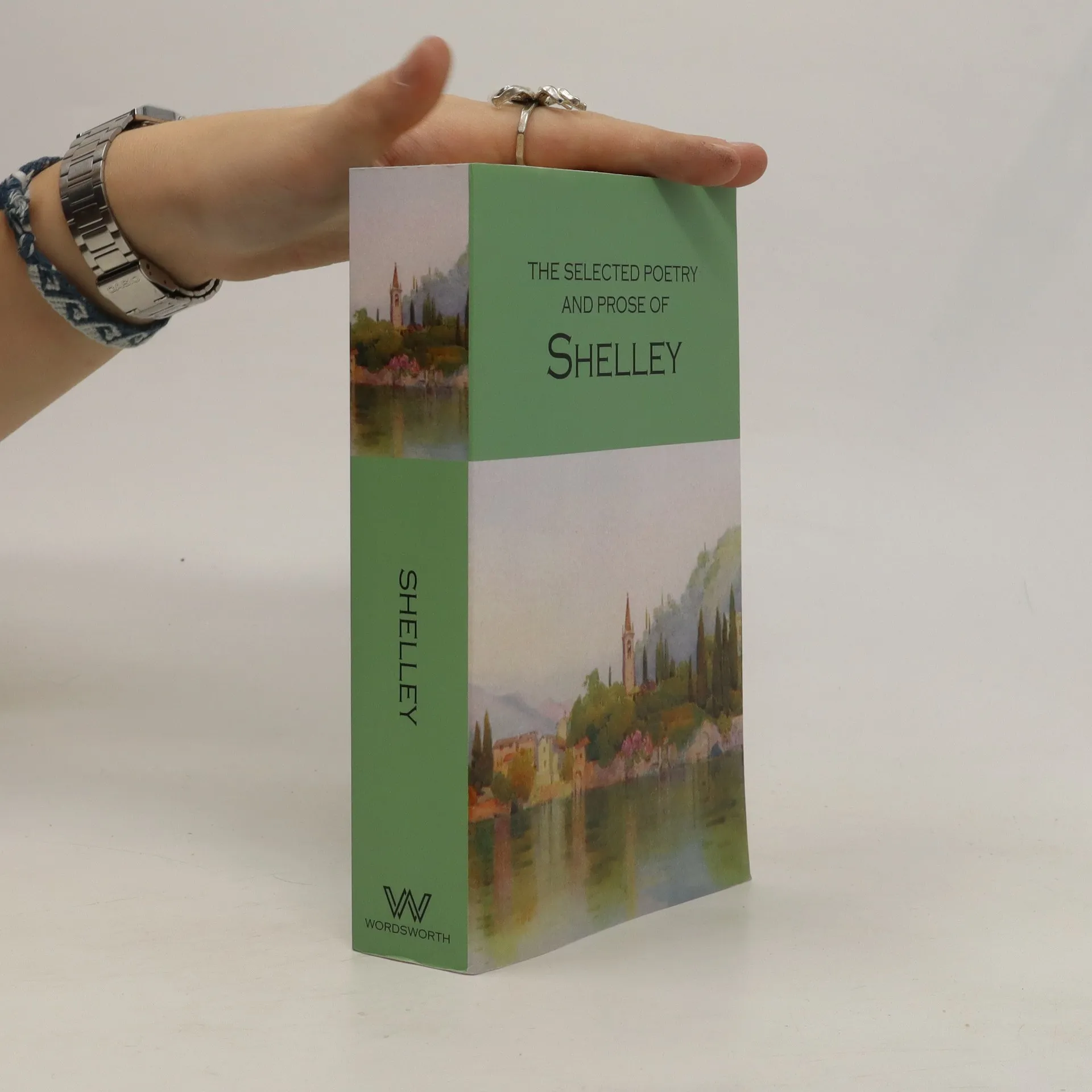
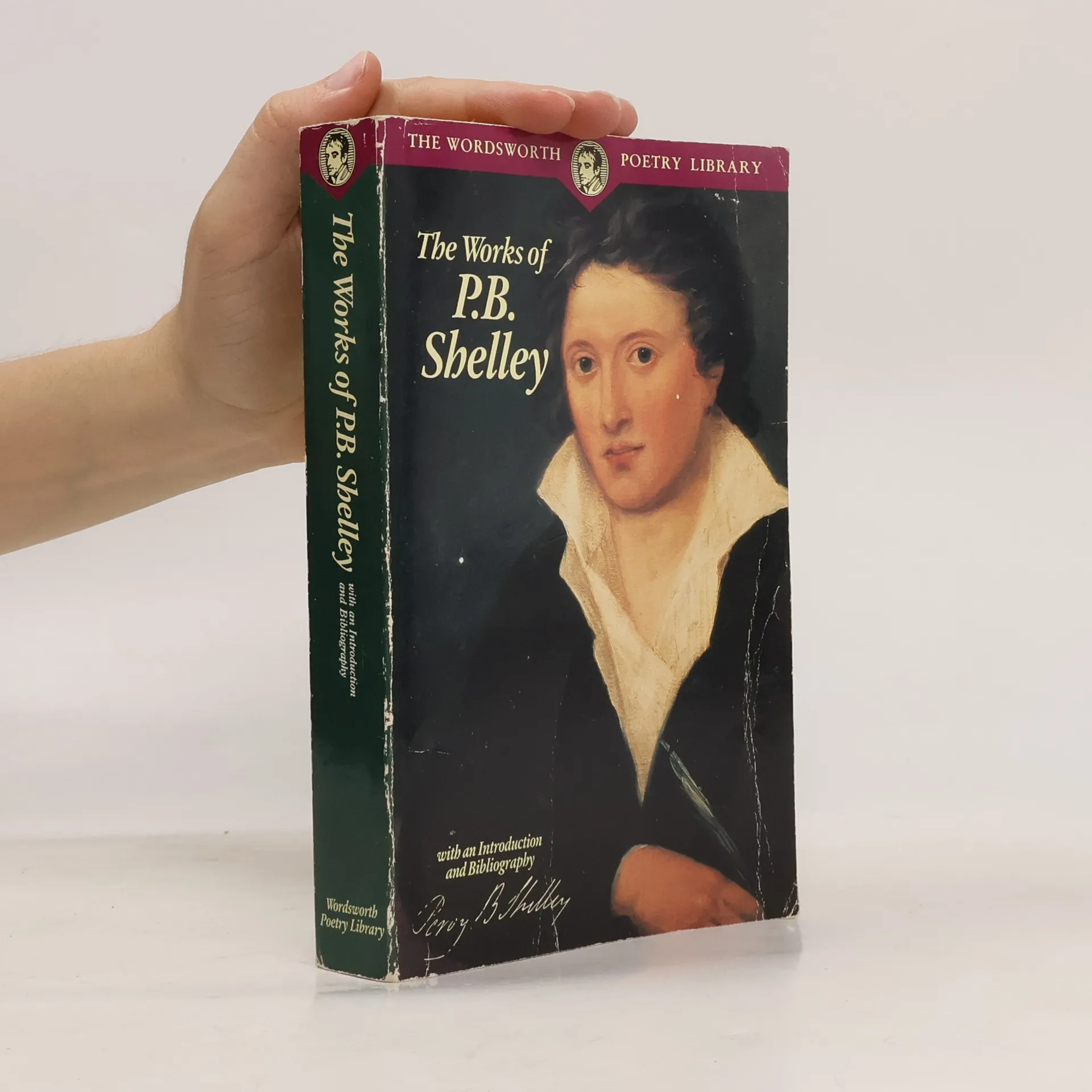
This edition contains all Shelley's poetry, from his juvenilia to his great works such as "The Revolt of Islam" and "Ode to the West Wind", and his only completed verse drama "The Cenci", a melodramatic Venetian tale of incest, murder and revenge.
Percy Bysshe Shelley Livres
4 août 1792 – 8 juillet 1822
Percy Bysshe Shelley s'impose comme une figure majeure parmi les grands poètes romantiques anglais, célébré comme l'un des plus fins poètes lyriques de la langue anglaise. Son œuvre, marquée par un idéalisme radical et une voix sceptique, englobe aussi bien des pièces courtes renommées que de vastes poèmes visionnaires. La vie non conventionnelle et les principes intransigeants de Shelley en firent une figure controversée mais influente de son époque, devenant finalement une idole pour les générations suivantes de poètes et de penseurs. Son langage poétique et sa profondeur thématique résonnent encore aujourd'hui, inspirant les lecteurs par leur puissance et leur beauté durables.


The Selected Poetry & Prose of Shelley
- 560pages
- 20 heures de lecture
This edition contains all Shelley's poetry, from his juvenilia to his great works such as "The Revolt of Islam" and "Ode to the West Wind", and his only completed verse drama "The Cenci", a melodramatic Venetian tale of incest, murder and revenge.
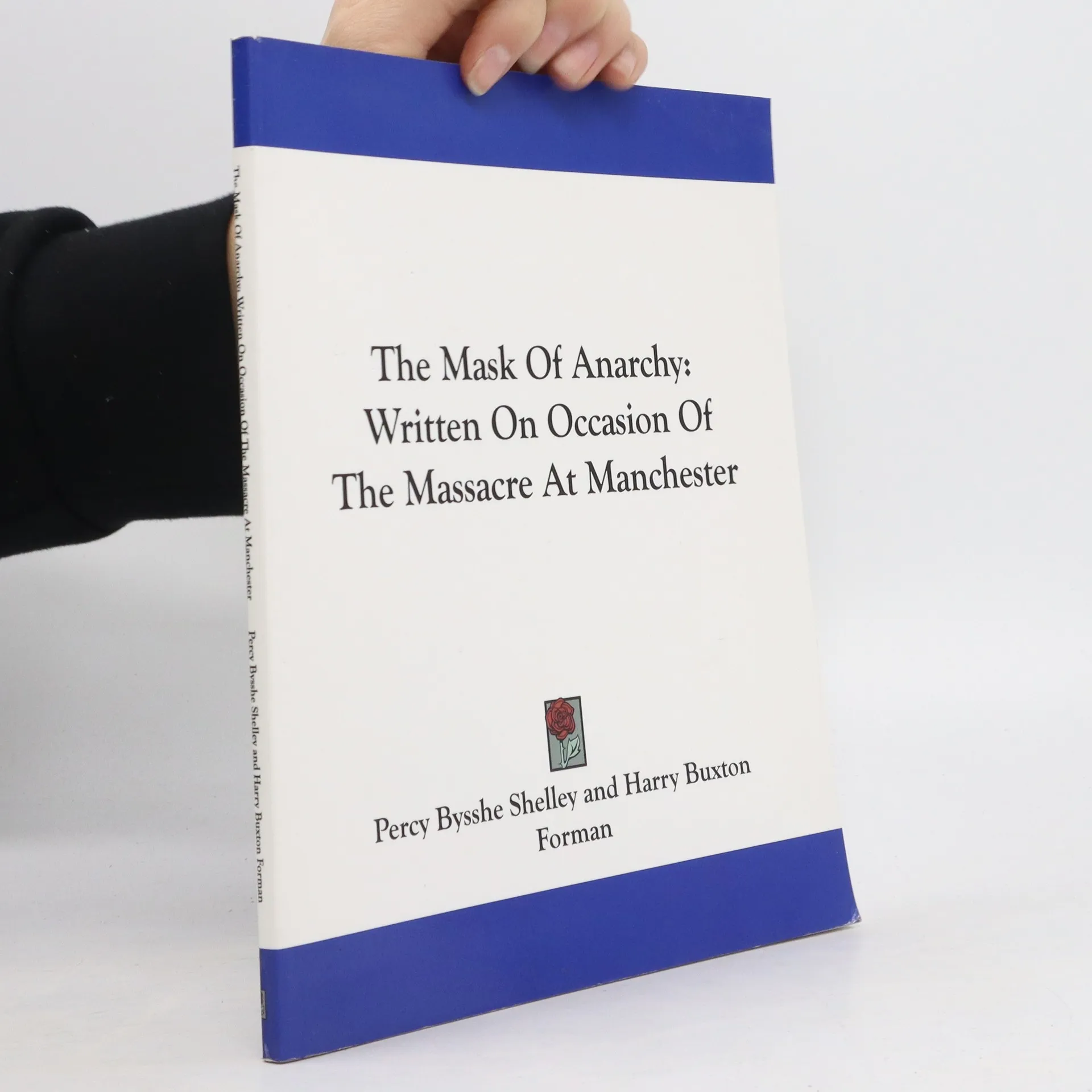
The Mask of Anarchy Written on the Occasion of the Massacre at Manchester
- 124pages
- 5 heures de lecture
The Masque of Anarchy (or The Mask of Anarchy) is a British political poem written in 1819 following the Peterloo massacre of that year.
This Second Edition is based on the authoritative texts chosen by the editors from their scholarly edition of The Complete Poetry of Percy Bysshe Shelley . Each selection has been thoroughly reedited, and the order of the poems has been rearranged in light of redating or other reconsiderations. All headnotes are new or updated, and many footnotes have been added, replaced, or revised."Criticism" reflects the recent renaissance in Shelley studies, the greatest renaissance since 1870-92. All twenty-three essays are new to the Second Edition; among them are the work of Harold Bloom, Stuart Curran, Annette Wheeler Cafarelli, Michael Ferber, James Chandler, and Susan J. Wolfson.A Chronology, an updated Selected Bibliography, and an Index of Titles and First Lines are included.
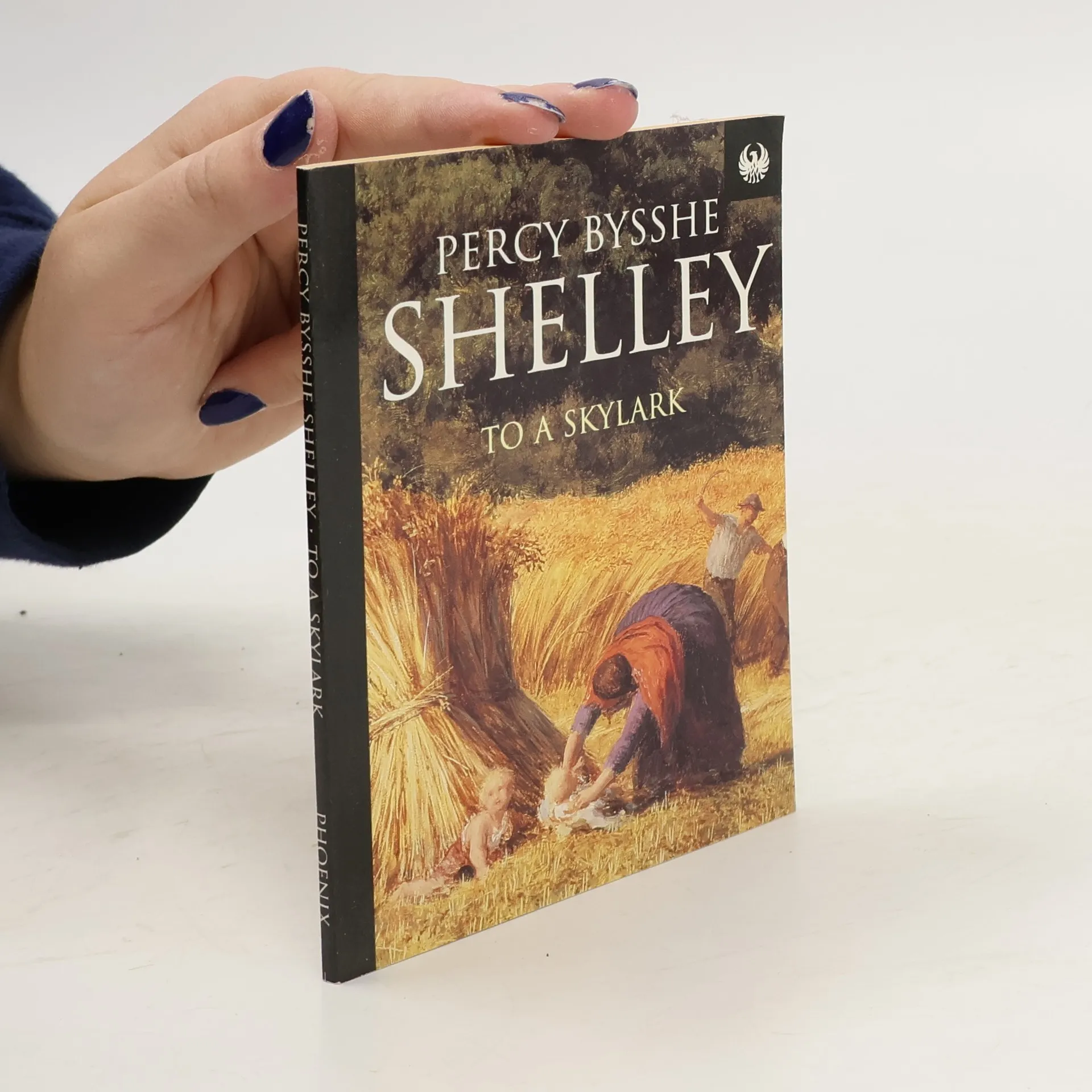
To a Skylark
- 64pages
- 3 heures de lecture
"The pale purple even melts around thy flight;Like a star of heaven in the broad daylight,Though art unseen, but yet I hear thy shrill delight—" 'To a Skylark' is a classic poem by Percy Bysshe Shelley, first published in 1820 within his work 'Prometheus Unbound'. The verses begin by describing a skylark above him, praising his traits via a number of similes. It is one of his most famous poems, and over the years it has influenced and inspired numerous works by authors, poets and songwriters, further securing its legacy in the history of literature. Percy Bysshe Shelley (1792–1822) was one of the major English Romantic poets, and is widely considered to be among the finest lyric poets of the English language. Among his most cherished works are pieces such as 'Ozymandias' (1817), 'Ode to the West Wind' (1820), 'To a Skylark' (1820), and 'The Masque of Anarchy' (1819). Shelley's unconventional life and uncompromising idealism, combined with his strong skeptical voice, made him a authoritative and much denigrated figure during his life. Famous for his association with his contemporaries John Keats & Lord Byron, he was also married to novelist Mary Shelley.
History of a Six Weeks' Tour
- 66pages
- 3 heures de lecture
Subtitle: With Letters Descriptive of a Sail Round the Lake of Geneva, and of the Glaciers of Chamouni General Books publication date: 2009 Original publication date: 1817 Original Publisher: Published by T. Hookham, jun. Old Bond Street; and C. and J. Ollier, Welbeck street Subjects: Authors, English Europe Women authors, English Geneva, Lake Notes: This is an OCR reprint. There may be typos or missing text. There are no illustrations or an index. When you buy the General Books edition of this book you get free trial access to Million-Books.com where you can select from more than a million books for free. You can also preview the book there.
Shelley's life was short an turbulent, but he left behind some of the most
Prometheus Unbound
- 100pages
- 4 heures de lecture
One of the most ambitious dramatic poems ever written, Percy Bysshe Shelley's Prometheus Unbound tells the story of the Titan Prometheus who gave mankind the secret of fire in open defiance to the decrees of Zeus, and who, as punishment for this generosity, was chained to the Caucasus Mountains and exposed to horrible tortures. Inspired by the Prometheus Bound of Aeschylus, Shelley's play serves as a sort of sequel, matching its Greek predecessor in stature and pure poetic power. It depicts its philanthropist hero's ultimate triumph over the superstition and bigotry of the gods. As Shelley himself stated in his Defence of Poetry, Prometheus Unbound awakens and enlarges the mind.
The Poetry of Percy Shelley
- 224pages
- 8 heures de lecture
At once passionate and subtle, Shelley's poetry embodied the Romantic movement. Filled with symbolic creations, enigmas, hints of rebellion, and his unbounded imagination, his verses found a place for him in the pantheon of great English poets. This collection features all his most famous poems, including 'Ozymandias', 'Ode to a skylark', 'The mask of anarchy', and the 'Hymn of Apollo'. Shelley's idealism extraordinary vision, and expert artistry are fascinating and richly rewarding
The Complete Works Of Percy Bysshe Shelley: Miscellaneous Poems, 1817-1822
- 476pages
- 17 heures de lecture
The Complete Works Of Percy Bysshe Shelley: Adonais, And Other Poems
- 424pages
- 15 heures de lecture
Excerpt from The Complete Works of Percy Bysshe Shelley: Adonais, And, Other Poems Epipsychidion Advertisement Epipsychidion Fragments Connected with Epipsychidion adonais Preface Adonais Cancelled Passages of Adonais hellas Dedication Preface Hellas Notes. About the Publisher Forgotten Books publishes hundreds of thousands of rare and classic books. In rare cases, an imperfection in the original, such as a blemish or missing page, may be replicated in our edition. We do, however, repair the vast majority of imperfections successfully; any imperfections that remain are intentionally left to preserve the state of such historical works.
The Witch of Atlas
in large print
Focusing on accessibility, this book is a reproduction of a historical work presented in large print format, catering specifically to individuals with impaired vision. The publishing house Megali is dedicated to enhancing the reading experience for those who may struggle with standard text sizes, ensuring that important historical texts remain available and enjoyable to a wider audience.
This book is a reproduction of a historical work, presented in large print to enhance accessibility for individuals with impaired vision. The publishing house Megali focuses on making significant texts more readable, ensuring that important historical literature is available to a wider audience.
Exploring themes of love, danger, and the supernatural, the novel follows Wolfstein, who, after contemplating suicide in the Swiss Alps, becomes embroiled in a harrowing adventure with a group of bandits. Captured alongside Megalena, a beautiful prisoner, he learns of a looming threat and orchestrates an escape after poisoning their captor. As they seek refuge in Genoa, their relationship is tested by external forces, leading Wolfstein to face critical choices. This Gothic tale showcases Shelley's early foray into darker literary themes.
Zastrozzi
- 150pages
- 6 heures de lecture
THIS IS A HORROR COOL COLLECTOR'S EDITION - PRINTED IN REALLY COOL MODERN CALLIGRAPHY AND GOTHIC FONTS THROUGHOUT. CHECK IT OUT WITH THE AMAZON SEARCH INSIDE FEATURE. Atheistic Gothic horror novel - love / obsession / and revenge.
John Keats (1795-1821) was a prominent English Romantic poet known for his rich sensual imagery, especially in his odes. His works, including celebrated poems and letters, remain highly analyzed in literature. This collection features key odes and sonnets, showcasing his profound exploration of beauty, love, and mortality.
Proserpine and Midas
- 74pages
- 3 heures de lecture
This book was converted from its physical edition to the digital format by a community of volunteers. You may find it for free on the web. Purchase of the Kindle edition includes wireless delivery.
Shelley's work has been criticized for its didacticism and undisciplined emotionalism. But essentially, he was a poet of ideas and in his search for truth and original human perfection, Shelley was inspired as much by the Greek poets and philosophers. Above all, his great gift was his lyricism and his verse comes as near to music as poetry can.
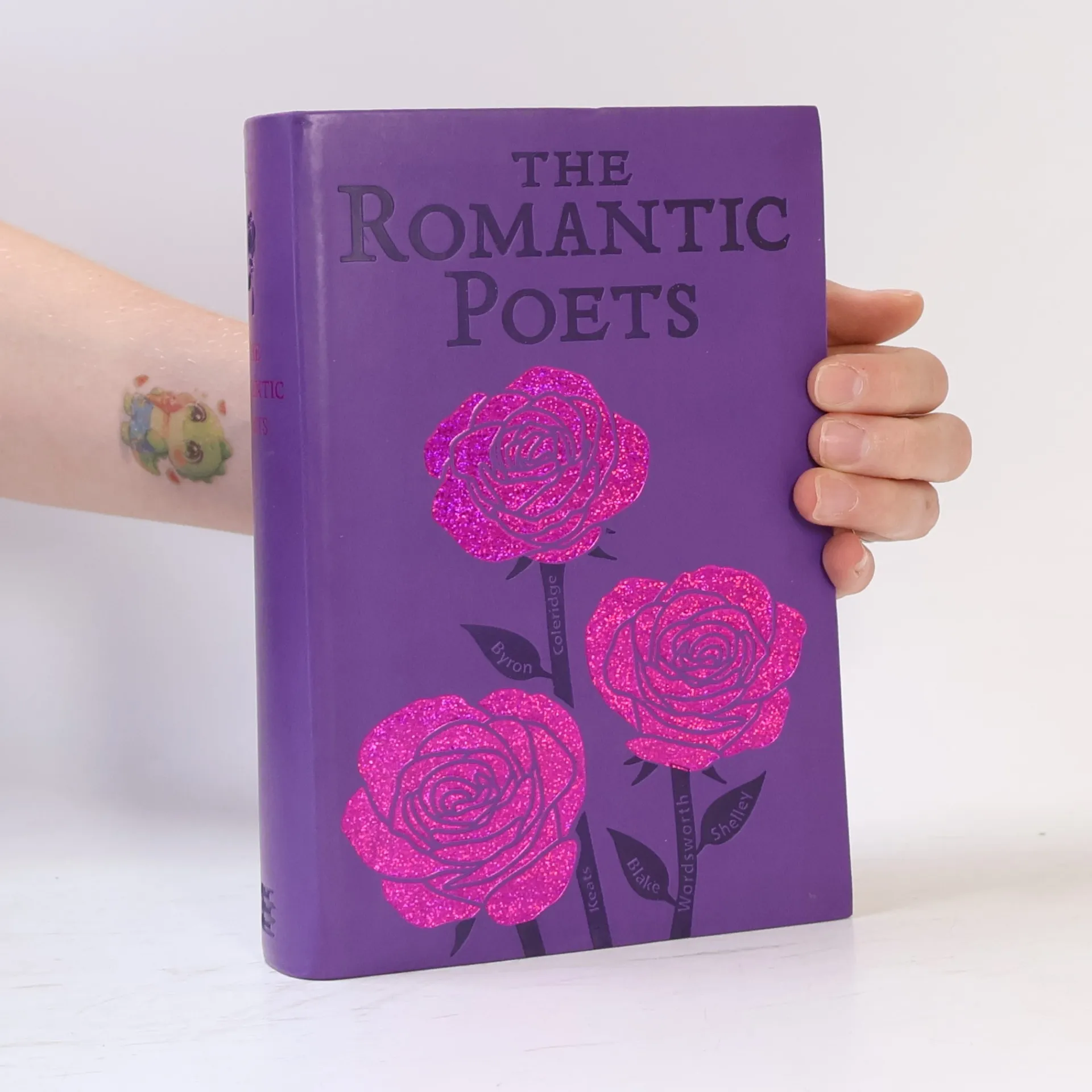
Word Cloud Classics: The Romantic Poets
- 800pages
- 28 heures de lecture
Feelings come alive through the words of the Romantic poets. William Wordsworth, George Gordon Byron, Percy Bysshe Shelley, Samuel Taylor Coleridge, William Blake, and John Keats
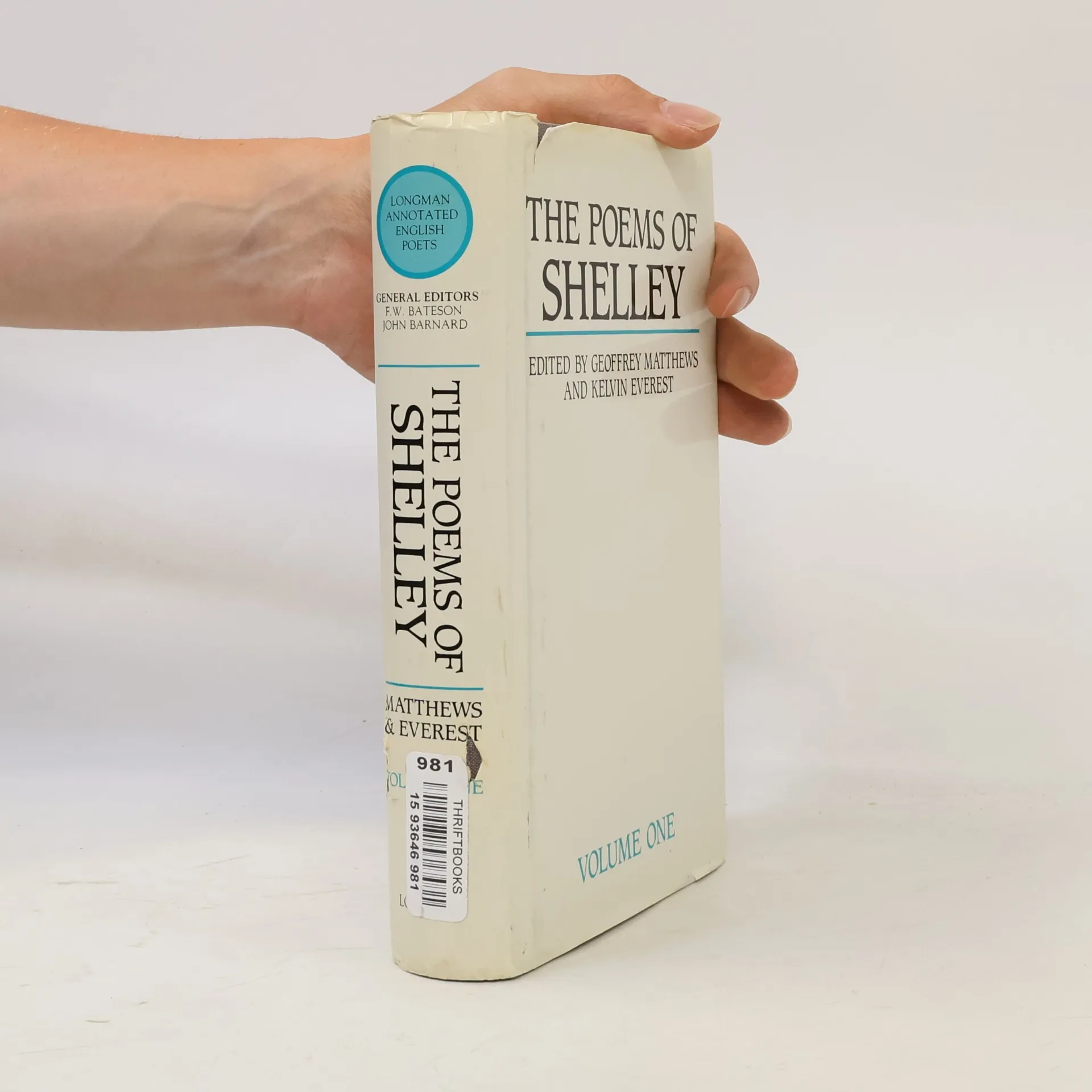
Percy Bysshe Shelley (1792-1822) is celebrated as a major Romantic poet, known for his exceptional lyric poetry. This first volume of a five-volume collection presents all of Shelley’s poems in chronological order, complete with thorough annotations. Each poem includes details about its composition and a fresh examination of relevant manuscript and printed sources to establish an authoritative text. Headnotes and footnotes offer essential personal, literary, historical, and scientific context for a deeper understanding of Shelley’s diverse and allusive verse. This volume features the 'Esdaile' poems, which became publicly accessible in the 1950s, arranged chronologically alongside Shelley’s early works, as well as "Queen Mab," his first major poem, with extensive prose notes. The Alastor volume is contextualized within Shelley’s overall poetic evolution. The recently discovered ‘Scrope Davies’ notebook reveals two unknown sonnets and alternative versions of key poems like ‘Hymn to Intellectual Beauty’ and ‘Mont Blanc,’ enhancing our comprehension of these significant works. This volume corrects long-standing errors and misunderstandings about Shelley’s poetry, providing fresh insights into his literary, philosophical, and political development. The collection represents the most comprehensive edition of Shelley’s poetry available for students and scholars.
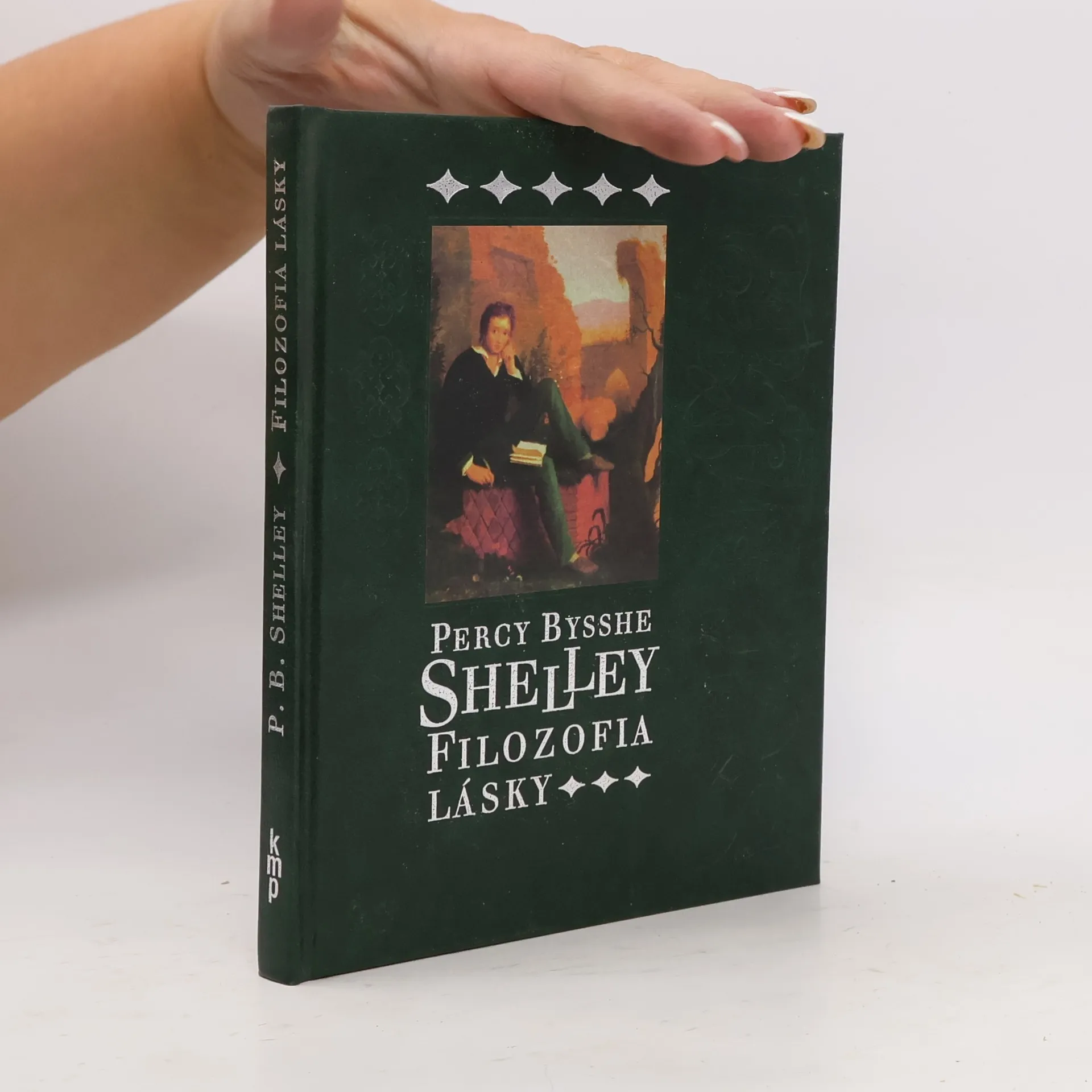
Filozofia lásky
- 128pages
- 5 heures de lecture
Slová Percyho Bysshe Shelleyho, jedného z veľkých anglických romantických básnikov, sú dokonalým vyjadrením a darom pre tých najdrahších. Ako dojímavé dnes, ako keď ich napísal ako mladý muž pred takmer dvoma storočiami, sú Shelleyho láskyplné presvedčenia sprevádzané 24 maľbami v viktoriánskej a edwardiánskej tradícii.
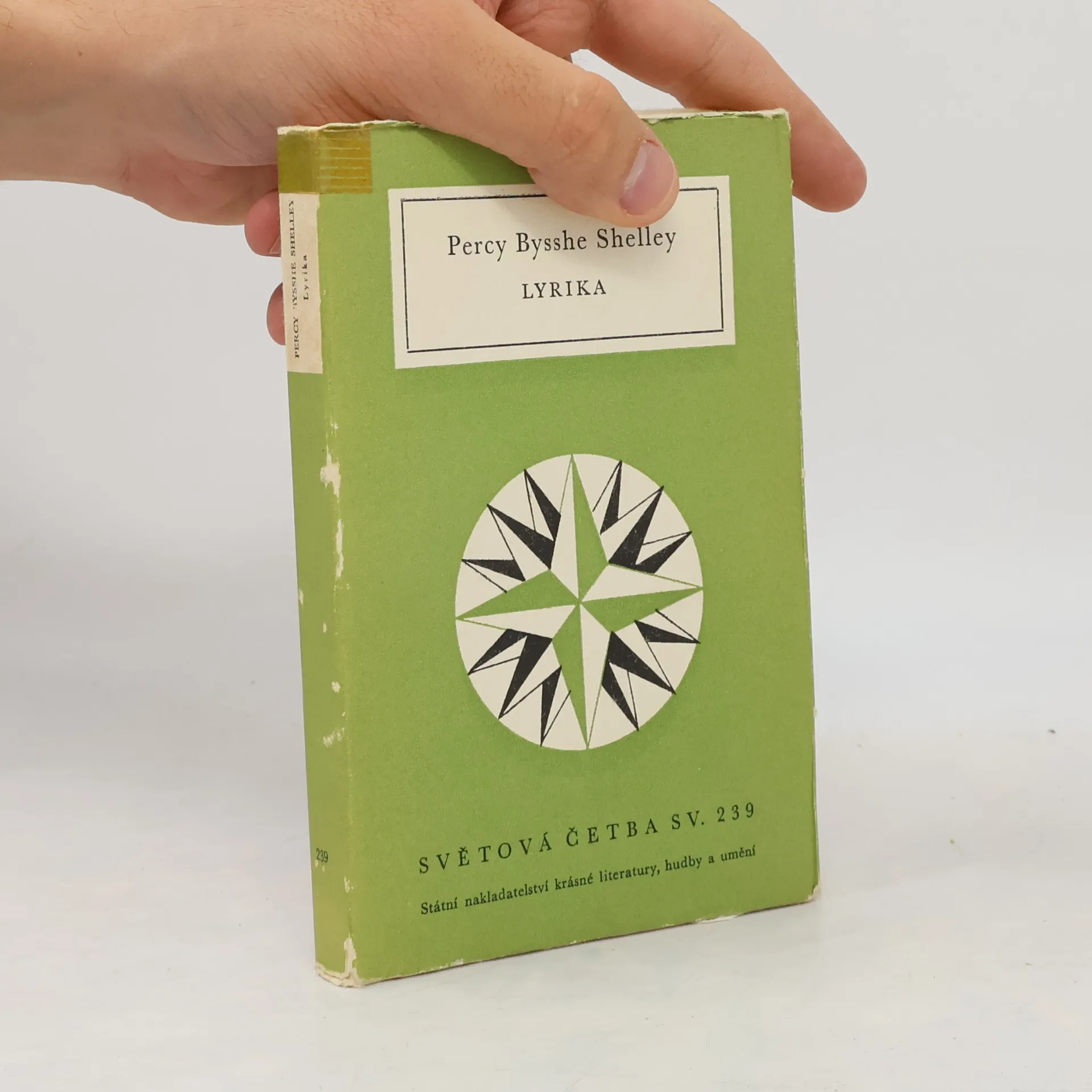
Výbor obsahuje vedle intimní lyriky a básní s přírodními motivy i politickou lyriku, ve které básník, vynikající představitel revolučního romantismu v Anglii, citlivě reaguje na společenské i politické události své doby. Předmluva: Zdeněk Vančura
Ústředním tématem básně je květinová zahrada, která je pod ochranou nejmenované "krásné paní". S dojemnou péčí a láskou pečuje tato líbezná žena o ráj sněženek, sasanek, hyacintů, "pyšných tulipánů" a dalších okrasných bylin, mezi nimiž má místo i citlivka stydlivá, popínavá rostlina s velmi choulostivými listy, které se skloní i při nepatrném kontaktu.
Verše anglických básníků Wordswortha, Keatse a Shelleyho vybrala a přeložila Jarmila Urbánková, která také napsala úvod, medailonky a poznámky.
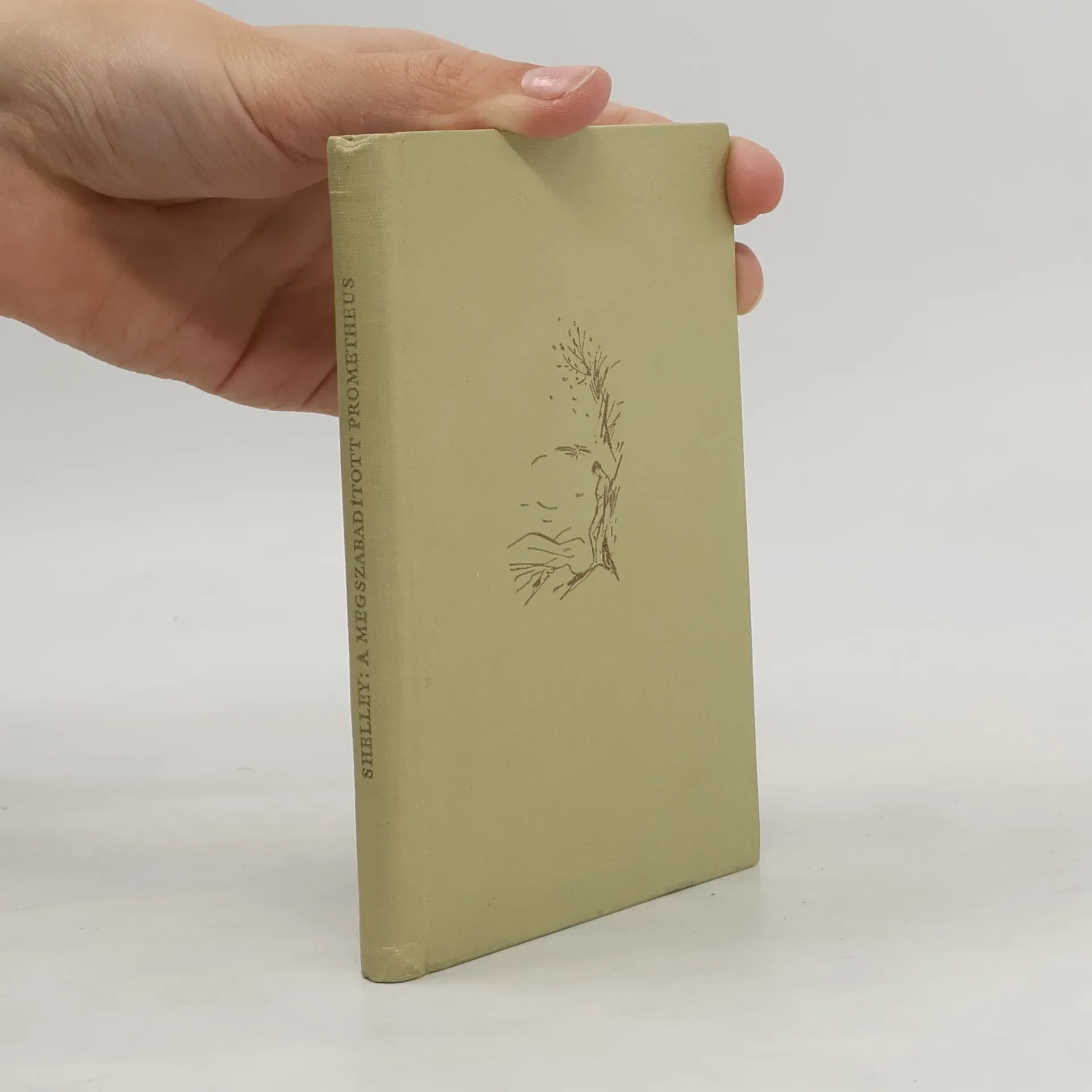
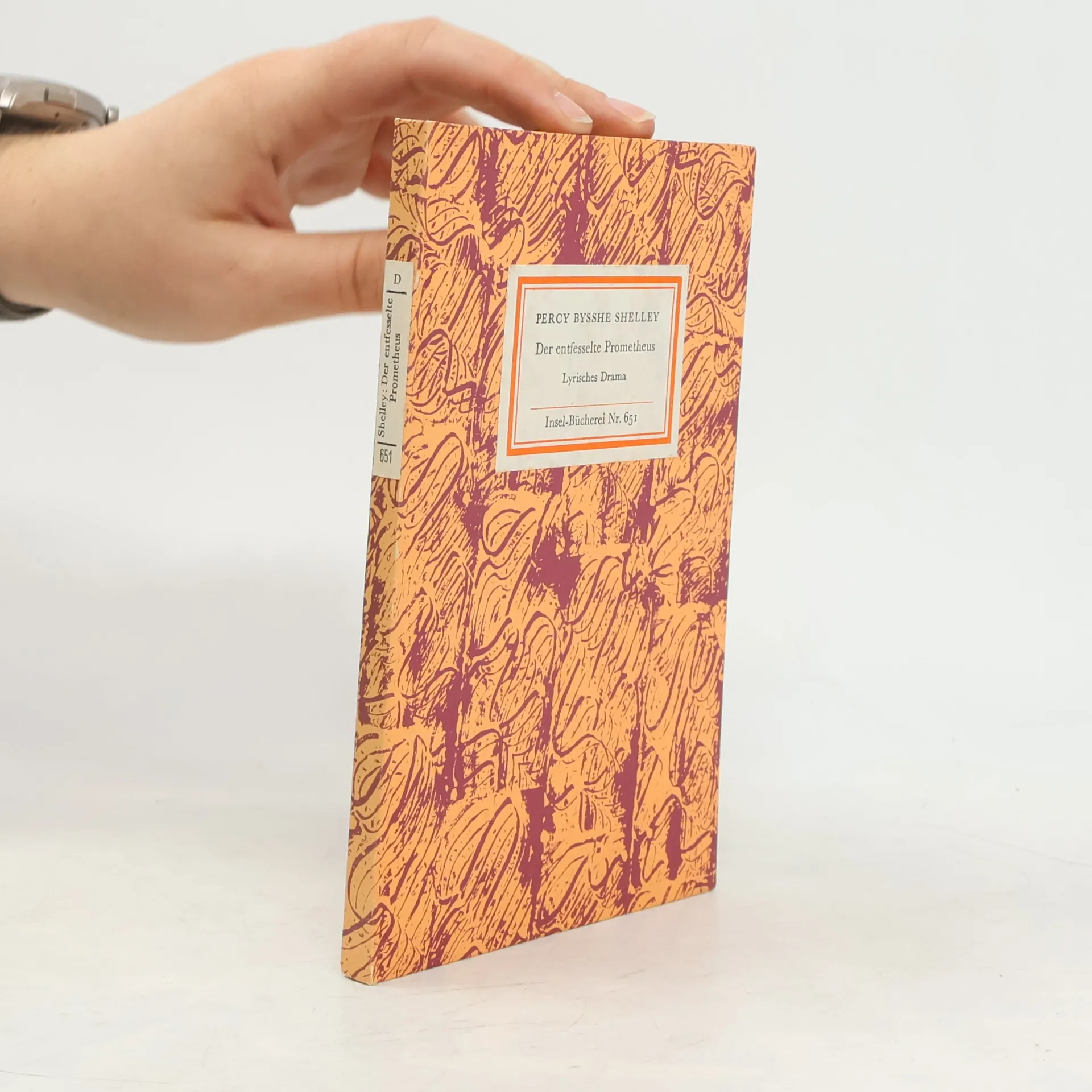
Odpoutaný Prométheus je vrcholným dílem Percy Bysshe Shelleyho z roku 1820. Jedná se o filozofické drama, jehož hlavním tématem je osvobození lidské myšlenky. Je to obměna antické báje o Prométheovi, který se vzepřel bohům Titánům a přinesl lidem oheň. V antické báji se pak Prométheus nakonec podvolí Diově vůli, kdežto u Shelleyho vzdoruje až do té doby, dokud není tyran svržen z trůnu. Tento tvrdý vzdor jedince proti silnější vůli se nazývá titanismus. Shelley v tomto díle vyslovil své přestavy o svobodném životě člověka a o konečném vítězství dobra nad zlem.
Die Neuauflage von "Der entfesselte Prometheus" präsentiert eine durchgesehene Ausgabe des bedeutenden Werkes von Percy Bysshe Shelley, das zwischen 1818 und 1819 entstand. Die Biografie des Autors, die von Theodor Borken bearbeitet wurde, beleuchtet Shelley's rebellischen Geist gegen Religion und politische Unterdrückung. Die Ausgabe folgt der Übersetzung von Albrecht Graf Wickenburg aus dem Jahr 1876 und bietet einen lesefreundlichen Großdruck. Der Umschlag zeigt ein historisches Kunstwerk, das die mythologische Figur Prometheus thematisiert, und bietet somit einen ansprechenden visuellen Kontext.
Der Roman entfaltet sich um die düstere Figur Zastrozzi, die als Verkörperung von Shelleys atheistischer Weltanschauung dient. Durch die Erzählung wird ein tiefes psychologisches und moralisches Dilemma thematisiert, das die Grenzen von Gut und Böse hinterfragt. Die gotische Atmosphäre wird durch düstere Settings und komplexe Charaktere verstärkt, was das Werk zu einer frühen und bedeutenden Darstellung des Genres macht. Veröffentlicht anonym, spiegelt der Roman die literarischen Strömungen des frühen 19. Jahrhunderts wider und zeigt Shelleys innovative Herangehensweise an Horror und Romantik.
Lyrische Gedichte (Großdruck)
- 80pages
- 3 heures de lecture
Die lyrischen Gedichte von Percy Bysshe Shelley zeichnen sich durch ihre tiefgründige Emotionalität und philosophische Reflexion aus. Shelley, ein zentraler Vertreter der Romantik, thematisiert in seinen Werken die Natur, die Liebe und den Streben nach Freiheit. Seine Gedichte sind geprägt von einer einzigartigen Bildsprache und einem musikalischen Rhythmus, der die Leser in eine Welt der Gedanken und Gefühle entführt. Mit einem kritischen Blick auf die Gesellschaft und eine Sehnsucht nach Veränderung lädt Shelley dazu ein, die menschliche Existenz und die Schönheit der Welt neu zu betrachten.
Lyrische Gedichte
- 74pages
- 3 heures de lecture
Dichtungen
- 42pages
- 2 heures de lecture
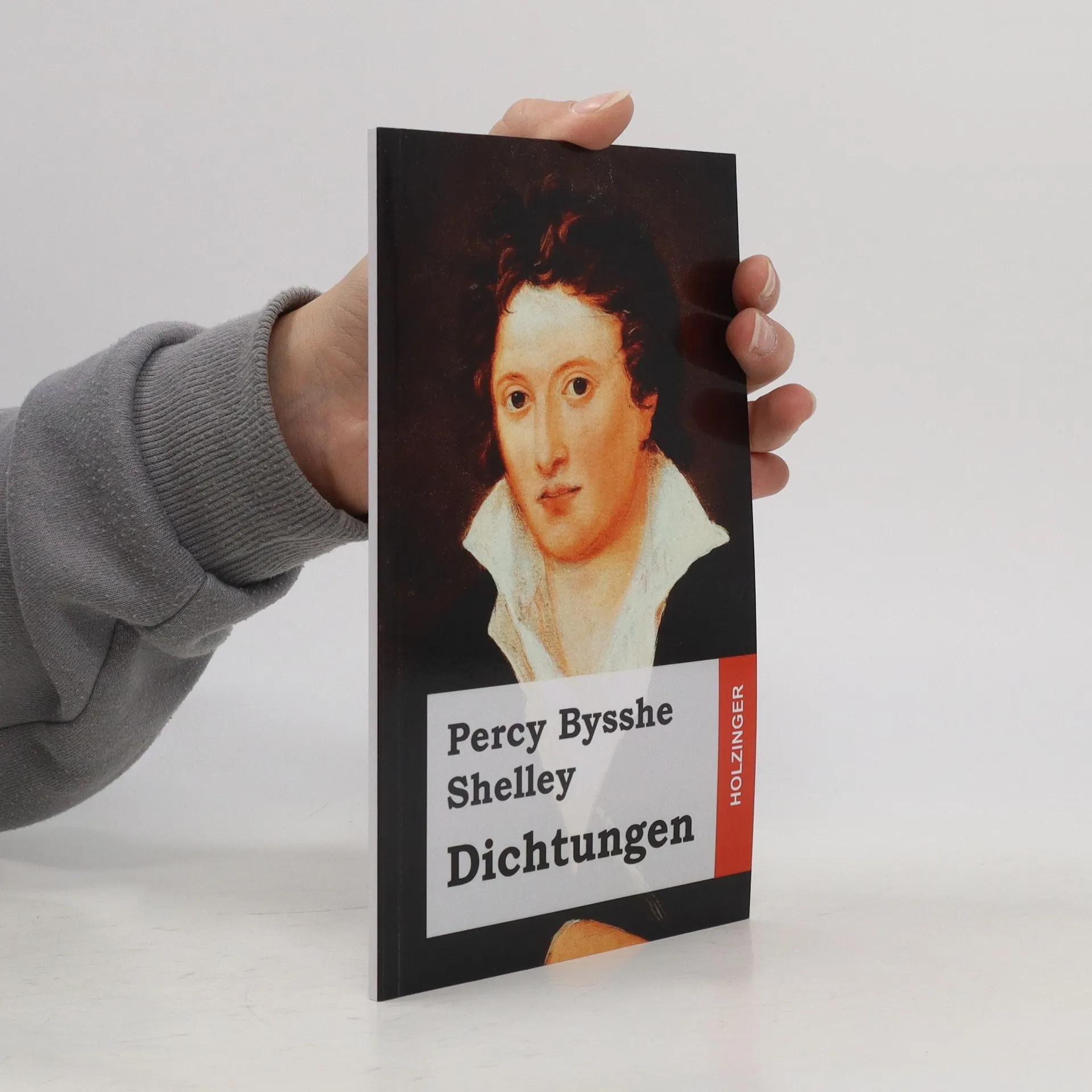
Percy Bysshe Shelley: Dichtungen Edition Holzinger. Taschenbuch Berliner Ausgabe, 2013 Vollständiger, durchgesehener Neusatz mit einer Biographie des Autors bearbeitet und eingerichtet von Michael Holzinger Entstanden zwischen 1816 und 1823. Hier in der Übersetzung von Adolf Strodtmann (1829-1879). Textgrundlage ist die Ausgabe: Shelley, [Percy Bysse]: Ausgewählte Dichtungen. Übers. v. Adolf Strodtmann, Leipzig: Verlag des Bibliographischen Instituts, [o. J.] Herausgeber der Reihe: Michael Holzinger Reihengestaltung: Viktor Harvion Umschlaggestaltung unter Verwendung des Bildes: Percy Bysshe Shelley
Ausgewählte Werke. Dichting und Prosa
- 749pages
- 27 heures de lecture
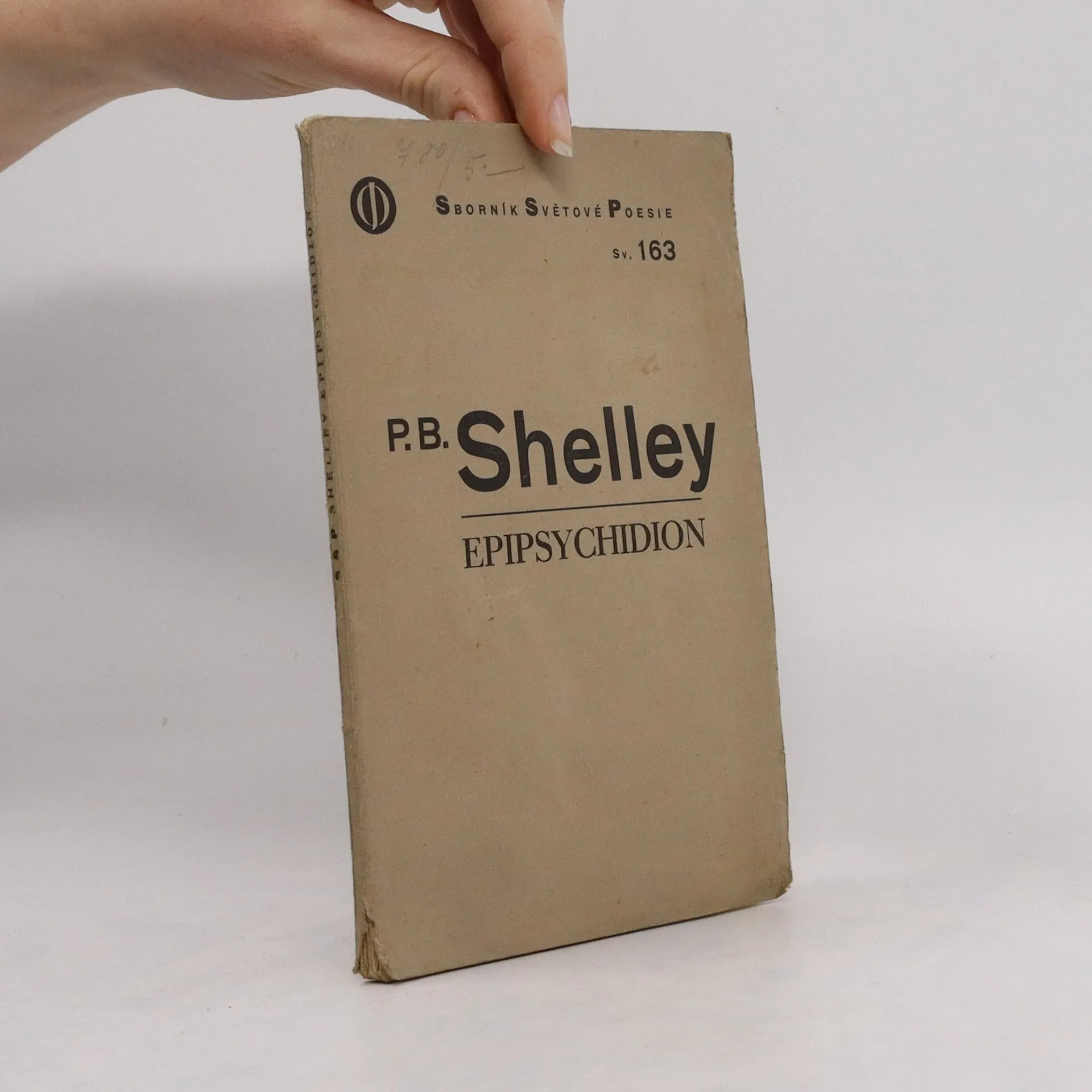
Verše, věnované vznešené a nešťastné dámě Emilii, nyní uvězněné v klášteře. Emilie zde zastupuje Teresu VIviani z italské Pisy. Ve vypjatých dvojverších lyrický subjekt oslavuje nebohou dívku a sní o společném životě na rajském ostrově.
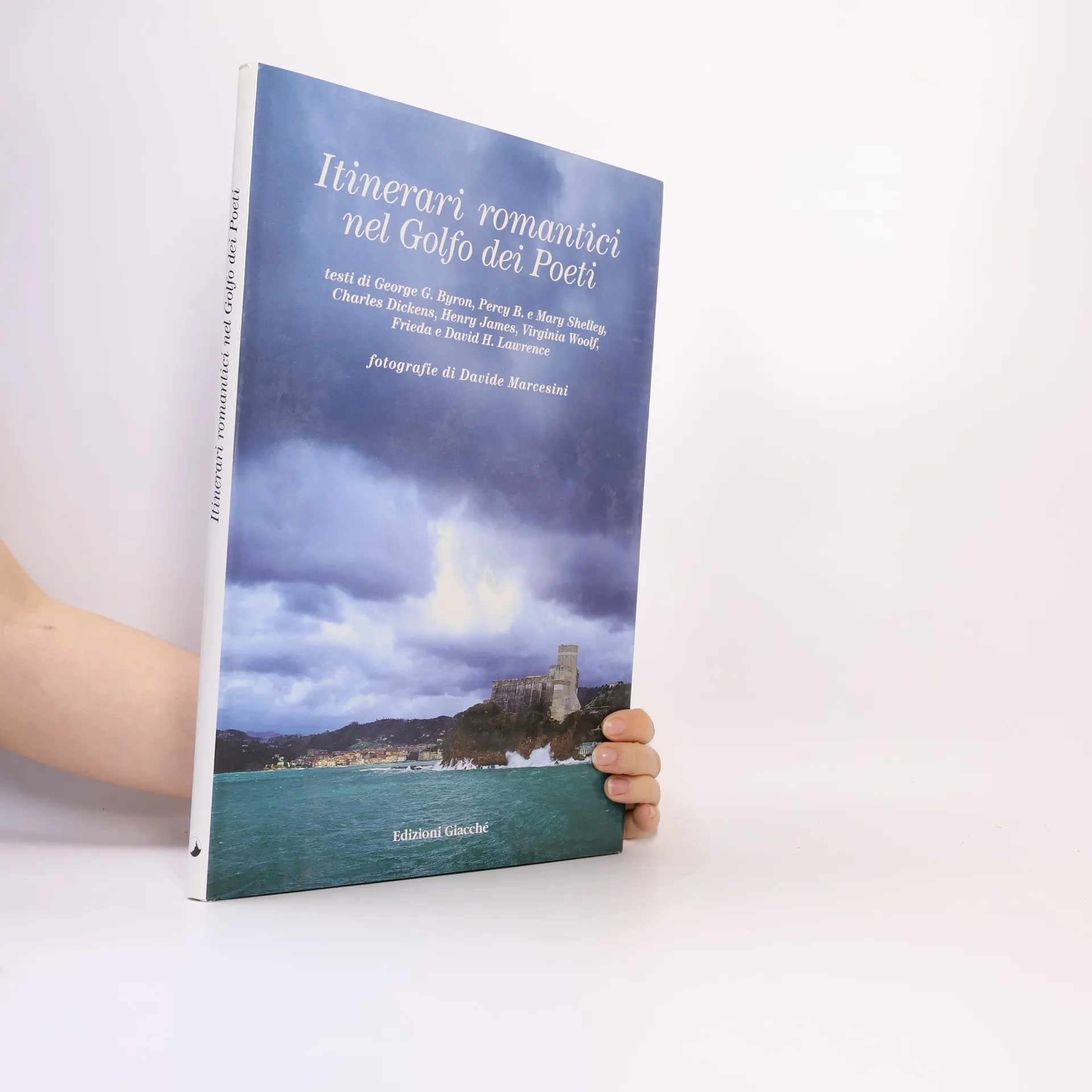
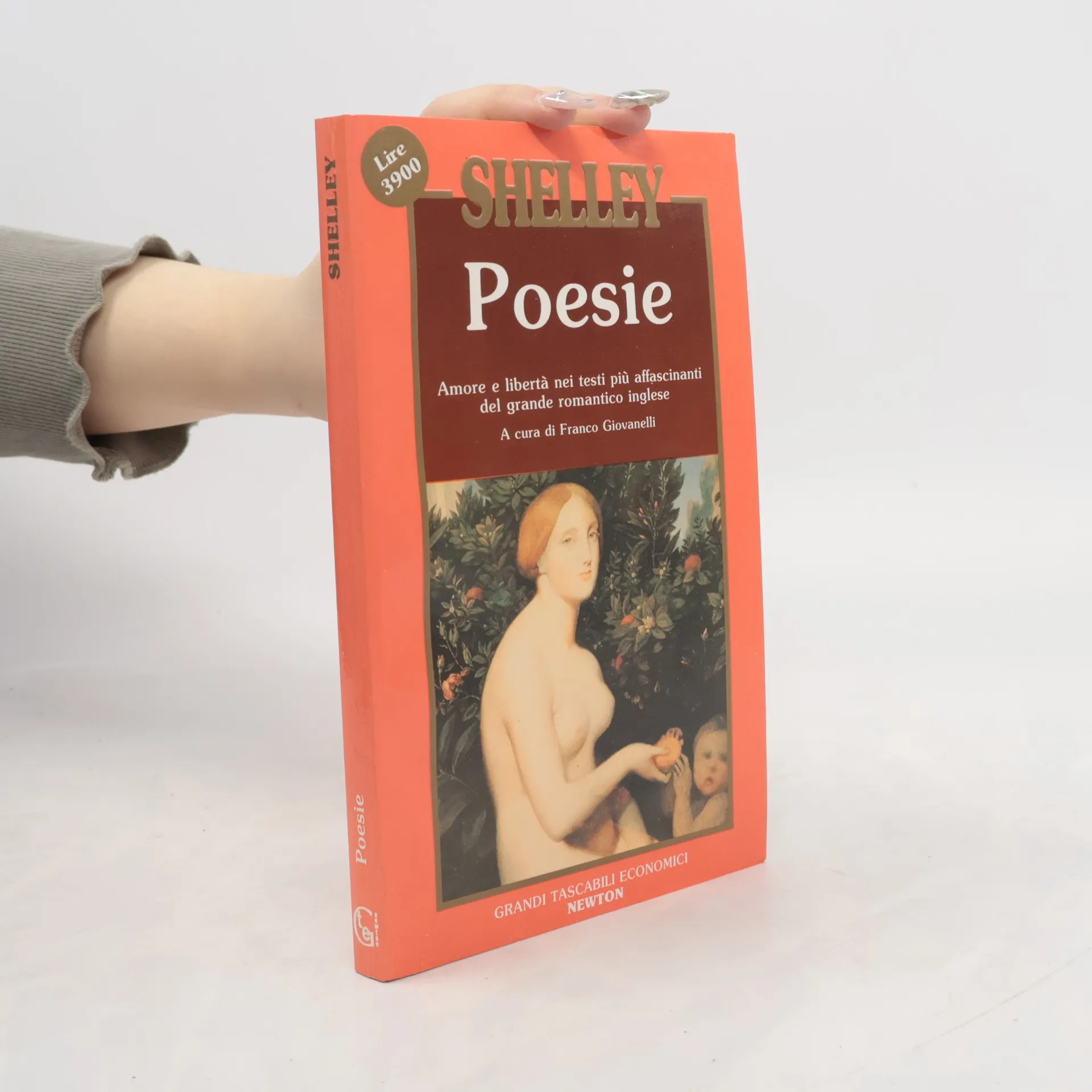
Itinerari romantici nel Golfo dei Poeti
- 80pages
- 3 heures de lecture
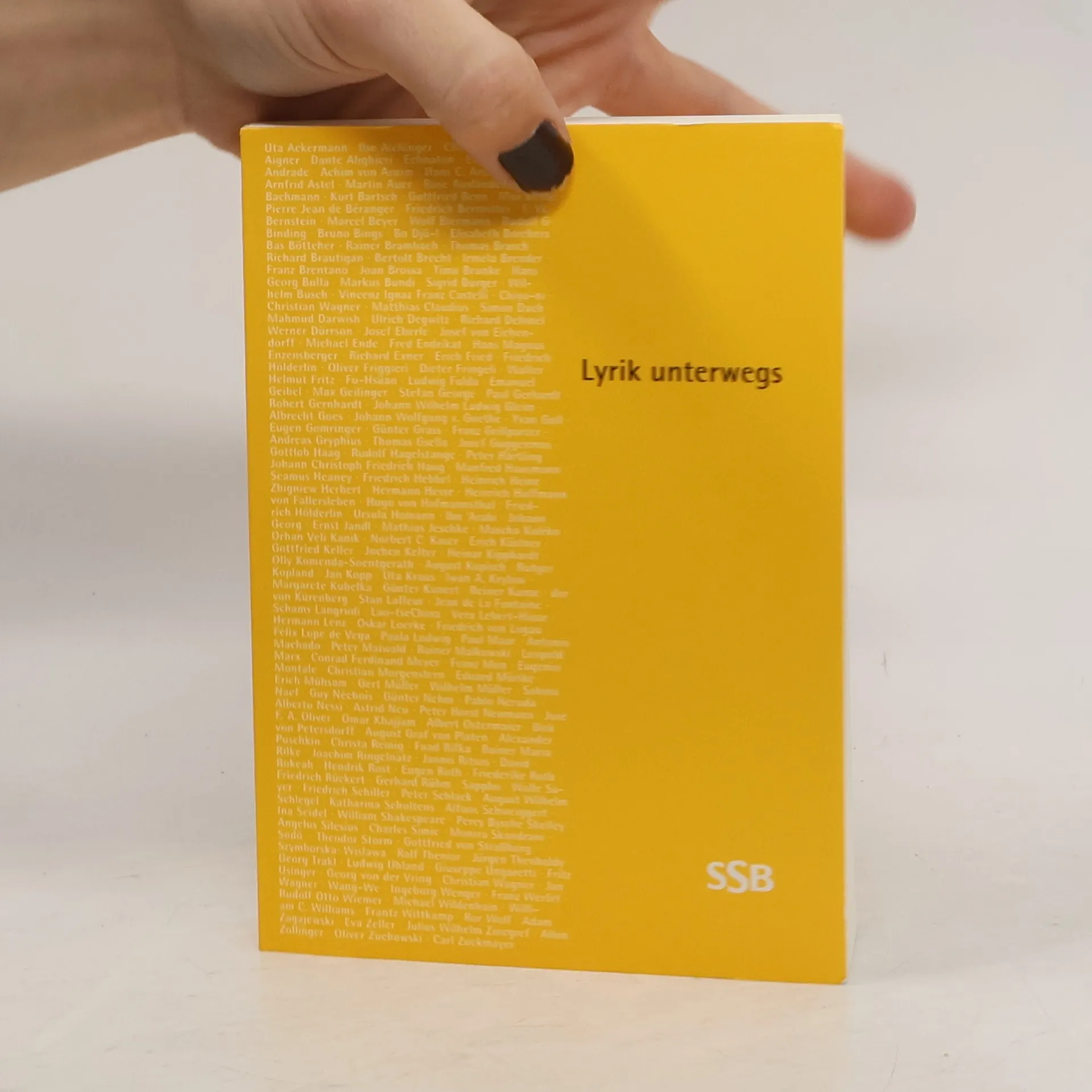
Lyrik unterwegs
- 348pages
- 13 heures de lecture
Lyrik unterwegs in Bussen und Bahnen der SSB Zum 25. Geburtstag von „Lyrik unterwegs“ erscheint die 4. erweiterte Auflage dieser Lyrik-Anthologie. Insgesamt 346 Gedichte von mehr als 100 Dichterinnen und Dichtern sind nun wieder in einem Gedichtband vereint und erfreuen die Herzen aller Poesiefreunde. Lyrik unterwegs - herausgegeben von der Stuttgarter Straßenbahnen AG (SSB)
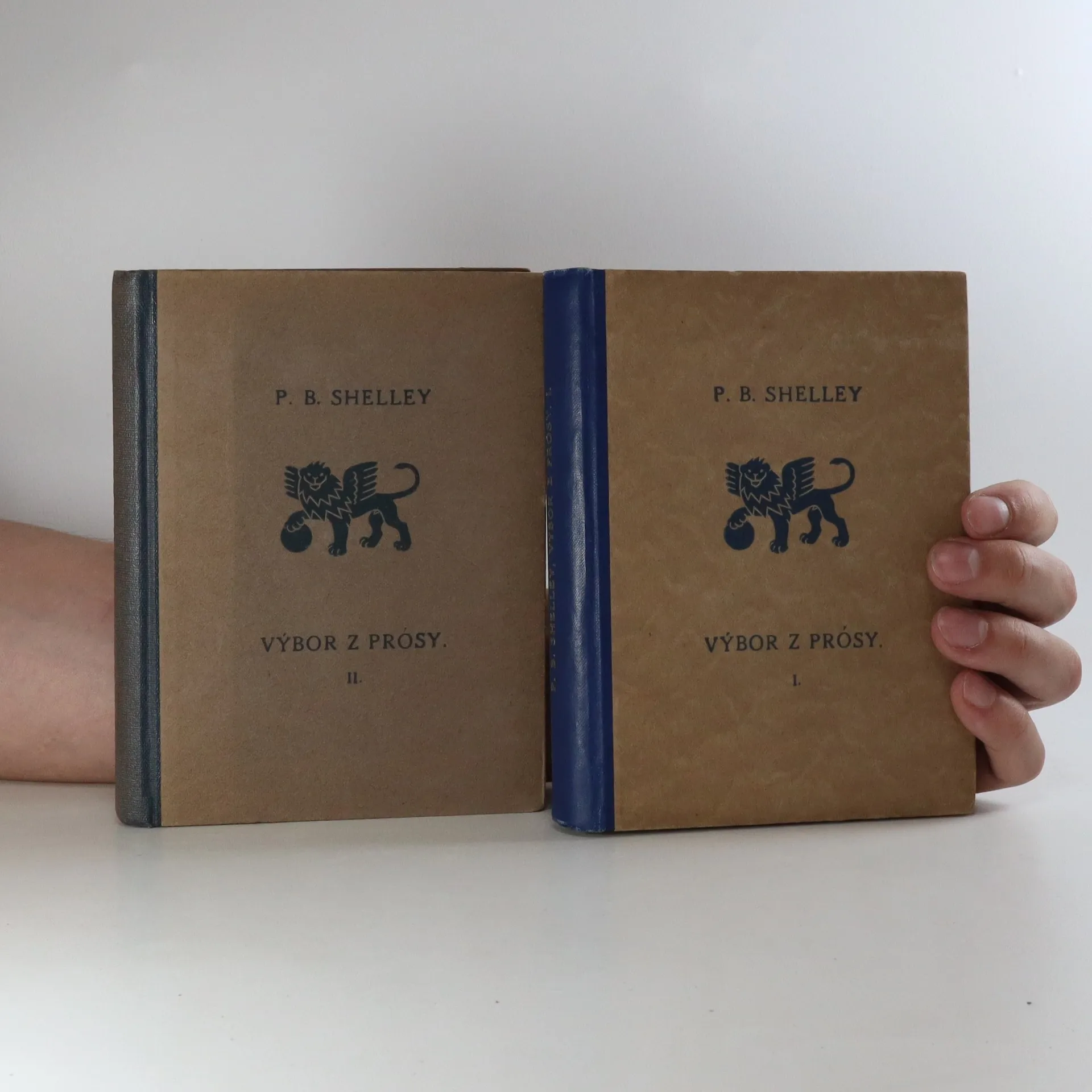
Výbor z prósy I. a II. díl
- 2volumes