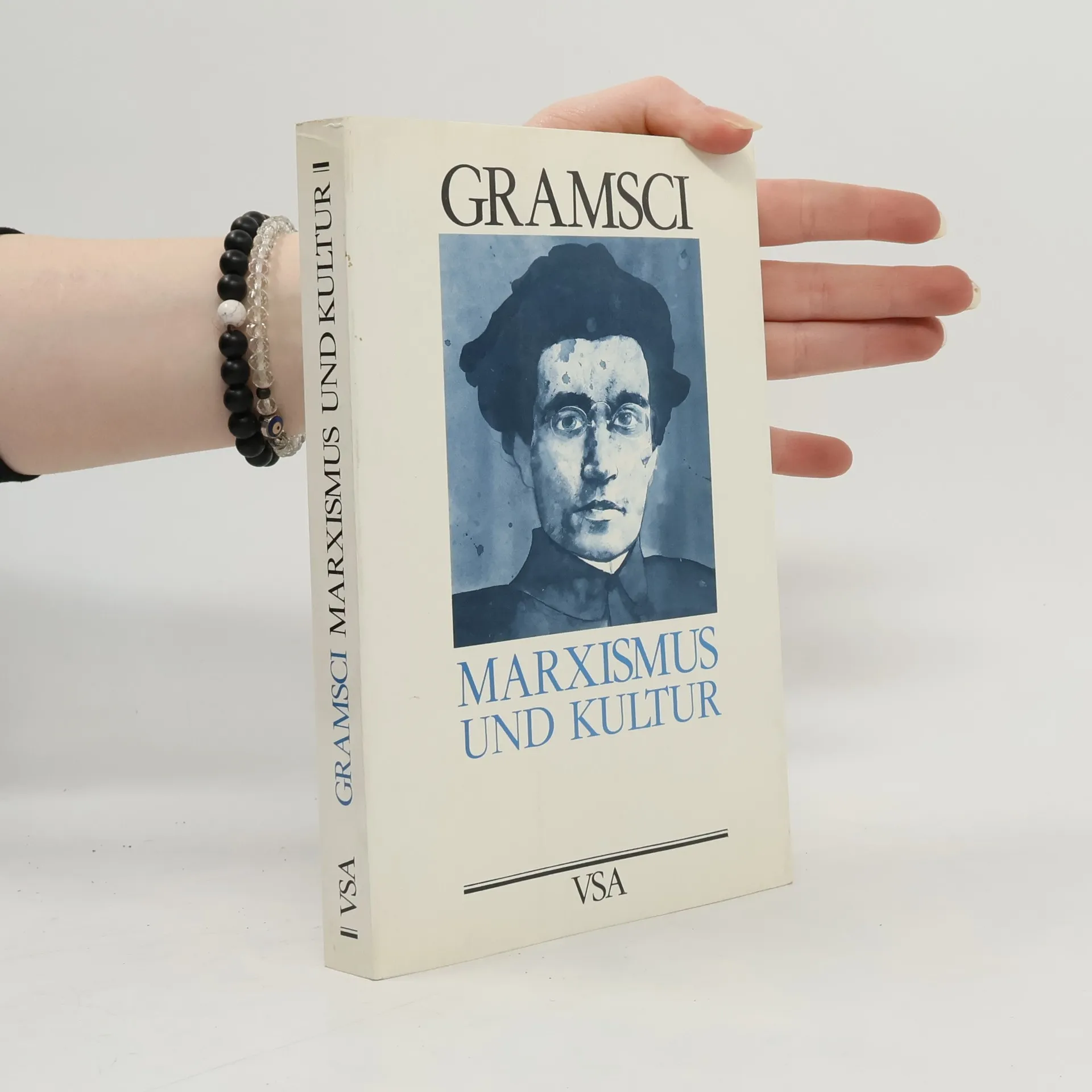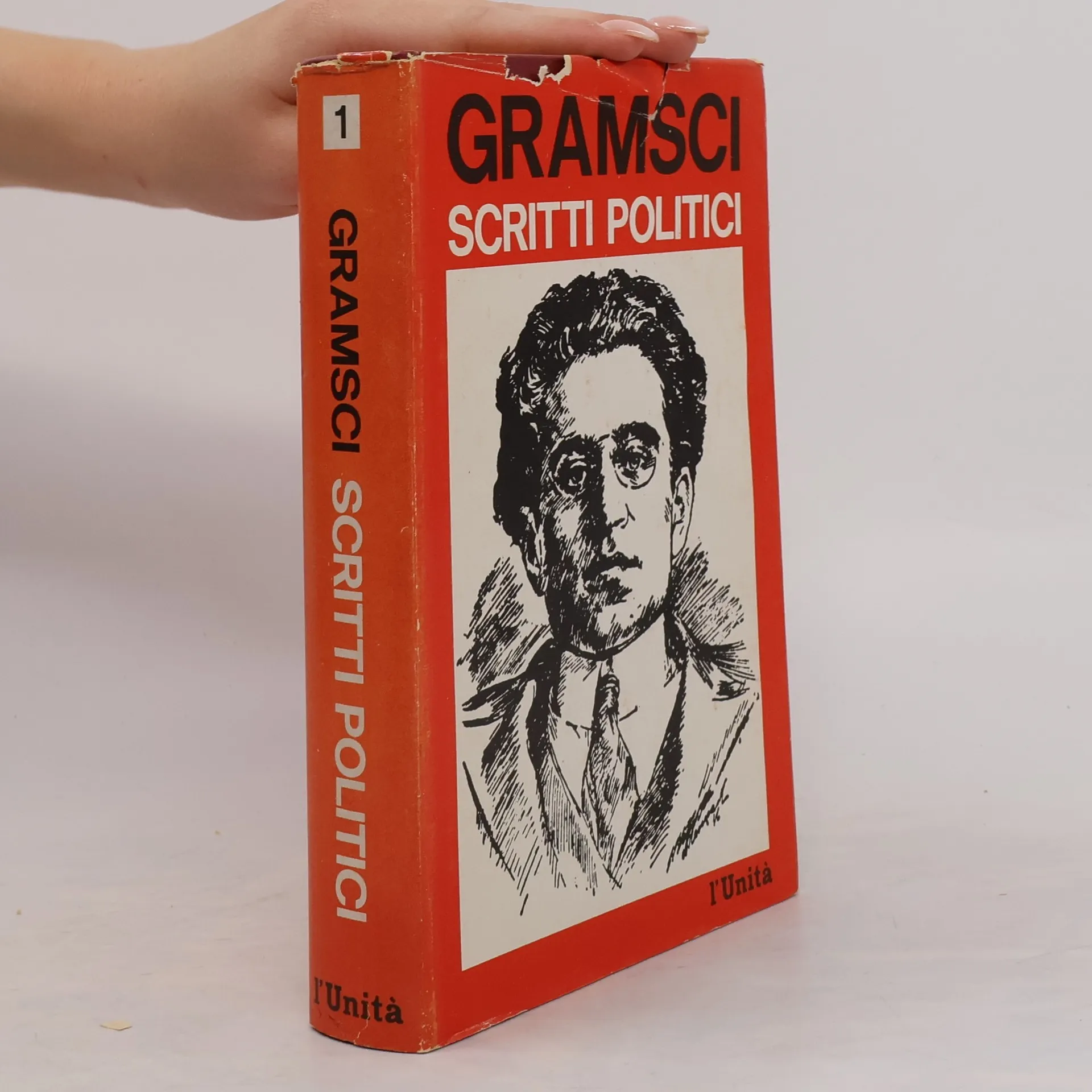
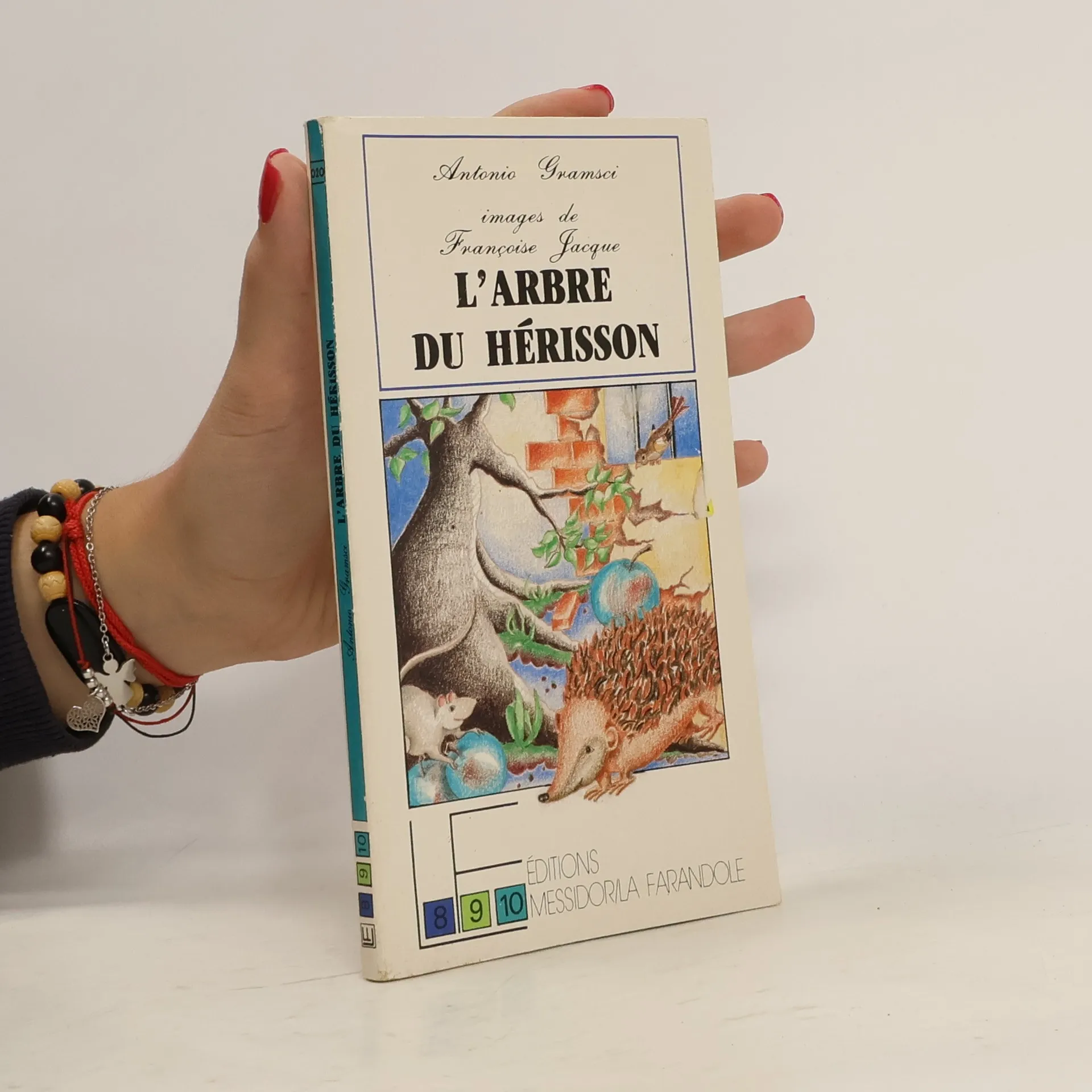
Antonio Gramsci fut un penseur profondément original dont l'œuvre explore l'analyse de la culture et du leadership politique. Figure marquante de la tradition marxiste, il est renommé pour son concept d'hégémonie culturelle, expliquant comment l'État maintient le pouvoir dans une société capitaliste. Les écrits de Gramsci, façonnés par son engagement politique et ses expériences, offrent des aperçus percutants sur la relation entre pouvoir, culture et idéologie. Ses idées continuent d'influencer profondément les discussions théoriques sur le contrôle social et la transformation politique.
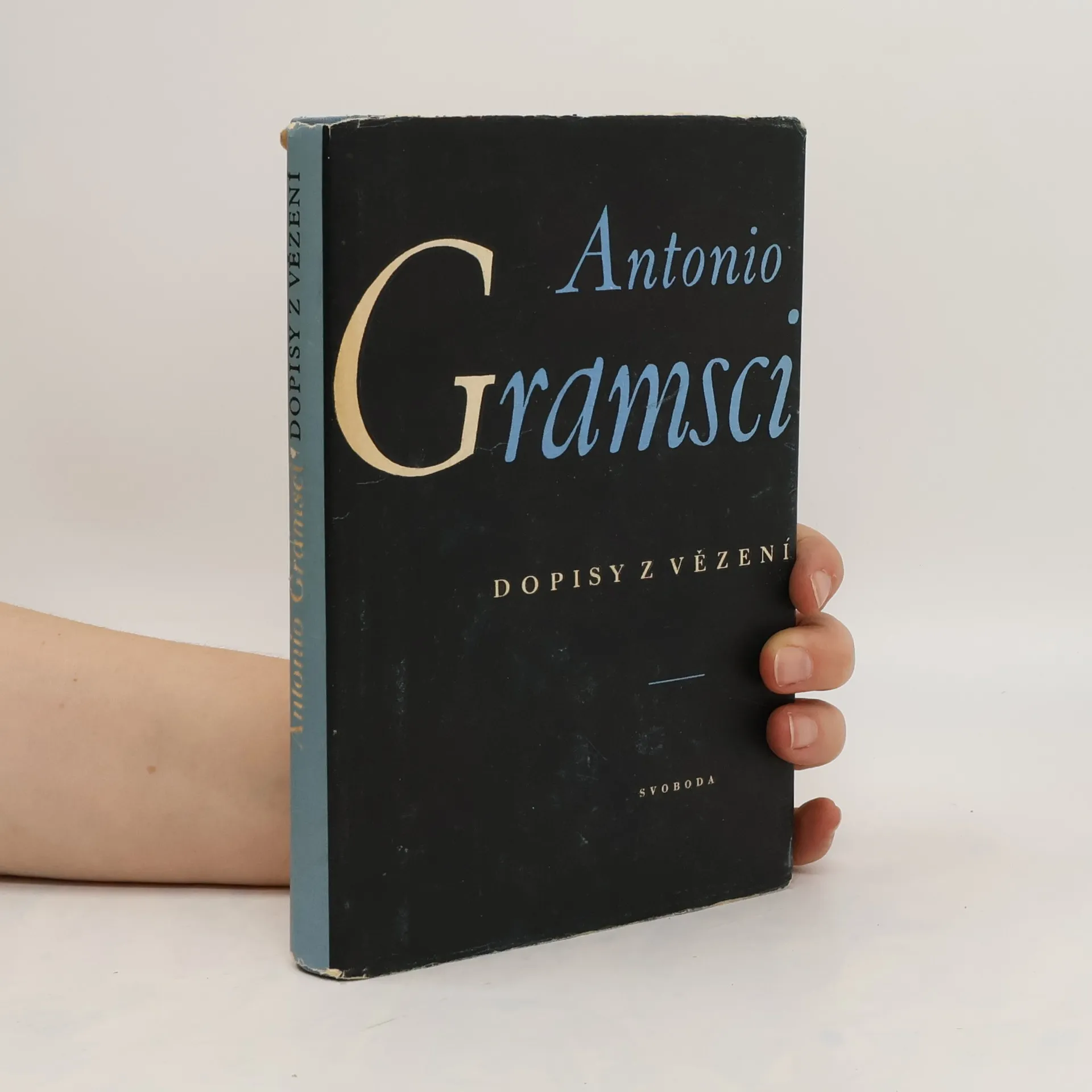
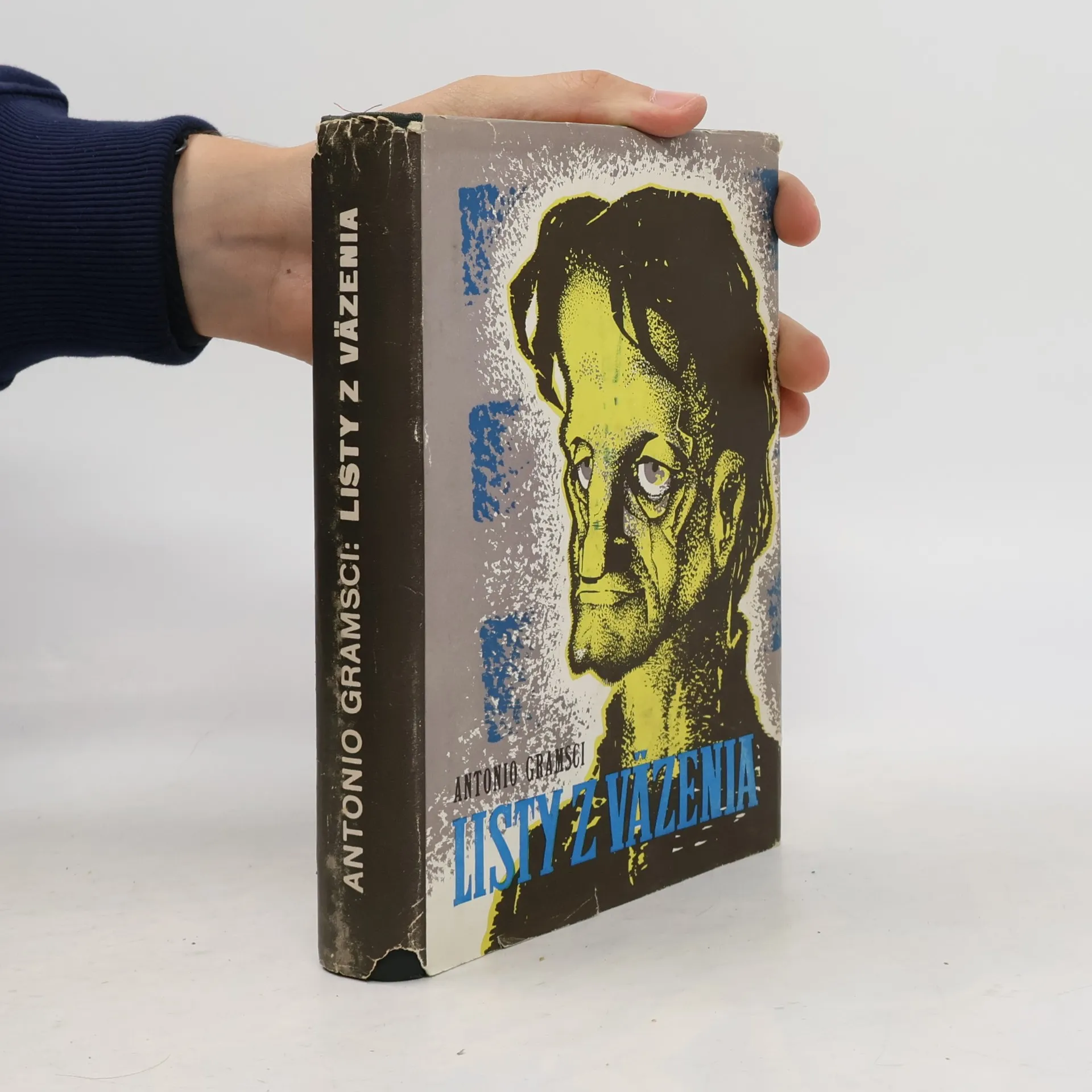
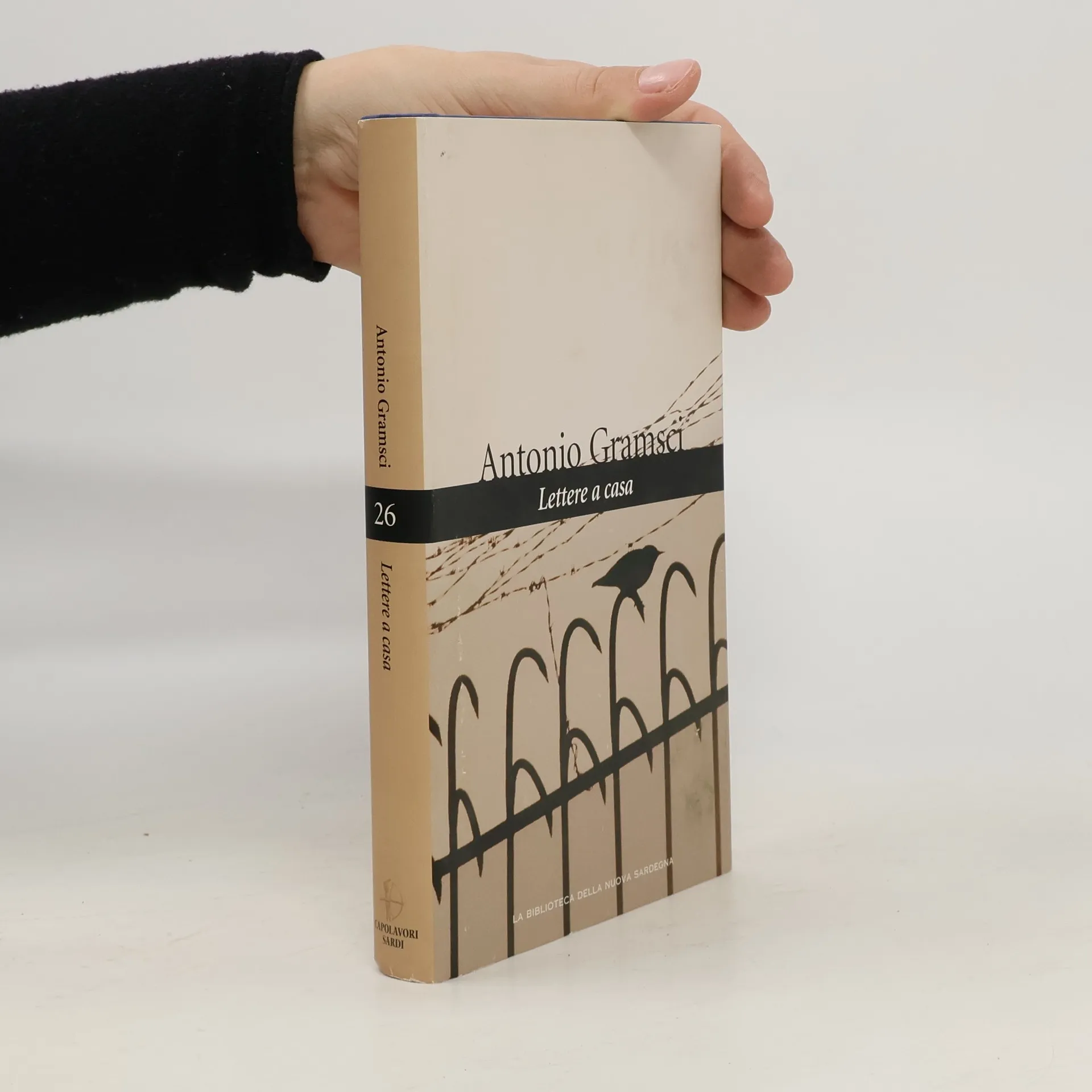
Recueil de 47 lettres extraites de ##Lettres en prison## de Gramsci. L'auteur s'adresse particulièrement à ses enfants, alors qu'il est incarcéré pour vingt ans, à Turi, dans le sud de l'Italie. Dans des textes simples et graves, papa Antonio raconte, à Delio et Giuliano, ses deux fils, des histoires et des souvenirs d'enfance et s'intéresse à leurs activités scolaires et autres.

A collection of letters is also essentially a biography – here of a man recognized as one of the twentieth century’s leading thinkers. By translating and presenting for the first time many letters previously overlooked by other volumes, this collection greatly expands what the English-speaking world knows of him, both politically and personally. These extracts from his pre-prison correspondence—with his wife and her sister, international communist leaders, and fellow Italian revolutionaries—show his most important ideas at their beginnings, and give a well rounded picture of Gramsci’s political, intellectual, and emotional development. Antonio Gramsci (1891–1937) was a founding member of the Italian Communist Party, and among the twentieth century's most influential theorists.
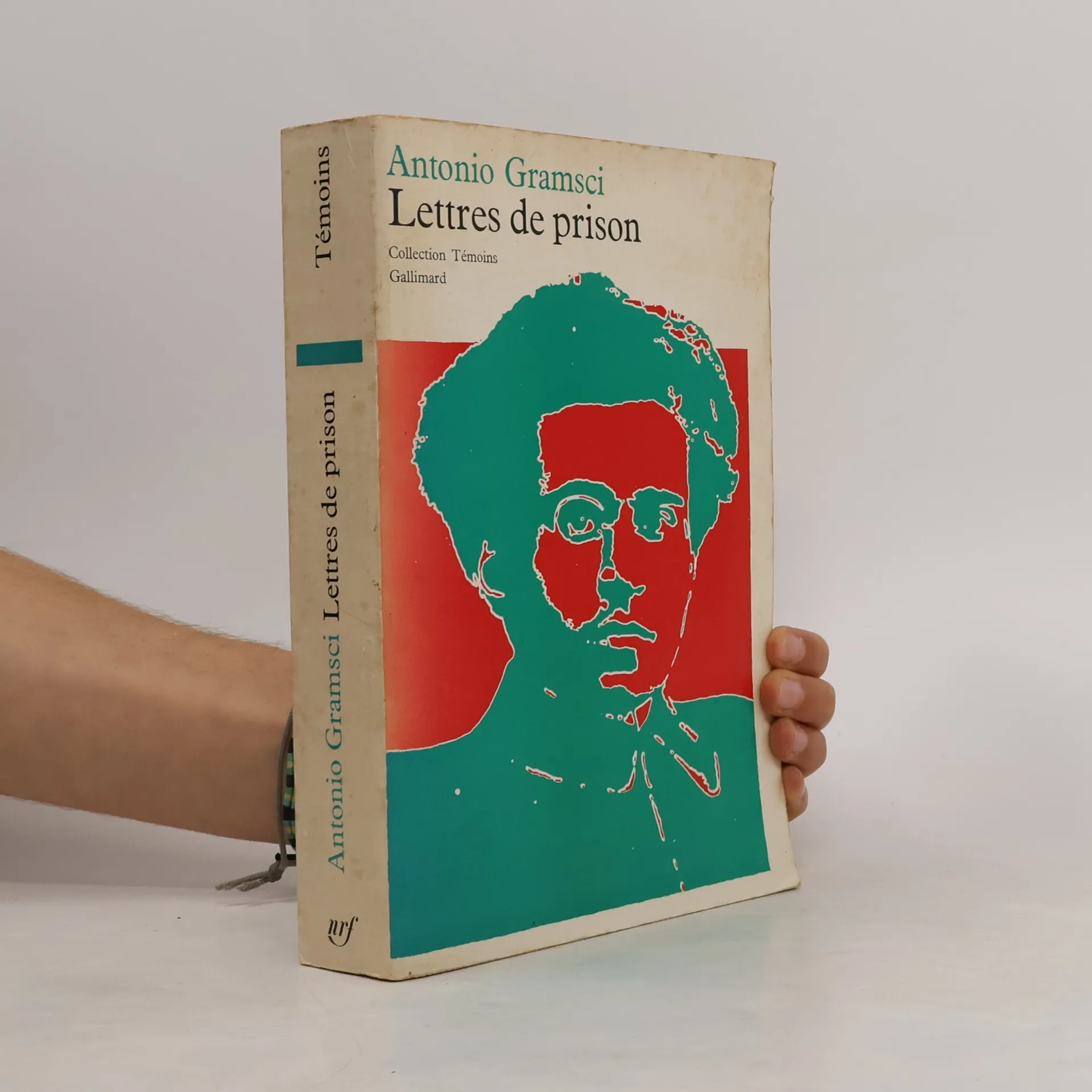
The collection features Antonio Gramsci's poignant and intimate prison letters, providing a profound insight into his thoughts and experiences during incarceration. Recognized as the definitive edition, it offers readers an authoritative perspective on Gramsci's reflections on politics, culture, and personal struggles, showcasing his literary prowess and philosophical depth. This edition stands out for its completeness, making it an essential resource for understanding Gramsci's legacy and influence.
This volume presents the first complete translation of Antonio Gramsci's notes
on the concept of subalternity, including the prison notebook devoted to the
theme of subaltern social groups. It includes a critical apparatus that
clarifies Gramsci's history, culture, and sources and contextualizes these
ideas against his earlier writings and letters.
This volume was the first selection published from the Antonio Gramsci's
Prison Nobebooks to be made available in Britain, and was originally published
in the early 1970s. It contains most of the key writings by Gramsci, including
the text of The Modern Prince.
Brings together Gramsci's writings on religion, education, science, philosophy
and economic theory. The theme that links these writings is the investigation
of ideology at its different levels, and the structures which embody and
reproduce it.
A selection of Gramsci's writings in one volume including his most important
political, cultural and historical work. The collection focuses on key
concepts - such as hegemony, passive revolution, civil society, common sense -
and important texts on Americanism and Fordism, and popular culture. schovat
popis
This collection offers an in-depth exploration of Antonio Gramsci's insights into the interplay between culture and politics. It presents a wide array of his writings, making his complex theories accessible to English-speaking audiences. Through Gramsci's lens, readers will gain a better understanding of how cultural hegemony shapes political dynamics and societal structures, providing valuable context for contemporary political discourse.