La puissance littéraire de James Hanley puise dans l'authenticité brute de ses origines de classe ouvrière et de ses années formatives en mer. Ses récits explorent souvent les réalités crues de l'existence humaine, en particulier dans le monde des marins et de ceux qui sont confrontés à de profondes adversités. Le style de Hanley se caractérise par une franchise sans fard et un sens aigu du réalisme social. À travers sa prose, il explore sans crainte les profondeurs psychologiques et les dilemmes moraux de ses personnages, établissant ainsi son importance dans la littérature britannique.
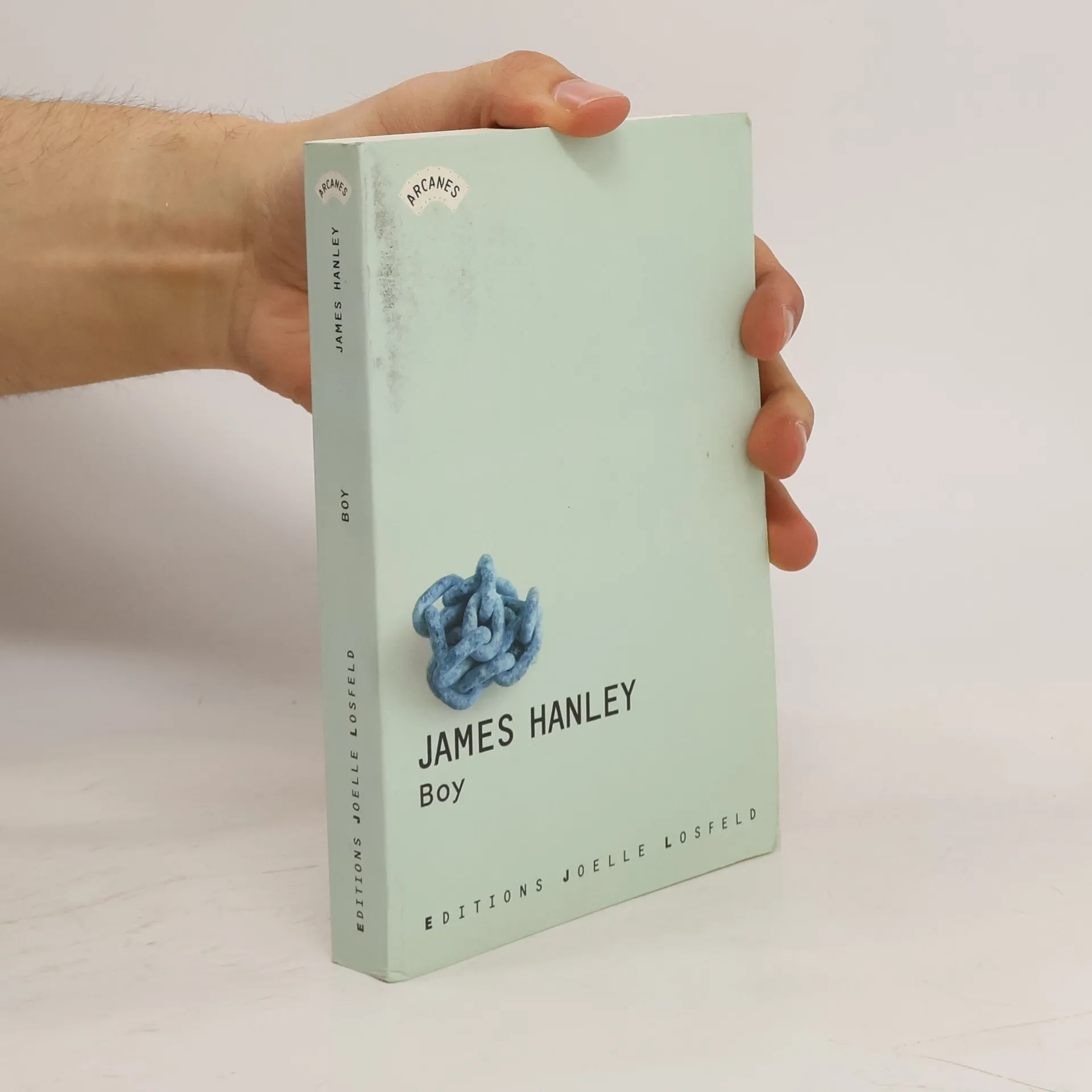
L'Irlande des années 30. Un jeune garçon est contraint de quitter l'école à quatorze ans. Il est engagé sur les docks. Le travail y est sordide et il est livré à la cruauté des autres enfants. Il quitte cet enfer et s'embarque clandestinement sur un navire marchand. Découvert, il sera " adopté " comme moussaillon et là encore subira la violence des marins qui abuseront de lui. Cet ouvrage publié en 1931 fut condamné pour obscénité par la censure anglaise. E. M. Forster ou H. G. Wells défendirent avec ardeur cette couvre et cet écrivain devant les tribunaux.
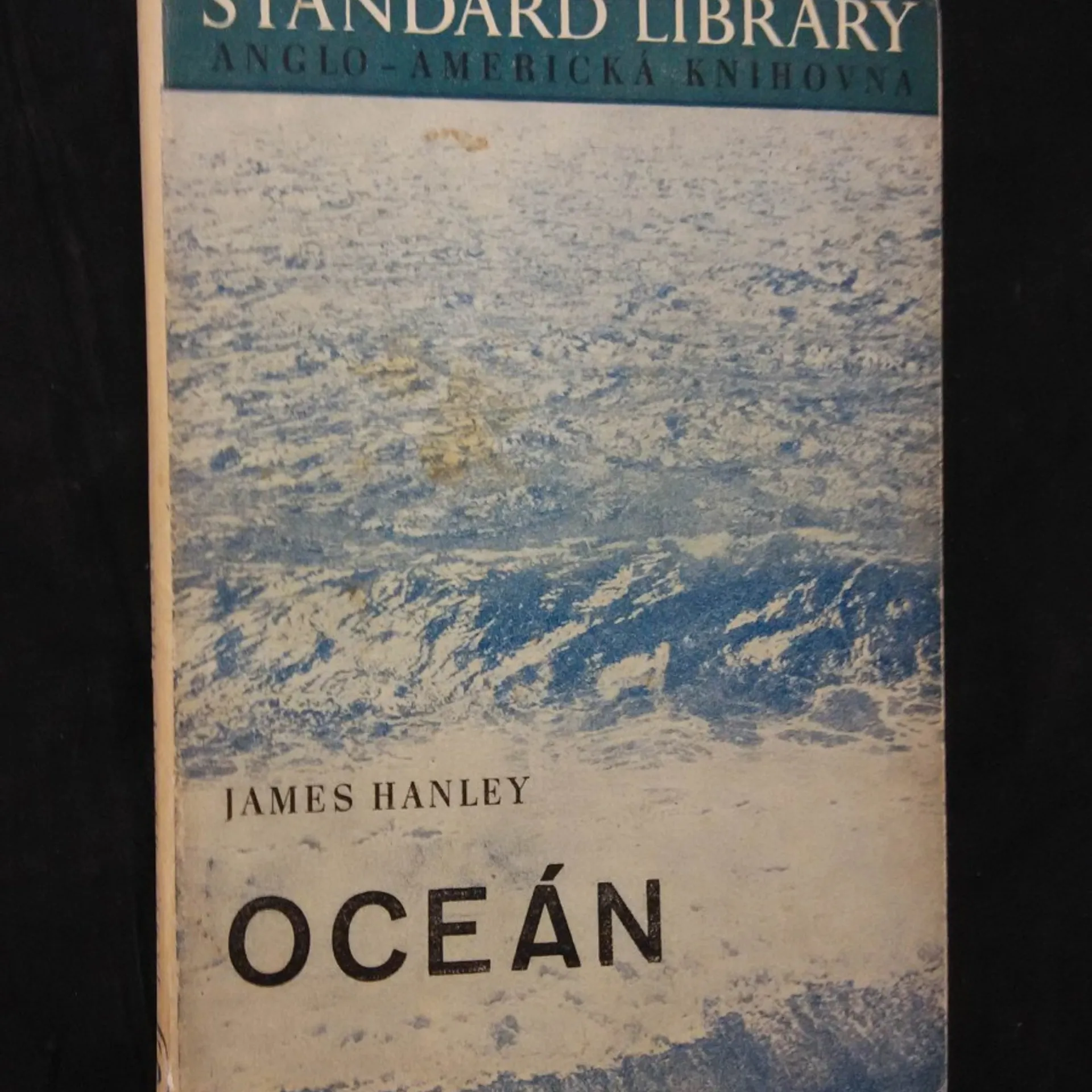
Five shipwrecked passengers fight panic, thirst, and the sea itselfOne minute, sailor Joseph Curtain is in his bunk. The next, he is submerged in the ocean. A German torpedo has struck the Aurora, and she is sinking fast. Curtain makes his way to a lifeboat and guides the survivors aboard. There are only six of them, and when the submarine's machine gun rakes the side of their boat, the number dwindles to five. Alongside Curtain are three men of various character and an elderly chaplain who is too sick to speak. Hope is slim, but Curtain will do what he must to survive.He organizes the party into watches, rationing their food and enforcing strict discipline. But as their time in the boat stretches on, Curtain realizes that this tiny craft and its flagging crew are hardly a match for the power of the ocean.
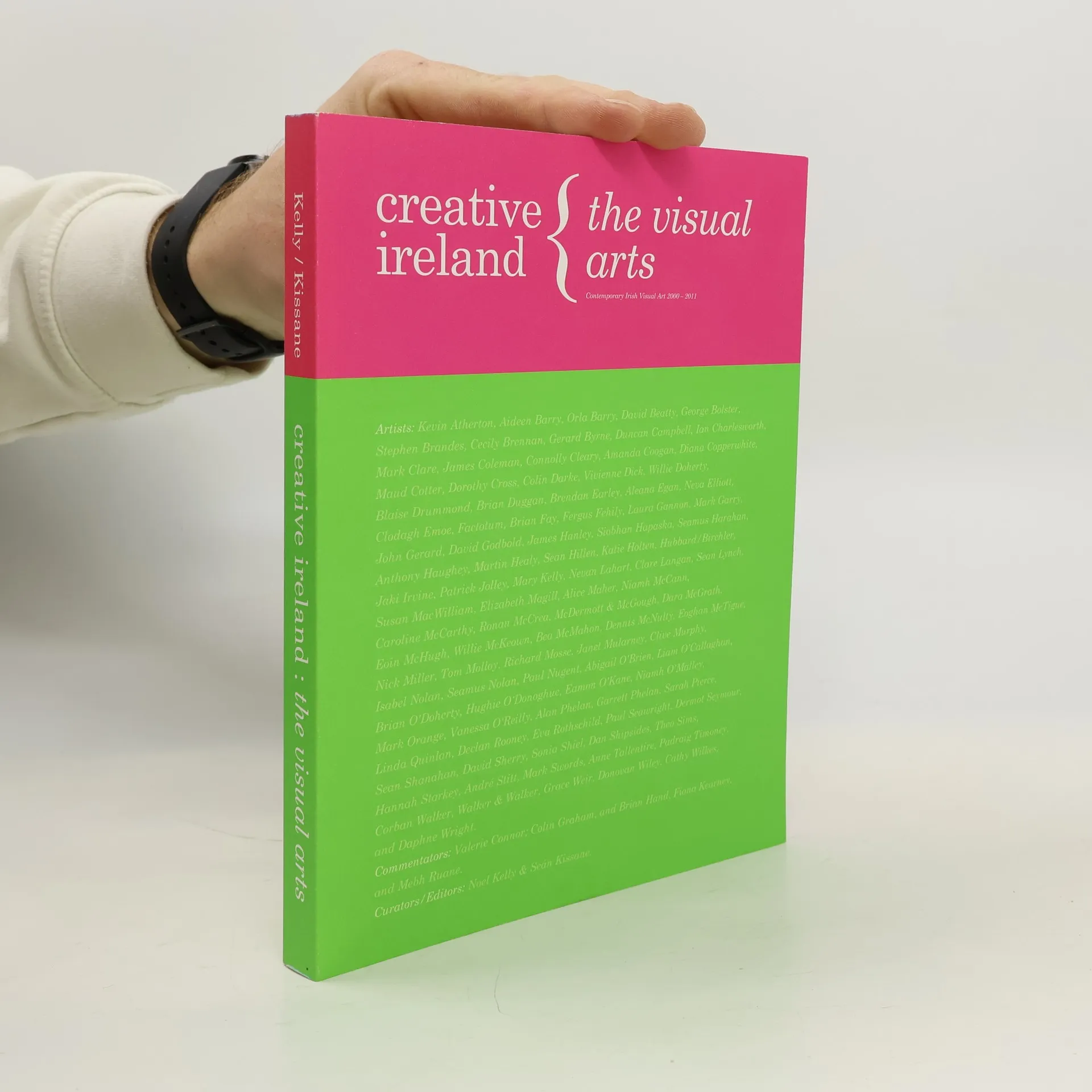
The Visual Arts, Contemporary Visual Arts in Ireland 2000-2011
244pages
9 heures de lecture
100 Irish Artists, 100 Colour Plates. 6 Commentaries from respected writers such as: Mebh Ruane, Colin Graham, Valerie Connor, Fiona Kearney, Brian Hand and Noel Kelly - Creative Ireland: The Visual Arts will fast become the most desirable visual arts book this season. Creative Ireland: The Visual Arts presents an attractive record of the early 21st century contemporary visual arts in Ireland with 100 artists who have been selected for their specific contribution to the contemporary arts in the first years of the 21st Century. Aimed at a general audience, as well as the art connoisseur and enthusiast, each artist is profiled with an iconic example of their practice shown in full colour. The texts are engaging as they explain Ireland within the context of the early 21st century, and the impact that this has had socially, economically and culturally. The book is in an attractive format, and is priced at a level that makes it affordable.
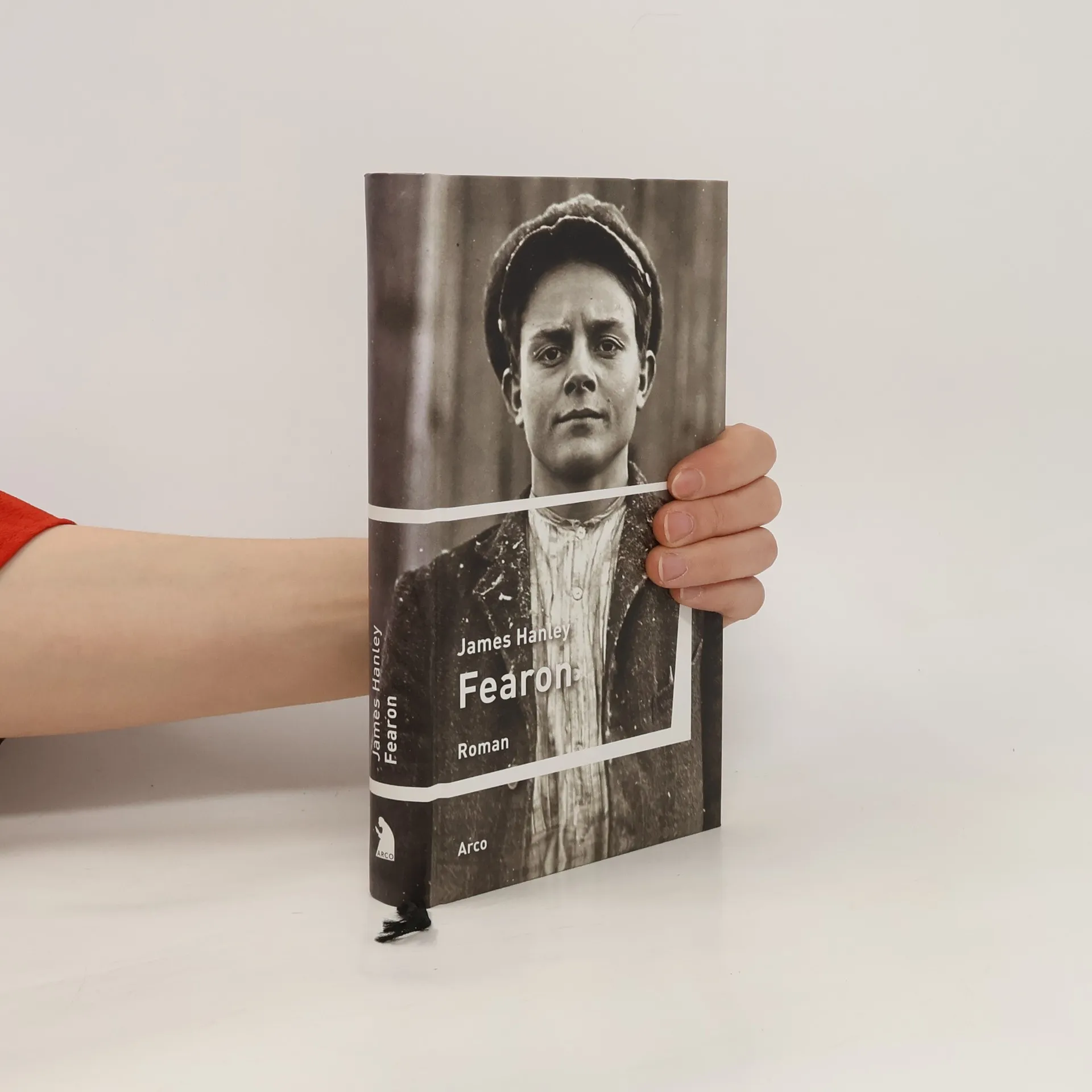
Arthur Fearon, ein Tagträumer aus einer Hafenarbeiterfamilie, sehnt sich nach Bildung und träumt davon, Drogist zu werden. Doch sein Vater zerstört diese Hoffnungen, als Fearon seinen ersten Tag als Hafenarbeiter in Liverpool erlebt – eine brutale und erniedrigende Erfahrung. Er kann seinen Eltern nicht von seinen Ängsten erzählen und flieht verzweifelt als blinder Passagier auf ein Handelsschiff in eine feindliche Welt der Erwachsenen. James Hanleys Roman, ursprünglich 1932 veröffentlicht, sorgte für Empörung in der prüden britischen Öffentlichkeit, die durch das Cover mit einer halbnackten Bordelltänzerin und die schonungslose Darstellung menschlicher Abgründe provoziert wurde. Der Roman wurde nicht nur kritisiert, sondern sogar öffentlich verbrannt, während er gleichzeitig von Literaten wie William Faulkner und E. M. Forster verteidigt wurde. Hanley, der als Sohn irischer Einwanderer in Liverpool geboren wurde, gilt als „verkannte Genie unter den Romanciers“. Trotz wiederholter Zensurmaßnahmen, die seinen internationalen Durchbruch behinderten, wird er heute als einer der bedeutendsten britischen Autoren des 20. Jahrhunderts anerkannt. Seine Erfahrungen als Matrose inspirierten zahlreiche Seefahrtsromane, die mit den Werken von Joseph Conrad und Herman Melville verglichen werden.