This edition focuses on making historical works accessible to individuals with impaired vision through large print. Published by Megali, the book is a reproduction of an original text, ensuring that important historical content is preserved and easily readable for a wider audience.
Bayard Taylor Ordre des livres (chronologique)
11 janvier 1825 – 19 décembre 1878
Bayard Taylor était un poète, critique littéraire, traducteur et auteur de récits de voyage américain. Son œuvre se caractérise par des observations aiguisées de diverses cultures et de paysages, rendues avec un talent narratif captivant. Taylor abordait son art avec une profonde curiosité pour le monde et ses habitants, ce qui transparaît dans ses descriptions détaillées et vivaces. Ses écrits explorent fréquemment les thèmes du voyage, de la découverte et de la compréhension interculturelle.


A Journey to Central Africa
- 540pages
- 19 heures de lecture
Originally published in 1857, this reprint offers readers a chance to explore the historical context and themes of the era. It captures the essence of the time through its narrative and characters, providing insights into the social dynamics and cultural influences of the period. The book's enduring relevance and literary significance make it a valuable addition to any collection.
Cyclopaedia of Modern Travel: A Record of Adventure, Exploration and Discovery, for the Past Fifty Years
- 960pages
- 34 heures de lecture
The book is a reprint of a classic work originally published in 1856, preserving the historical context and insights of its time. It offers readers a glimpse into the themes and issues prevalent during the mid-19th century, making it a valuable resource for those interested in the era's literature and societal reflections. The reprint aims to maintain the authenticity of the original text while making it accessible to contemporary audiences.
Northern Travel
- 440pages
- 16 heures de lecture
This reprint presents a classic work originally published in 1858, offering readers a chance to explore the themes and context of the time. The book retains its historical significance and literary value, showcasing the author's unique style and perspective. Readers can expect an authentic experience of the period's culture and ideas, making it a valuable addition to any collection of historical literature.
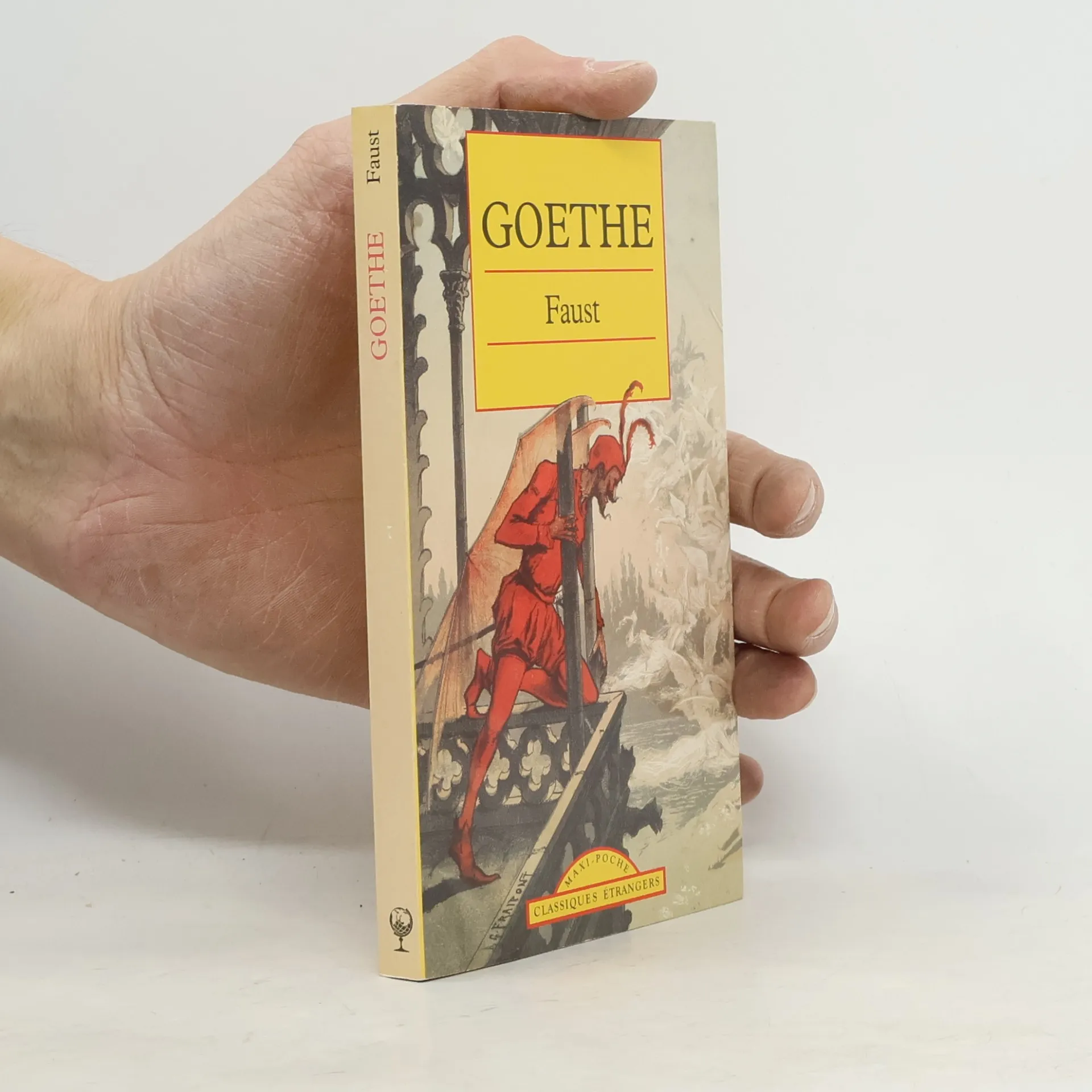
Librarian's Note: this is an alternate cover edition- ISBN 10: 2081358689 (ISBN 13: 9782081358683) « Faust » : ce simple mot, cette syllabe robuste et trapue comme le « poing » qu'elle désigne couramment, est un signe aussi fort dans l'histoire culturelle des pays allemands que lorsqu'on dit « don Quichotte » en terre espagnole ou « Dante » en Italie. C'est essentiellement grâce à l'oeuvre de Goethe que le personnage de Faust a passé les frontières et rejoint, dans l'imaginaire occidental, les figures de don Juan et de Prométhée. Comme eux, insatisfait et rebelle, Faust s'oppose à l'autorité divine en faisant un pari dont l'enjeu n'est rien de moins que le sens de la vie et la possibilité du salut.
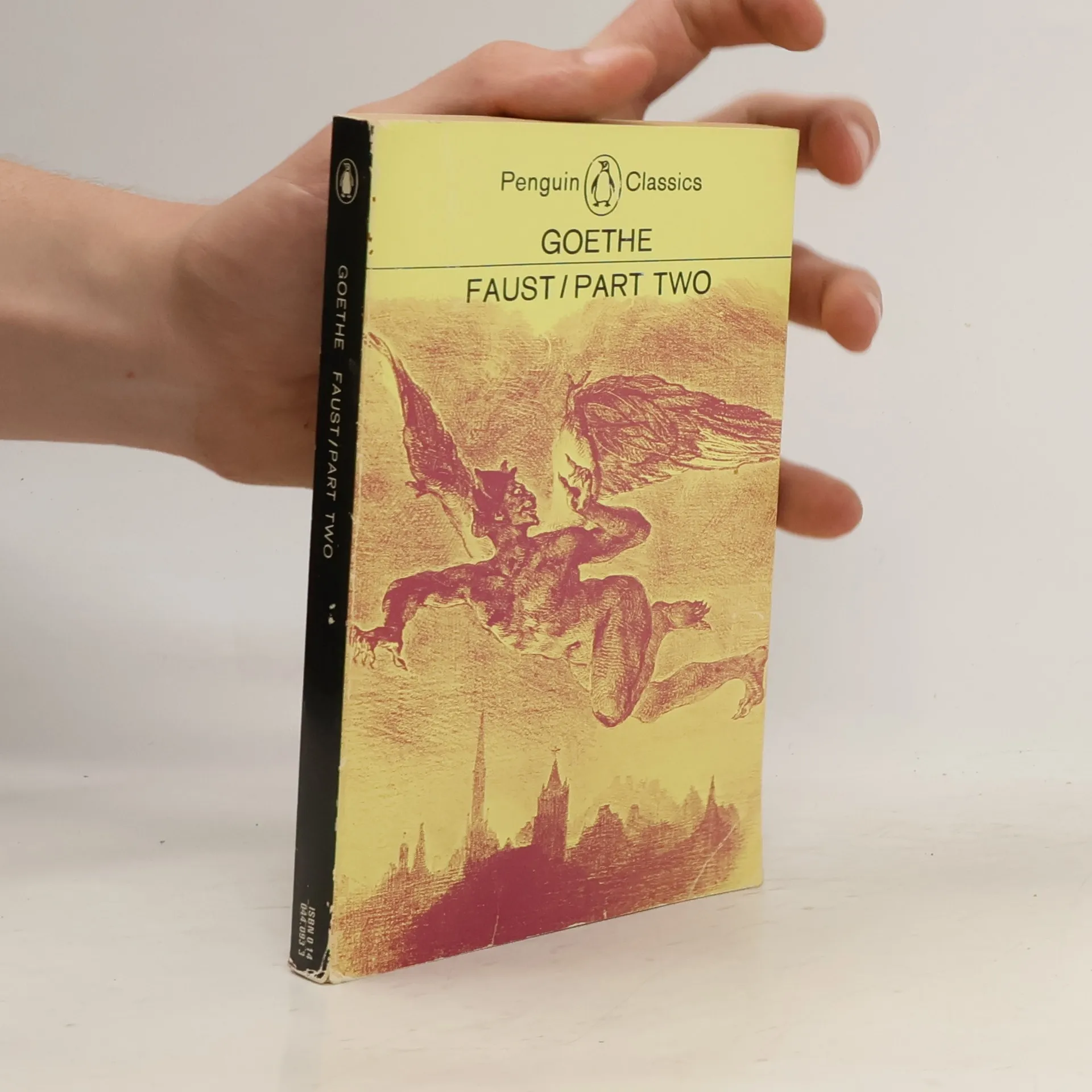
Faust. Part two
- 288pages
- 11 heures de lecture
The second part of Goethe's masterpiece opens with Faust struggling to recover from the death of his beloved Gretchen. The quick-witted demon Mephistopheles soon persuades him to look beyond his sorrow and enter the world of politics and power, but the great scholar is still eager for new sensations, and asks Mephistopheles to reveal Helen of Troy to him in a vision. Overwhelmed by her beauty, Faust demands she be brought back from the underworld - but even this fails to bring him contentment, and his appetite for knowledge remains unsated. Completed a few months before Goethe's death, this rich and allusive work weaves together a wealth of diverse philosophical ideas and influences, reworking the medieval myth of Dr Faustus and speculating upon the search for truth in the Age of Enlightenment.
Faust
- 188pages
- 7 heures de lecture
MÉPHISTOPHÉLÈS : - Je veux ici m'attacher à ton service, obéir sans fin ni cesse à ton moindre signe ; mais, quand nous nous reverrons là-dessous, tu devras me rendre la pareille. FAUST - Le dessous ne m'inquiète guère ; mets d'abord en pièces ce monde-ci, et l'autre peut arriver ensuite. Mes plaisirs jaillissent de cette terre, et ce soleil éclaire mes peines ; que je m'affranchisse une fois de ces dernières, arrive après ce que pourra. Je n'en veux point apprendre davantage. Peu m'importe que, dans l'avenir, on aime ou haïsse, et que ces sphères aient aussi un dessus et un dessous. MÉPHISTOPHÉLÈS - Dans un tel esprit tu peux te hasarder : engage-toi ; tu verras ces jours-ci tout ce que mon art peut procurer de plaisir ; je te donnerai ce qu'aucun homme n'a pu même encore entrevoir.
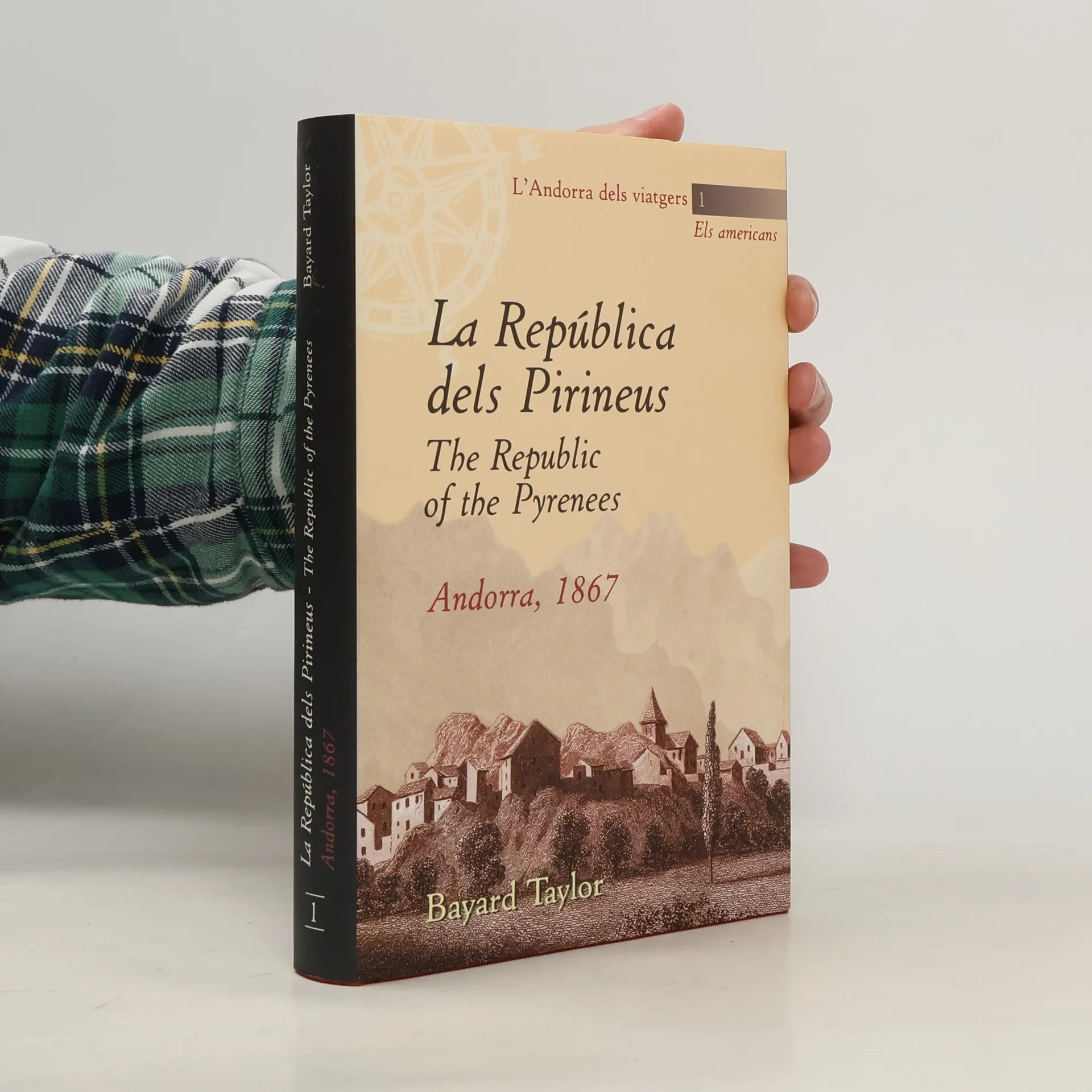
La República dels Pirineus, Andorra, 1867
- 245pages
- 9 heures de lecture
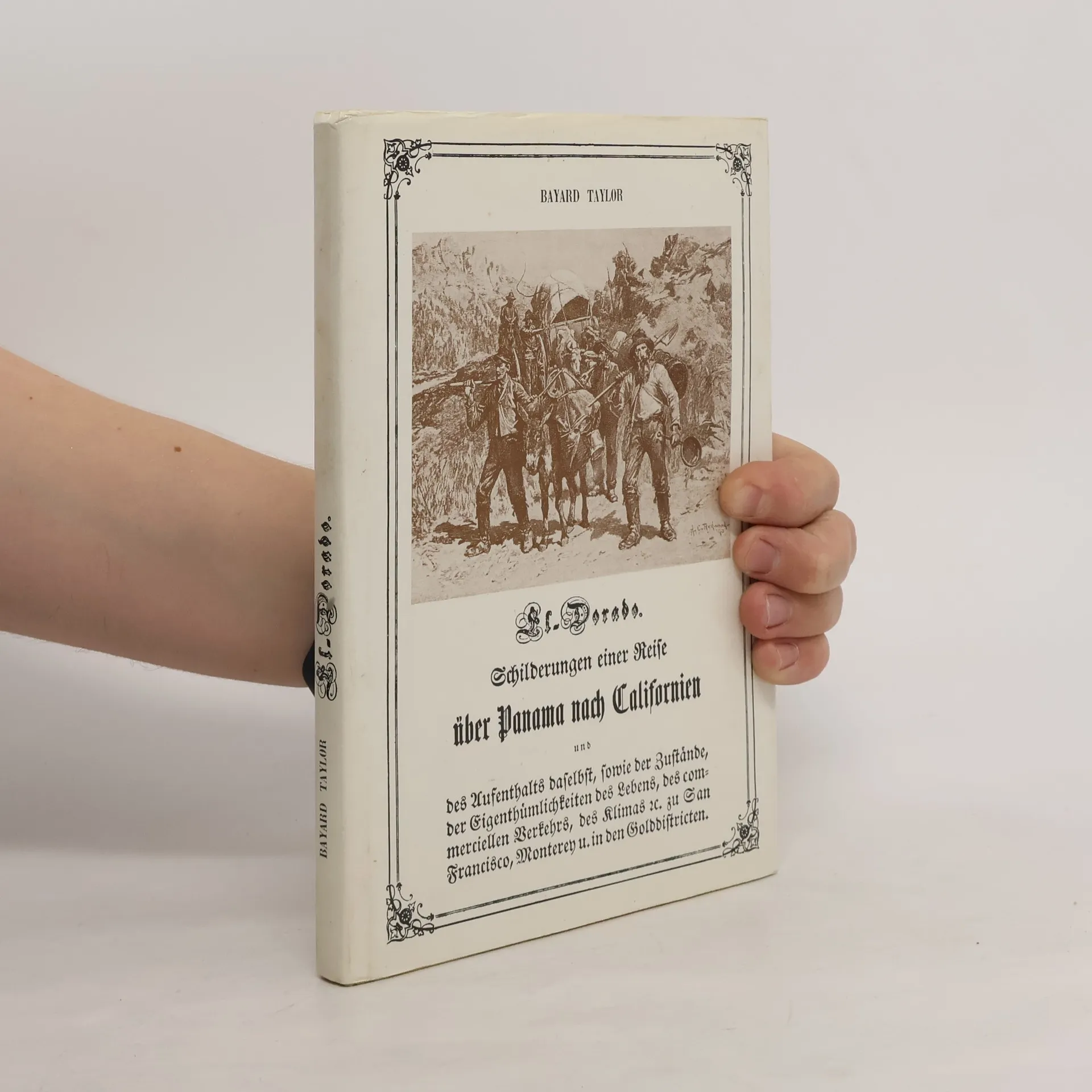
Das Eldorado, das Bayard Taylor in seiner jugendlichen Poesie imaginierte, war nicht halb so fabelhaft wie das Kalifornien, das er im historischen Jahr 1849 tatsächlich sah. Er schloss sich der Flut der Goldsucher an, nicht als Glücksritter, sondern als Journalist, und segelte von New York auf einem überfüllten Dampfer. Der Anblick von San Francisco überwältigte ihn: die brodelnden Berge, das Wasser und die Luft, die wenigen hundert Häuser, die sich vor seinen Augen zu vermehren schienen, und die Straßen, die von Menschen "einer vielfältigen und bizarren Art" wimmelten. Der Immobilienmarkt boomte, und Vermögen wurden in zwei Monaten gemacht, verloren und wiedergewonnen. Bevor Taylor 1850 über Mexiko nach New York zurückkehrte, würde er die Missionen, Goldlager und verstreuten Ranches im Landesinneren besichtigen; das landwirtschaftliche Potenzial der Täler notieren; und mit den überlandziehenden Auswanderern sprechen. Indem er den fieberhaften Puls einer zusammengewürfelten Gesellschaft erfasste, würde er, wie alle anderen, durch Kalifornien verändert werden.