Cet auteur est connu pour rendre la science intelligible à un public plus large grâce à ses conférences et ses écrits. Son travail se caractérise par un effort pour relier des concepts scientifiques complexes à un langage accessible. Par son écriture, il se concentre sur la vulgarisation scientifique et sur son rapprochement des profanes. Son approche met l'accent sur la clarté et l'engagement lors de l'explication de sujets scientifiques.
Drawing on years of conversations with Higgs and others, Close illuminates how an unprolific man became one of the world's most famous scientists. Close finds that scientific competition between people, institutions, and states played as much of a role in making Higgs famous as Higgs's work did
The Treachery and Pursuit of the Most Dangerous Spy in History
528pages
19 heures de lecture
Klaus Fuchs knew more nuclear secrets in the last two years of the Second World War than anyone else in Britain. He was taken onto the Manhattan Project in the USA as a trusted physicist - and was the conduit by which knowledge of the highest classification passed to the Soviet Union. When Truman announced at the Potsdam Conference that the US possessed a nuclear bomb, Stalin already knew. This book, by an accomplished scientist as well as historian, is the first to explain the physics as well as the spying, and because Frank Close worked, like Fuchs, at the Harwell Laboratory, it contains much important new material.
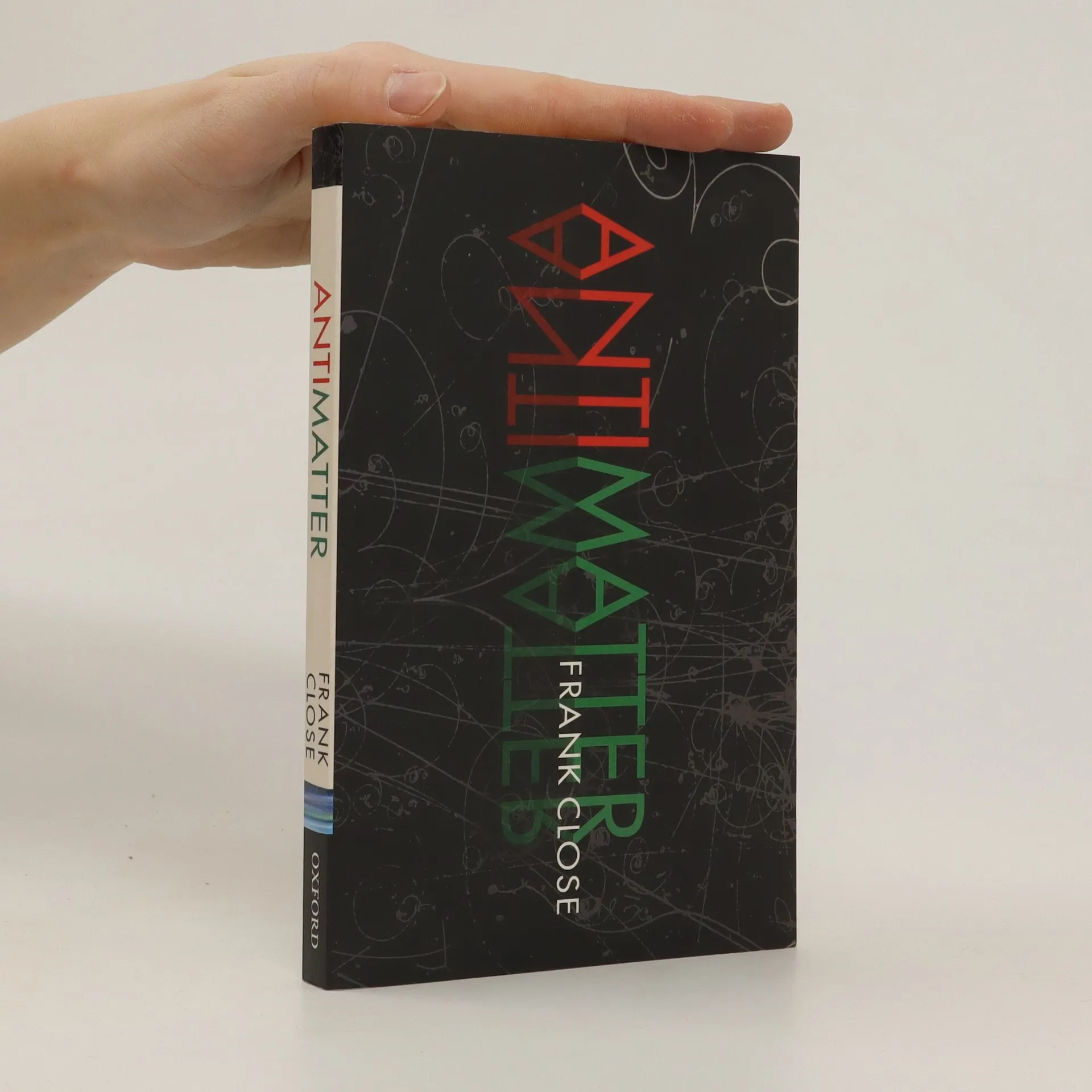
Antimatter is a weird opposite to matter that will destroy everything it touches; it could be the ultimate source of power or weapon of mass destruction. This book explains what it is and what it can do
The memo landed on Kim Philby's desk in Washington, DC, in July 1950. Three months later, Bruno Pontecorvo, a physicist at Harwell, Britain's atomic energy lab, disappeared without a trace. When he re-surfaced six years later, he was on the other side of the Iron Curtain...One of the most brilliant scientists of his generation, Pontecorvo was privy to many secrets: he had worked on the Anglo- Canadian arm of the Manhattan Project, and quietly discovered a way to find the uranium coveted by nuclear powers. Yet when he disappeared MI5 insisted he was not a threat. Now, based on unprecedented access to archives, letters and surviving family members and scientists, award-winning writer and physics professor Frank Close pieces together an answer to whether Pontecorvo's defection did indeed bring an end to a life of spycraft -and exposes the truth of a man irrevocably marked by the advent of the atomic age and the Cold War...
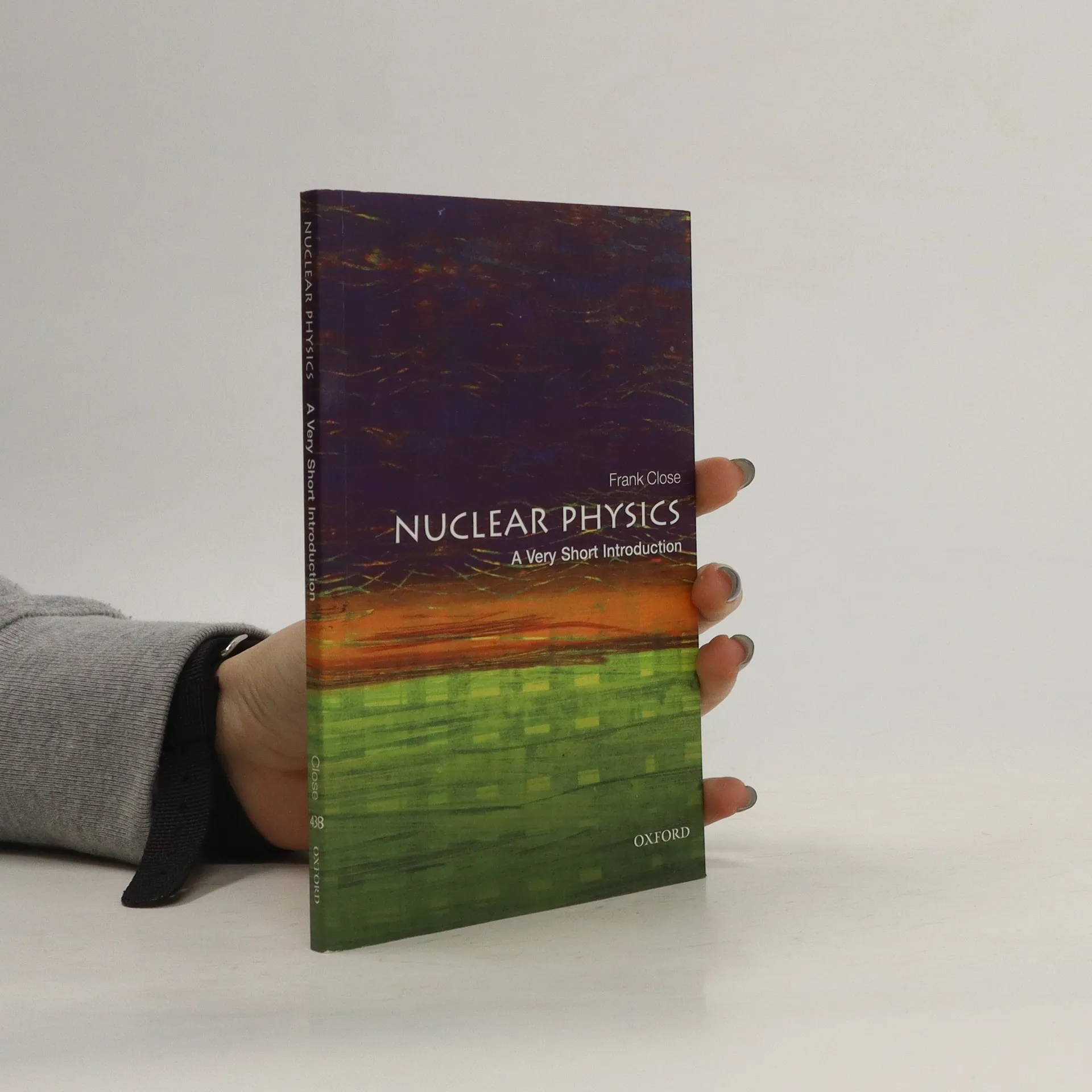
In this Very Short Introduction Frank Close describes the historical development of nuclear physics, our understanding of the nucleus, how nuclei form, and the applications of the field in medicine. Exploring key concepts, Frank Close shows how nuclear physics brings the physics of the stars to Earth.
Neutrinos are as near to nothing as anything we know, and so elusive that they are almost invisible. Frank Close tells the story of the neutrino, explaining their growing significance, and looking at how neutrino astronomy is at the threshold of enabling us to look into distant galaxies and to finding echoes of the Big Bang.
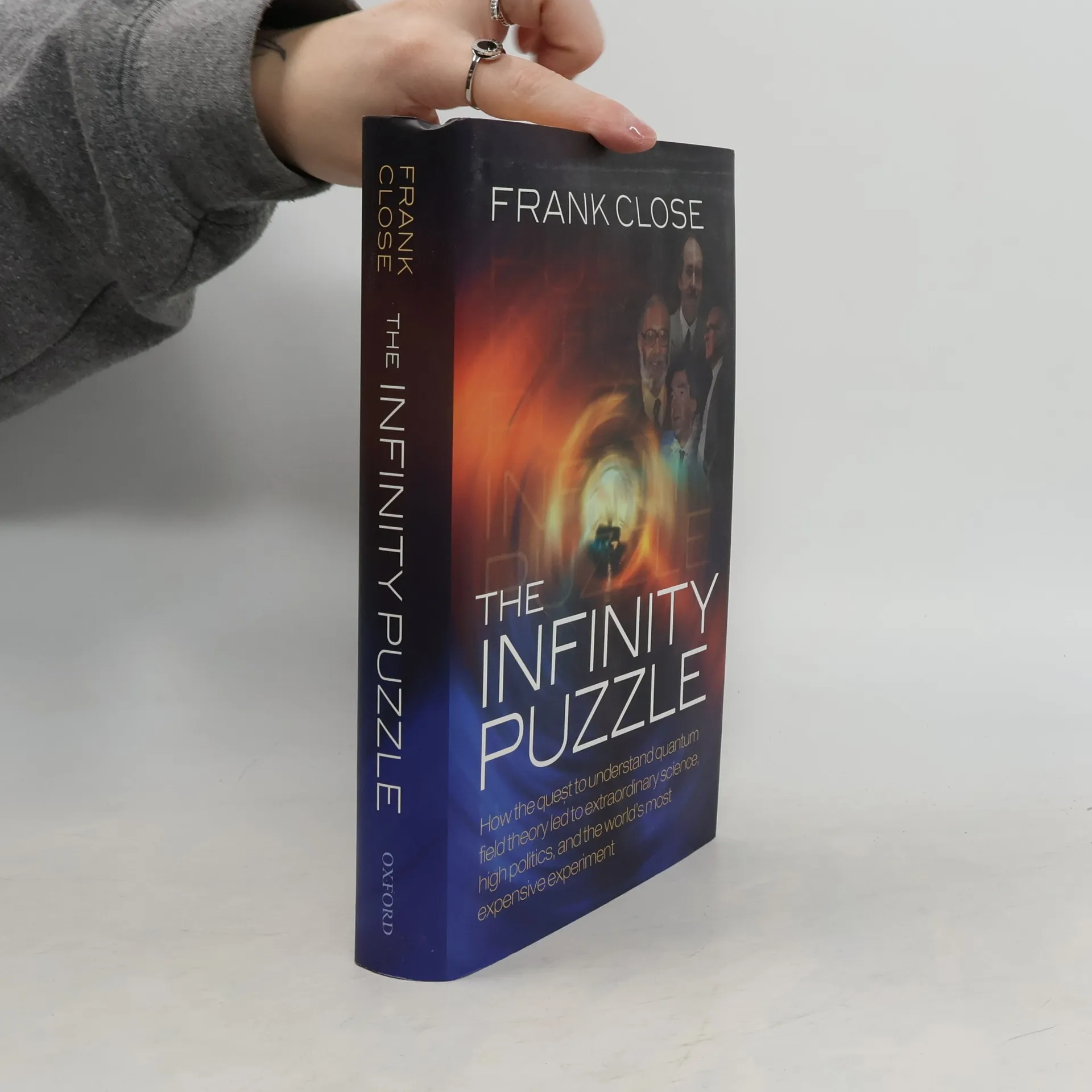
Forty or so years ago, three physicists - Peter Higgs, Gerard 't Hooft, and James Bjorken - made the spectacular breakthroughs that led to the world's largest experiment, the CERN Large Hadron Collider. Played out against a backdrop of high politics, low behaviour, and billion dollar budgets, this is the story of their work and its implications.
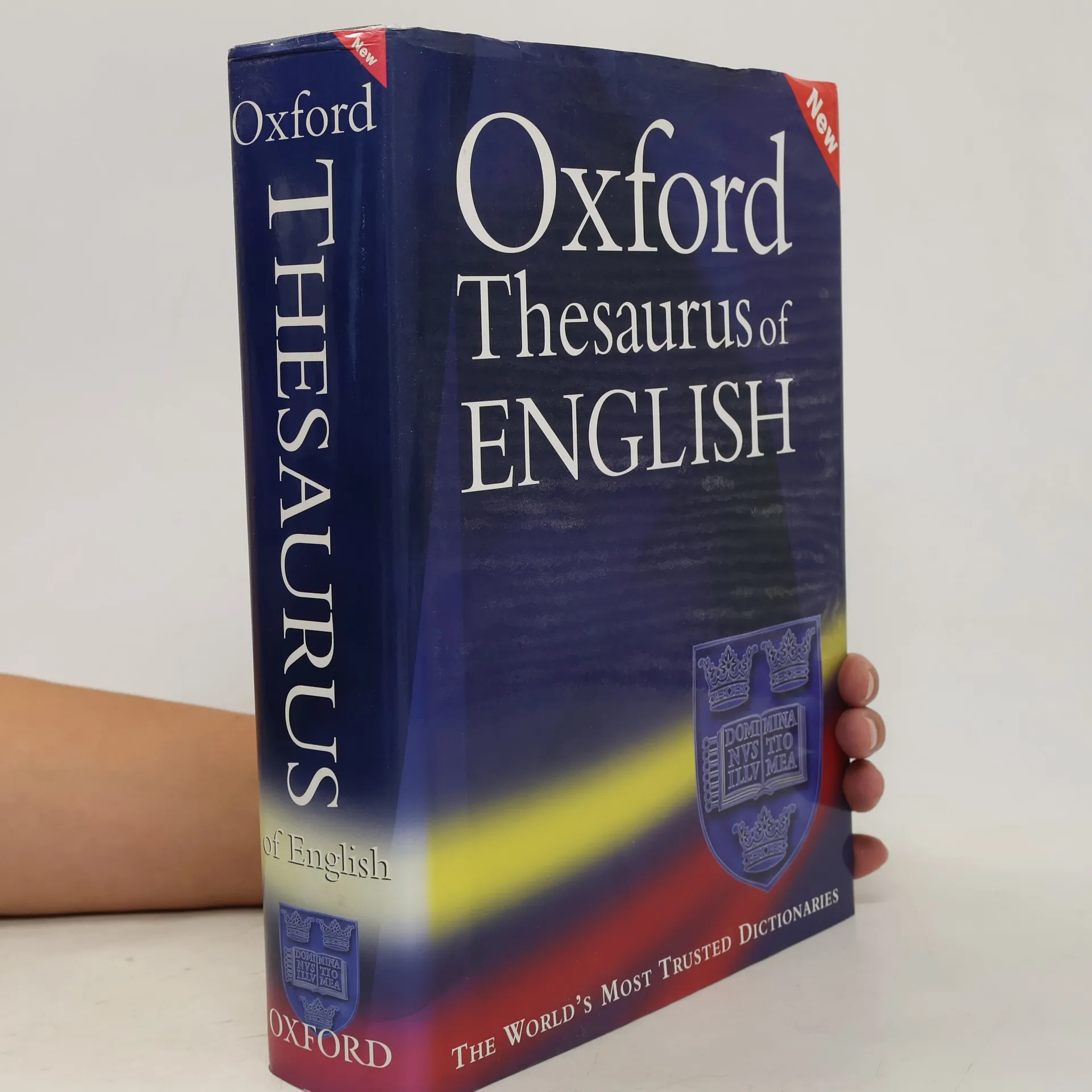
The second edition of the Oxford Thesaurus of English offers unrivalled coverage of over 600,000 alternative and opposite words, and over 36,000 examples of words in use to help you choose the right sense. Updated with the latest words to be entered in Oxford dictionaries, it is accessible and easy to use. This new edition of Oxford's top of the range thesaurus provides extra features such as panels to help you "Choose the Right Word" among similar alternatives, such as artificial, synthetic, and man-made, all updated to reflect contemporary English usage. Word Links sections help to extend your vocabulary with related words such as astronomy at star, and ornithophobia at bird. Hundreds of lists of different types of animals, plants, food, drink, aircraft, musicians, etc. are now in a separate section to make them easy to find. Offering comprehensive and authoritative coverage of current English, the Oxford Thesaurus of English is ideal for use at home, school, and the office,and is the perfect reference tool to help you increase your vocabulary and write more effectively.
What is 'nothing'? What remains when you take all the matter away? Can empty
space - a void - exist? This Very Short Introduction explores the science and
history of the elusive void: from Aristotle's theories to black holes and
quantum particles, and why the latest discoveries about the vacuum tell us
extraordinary things about the cosmos.
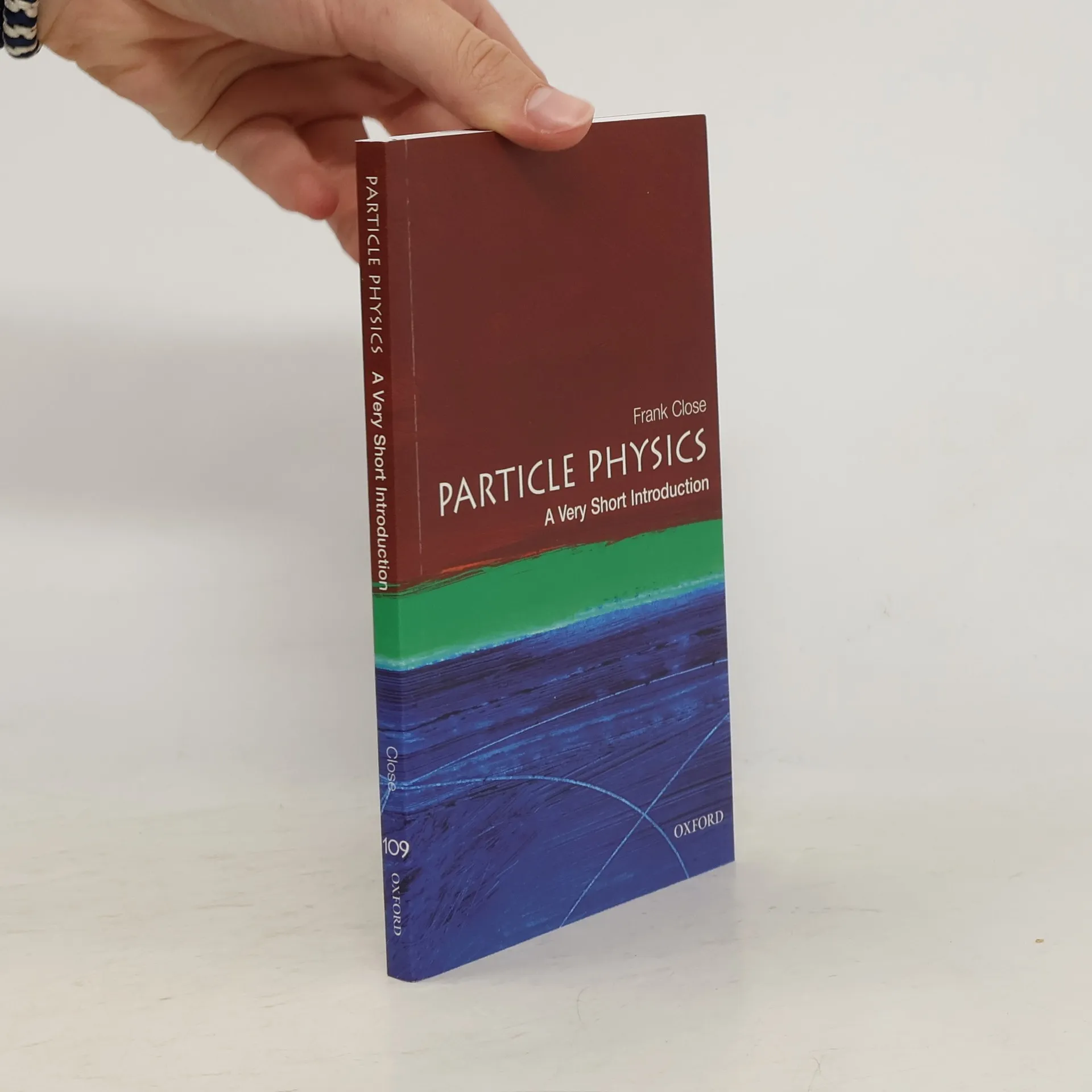
In Particle A Very Short Introduction , best-selling author Frank Close provides a compelling and lively introduction to the fundamental particles that make up the universe. The book begins with a guide to what matter is made up of and how it evolved, and goes on to describe the fascinating and cutting-edge techniques used to study it. The author discusses particles such as quarks, electrons, and the neutrino, and exotic matter and antimatter. He also investigates the forces of nature, accelerators and detectors, and the intriguing future of particle physics. This book is essential reading for general readers interested in popular science, students of physics, and scientists at all levels.About the Combining authority with wit, accessibility, and style, Very Short Introductions offer an introduction to some of life's most interesting topics. Written by experts for the newcomer, they demonstrate the finest contemporary thinking about the central problems and issues in hundreds of key topics, from philosophy to Freud, quantum theory to Islam.