

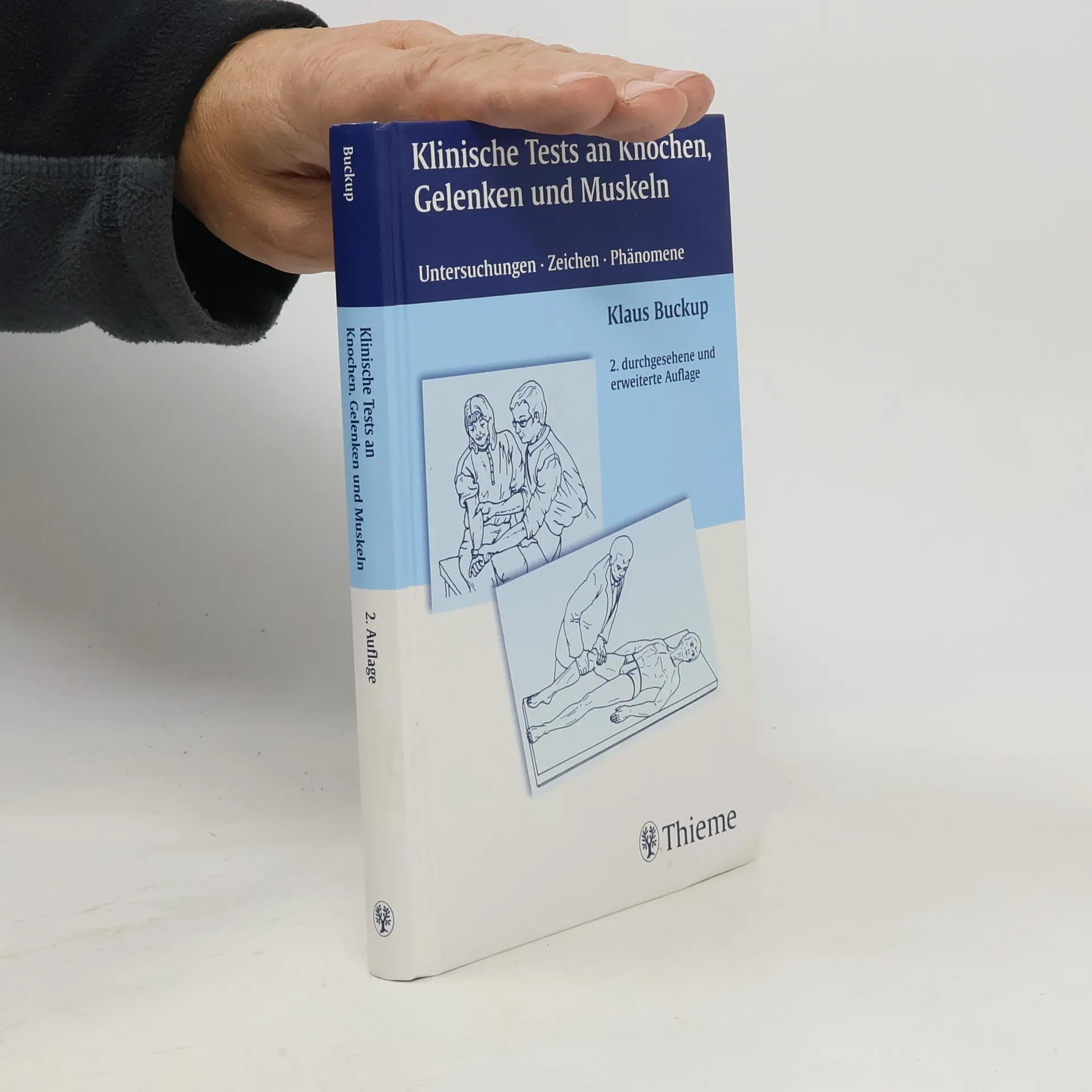
The second edition of this handy pocket-sized book presents a comprehensive collection of clinical tests for all the major musculoskeletal structures. The tests are divided into separate sections based on body region. Each chapter opens with a figure depicting range of motion and an algorithm that provides a rapid overview of symptoms, tests, imaging, and diagnosis. For each clinical test, the author provides step-by-step descriptions of the methodology, starting at the patients initial position, and then describes the evaluation and possible diagnosis. Highlights:-Succinct descriptions of initial tests, functional tests, stress tests, and stability tests-More than 550 instructive line drawings that demonstrate key concepts in a precise fashion-Coverage of posture deficiencies, thrombosis, and arterial ischemic disorders-Lists of recommended references for additional readingThis book is an invaluable guide to selecting the appropriate tests for the clinical examination. It is ideal for orthopaedists, physical medicine and rehabilitation specialists, physical therapists, osteopathic physicians, and residents in these specialties.
Klaus Buckup Livres

Die neue Rheuma-Therapie
- 255pages
- 9 heures de lecture
Kinderorthopädie
- 293pages
- 11 heures de lecture
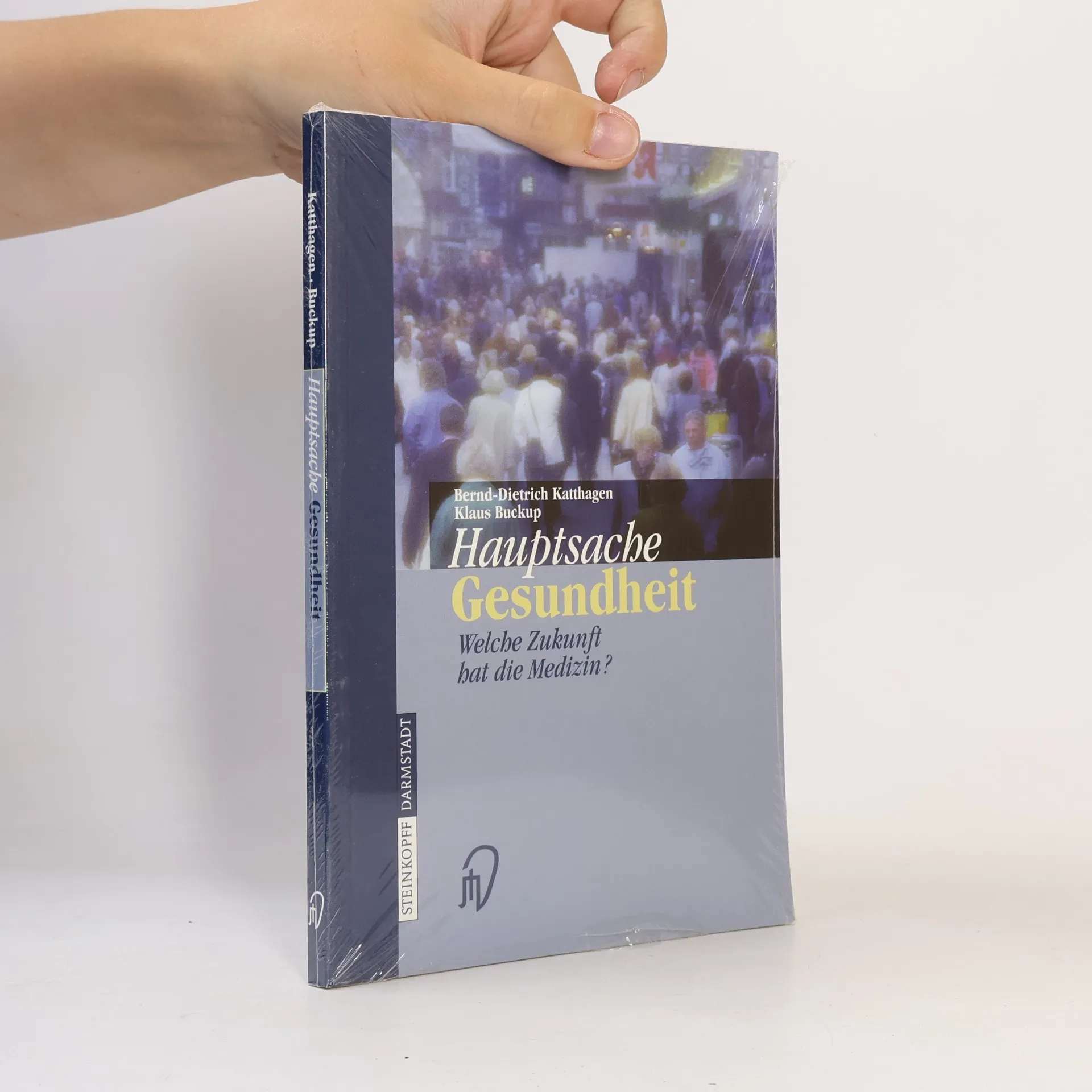
Das Thema Gesundheit geht alle an und bestimmt entscheidend unser Dasein. In den letzten 100 Jahren hat die Medizin sensationelle Erfolge erzielt. Immer mehr Krankheiten können wirksam bekämpft werden. Trotzdem steht die Medizin im Kreuzfeuer der Kritik: - ihre Bedeutung für die Gesundheit, Lebensqualität und Lebenserwartung wird in Frage gestellt - der Sinn des medizintechnischen Fortschritts in Diagnostik und Therapie wird in Zweifel gezogen - Aufwand und Kosten der Medizin werden als unangemessen dargestellt. In dem jetzt offen ausbrechenden gesellschaftlichen Disput wenden sich die Autoren nicht nur an Fachkreise, sondern auch an die breite Öffentlichkeit.
Wirtschaft und Informationstechnik
- 160pages
- 6 heures de lecture
Probeseiten aus allen drei Bänden können Sie sich als PDF herunter laden.
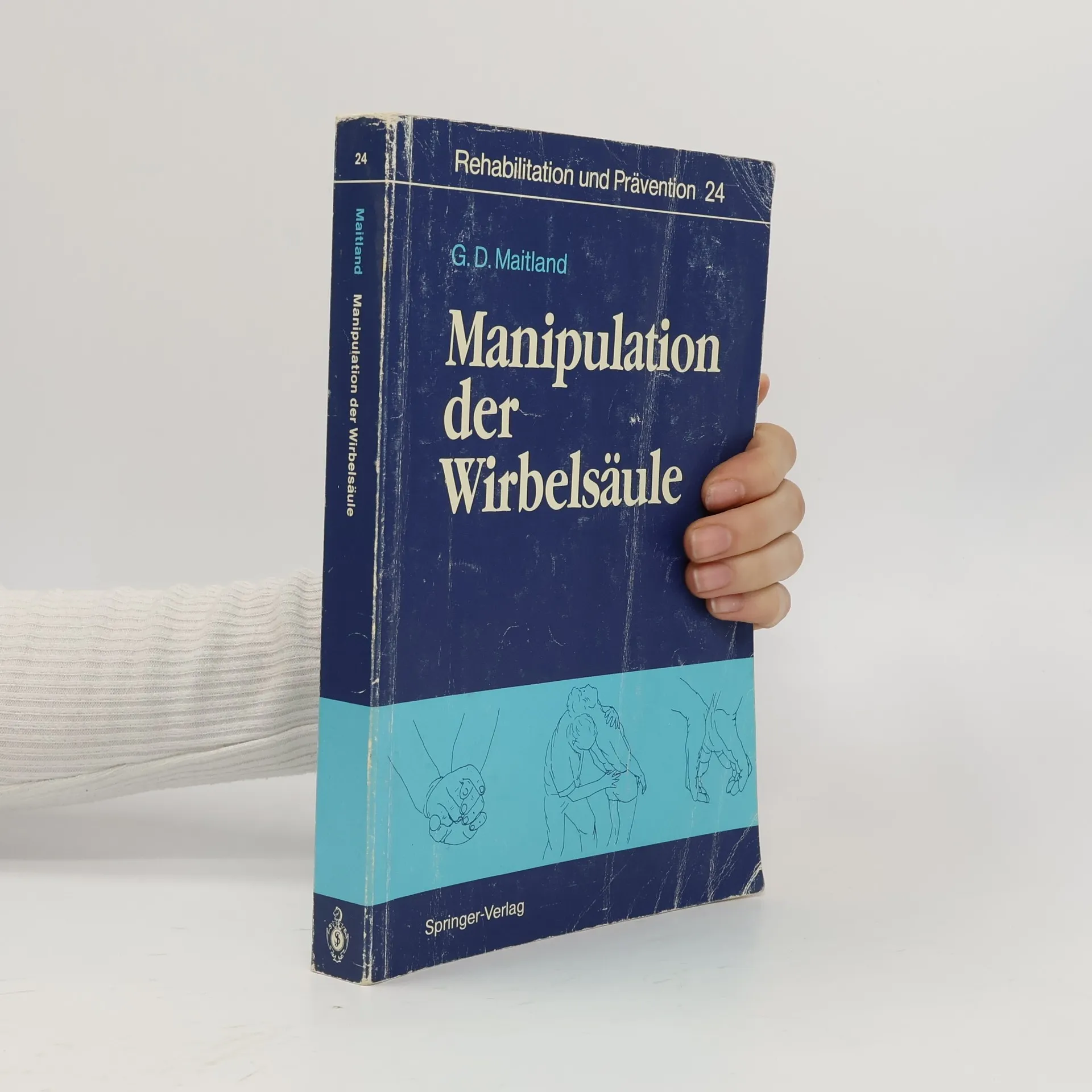
Rehabilitation und Prävention - 24: Manipulation der Wirbelsäule
- 568pages
- 20 heures de lecture
Endlich liegt nun die deutschsprachige Ausgabe des bekannten Lehrbuchs von G.D. Maitland vor, das in seiner englischen Version seit Jahren zur Standardliteratur auf dem Gebiet der Untersuchung und Behandlung von Gelenkst rungen im Bereich der Wirbels ule z hlt. Fundament des "Maitland-Konzepts" ist das konsequent an der Beurteilung von Symptomen und Gelenkzeichen orientierte Vorgehen bei der Anwendung von Untersuchungs- und Behandlungsverfahren; Qualit t und Verhalten der Schmerzreaktion bei Bewegung des Gelenks sind die relevanten Beurteilungskriterien. Jedem einzelnen Wirbels ulenabschnitt ist ein ganzes Kapitel gewidmet, in dem ausf hrlich Techniken zur Untersuchung sowie zur Mobilisations- und Manipulationsbehandlung der jeweiligen Ebenen beschrieben werden. Neben diesem klar strukturierten und detailreichen Leitfaden zu Ausf hrung und Indikationen der einzelnen Techniken bietet das Buch, fundiert und in stets anschaulicher Form, eine Einf hrung in die theoretischen Grundlagen des Konzepts, deren Kenntnis der Autor als unerl liche Voraussetzung f r die fachgerechte Anwendung einer jeden Technik am Patienten versteht.