

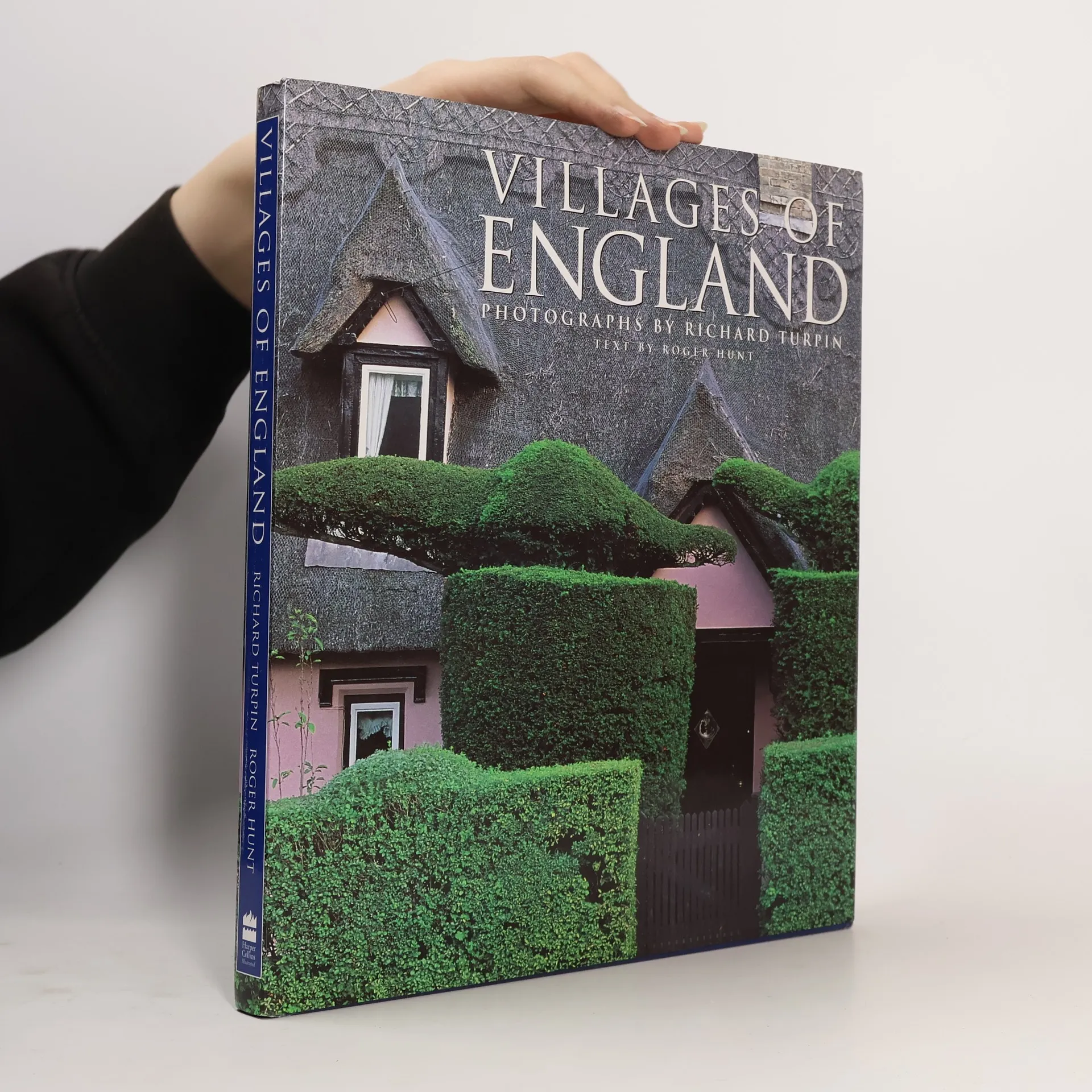
Across the expanse of England, picturesque, historic villages survive almost untouched by the unrelenting hand of progress. The vibrant photographs in these pages capture the essence of village England, from the somber drama of the Yorkshire Dales to the honey-toned limestone buildings of the Cotswolds. Cottages, churches, and pubs are steeped in history, revealing fascinating details about the lives and traditions of villagers as long ago as the eleventh-century Norman's. Chapters based on ways of life show how industrial villages and coastal villages formed, and how village greens had many duties as the center of public life. Villages of England captures the perfect vistas and telling historical details of each location, for a delightful tour of rarely-seen countryside.
Roger Hunt Livres
Roger Hunt est un écrivain profondément impliqué dans l'environnement bâti, spécialisé dans la durabilité, les maisons historiques et le spectre des matériaux et techniques de construction. Son travail découle d'une fascination de longue date pour la façon dont les choses sont construites et d'un amour profond pour l'histoire, offrant aux lecteurs des aperçus à la fois sur les aspects pratiques de la rénovation et sur la signification historique et environnementale plus large de nos structures. L'approche distinctive de Hunt combine une recherche rigoureuse avec un récit accessible, rendant les sujets complexes de la conservation des bâtiments et de la conception durable attrayants pour un large public. Par ses écrits et ses conférences, il s'est imposé comme une voix clé dans les discussions sur la préservation du patrimoine et les pratiques de construction écologiques.

Rural Britain: Then and Now
- 208pages
- 8 heures de lecture
This work is a celebration of the British countryside and how it has changed over the last 140 years using photographs from the Francis Frith Collection.
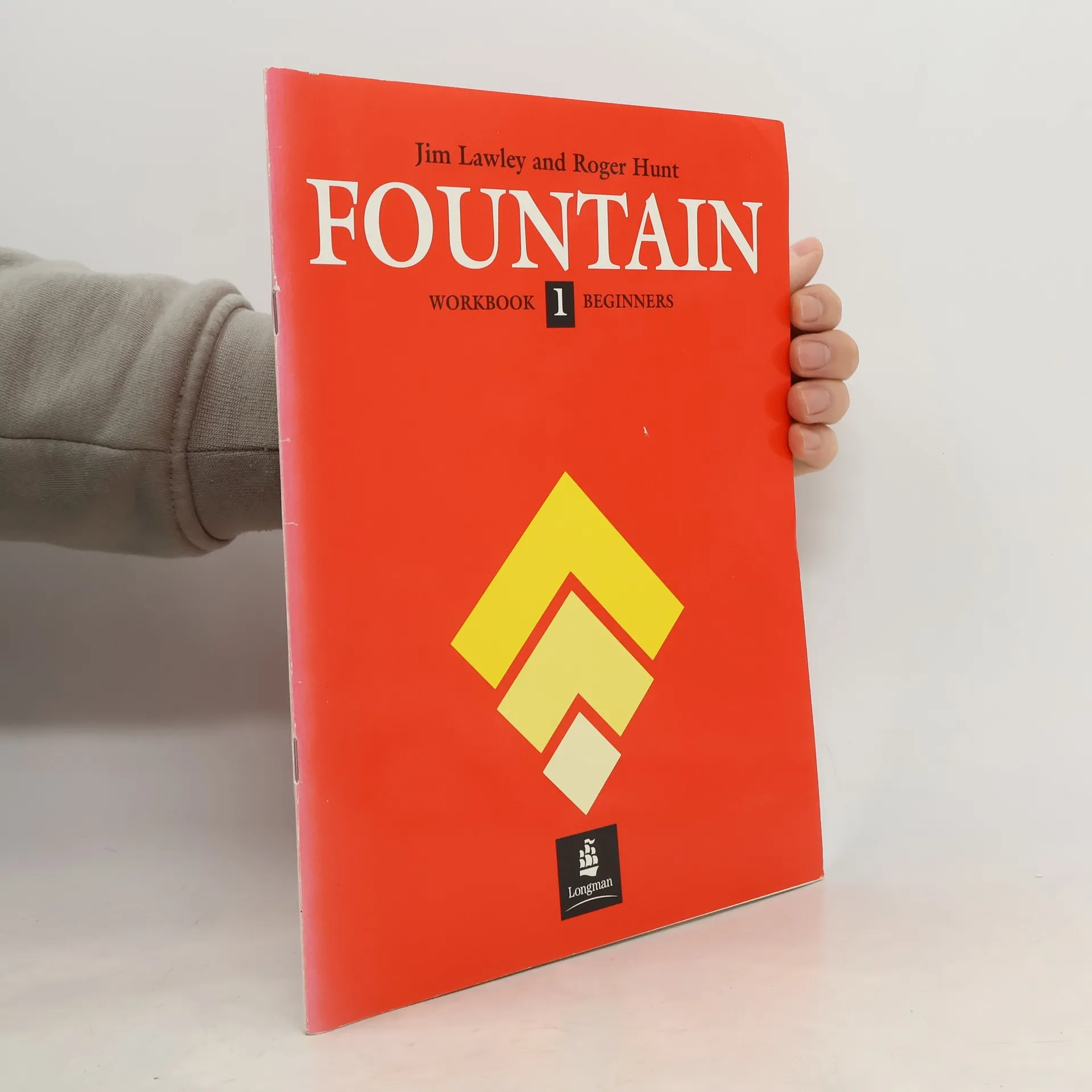
Specifically designed for large, mixed-ability classes in secondary schools, this is a four-level course for students in their early teens. The syllabus is structural/functional with constant recycling of material and the approach is based on learning by discovery.