

Bookbot

Georg Baselitz

    23 janvier 1938

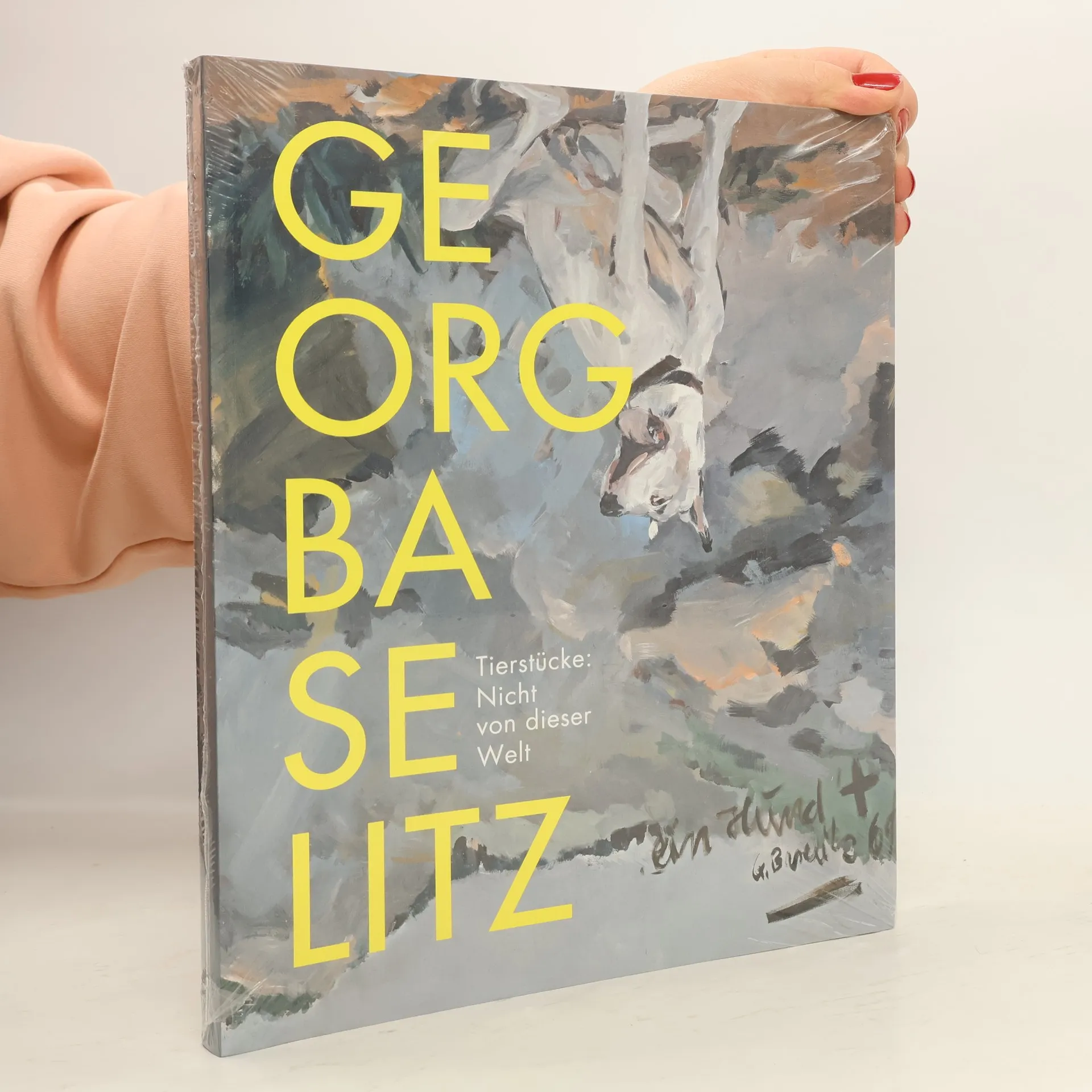
    Georg Baselitz est célébré pour son approche profondément expressive de la peinture et sa réinterprétation distinctive de la figure humaine. Ses œuvres se caractérisent par des couleurs audacieuses, des coups de pinceau dynamiques et une exploration radicale de la perspective, inversant notoirement ses sujets. Ce choix artistique délibéré oblige les spectateurs à reconsidérer leur perception habituelle d'une image, déplaçant l'attention vers les éléments formels et le contenu intrinsèque plutôt que vers la reconnaissance immédiate. L'art de Baselitz est profondément ancré dans la société allemande d'après-guerre, reflétant à la fois des expériences personnelles et des changements culturels et historiques plus larges.

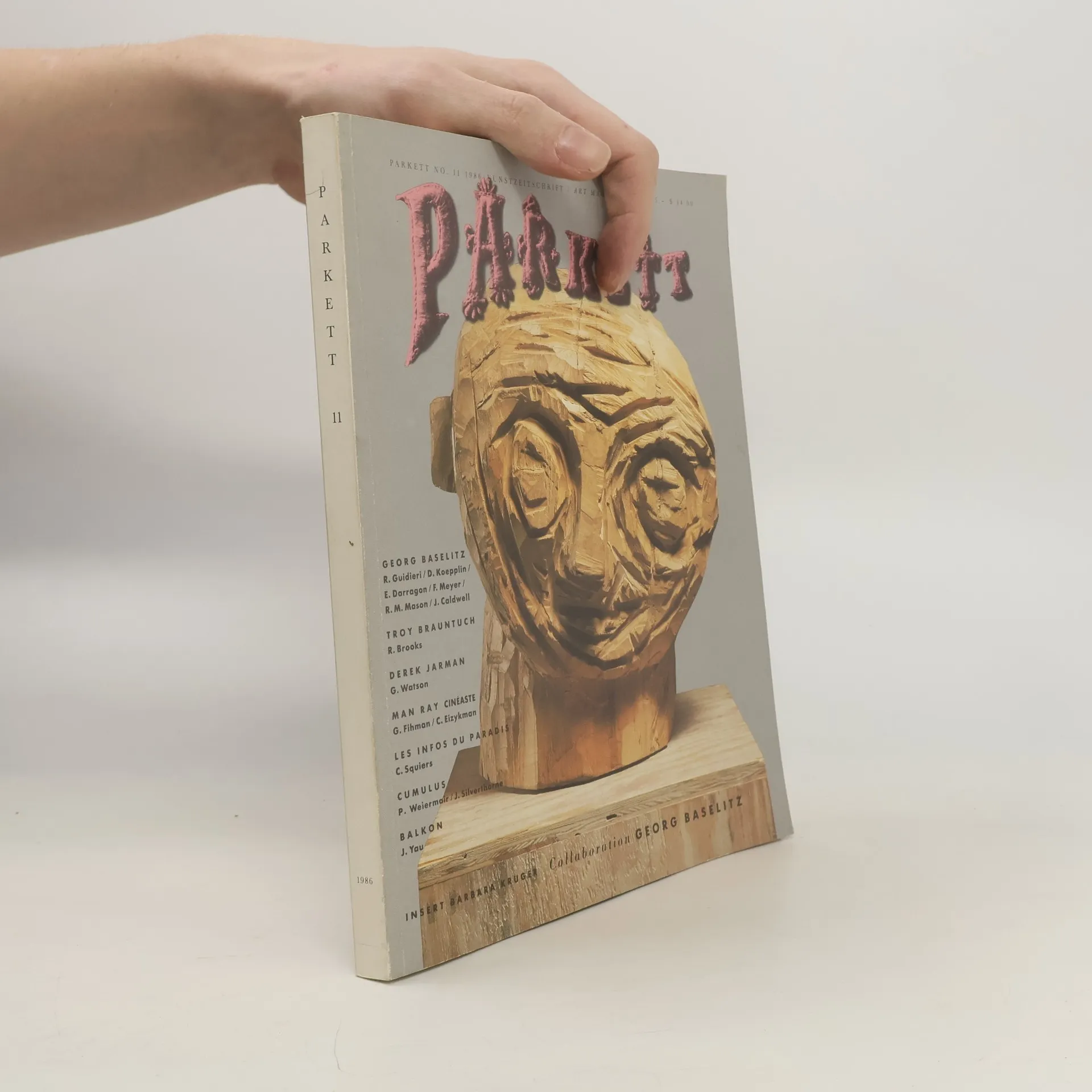
    Parkett 11/1986
    World-Changing Rage - News of the Antipodeans
    Georg Baselitz: Akademie Rousseau
    Carl Fredrik Hill
    Picasso
    Georg Baselitz
    • Georg Baselitz

      • 78pages
      • 3 heures de lecture

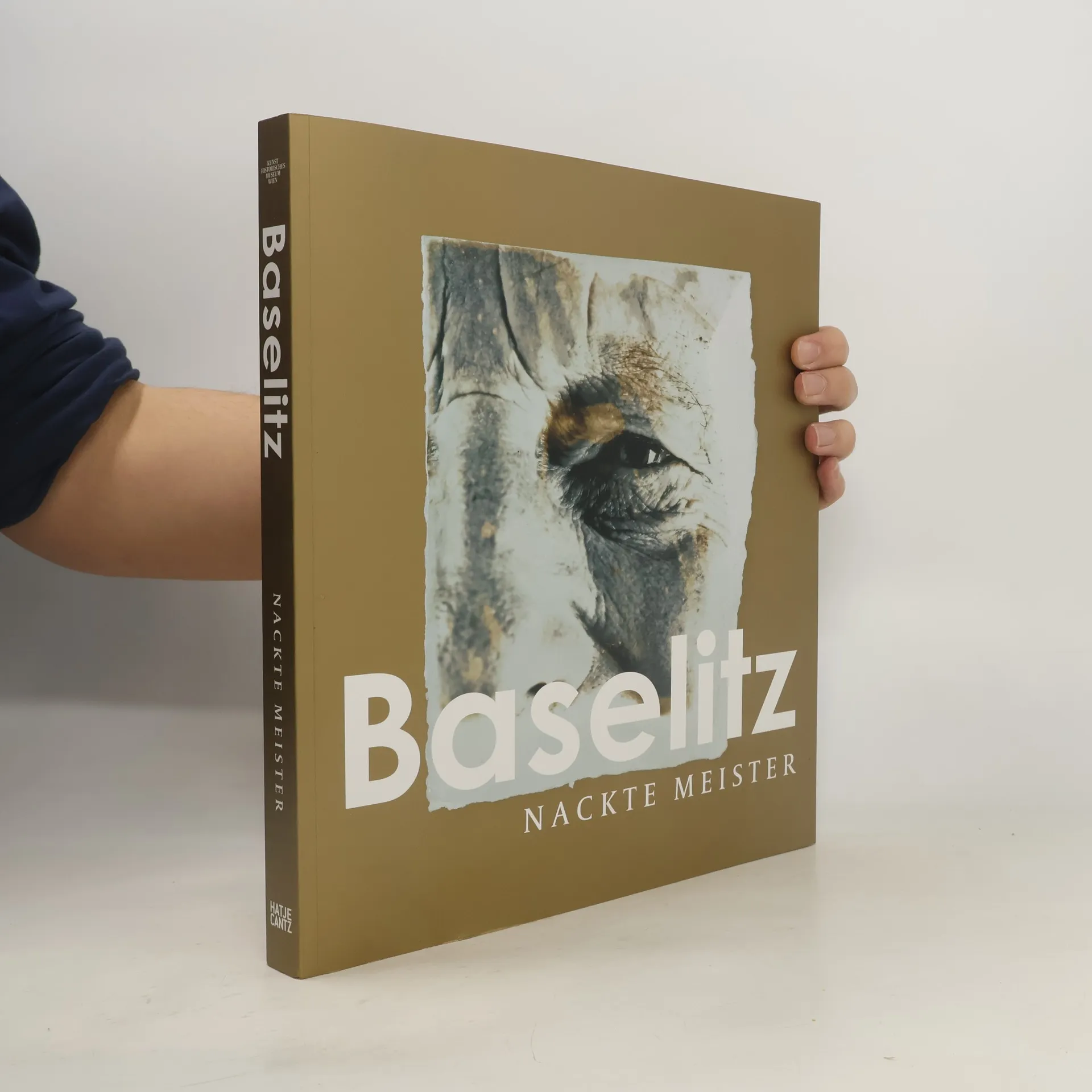
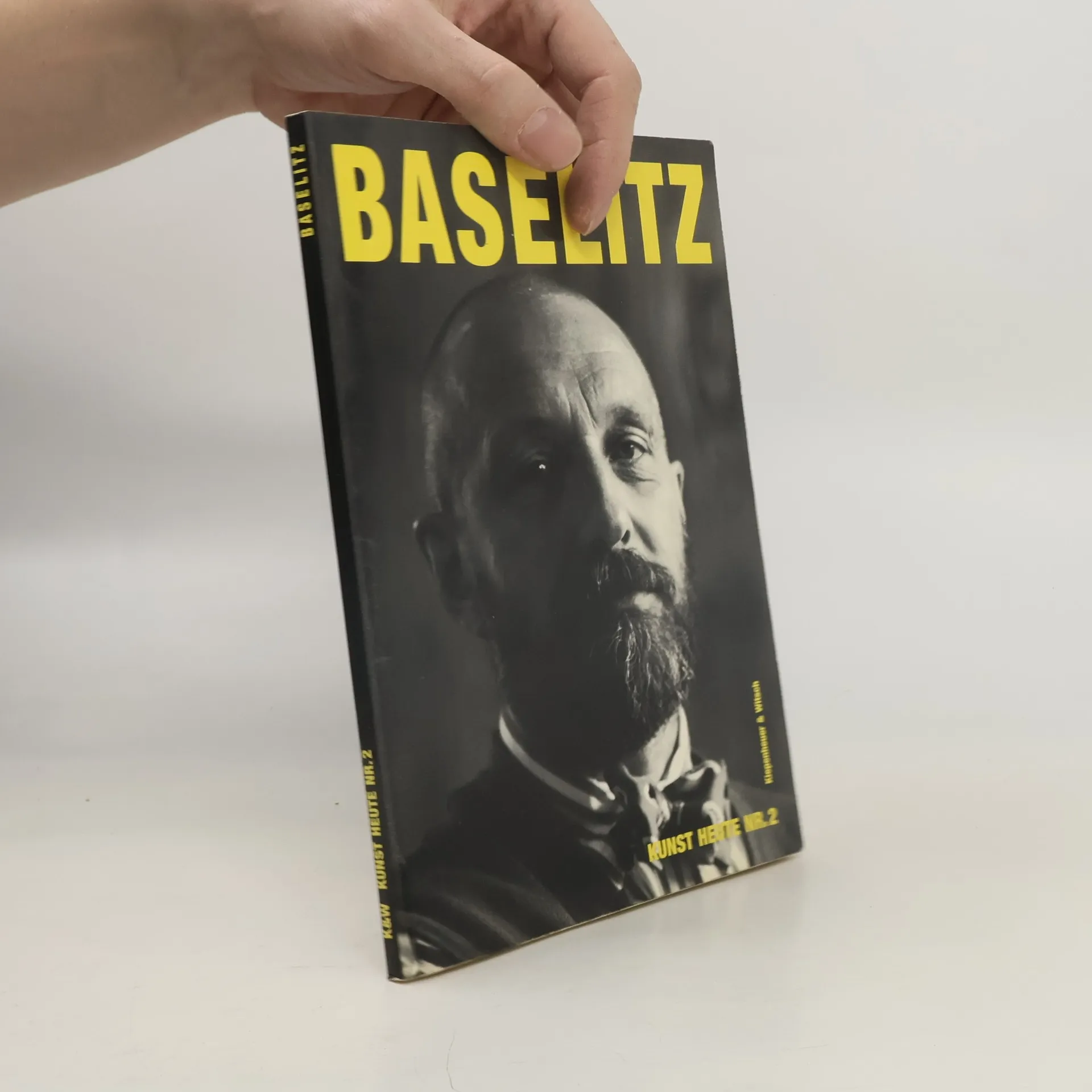
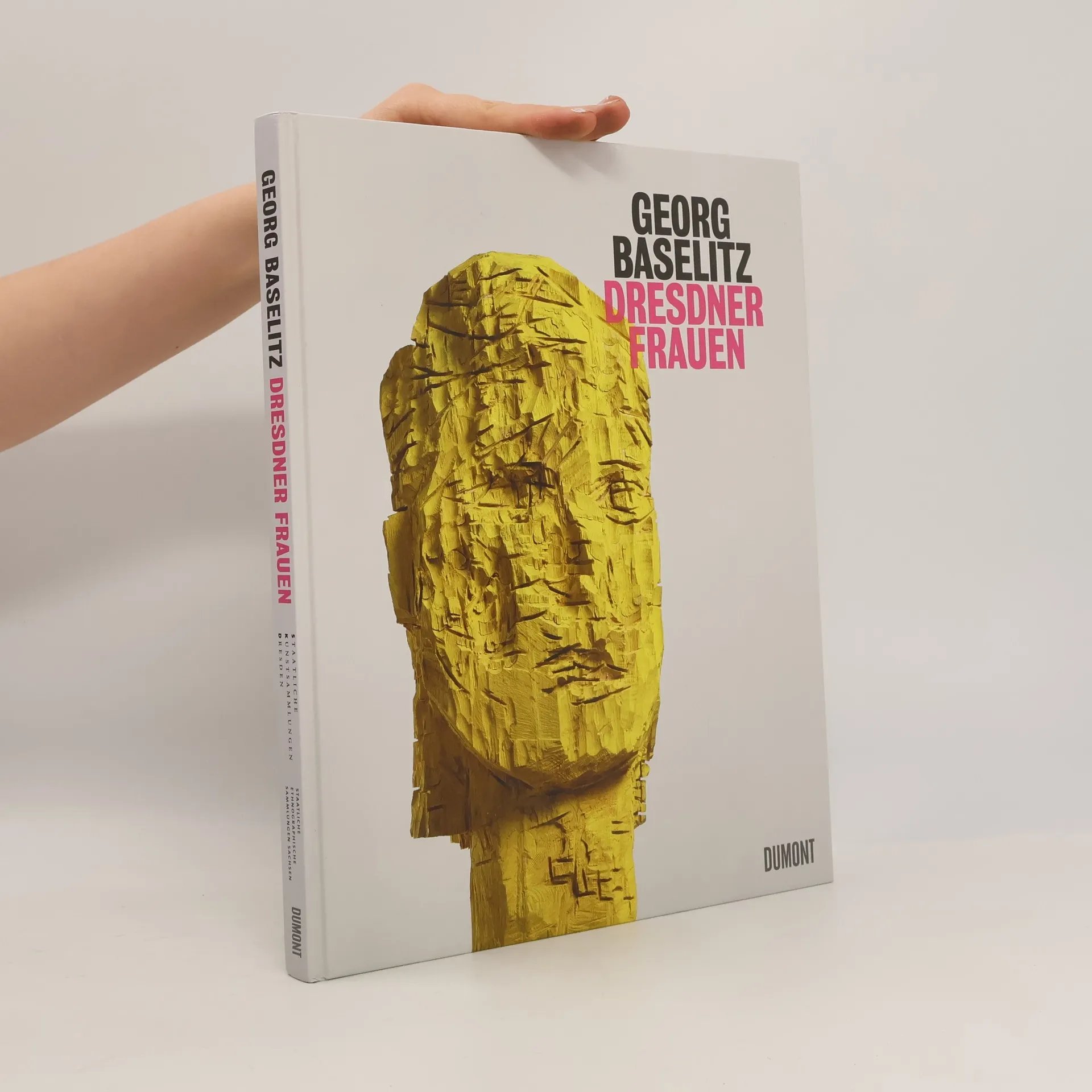
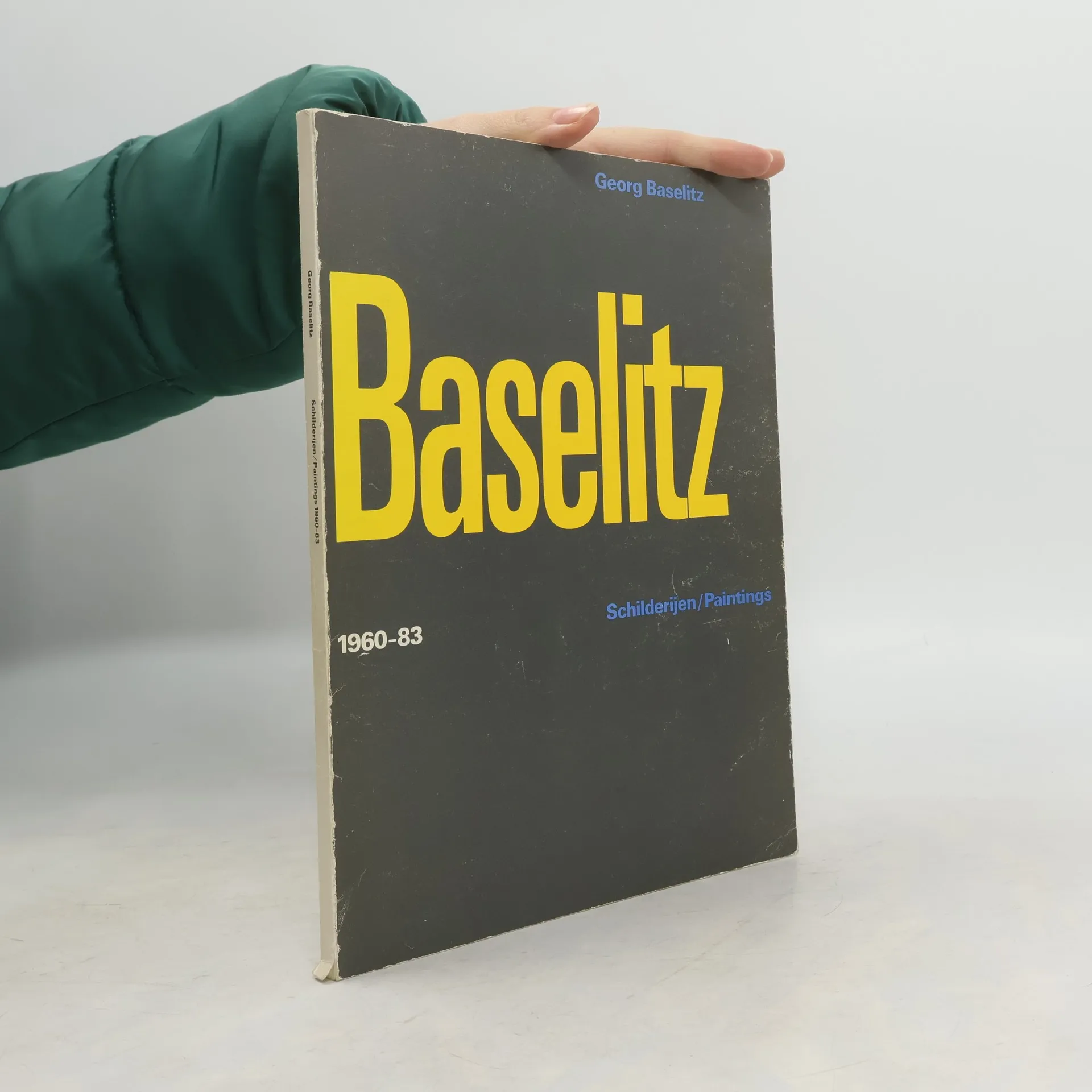
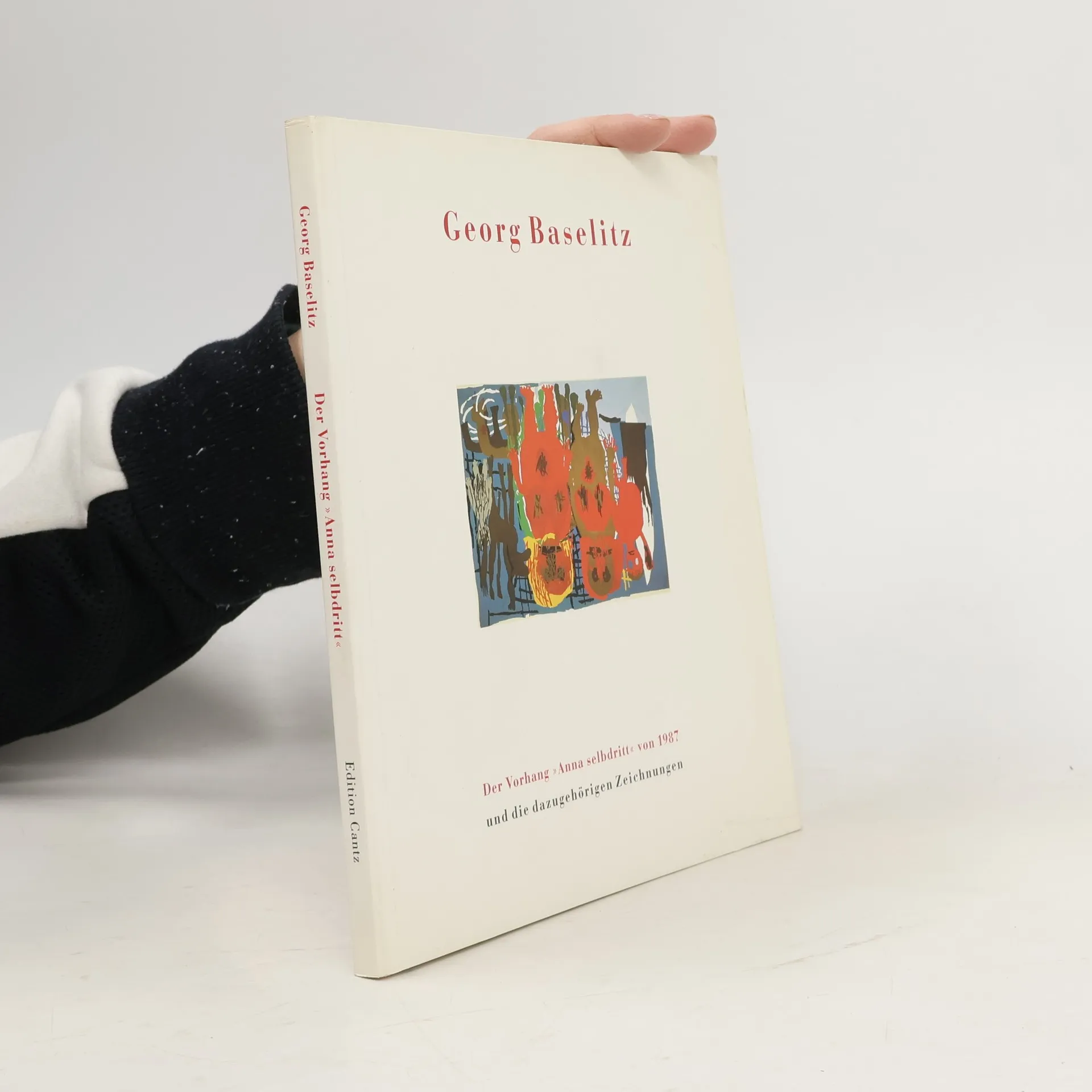
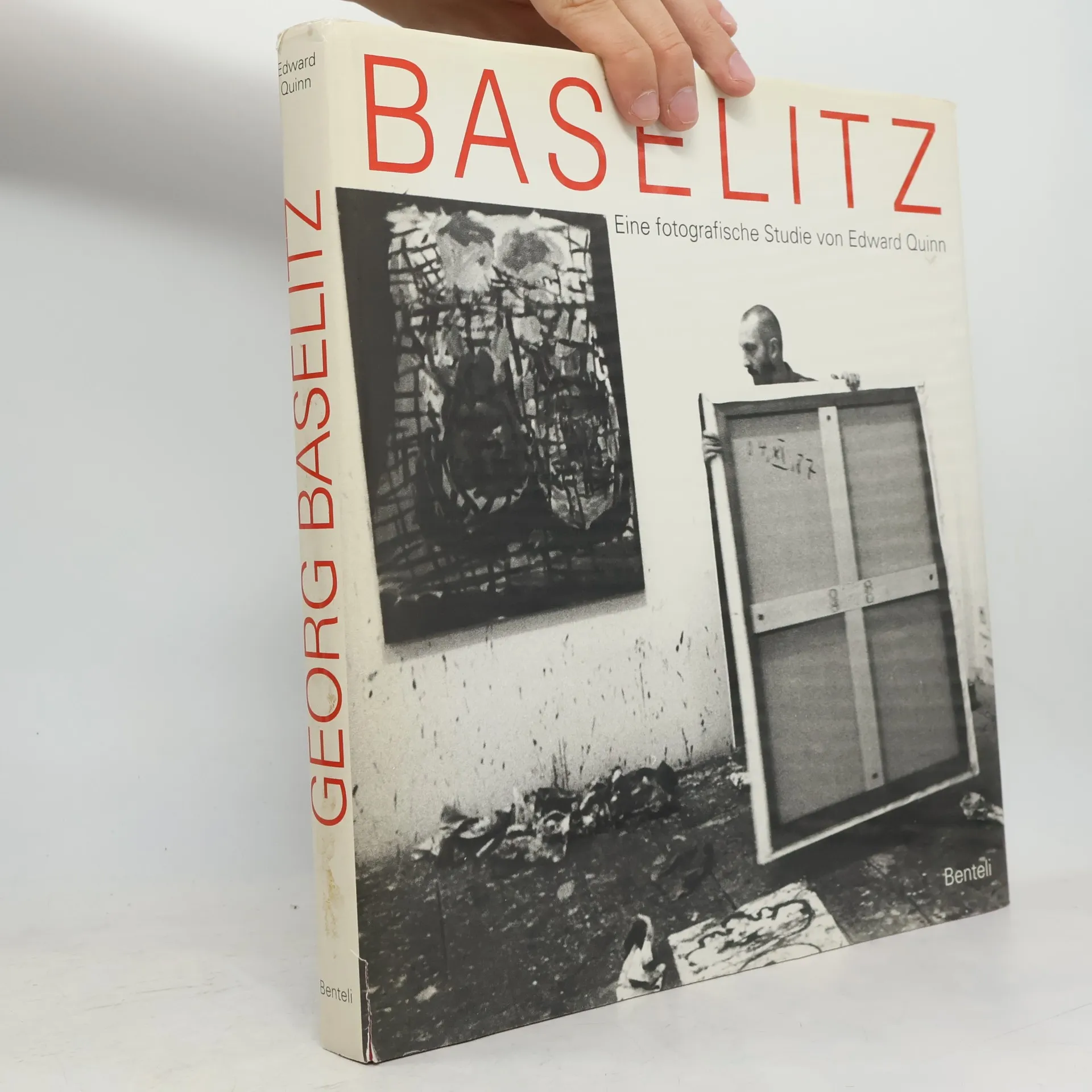
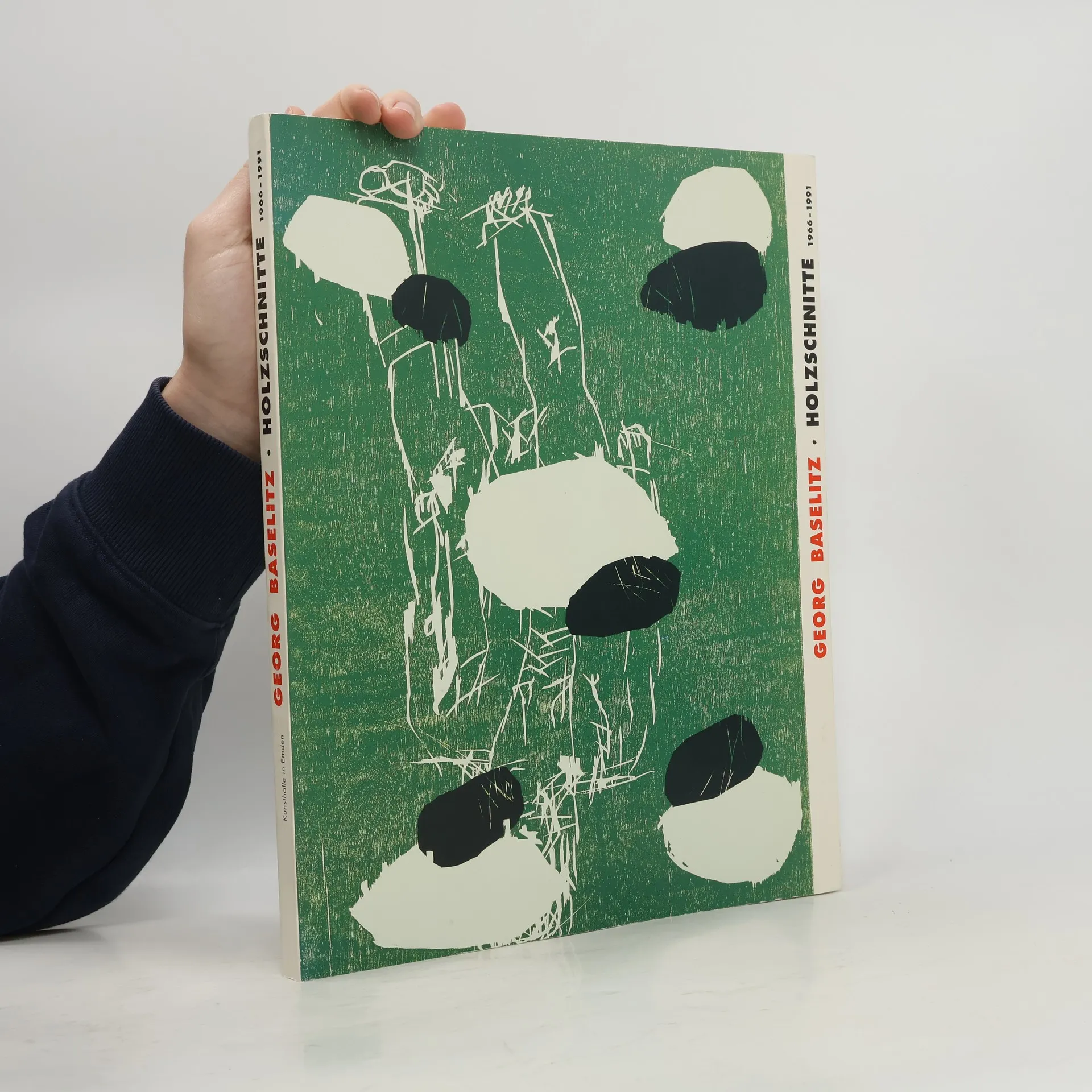
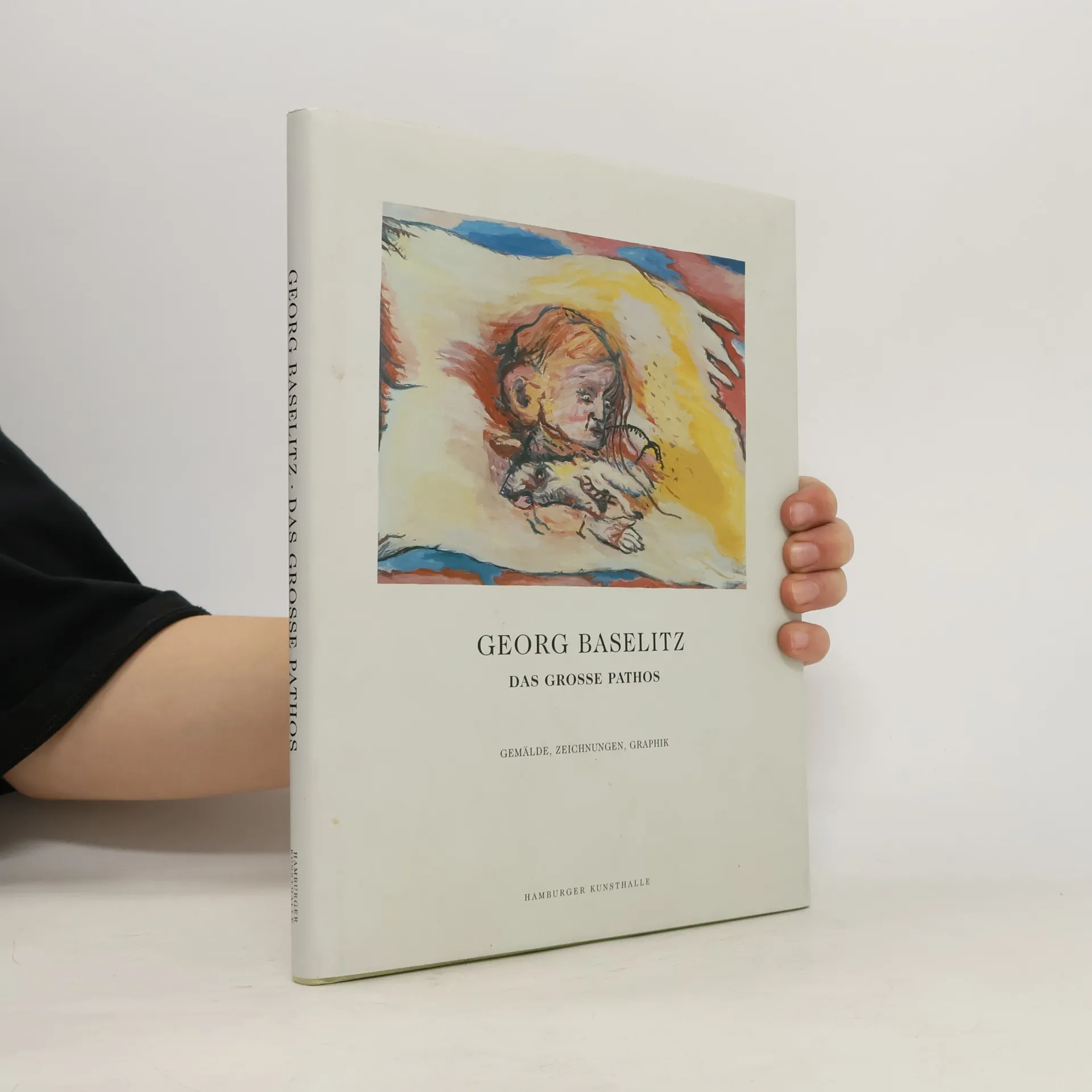
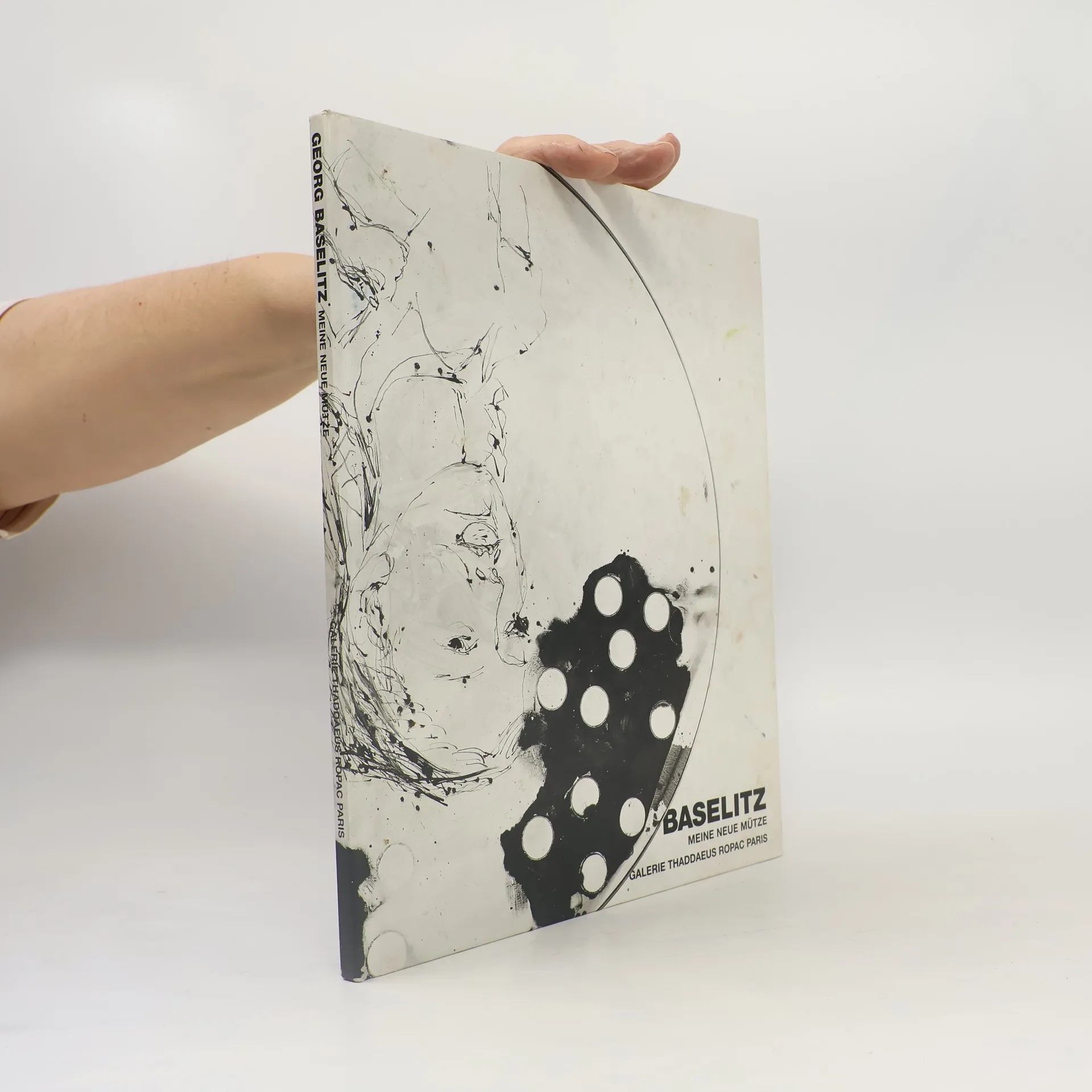
      L'art est le fait d'anarchistes, de rebelles, inutiles à l'ordre. Les artistes sont d'abord des parias Georg Baselitz est célèbre pour ses tableaux dont toutes les figures sont représentées la tête en bas ! Né en 1938 en République démocratique allemande, venu vivre à Berlin à l'âge de vingt ans, il y fera scandale lors de sa première exposition avec des tableaux saisis par la police. Mais, dès les années 1980, son oeuvre est considérée comme majeure parmi celles qui auront contribué au renouveau de la peinture. C'est précisément en 1980 que l'artiste représente officiellement l'Allemagne à la Biennale de Venise. Le public découvre à cette occasion qu'il est aussi un maître de la sculpture. Baselitz est également un grand graveur et, au fil de ses interviews, on découvrira en lui l'érudit, le passionné d'art africain, le grand connaisseur d'art populaire, et l'homme libre qui porte sur son époque un regard sans concession.
      Georg Baselitz
      4,2
    • Picasso

      • 325pages
      • 12 heures de lecture

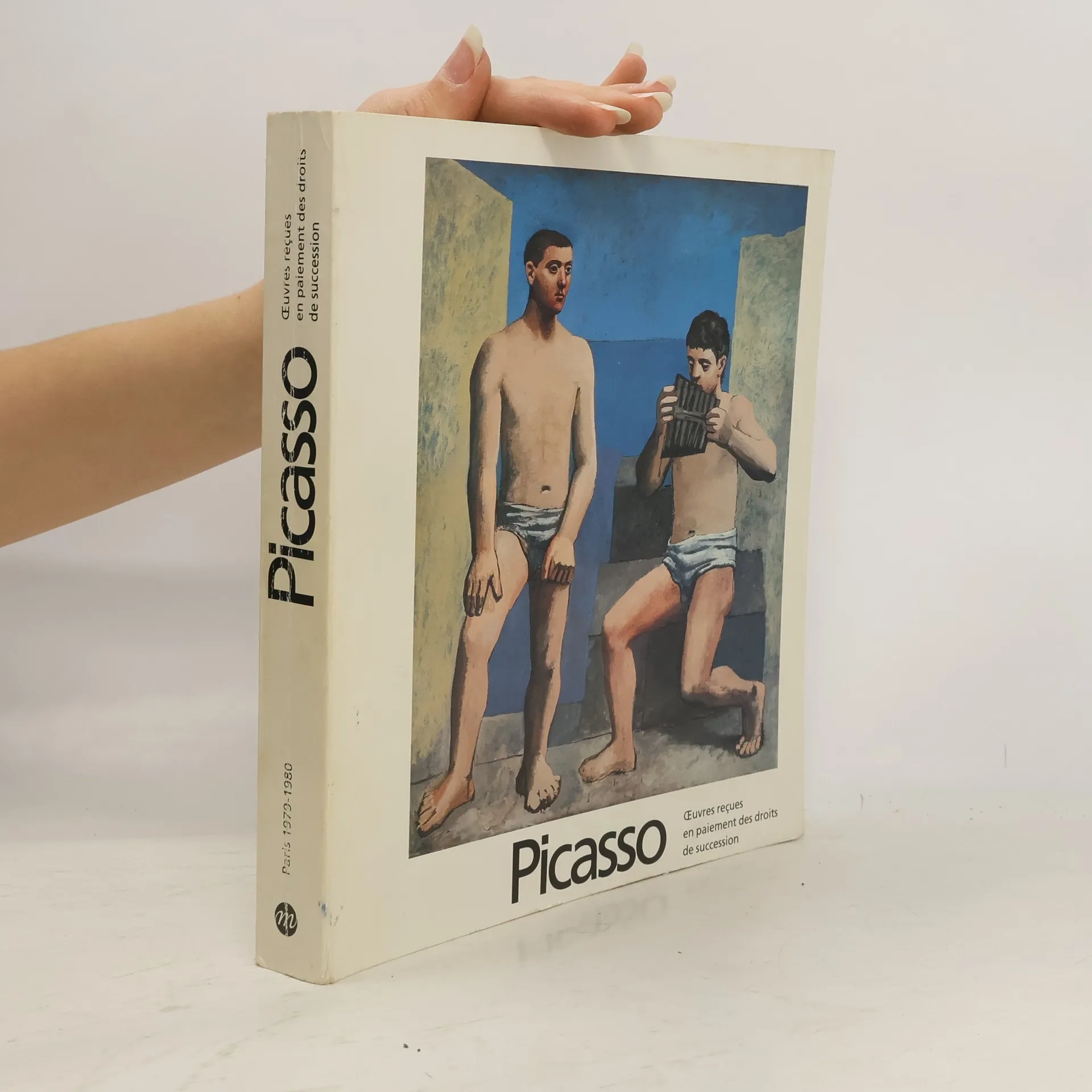
      Dessins, aquarelles, gouaches, pastels et papiers collés provenant de musées et collections privées du monde entier. Un texte sur Picasso dessinateur précède les planches d'illustrations.

      Picasso
      4,5
    • Carl Fredrik Hill

      • 92pages
      • 4 heures de lecture

      Text mainly consists of correspondence between Strindberg and the artist and a biography of the artist (by Sten Åke Nilsson).

      Carl Fredrik Hill
    • Georg Baselitz: Akademie Rousseau

      Kat. Contemporary Fine Arts Berlin

      • 64pages
      • 3 heures de lecture

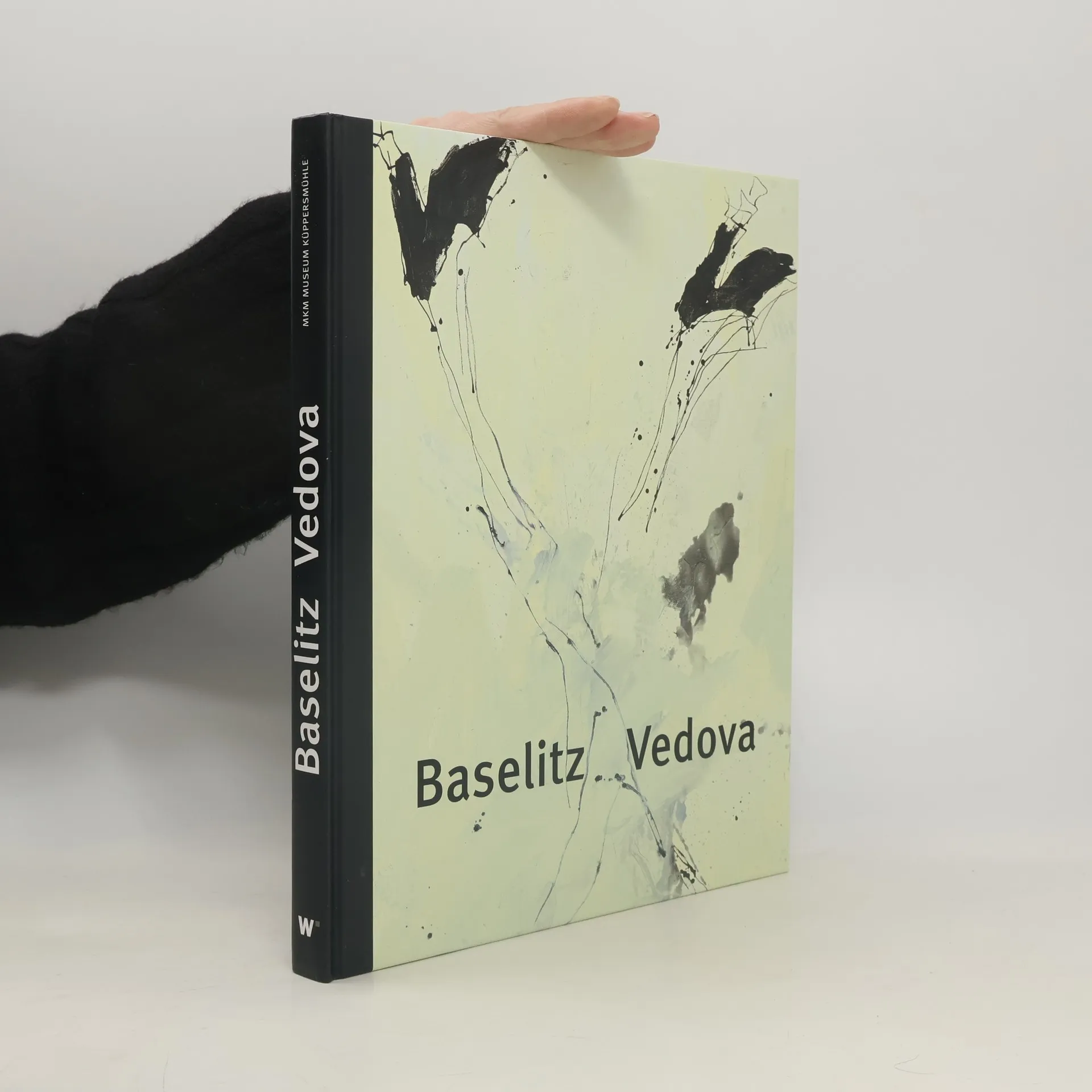
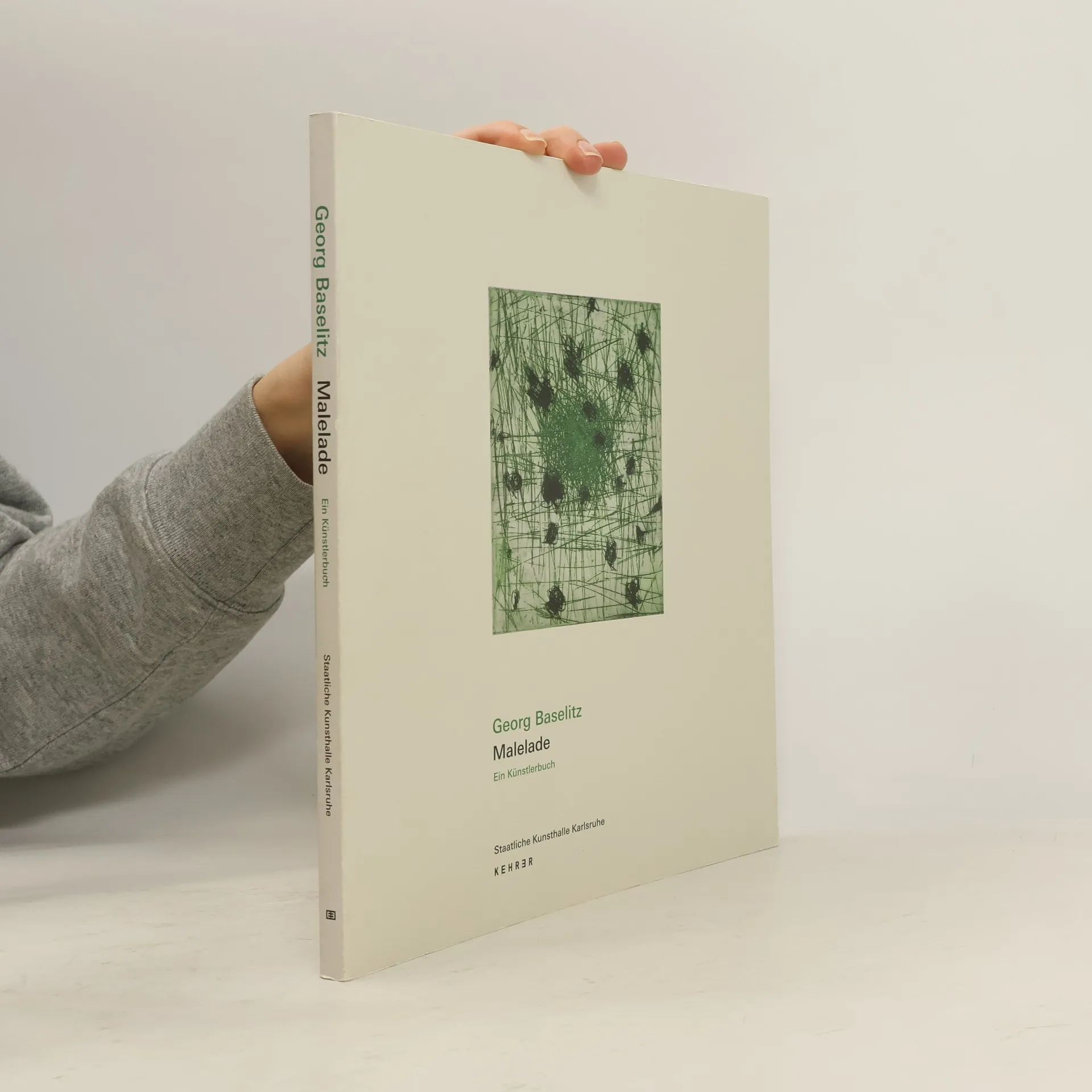
      In the Picasso room at the Kunstmuseum in Basel, a striking painting captures Guillaume Apollinaire alongside his muse, Marie Laurencin, created by Henri Rousseau. Initially, I mistook it for a self-portrait of Rousseau with his own muse, Clémence Rousseau. Franz Marc also portrayed Rousseau for Der Blaue Reiter, while Picasso owned a self-portrait by Rousseau. A poignant photograph by André Gomés shows Picasso holding Rousseau's self-portrait in one hand and the portrait of Rousseau's wife in the other. Picasso, known for his innovative works, admired Rousseau, who depicted familiar objects with a unique rigidity. Rousseau’s gaze in his self-portrait is stiff and focused on his art, presenting objects in a way that feels Gothic and Byzantine, diverging from typical perceptions. Other artists, like Kandinsky, also collected Rousseau's works, including the small canvas The Painter and His Wife. De Chirico depicted Picasso and friends beneath Rousseau's self-portrait, while Beckmann painted Rousseau’s hot-air balloon and street. I have Rousseau’s red lithograph The War, reminiscent of works by Ensor, Uccello, Böcklin, and Stefano della Bella. Recently, I’ve painted numerous portraits of my wife and myself, often dressed as various figures, including my parents and historical icons, echoing the style of Otto Dix’s double portrait of his parents, which can be found in the Basel Kunstmuseum.

      Georg Baselitz: Akademie Rousseau
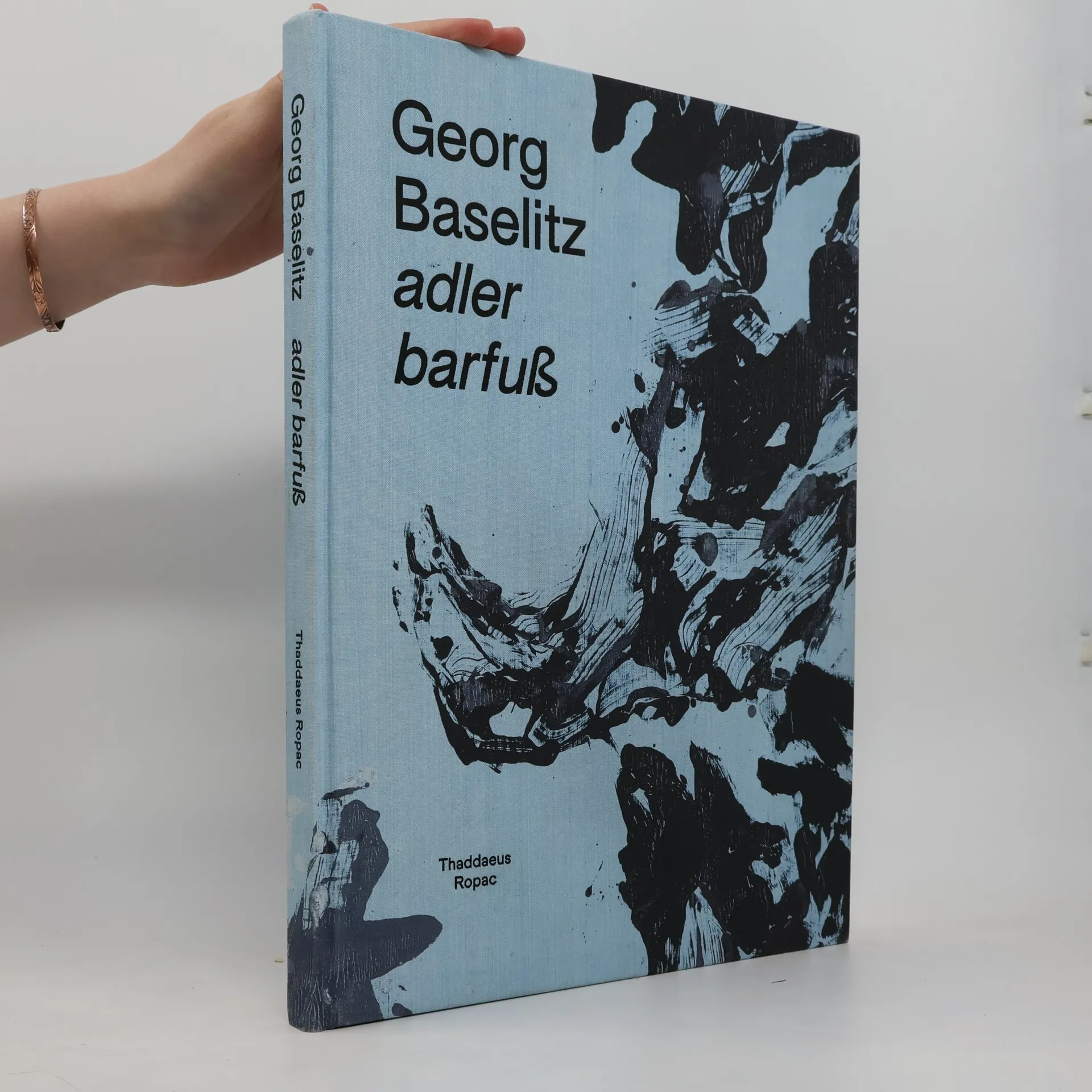
    • An exploration by an artist and writer duo of a fundamental constant in the history of humankind: rage, and its impact on the world. Rage and obstinacy are close relatives--and fundamental categories in the work of both Georg Baselitz and Alexander Kluge. In World-Changing Rage, these two accomplished German creators explore links and fractures between two cultures through two media: ink and watercolor on paper, and the written word. The long history of humankind is also a history of rage, fury, and wrath. In this book, Baselitz and Kluge explore the dynamism of rage and its potential to rapidly grow and erupt into blazing protests, revolution, and war. The authors also reflect the melancholy archetype of the Western hero (and his deconstruction) against the very different heroic ethos of the Japanese antipodes. More powerful than rage, they argue, is wit, as displayed in the work of Japanese master painter Katsushika Hokusai. In this volume, Baselitz repeatedly draws an image of Hokusai, depicting him with an outstretched finger, as if pointing towards Europe in a mixture of rage, wrath, irony, and laughter, all-too-fleetingly evident in his expression. A unique collaboration between two of the world's leading intellectuals, World-Changing Rage will leave every reader with a deeper appreciation of the human condition.

      World-Changing Rage - News of the Antipodeans
    • Georg Baselitz

      Besuch bei Ernst Ludwig

      • 162pages
      • 6 heures de lecture

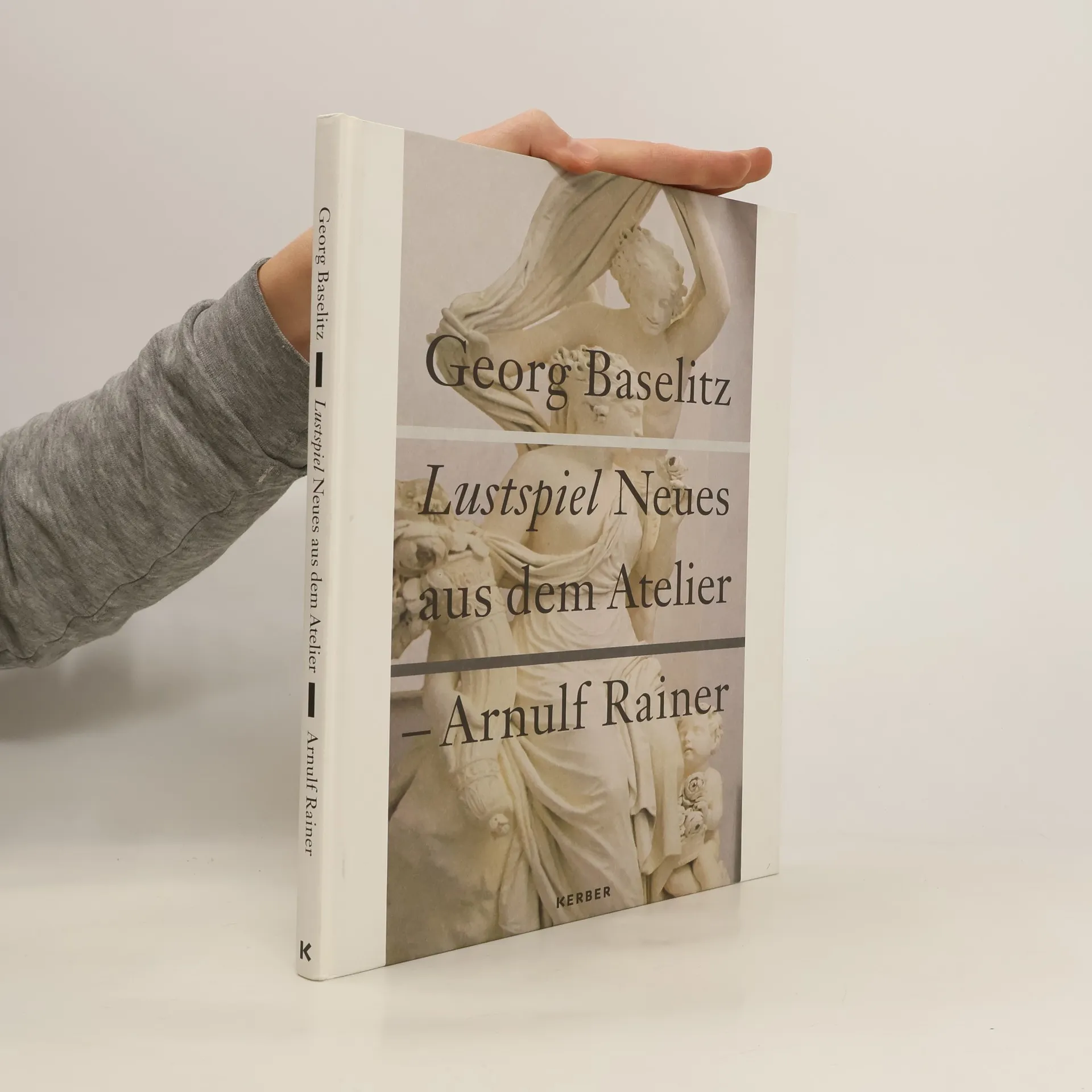
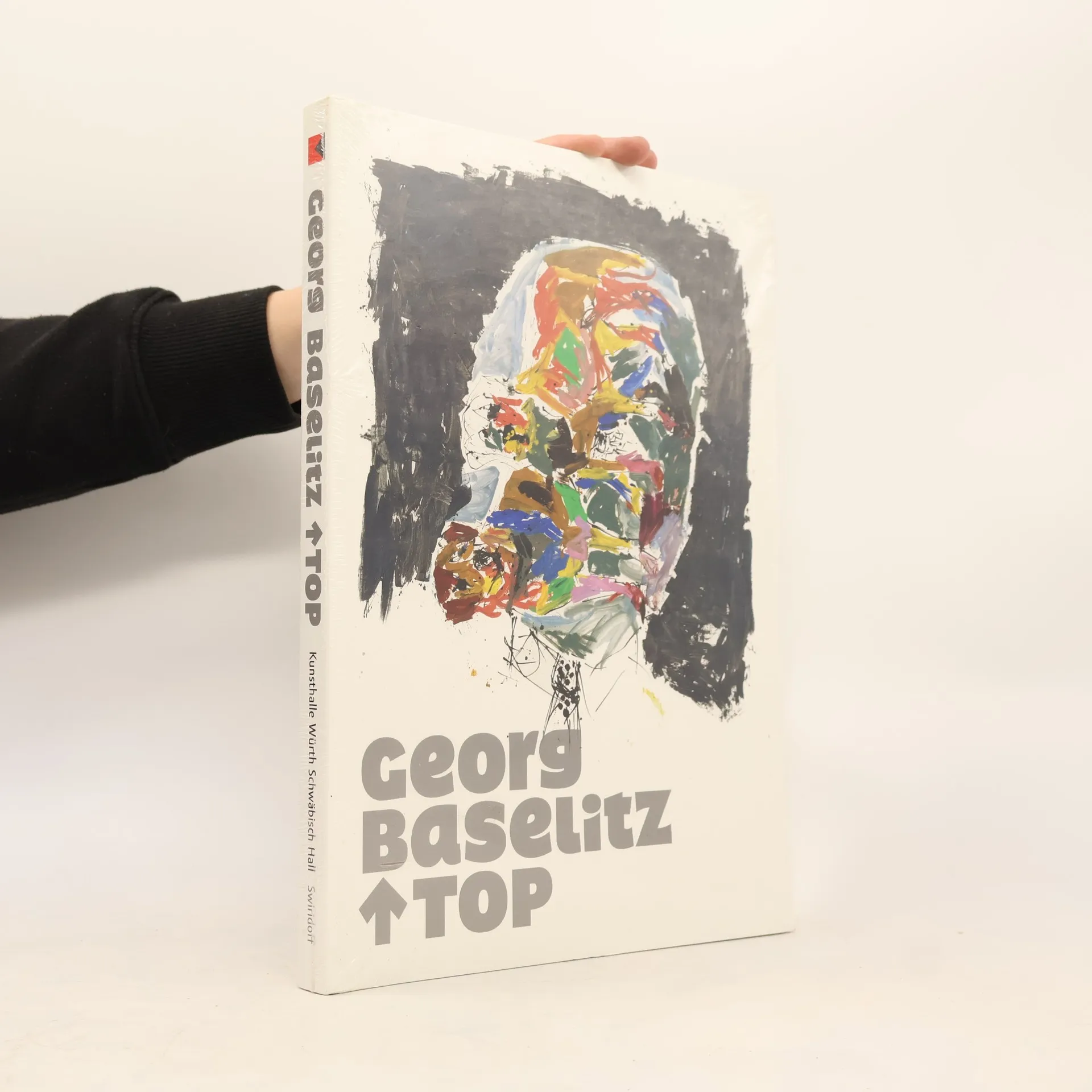
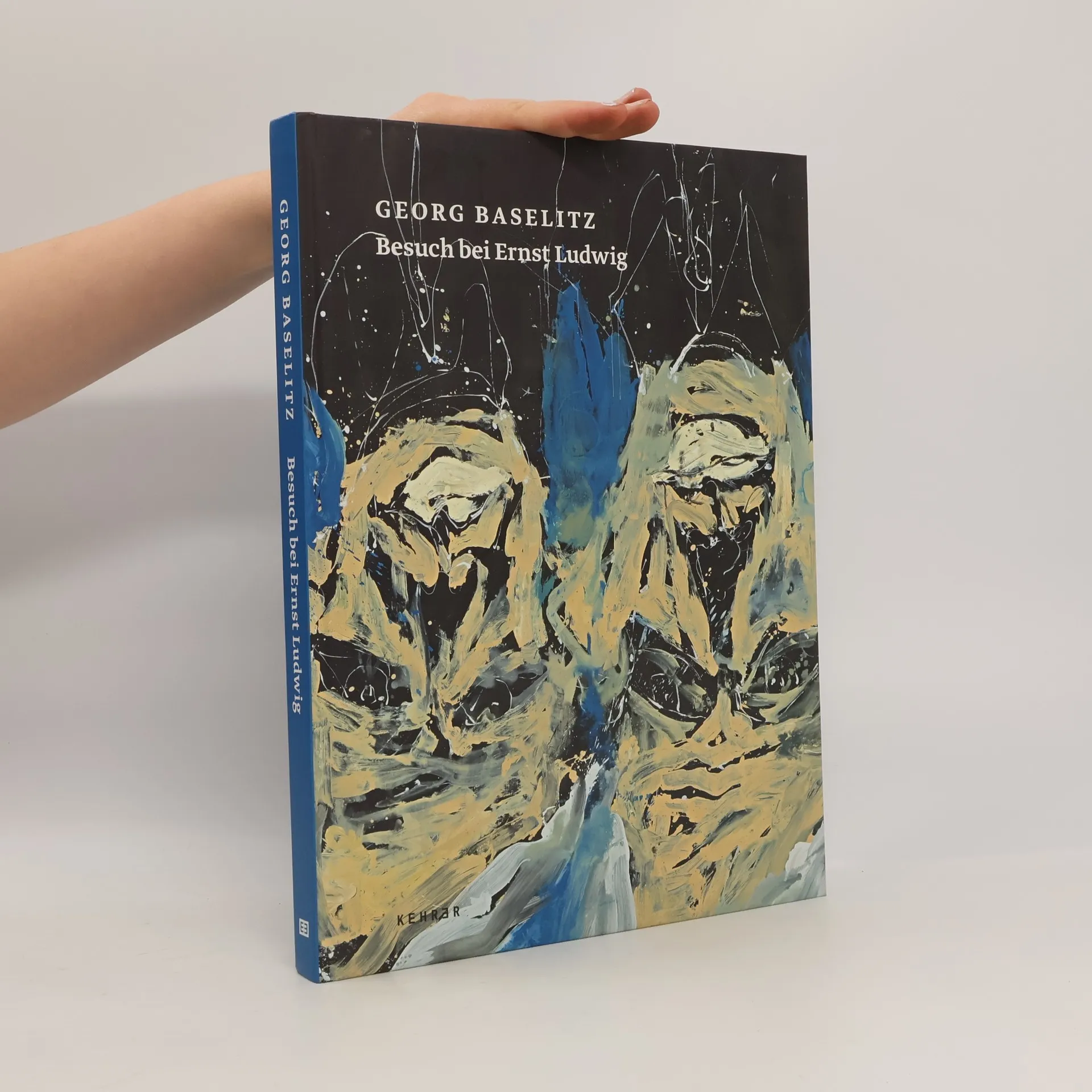
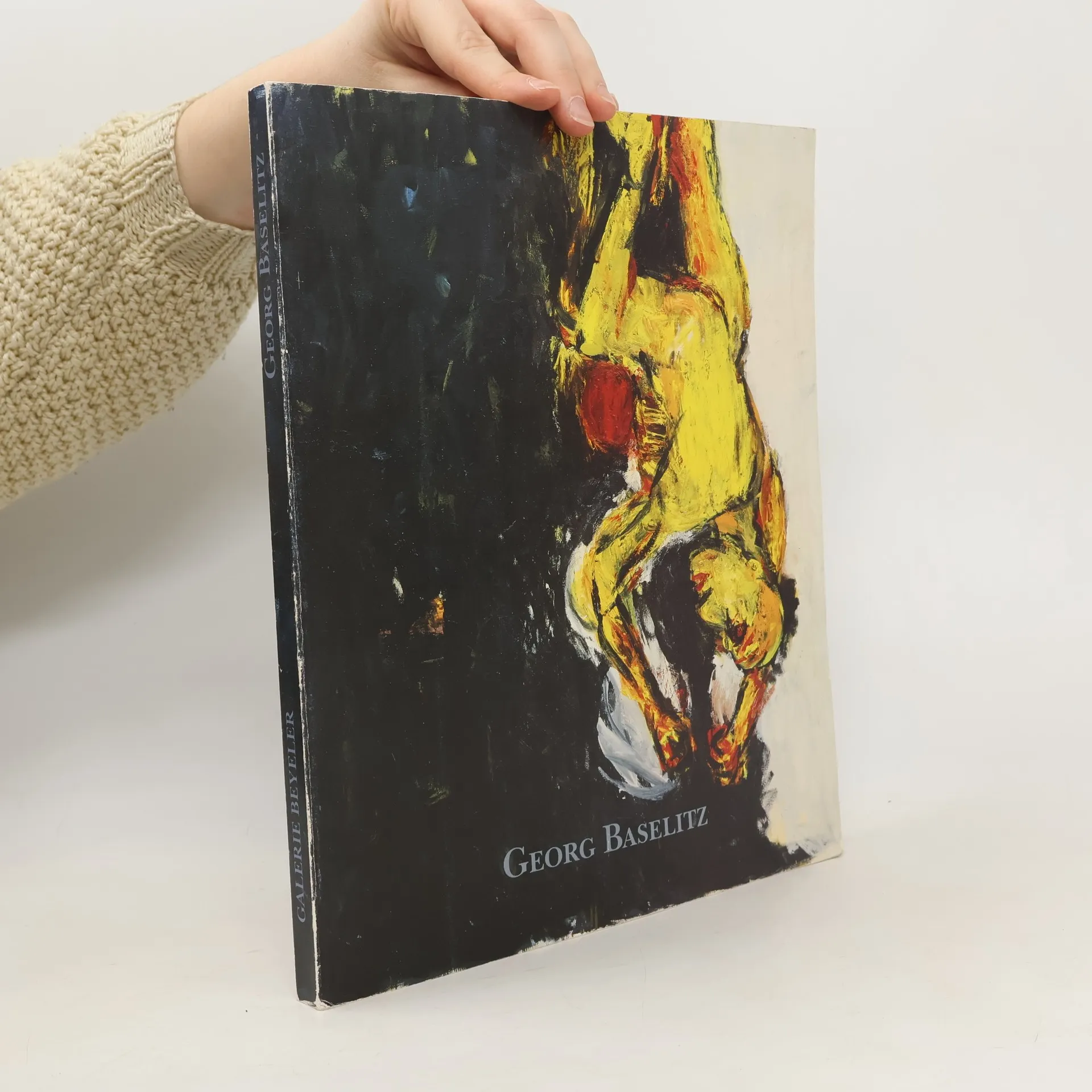
      This exhibition catalog compiles paintings, sculptures, and drawings by Georg Baselitz (b. 1938) during the various phases of his career as an artist. The exhibition opens with important works created during the early 1980s. In 2005, Baselitz revisited his earlier works consisting of cycles of painted visual memories based on old family photographs and his own drawings as a child, and began working on new and different versions of the artworks that he produced several decades ago. He created what have been called remix paintings as well as entire series of ink drawings that feature the heads of Edvard Munch, Ernst Ludwig Kirchner, Karl Schmidt-Rottluff, and Erich Heckel. Baselitz returned to the theme of family again for several of his later paintings, including one painting of a couple that represents a direct reference to Ernst Ludwig Kirchner and his life partner Erna Schilling. Later he used negative images to create double portraits of Edvard Munch, Ernst Ludwig Kirchner, Karl Schmidt-Rottluff and Erich Heckel, which in turn serve to refer back to his friends of the artists’ community »Brücke.« This catalog draws on numerous examples to illustrate the multifaceted artistic aspects of the relationship between Baselitz and Kirchner.

      Georg Baselitz
      4,0