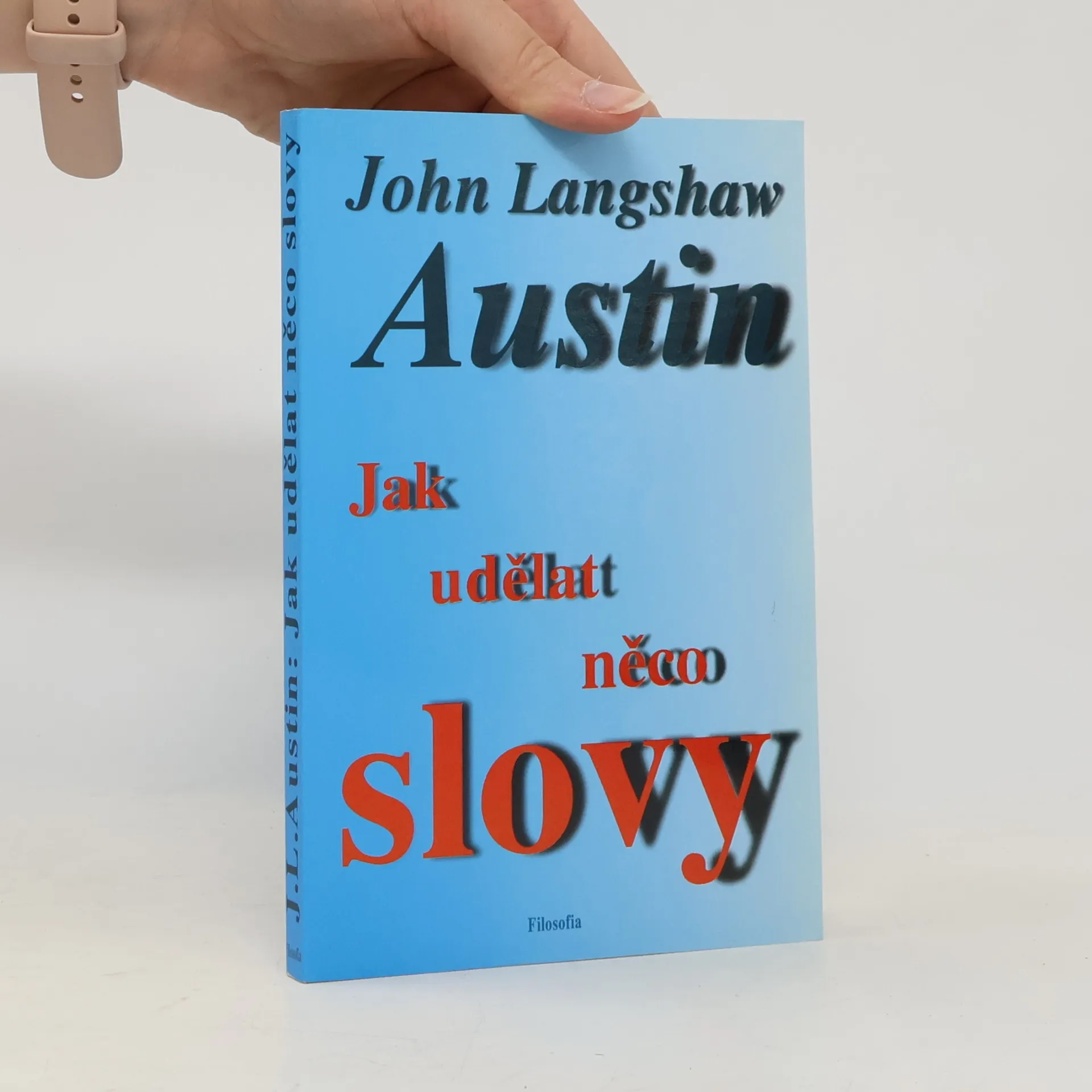

Kniha přednášek britského filosofa, který v obratu k jazyku spatřoval největší revoluci v dějinách filosofie. V lidské řeči existují slova, jež neslouží k pouhému sdělení, neboť jejich prostřednictvím lze i něco udělat (kupř. slib, jmenování do funkce). Tyto performativní výpovědi se opírají o určité obecně přijaté konvence, které postupným vývojem vylučovaly nejednoznačnosti. Protikladné konstativní výpovědi nemají schopnost něco udělat, avšak vyznačují se pravdivostí či nepravdivostí. Performativní výpovědi jsou však rovněž nadány jistou formou pravdivosti (kupř. kompetence mluvčího) a naopak některá tvrzení mají schopnost něco udělat (např. lékařské konstatování smrti). Austin proto koncepci performativních výpovědí rozšiřuje na obecnou teorii toho, v jakém smyslu jakákoli výpověď je zároveň děláním něčeho jiného (např. mocenské rozhodnutí, reakce na jednání) než pronášením slov....
J. L. Austin Ordre des livres (chronologique)
John Langshaw Austin était un philosophe du langage britannique, réputé pour sa théorie des actes de langage. Son travail a étudié comment le langage lui-même fonctionne comme une forme d'action, jetant les bases de l'étude moderne de ce domaine. Austin a souligné l'importance d'examiner l'usage réel des mots pour comprendre le sens, se distinguant ainsi de nombreux autres philosophes du langage de son époque. Son approche, inspirée par le bon sens, a offert des aperçus cruciaux sur la nature de la communication et du langage humain.


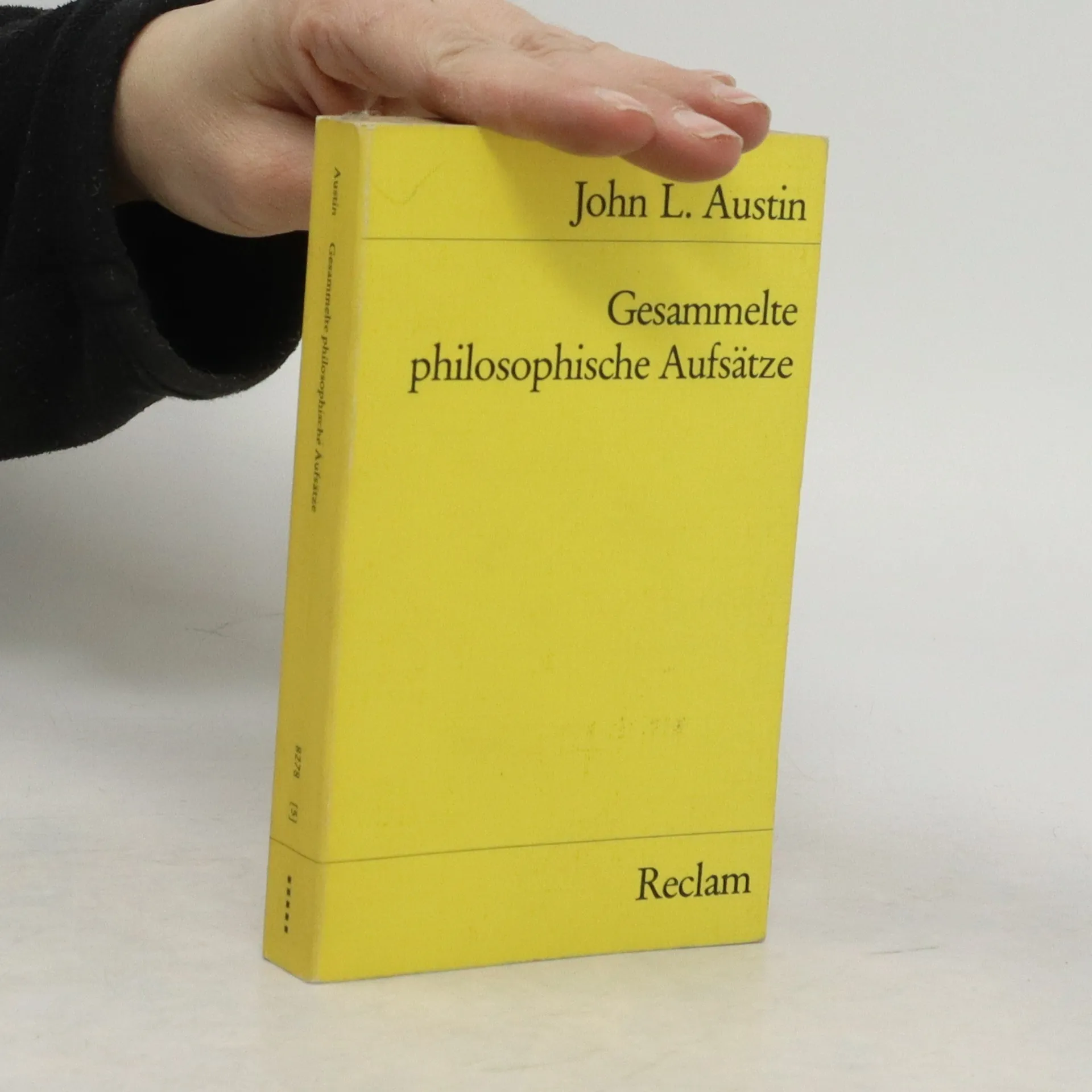
Ein ausgezeichnetes Buch, das viele der wichtigsten Themen der Philosophie der Alltagssprache präsentiert – sehr lesbar. Die Klarheit, der Witz und die Geduld des Schreibens können den Leser nur in einem Punkt täuschen, nämlich in Bezug auf die Menge an harter Arbeit, die hinter diesen Gedanken steckt. Dieses Buch ist das richtige für diejenigen, die von Austins Kritikern übermäßig beeindruckt wurden.
Gesammelte philosophische Aufsätze
- 415pages
- 15 heures de lecture
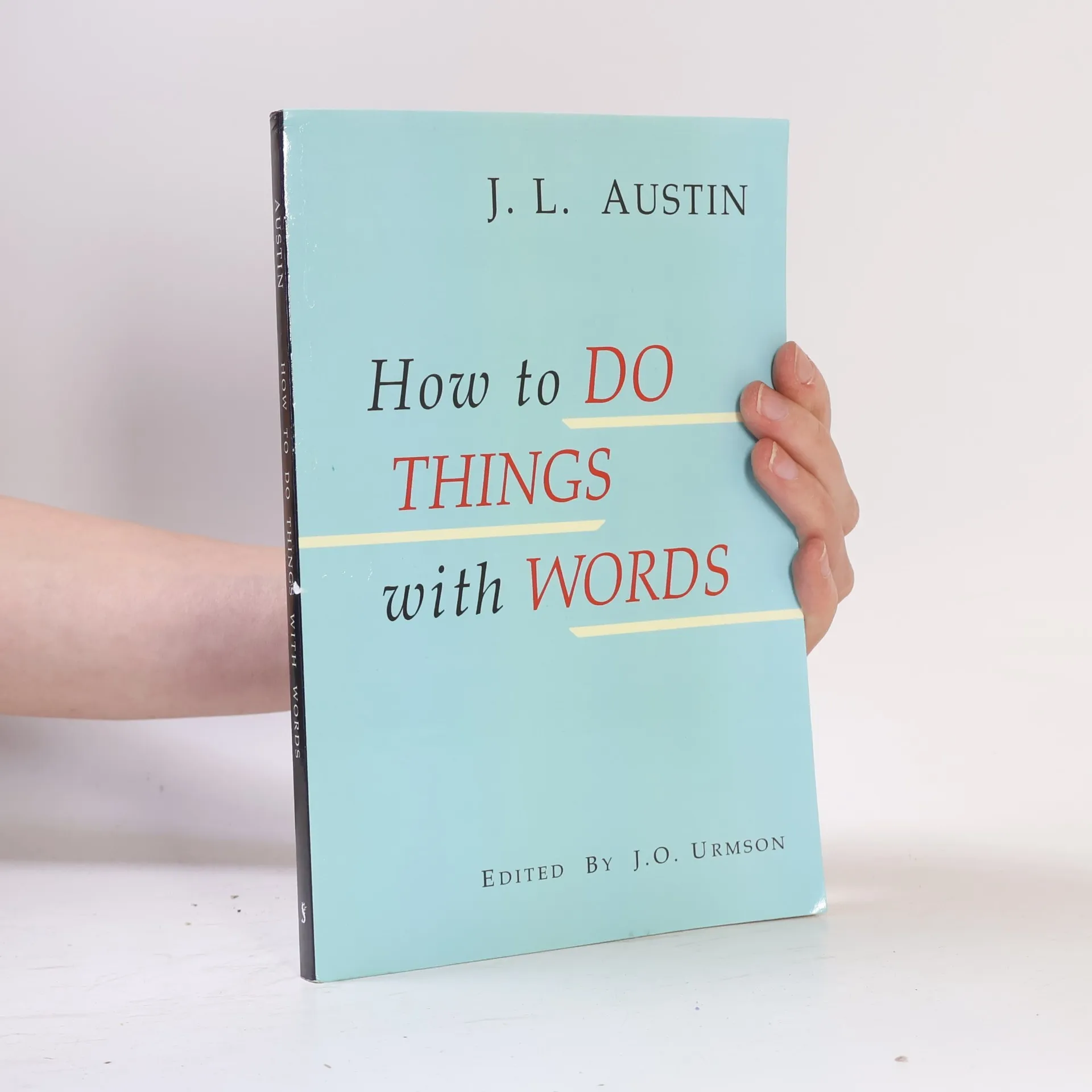
How to Do Things with Words
- 174pages
- 7 heures de lecture
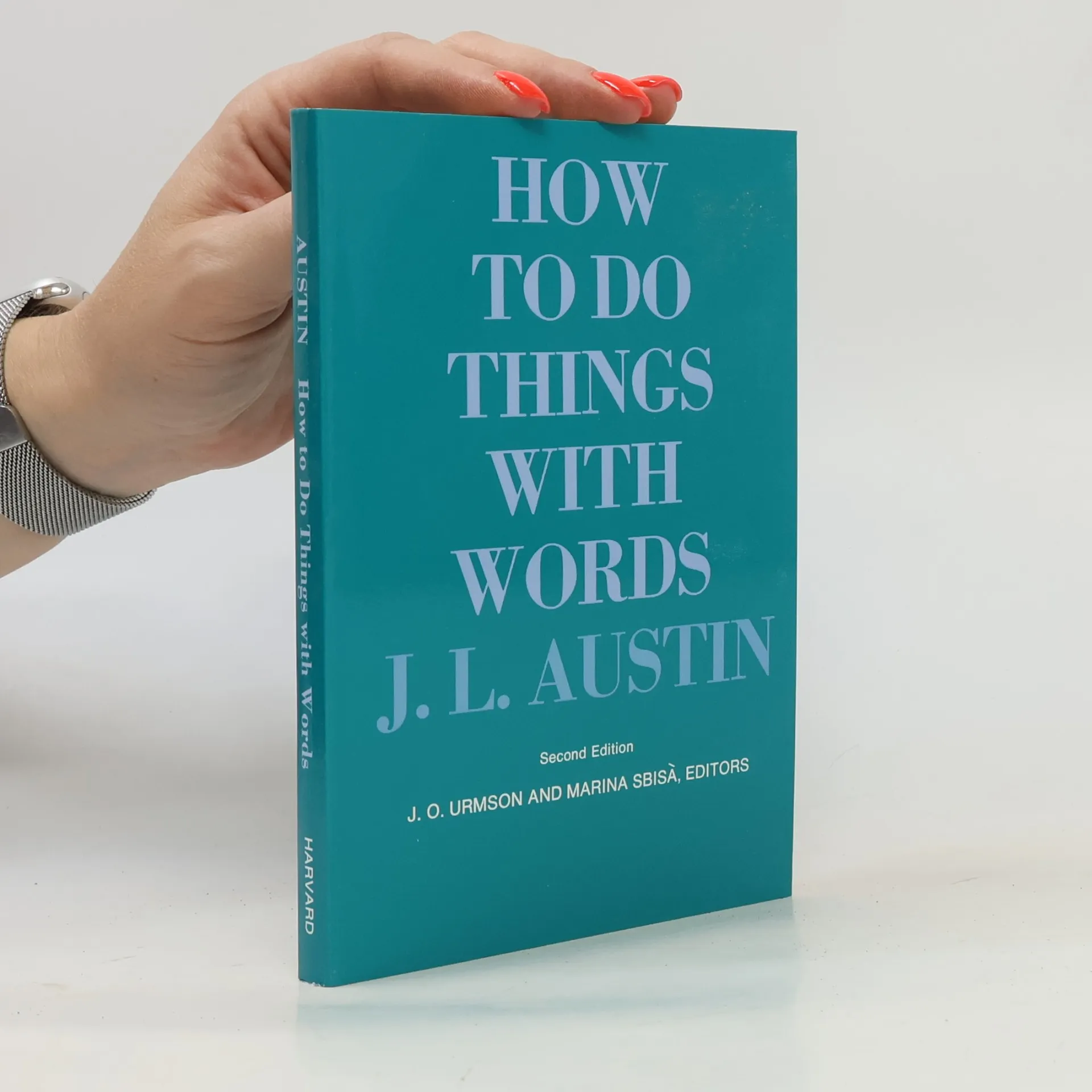
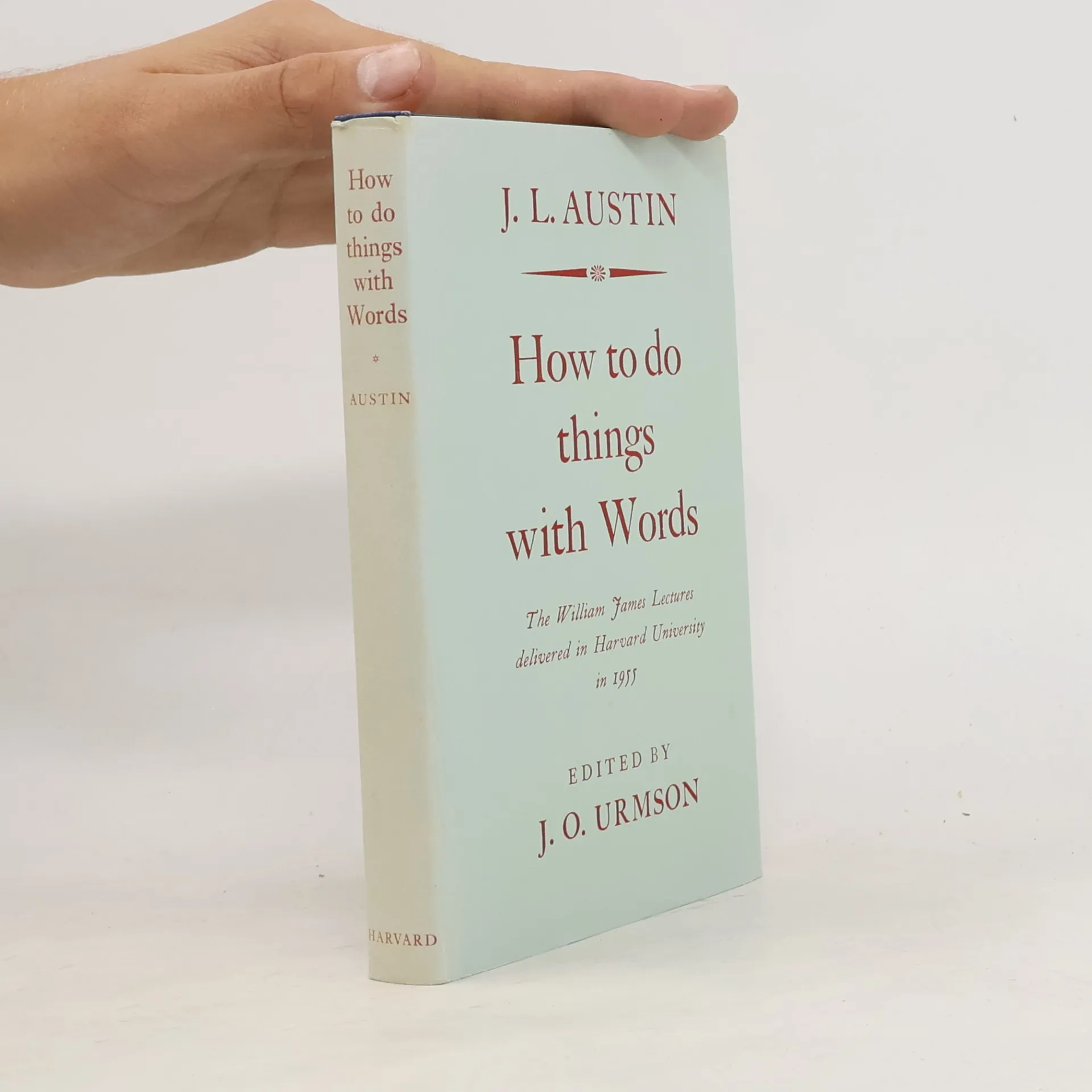
John L. Austin was a British philosopher of language and leading proponent of ordinary language philosophy, perhaps best known for developing the theory of speech acts. Austin pointed out that we use language to do things as well as to assert things, and that the utterance of a statement like "I promise to do so-and-so" is best understood as doing something - making a promise - rather than making an assertion about anything. Hence the name of one of his best-known works How to Do Things with Words. Austin, in providing his theory of speech acts, makes a significant challenge to the philosophy of language, far beyond merely elucidating a class of morphological sentence forms that function to do what they name. Austin's work ultimately suggests that all speech and all utterance is the doing of something with words and signs, challenging a metaphysics of language that would posit denotative, propositional assertion as the essence of language and meaning.
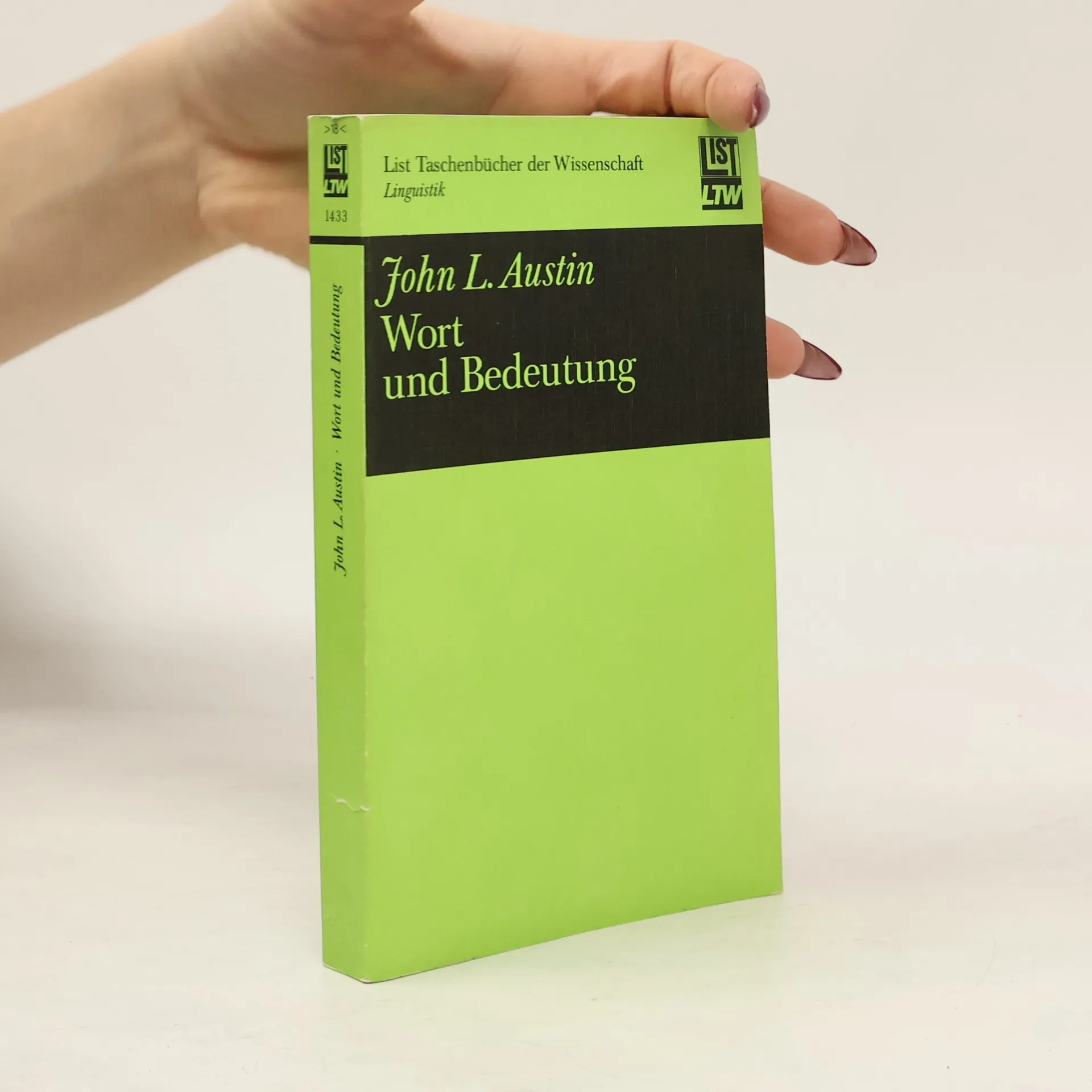
Wort und Bedeutung
- 399pages
- 14 heures de lecture
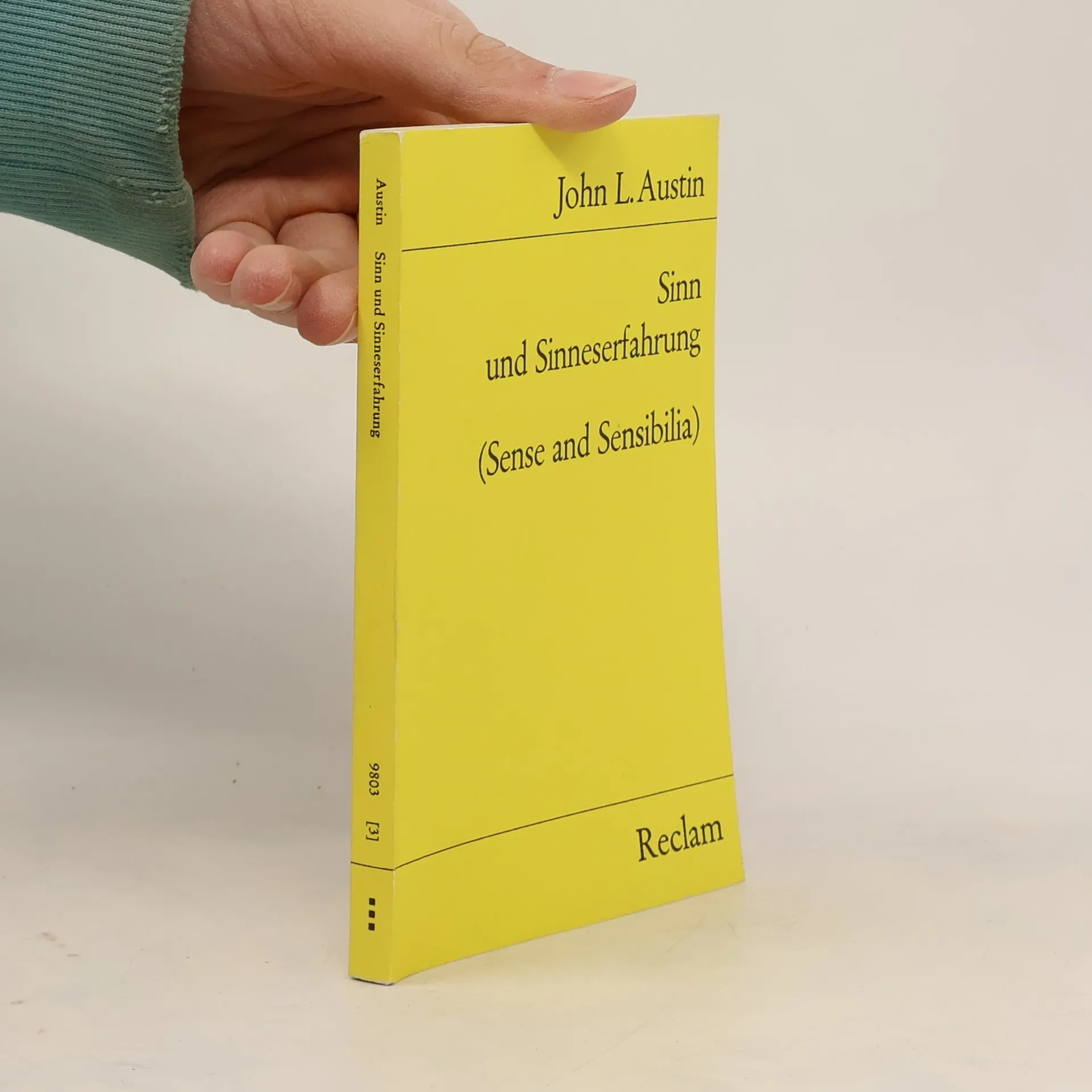
John L. Austins »Theorie der Sprechakte«, 1955 in zwölf Harvard-Vorlesungen zusammengefaßt, gehört zu den klassischen Äußerungen der Analytischen Philosophie. Seine Methode darzulegen, daß man etwas tut, indem man etwas sagt (»How to do things with Words«), hat die philosophische wie die linguistische Diskussion in gleicher Weise befruchtet. Der Bearbeitung von Eike von Savigny liegen die englischen Ausgaben von 1962 und 1975 zugrunde.
Philosophical Papers (Oxford Paperbacks)
- 302pages
- 11 heures de lecture
The late J.L. Austin's influence on contemporary philosophy was substantial during his lifetime and has grown greatly since his death in 1960. Philosophical Papers includes all of Austin's published papers (except "Performatif-Constatif") as well as a new essay entitled "The Line and the Cave in Plato's Republic," which has been reconstructed from Austin's notes.