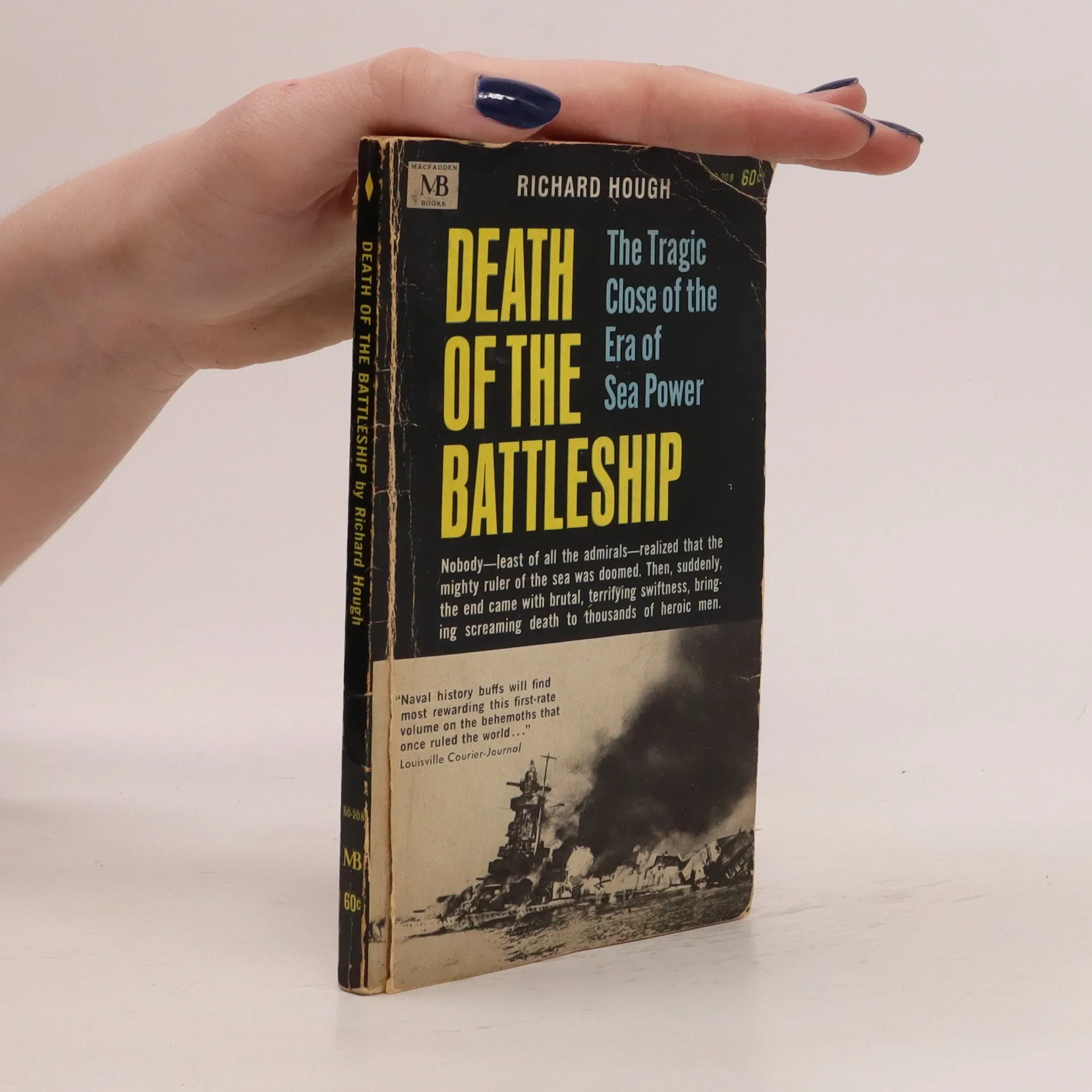
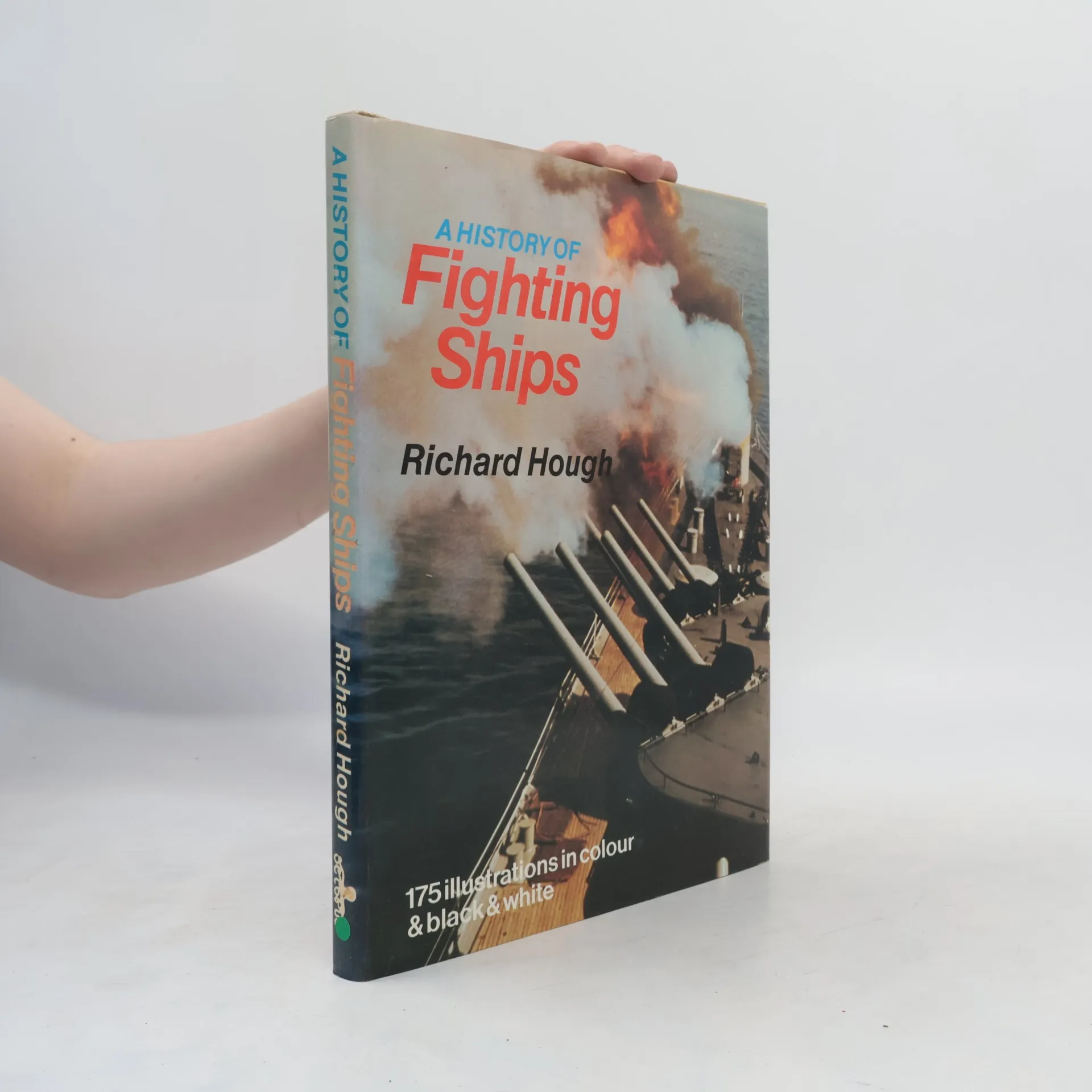
Includes ships from the Nile craft of 3000 B.C. to the modern American aircraft carrier. Emphasizes that the fighting ship has always been not merely a weapon of war but a beautiful and intensely personal creation, possessing a supreme combination of functional and decorative qualities.
Richard Alexander Hough Livres
15 mai 1922 – 7 octobre 1999
Cet auteur a plongé dans les profondeurs de l'histoire navale, son œuvre alimentée par une obsession de toute une vie pour les marines. Son écriture se caractérise par une recherche méticuleuse et une narration captivante qui redonne vie aux batailles et aux figures maritimes passées. Grâce à son vaste corpus d'œuvres publiées, il offre aux lecteurs des représentations vivantes de conflits navals cruciaux et des personnalités marquantes qui les ont façonnés.


Captain James Cook
- 512pages
- 18 heures de lecture
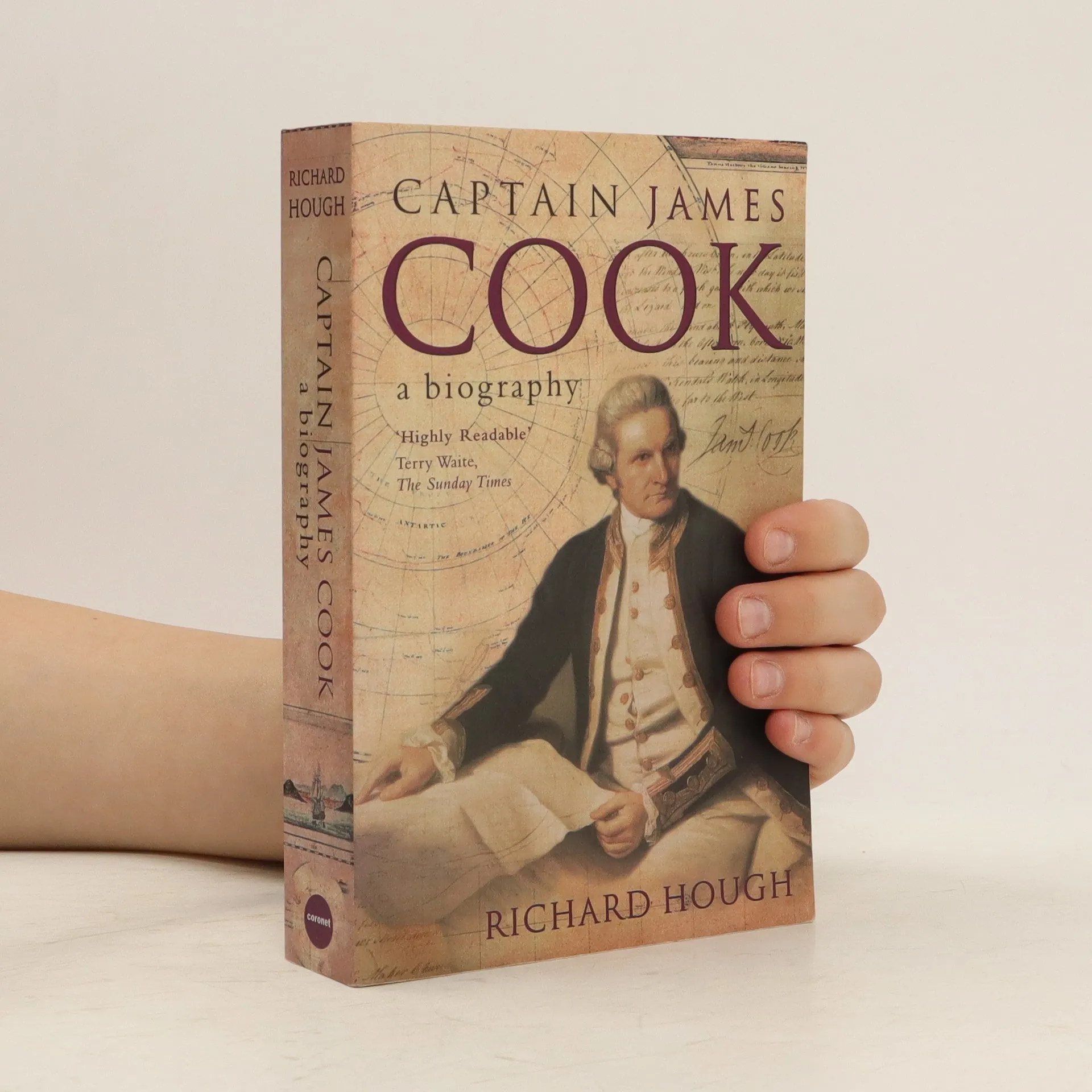
In Cook's relatively short and adventurous life (1728-79) he voyaged to the eastern and western seaboards of North America, the North and South Pacific and the Arctic and Antarctic bringing about a new comprehension of the world's geography and its people's. He was the linking figure between the grey specualtion of the early eighteenth century and the industrial age of the first half of the nineteenth century. Richard Hough's biograpahy is full of new insights and interpretations of one of the world's greatest mariners.
The Battle of Britain World War II
- 413pages
- 15 heures de lecture
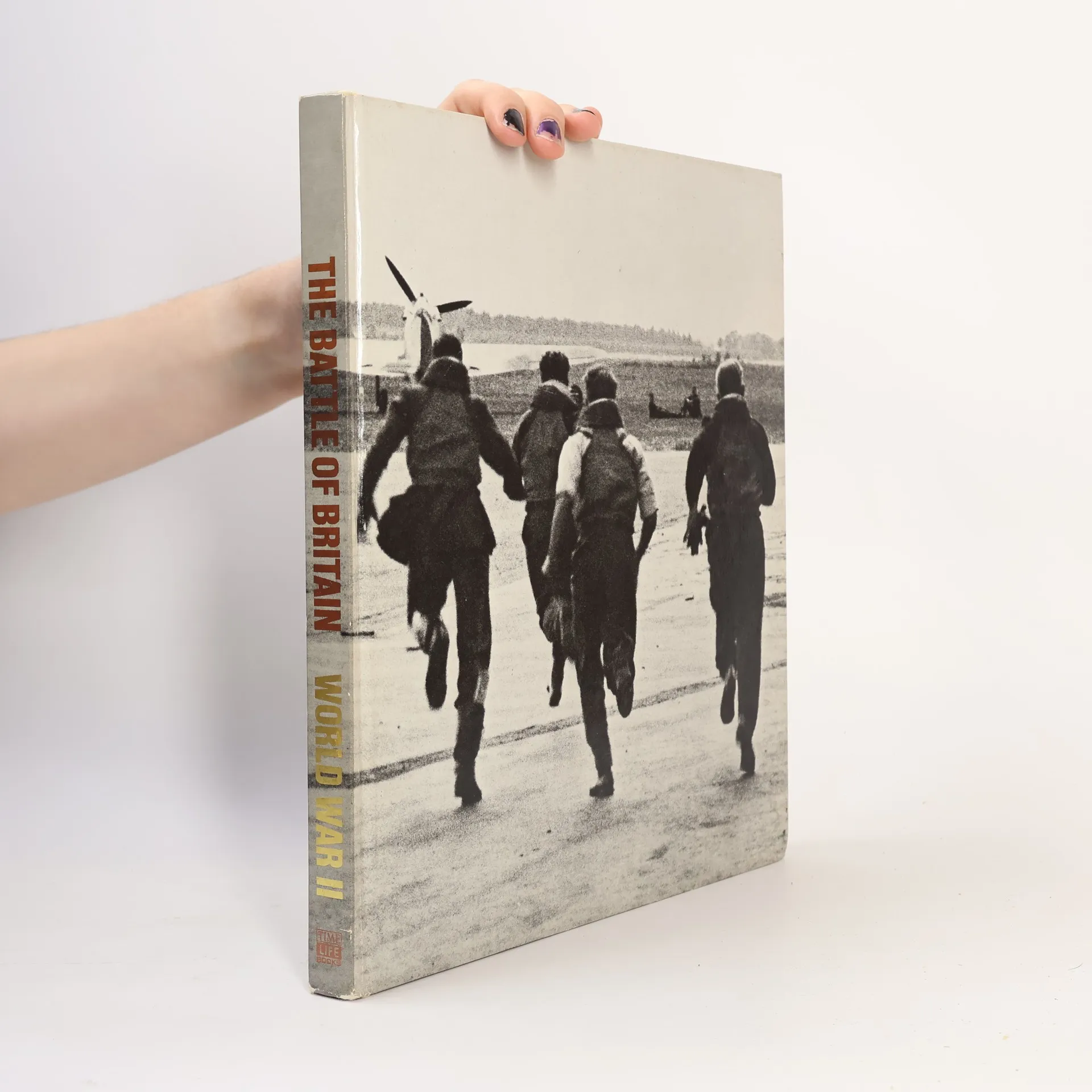
Fifty years after the historic air battle between Germany and Great Britain, two historians collaborate to bring the battle to life again in an account of the turning point of World War II
H.M.S. Dreadnought was the wonder of the Edwardian Age: mighty, magnificent, overwhelmingly powerful in her size, her speed, her ten 12-inch guns, and her protection of armor. She was the model of imperialism, the status symbol supreme, the ultimate deterrent of the era before the bomber. Not only was the launching of H.M.S. Dreadnought the most important naval event in the period before World War I, but her construction aroused international controversy and drew into the naval race not only Germany and England but the United States, Italy, France, and Japan as well.
Edward & Alexandra
Their Private and Public Lives
A brilliant dual biography of King Edward VII and Queen Alexandra. British historian Hough goes beyond their complex personal lives to examine their historical importance as a bridge between the Victorian and the Modern Ages, particularly Edward's role in positioning Britain on the side of the Allies on the eve of WWI. Illus. Family trees.
Mountbatten
Hero of Our Time
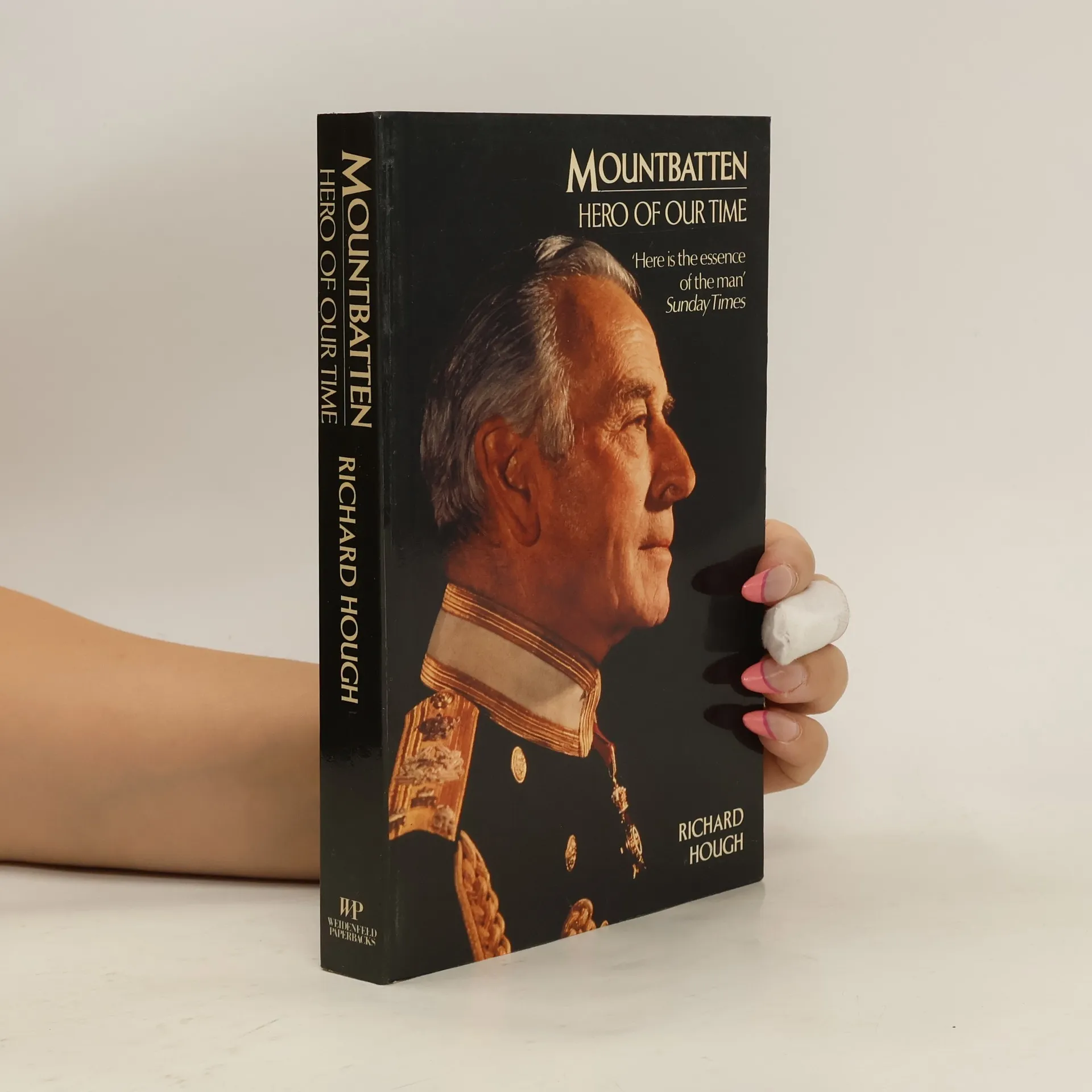
A biography of one of this century's most famous and most colorful figures, Lord Louis Mountbatten, is told through his own words and the author's comments and details every important event and aspect of his dramatically full official and private lives
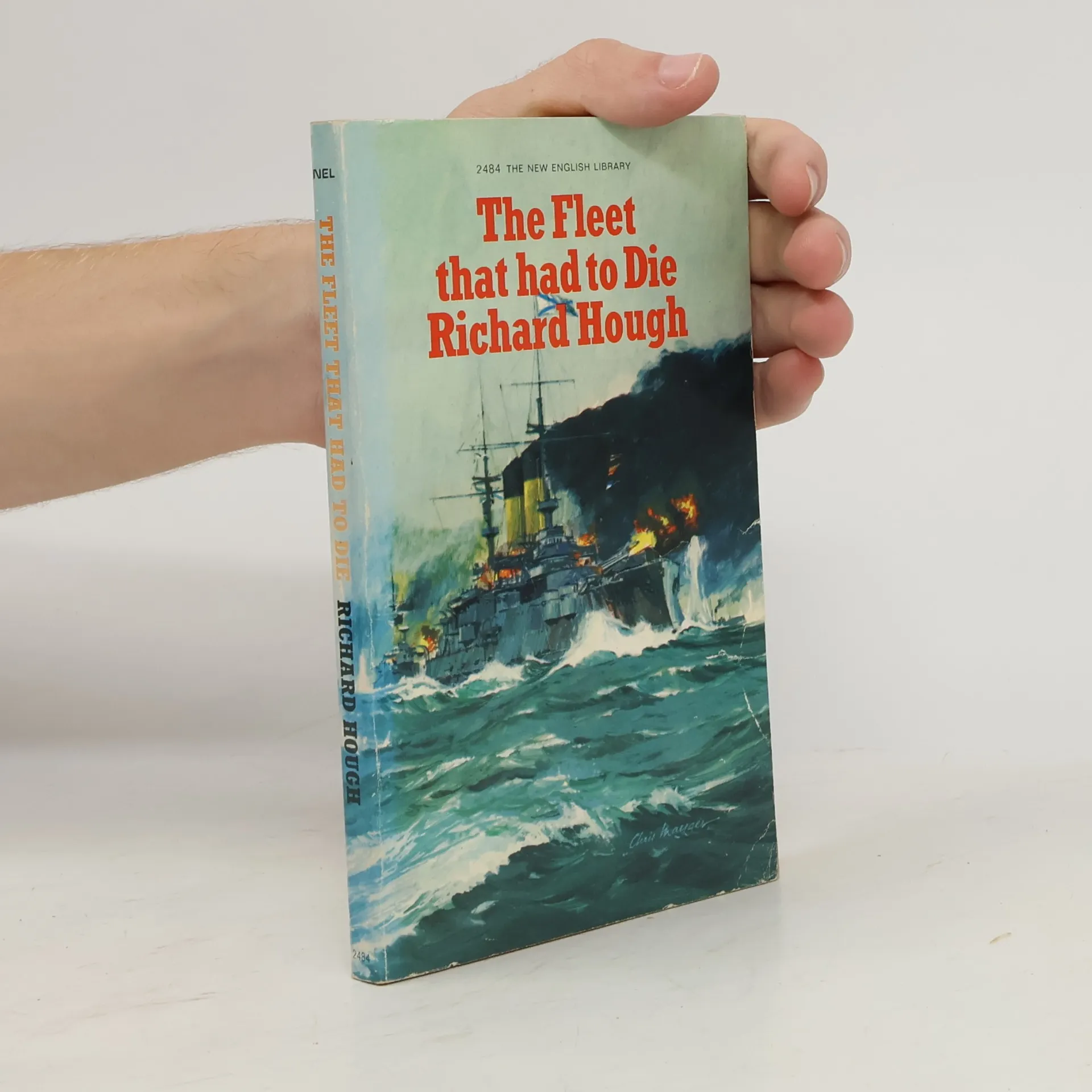
The Fleet that had to Die
- 207pages
- 8 heures de lecture
"By autumn 1904 the Russo-Japanese war had been raging for six months. Routed in Manchuria, the Russians decided to strike back. In October 1904 their Baltic fleet, a haphazard armada of some fifty outdated and ill-equipped men-of-war, led by a burnt-out neurotic and manned by 10,000 reluctant and badly-trained sailors, set sail for the East. Their plan was to unite with the Pacific squadron, then trapped in Port Arthur, and crush the 'yellow monkeys' of Admiral Togo." "Richard Hough recounts the fleet's extraordinary seven-month journey from the Baltic to the Far East, which eventually became a mission of heroic futility when Port Arthur, and with it the entire Russian Pacific Fleet, fell. As Admiral Rozhestvensky's fleet lumbered through the Straits of Tsushima towards Vladivostok on 27 May 1905, the Japanese, in one of the most crushing naval victories of all time, utterly destroyed the Russian armada. The humiliating and total defeat of Russia was confirmed, giving rise to a new and dynamic superpower in the East."--BOOK JACKET.
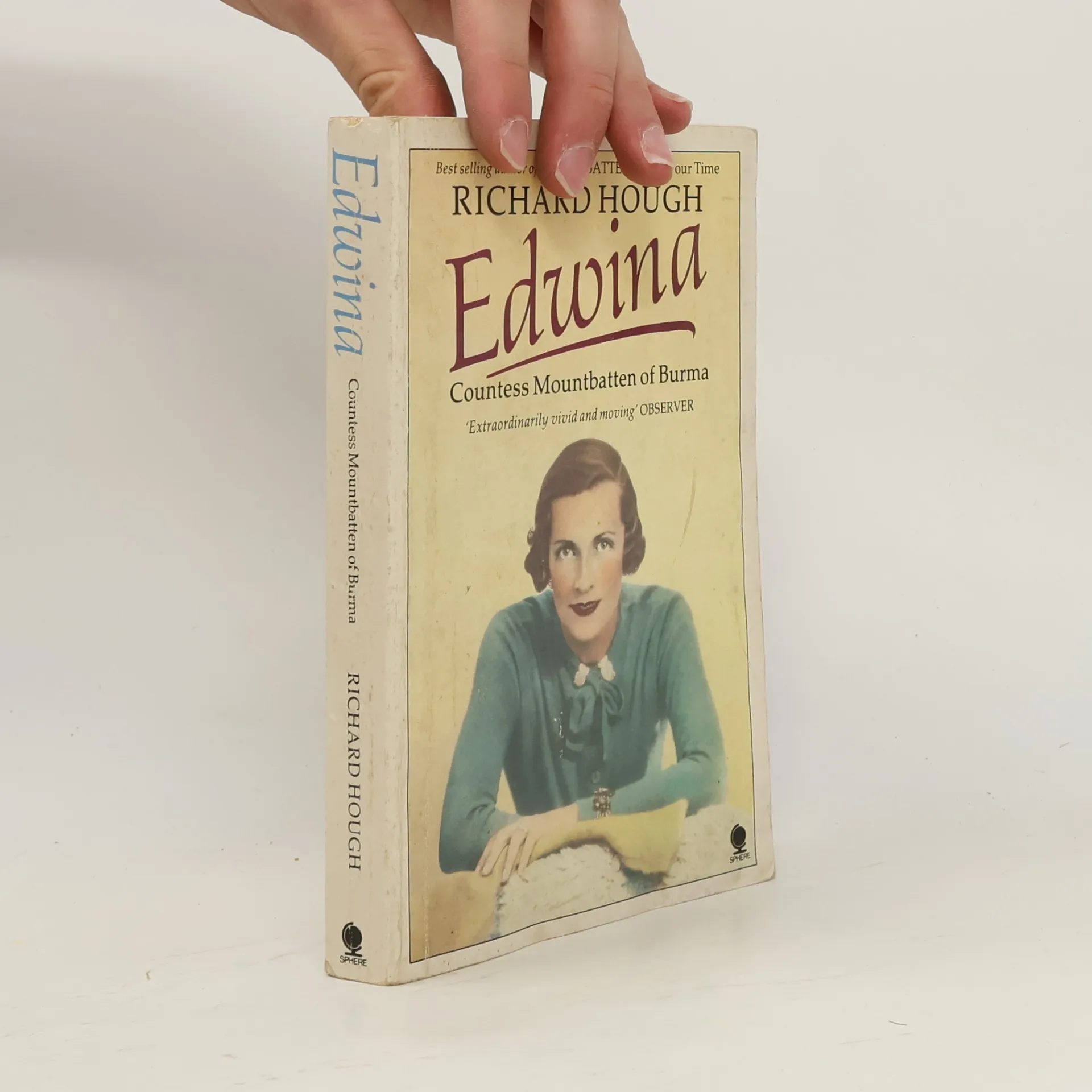
Edwina Countess Mountbatten of Burma
- 241pages
- 9 heures de lecture
Fascinating, elegant and wildly unconventional, Edwina was a countess of contrasts: a multi-millionairess who professed socialism and a republican who became Vicereine of India. She was adored by many, scandalising society by her affairs and later by her historic relationship with Nehru, first Prime Minister of India. Then suddenly, dramatically, Edwina abandoned her glittering lifestyle. Transforming herself into a latter-day Florence Nightingale, she astonished the world by her dedication to the relief of World War Two refugees. Her passionate concern for the underprivileged led her to travel ceaselessly throughout India and the Far East caring for the poor, until she drove herself to a tragically premature death in 1960.
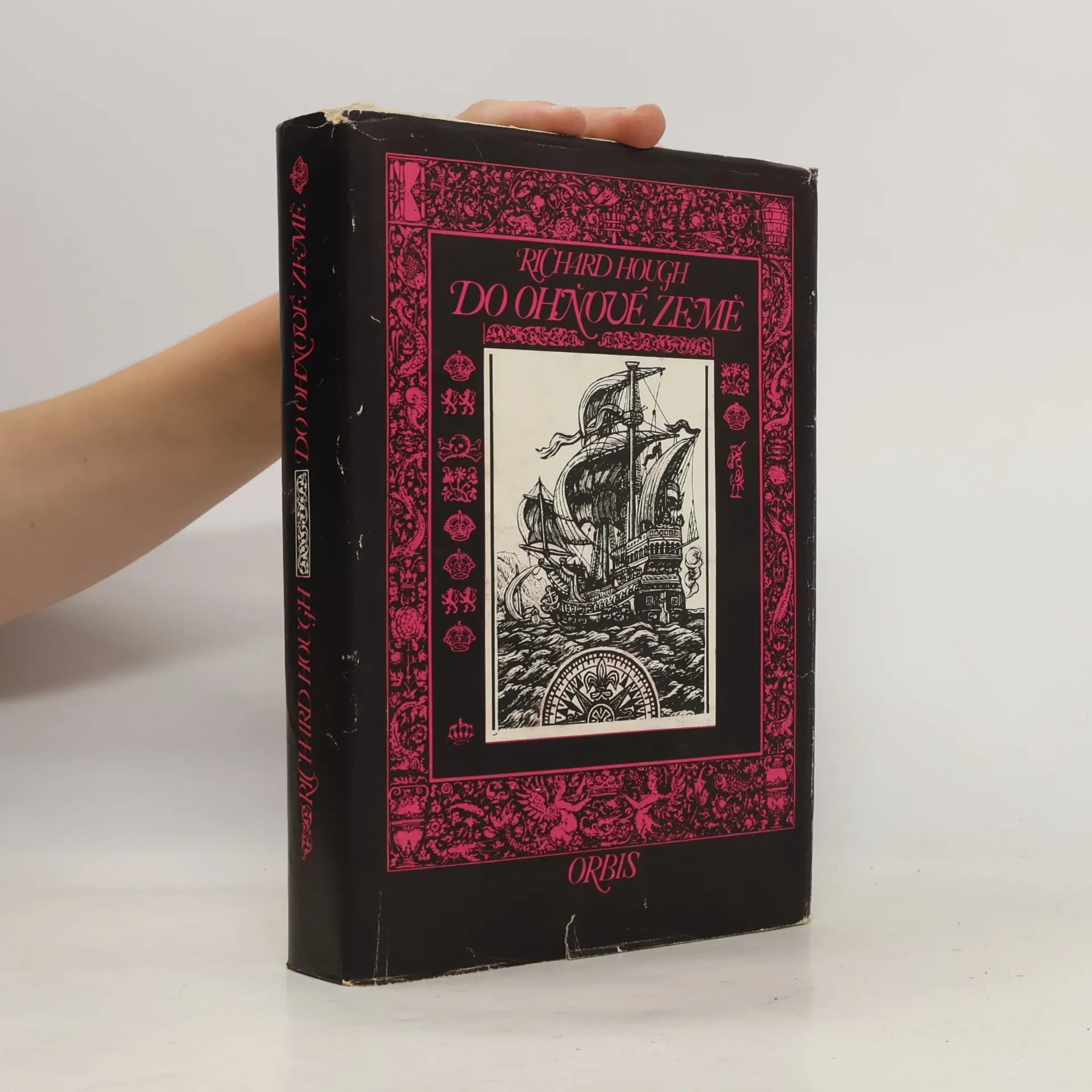
Anglický publicista Richard Hough, autor několika úspěšných knih, zpracoval tématiku velmi zajímavou - historii plaveb kolem Jižní Ameriky od prvního obeplutí Magalhaesem až do 20. století. Od Magalhaesova objevu až do stavby Panamského průplavu byla tato trasa jedinou spojnicí mezi Atlantikem aPacifikem. Houghova kniha je historickým cestopisem, pojednávajícím o postupném objevování neznámé Ohňové země.
Reader's Digest Auswahlbücher. Der Turm; Das Waldhaus; Die Bounty, Kapitän Bligh Mr. Christian; Tausend Sommer
- 510pages
- 18 heures de lecture
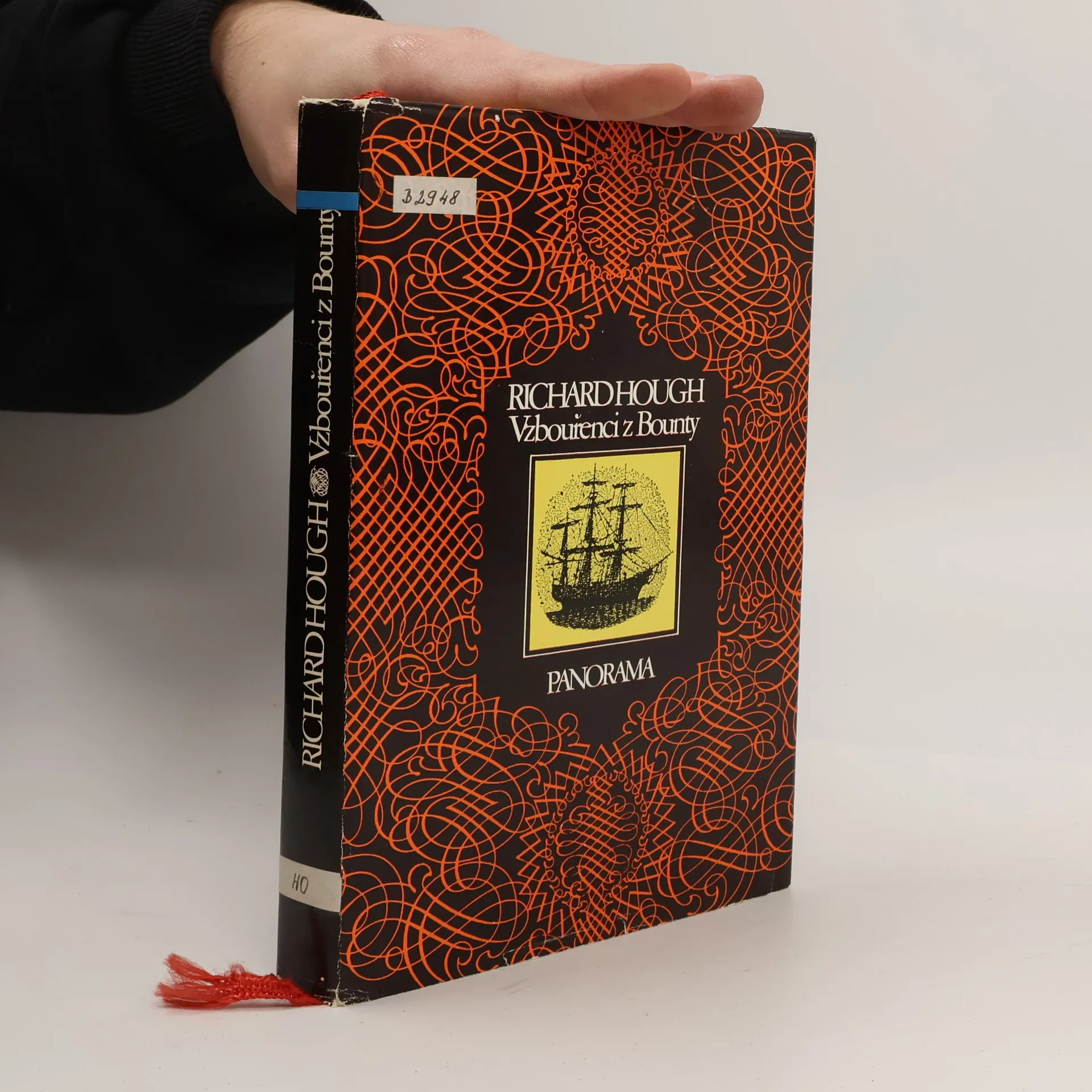
Román přitažlivě zpracovává známou událost z historie mořeplavby, vzpouru na lodi Bounty, k níž došlo 28. dubna 1789. Skutečný příběh, dramatický a dobrodružný, odehrávající se navíc v exotickém prostředí, byl již několikrát zpracován, autorovi této knihy se však podařilo vytvořit dílo dobrodružné a seriózní. Cestopis, postavený na veškerém dostupném archívním materiálu a podávající komplexní obraz doby i života na moři v oblasti Tichomoří. Kniha se stala předlohou pro filmové zpracování.
The mutiny on the Bounty has fascinated readers for more than two hundred years, but no other book on this extraordinary episode in maritime history tells the story as well as this masterly and thrilling account by Richard Hough. He has set down all the aspects of the extraordinary story in a manner that is utterly compelling, and he has brought alive the powerful characters who played out the events. Highly touted when first published in 1972, it is an epic drama of courage, discovery, deceit, and treachery. The story of Fletcher Christian and the rest of the mutineers' discovery of an uninhabited island and their attempt to fashion a community away from the pursuing ships of the Royal Navy is as tense as it is horrific. Captain Bligh's remarkable 3,600-mile voyage to Timor in the ship's open launch is fully described as one of the great feats of navigation. The dismal episode of the Pandora and the remarkable survival of one of the mutineers add further fascinating twists to the story.