



Bookbot

Charles Darwin

    12 février 1809 – 19 avril 1882

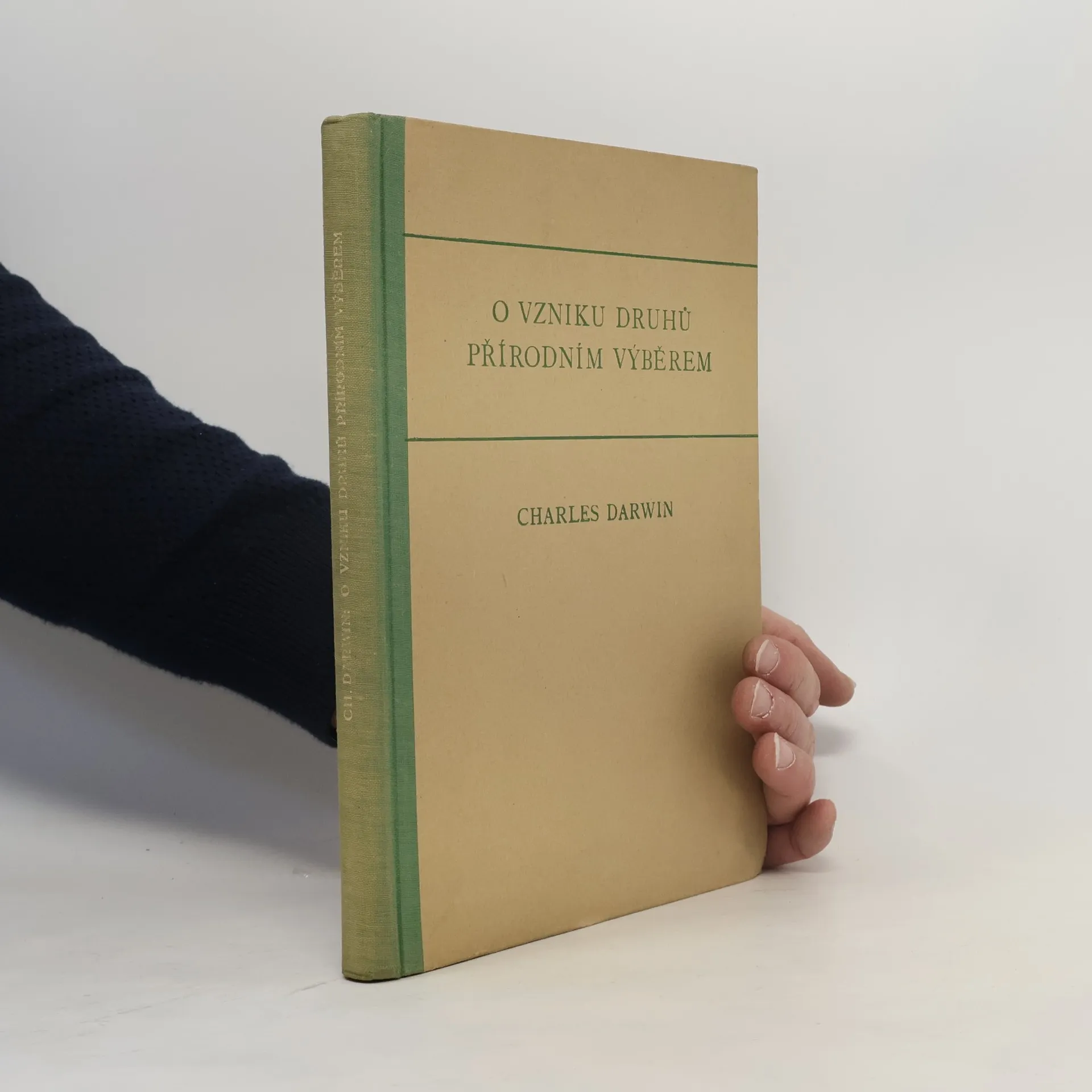
    Charles Darwin fut un naturaliste anglais dont l'œuvre pionnière a révolutionné notre compréhension de la vie sur Terre. Avec une observation méticuleuse et une perspicacité géologique, il proposa la théorie de l'évolution par sélection naturelle. Cette théorie, postulant que toutes les espèces ont évolué au fil du temps à partir d'ancêtres communs, devint le fondement de la biologie moderne, fournissant une explication unificatrice à la vaste diversité de la vie. Son vaste travail de terrain, documenté de manière célèbre lors de son voyage, et ses publications ultérieures l'établirent non seulement comme une figure scientifique de premier plan, mais aussi comme un auteur captivant dont les idées continuent de façonner notre perception du monde naturel.

    Charles Darwin
    The Origin of Species and the Voyage of the Beagle
    Darwin
    The formation of vegetable mould through the action of worms, with observations on their habits
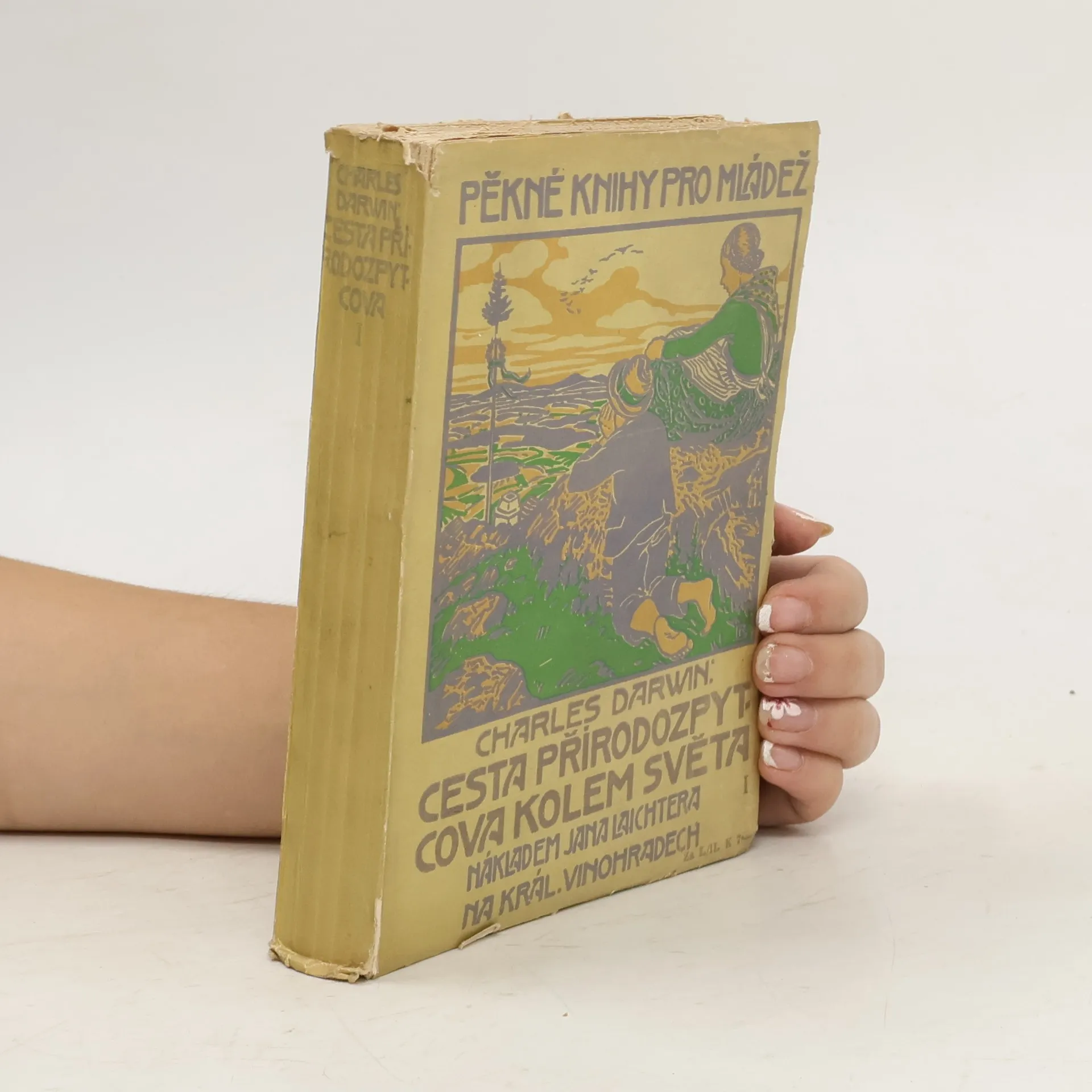
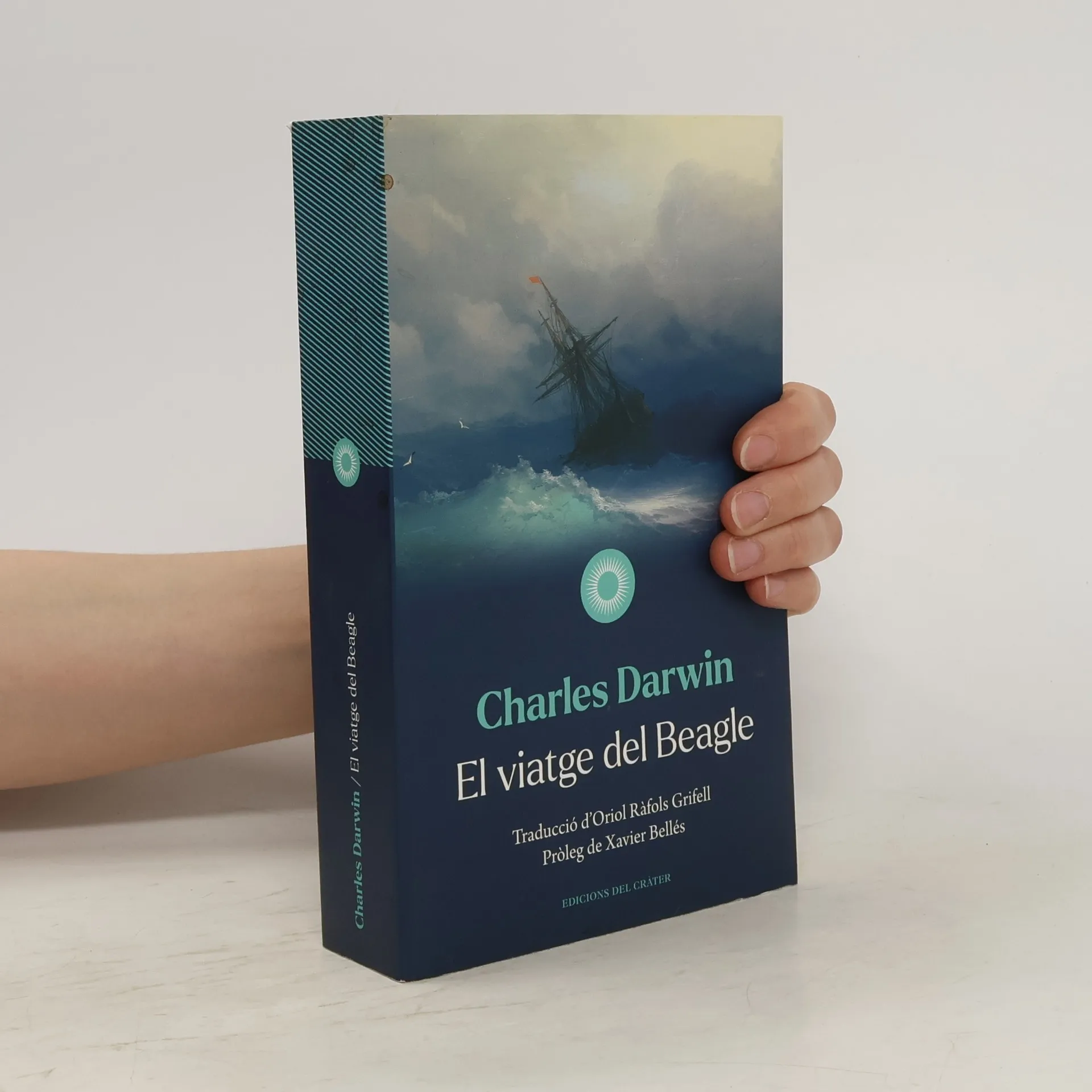
    Die Fahrt der Beagle
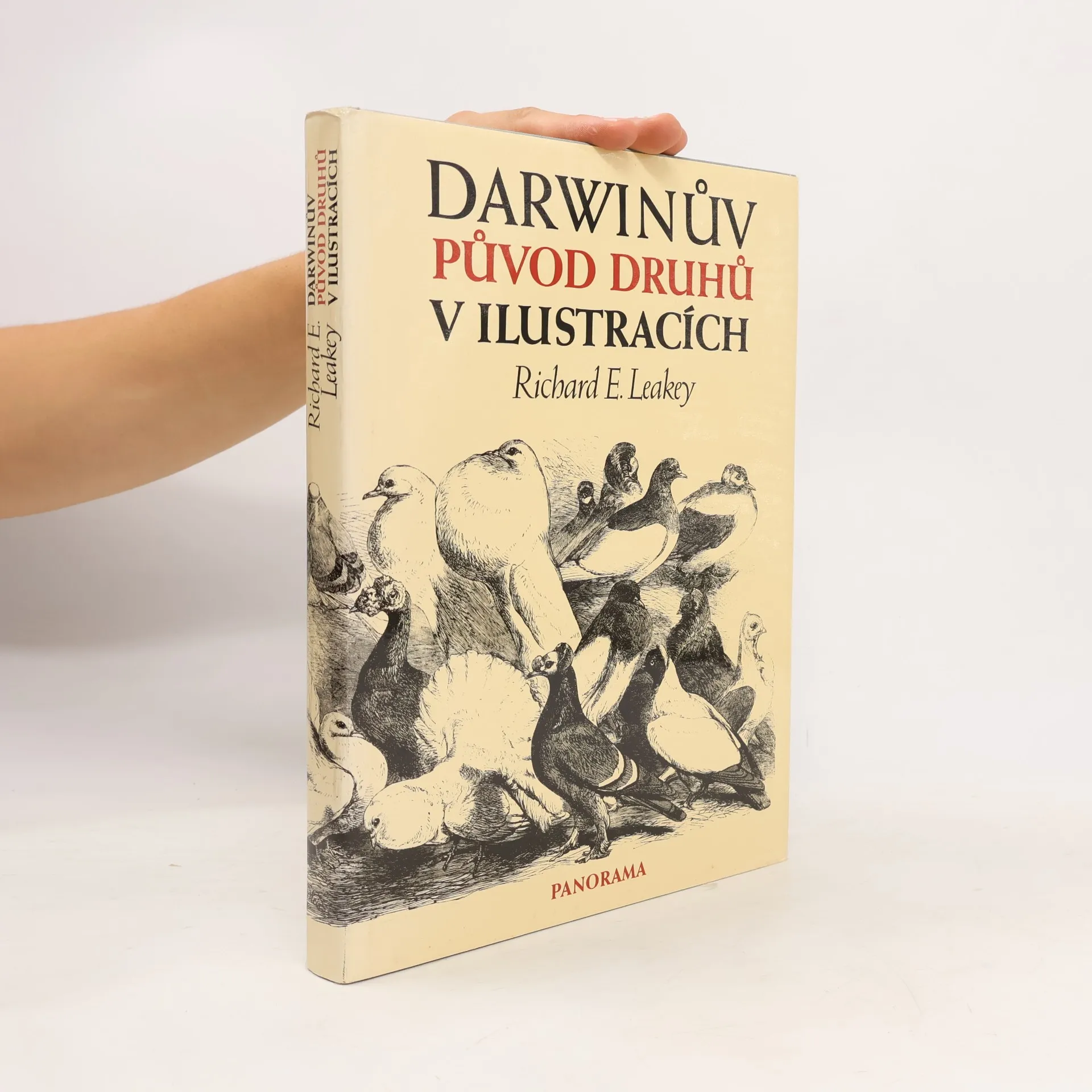
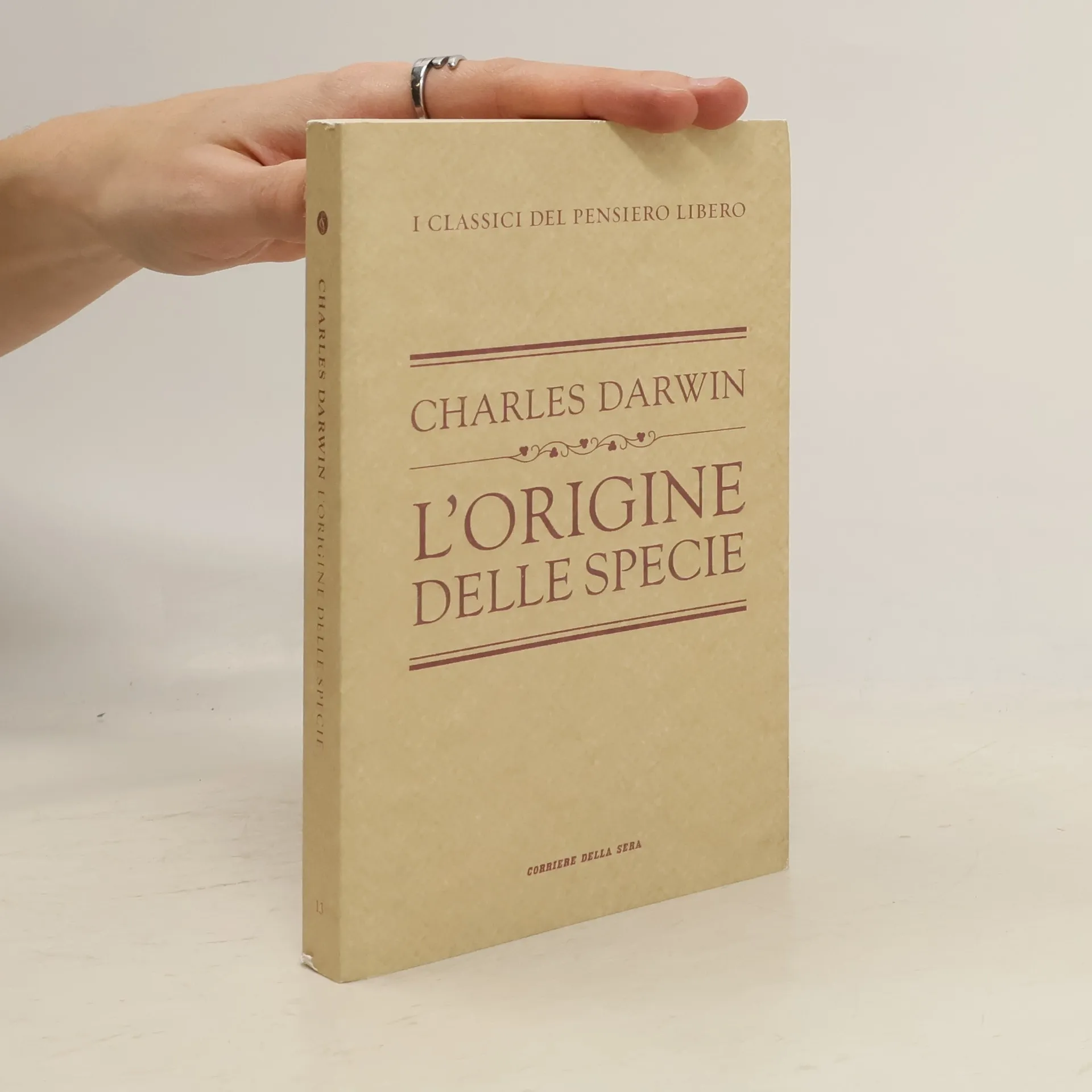
    L´origine des espéces
    Les mouvements et les habitudes des plantes grimpantes
    • «... Les plantes grimpantes peuvent être divisées en quatre classes: premièrement, celles qui s'enroulent en hélice autour d'un support sans qu'aucun autre mouvement n'intervienne. Secondement, celles douées d'organes sensibles qui, en touchant un objet, s'y cramponnent; ces organes consistent en feuilles, branches ou pédoncules floraux modifiés. Mais ces deux classes arrivent parfois à se confondre insensiblement jusqu'à un certain point l'une avec l'autre. Les plantes de la troisième classe grimpent simplement à l'aide de crochets et celles de la quatrième par des radicelles: mais comme, dans ces deux dernières classes, les plantes ne présentent pas de mouvements spéciaux, elles offrent peu d'intérêt, et, en général, quand je parle des plantes grimpantes, je fais allusion aux deux premières classes...»

      Les mouvements et les habitudes des plantes grimpantes
    • Die Fahrt der Beagle

      Tagebuch mit Erforschungen der Naturgeschichte und Geologie der Länder, die auf der Fahrt von HMS Beagle unter dem Kommando von Kapitän Robert Fitzroy, RN, besucht wurden

      • 687pages
      • 25 heures de lecture
      4,5(6)Évaluer

      Am 27. Dezember 1831 brach Charles Darwin mit der Beagle von Plymouth auf. In seiner kleinen Kajüte befanden sich Probenbehälter, Chemikalien, Seziergeräte, ein Mikroskop, ein Geologenhammer und Bücher. Mit 22 Jahren war er ein begeisterter Käfersammler und hatte ein leidenschaftliches Interesse an Naturwissenschaften, jedoch war er unschlüssig über seine Zukunft. Während seiner fünfjährigen Weltumrundung studierte er die Natur der Kapverdischen Inseln, die Ureinwohner Feuerlands und entdeckte auf den Galápagosinseln unterschiedliche Finkenpopulationen. Am Ende der Reise hatte er 1529 Spezies in Spiritus eingelegt und 3907 Häute, Knochen und andere Funde katalogisiert. Doch noch wichtiger war die Idee, die er mitbrachte und die später eine der größten intellektuellen Revolutionen der Menschheitsgeschichte auslöste. Darwins Bericht über seine Reise ist nicht nur ein bedeutendes Reisebuch, sondern auch die abenteuerliche Chronik eines jungen Mannes, der die Welt bereiste, um sie zu verändern. Es ist eine Mischung aus Abenteuer, Reisebericht und der Entstehung der modernen Biologie, verfasst in brillanter Literatur.

      Die Fahrt der Beagle
    • The book delves into the detailed study of earthworm castings and their impact on soil health, specifically focusing on measurements taken in fields near Nice. Through meticulous collection and weighing of castings over several months, the author calculates the significant amounts of organic matter produced by earthworms. The findings suggest that under optimal conditions, earthworms can contribute substantial quantities of nutrients to the soil, emphasizing their vital role in agricultural productivity. The research highlights the influence of weather and soil management practices on worm activity.

      The formation of vegetable mould through the action of worms, with observations on their habits
    • Darwin

      • 896pages
      • 32 heures de lecture
      4,3(584)Évaluer

      Hailed as the definitive biography, this monumental work explains the character and paradoxes of Charles Darwin and opens up the full panorama of Victorian science, theology, and mores. The authors bring to life Darwin's reckless student days in Cambridge, his epic five-year voyage on the Beagle, and his grueling struggle to develop his theory of evolution.Adrian Desmond and James Moore's gripping narrative reveals the great personal cost to Darwin of pursuing inflammatory truths—telling the whole story of how he came to his epoch-making conclusions.

      Darwin
    • WITH AN INTRODUCTION BY DARWIN'S GREAT-GREAT-GRANDDAUGHTER, RUTH PADELWhen the eminent naturalist Charles Darwin returned from South America on board the H.M.S Beagle in 1836, he brought with him the notes and evidence which would form the basis of his landmark theory of evolution of species by a process of natural selection.

      The Origin of Species and the Voyage of the Beagle
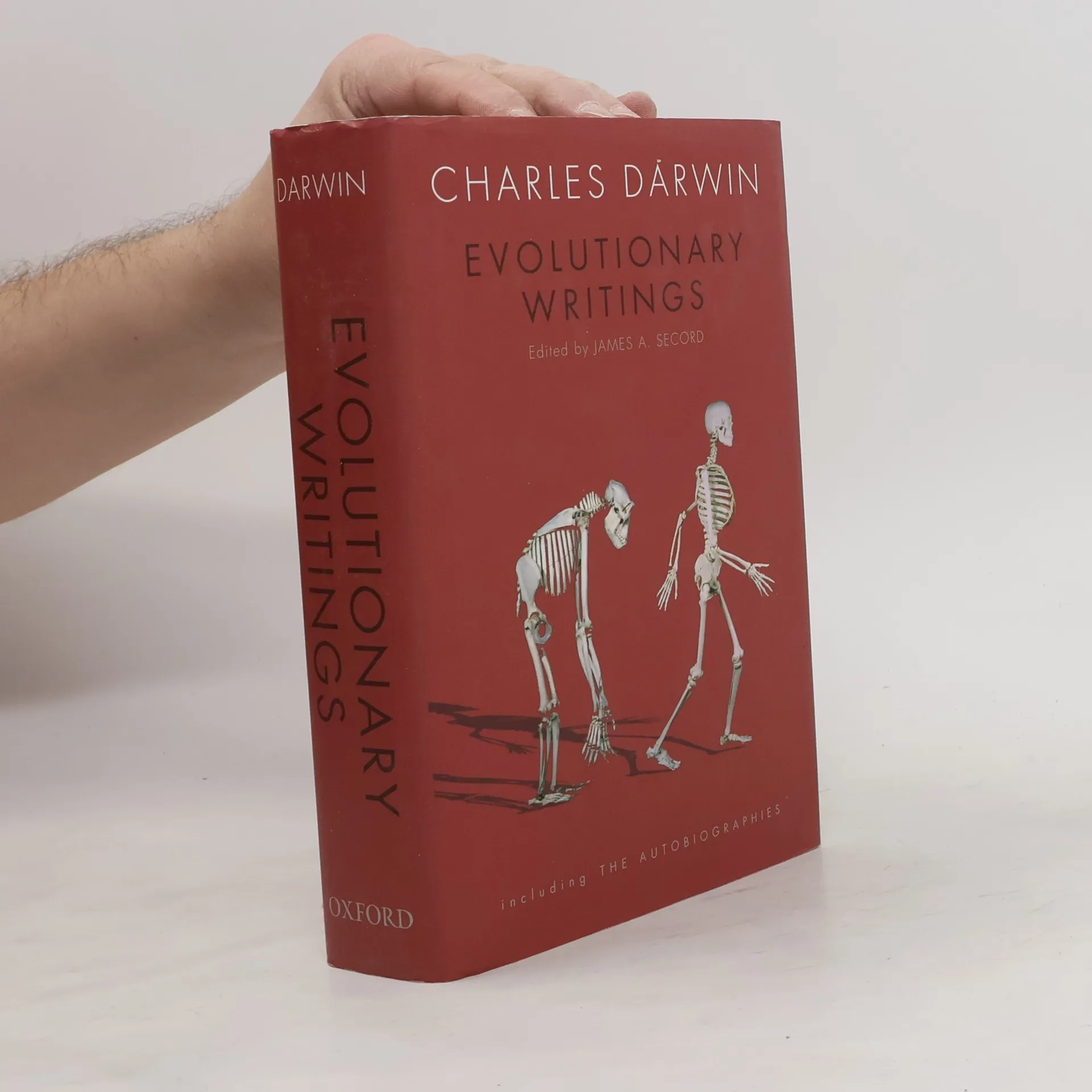
    • Evolutionary writings

      • 485pages
      • 17 heures de lecture
      4,1(62)Évaluer

      On topics ranging from intelligent design and climate change to the politics of gender and race, the evolutionary writings of Charles Darwin occupy a pivotal position in contemporary public debate. This volume brings together the key chapters of his most important and accessible books,including the Journal of Researches on the Beagle voyage (1845), The Origin of Species (1859), and The Descent of Man (1871), along with the full text of his delightful autobiography. They are accompanied by generous selections of responses from Darwin's nineteenth-century readers from across theworld. More than anything, they give a keen sense of the controversial nature of Darwin's ideas, and his position within Victorian debates about man's place in nature.The wide-ranging Introduction by James A. Secord, Director of the Darwin Correspondence Project, explores the global impact and origins of Darwin's work and the reasons for its unparalleled significance today. To increase its usefulness for readers coming to Darwin for the first time, the selectionalso includes a map of the Beagle voyage, a detailed chronology of Darwin's life, and a biographical appendix identifying every individual mentioned in the text.

      Evolutionary writings
    • The Origin of Species

      • 512pages
      • 18 heures de lecture
      4,1(85)Évaluer

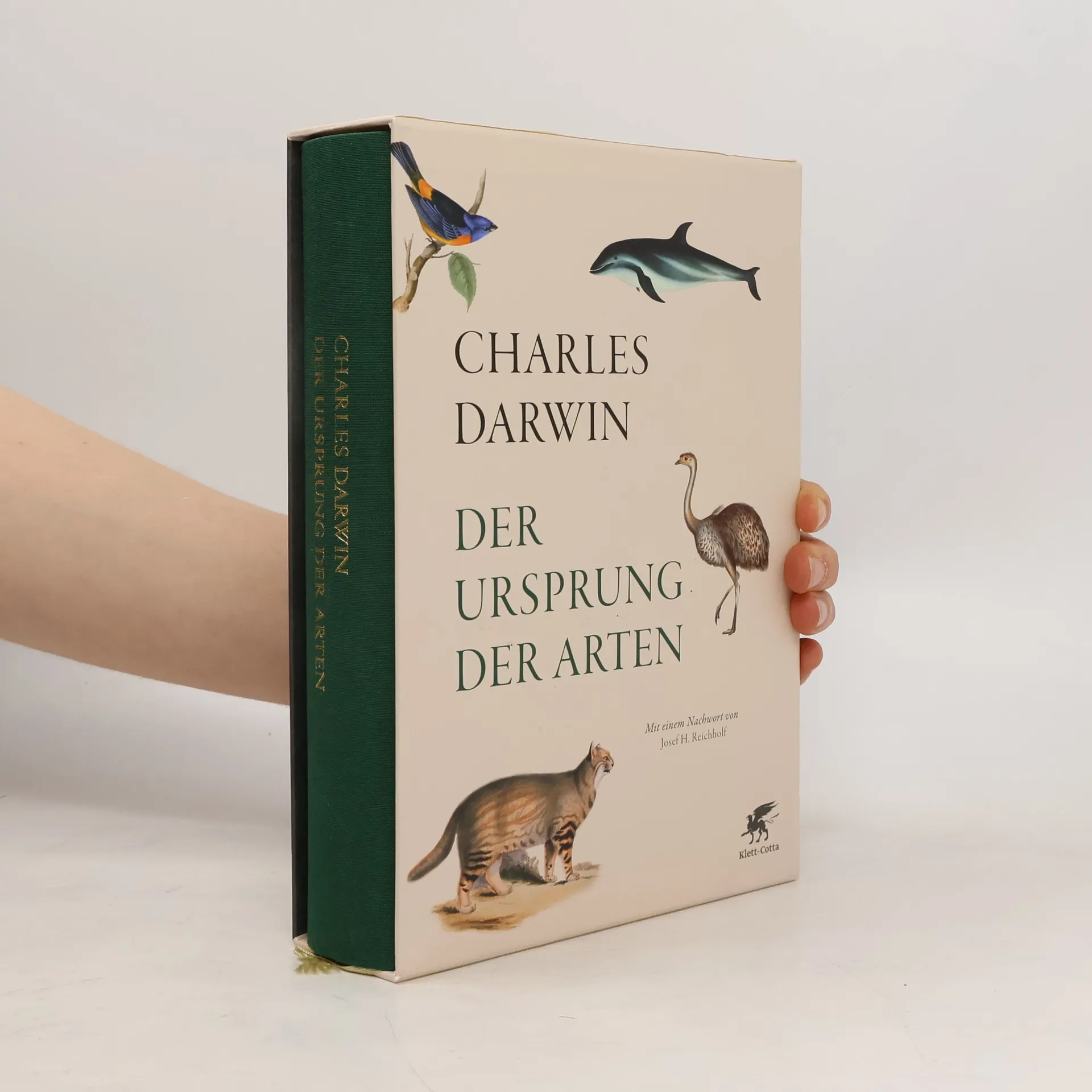
      Discover this beautiful special edition of Charles Darwin’s groundbreaking theory on human evolution. When the eminent naturalist Charles Darwin returned from South America on board the HMS Beagle in 1836, he brought with him the notes and evidence that would form the basis of a world-changing theory: the evolution of species by a process of natural selection. This theory, published as On the Origin of Species in 1859, is the basis of modern biology and the concept of biodiversity. Its publication sparked a fierce scientific, religious and philosophical debate, which continues to this day. PATTERNS OF LIFE: SPECIAL EDITIONS OF GROUNDBREAKING SCIENCE BOOKS

      The Origin of Species
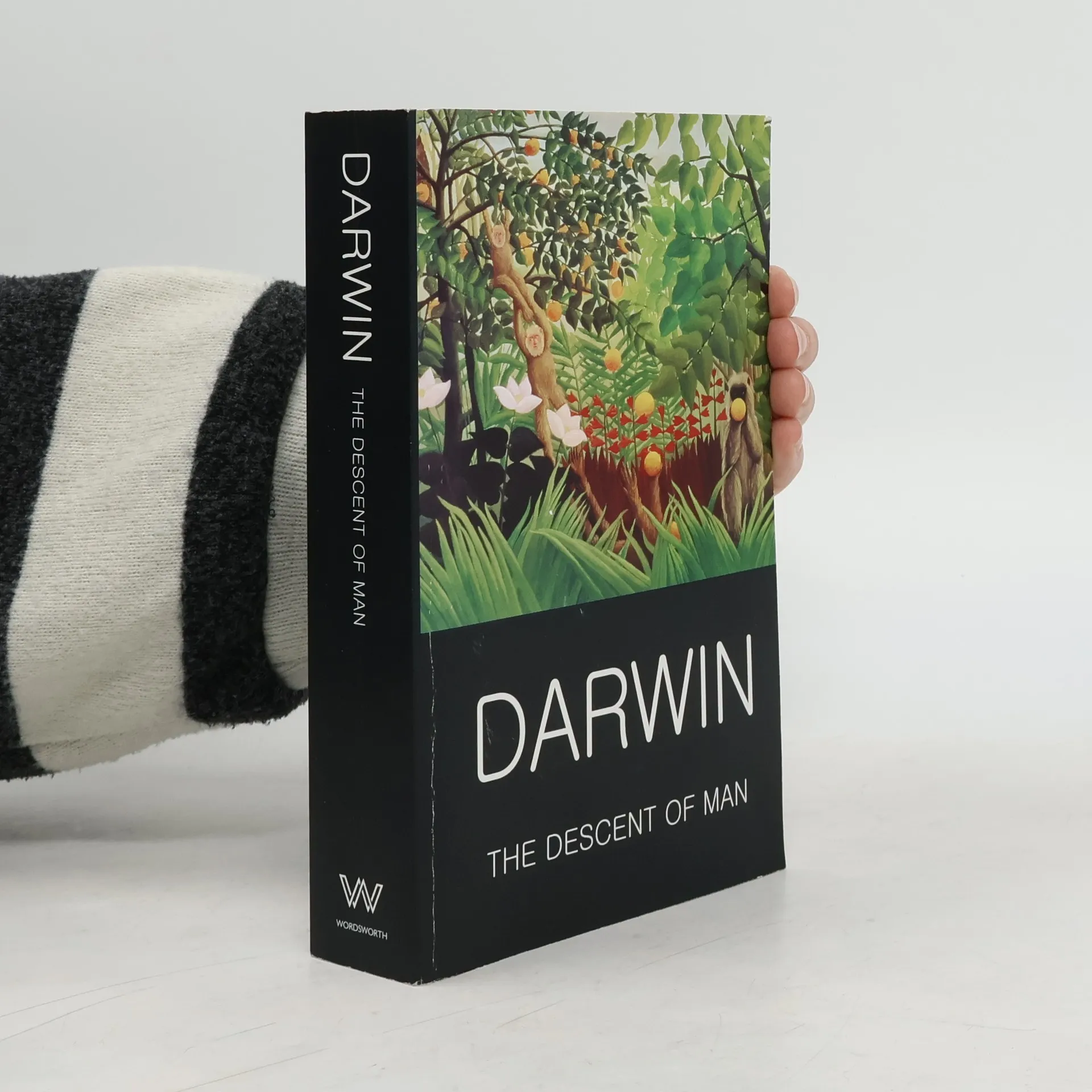
    • The Descent of Man is Darwin's second book, first published in 1871. In this edition, Darwin applies evolutionary theory to humans and details his theory of sexual selection.

      The descent of man and selection in relation to sex
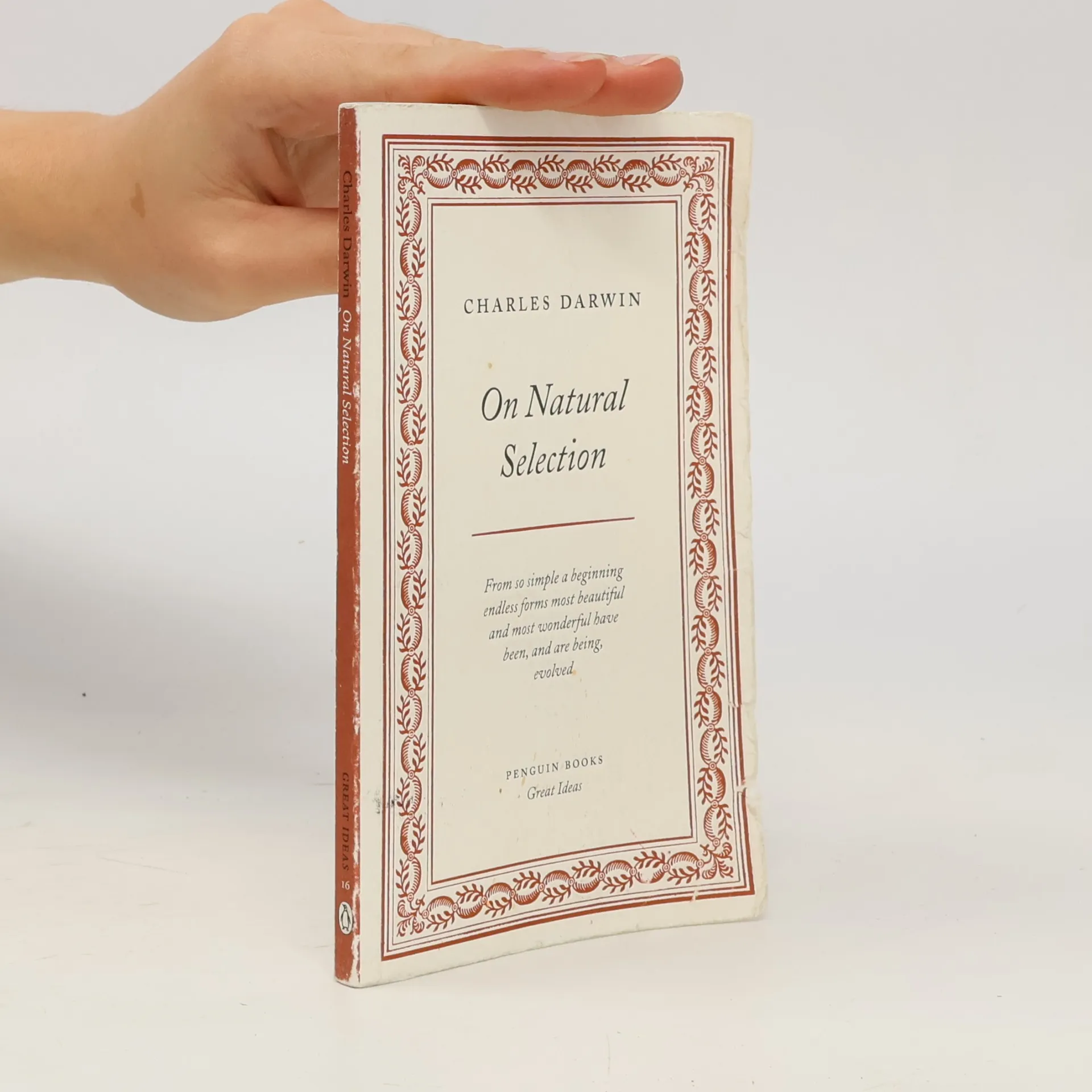
    • On Natural Selection

      • 128pages
      • 5 heures de lecture
      3,9(87)Évaluer

      Brings you the works of the great thinkers, pioneers, radicals and visionaries whose ideas shook civilization, and helped make us who we are.

      On Natural Selection