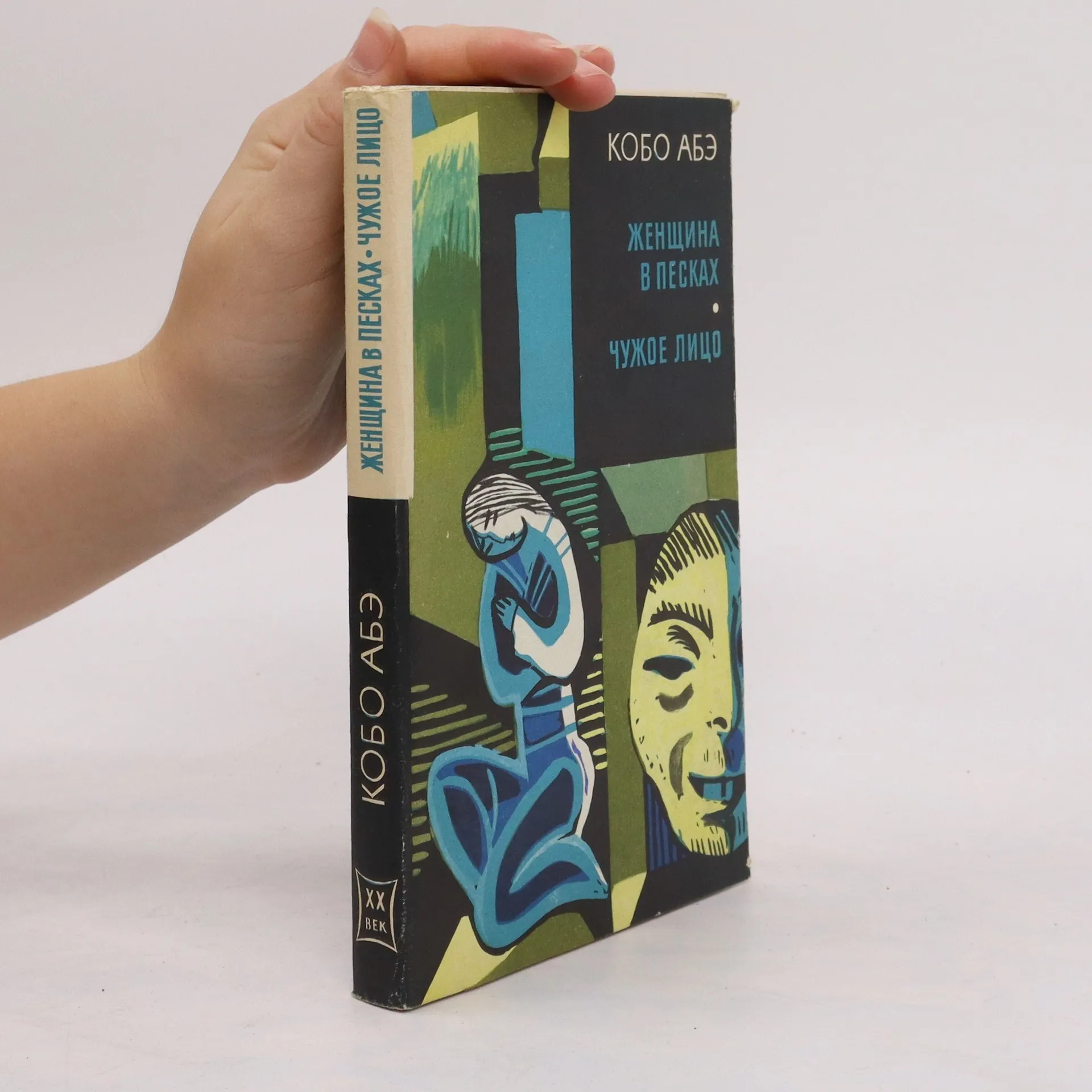
Тайное свидание
- 288pages
- 11 heures de lecture


L'œuvre littéraire de Kōbō Abe plonge dans des explorations surréalistes et souvent cauchemardesques de l'individu au sein de la société contemporaine. Sa sensibilité moderniste et son style narratif unique, souvent comparés à Franz Kafka et Alberto Moravia, créent des analyses captivantes de la condition humaine. L'approche avant-gardiste d'Abe du roman et du drame explore des questions existentielles et la recherche d'identité. Sa voix distinctive offre aux lecteurs des perspectives profondes, oniriques mais critiques sur l'expérience humaine.


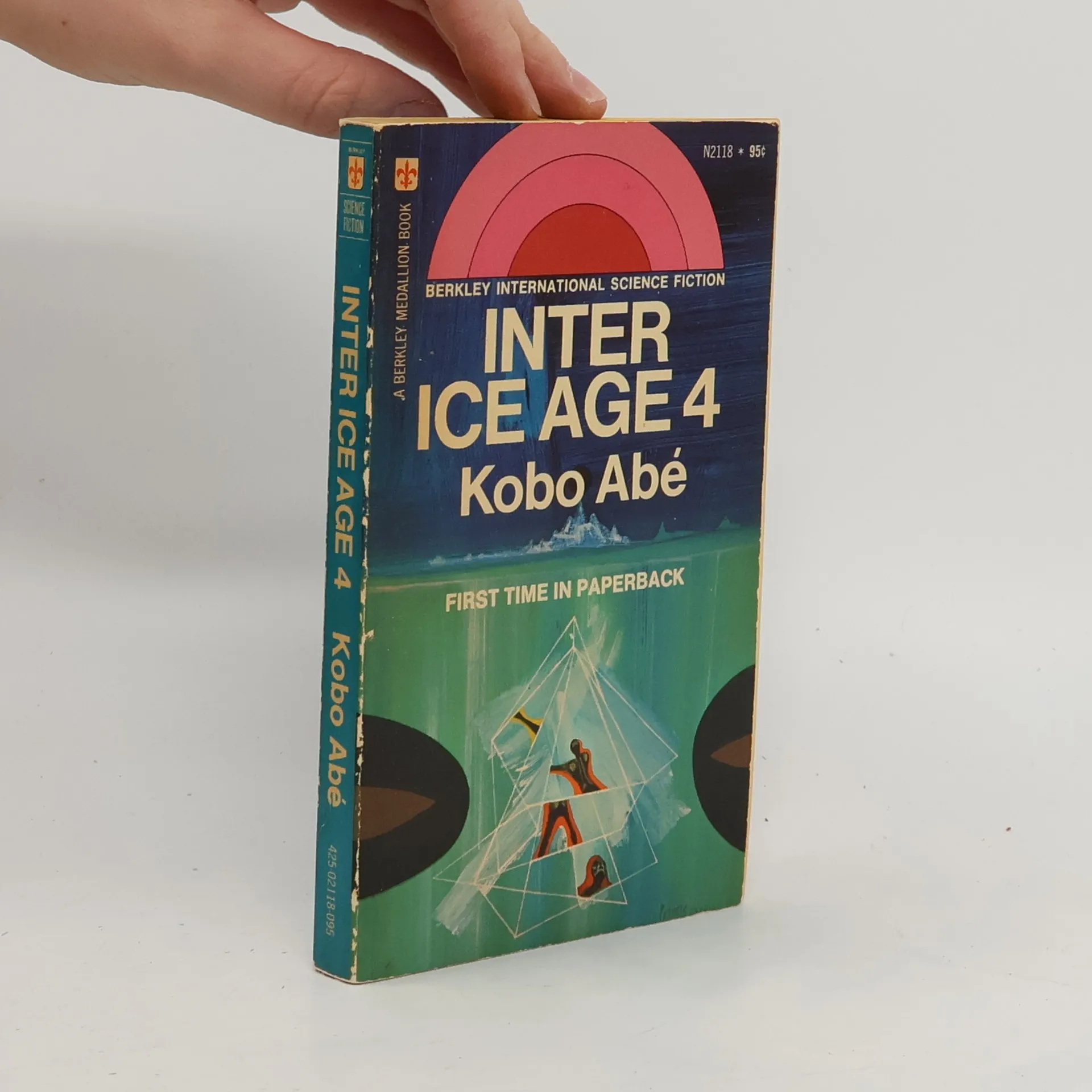
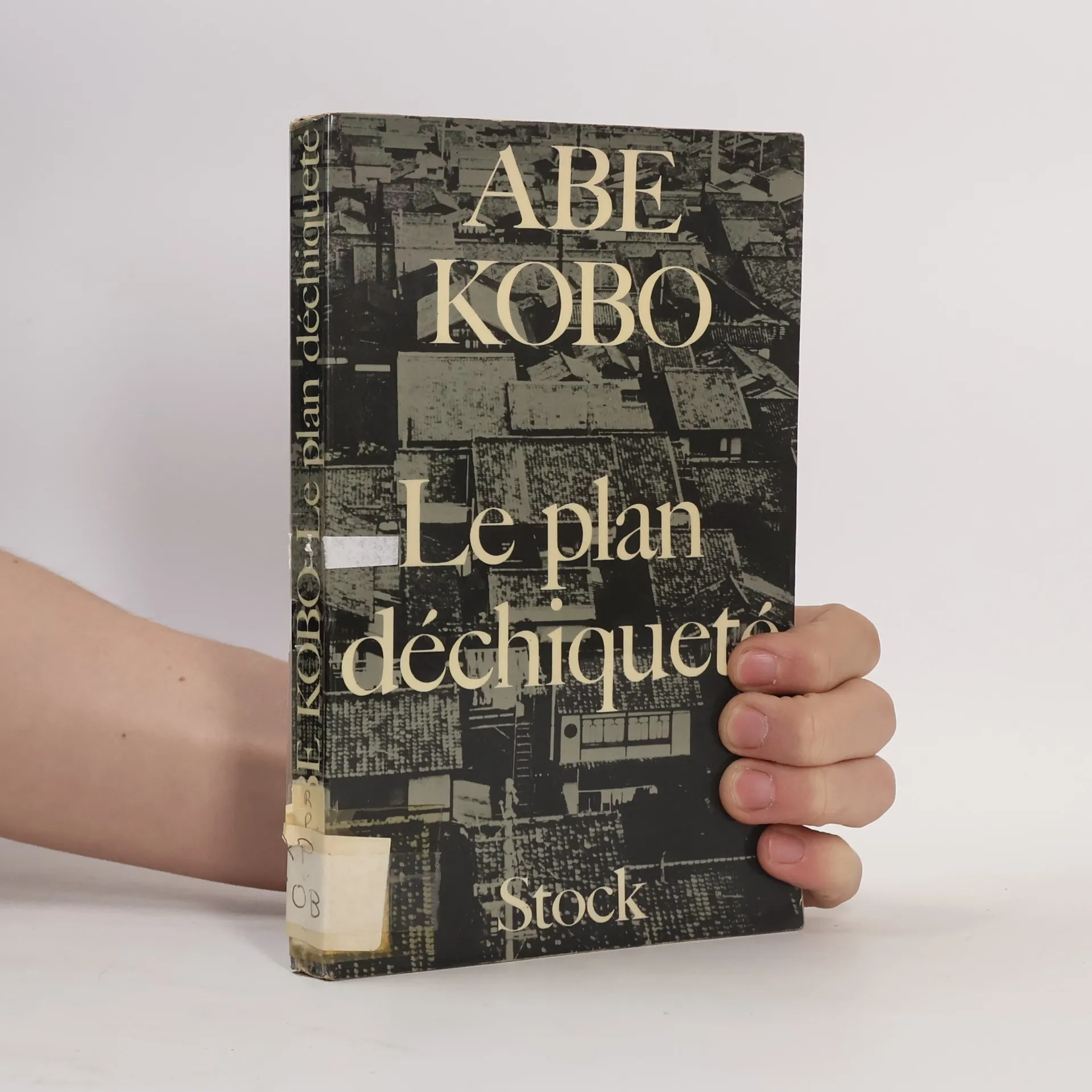
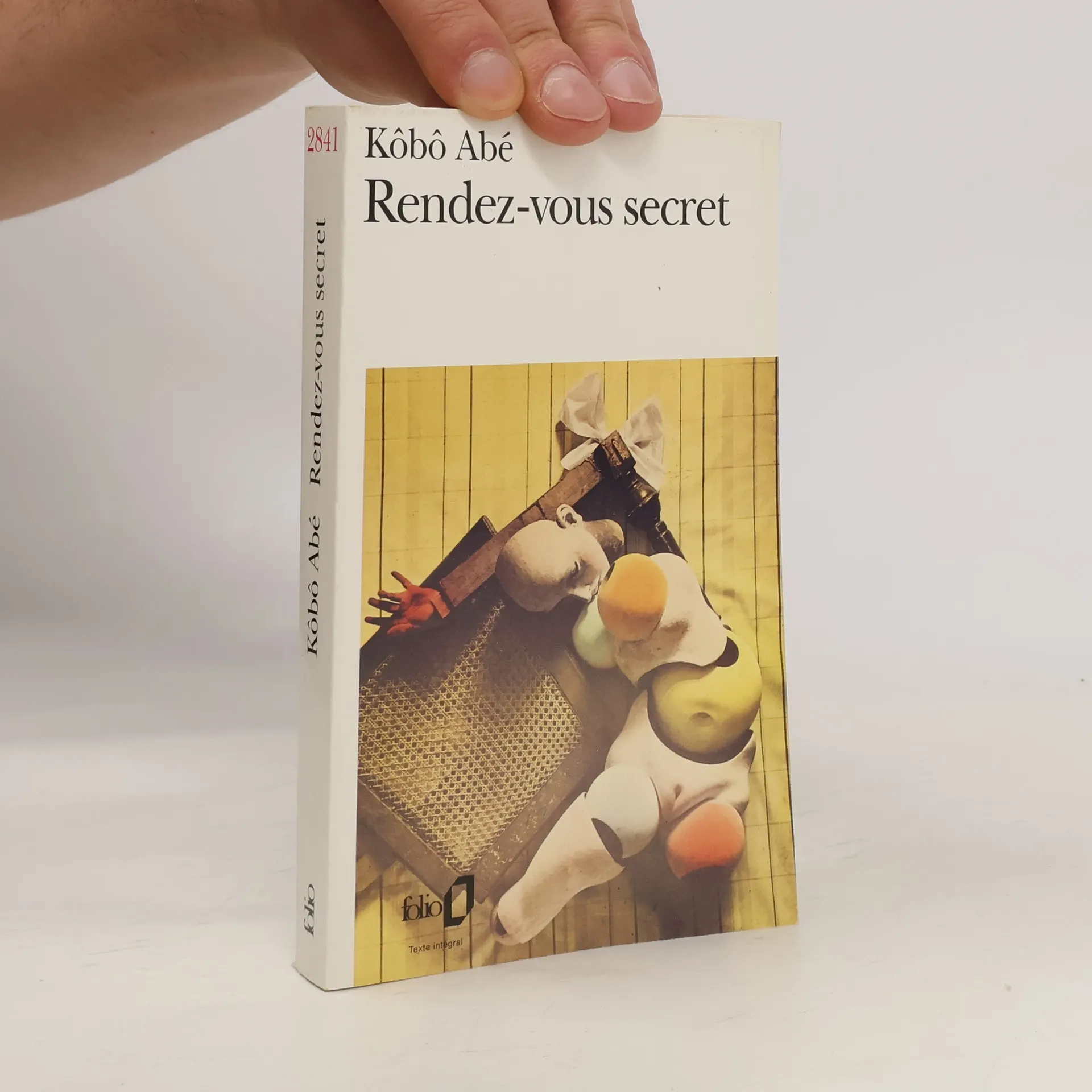
Кобо Абэ — один из самых блистательных японских писателей и вместе с тем один из самых загадочных. Его книги читают по всему миру, по ним снимают фильмы и ставят спектакли. Своеобразный, парадоксальный мир, воплощенный в творчестве Абэ, волнует, удивляет и ставит в тупик. Недаром другой известный японский автор Кэндзабуро Оэ назвал Абэ крупнейшим писателем за всю историю литературы. В настоящее издание вошли три самых известных романа Кобо Абэ: «Женщина в песках», «Человек-ящик», «Чужое лицо», а также повесть «Совсем как человек» в переводе известного писателя-фантаста Аркадия Стругацкого.
In the aftermath of World War II, a Japanese youth raised in the puppet state of Manchuria struggles to return home to Japan. What follows is a wild journey involving drugs, smuggling, chases, and capture. Beasts Head for Home is an acute novel of identity, belonging, and the vagaries of human behavior from an exceptional modern Japanese author.
"Abe Kobo tackled contemporary social issues and literary theory with the depth and facility of a visionary thinker."--Jacket cover.
'One of Japan's most venerated writers' David Mitchell In this unnerving fable from one of Japan's greatest novelists, a recluse known as 'Mole' retreats to a vast underground bunker, only to find that strange guests, booby traps and a giant toilet may prove even greater obstacles than nuclear disaster. 'As is true of Poe and Kafka, Abe creates an unexpected impulsion. One continues reading, on and on' New Yorker 'Abe's depiction of the deadly game of survival is hilarious but at the same time leaves us with a chilling sense of apprehension about the brave new world that awaits us' Los Angeles Times Translated by Juliet Winters Carpenter
In the last novel written before his death in 1993, one of Japan's most distinguished novelists proffered a surreal vision of Japanese society that manages to be simultaneously fearful and jarringly funny. The narrator of Kangaroo Notebook wakes on morning to discover that his legs are growing radish sprouts, an ailment that repulses his doctor but provides the patient with the unusual ability to snack on himself. In short order, Kobo Abe's unraveling protagonist finds himself hurtling in a hospital bed to the very shores of hell. Abe has assembled a cast of oddities into a coherent novel, one imbued with unexpected meaning. Translated from the Japanese by Maryellen Toman Mori.
Three plays by one of contemporary Japan's most prominent writers-Involuntary Homicide, The Green Stockings, The Ghost is Here-translated for this volume reveal Kobo Abe's deep love of absurdity in the face of universal concerns.
Une femme disparaît. Emmenée à l'aube en ambulance. Hospitalisation forcée ? Enlèvement ? Fugue d'adultère ? Son mari enquête, de plus en plus certain d'être privé de son libre arbitre. Dans les souterrains d'un hôpital labyrinthique, structuré comme une ville fantôme sous surveillance électronique, entre des ruines de fondations, au milieu des préparatifs tragi-comiques d'une sinistre fête de commémoration, l'«homme» ne cesse d'errer, tout en rédigeant minutieusement des cahiers d'enquête. Un cheval qui mène l'opération. Une secrétaire nymphomane, conçue in vitro. Une fillette prostituée et mourante qui rétrécit d'heure en heure. Les figures que le narrateur croise appartiennent à un monde dominé par le sexe, l'angoisse, les manipulations scientifico-policières, le grotesque.Dosant avec une fascinante maîtrise l'absurde et le rationnel, Kôbô Abé signe avec Rendez-vous secret un roman policier, un livre pornographique, une fable poétique, un exercice de style de haute virtuosité. La comédie hyperréaliste du désespoir.
Of all the great Japanese novelists, Kobe Abe was indubitably the most versatile. With The Ruined Map, he crafted a mesmerizing literary crime novel that combines the narrative suspense of Chandler with the psychological depth of Dostoevsky.Mr. Nemuro, a respected salesman, disappeared over half a year ago, but only now does his alluring yet alcoholic wife hire a private eye. The nameless detective has but two clues: a photo and a matchbook. With these he embarks upon an ever more puzzling pursuit that leads him into the depths of Tokyo’s dangerous underworld, where he begins to lose the boundaries of his own identity. Surreal, fast-paced, and hauntingly dreamlike, Abe’s masterly novel delves into the unknowable mysteries of the human mind.Translated from the Japanese by E. Dale Saunders.
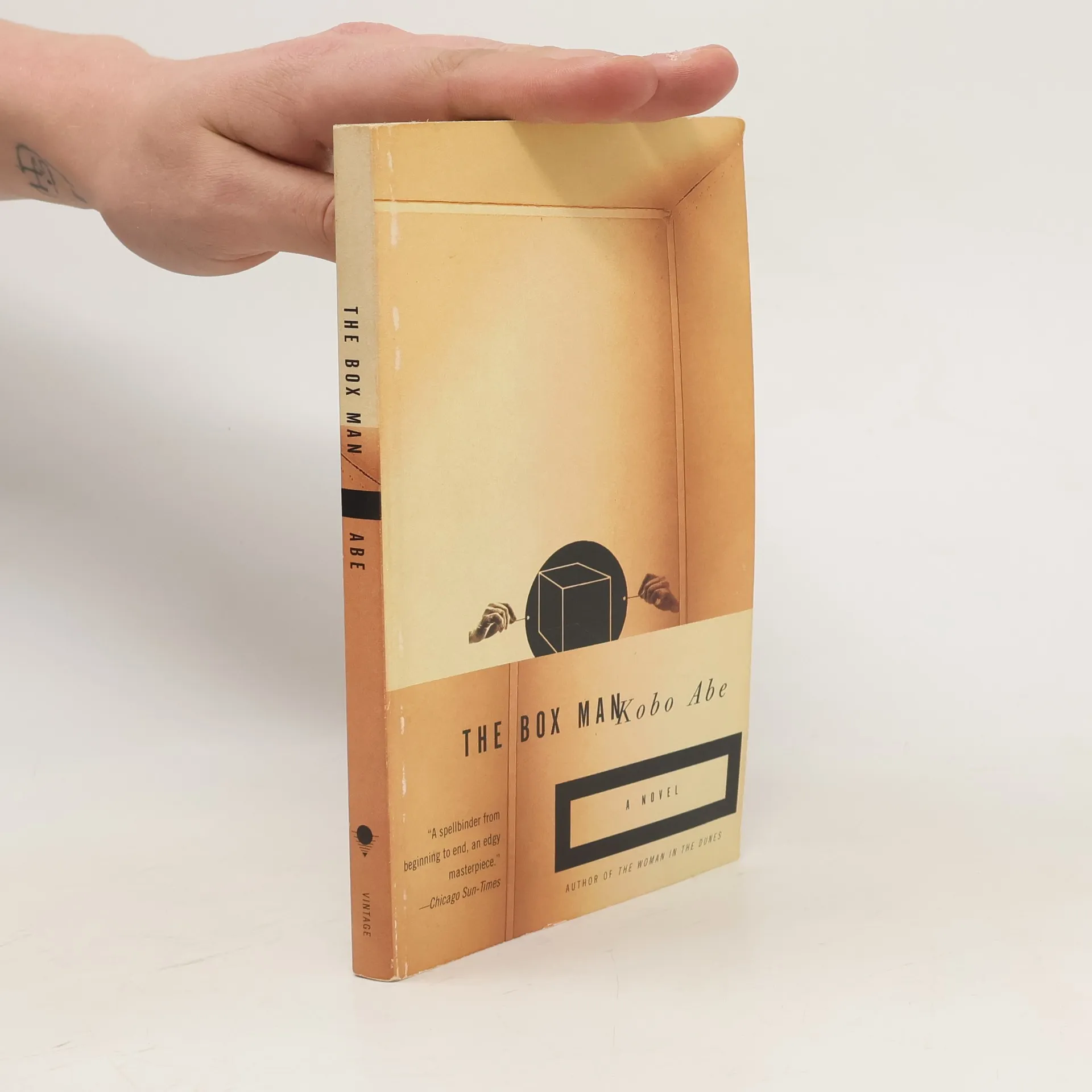
Kobo Abe, the internationally acclaimed author of Woman in the Dunes, combines wildly imaginative fantasies and naturalistic prose to create narratives reminiscent of the work of Kafka and Beckett.In this eerie and evocative masterpiece, the nameless protagonist gives up his identity and the trappings of a normal life to live in a large cardboard box he wears over his head. Wandering the streets of Tokyo and scribbling madly on the interior walls of his box, he describes the world outside as he sees or perhaps imagines it, a tenuous reality that seems to include a mysterious rifleman determined to shoot him, a seductive young nurse, and a doctor who wants to become a box man himself. The Box Man is a marvel of sheer originality and a bizarrely fascinating fable about the very nature of identity.Translated from the Japanese by E. Dale Saunders.
Černá komedie o třinácti obrazech – takřka kafkovská noční můra o člověku násilně vystaveném „objetí zdánlivě milující rodiny“. Autor získal za toto drama v roce 1967 Tanizakiho cenu.
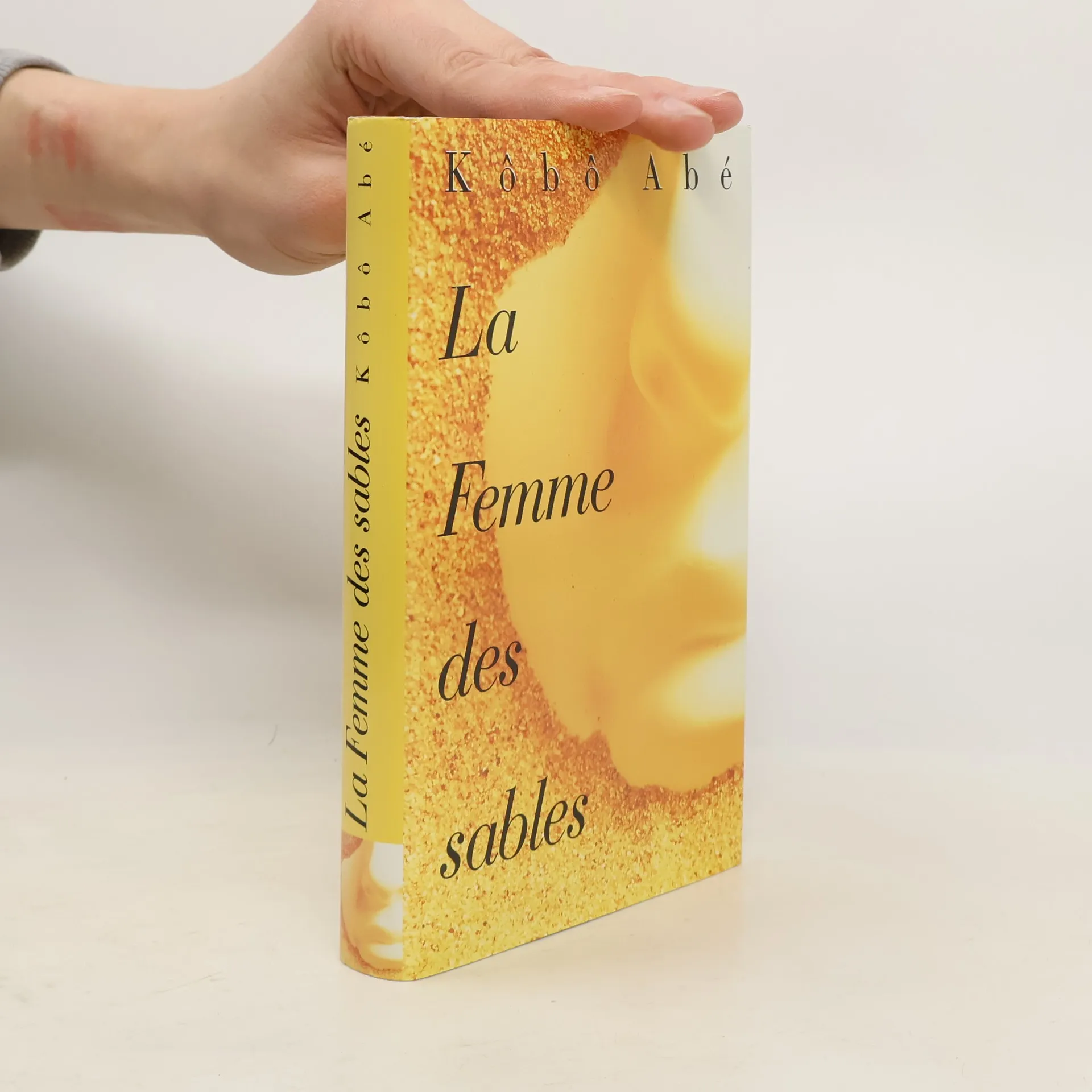
Žena z dún je fantastickým príbehom entomológa, ktorý sa vyberie na odľahlé morské pobrežie hľadať vzácny druh hmyzu. Zablúdi do oblasti dún, kde sú celé dediny ohrozené pieskom. Obyvatelia jednej dediny vlákajú muža ako vzácnu pracovnú silu do hlbokej jamy — v nej býva v schátranom domčeku mladá žena. Jej život pozostáva len z úmornej driny, pretože musí každú noc odpratávať naviaty piesok...
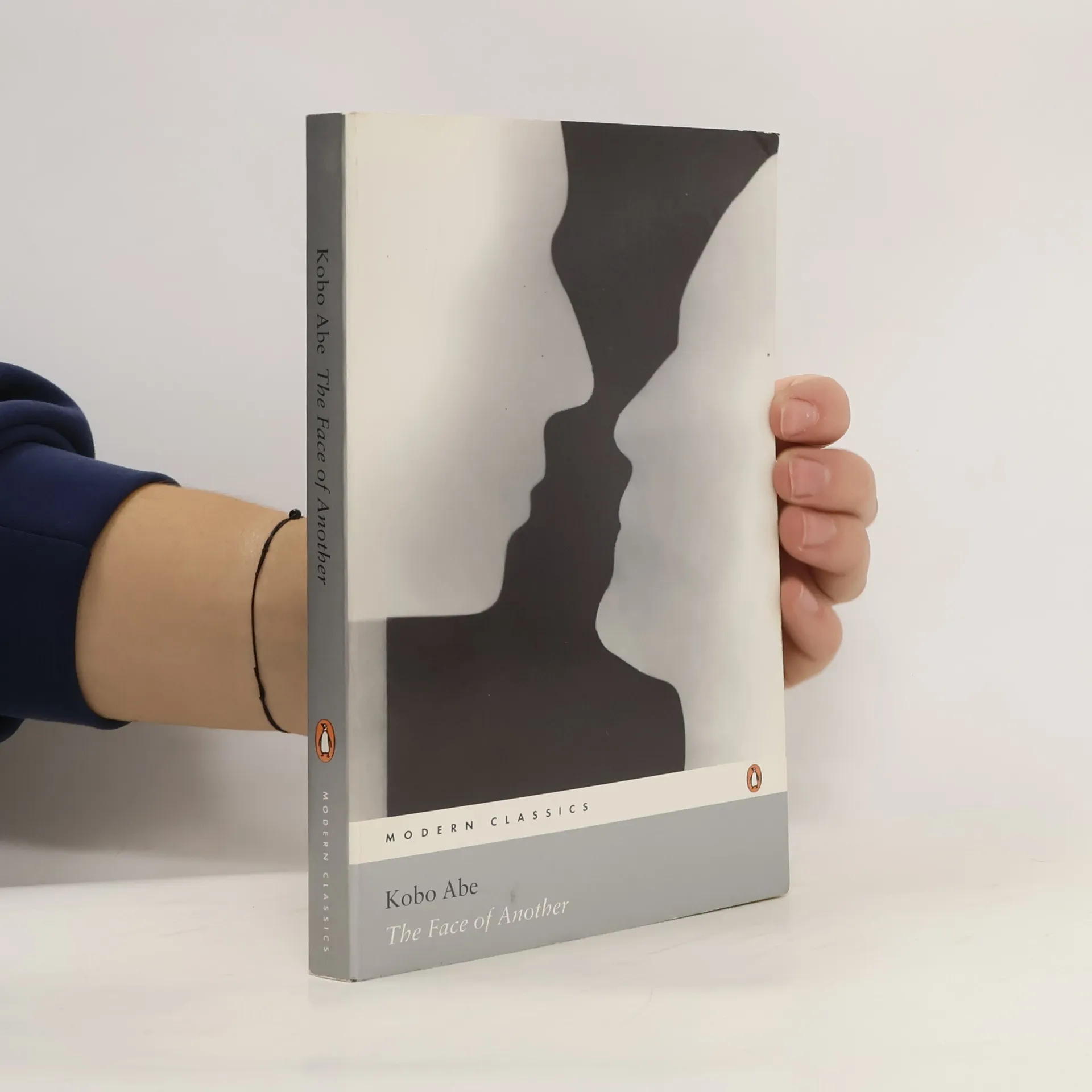
The narrator is a scientist hideously deformed in a laboratory accident - a man who has lost his face and, with it, connection to other people. Even his wife is now repulsed by him. His only entry back into the world is to create a mask so perfect as to be undetectable. But soon he finds that such mask is more than a disguise.
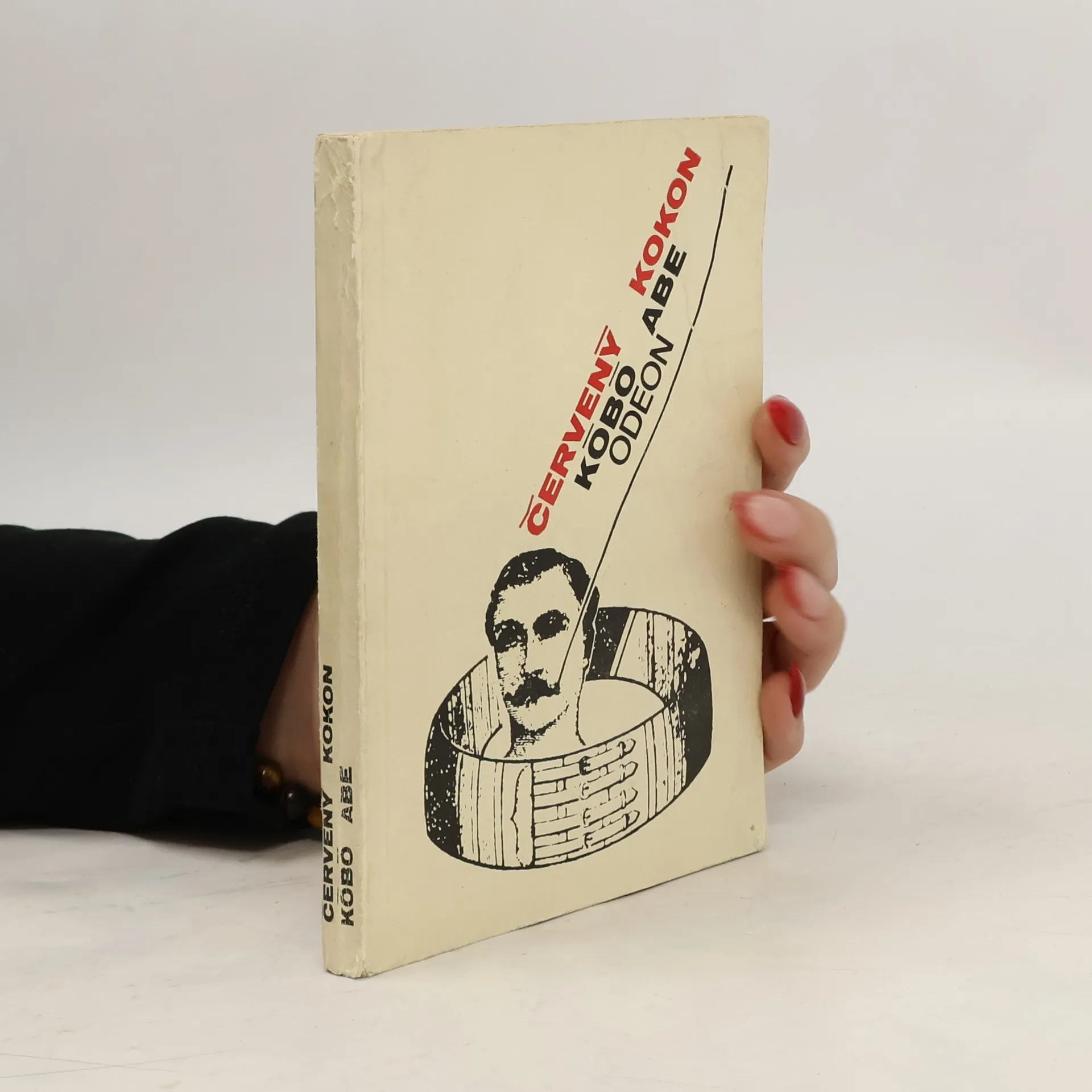
Soubor povídek japonského povídkáře, romanopisce, dramatika, esejisty, nejvýraznějšího představitele poválečné školy (sengoha) a také vystudovaného lékaře. Zabýval se předválečnou avantgardou, zejména surrealismem. Ve své práci si volí fantastické náměty a používá postupů vědecko-fantastické literatury ve spojení se současnou realitou. Mezi jeho časté náměty také patří metamorfóza člověka – zde např. v povídkách Červený kokon a Kouzelná křída.Povídky:• Smrt neznámého (無関係な死 [Mukankei na shi] An Irrelevant Death)• Olověné vejce (鉛の卵 [Namari no tamago] The Egg of Pb)• Legenda o mořské panně ([Ningyoden] The Tale of the Mermaid)• Hůl (棒 [Bō] The Stick)• Kouzelná křída (魔法のチョーク[Mahō no chōku] The Magic Chalk)• Osud básníka (詩人の生涯 [Shijin no shōgai] The Life of a Poet)• Vetřelci (闖入者 [Chinnyūsha] Intruders)• Dendrocacalia (デンドロカカリヤ [Dendorokakariya] Dendrocacalia)• Červený kokon (赤い繭 [Akai mayu] The Red Cocoon)Z japonských originálů podle různých vydání vybrala, přeložila a doslov „O autorovi“ napsala Vlasta Winkelhöferová.Obálku navrhl Milan Grygar.Graficky upravila Ludmila Zapletalová.Edice: Malá řada soudobé světové prózy.Náklad 2 000 výtisků.ISBN: 01-038-71.
This beautiful novel by one of Japan's most important writers is also one of the most strangely terrifying and memorable books you'll ever read. The Woman in the Dunes is the story of an amateur entomologist who wanders alone into a remote seaside village in pursuit of a rare beetle he wants to add to his collection. But the townspeople take him prisoner. They lower him into the sand-pit home of a young widow, a pariah in the poor community, who the villagers have condemned to a life of shoveling back the ever-encroaching dunes that threaten to bury the town. An amazing book.