William Dwight Whitney Ordre des livres (chronologique)
9 février 1827 – 7 juin 1894
William Dwight Whitney était un linguiste, philologue et lexicographe américain, réputé pour son travail fondamental sur la grammaire sanskrite et la philologie védique. Sa perspective influente considérait le langage comme une institution sociale, façonnant la pensée linguistique moderne. L'érudition de Whitney impliquait une analyse détaillée des textes védiques et de la philologie comparée, l'établissant comme une figure centrale dans le développement du domaine. Son approche mettait l'accent sur la nature sociale et l'utilité pratique du langage.

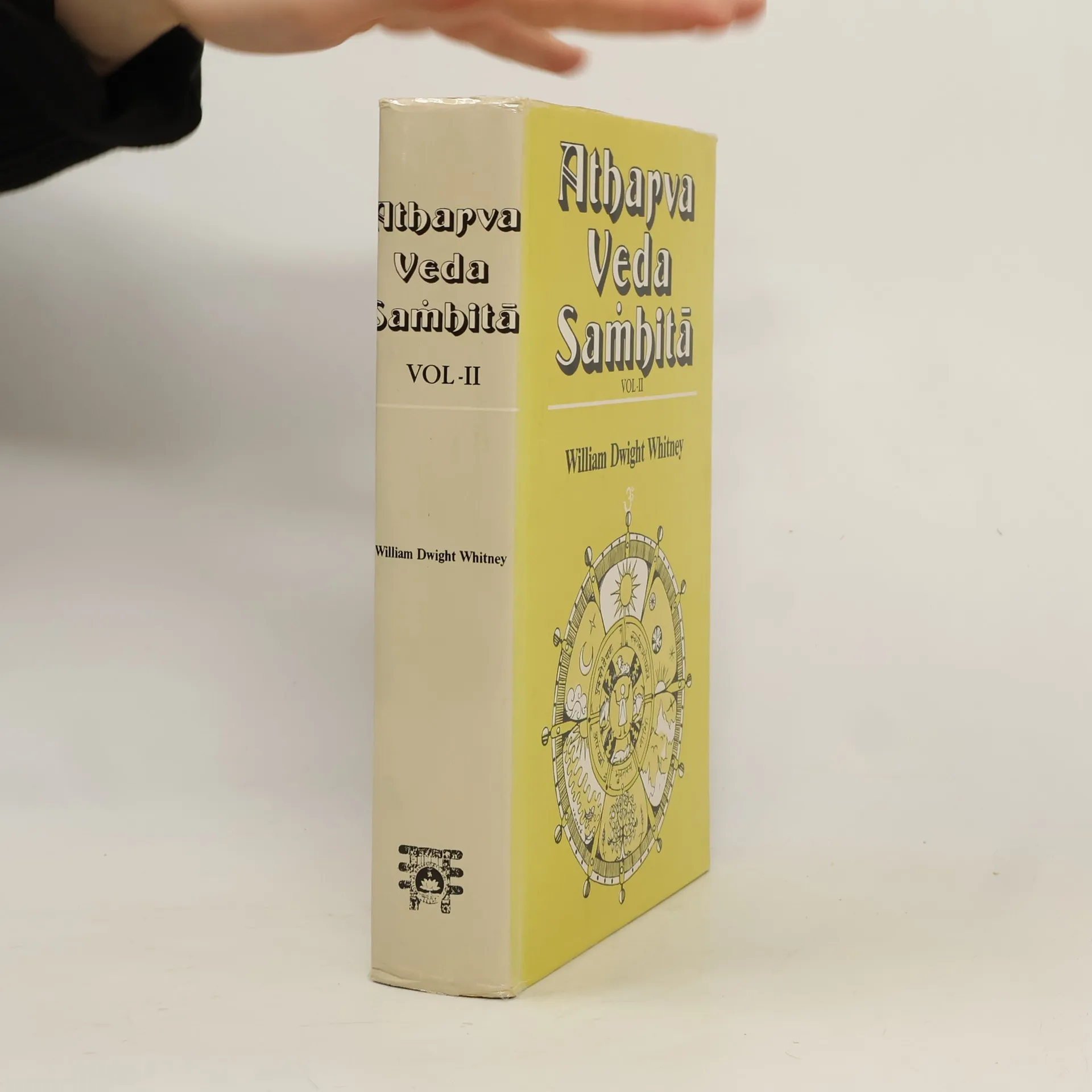
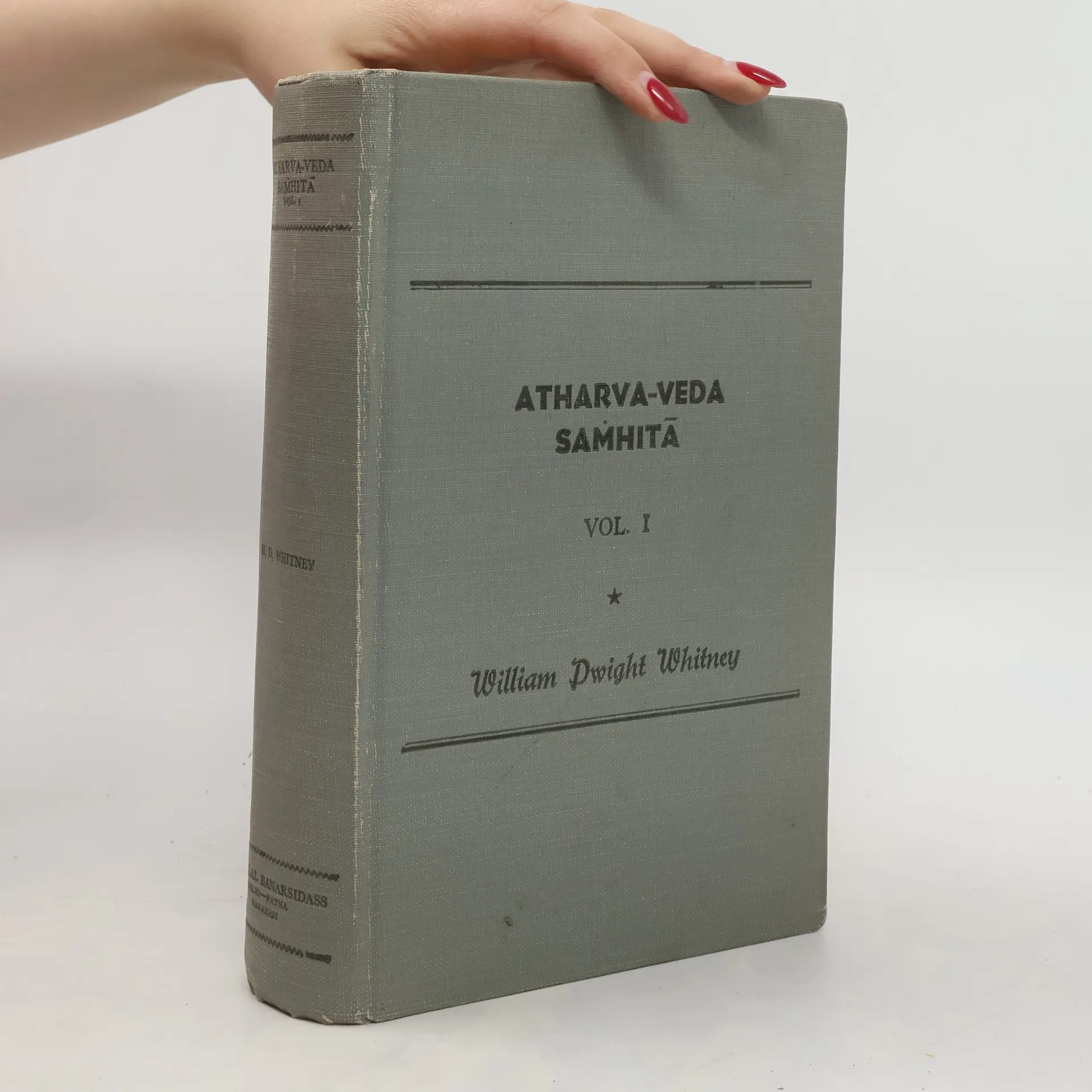

Roots, Verb Forms and Primary Derivatives of the Sanskrit Language
- 250pages
- 9 heures de lecture
Oriental and Linguistic Studies - The Veda; The Avesta; The Science of Language
- 436pages
- 16 heures de lecture
Focusing on ancient Indian and Persian texts, this scholarly work delves into the Veda and the Avesta while examining the intricacies of linguistics. It provides in-depth insights into the linguistic and cultural heritage of the East, making connections between language and cultural identity. Whitney's exploration enhances understanding of these foundational texts and their significance in the study of language.
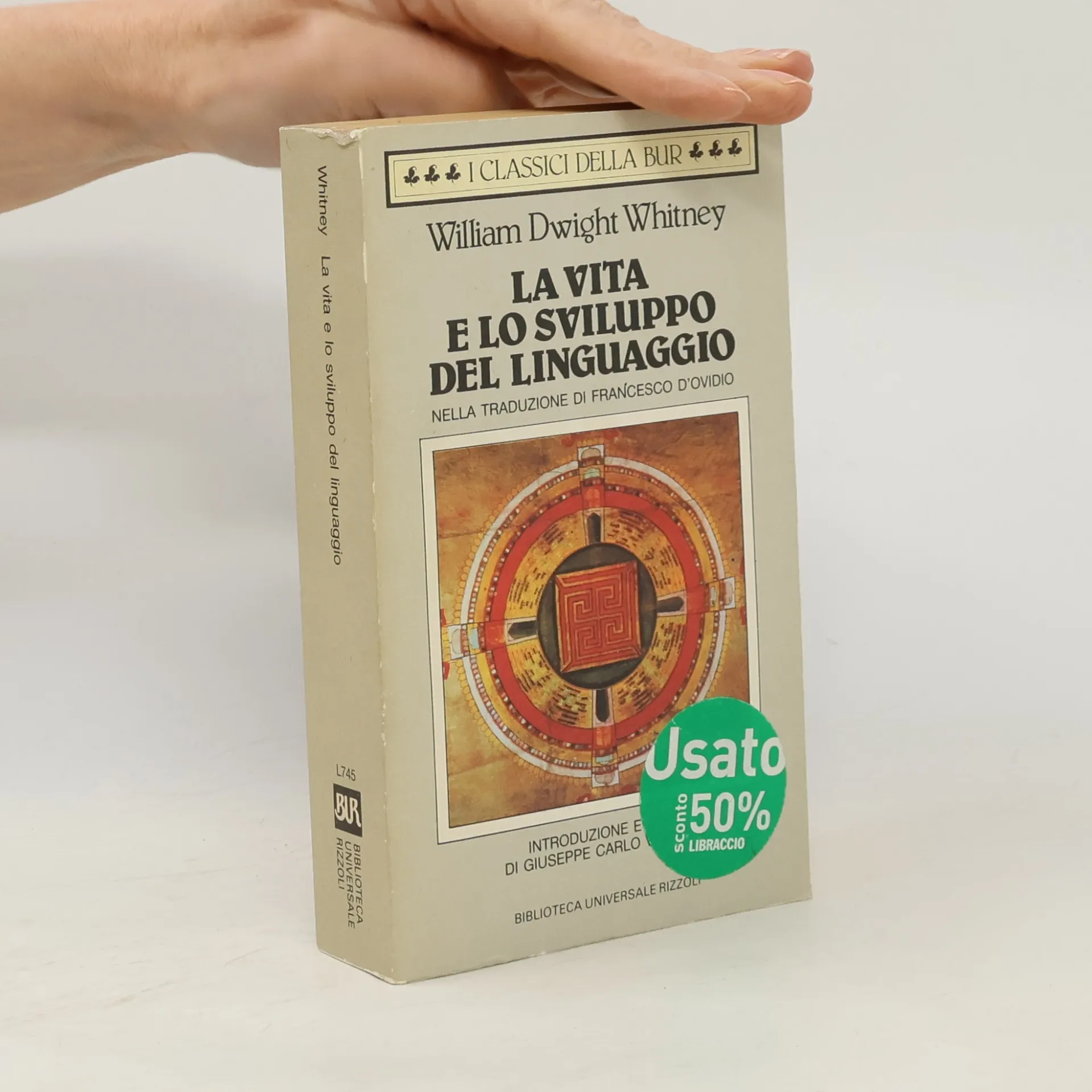
I Classici della BUR: La vita e lo sviluppo del linguaggio
Nella traduzione di Francesco D'Ovidio - Introduzione e di Giuseppe Carlo
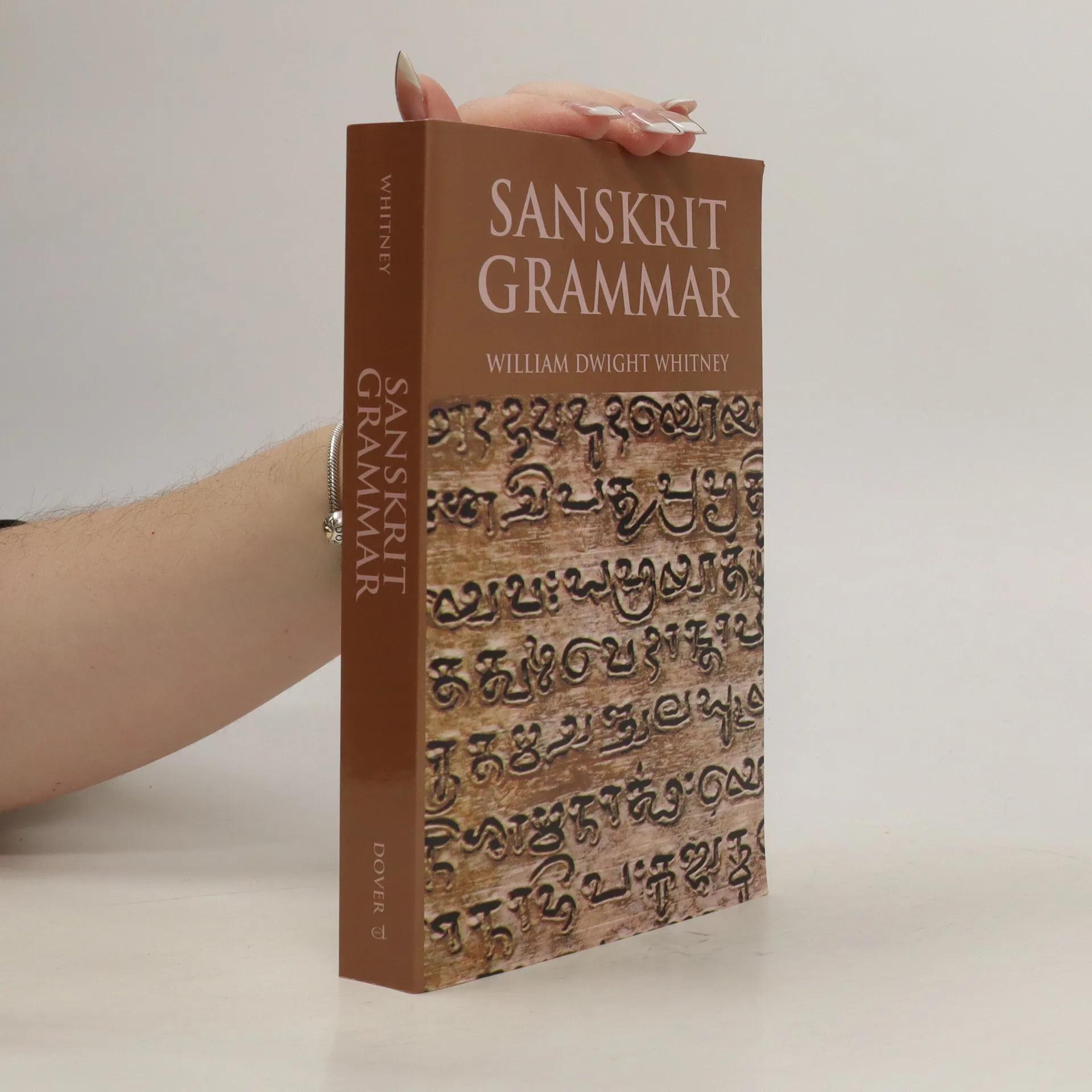
As Latin is key to the study of Western classics, Sanskrit is the gateway to understanding ancient Indian literature. One of the few Sanskrit grammars currently available, this meticulously researched and thoughtfully assembled guide to the language's basics will prove invaluable to students of Indian culture and history. Focusing on the fundamentals of Sanskrit as revealed in literary classics, the text follows the forms and constructions of the older language, as exhibited in the Veda and the Brahmana. It begins with an introduction of the Sanskrit alphabet, followed by a treatment of the accent - its changes in combination and inflection, and the tone of the individual words. Succeeding chapters discuss declension, conjugation, parts of speech, and formation of compound stems. A helpful appendix, Sanskrit index, and general index conclude the text.