Bookbot

Heinz A. Richter

    18 mars 1939 – 7 mars 2024
    Greek Military Lines of Defence 1941
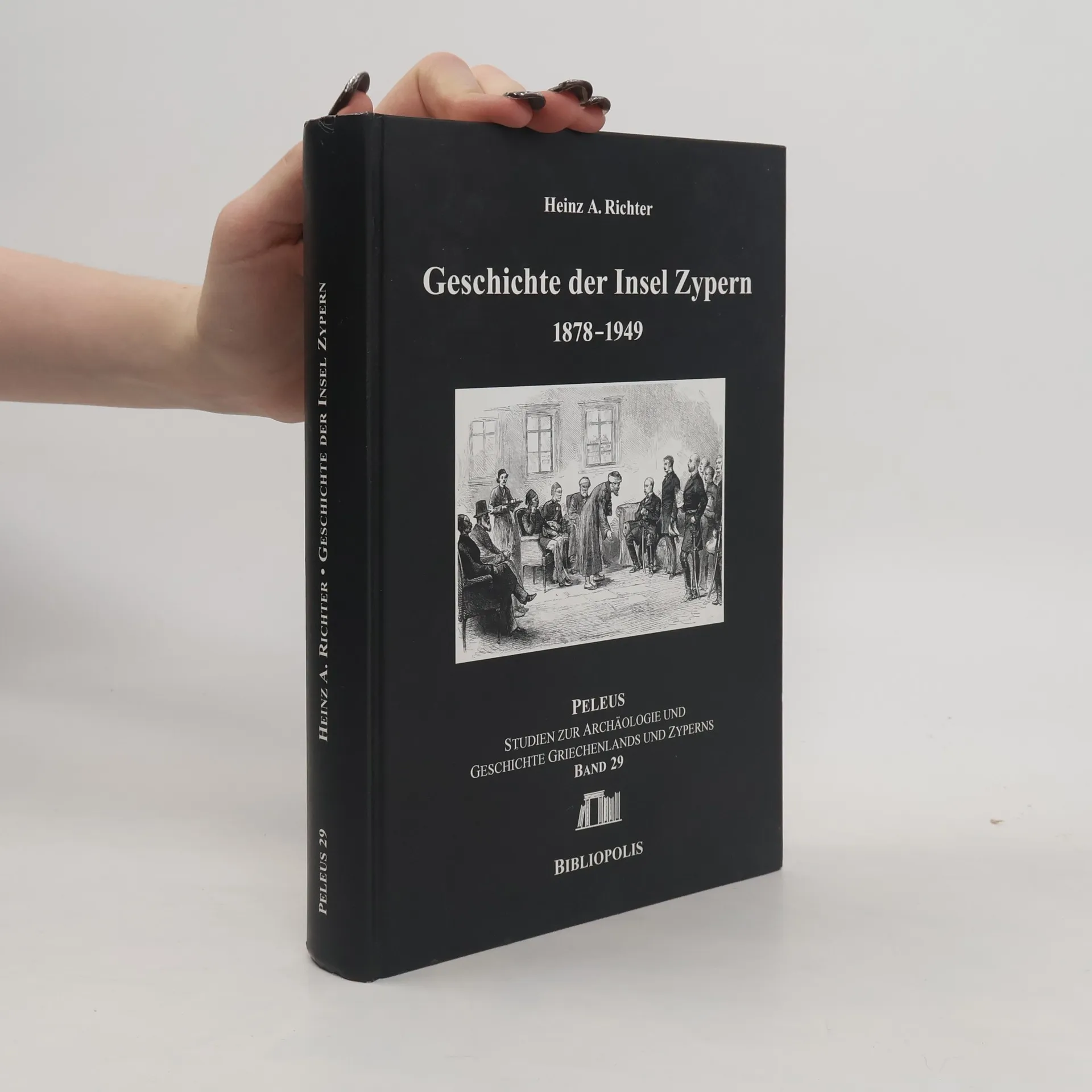
    Cyprus in the 19th & 20th Century
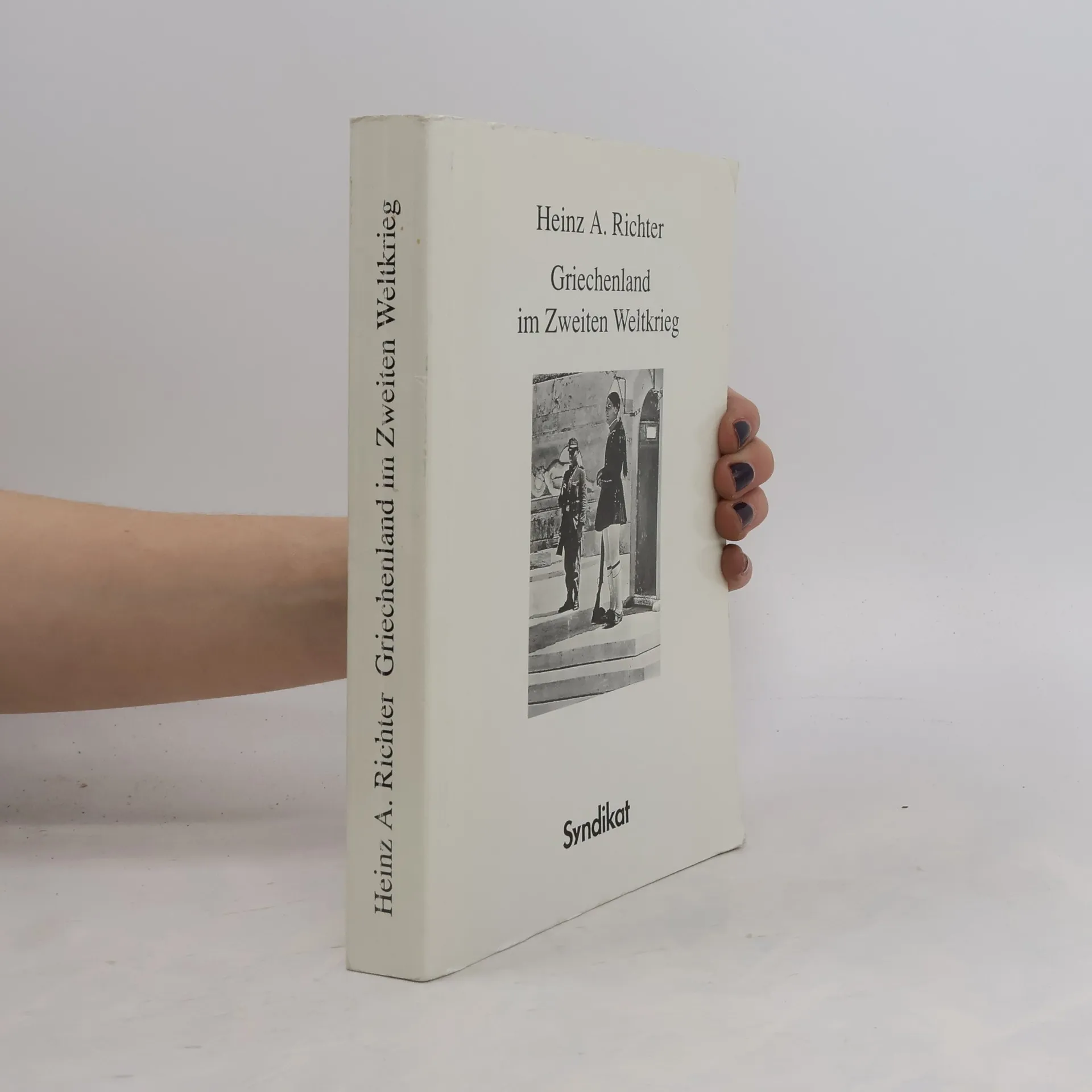
    Greece in World War II
    History of Greece in the 20th Century
    Macedonia 1915-1918. The War in the Southeast 2
    The Turkish Straits in International Politics 1900-1917
    • Heinz A. Richter's new study sheds light on the importance of the Bosporus and the Dardanelles before and during the First World War. From the development of Anglo-Russian relations to the start of the war and Turkey's entry into it, the role of the Straits in the struggle for Constantinople is examined. The detailed account of the political maneuvering of the powers involved around the Battle of Gallipoli is based on previously unevaluated Russian files and offers a new and comprehensive insight into the history of the Straits issue in the international politics of the early 20th century. -- Provided by publisher

      The Turkish Straits in International Politics 1900-1917
    • The war in Macedonia between 1915 and 1918 and its political consequences are forgotten events of the First World War. Heinz A. Richter's second volume on the war in the Southeast, based on literature from Germany, Austria, England, France and Greece, is the first comprehensive scientific study of military and political developments in Macedonia. After numerous unsuccessful Allied offensives from their fortified bridgehead near Thessaloniki, which failed due to the combined forces of Bulgarians and Germans, German troops were almost completely withdrawn in 1918 to be deployed on the Western Front. The war-weary Bulgarians could not stop the attack and the Bulgarian front in Macedonia collapsed. It was a local defeat, but it was re-styled by Hindenburg and Ludendorff in Germany as a kind of second dagger thrust legend to conceal the defeat they were responsible for in the West. The Greek king tried to keep his country out of the war, but this was interpreted as pro-German policy by Sarrail, the commander-in-chief of the troops in Thessaloniki. Sarrail did everything possible to overthrow Constantine I from the throne, supported by the former Prime Minister Eleftherios Venizelos, who believed that by entering the war on the side of the Allies he could make the dream of the Megali Idea come true. The result was what the Greeks call the Ethnicos Dichasmos, the national division. It shaped Greek politics for many years.

      Macedonia 1915-1918. The War in the Southeast 2
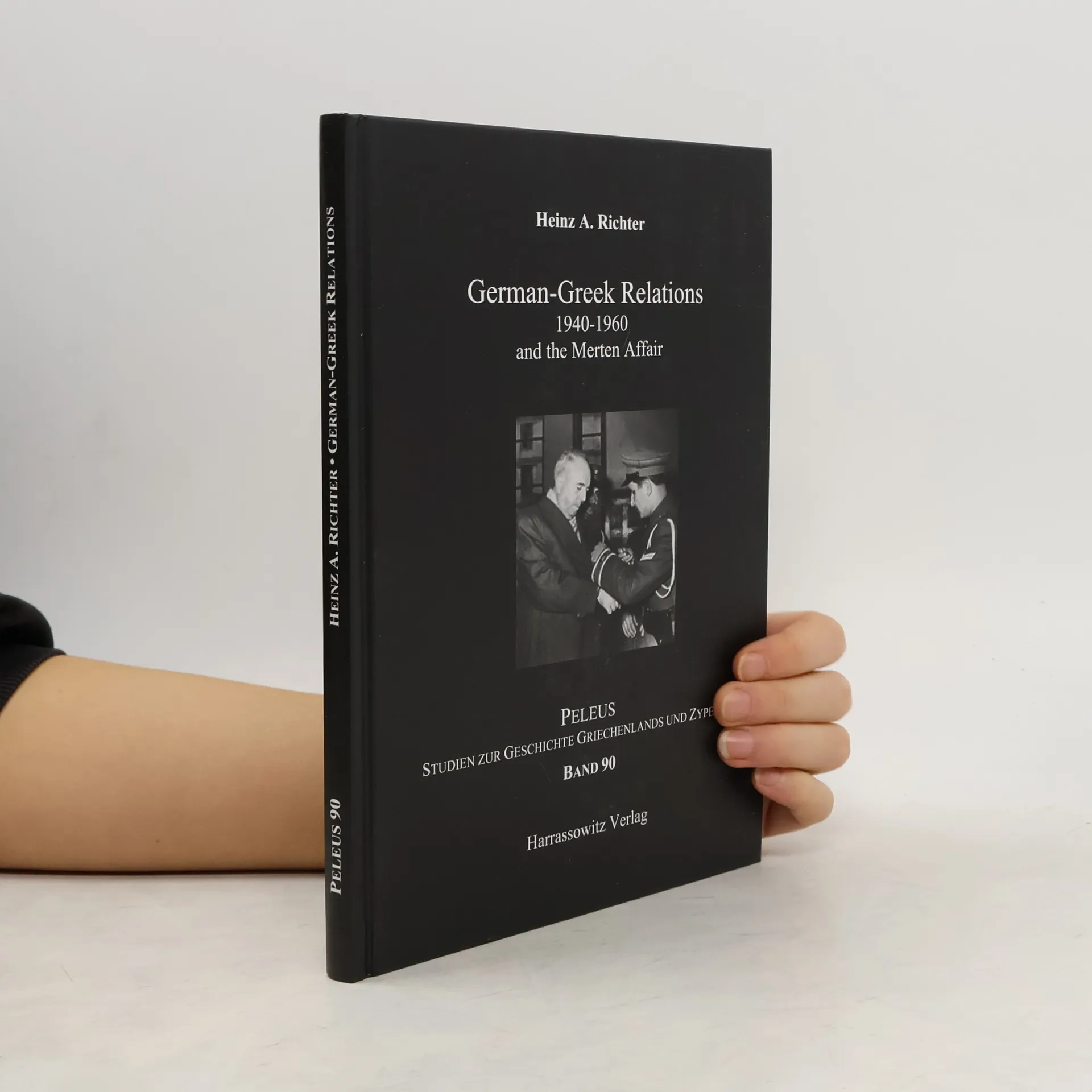
    • This study by Heinz A. Richter examines German-Greek relations from 1940 to 1960, centering on Max Merten, a military official during the German occupation of Greece. Merten's arrest in 1957 and subsequent release in 1959, despite a twenty-five-year prison sentence, has sparked much speculation. The analysis begins with the German occupation and the organizational structures of the army in Greece, focusing on Merten's role within the “Kriegsverwaltungsrat.” In 1943, he faced the deportation of Salonika's Jews ordered by the SS. The study details his actions, demonstrating that he aided many Jews, even as he was compelled to sign the deportation orders. Post-war, Greece grappled with a long-standing budget deficit, traditionally covered by protective powers, first Britain and later the US under the Truman Doctrine. However, the Eisenhower Doctrine halted these payments, prompting Greece to seek alternative income sources. Athens demanded reparations from Germany, despite the London Debt Agreement postponing such payments until after reunification. This reparations issue was intertwined with the prosecution of war criminals in Germany. When negotiations failed, Athens seized the opportunity to arrest Merten during his visit. He was sentenced to 25 years in prison, but after Germany paid a sum, he was released. The Merten affair became a topic of German domestic policy, involving Adenauer’s Secretary of State Hans Globke and gai

      Peleus - 90: German-Greek Relations 1940-1960 And The Merten Affair