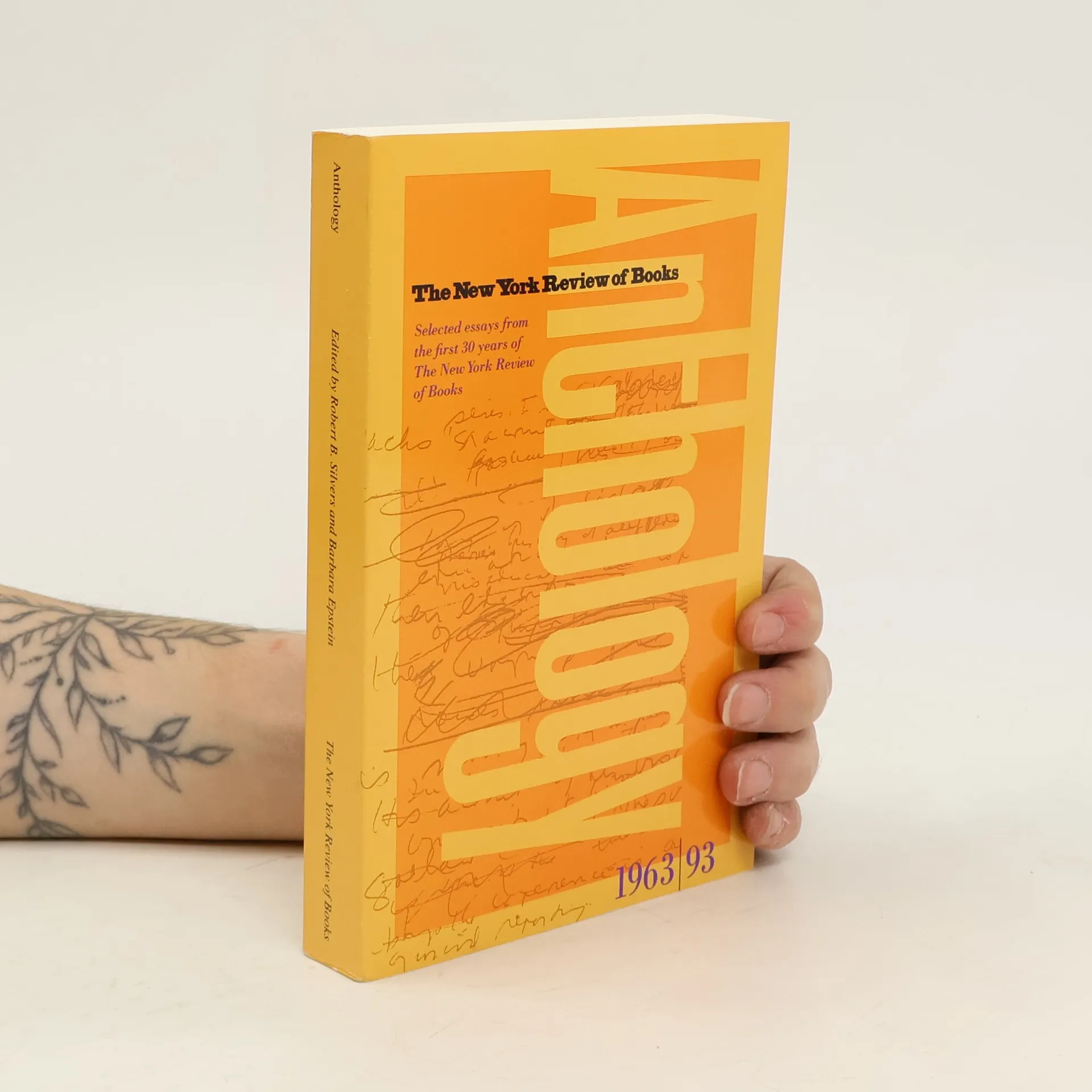
Robert Silvers fut un éditeur américain qui dirigea The New York Review of Books de 1963 à 2017. Durant son mandat, il façonna le style et le contenu de la publication, devenant une figure influente de la critique littéraire et du discours intellectuel. Sa vision éditoriale contribua à établir la revue comme un forum de premier plan pour la discussion de la littérature, de la politique et de la culture. L'héritage de Silvers réside dans son engagement envers une écriture rigoureuse et une analyse approfondie qui ont défini The New York Review of Books.
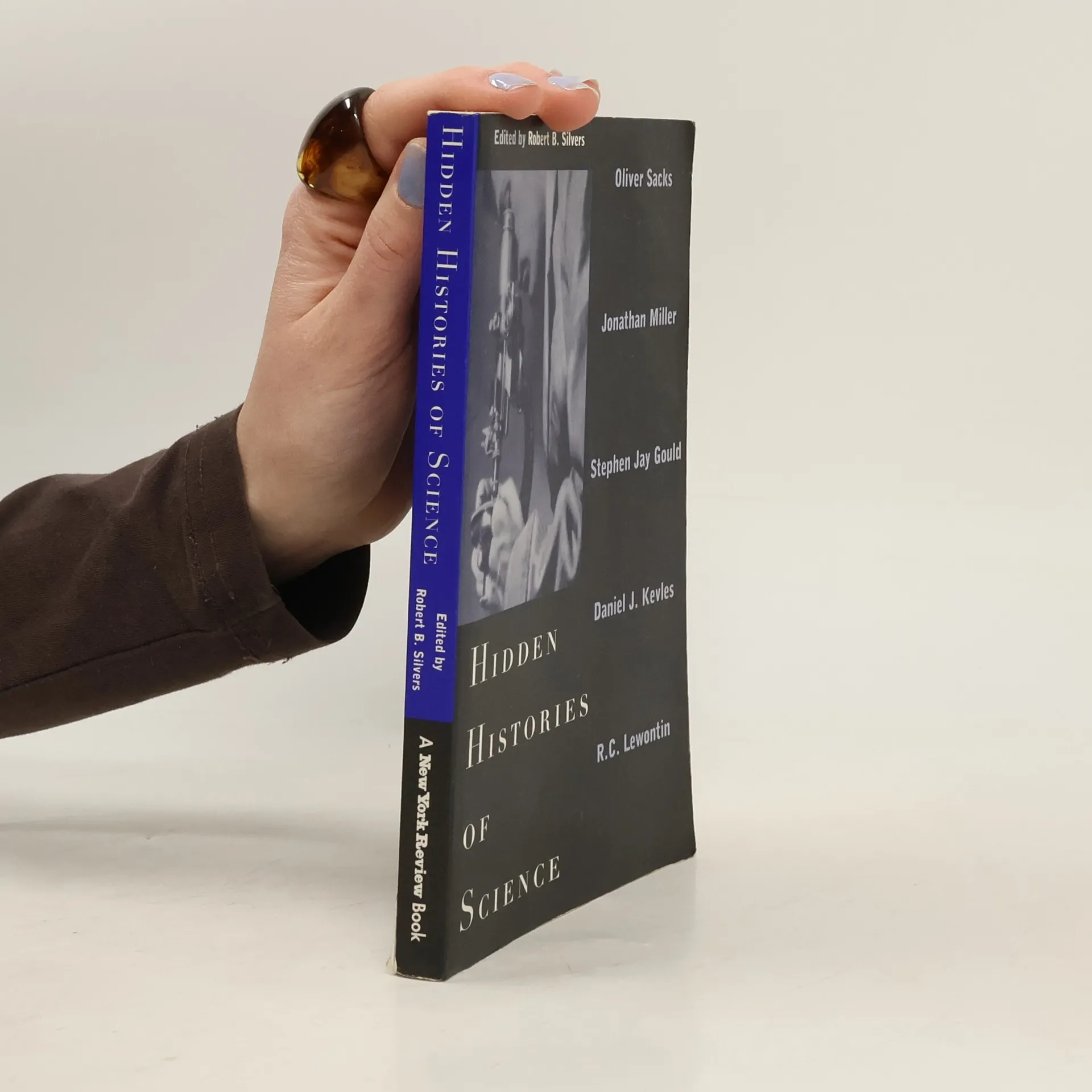
In these essays, Jonathan Miller, Oliver Sacks and Daniel Kevles show how and why some discoveries and insights in science emerge with great promise, only to be discarded or forgotten, then re-emerge years later as important. Richard Lewontin and Stephen Jay Gould suggest deep and largely unacknowledged distortions in the way scientists and popularizers alike conceive the sturcture of the world and its natural history. Illustrations.
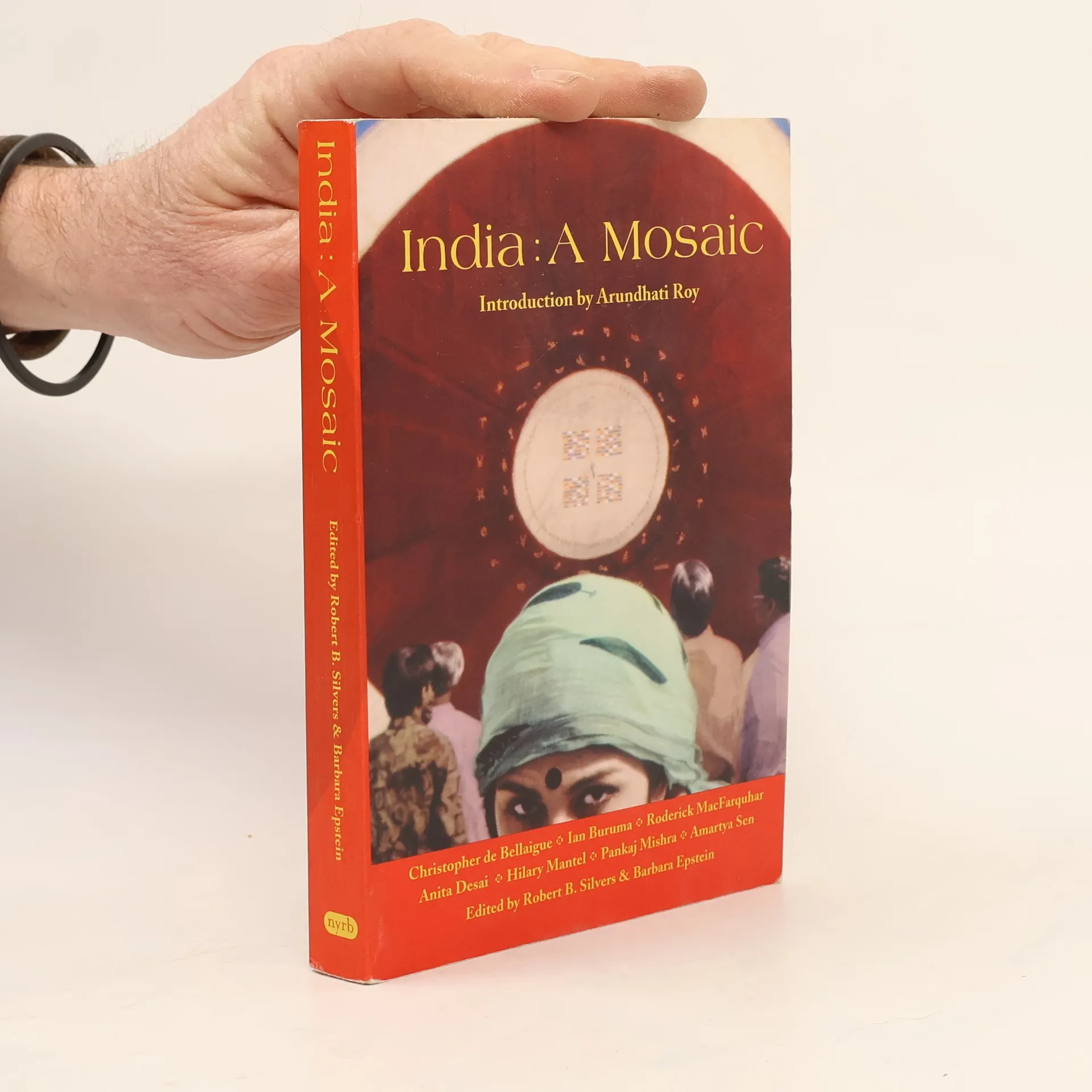
How can we understand India today, fifty years after Independence and only months after its nuclear tests outraged the world? The novelist Arundhati Roy has written, specially for this collection, a fierce denunciation of the Indian nuclear program, which serves as an introduction to nine essays on India, all originally published in The New York Review of Books . In this volume, seven distinguished writers offer penetrating insights into the complexities of the subcontinent. Roderick MacFarquhar reflects on the legacy of Empire and Partition, Ian Buruma considers secularism and Indian democracy, Pankaj Mishra remembers life in Benares, and Christopher de Bellaigue writes on a violent Bombay. But the volatile intersections of history, politics, and culture on which they focus haunt Indian literature too, as shown in essays by Nobel Prize-winner Amartya Sen on Rabindranath Tagore, Hilary Mantel on Rohinton Mistry, and Anita Desai on Indian women's writing.