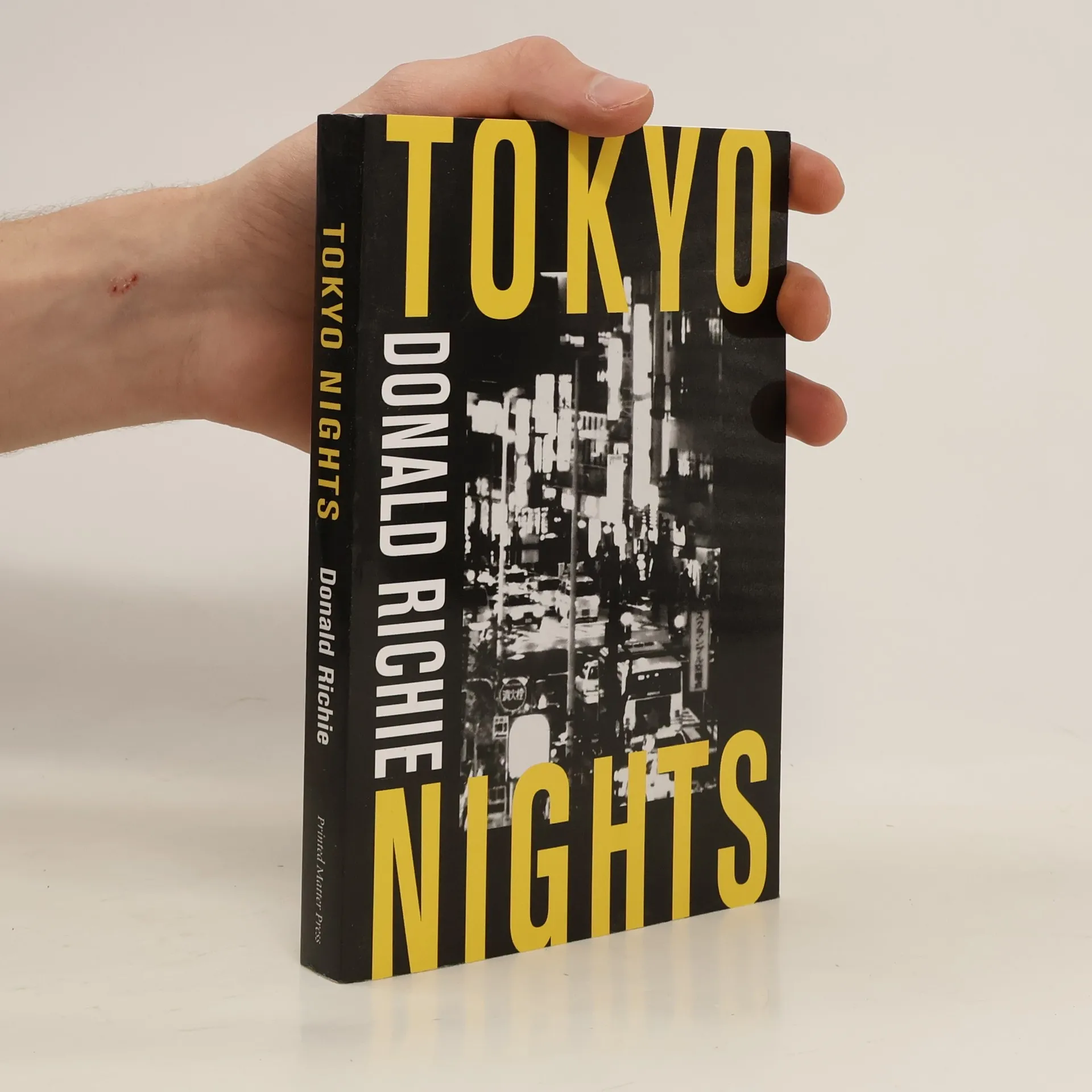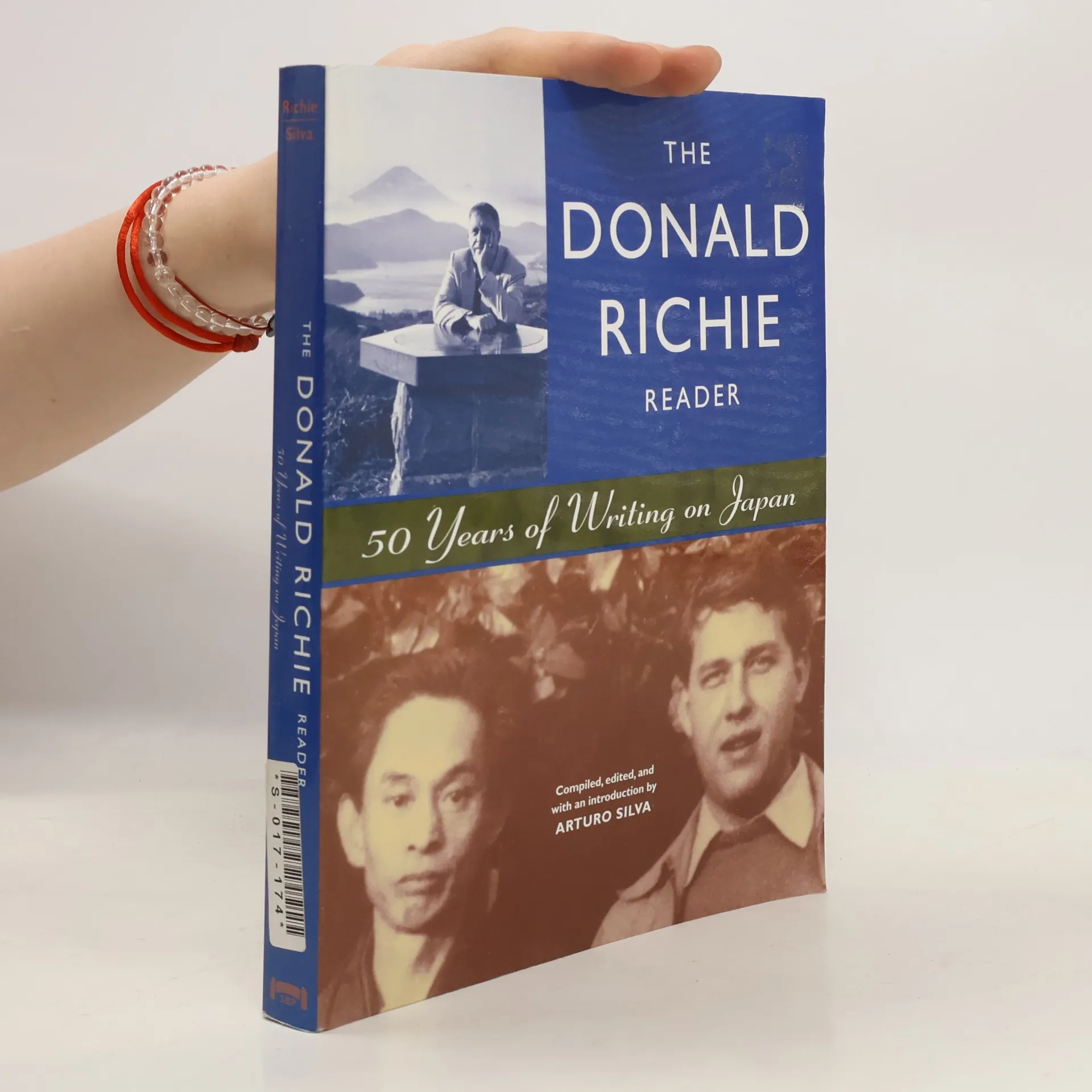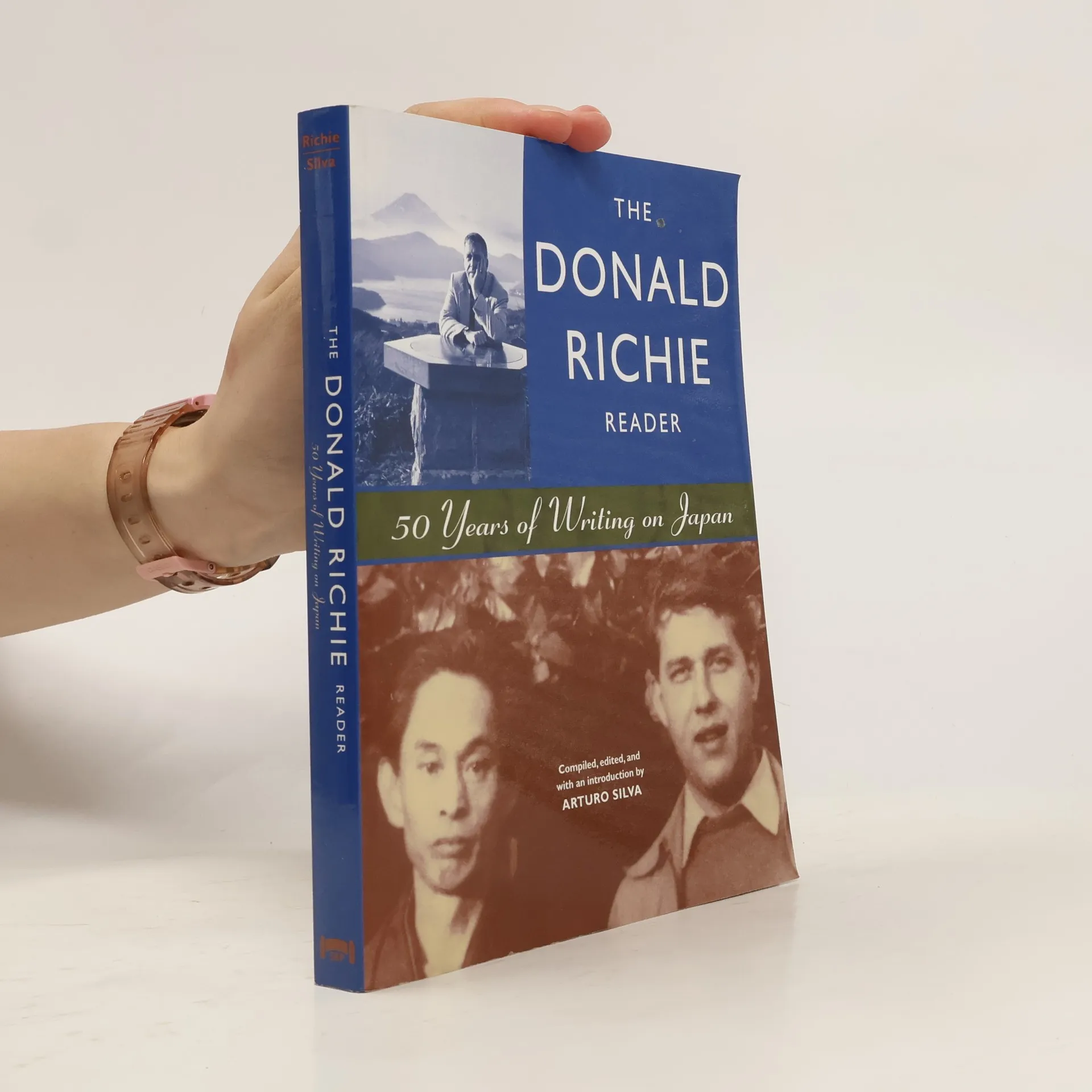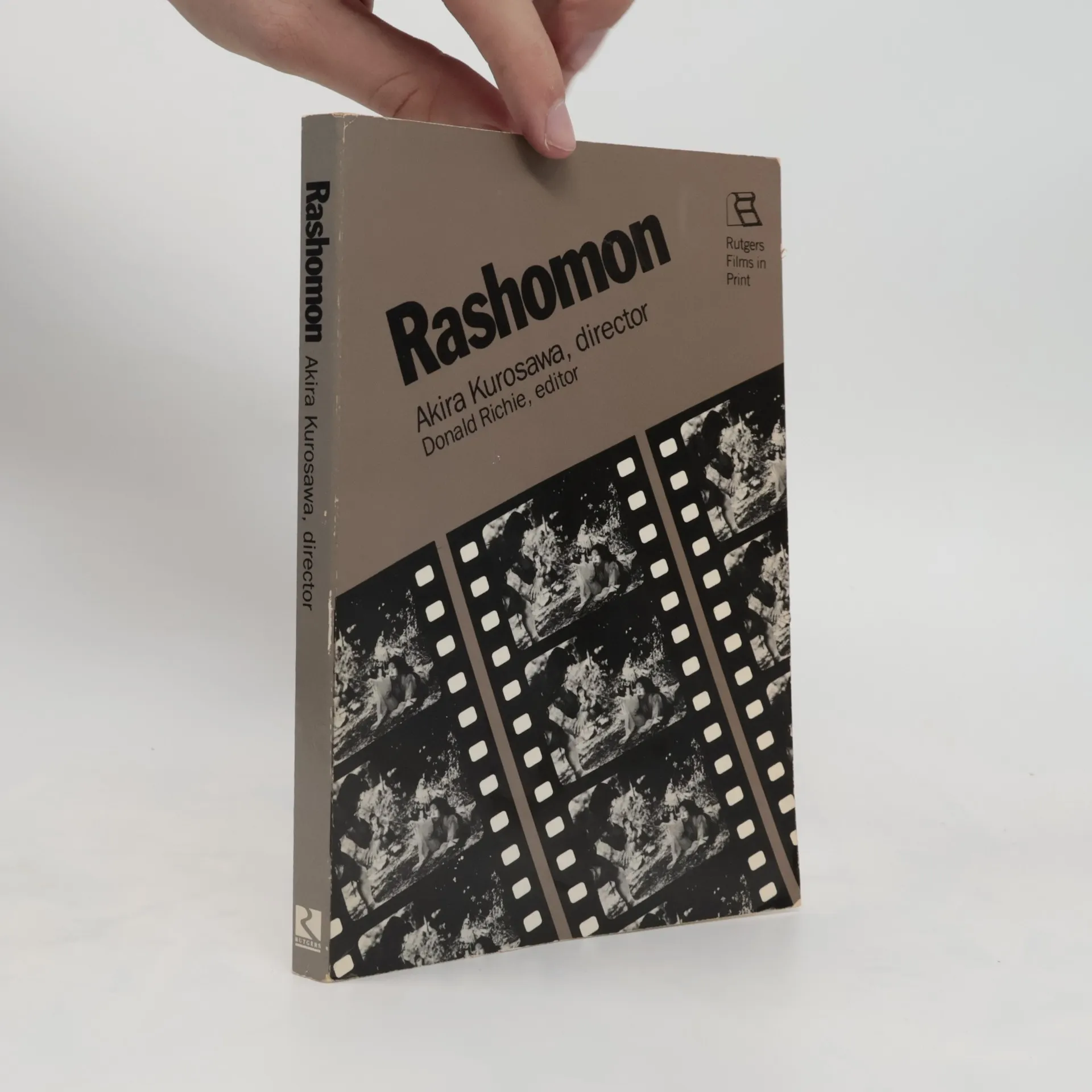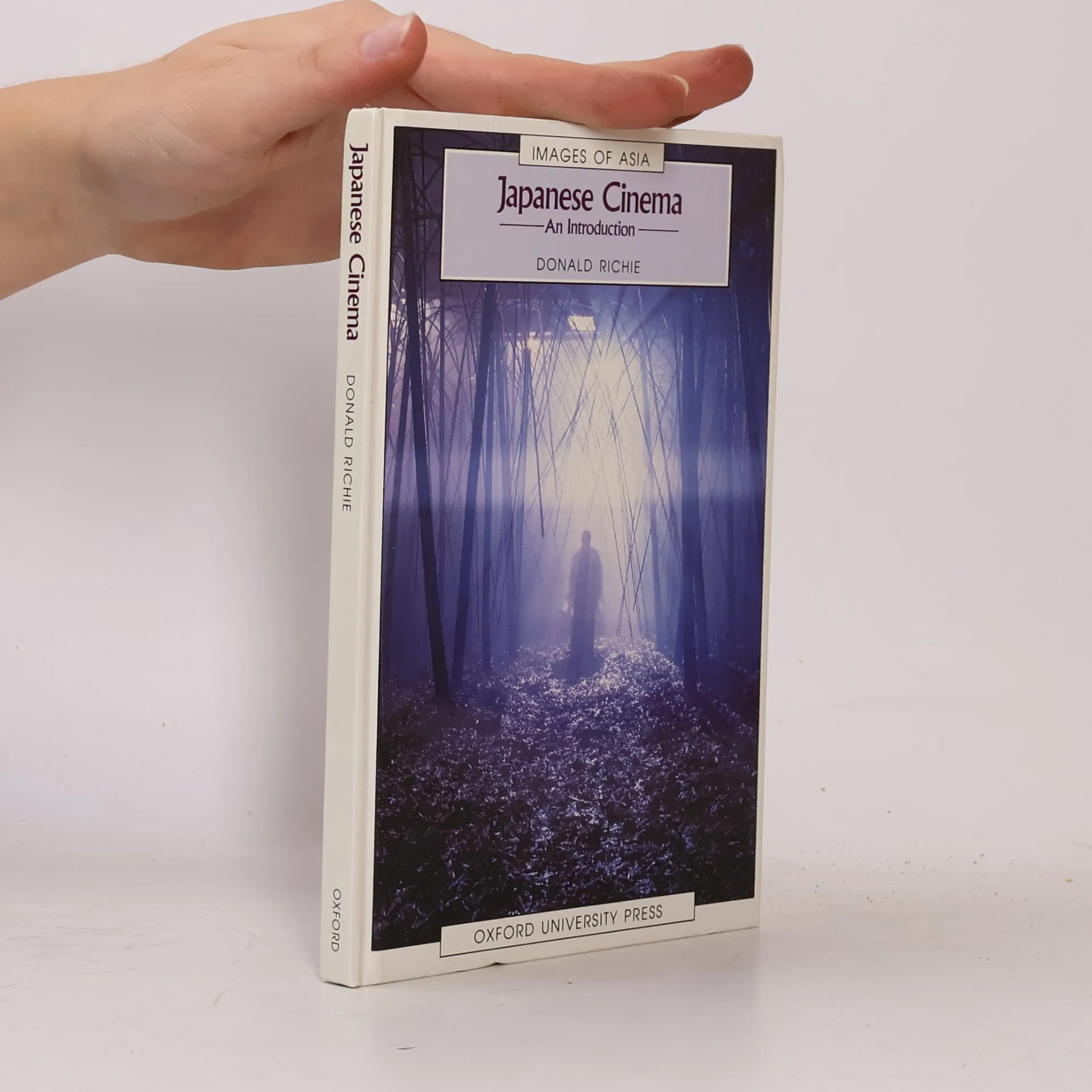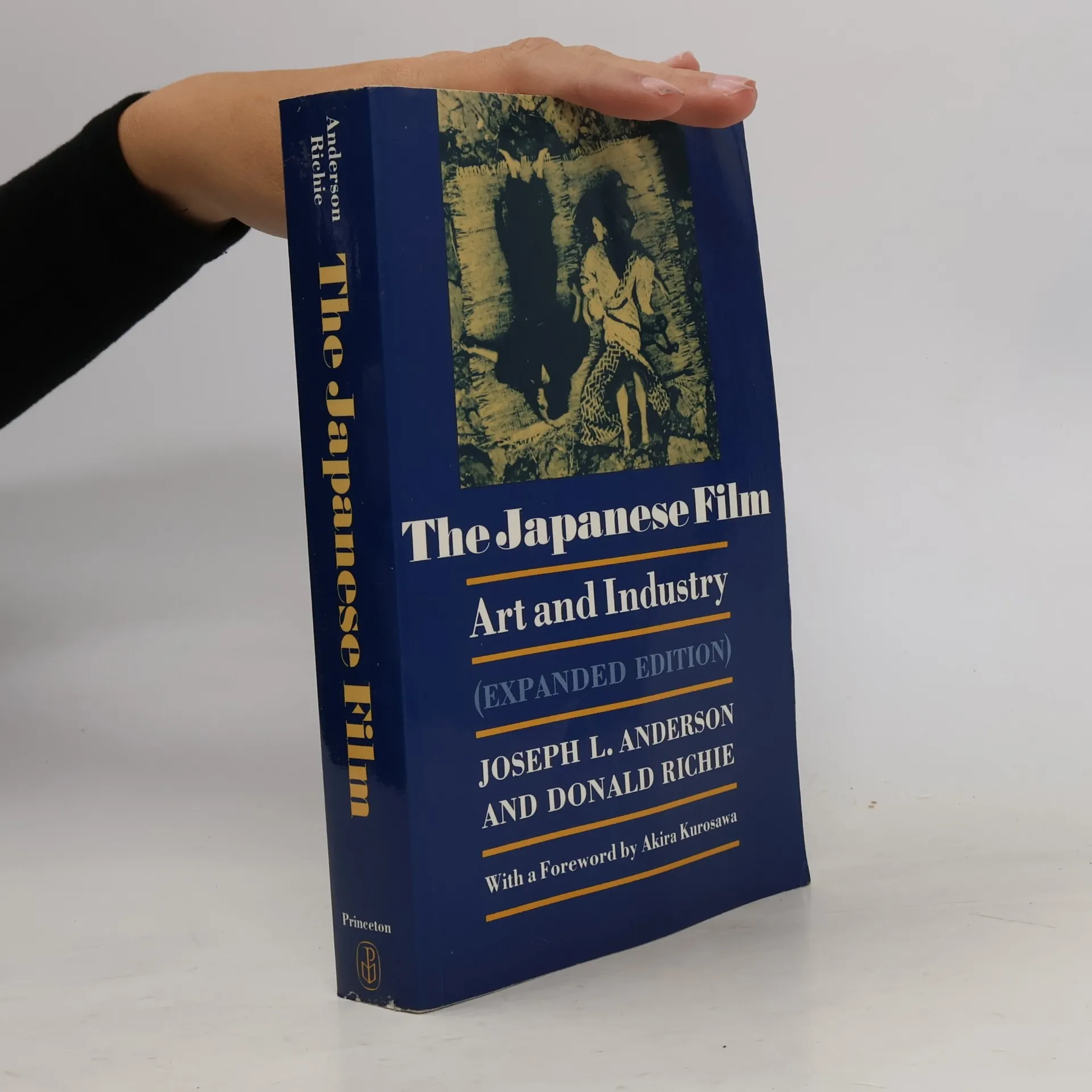
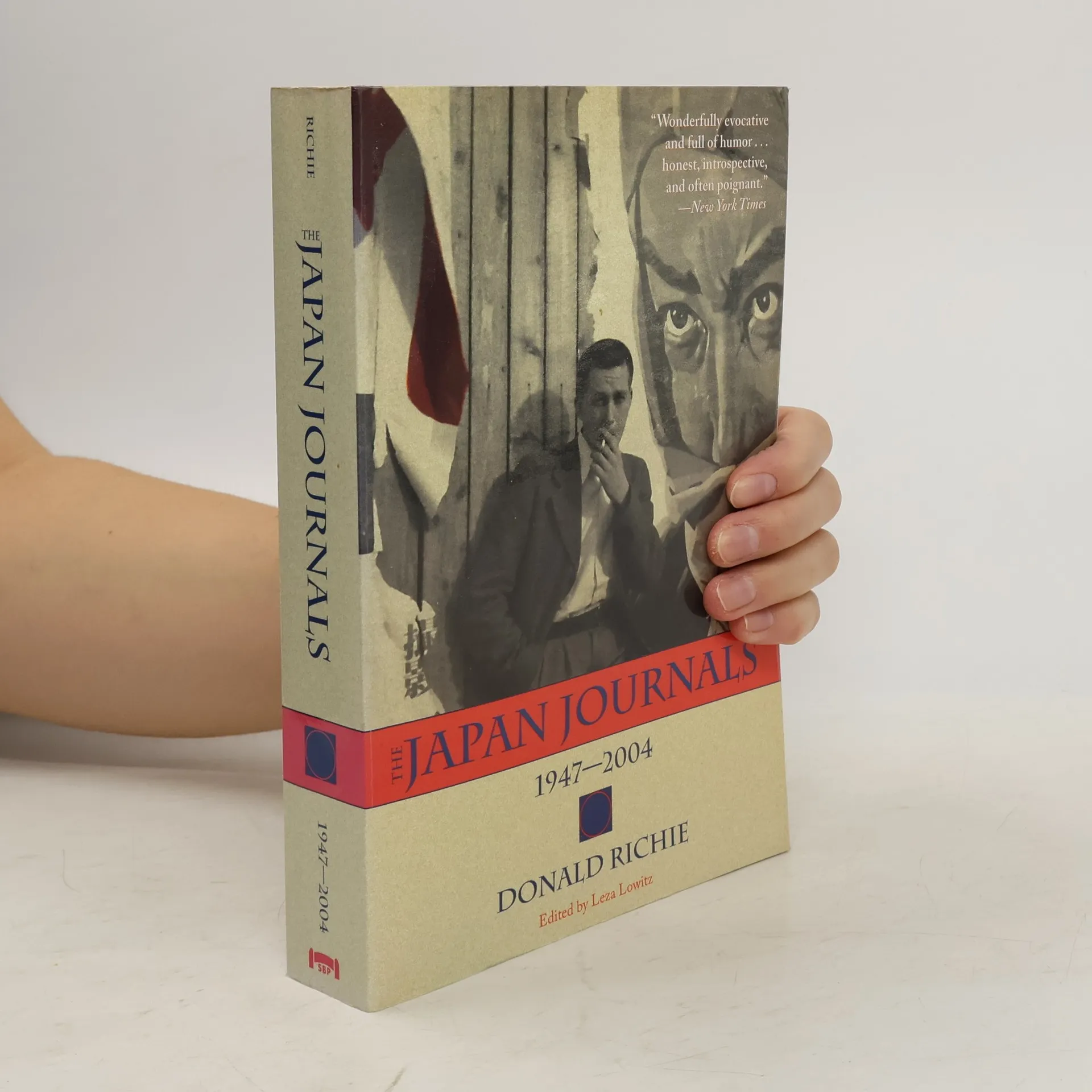
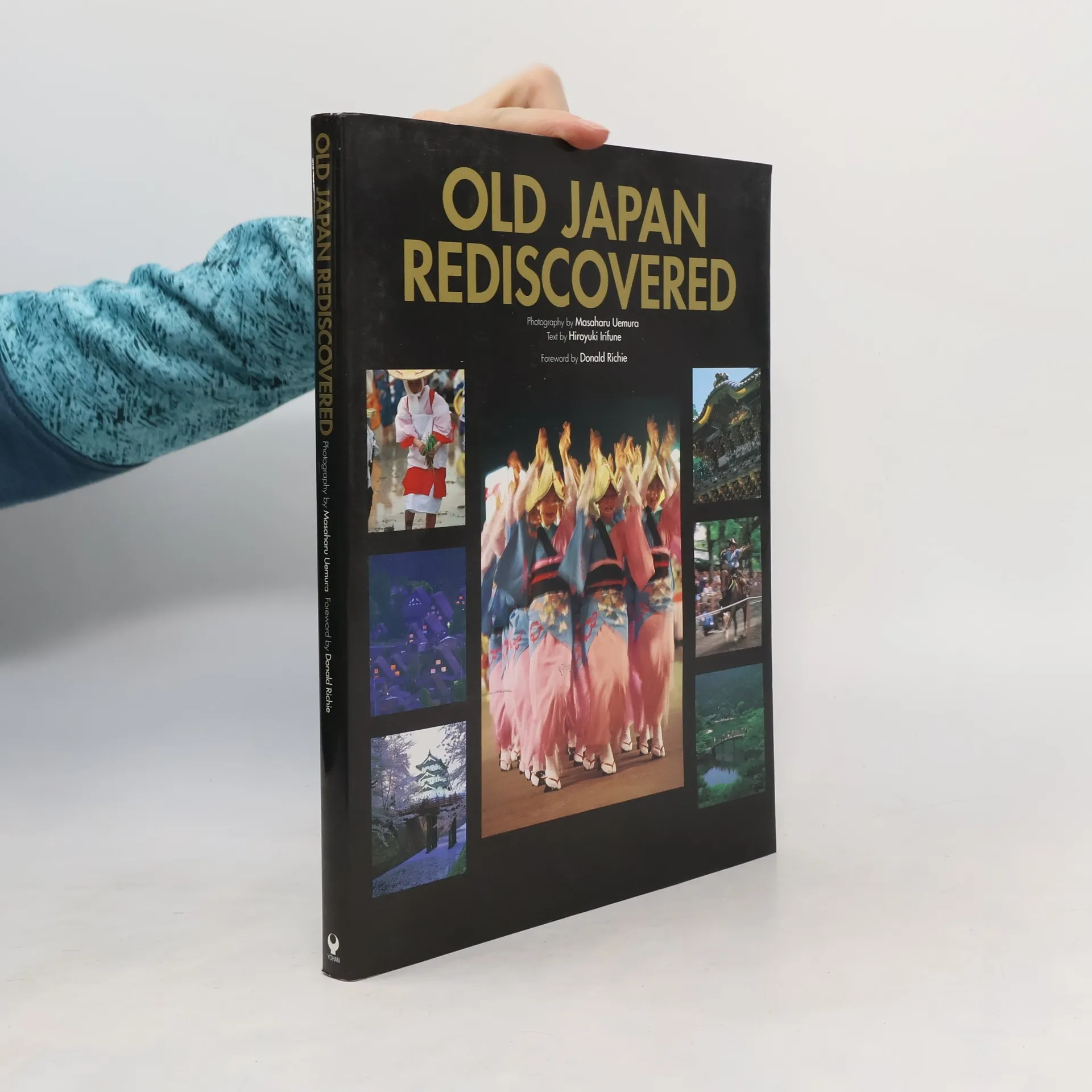
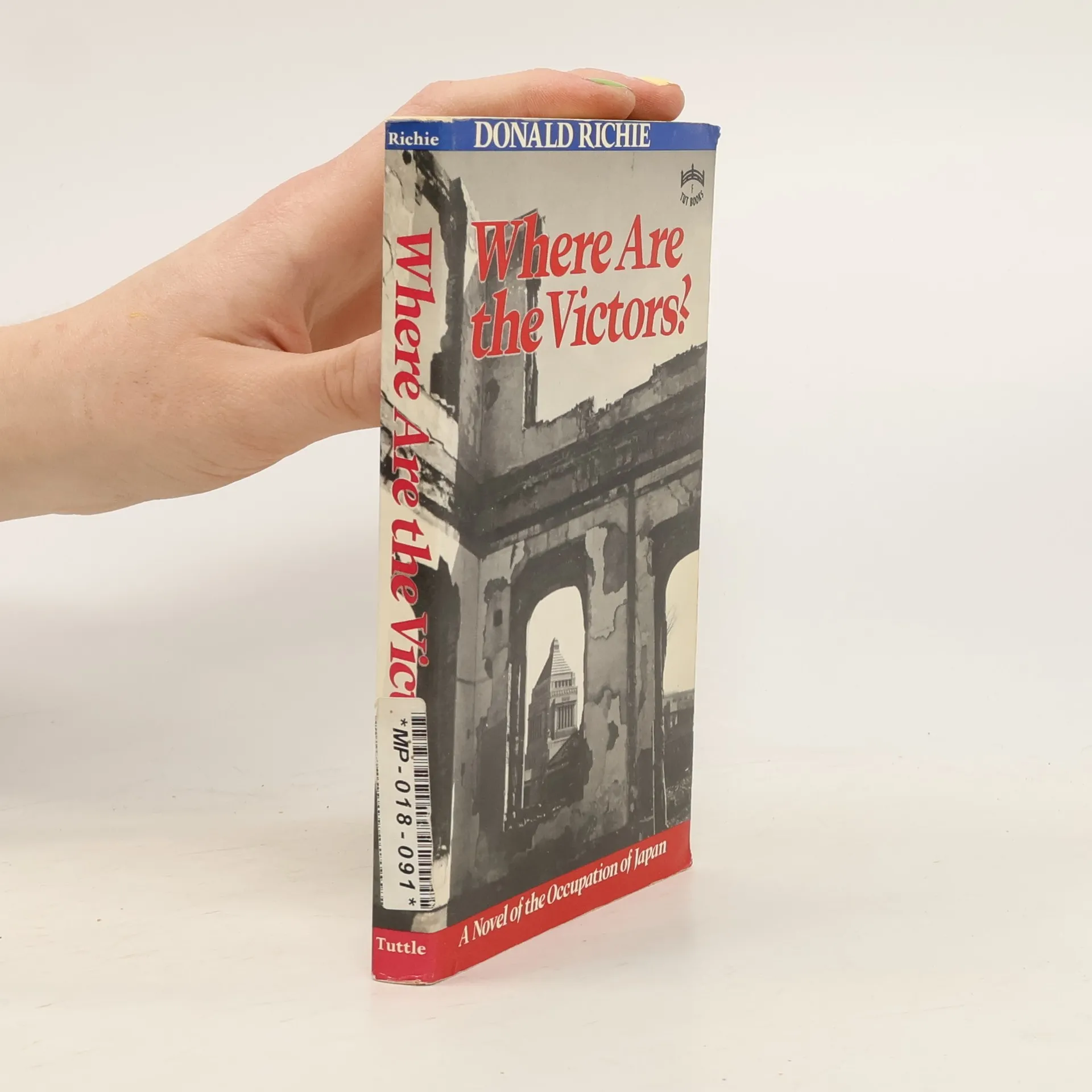
Donald Richie était un auteur américain réputé pour ses profondes perspectives sur la culture et le cinéma japonais. Bien qu'il se considérât principalement comme un écrivain, son œuvre se caractérise par une analyse méticuleuse qui éclaire la nature distinctivement "présentationnelle" du cinéma japonais, par opposition au cinéma "représentationnel" occidental. Les écrits de Richie offrent aux lecteurs une lentille captivante pour observer le Japon, agissant comme un "médium subtil, élégant et trompeusement lucide entre deux cultures", comme l'a décrit Tom Wolfe. Ses essais et ses critiques de cinéma sont appréciés pour leur profondeur et leur capacité à établir un pont entre des mondes culturels distincts.
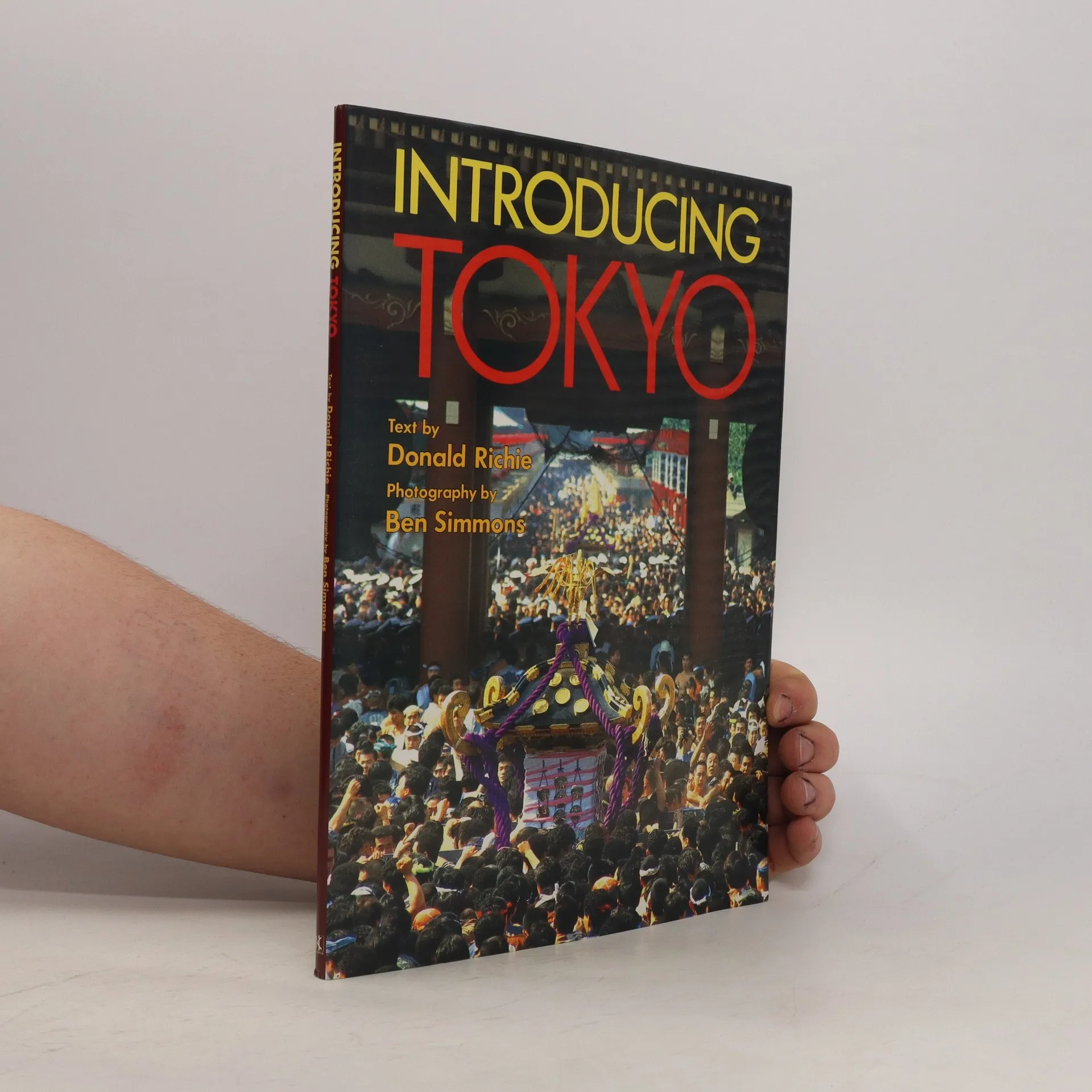
Featuring stunning photography, this travel guide delves into the vibrant culture, art, and architecture of Tokyo. It highlights the city's unique blend of tradition and modernity, showcasing its diverse neighborhoods and iconic landmarks. Perfect for both first-time visitors and seasoned travelers, the guide offers insights into the experiences that define Tokyo as a world-class destination.
Writings on Culture and Style in Contemporary Japan
264pages
10 heures de lecture
"An indispensable guide to Japanese cinema and culture." — Library Journal "Viewed any which way, Japan through the eyes of Donald Richie is an interesting and rewarding place to read about. This is...yet another reminder that he is a master of the short essay and a thought-provoking guide to his subject." — Jeff Kingston, The Japan Times This definitive new collection of essays by the writer Time calls "the dean of arts critics in Japan" ranges from Kyogen drama to the sex shows of Shinjuku, from film and Buddhism to Butoh and retro rock 'n' roll, from wasei eigo (Japanese/English) to mizushobai , the fine art of pleasing. Spanning some fifty years, these thirty-seven essays—most never anthologized before—offer cross-sections of Japan's enormous cultural power. They reflect the unique perspective of a man attempting to understand his adopted home. The writings of Donald Richie —film critic, reviewer, novelist, and essayist—have influenced generations of Japan observers around the world.
Donald Richie has been observing and writing about Japan from the moment he arrived on New Year’s Eve, 1946. Detailing his life, his lovers, and his ideas on matters high and low, The Japan Journals is a record of both a nation and an evolving expatriate sensibility. As Japan modernizes and as the author ages, the tone grows elegiac, and The Japan Journals—now in paperback after the critically acclaimed hardcover edition—becomes a bittersweet chronicle of a complicated life well lived and captivatingly told.Donald Richie, the eminent film historian, novelist, and essayist, still lives in Tokyo.
Fiction. This book is a fast and enjoyable read. Take three men and three women. Mix them well in the summer heat and cool autumn of Ginza. This book was first published in London in 1988, revised edition published in 1994. This second revised edition contains a new introduction by David Cozy. "A Bizarre manga, a post-modern comedy of manners full of withering insights into contemporary Japan"--The Japan Times. "It is Richie's unswerving commitment to make it only too plain what these sorts of people do say (and don't say) to each other that makes the novel so suffocatingly authentic"--Intersect.
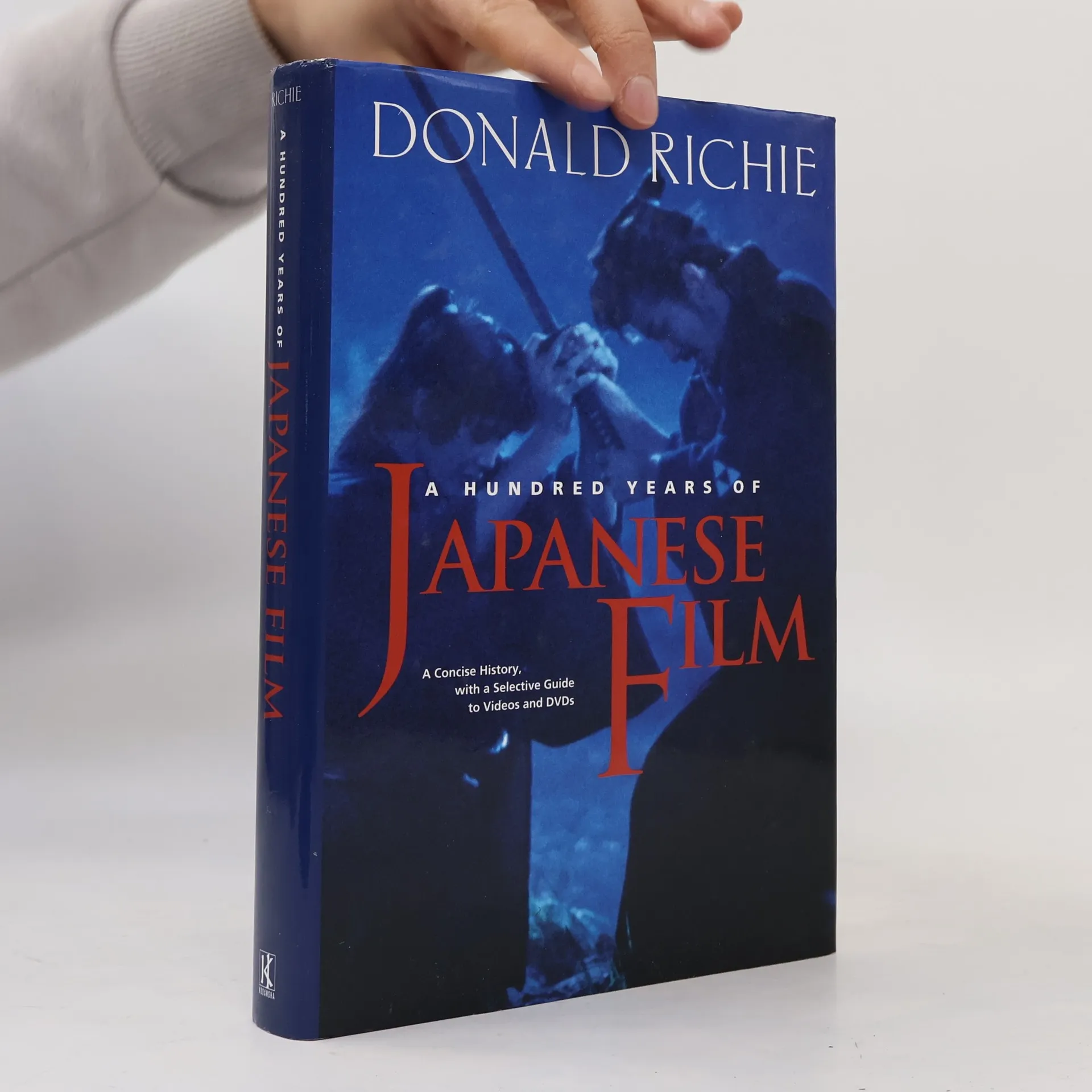
In A Hundred Years of Japanese Films , Richie offers an insider's look at the achievements of Japanese filmmakers. He begins in the late 1800s, when the industry took its inspiration from the traditional stories of Kabuki and Noh theater, and finishes in the present with the latest award-winning dramas showcased at Cannes. In between, Richie explores the roots of Japan's contribution to world cinema. He discusses the careers of Japan's rising stars and celebrated directors, and also offers a fascinating view of the strategies and politics of the movie studios themselves. A selective guide in the book's second part provides capsule reviews of the major Japanese films available in VHS and DVD formats, as well as those televised on standard and cable channels.
No one has written more, or more artfully, about Japan and Japanese culture than Donald Richie. Richie moved to Tokyo just after World War II. And he is still there, still writing. This book is the first compilation of the best of Richie's writings on Japan, with excerpts from his critical work on film (Richie helped introduce Japanese film to the West in the late 1950s) and his unpublished private journal, plus fiction, Zen musings, and masterful essays on culture, travel, people, and style. With a critical introduction and full bibliography. Donald Richie's many books include The Films of Akira Kurosawa, The Japanese Tattoo, and the PBS favorite The Inland Sea . Vienna resident Arturo Silva lived in Japan for 18 years. “To read [ The Donald Richie Reader and The Japan Journals ] is like diving for pearls. Dip into any part of them and you will surely find treasures about the cinema, literature, traveling, writing. The passages are evocative, erotic, playful, and often profound.” – Japanese Language and Literature
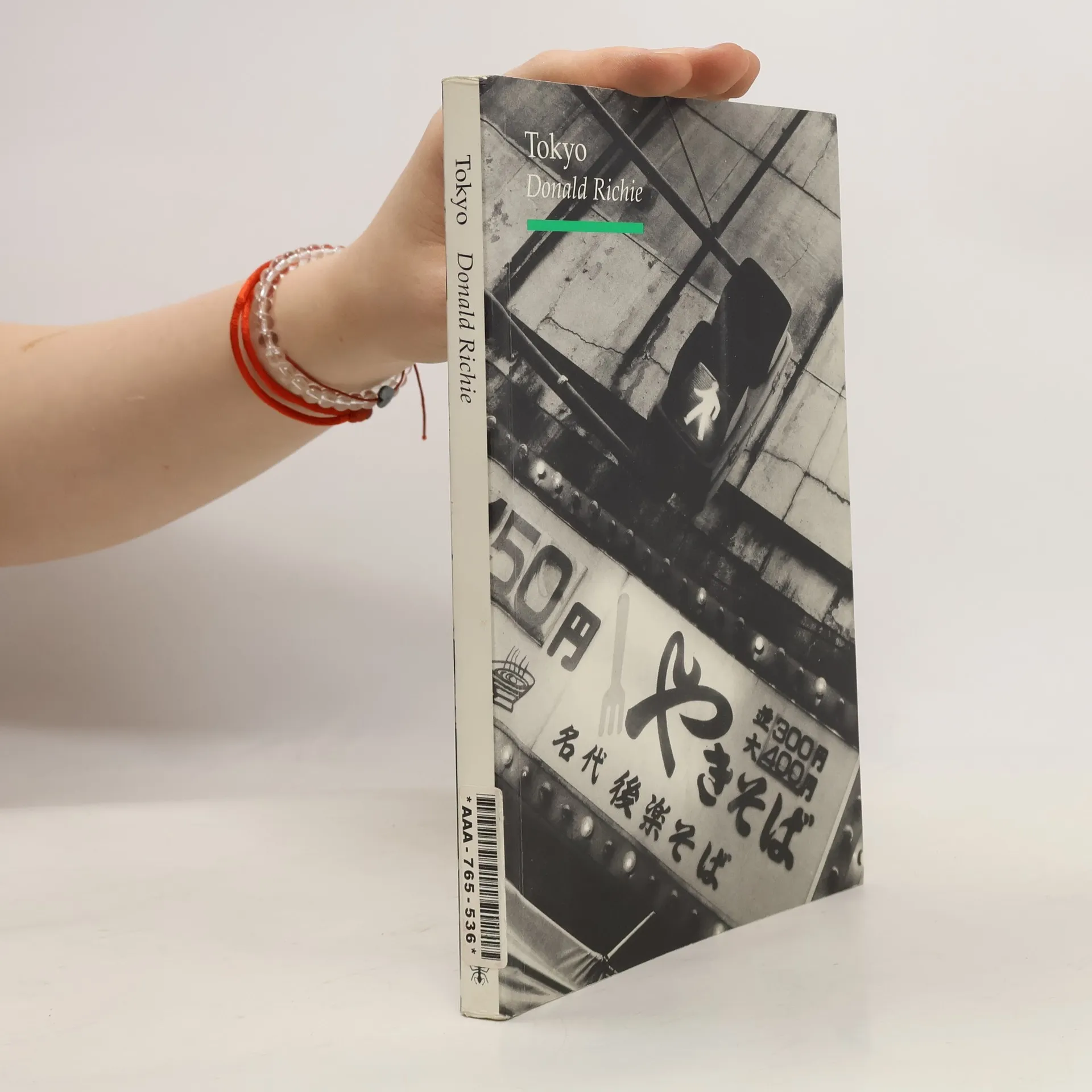
Donald Richie takes the reader on a revealing tour of the different districts of Japan's capital city. Starting from the original centre of Tokyo – the Imperial Palace – Richie branches outwards, taking in other areas such as Yoshiwara, the original red-light district, and Ginza, the world-famous shipping street. The author has kept a diary for the entire time he has lived in Tokyo, and excerpts from it provide on-the-spot insights into the significance of fashions and fads in Japanese culture (for example the recent Tamagochi craze), as well as the various aspects of life in a small neighborhood. Richie gives a real sense of how Japanese society has changed since the Second World War, yet remained rooted in its past.With the eclectic eye and ear of a film-maker, Richie describes the flavor and idiosyncrasies of this chaotic, teeming city. Tokyo is illustrated with 30 intriguing photographs by Seattle-based photographer, Joel Sackett.
"Earns its place on the very short shelf of books on Japan that are of permanent value."— Times Literary Supplement. "Richie is a stupendous travel writer; the book shines with bright witticisms, deft characterizations of fisherfolk, merchants, monks and wistful adolescents, and keen comparisons of Japanes and Western culture." — San Francisco Chronicle "A learned, beautifully paced elegy."— London Review of Books Sheltered between Japan’s major islands lies the Inland Sea, a place modernity passed by. In this classic travel memoir, Donald Richie embarks on a quest to find Japan’s timeless heart among its mysterious waters and forgotten islands. This edition features an introduction by Pico Iyer, photographs from the award-winning PBS documentary, and a new afterword. First published in 1971, The Inland Sea is a lucid, tender voyage of discovery and self-revelation. Donald Richie is the foremost authority on Japanese culture and cinema with 40+ books in print.
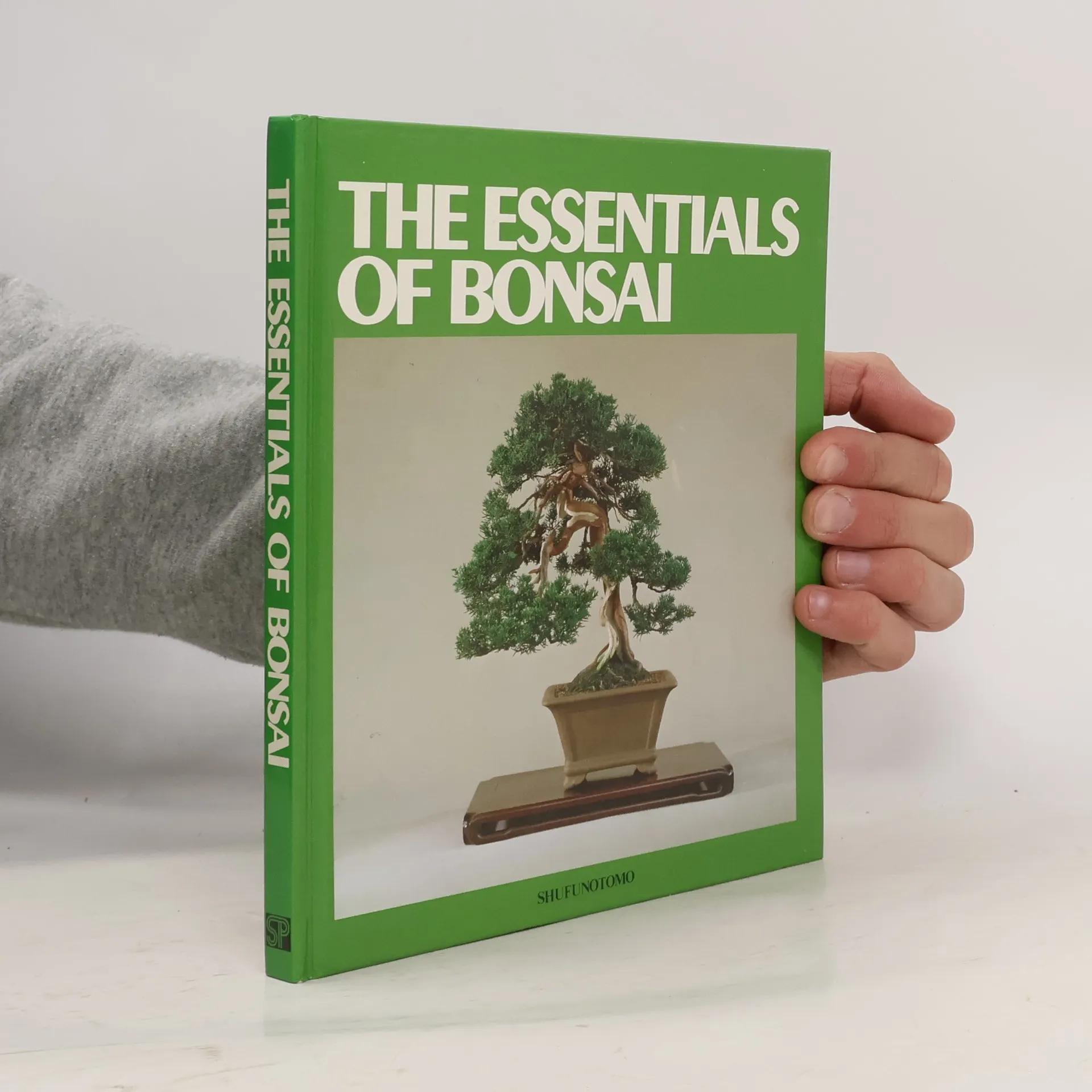
So far Shufunotomo has published about 50 titles on bonsai in the Japanese language, and this book is based on materials obtained from these publications. Bonsai is an art closely related to nature and, as such, abounds with variety. Not only are there numerous different plant species to be cultivated as bonsai, but each individual tree has its own characteristics. While the particular methods of growing and caring for the trees differ according to the natural circumstances, there are some fundamental principles which remain constant. This book offers the essentials of bonsai to those who would like to get started and those who already have some experience in this fascinating field. We are very grateful to Mr. Yoshio Takayanagi, who helped us compile this book. He is a free-lance writer on bonsai and has edited several books on the subject. We also appreciate the assistance of both Mrs. Kiyo Inoue, who translated the original Japanese text into English and Mrs. Dale Hilton, who made additional suggestions about the manuscript.
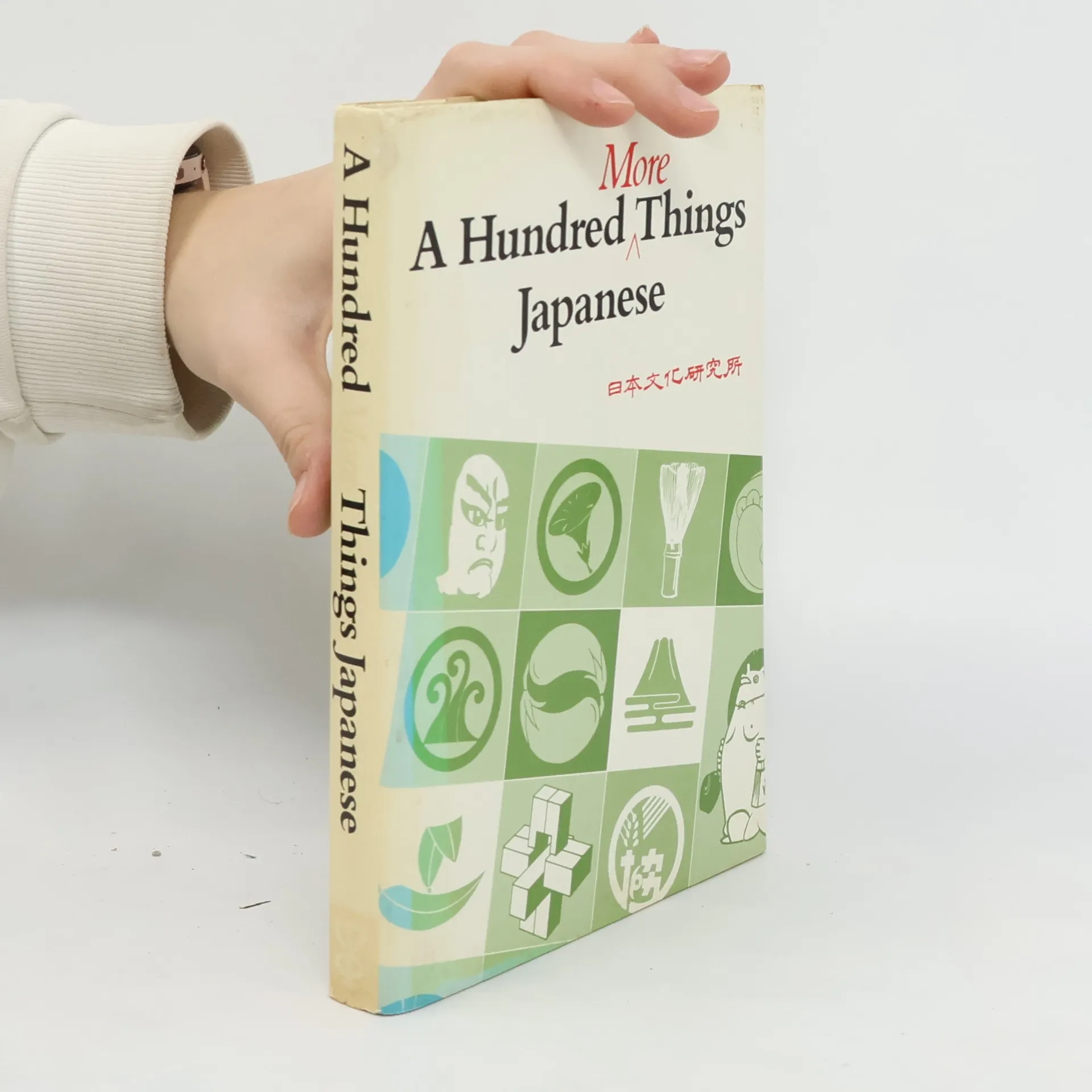
Following on the success of the first publiction, A hundred things Japanese, this work provides 100 more additional definitions that define Japanese culture
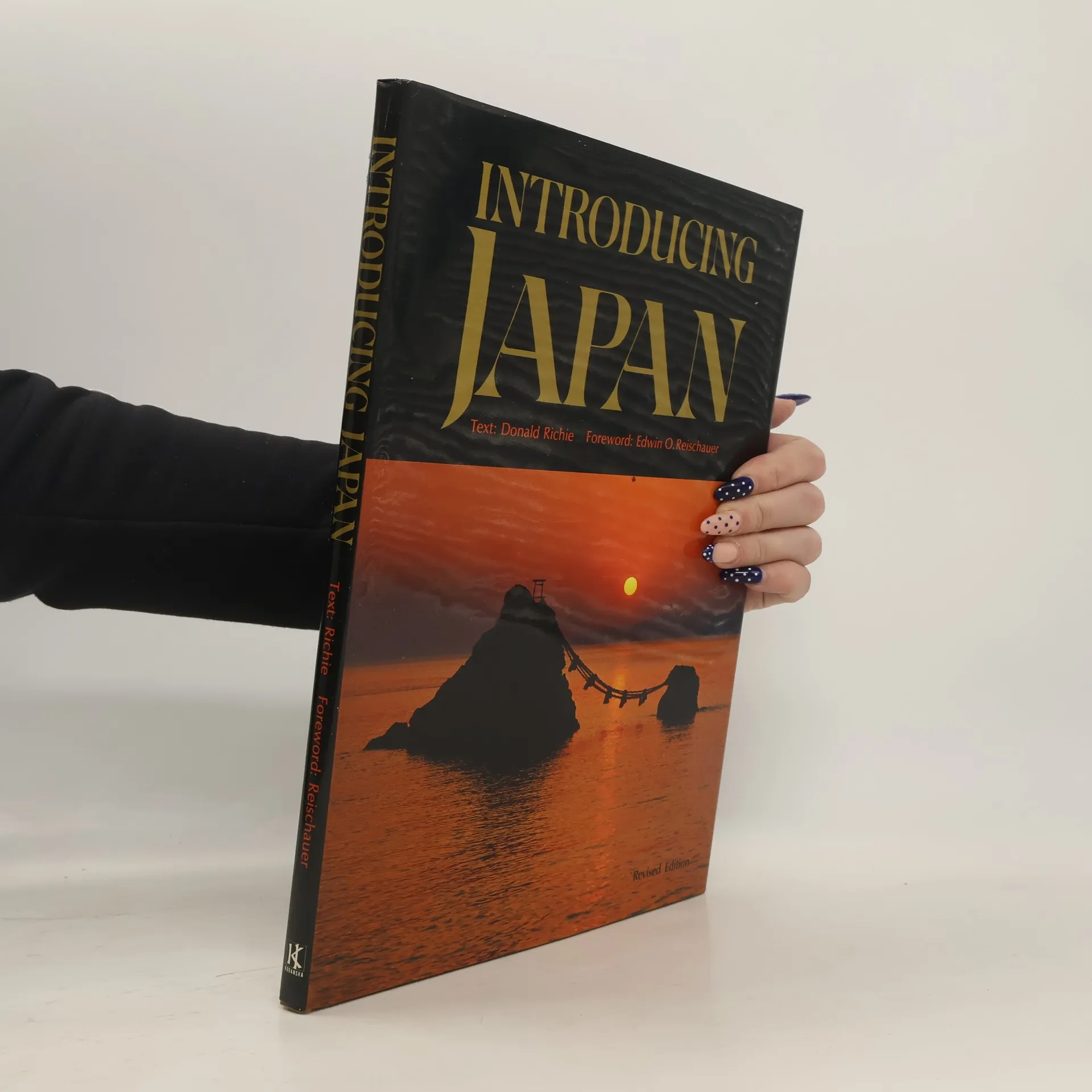
From the metropolitan bustle of busy, modern Tokyo to the serenity of classical Kyoto, from the northern frontier land of snowy Hokkaido to distinctly colorful Kyushu and Okinawa in the southwest, Japan is a country of striking contrasts and frequent contradictions-geisha and baseball, the Kabuki theater and oil refineries, skyscrapers of steel and glass, landscape gardens of sand and rock. The blend of the ancient and the contemporary is unique and fascinating. Here in one volume are all the beauty and vitality of a nation whose recorded history reaches back nearly two thousand years, a nation that has progressed in little more than a century from self-imposed isolation to a place of prominence among the nations of the world. Facts-historical, geographic, cultural and economic-are wedded In a definitive combination to extraordinary pictures by some of Japan's leading photographers. This book provides, in addition to the incisive text and captions written by Donald Richie, an informative foreword by the late Edwin O. Reischauer. For the general reader, for those who have visited these islands, and for those who are unfamiliar with them, this is a superbly well-rounded introduction.