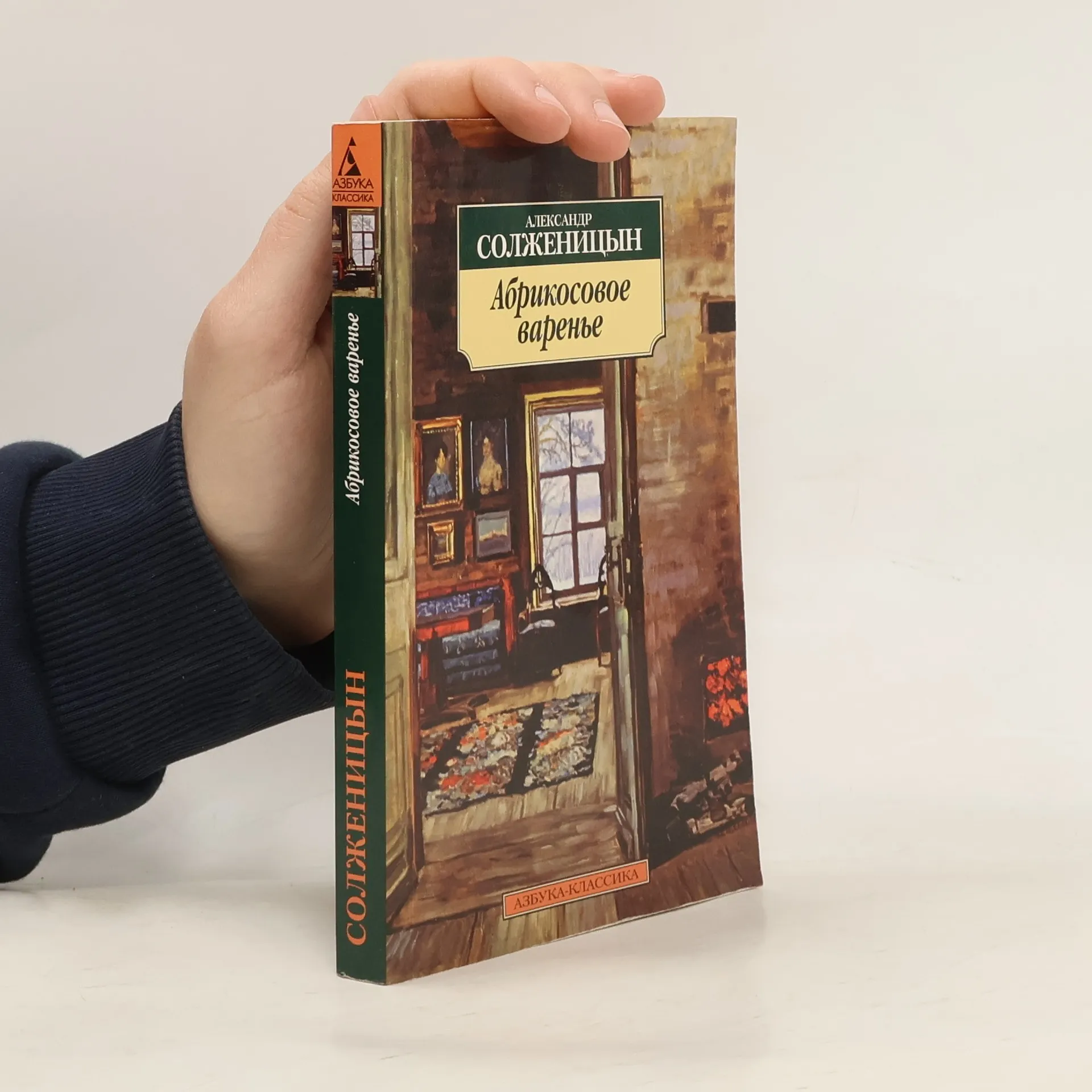
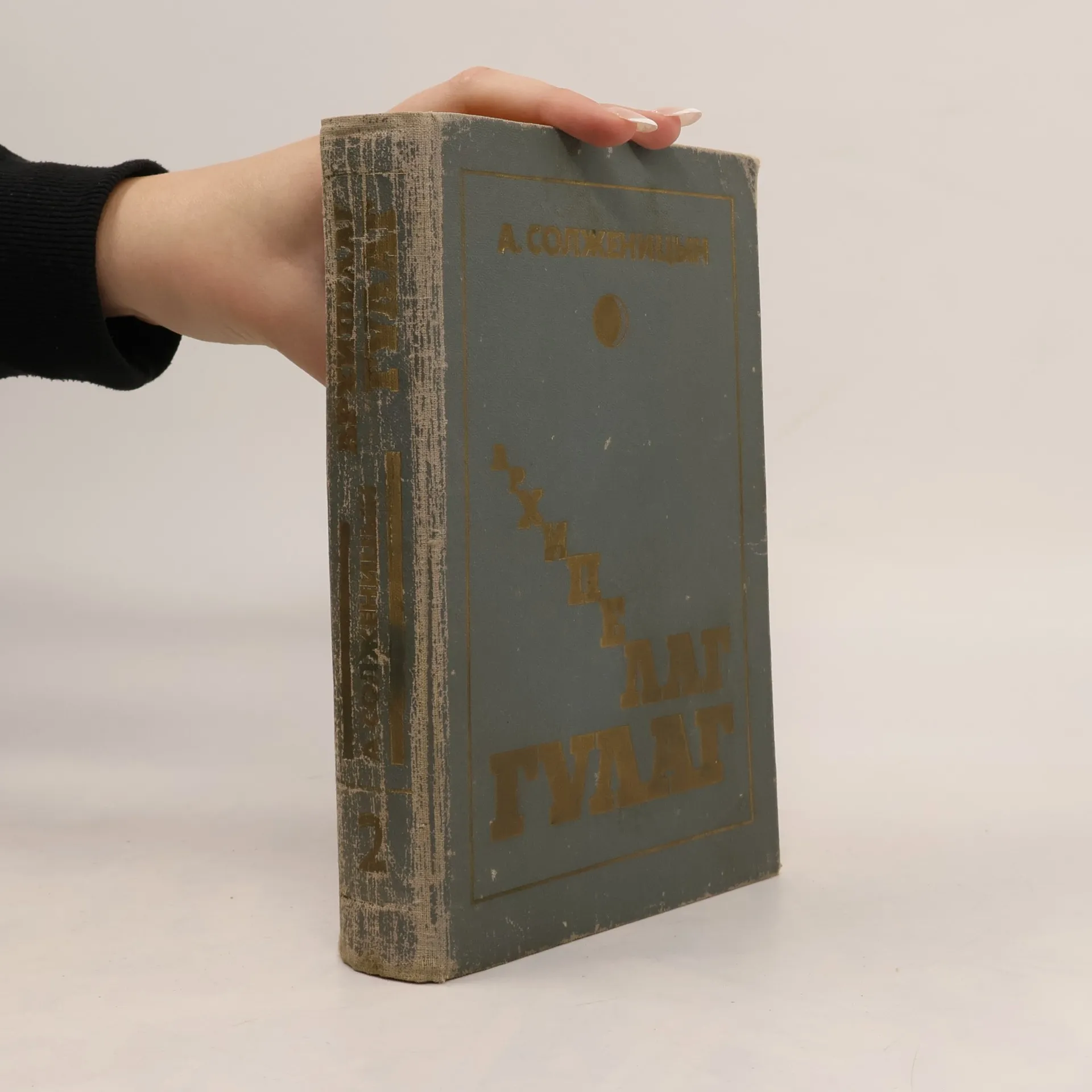
Абрикосовое варенье
- 365pages
- 13 heures de lecture
Содерж.: Адлиг Швенкиттен : повесть ; двучастные рассказы: Эго ; На краях ; Молодняк ; Настенька ; Абрикосовое варенье ; Все равно ; На изломах ; Желябугские выселки ; Крохотки


Aleksandr Soljenitsyne est célébré pour sa critique inflexible du système répressif soviétique et son témoignage courageux de la souffrance au sein des Goulags. Ses œuvres, souvent empreintes d'éléments autobiographiques, plongent profondément dans des thèmes tels que la justice, la vérité et la lutte morale de l'individu contre le totalitarisme. Le style littéraire de Soljenitsyne se caractérise par son honnêteté brute et sa profonde capacité à dépeindre l'esprit humain sous une contrainte extrême. Son écriture constitue un puissant rappel historique et une voix d'avertissement pour l'avenir.




Содерж.: Адлиг Швенкиттен : повесть ; двучастные рассказы: Эго ; На краях ; Молодняк ; Настенька ; Абрикосовое варенье ; Все равно ; На изломах ; Желябугские выселки ; Крохотки
Содерж.: Адлиг Швенкиттен : односуточная повесть ; Двучастные рассказы, 1993-1998: Эго ; На краях ; Молодняк ; Настенька ; Абрикосовое варенье ; Все равно ; На изломах ; Желябугские выселки ; Крохотки, 1996-1999
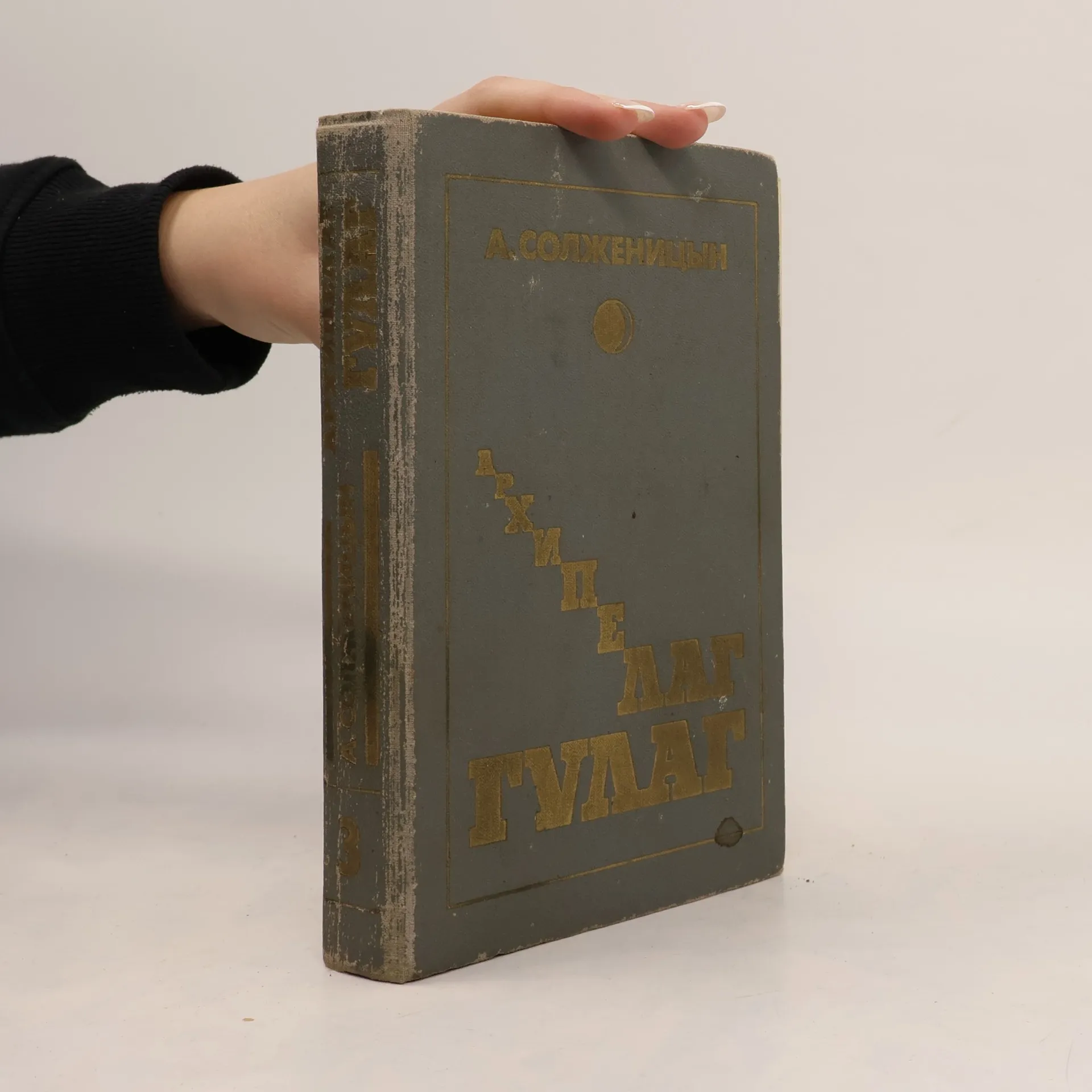
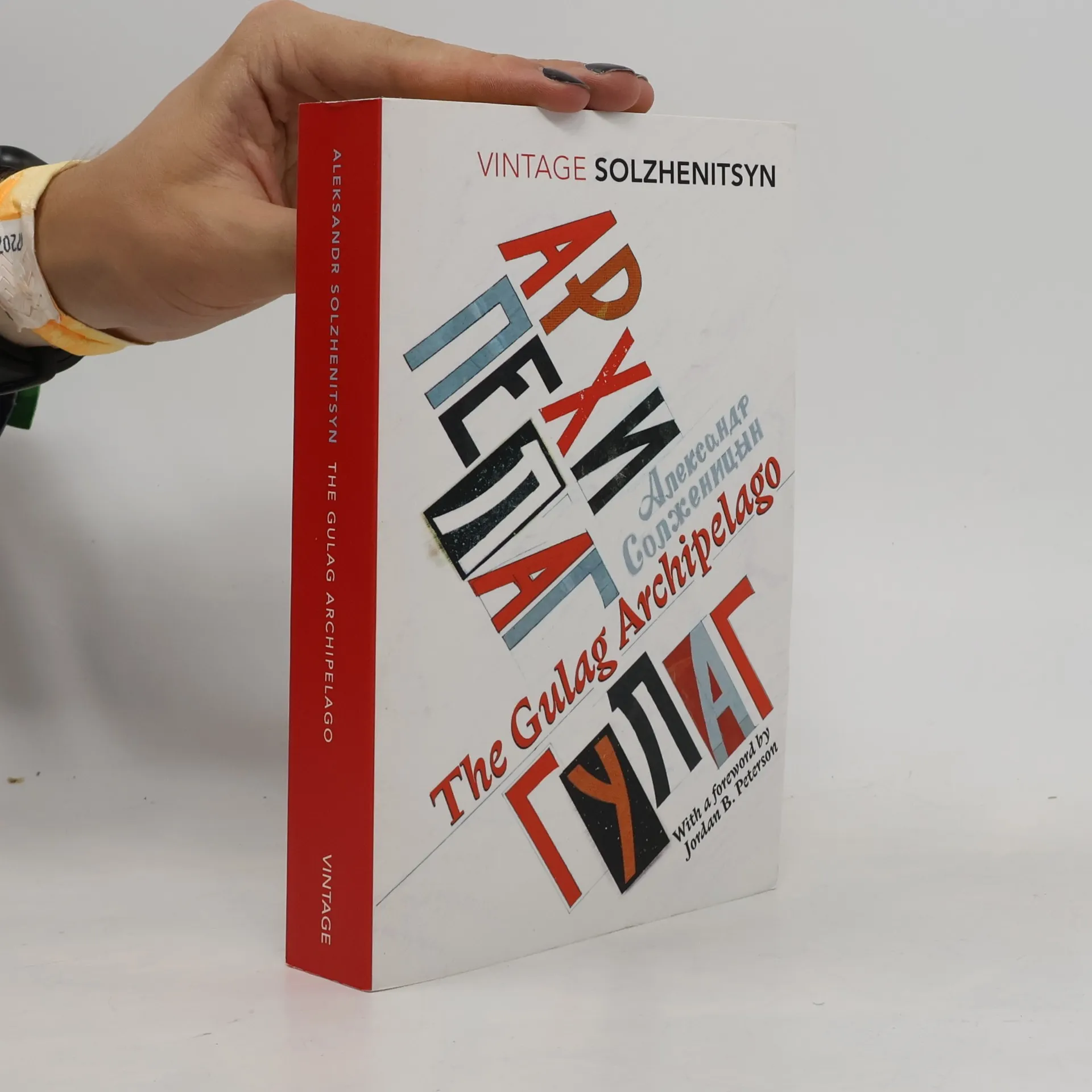
The Gulag Archipelago from 1973 is Solzhenitsyn's masterwork, a vast canvas of camps, prisons, transit centres and secret police, of informers and spies and interrogators and also of heroism, a Stalinist anti-world at the heart of the Soviet Union where the key to survival lay not in hope but in despair.The work is based on the testimony of some two hundred survivors, and on the recollection of Solzhenitsyn's own eleven years in labour camps and exile. It is both a thoroughly researched document and a feat of literary and imaginative power. This edition has been abridged into one volume at the author's wish and with his full co-operation.
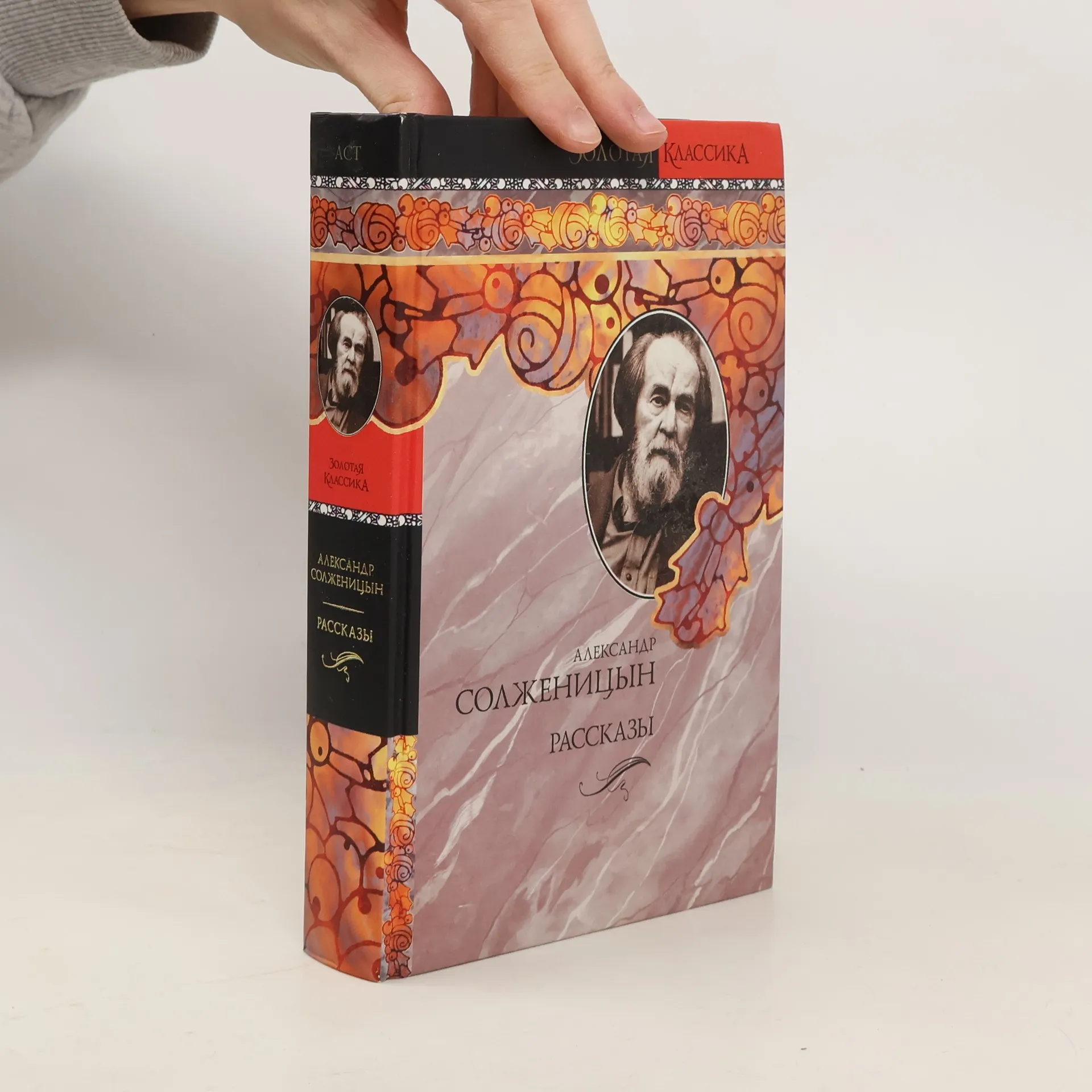
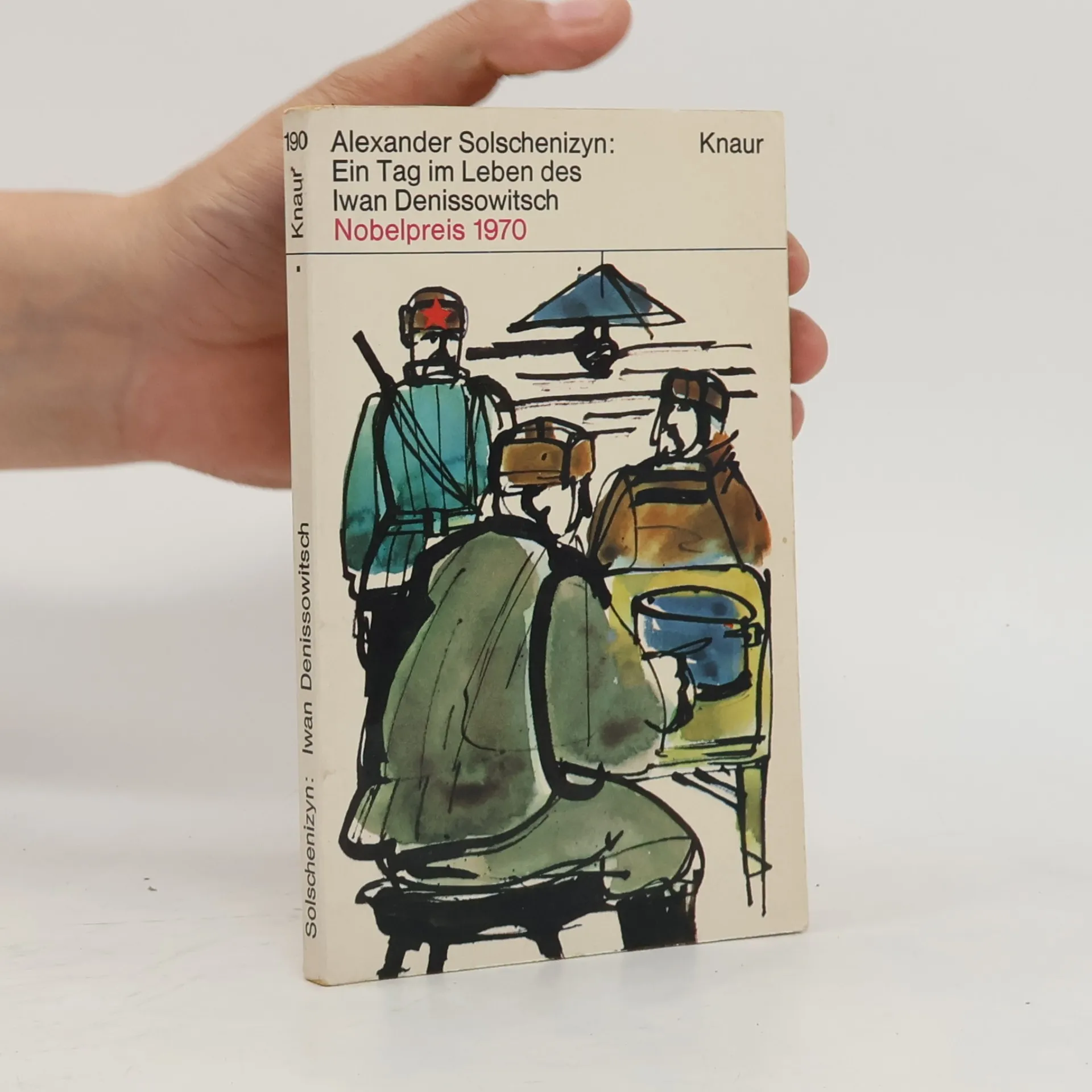
Содерж.: Один день Ивана Денисовича ; Матренин двор ; Правая кисть ; Случай на станции Кочетовка ; Для пользы дела ; Захар-Калита ; Как жаль ; Пасхальный крестный ход ; Крохотки ; Двучастные рассказы
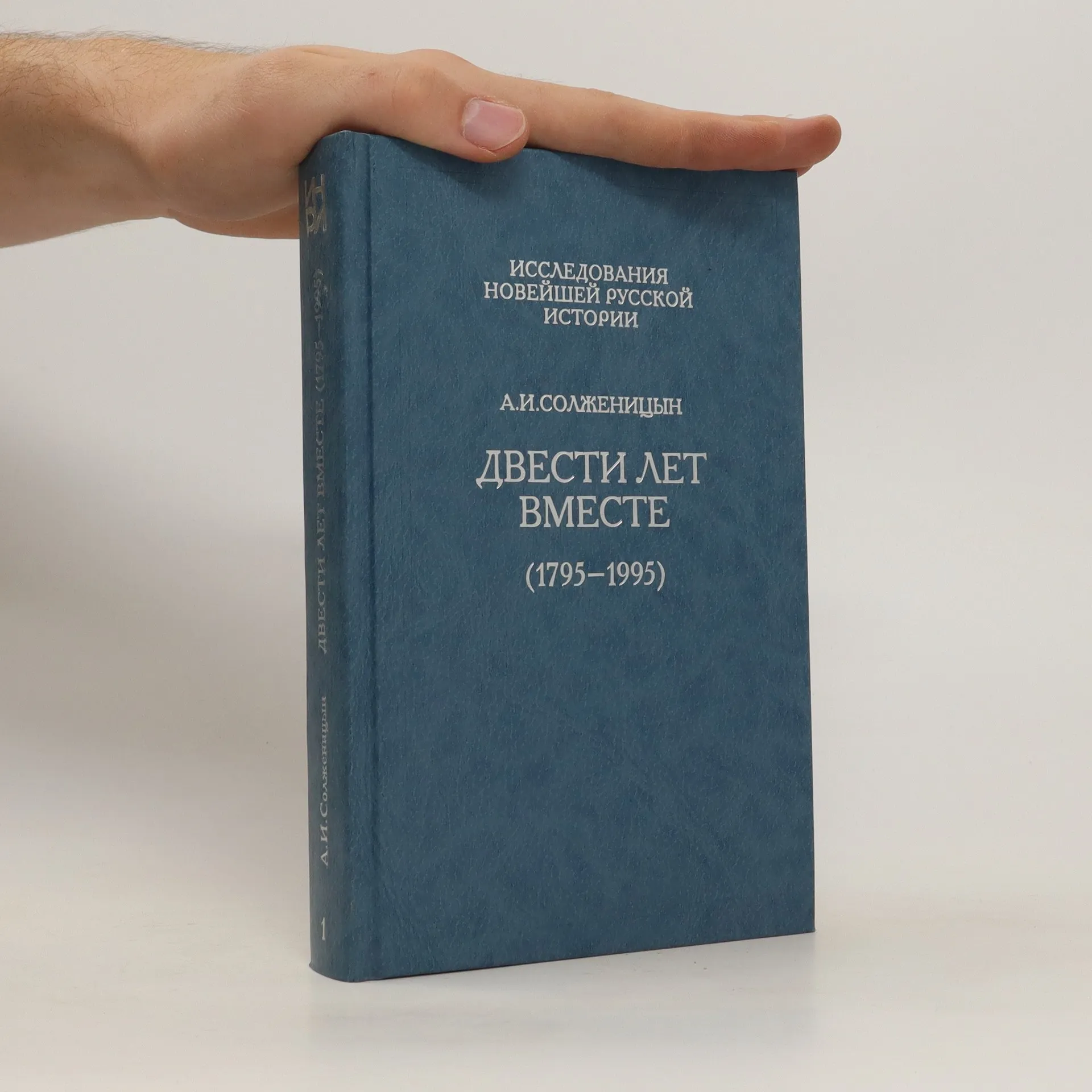
«Двести лет вместе (1795—1995)» — литературно-историческое исследование А. И. Солженицына, посвящённое русско-еврейским отношениям в Российской империи и СССР в период между 1795 и 1995 годами. Первая часть охватывает период с 1795 по 1916 год, вторая — с 1917 года до конца XX века.
The only English translation authorized by Aleksandr Solzhenitsyn First published in the Soviet journal Novy Mir in 1962, One Day in the Life of Ivan Denisovich stands as a classic of contemporary literature. The story of labor-camp inmate Ivan Denisovich Shukhov, it graphically describes his struggle to maintain his dignity in the face of communist oppression. An unforgettable portrait of the entire world of Stalin's forced work camps, One Day in the Life of Ivan Denisovich is one of the most extraordinary literary documents to have emerged from the Soviet Union and confirms Solzhenitsyn's stature as "a literary genius whose talent matches that of Dosotevsky, Turgenev, Tolstoy"--Harrison Salisbury This unexpurgated 1991 translation by H. T. Willetts is the only authorized edition available and fully captures the power and beauty of the original Russian.