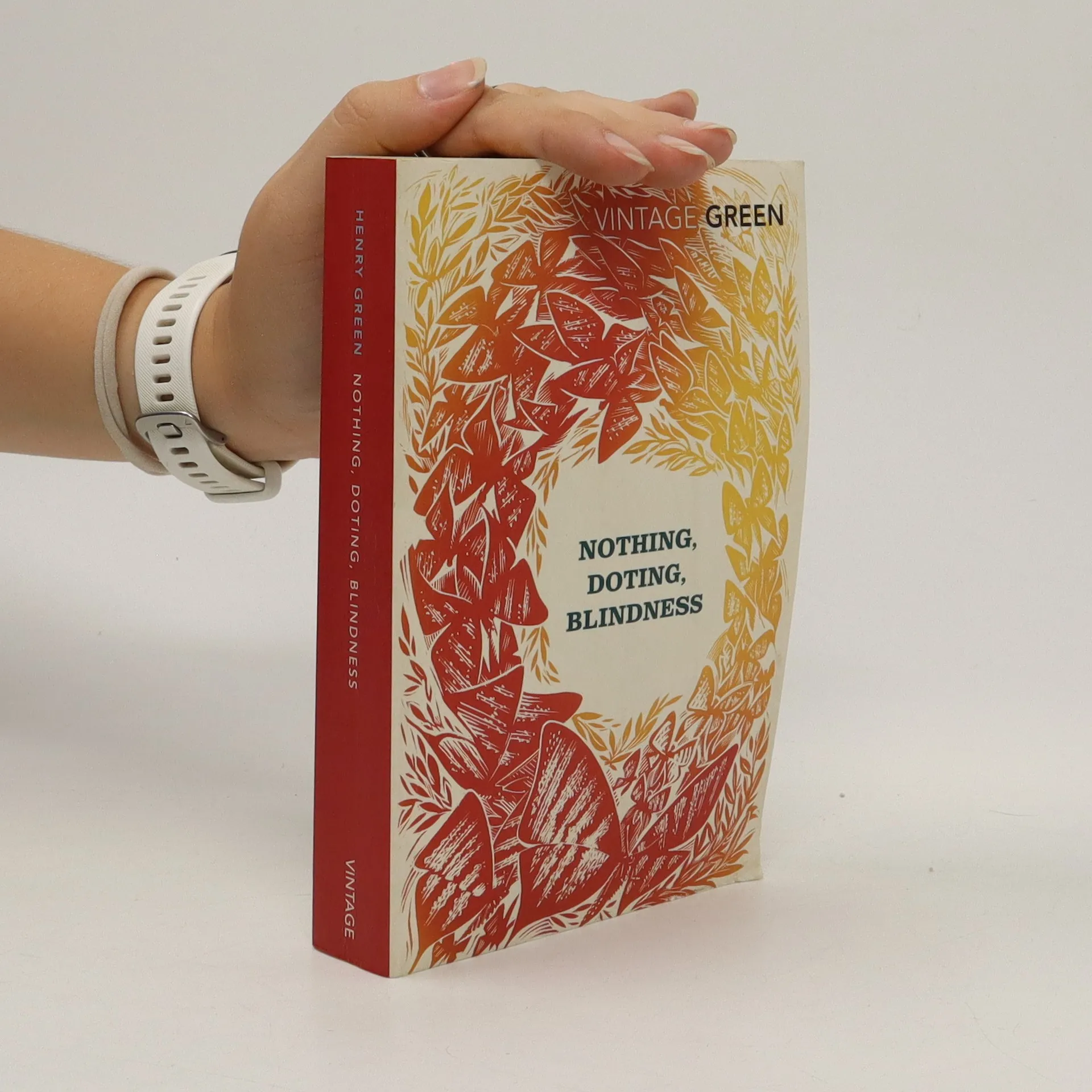
TAYLORThese three brilliant novels span Henry Green's career as a novelist and display his unique talents as a writer. In Blindness, Green's first novel, a young man is blinded in a senseless accident but thereafter discovers new imaginative powers.
Henry Green Livres
29 octobre 1905 – 13 décembre 1973
Henry Green, pseudonyme d'Henry Vincent Yorke, fut un romancier célébré pour son exquise représentation des nuances sociales et des dynamiques interpersonnelles. Son œuvre se caractérise par une profonde perspicacité psychologique des personnages et une observation aiguë de la vie quotidienne. S'inspirant de ses expériences dans des milieux industriels et de sa vie personnelle, Green les a magistralement traduites dans sa fiction. Son style distinctif, souvent empreint d'un humour subtil et d'ironie, révèle au lecteur les motivations et les sentiments cachés de ses personnages.

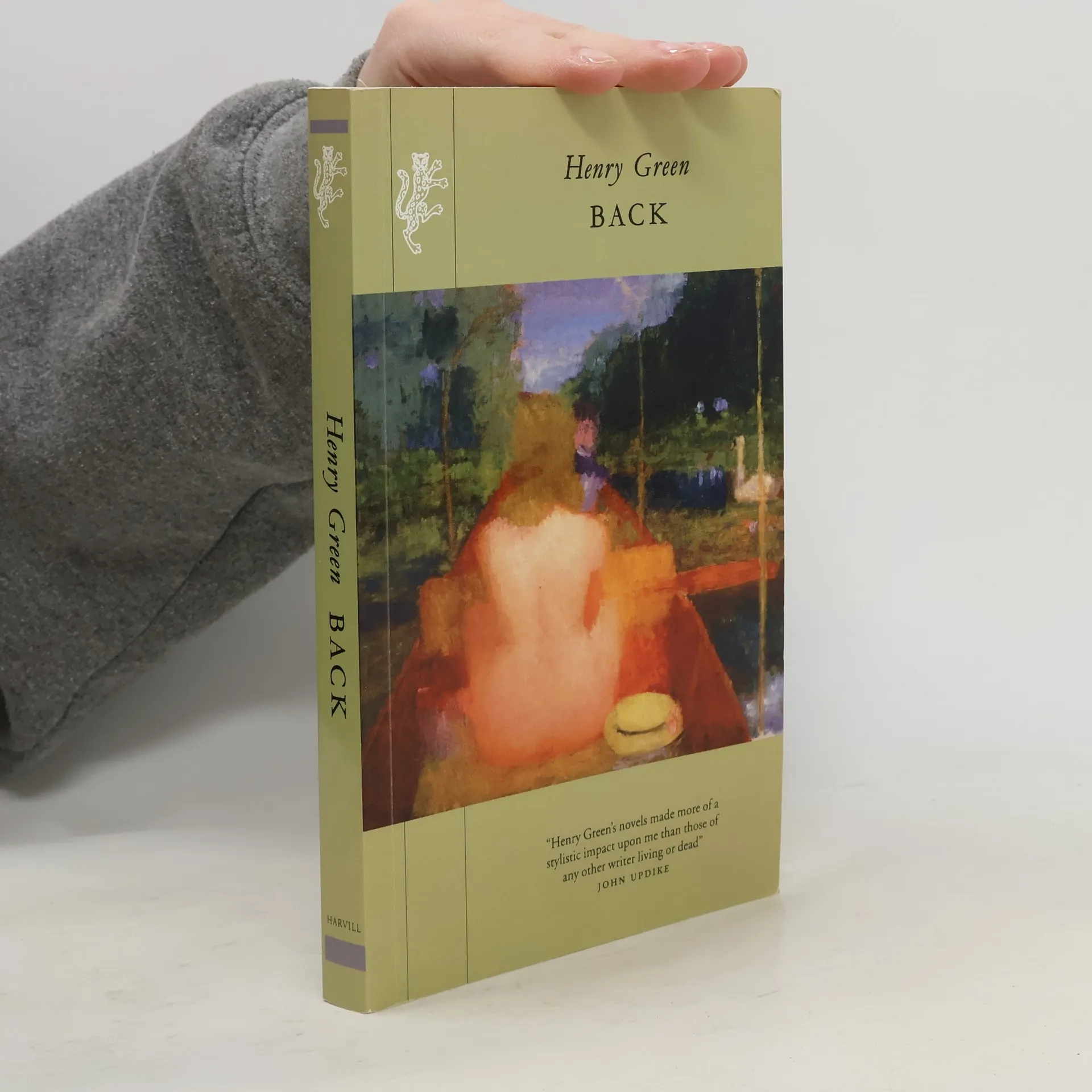
Back
- 160pages
- 6 heures de lecture
Back is, according to Jeremy Treglown in his introduction, "Henry Green's most extended attempt to plumb the world of the hunted - and haunted". First published in 1946, it has indeed remained one of Green's most haunting, elegiac novels and one of the most enduring to have focused on the individual human tragedy of the war.
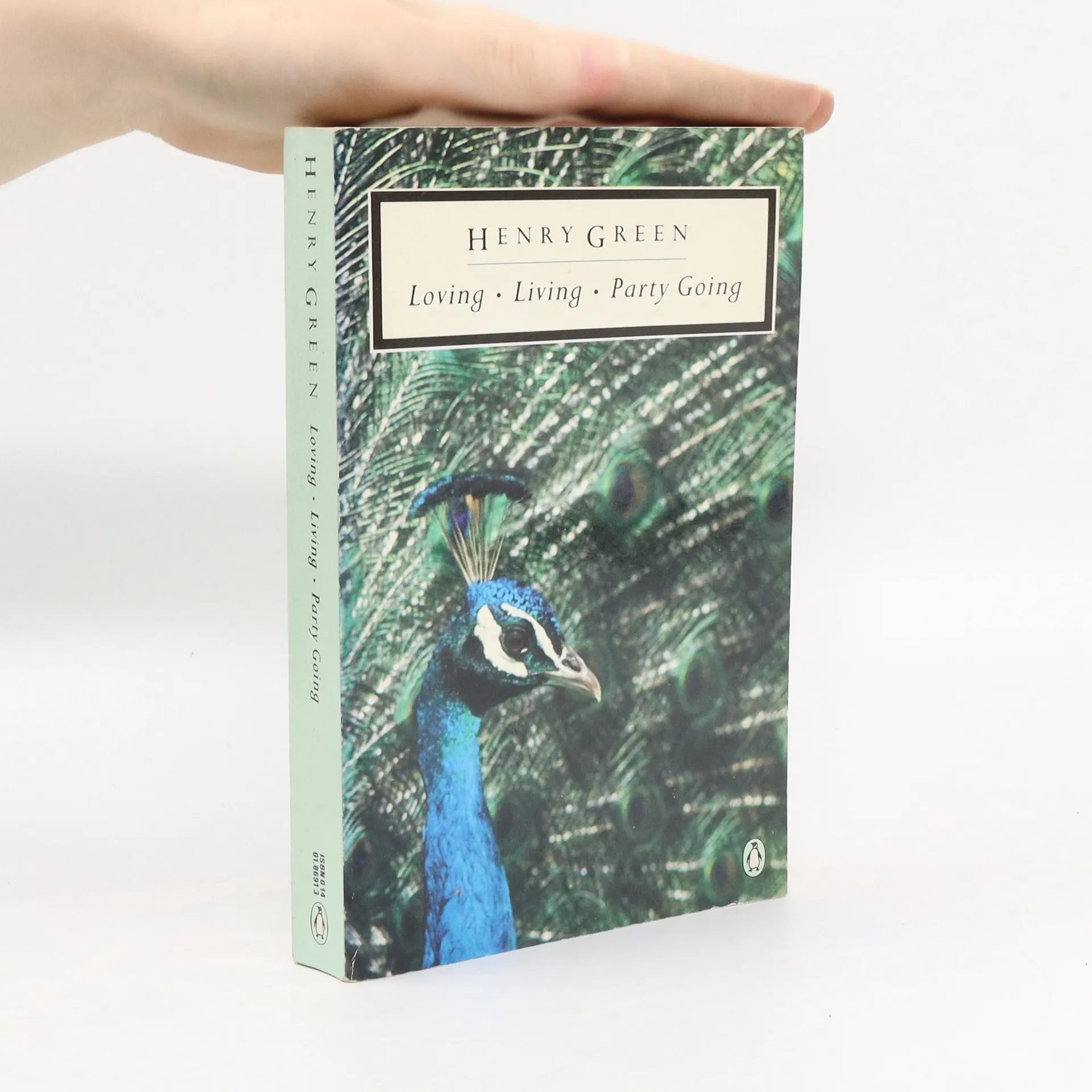
Loving ; Living ; Party Going
- 528pages
- 19 heures de lecture
Henry Green explored class distinctions through the medium of love. This volume brings together three of his novels contrasting the lives of servants and masters (Loving); workers and owners, set in a Birmingham iron foundry (Living); and the different lives of the wealthy and the ordinary, (Party Going).
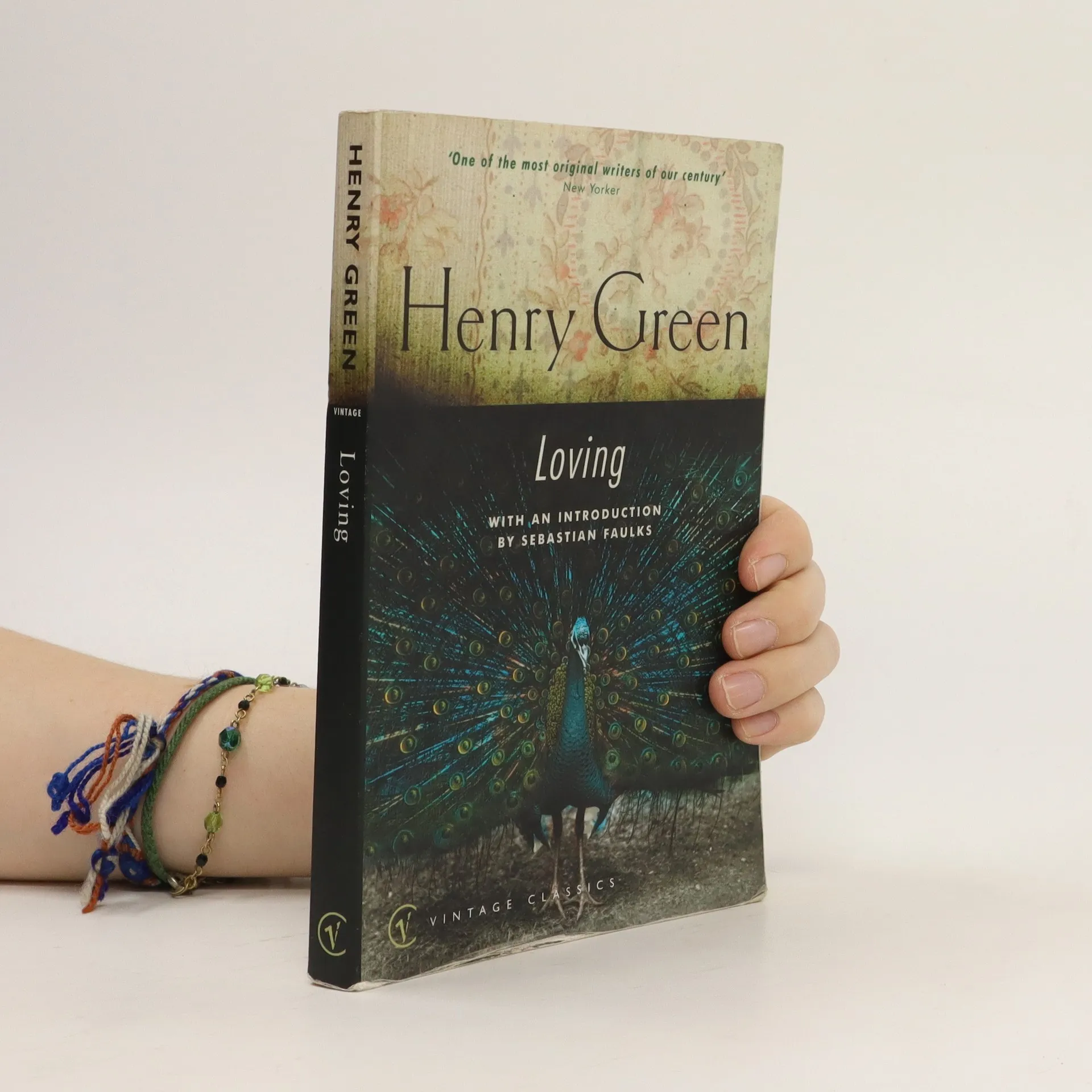
Loving
- 206pages
- 8 heures de lecture
Describes life above and below stairs in an Irish country house during the Second World War. In the absence of their employers, the Tennants, the servants enact their own battles and conflict amid rumours about the war in Europe.
Party Going
- 192pages
- 7 heures de lecture
A modernist "masterpiece" (The New York Times) that will appeal to fans of Downton Abbey and The Great Gatsby Party Going, published in 1939, is Henry Green’s darkly comic valediction to what W. H. Auden famously described as the “low dishonest decade” of the 1930s. London is sunk in an impenetrable fog. Traffic has come to a halt. Stranded in the train station and the hotel connected to it are a group of bright young things waiting to catch a train to the Continent, where their enormously rich friend Max is throwing a party. Green’s characters worry and wonder and wander in and out of each other’s company (and arms and beds), in pursuit of and pursued by their own secrets and desires.
Andrea Alciati and His Books of Emblems: a Biographical and Bibliographical Study
- 372pages
- 14 heures de lecture
Andrea Alciati And His Books Of Emblems
A Biographical And Bibliographical (1872)
- 368pages
- 13 heures de lecture
Focusing on the life and contributions of Andrea Alciati, this work offers an in-depth exploration of his role as a jurist and humanist during the Renaissance. Henry Green meticulously details Alciati's education, legal career, and significant influence on the emblem genre, highlighting his popular emblem books. The study also contextualizes Alciati's work within the cultural movements of humanism and the Reformation. With bibliographical insights and engaging prose, it serves as a vital resource for scholars and enthusiasts of Renaissance literature and art.
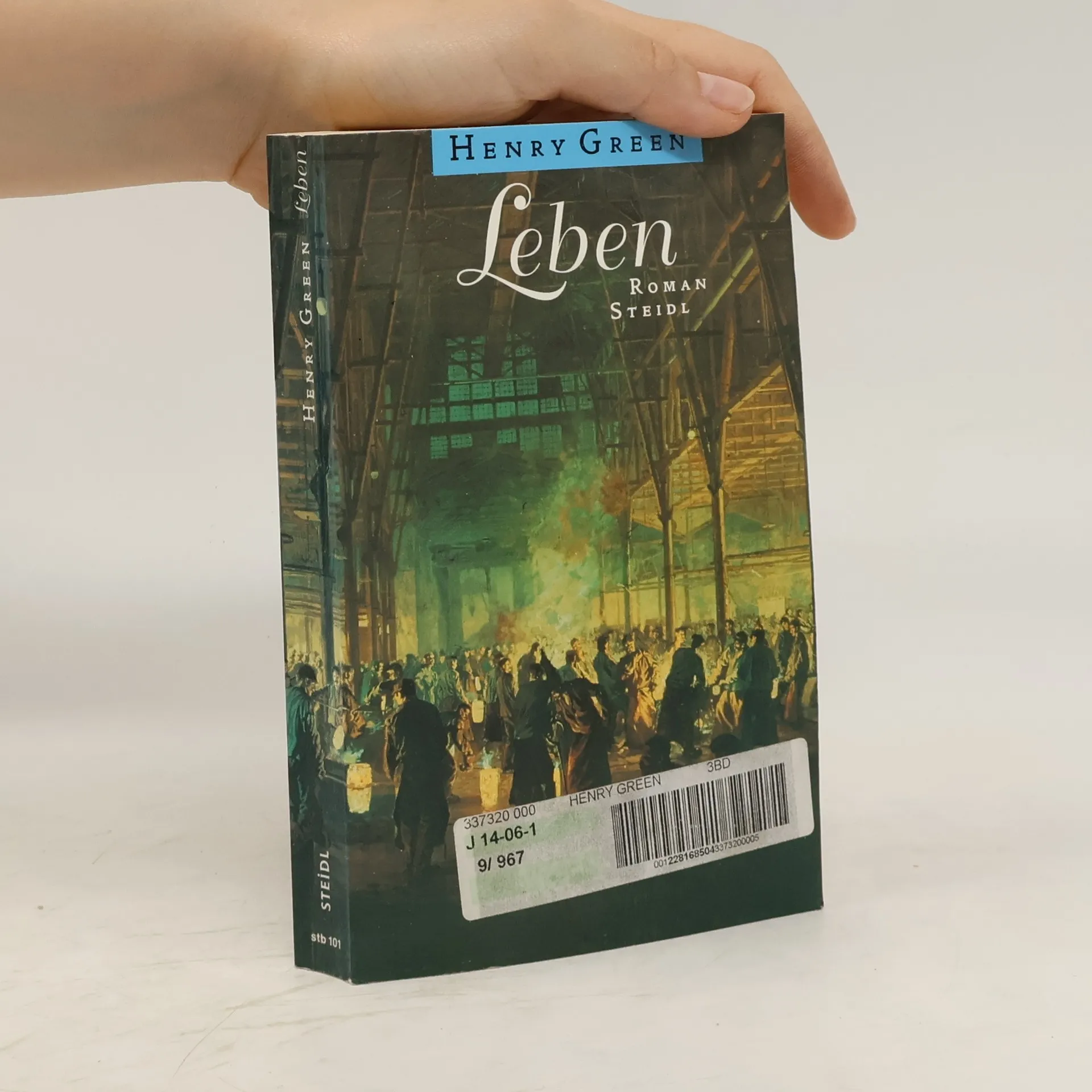
Leben
- 350pages
- 13 heures de lecture
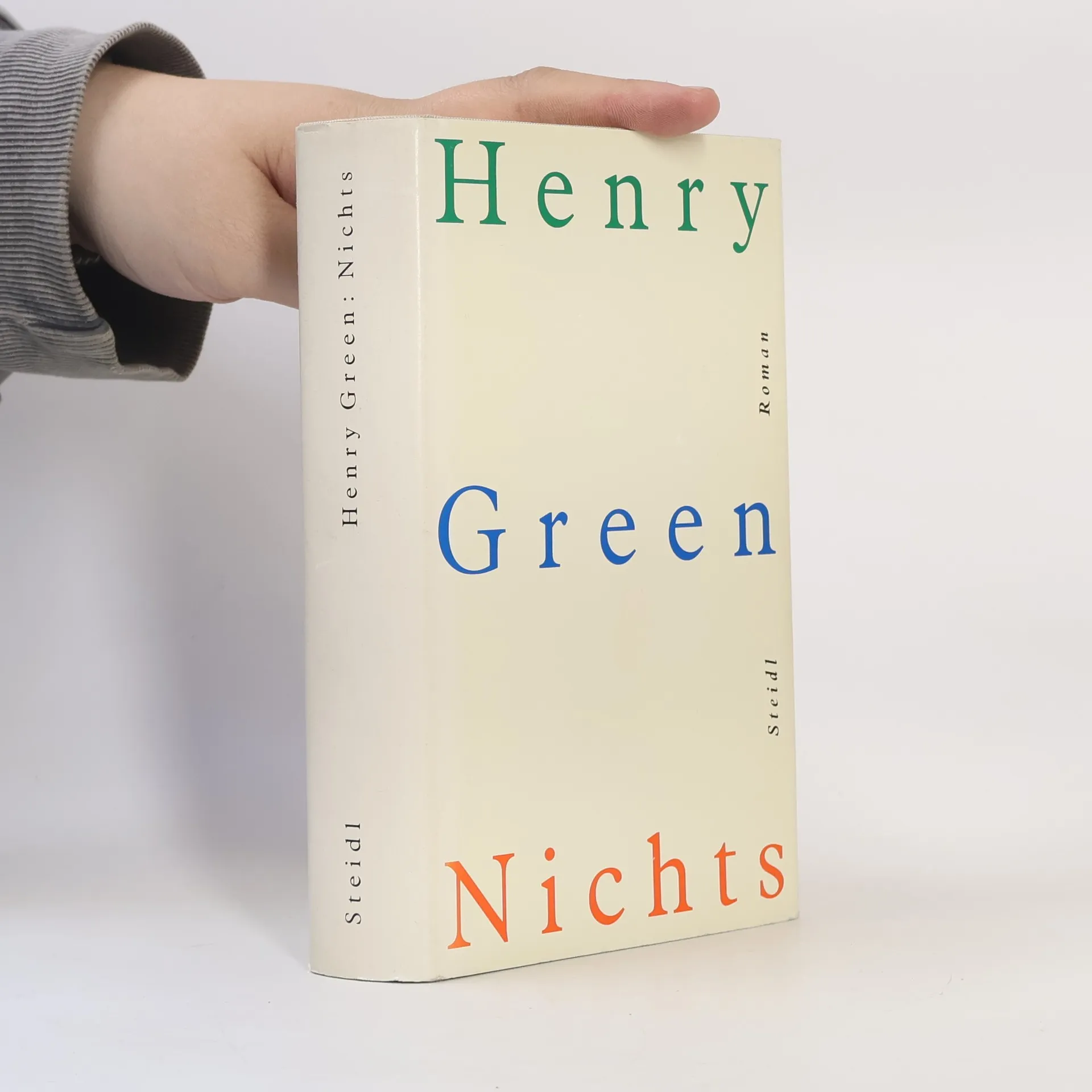
Nichts
- 334pages
- 12 heures de lecture