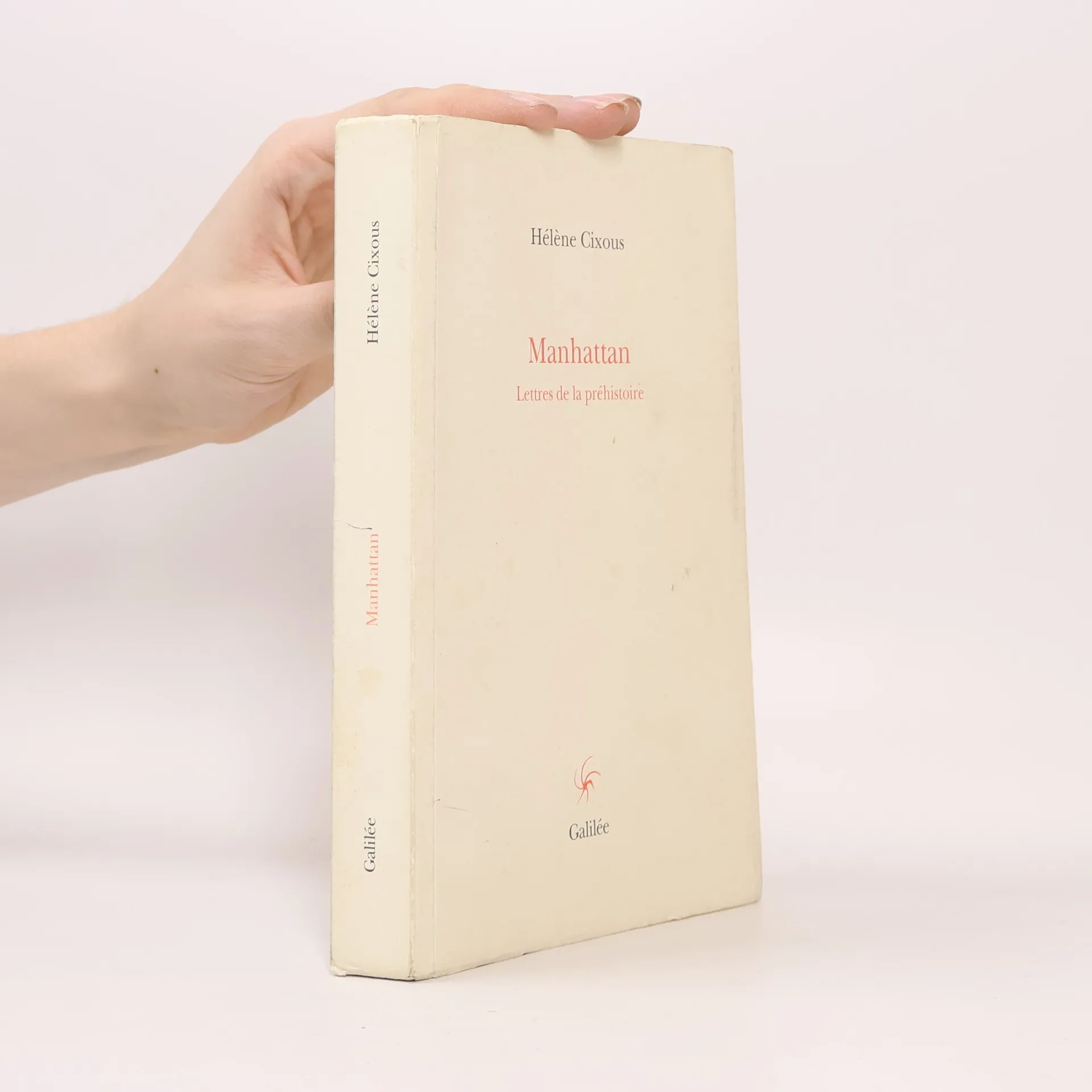
Ceci n'est pas un objet mort, mais une explosion souterraine aux conséquences séismiques qui se font encore sentir aujourd'hui. En 1965, cette explosion mentale et culturelle se produit dans les Bibliothèques de manuscrits rares des Universités de Yale, Buffalo, Columbia, et dans des lieux emblématiques de Manhattan. Ces endroits, appelés "puissances-autres", sont liés à l'histoire et à la géographie de New York, semblables aux lieux fatidiques de l'Odyssée. Ils sont peuplés de souvenirs, de rêves et de démons, où l'on vient mourir pour ressusciter ou disparaître. Entre 1964 et un destin marqué par la répétition de la mort d'êtres chers, un accident mortel se produit à la Bibliothèque de Yale. La littérature, en tant que personnage principal, ronge notre raison, tandis que les personnages, épris de grands auteurs, s'approchent de l'"Œuvre" rêvée. L'imitateur se suicide intégralement dans cette quête. Les lettres, comme le disait Proust, dessinent une image différente de la personne, créant une deuxième personnalité qui supplante la première. Cette personnalité, tragique et inaccessible, devient le héros de cette tempête littéraire. La frontière entre le vrai et le faux s'estompe, et la littérature prend le pouvoir sur les sens. Le récit, témoin de déroute, porte en lui des chapitres où l'auteur s'abjure, hésitant à écrire ce livre. C'est une œuvre de buissons enflammés et de décombres, cherchant à se dégager de l'Erreur, sans
Hélène Cixous Livres
Hélène Cixous est une figure fondatrice de la théorie féministe post-structuraliste, dont les écrits explorent des thèmes tels que le féminisme, le corps humain, l'histoire, la mort et le théâtre. Son œuvre se caractérise par un profond engagement envers la subjectivité et l'expérience féminine. Cixous est réputée pour son style littéraire distinctif, qui mêle souvent philosophie, poésie et autobiographie. Son influence s'étend à de nombreux domaines des sciences humaines, continuant d'inspirer de nouvelles générations de chercheurs et d'écrivains.



L'Histoire terrible mais inachevée de Norodom Sihanouk, roi du Cambodge
- 416pages
- 15 heures de lecture
« Le Cambodge, pays des khmers, antique royaume paysan, a pour fatalité sa situation géographique tout contre le Vietnam. Viennent les guerres indochinoises. Après la France, les États-Unis s'attaquent au Vietnam communiste. Le Cambodge neutre est emporté par la tempête. Pour l'atteindre, l'Amérique n'hésite pas à lui passer sur le corps et à le piétiner. Cette tragédie engendre une tragédie plus amère encore. Fuyant l'Amérique, le peuple khmer se retrouve dans les bras meurtriers des Khmers rouges, effrayants nourrissons de l'idéologie communiste. De 1975 à 1979, le peuple khmer descend les degrés de l'enfer Pol Pot. Voici que l'Histoire doit devenir Théâtre. Dans le passage d'un genre à l'autre, la vérité (historique ici) ne change pas. Ce qui change, c'est le rythme. Créer pour le théâtre c'est d'abord se soumettre à l'urgence. Alors il faut écrire à l'immédiat. Au théâtre, le destin bat très vite, au rythme du cœur. À chaque battement (une scène) la vie risque d'être perdue. Le Prince Sihanouk vit sur la Terre comme sur un scène de théâtre. Il prend le monde entier à part. Il se montre tel qu'il est. Et il montre les autres tels qu'ils sont. Il a fait sienne la malice shakespearienne : “All the world's a stage.” 1955-1979 : notre pièce dure 24 ans en quelques heures. Il y a 50 tableaux. Tous sont fictifs. Tous auraient pu se passer en réalité. » Hélène Cixous
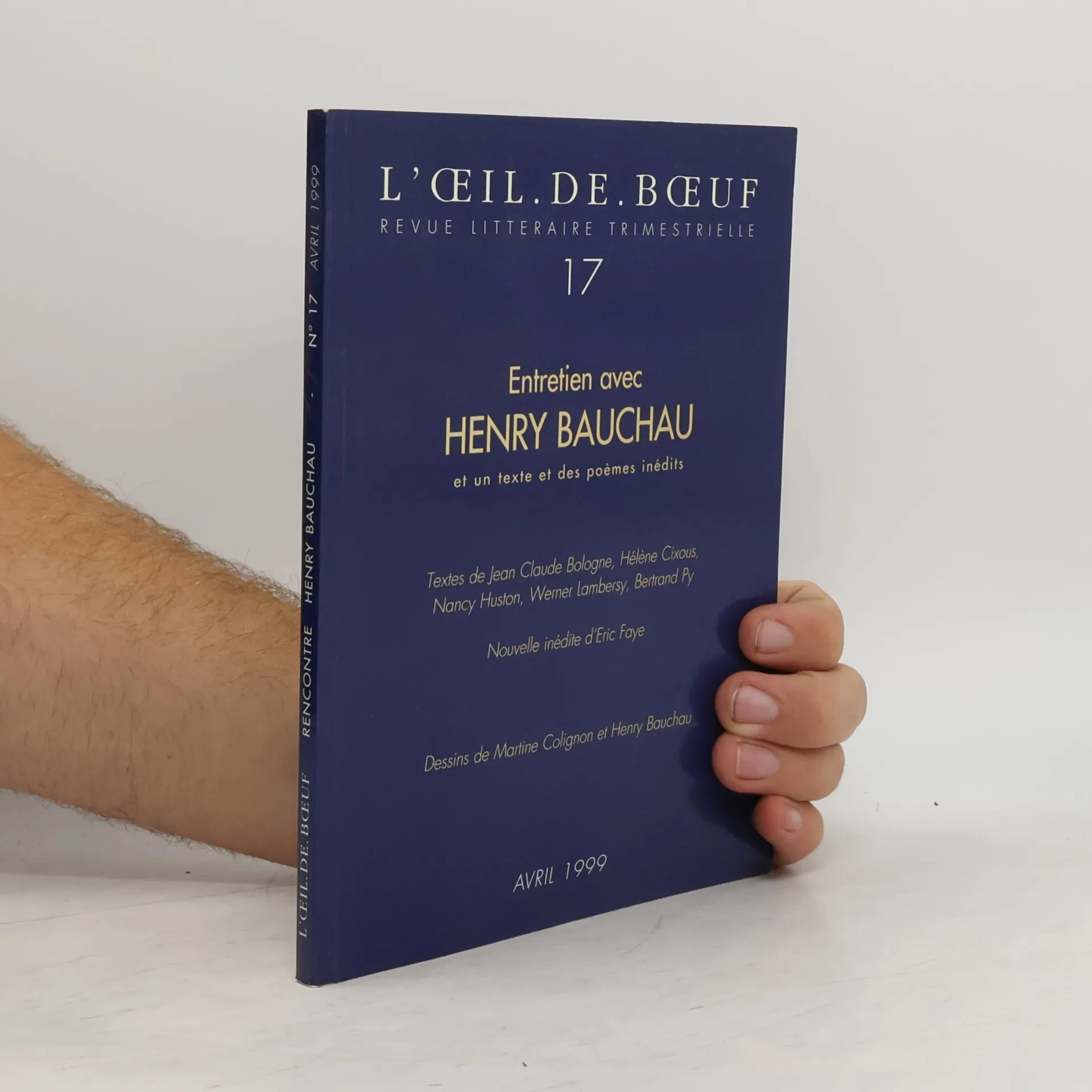
L'ŒIL.DE.BŒUF 17
Entretien avec Henry Bauchau et un texte et des poèmes inédits
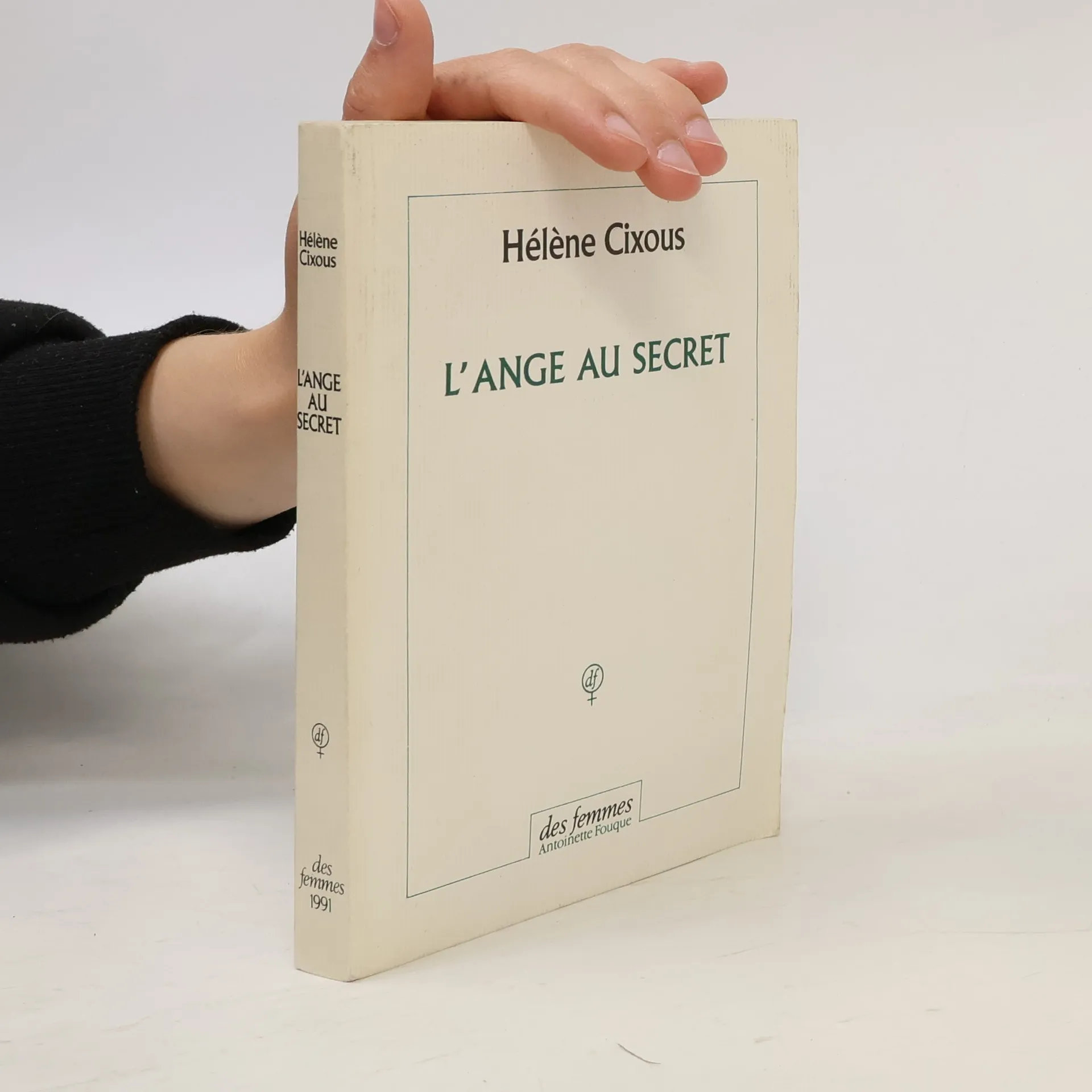
L'Ange au secret
- 256pages
- 9 heures de lecture
« Le crime se perd dans l’aveu, je n’avais pas prévu cela. Pourtant c’était un crime, ah, un affreux crime, je le jure. Non pas atroce, mais bas. Si vous le connaissiez ! Mais je ne peux pas le raconter, je le sais maintenant. De plus c’est vraiment le mien. Il faut me connaître un peu pour en apprécier la taille. Certaines personnes commettraient un pareil acte, et ce ne serait rien. Dieu sait quels effets immenses il produisait en moi depuis des dizaines d’années, dieu sait quels silences, ou quels livres. Il n’est sûrement pas pour rien dans tout ce que j’ai pu faire par la suite. Ne lui donnons pas trop d’importance. Après tout, ce n’était qu’un de ces crimes dont nous sommes capables, je l’ai bien vu, en le retrouvant et le perdant.Et vous, J’aimerais savoir, vous, mes amis humains, cela vous est-il arrivé aussi ? De perdre le sens de votre crime ? » H.C.
Three Steps on the Ladder of Writing
- 162pages
- 6 heures de lecture
An exploration into the strange science of writing, in which the author reflects on the writing process and explores three distinct areas essential for great writing: the crucial role dreams play in literary inspiration; the importance of depth; and the notion of death.
The texts that comprise this volume were selected from Helene Cixous's seminars on the work of Clarice Lispector. They reflect Cixous's own meditations on problems of reading and writing, and on related themes such as exchange and the gift, love and passion, as well as trace the influence of Lispector's work on her own development. Reading the Brazilian writer from the vantage point of modern theory, Cixous aims to draw her into the mainstream of current debates which question the concept of the so-called rational "Cartesian" individual and which note the increasing power of the social and applied sciences that seek to establish control over the individual. The book includes extracts of Clarice Lispector's prose writing, such as "The Apple in the Dark - The Temptations of Understanding" and "The Hour of the Star:How Does One Desire Wealth or Poverty?".
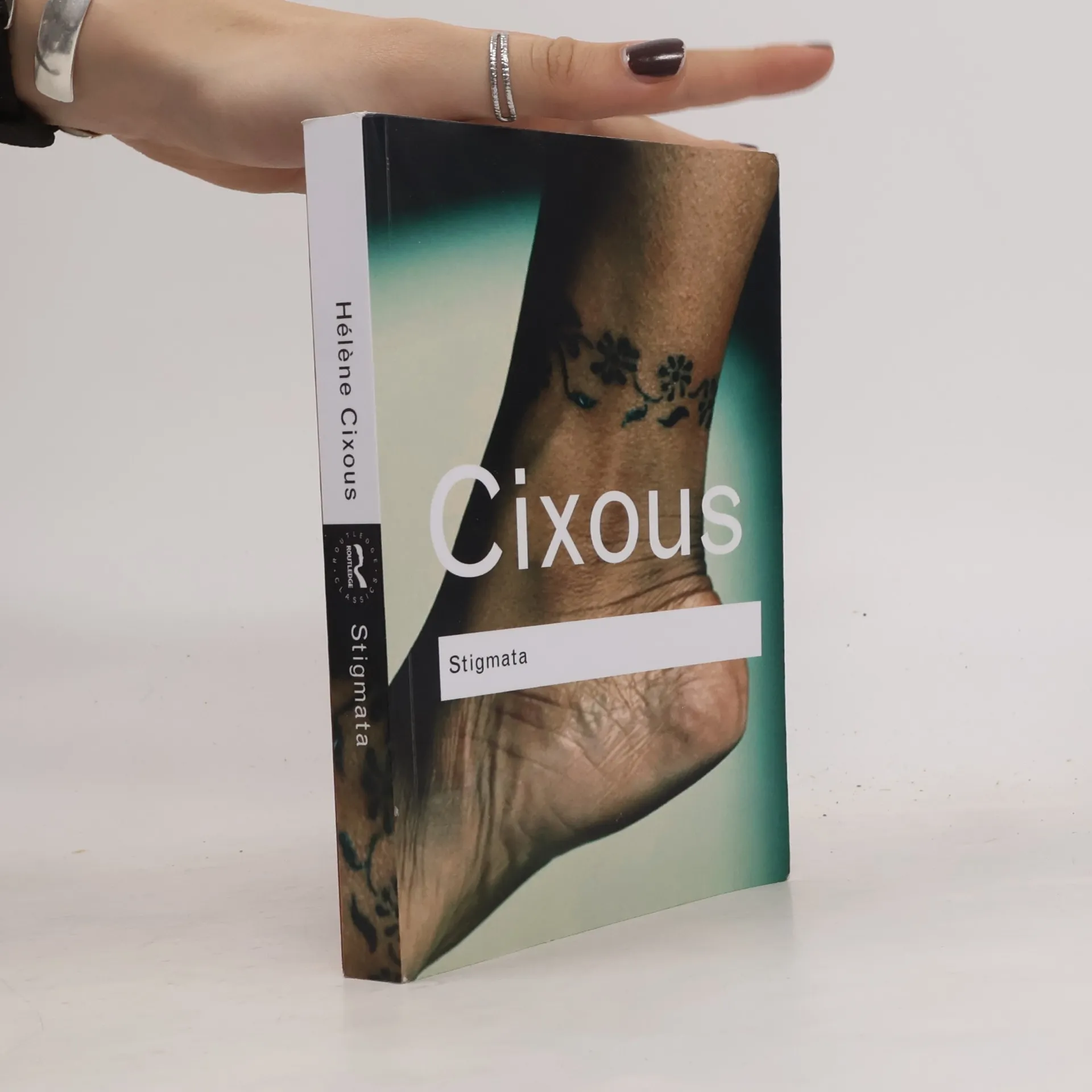
Stigmata
- 336pages
- 12 heures de lecture
Stigmata collects some of Helene Cixous' most intriguing meditations. A unique book, it is a testimony to an extraordinary writer.
Mother Homer is Dead
- 136pages
- 5 heures de lecture
The first translation into English of Mother Homer is Dead, written in the immediate aftermath of the death of the Cixous's mother in the 103rd year of her life.
"In 1968-69 I wanted to die, that is to say, stop living, being killed, but it was blocked on all sides," wrote Hélène Cixous, esteemed French feminist, playwright, philosopher, literary critic, and novelist. Instead of suicide, she began to dream of writing a tomb for herself. This tomb became a work that is a testament to Cixous's life and spirit and a secret book, the first book she ever authored. Originally written in 1970, Tombe is a Homerian recasting of Shakespeare's Venus and Adonis in the thickets of Central Park, a book Cixous provocatively calls the "all-powerful-other of all my books, it sparks them off, makes them run, it is their Messiah." Masterfully translated by Laurent Milesi, Tombe preserves the sonic complexities and intricate wordplay at the core of Cixous's writing, and reveals the struggles, ideas, and intents at the center of her work. With a new prologue by the author, this is a necessary document in the development of Cixous's aesthetic as a writer and theorist, and will be eagerly welcomed by readers as a crucial building block in the foundation of her later work.
Describes a love between two women in its totality, experienced as both a physical presence and a sense of infinity. This book also notes the contemporary emphasis on 'fictions of presence'.
We Defy Augury
- 132pages
- 5 heures de lecture
We defy augury. There's a special providence in the fall of a sparrow. If it be now, 'tis not to come ... the readiness is all. Under the sign of Hamlet's last act, Hélène Cixous, in her eightieth year, launched her new book--and the latest chapter in her Human Comedy, her Search for Lost Time. Surely one of the most delightful, in its exposure of the seams of her extraordinary craft, We Defy Augury finds the reader among familiar faces. In these pages we encounter Eve, the indomitable mother; Jacques Derrida, the faithful friend; children, neighbors; and always the literary forebears: Montaigne, Diderot, Proust, and, in one moving passage, Erich Maria Remarque. We Defy Augury moves easily from Cixous's Algerian childhood, to Bacharach in the Rhineland, to, eerily, the Windows on the World restaurant atop the World Trade Center, in the year 2000. In one of the most astonishing passages in this tour-de-force performance of the art of digression, Cixous proclaims: "My books are free in their movements and in their choice of routes [...] They are the product of many makers, dreamed, dictated, cobbled together." This unique experience, which could only have come from the pen of Cixous, is now available in English, and readers are sure to delight in this latest work by one of France's most celebrated writer-philosophers.
Osnabruck Station to Jerusalem
- 144pages
- 6 heures de lecture
An inventive literary account of Cixous's remarkable journey to her mother's birthplace and of the Jewish community of a German town that was wiped out in the Holocaust.
Hyperdream
- 176pages
- 7 heures de lecture
Helene Cixous is one of France's leading contemporary writers. This new book is a work of fiction about the most implacable of human certainties - death. It explores death, mourning and loss by means of a poetic fiction: imagining a magic telephone through which one can open up a lifeline to departed loved ones.
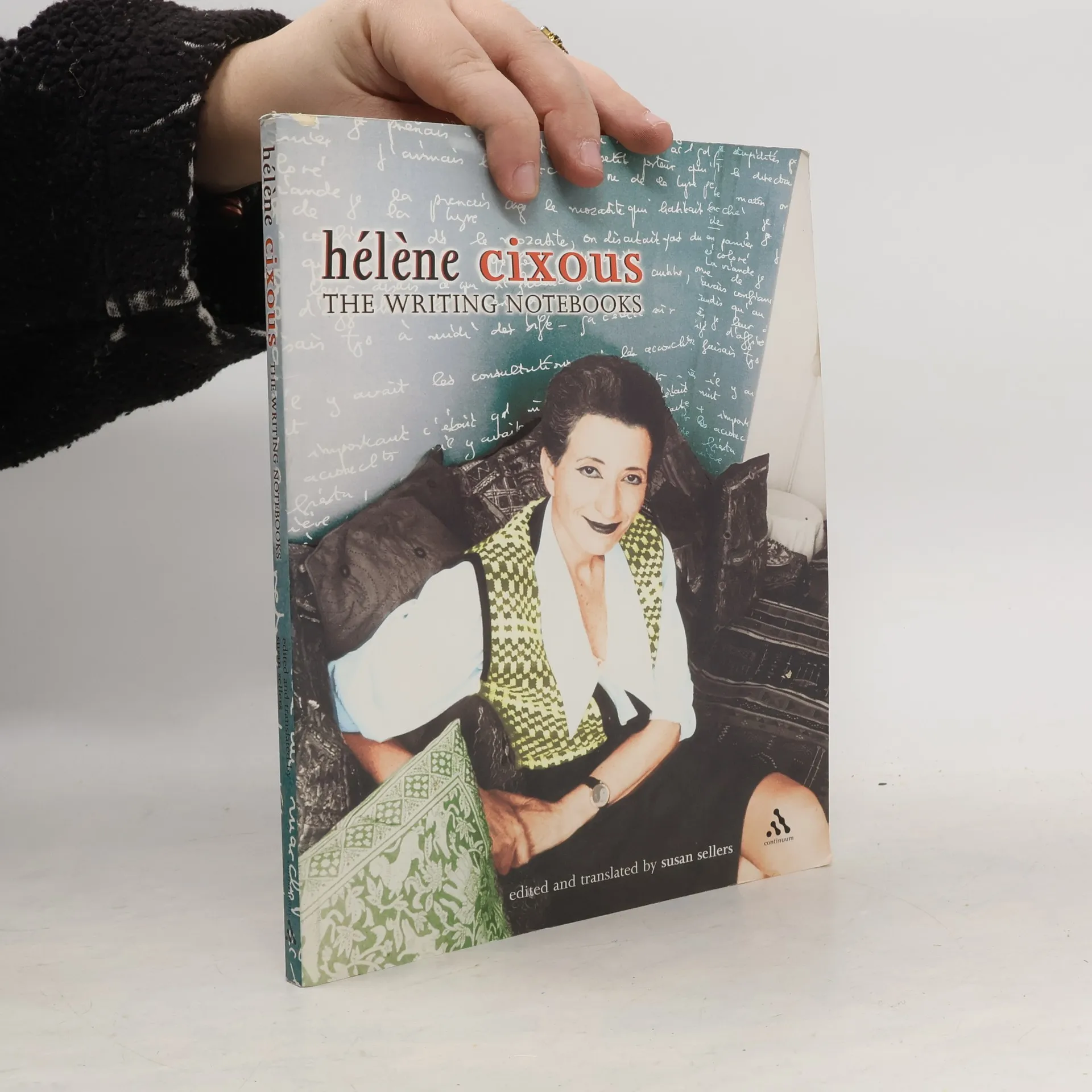
Helene Cixous is one of the most brilliant and radical of contemporary theorists. This is the first publication in any language of Cixous' own Notebooks, illustrating the concept of "ecriture feminine" and offering new insights into Cixous' theoretical insistence on writing and her own practice as a writer. Cixous' Notebooks exemplify how writing creates unique possibilities for circumventing the mistruths that shape us as subjects and which organize our relations with the world. The Writing Notebooks opens with an introduction which outlines the central points of Cixous' notion of writing. The main body of the work is comprised of 60 photographic extracts from the Notebooks, each extract accompanied by editorial annotation and a translation into English. The book concludes with a new interview with Cixous on the value of the Notebooks, the process of writing and her own fiction. Cixous' Notebooks will be invaluable to students of literature, psychoanalysis, philosophy and feminism.
Well-Kept Ruins
- 156pages
- 6 heures de lecture
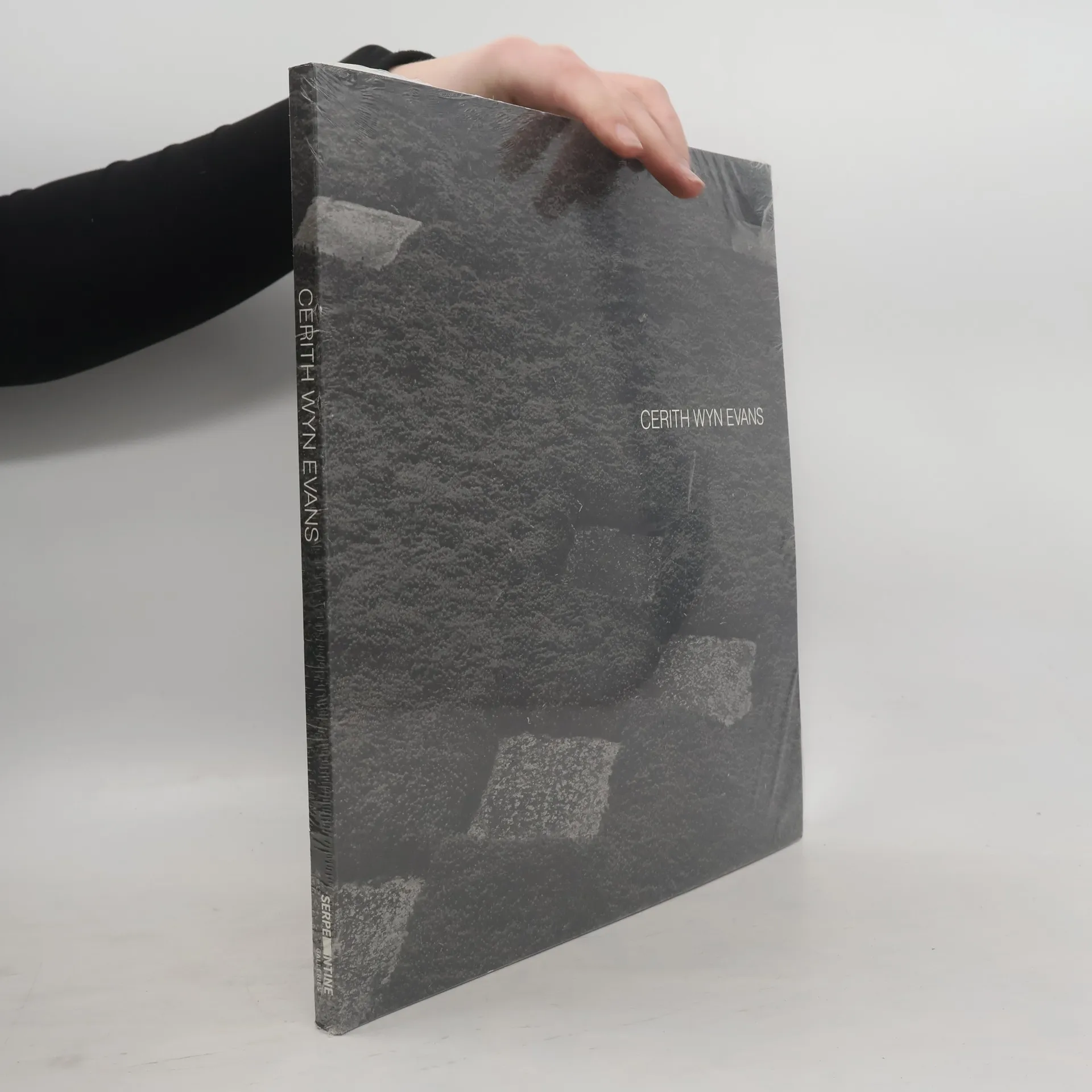
Cerith Wyn Evans
- 152pages
- 6 heures de lecture
This publication is the first to focus solely on the photographic work of Welsh sculptor and filmmaker Cerith Wyn Evans (born 1958), revealing a selection of previously unpublished images. Accompanying this is two texts in a separate booklet: a poetic response to the photographs by philosopher Hélène Cixous, and an "abécédaire" cowritten by Wyn Evans and philosopher Alexander García Düttmann.
Politics, Ethics and Performance: Hélène Cixous and the Théâtre du Soleil
- 244pages
- 9 heures de lecture
The collection features essays by Hélène Cixous, delving into the intersection of theatrical performance and contemporary politics through a feminist lens. Cixous employs a unique performative and poetic writing style to examine ethical considerations within political contexts, highlighting the transformative power of theater.
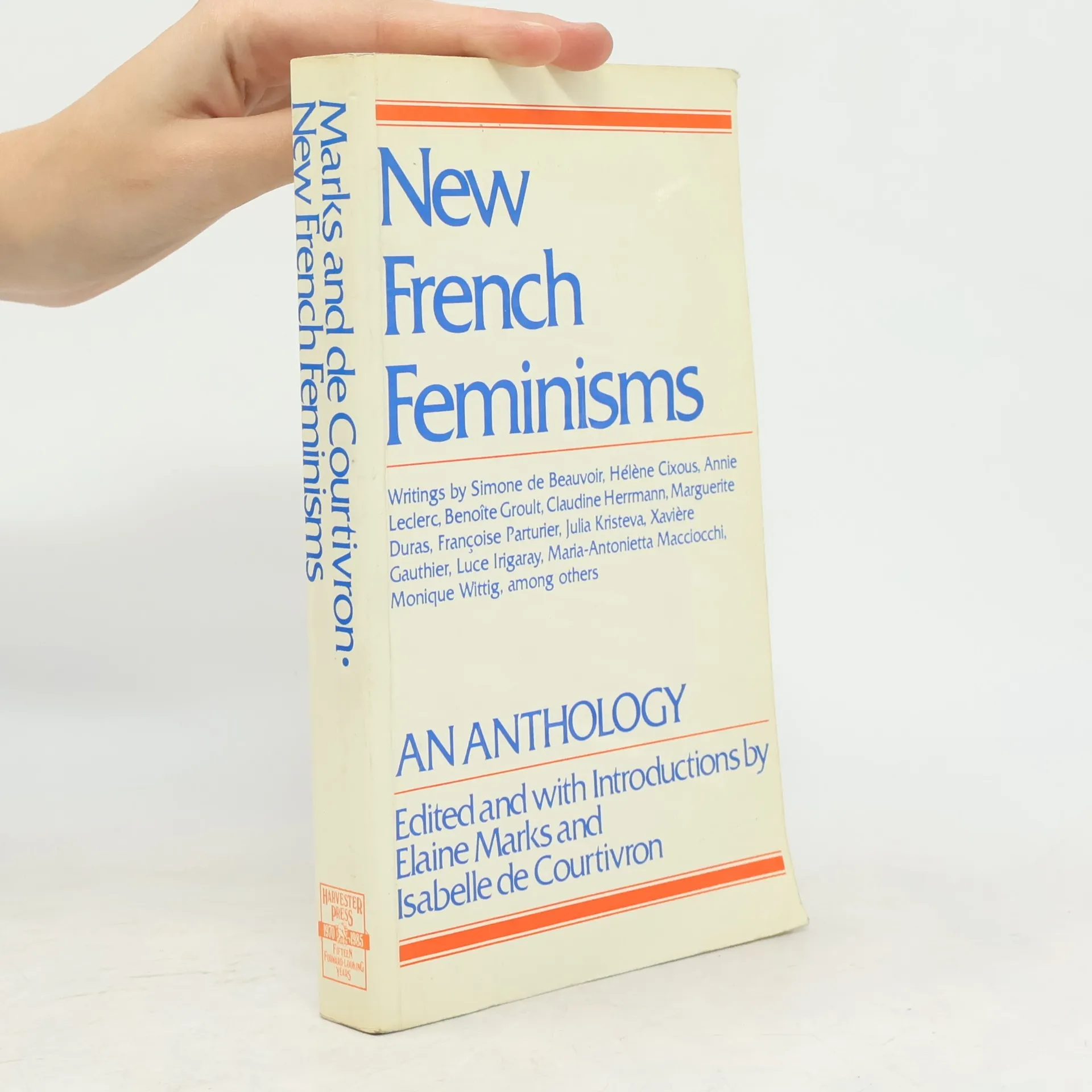
Since 1968, feminist theory has been the subject of much serious intellectual inquiry in France. While the French are familiar with American feminist texts, the opposite is not true - American knowledge of French feminist writing is often limited to Simone de Beauvoir's "The Second Sex," published in 1949. This anthology of NEW FRENCH FEMINISMS is an attempt to bridge that gap. The editors have included over fifty selections of recent French feminist writing, most of which have never before been translated into English, and some of which have never been published in either French or English. The selections reflect the wide spectrum of theories comprising the French feminist movement. These theories complement the more pragmatic and empirical approach of American feminists, for they emphasize dialectical thought, psychoanalytic and linguistic theory, and the politics of language and culture. The editors provide introductory essays that discuss the history of French discourses on feminism and analyze the post-1968 developments. They also supply a chronological table outlining both the major events of French history and those of the French feminist movement, as well as a bio/bibliography and a bibliography.
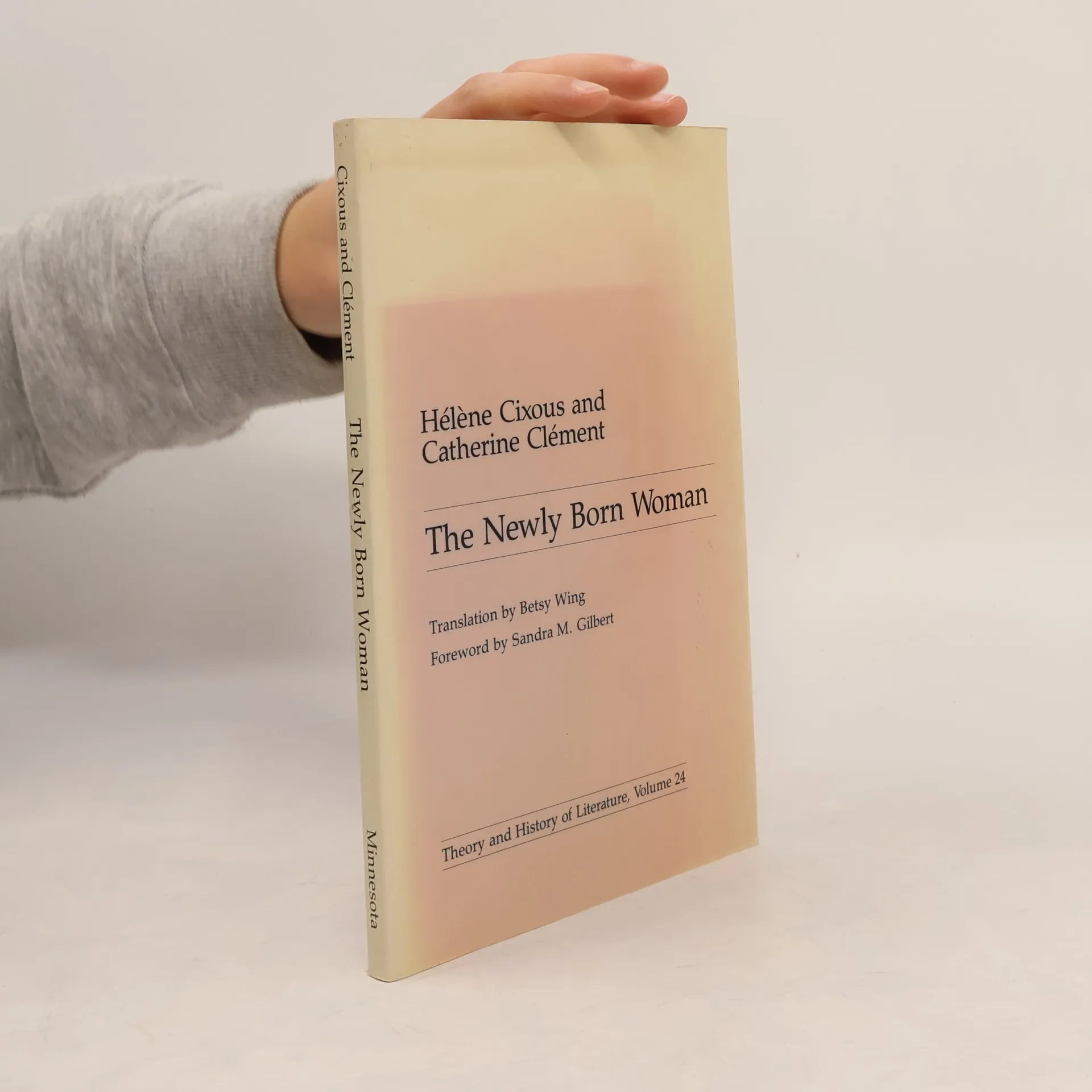
Theory and History of Literature - 24: The Newly Born Woman
- 168pages
- 6 heures de lecture
Published in France as Le jeune née in 1975, and found here in its first English translation, The Newly Born Woman is a landmark text of the modern feminist movement. In it, Hélène Cixous and Catherine Clément put forward the concept of écriture feminine, exploring the ways women’s sexuality and unconscious shape their imagination, their language, and their writing. Through their readings of historical, literary, and psychoanalytic accounts, Cixous and Clément explore what is hidden and repressed in culture, revealing the unconscious of history.
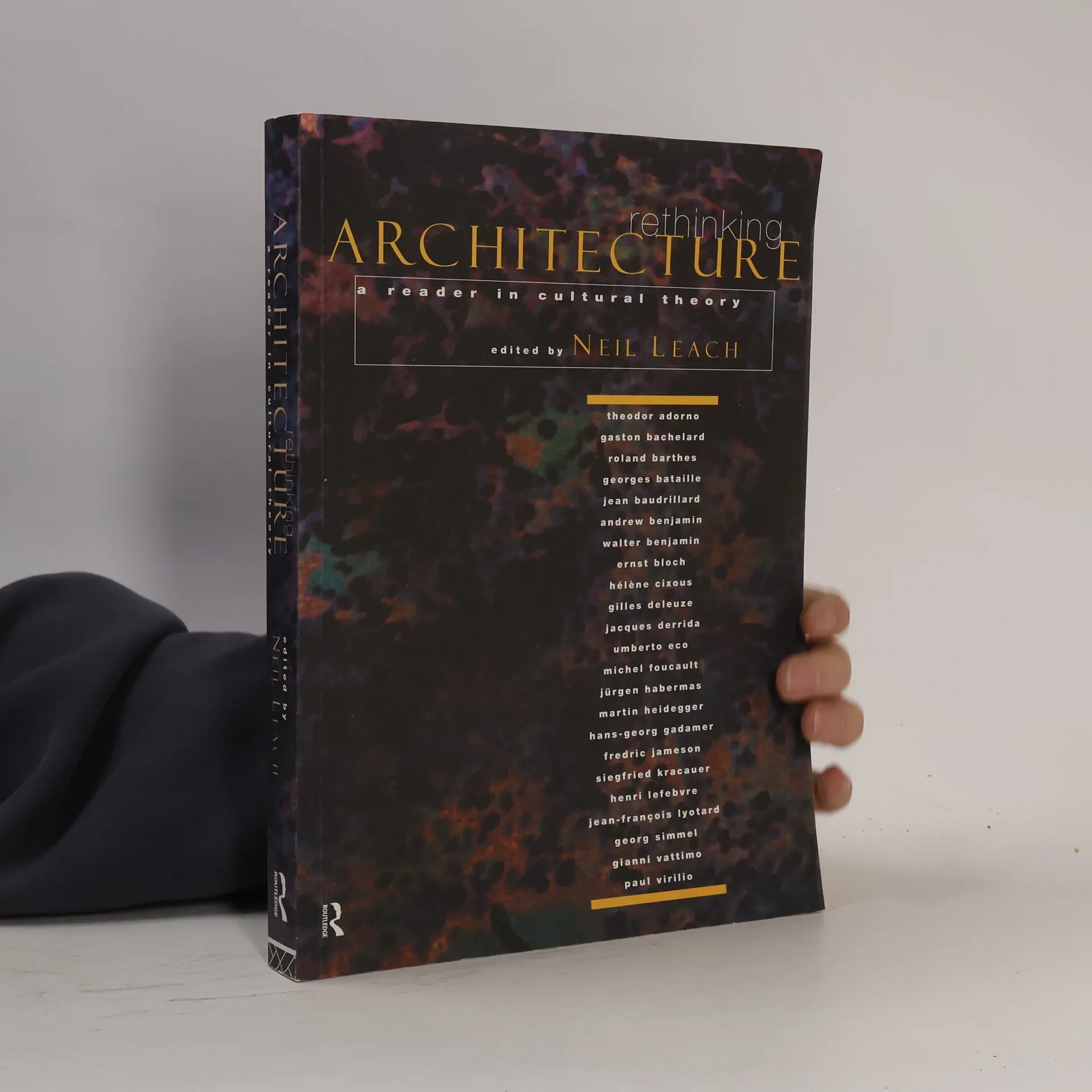
The collection features essential writings from influential philosophers and cultural theorists of the twentieth century, exploring the foundational ideas that have shaped urban environments and architectural experiences. It delves into the theoretical frameworks that underpin contemporary architecture, offering insights into the cultural and philosophical contexts that inform our understanding of space and design. This compilation serves as a critical resource for those interested in the intersection of architecture, philosophy, and urban theory.
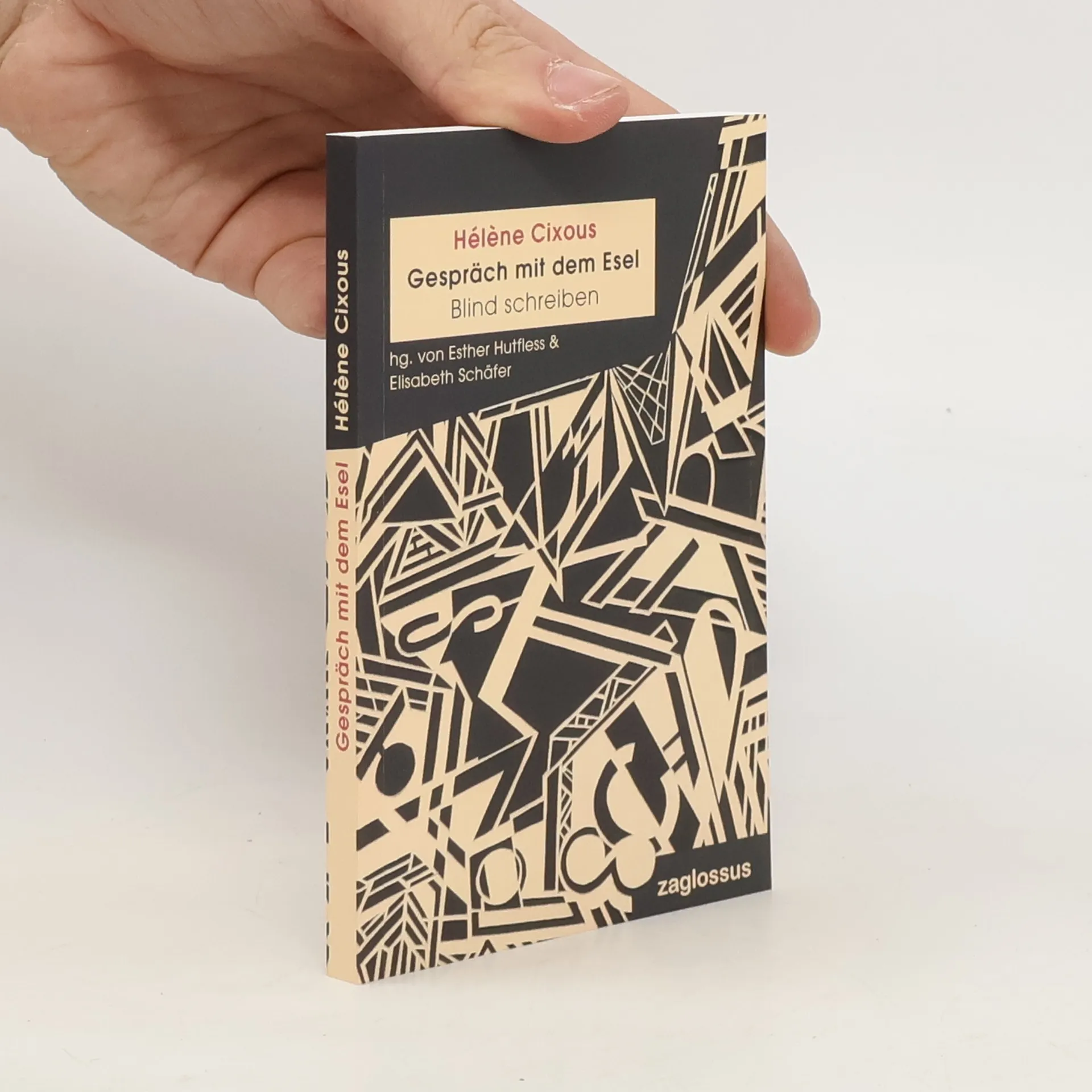
Im Essay „Conversation avec l’âne. Écrire aveugle“ von Hélène Cixous – nun erstmals ins Deutsche übertragen von Claudia Simma, mit einem kommentierenden Nachwort von Esther Hutfless und Elisabeth Schäfer – betont Hélène Cixous jene Dimension des Schreibens, die sich dem Ankommen des radikal Anderen öffnet, was als eines der zentralsten Themen der Dekonstruktion und ihrer Ethik gelten kann. Statt im Prozess des Schreibens auf das Sichtbare, das Offenkundige der uns umgebenden Welt zu fokussieren, geht es Cixous darum, sich dem Verborgenen zu nähern, dem Nicht-Sichtbaren, Nicht-Hörbaren, der Welt der Anderen, einzutauchen in eine Beziehung zum Anderen, in der eine_r nicht länger blind dem Anderen gegenüber ist, sondern sich des ganzen Sensoriums zum Anderen hin bedient. Damit kündigt sich die poetisch-wirksame Utopie einer anderen, einer Bedeutungen queerenden Welt an. Eben diese Annäherung an das Unbekannte, Noch-nicht-Benannte ist eine Bewegung, die jedoch selbst eines „blinden Schreibens“ bedarf, das eine sehende, ergo wissende, teleologische, auf das Objekt des Schreibens zentrierte Perspektive radikal hinter sich lassen will. Hélène Cixous betont – wie in vielleicht keinem anderen ihrer Texte – die immanente Verbindung von Widerstand und Schreiben. Und sie tut dies in einer radikal queer-poetischen Weise, die sich der Kraft der Sprache zur Transformation, zum Generieren neuer Bedeutungen verschreibt.
Bis zum letzten Wort hat Eve die Odyssee ihres Sterbens schon in die drei Hefte diktiert, aus denen H. dieses Epos hier abschreibt. Unverhoffte Hilfe findet sie dabei in Eves eigenen Heften aus ihrer Ausbildungszeit als Hebamme: Geburt ohne Schmerzen. Eve macht H. zur Mutter des 103 Jahre alten Kindes, das sie geworden ist. Nach dem entscheidenden Angriff der Armeen des Todes am 13. Januar ist medizinisch zum Leben nichts mehr da. Aber Eve ist das Leben selbst. Mit Hilfe der Hefte tastet sich das Buch durchs eisige Dunkel der geweiteten Zeit Zuspät, durch das blinde Jenseits der überzähligen Wochen, lange nachdem die letzte Stunde eigentlich geschlagen hat. Eve auf dem Rücken, in ihrer Barke für immer, erfindet für H. ein Sterben, das ein Bleiben ist. H. auf den Knien, bald auf der einen, bald auf der anderen Seite des Pflegebetts, treidelt im Schlamm der Zeit ohne Datum. Jeden der zahllosen Tode hebt sie auf, jedes Gesicht und jeden der letzten Momente, den letzten Schluck Wasser, das letzte Wort, den letzten Kuss. Wie hätte sie heute zu sprechen vermocht, hätte sie nicht die Spalte von Mamans noch lauen Lippen mit ihren Lippen versiegelt, hätte sie nicht ihren Mund auf Eves Mund gelegt um leidenschaftlich seine neue Kälte zu kosten?
Insister
An Jacques Derrida
„Dies ist die Geschichte vom fliegenden Manuskript.“Insister - das mehrsprachige Titelwort nennt mit dem Insistieren und dem Insistierer auch die sister, die ihren Text Jacques Derrida widmet und den langjährigen Dialog oder vielmehr Polylog mit dem verstorbenen Freund fortführt. Das unverhoffte Wiederauffinden eines (im Buch mit abgebildeten) Manuskripts, der handgeschriebene Entwurf von Voiles. Schleier und Segel, den Derrida Cixous von einer Reise nach Südamerika aus zugesandt hatte, gibt Stoff zu einer philosophisch-poetischen Erkundung der Frage des Lesens, des lesenden Schreibens, des lesendschreibenden Gesprächs mit den hinterlassenen Worten, Stimmen und Sprachen des anderen.„Voir à lire auf das Lesen achten Achtung vor dem Lesen verlesen zerlesen mehrlesen überlesen unterlesen bezweifelesen verdoppelesen vergesslesen Voilà lire voile à lire. Leseschleier Lesesegel leg es aus leg ihn an.“Hélène Cixous, geboren 1937
1938, Nächte
- 152pages
- 6 heures de lecture
Die Erzählerin findet den Bericht ihres Großonkels Fred über seine Zeit im KZ Buchenwald und die Ereignisse der Nacht des 9. November 1938. Sie übersetzt das Dokument und verknüpft es mit den Erinnerungen ihrer Mutter sowie Berichten über den Synagogenbrand. Sie untersucht, warum einige Menschen blieben, während andere flohen.
Trauerarbeit. Der Versuch, Licht in die Geschehnisse einer fernen Vergangenheit zu bringen. Mit der Erinnerung an die Geburt und den frühen Tod eines fremdartigen Kindes verknüpfen sich Fragen nach Erbe und Gedächtnis, nach Eugenik und Euthanasie, Schuld und Verdrängung und nach der Rolle der Schrift.
Hélène Cixous, die ihre Kindheit in Algerien verbrachte, wuchs mit dem Deutsch ihrer Mutter und ihrer Großmutter auf – Sprache der Vertrautesten, Sprache von Geflüchteten, deren Kenntnis jedoch, einmal in der Schule, von der Deutschlehrerin angefochten wird. Die in Frankreich aufgewachsene Cécile Wajsbrot lernte Deutsch in der Schule, um das Jiddisch zu verstehen, das ihre Großmutter sprach. Unhintergehbare Mehrsprachigkeit, Sein zwischen den Sprachen und mit den Sprachen: Am Schnittpunkt von persönlichem und literarischem Zeugnis denken die beiden Autorinnen hier mit den vielsprachigen Stimmen ihrer Familien und der Literatur über Einschreibungen des Vergangenen in die Gegenwart nach, über den Umgang Frankreichs und Deutschlands mit der Geschichte, über vergangenen und drohenden Verlust. Sie geben ein anschauliches Beispiel dafür, wie das literarische Erinnern auf die Gegenwart antworten und diese auf eine Weise gedacht werden kann, dass sie ihre Verantwortung für die Zukunft wahrnimmt.
Weiblichkeit in der Schrift
- 128pages
- 5 heures de lecture
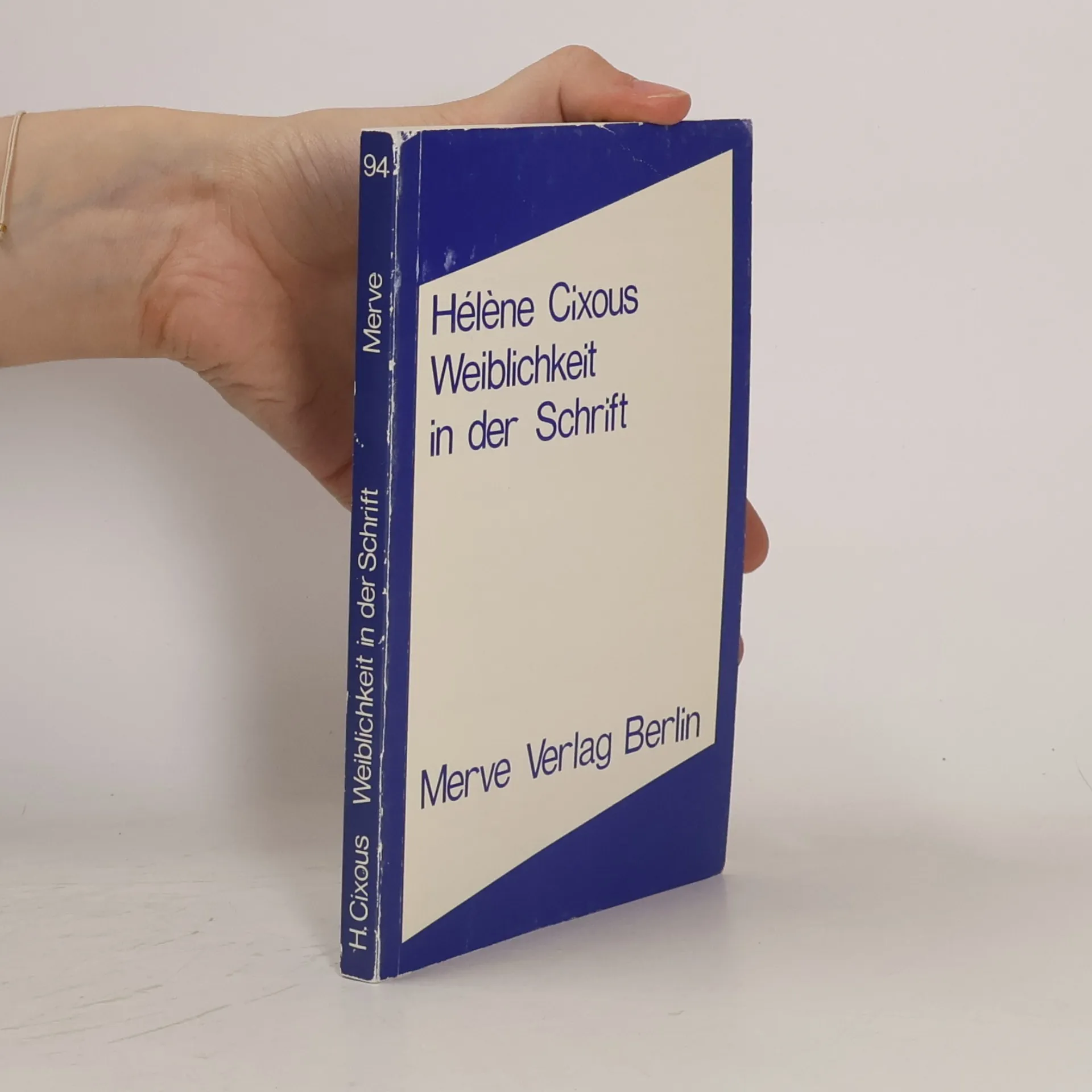
Schreiben als Prozeß oder Ziel? Hélène Cixous zitiert Vergil, analysiert Rilke und entdeckt uns Clarice Lispector.
Als die alte Nachbarin zu ihr sagt, es gingen immer die Besten, beginnt sie, den Tod ihres Vaters neu zu erzählen. Ihr Vater war nicht nur der Beste, er ist es noch immer: »der beste aller Menschen, der lebenden und der toten.« Von diesem Moment an wartet sie auf seine Besuche, voller Hoffnung auf seine Rückkehr. Während ihre Mutter in eine fremde Zukunft entschwindet, kehrt der Vater immer wieder zurück. Sein Tod markiert das Ende ihrer Kindheit, in der das Butterbrot die perfekte Größe hatte und der Boden angenehm nah war. Nun muss sie sich in der unsicheren Welt der Sprache zurechtfinden und ist dabei ganz auf sich allein gestellt. »Ich habe wenig Wörter. Mein Vater, der sie alle besaß, ist so überstürzt aufgebrochen, daß er keine Zeit hatte, sie mir zu geben.« Die Erzählung ist geprägt von Erinnerungen an den Vater, an das Kindsein und an das Finden eigener Worte. Dieser semi-autobiographische Roman von Hélène Cixous, der mit dem Prix Médicis ausgezeichnet wurde, führt in zentrale Themen ihres literarischen Schaffens ein. Cixous‘ Mutter, eine in Osnabrück geborene Jüdin, lernte ihren Mann in Paris kennen und ging mit ihm nach Algerien. Nach dem Tod des Vaters 1948 drängte es die zehnjährige Hélène, zu schreiben: »Mein Schreiben ist in Algerien geboren, von einem verlorenen Land, von einem toten Vater und einer ausländischen Mutter.«
Hélène Cixous ist 1937 in Algerien geboren und hat dort ihre Kindheit verbracht. Die Erfahrung des kolonialen Algerien, des Vichy-Regimes, des Status als Französisch sprechende Juden, als Tochter einer aschkenasischen deutschen Mutter und eines sephardischen algerischen Vaters reflektiert Cixous seit Jahrzehnten in ihrem Werk. In zahlreichen Facetten dekonstruieren die Texte dieses Bandes das koloniale Projekt mit seinen etlichen Ebenen der Unterdrückung. Sie verbinden Theorie und Autofiktion, Poesie und Philosophie zu einer besonderen Gattung von literarischer Arbeit am kolonialen Gedächtnis und seinem Erbe in der Gegenwart. Jenseits von identifikatorischen Aneignungen entfalten sie ein Schreiben der Relationalität, das in Körpern und Sprachen denkt. Im Verhältnis von Zeiten, von Tieren, Menschen, Lebenden und Toten eröffnet es neue Wege und Horizonte: „Als Vergangenheit haben sie die gewaltlose Zukunft, von der wir gemeinsam träumen.“
Wir trotzen den Vorzeichen
- 160pages
- 6 heures de lecture
Dieses Buch ist ein Gedächtnisspaziergang, dem ein Zitat Hamlets – Wir trotzen den Vorzeichen: We defy augury (Hamlet, V, 2) – seinen Namen gibt. Ihr ganzes geheimes Lieben und Leben lang haben die Liebenden den Vorzeichen getrotzt, und es lässt sich nicht entscheiden, ob sie es wissentlich getan haben oder nicht. Wie auch hätten sie die vielen Vorzeichen erkennen und deuten können, die ihnen das Schicksal beispielsweise damals zugespielt hat, als sie, in nächster Nähe zu Heaven , im Restaurant in der 107. Etage der Twin Towers zu Tische saßen? Und dennoch, sagt das Buch, scheint Isaac immer schon geahnt zu haben, was später dann uns allen zugestoßen ist … Es wird darum gehen, die Vorzeichen jetzt zu lesen, jetzt, wo die Twin Towers nicht mehr sind und der ewige Geliebte tot ist. Dabei entsteht aber keine Klage, sondern eine Art hohes Lied auf das Leben als immer neu sich erfindender Widerstand gegen jene Mächte, die es auslöschen wollen.
Wohlverwahrte Ruinen
- 184pages
- 7 heures de lecture
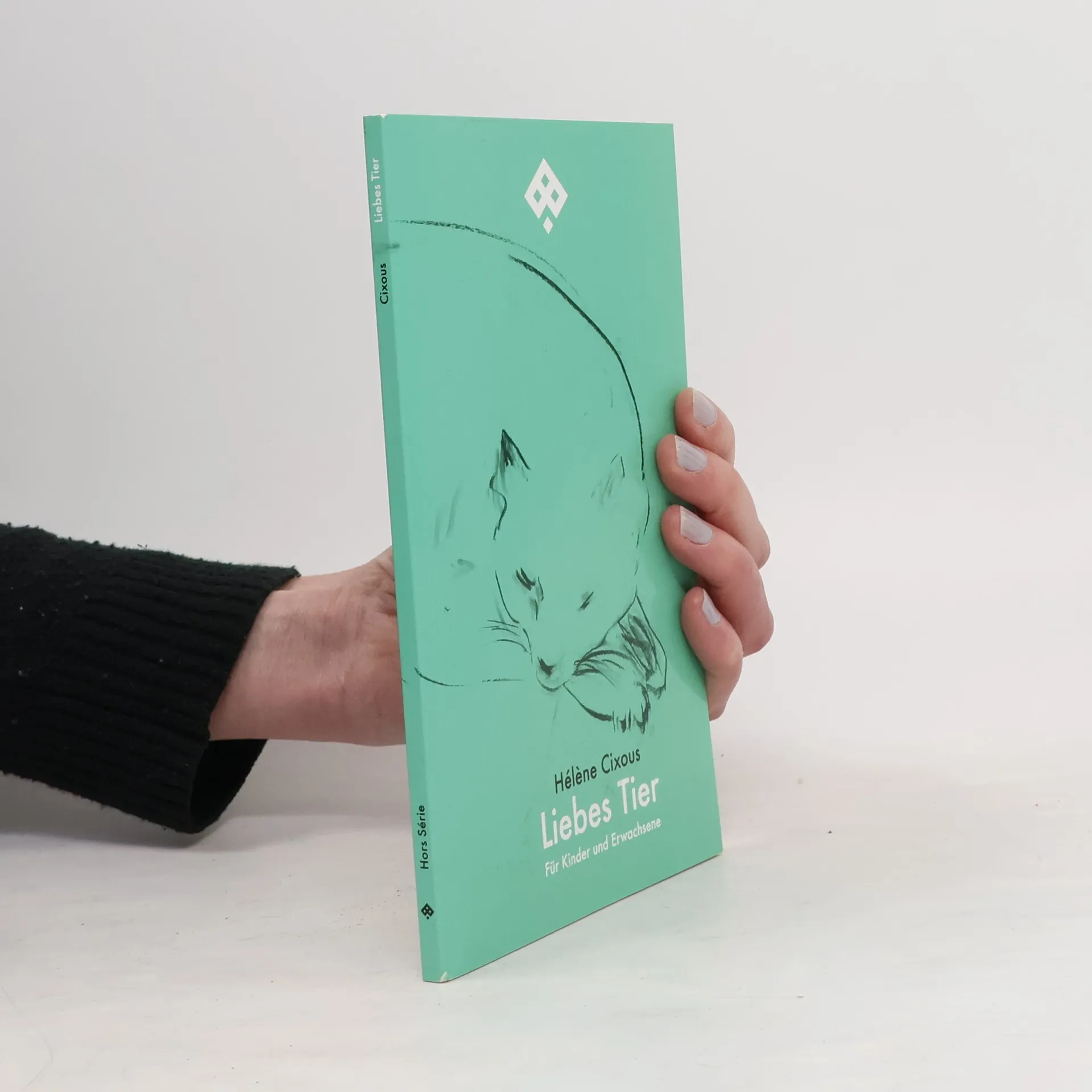
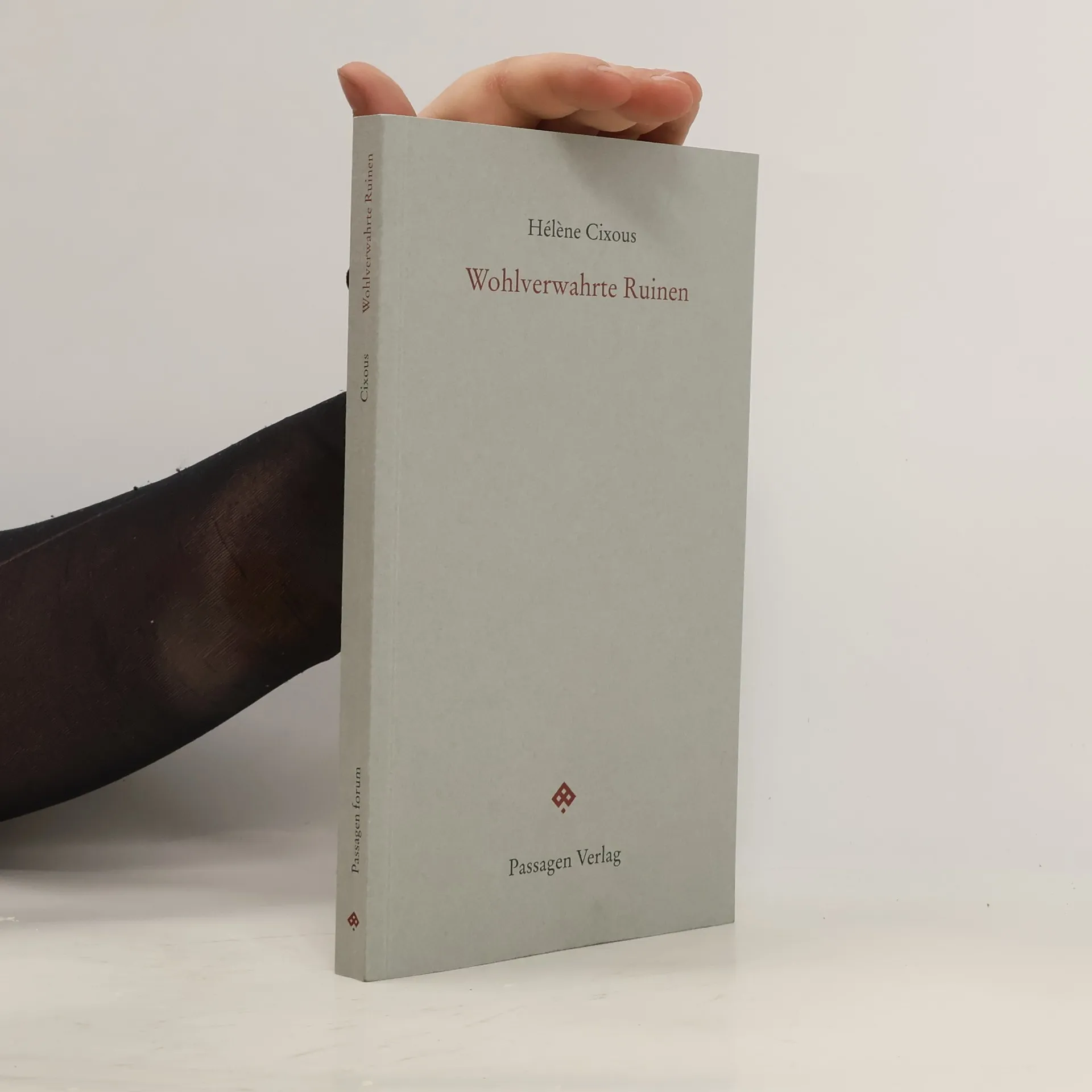
Hélène Cixous führt ihre Leser:innen in diesem Buch noch einmal nach Osnabrück, in die Geburtsstadt ihrer Mutter Eve. Dabei verwebt sich das Schicksal Eves mit den Hexen- und Judenverfolgungen, die dort stattgefunden haben. So wie die Schreibende im Herzen Osnabrücks auf die wohlverwahrten Ruinen der ermordeten Synagoge stößt, in ein säuberliches Mahnmal hinter Gittern geschlichtet, so stößt sie auf ein ordentlich gehaltenes Inventar von Eves Leben, gut verstaut in einem großen schwarzen Koffer. Dieses Inventar beschwört die Ruinen von Eves Leben als Hebamme in Algerien herauf. Als Jüdin floh sie aus Osnabrück, lange bevor die Nazis deutschlandweit die Macht ergriffen. Als Hebamme, als Frau und also Hexe floh sie 1971 mit ihrem Leben in einem schwarzen Koffer aus Algerien, ohne den Verfolgern die Zeit zu lassen, sie ein zweites Mal anzuklagen und einzusperren. Ein Buch, das zu verhindern versucht, dass das Lesen an den sauberen weißen Gebeinen der Ruinen abgleitet.
Die kleine Schrift von Hélène Cixous „un vrai jardin“ (1999 Paris), erscheint zum ersten Mal in deutscher Sprache.
In diesem Band werden zwei bedeutende Texte von Hélène Cixous und Jacques Derrida in deutscher Übersetzung präsentiert, ergänzt durch eine ›Übersetzungsfuge‹ von Claudia Simma. Die Texte stammen aus Vorträgen eines Kolloquiums des Collège International de Philosophie und des Centre d’études Féminines der Universität Paris-VIII, die 1994 veröffentlicht wurden. Cixous’ Beitrag, geprägt von ihrer besonderen Beziehung zu Derrida, erscheint sowohl als Märchen als auch als ein indirektes Gespräch zwischen den beiden. Derridas Text, der aus einem Traum Cixous’ abgeleitet ist, eröffnet eine Diskussion über die sexuelle Differenz. Beide Autoren erweitern die binäre Vorstellung von Geschlecht, indem sie historische, logische und strukturelle Nuancen hinzufügen. Sie distanzieren sich von der reduktiven Annahme einer Geschlechtertrennung und betonen die Notwendigkeit einer dynamischen Re-Artikulation der sexuellen Differenzierung. Dies geschieht im Einklang mit der dekonstruktiven Prämisse, dass jede Einordnung nur eine Lesart der sexuellen Differenz sein kann, die ihrer eigenen Lektüre bedarf. Beide Theoretiker*innen verfolgen die Uneindeutigkeiten der etymologischen Genealogien und phonetischen Anspielungen des verwendeten Vokabulars, um das komplexe Eigenleben dieser „animots“ zwischen Philosophie und Literatur zu erfassen.
Voiles. Schleier und Segel
- 107pages
- 4 heures de lecture
Der vorliegende Band verbindet Reflexionen von Hélène Cixous über „Sehen“ und „Wissen“, sowie deren Verunsicherung, mit einem sich als „Reisetagebuch“ präsentierenden Text-Gewebe von Jacques Derrida über das Verdikt, Ver- und Enthüllung, Wahrheit, Weiblichkeit, das Sehen sowie den jüdischen Gebetsschal Tallith – und nicht zuletzt Seidenwürmer. Der homonyme Titelbegriff Voiles bringt augenblicklich die Fragen der Homonymie, der sexuellen Differenz und des Plurals ins Spiel: das maskuline le voile bedeutet „Schleier“, das feminine la voile „Segel“. Ihre Verbundenheit geben beide Texte durch Anklänge an ein gemeinsames Genre zu erkennen: Autobiografie, Bekenntnis, Erinnerungen, sowie dadurch, dass Derridas auf einer Reise nach Südamerika Ende 1995 verfasster Text neben zahlreichen Lektüren (Bibel, Augustinus, Freud, Benjamin, Heidegger, Celan) ein bisweilen minutiöses Lesen des Essays von Cixous einschließt. Eine mehrstimmige Geschichte befreundeter Denkender und Schreibender, die sich in die Falten von Schleiern wie in die Sprach-Bewegungen der Homonymien, Metonymien und Metaphern hüllt.
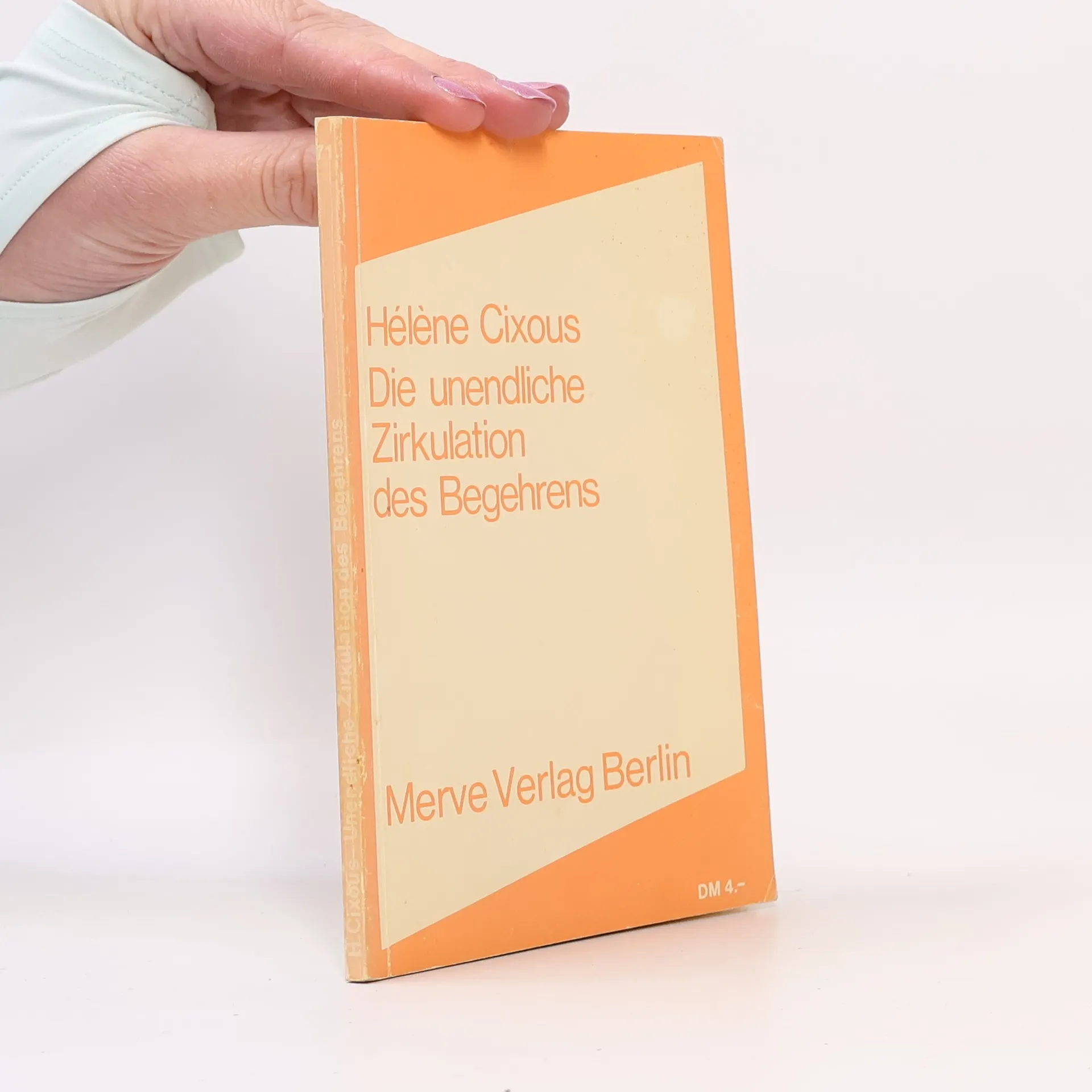
Die unendliche Zirkulation des Begehrens
- 62pages
- 3 heures de lecture